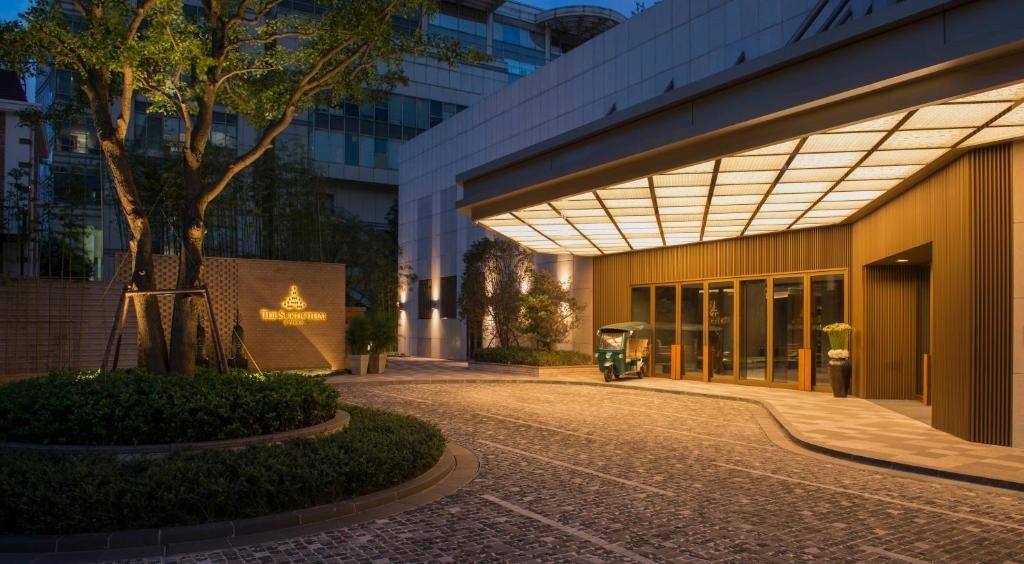




The Sukhothai Shanghai
Huangpu, Shanghai
Hotel in Shanghai, China
 Book with Pearl
The Read
Commissioned Art Meets Sustainable Minimalism
Why go
The Sukhothai Shanghai is worth shortlisting for a polished Jing'an stay with serious hotel recognition and a calmer luxury feel than Shanghai's larger towers. Book it for a couple's weekend, business trip, or special occasion where location and restraint matter; cross-shop if the trip hinges on a confirmed spa-and-pool focus.
About The Sukhothai Shanghai
Do not book The Sukhothai Shanghai expecting every specific detail about every amenity, restaurant, or room category. It is a Shanghai hotel with confirmed recognition from serious hotel lists, including Michelin 1 Key, Forbes 4-Star, Small Luxury Hotels of the World membership, and a 93-point La Liste Top Hotels score.
The verdict: this is a strong candidate for travelers who want a polished Shanghai stay and prefer to anchor the decision in third-party recognition rather than unconfirmed claims about dining, wellness, or service format. The dress code is smart casual, which supports a refined but not overly formal expectation.
Book for recognized Shanghai luxury, not unconfirmed spectacle
The right guest is someone who values a hotel with clearly confirmed recognition and is comfortable checking current room, dining, and amenity details directly before booking. Shanghai has hotels that lean into different versions of luxury; this property makes most sense when the brief is a composed stay backed by Michelin 1 Key, Forbes 4-Star, Small Luxury Hotels of the World membership, and La Liste Top Hotels recognition. If you are deciding among other polished stays, compare carefully with Upper House Shanghai and The Middle House before committing.
Keep expectations practical. The awards point to a serious hospitality experience, but they do not, by themselves, confirm specific restaurant concepts, spa facilities, pool details, room counts, or service formats. If the stay depends on a particular amenity, confirm it directly with the hotel before booking.
Where it fits against Shanghai's other polished stays
For travelers comparing recognized hotels in Shanghai, The Sukhothai Shanghai can sit alongside other polished options. Cachet Boutique Shanghai, JW Marriott Hotel Shanghai at Tomorrow Square, and Alila Shanghai are natural points of comparison if you are weighing different Shanghai hotel choices and want to confirm the current fit before booking.
For planning, compare live availability across Pearl's Shanghai hotels guide and use the Shanghai restaurants guide to build the stay around the wider trip, not just the room. The recognition is strong, but current rates, room types, dining availability, and amenity access should be checked at the time of booking.
Bottom line: book this when the brief is The Sukhothai Shanghai, Shanghai, smart casual polish, and credible third-party recognition. Skip it if your decision depends on unconfirmed specifics such as a specific destination spa, a particular dining format, or detailed amenity claims that should be checked directly before you commit.
Planning details
- Location
- No.380 Weihai Road, 静安区200041
- Website
- sukhothai.com/shanghai/en
- Phone
- +86 21 5237 8888
The take
The Take
The Vibe
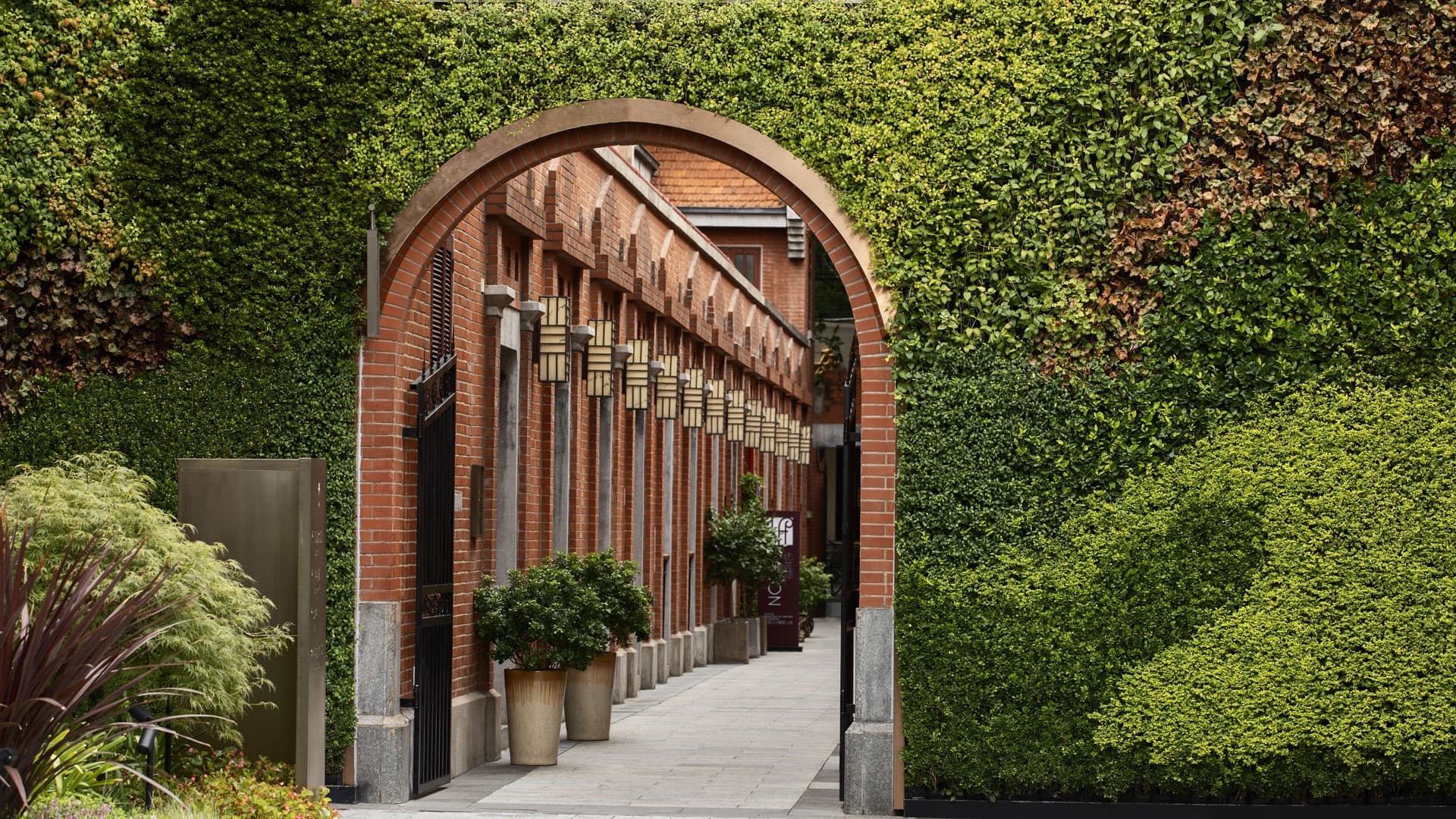
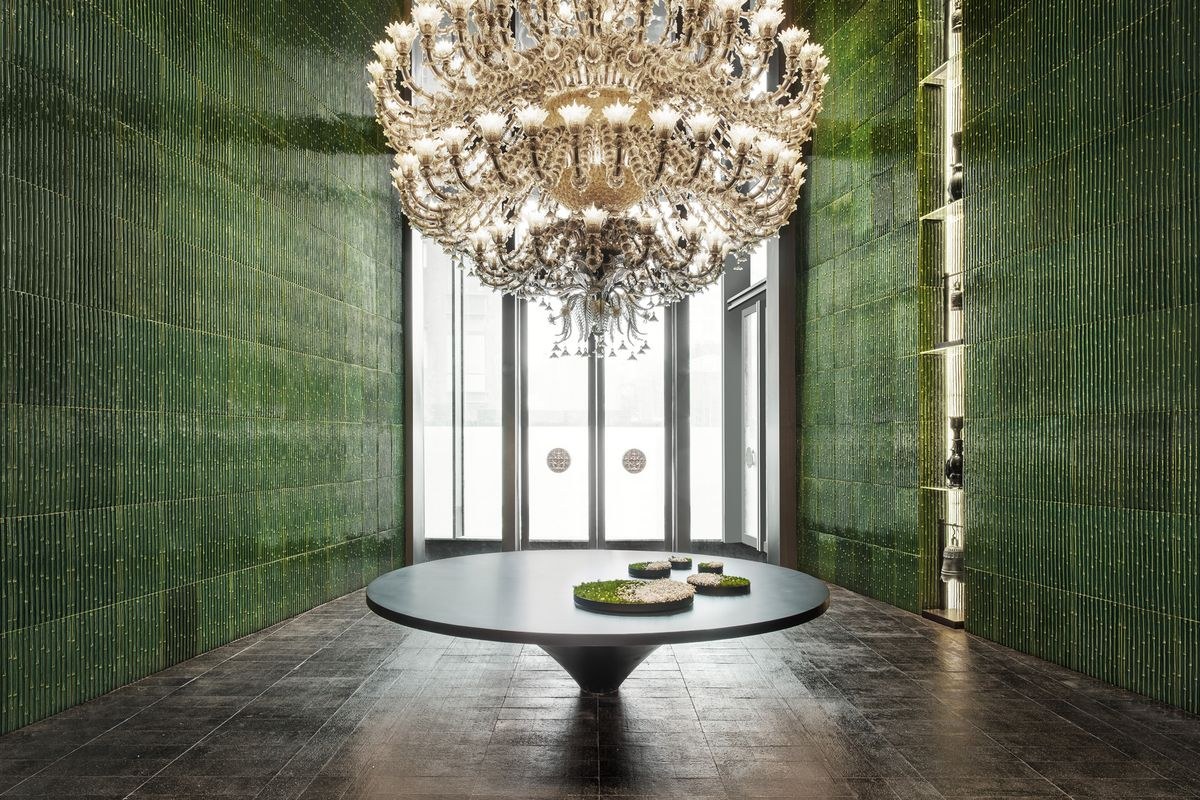
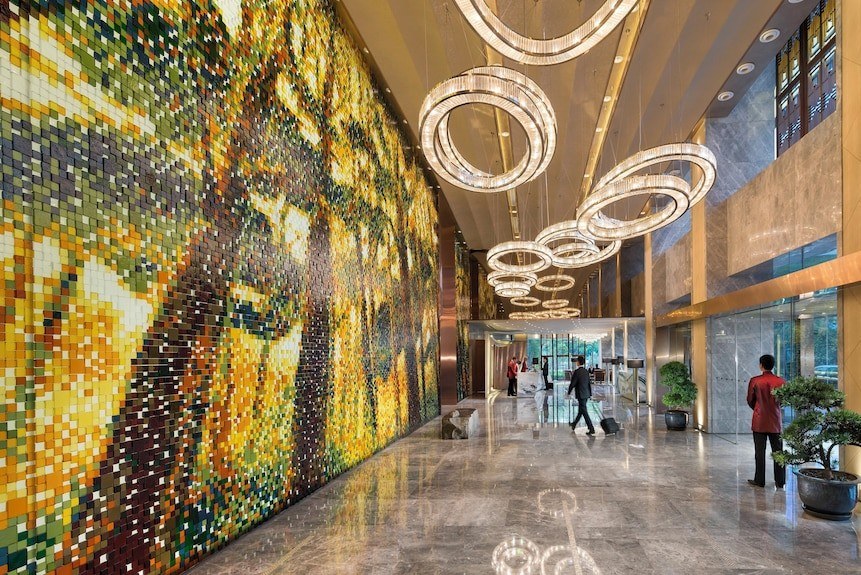
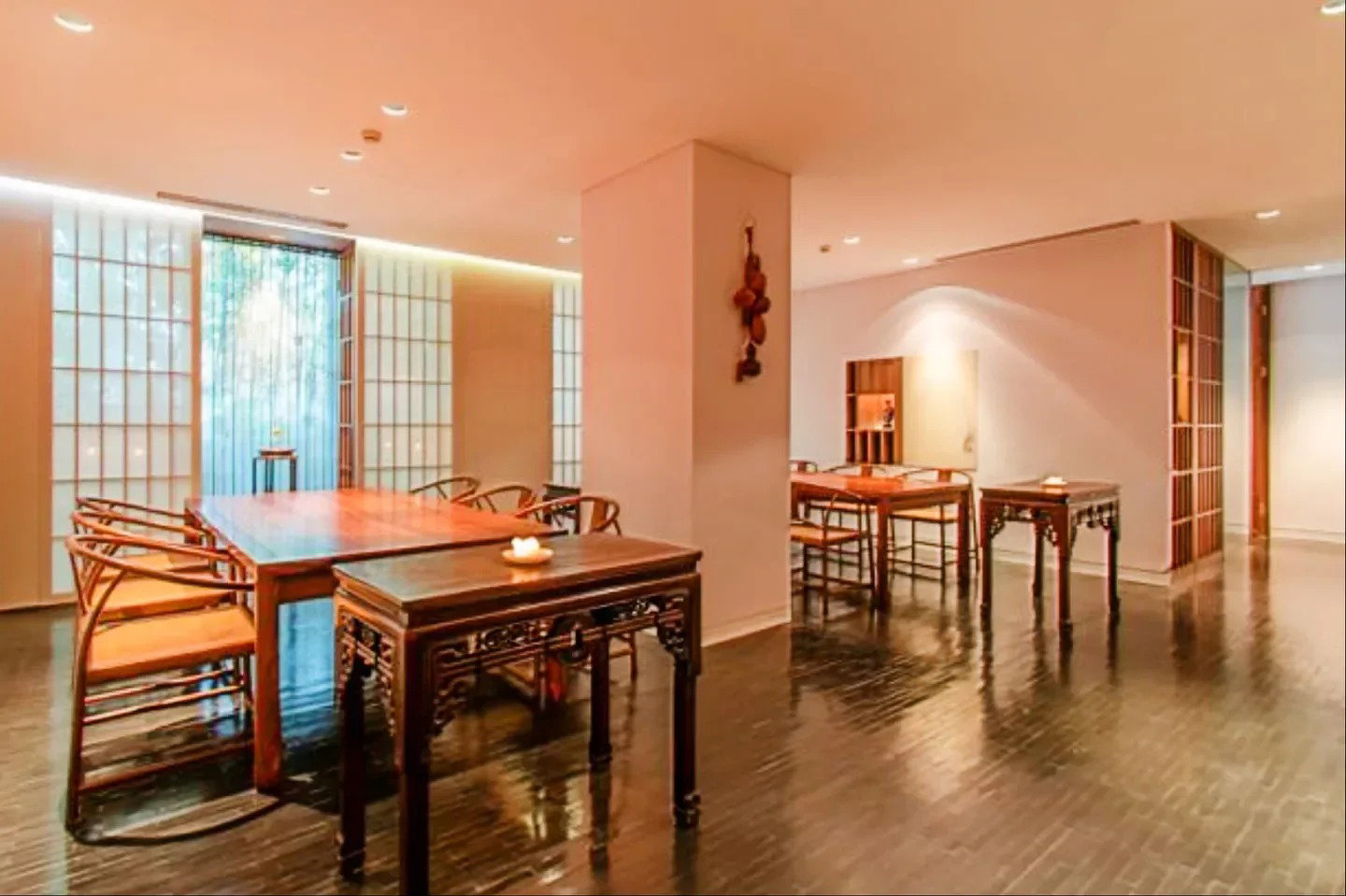
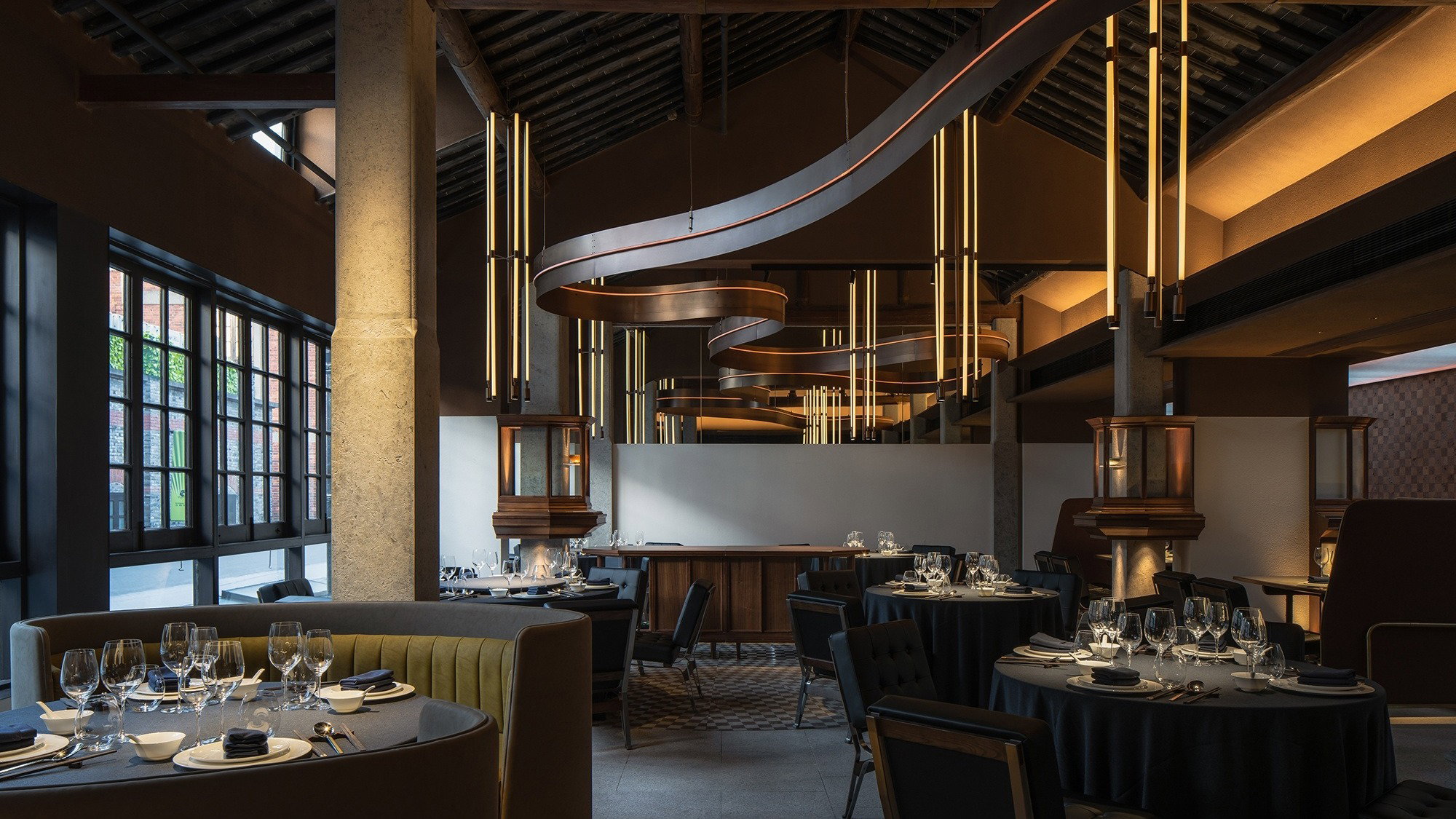
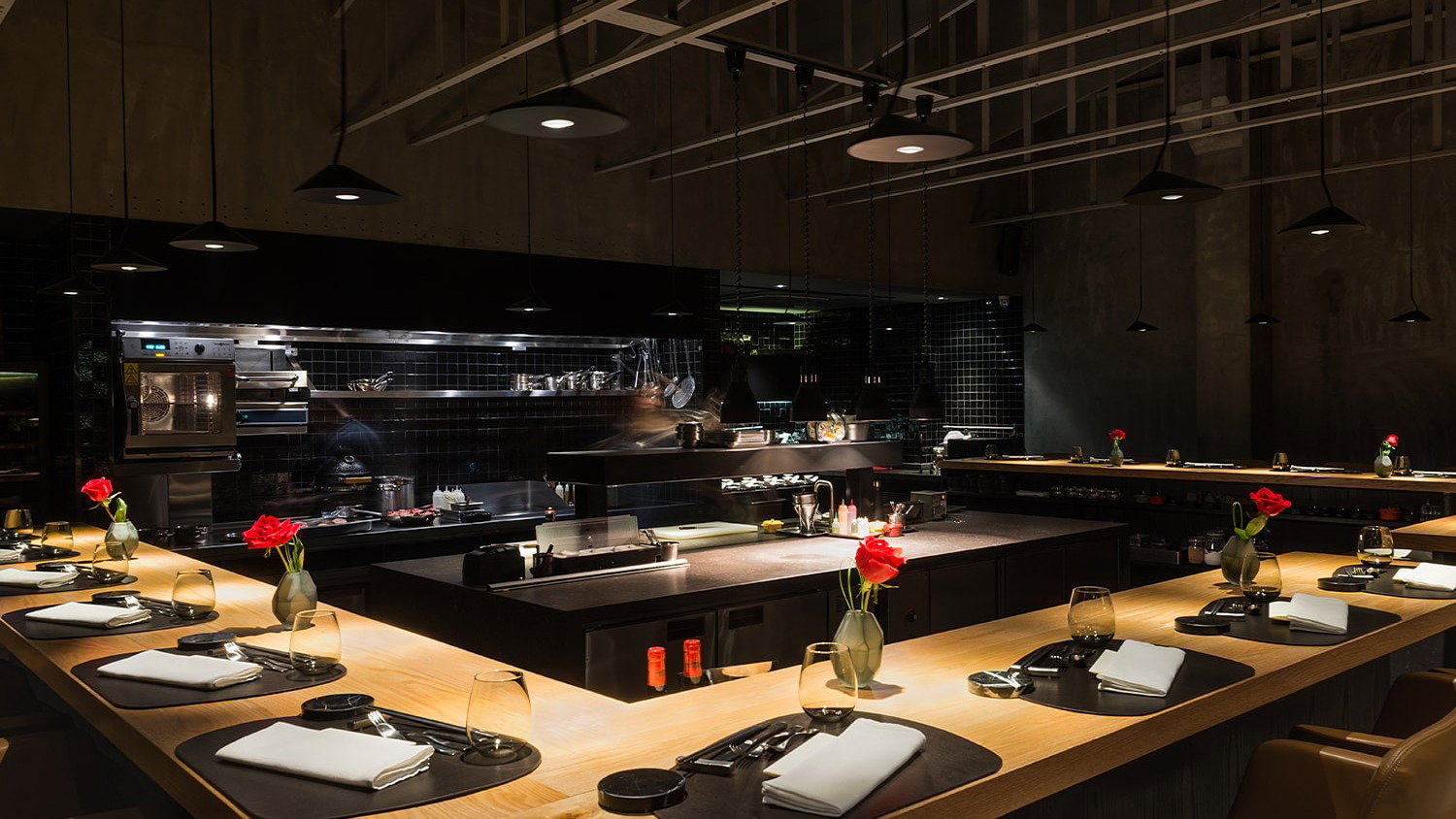
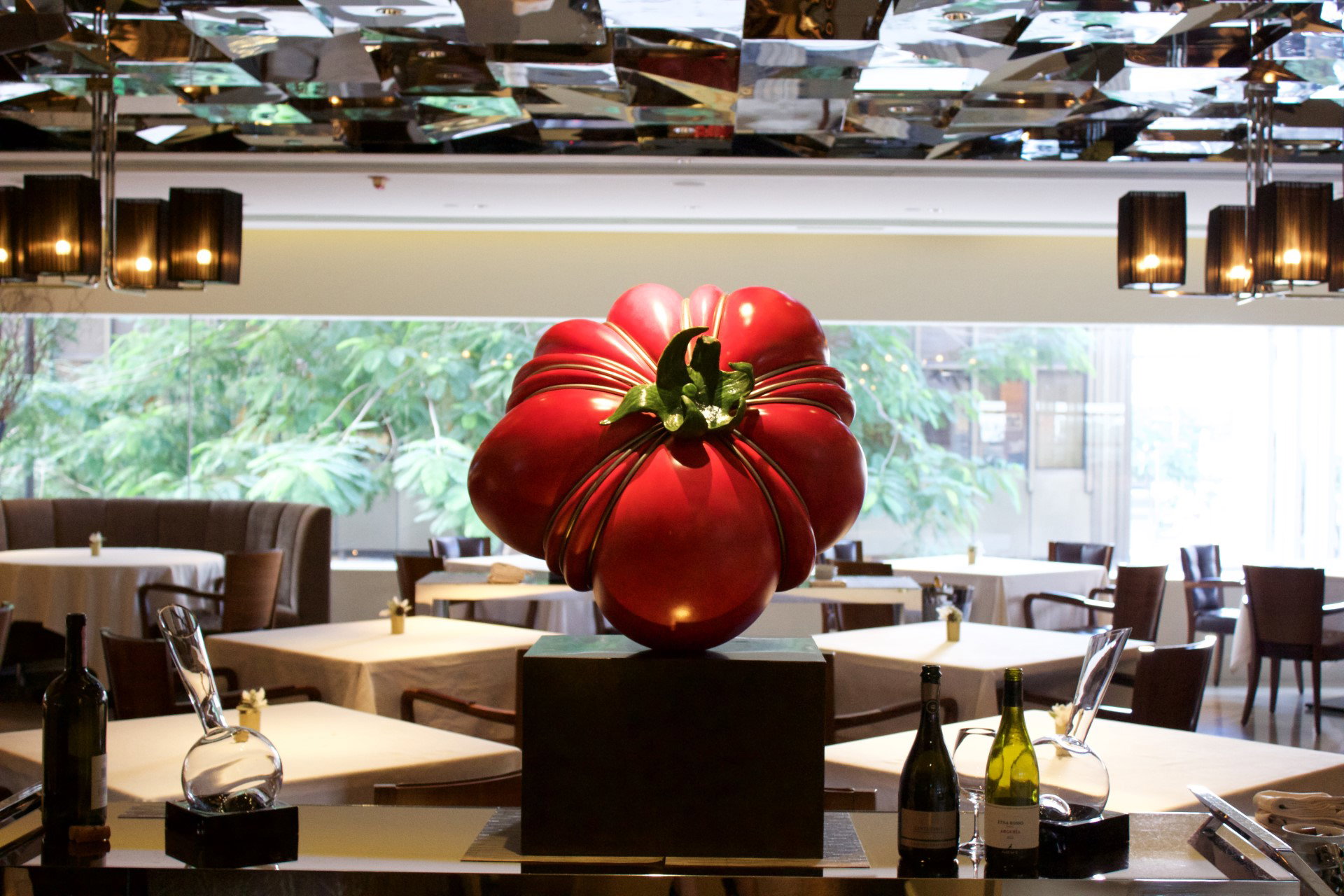
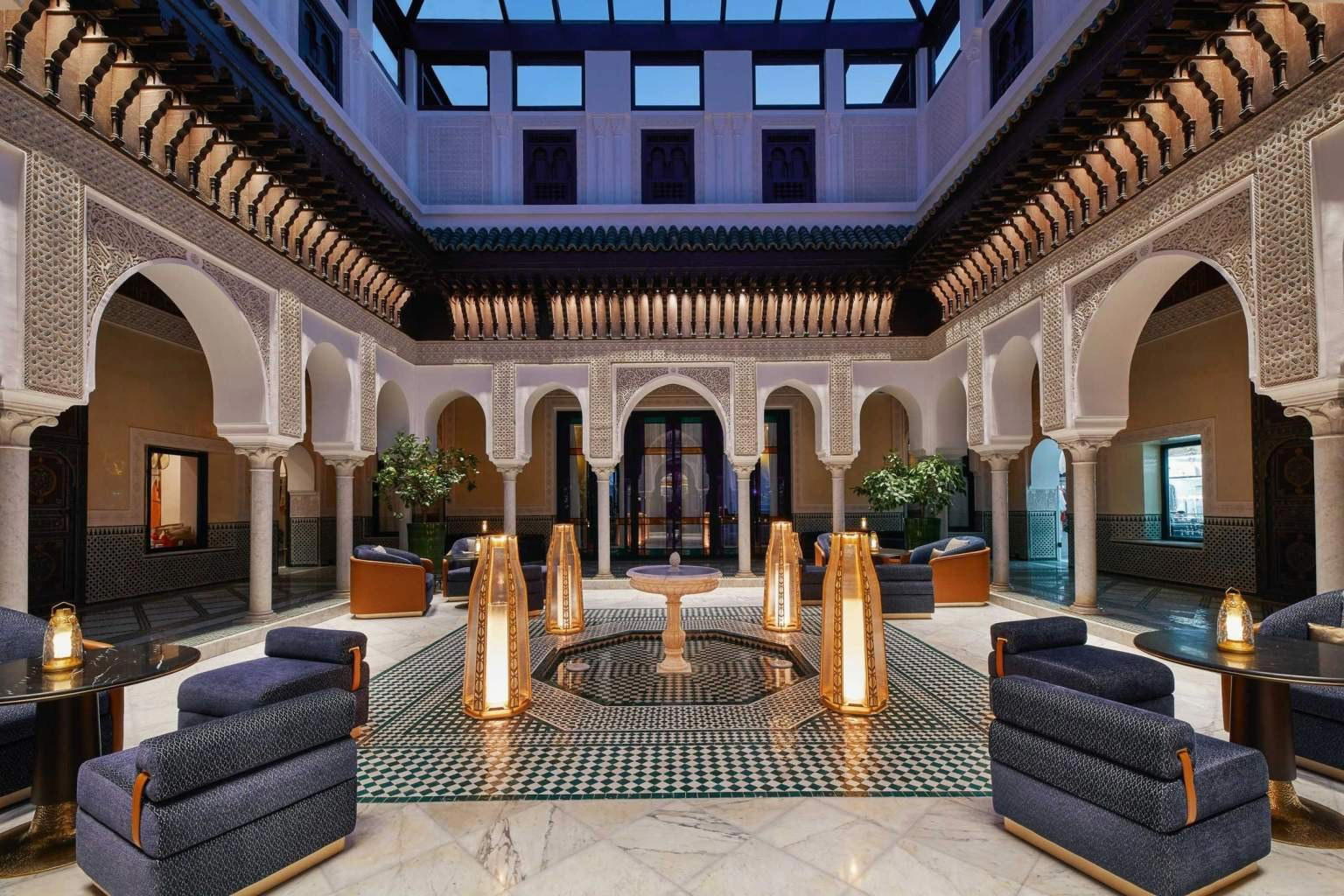
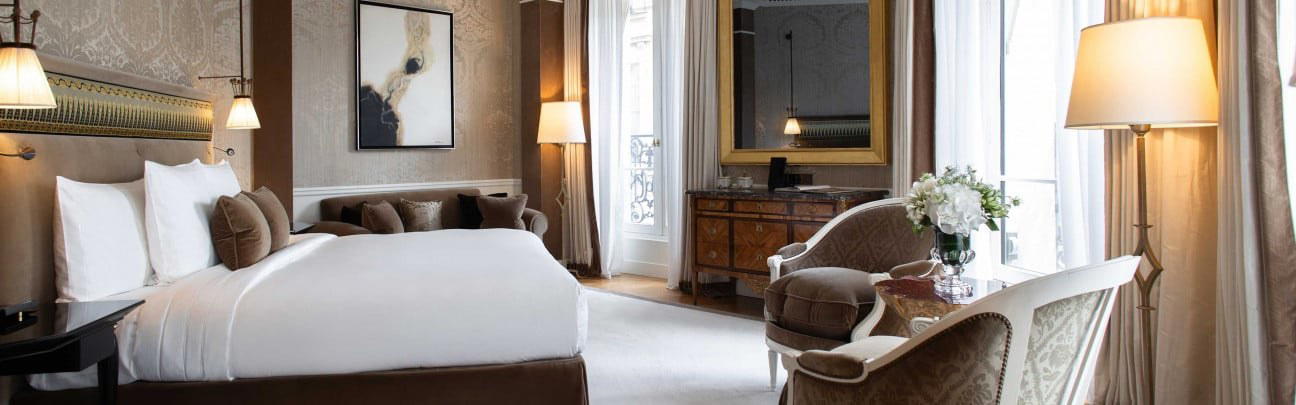
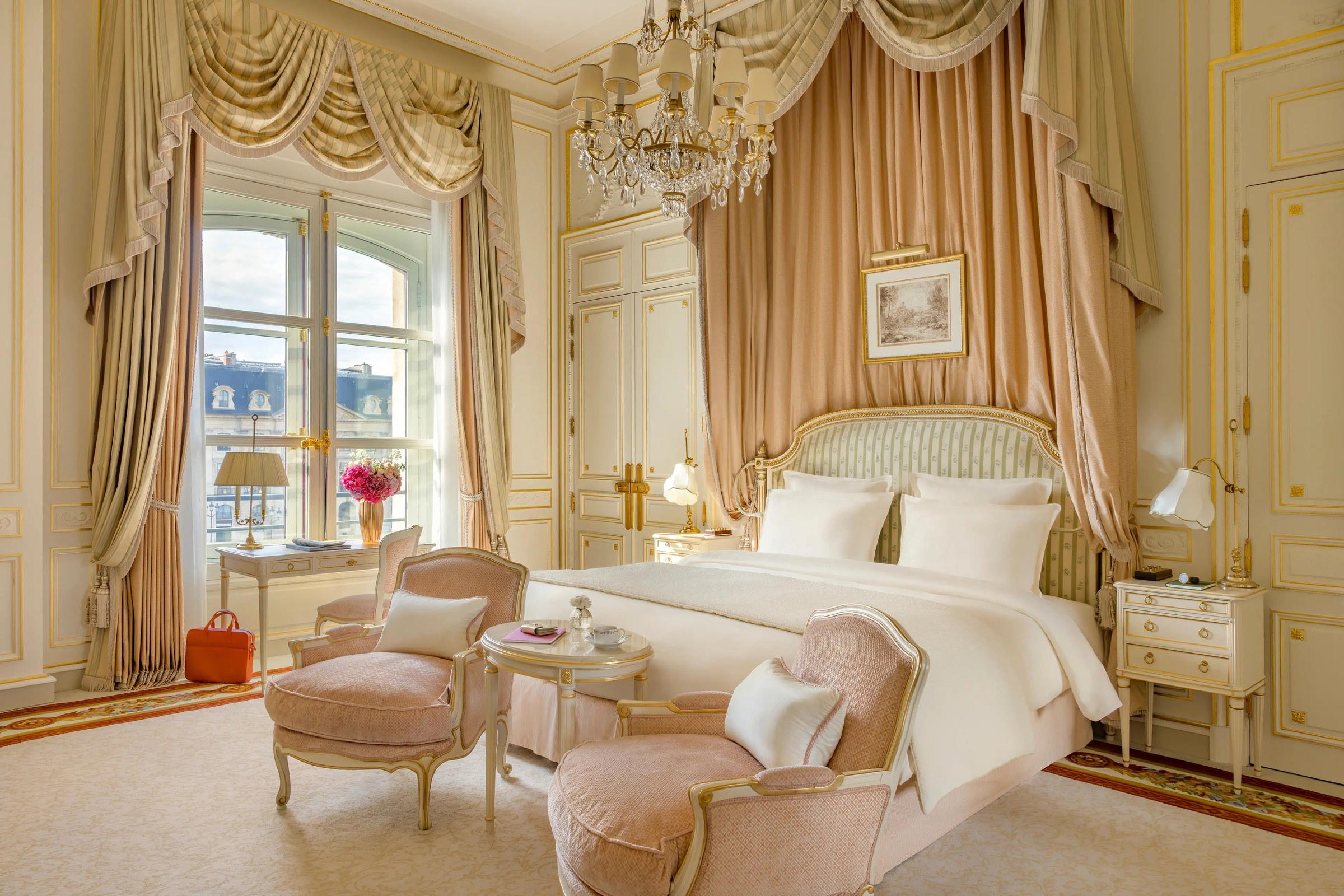
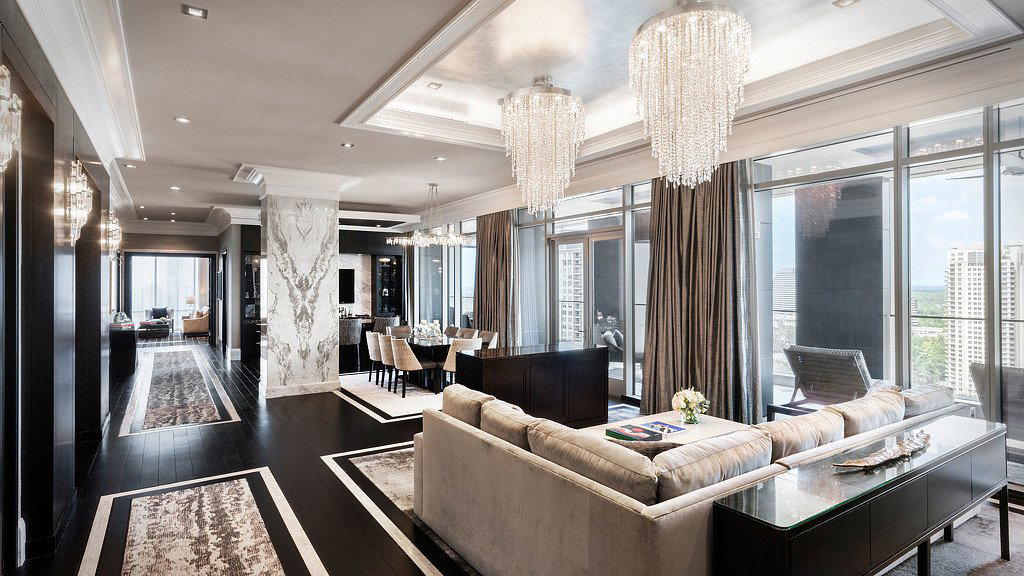
The Sukhothai Shanghai reads as a study in disciplined restraint. Designed by Neri and Hu, the hotel favors clean lines, organic materials and material precision over theatrical gestures, delivering a quietly assured atmosphere. The lobby’s "minimal to the point of stillness" sets the tone: meditative, material-forward and low on spectacle. At 201 rooms the property feels intentionally restrained and intimate, positioned as an alternative to Shanghai’s larger, more overtly dramatic luxury hotels. Overall it conveys a modern, serene sensibility that prizes architectural calm and thoughtful design detail.
Best For
This is a smart pick for travelers who want calm and considered design without sacrificing central convenience. Its location just off Nanjing West Road puts you close to Shanghai’s commercial corridor and the metro, which works well for business trips, while the small scale and quiet, meditative interiors make it suitable for a romantic getaway. The emphasis on deliberate calm and materiality also suits travelers seeking a wellness-focused, restorative stay rather than high-energy urban spectacle. La Liste and Small Luxury Hotels credentials further signal consistent service and high standards.
Venue details
Ambiance
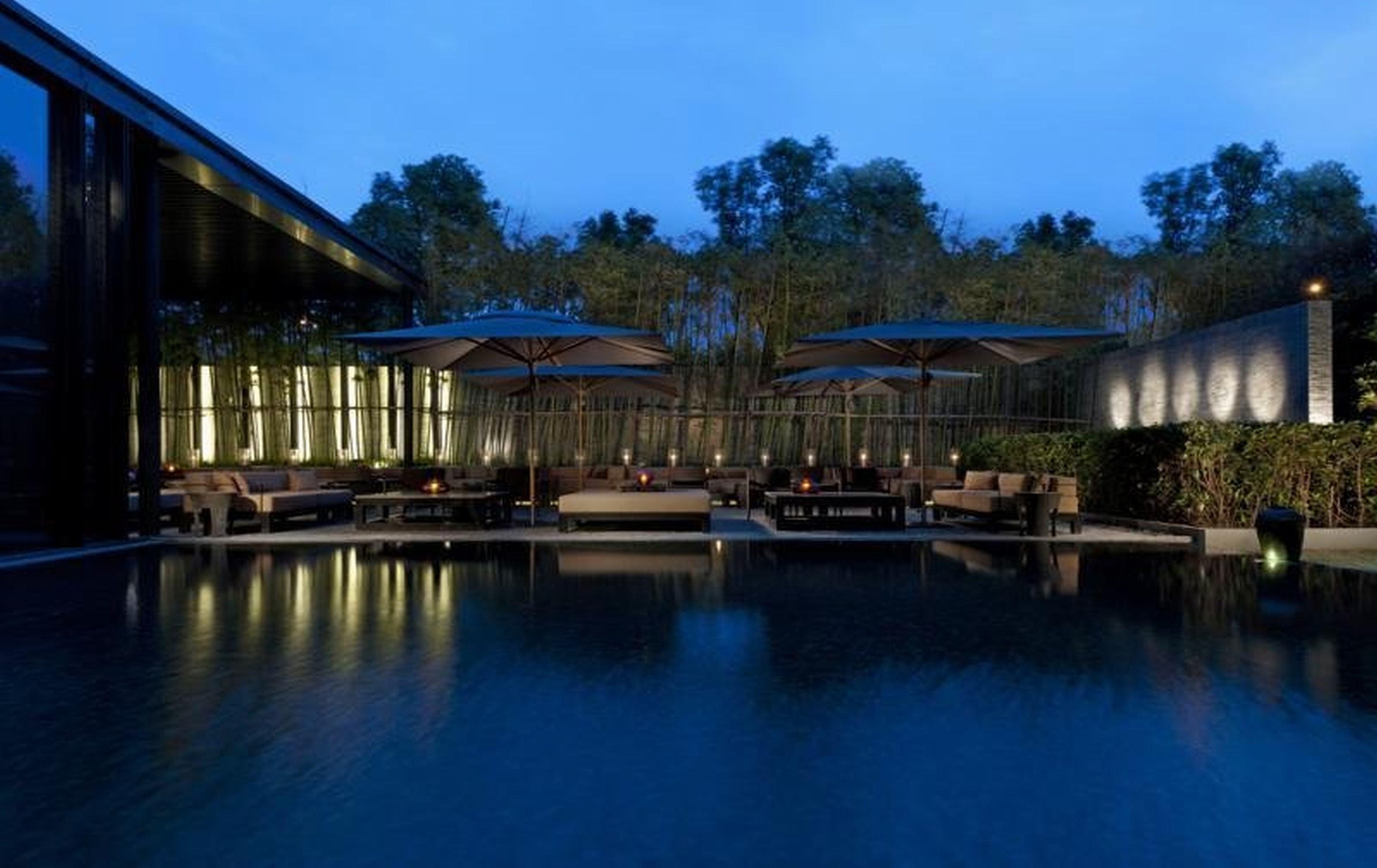
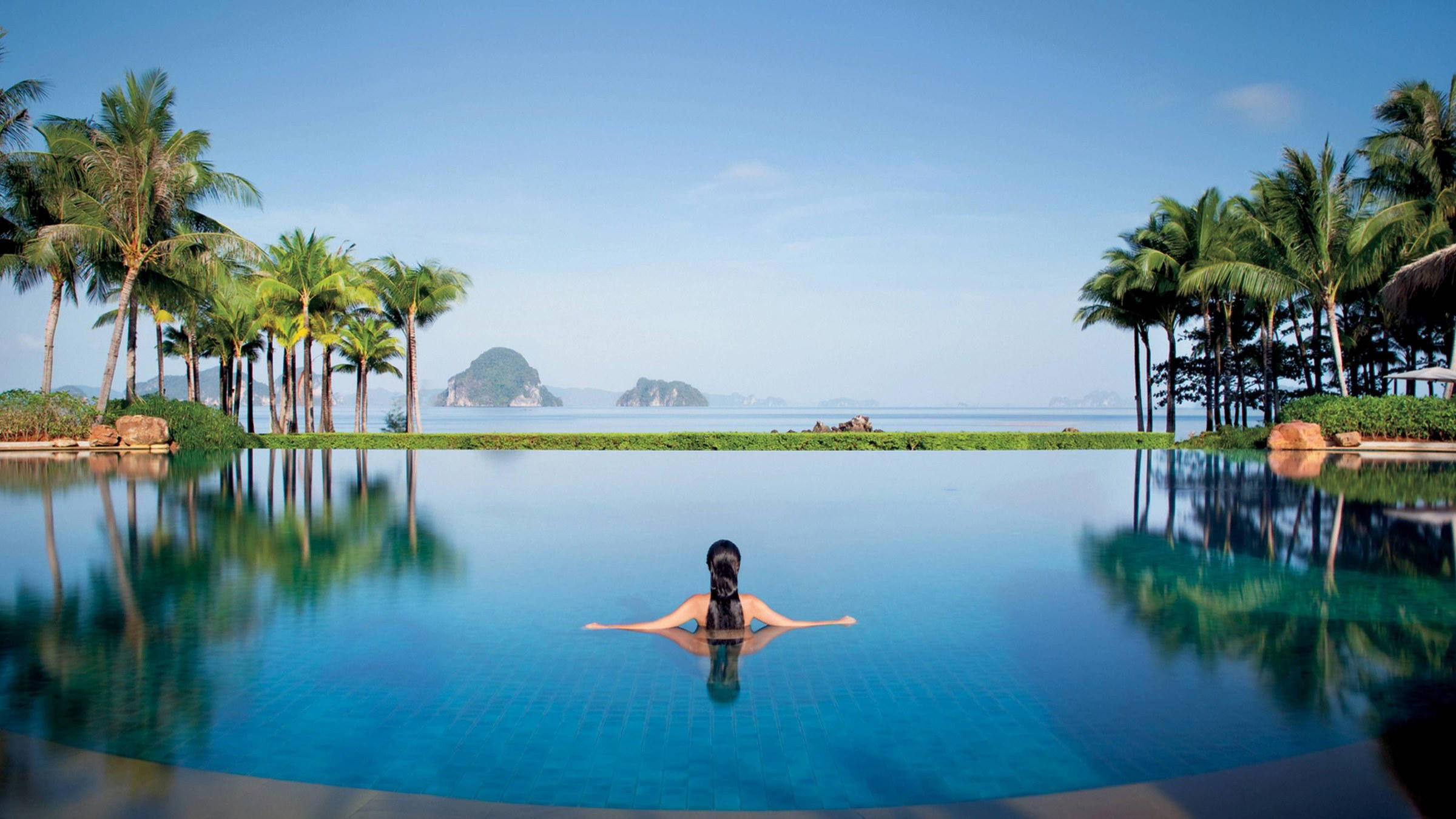
Serene and calming with natural wood furnishings, soft sensor-controlled lighting, and tranquil spaces like the candlelit pool area with hammocks.
Tags
Vibe
Best For
Experience
Amenities
View
Accessibility
About the Stay
- Rooms
- 201
- Check-in
- 15:00
- Check-out
- 11:00
- Property Style
- Contemporary Luxury with Thai Influences in Urban Shanghai
- Design Style
- Minimalist with Light Wood, Sleek Furnishings, and Natural Elements
Know before you go
Know Before You Go
- Getting there
- No.380 Weihai Road, 静安区200041
Planning details
Location
Recognition and awards



Also consider
Where to look if dates do not work
If availability is tight, check The Middle House first for a polished contemporary stay in the same general decision set. For a more budget-conscious design option, compare Cachet Boutique Shanghai.
Hotel context
How it compares in Shanghai
The Sukhothai Shanghai is the better fit if the priority is a calm Jing'an base with credible luxury recognition and a less showy mood. Upper House Shanghai is the stronger cross-shop for travelers who want a more dramatic, high-design stay, while The Middle House sits closest in spirit for guests comparing polished contemporary hotels with a lifestyle edge.
For value, Cachet Boutique Shanghai is the practical alternative if the brief is design-led and central but less formal. JW Marriott Hotel Shanghai at Tomorrow Square makes more sense for travelers who prefer a larger international business hotel rhythm, broader facilities, and a familiar brand feel.
Alila Shanghai is the one to compare if the decision is driven by contemporary calm and a wellness-leaning city stay. The Sukhothai Shanghai is the safer special-occasion pick when third-party recognition and central Jing'an convenience carry more weight than chasing the newest opening.
Explore Shanghai
Around this place
Discover more on Pearl
Unlock the full The Sukhothai Shanghai guide in Pearl, including awards, comparisons, FAQs, planning details, and nearby places.
Compare The Sukhothai Shanghai
| Venue | Location | Awards |
|---|---|---|
| The Sukhothai Shanghai | Shanghai | 2026 Forbes 4-Star2026 La Liste Top HotelsMichelin 1 Key 20252025 Michelin 1 Key2025 Forbes 4-StarSmall Luxury Hotels Member 2025 |
| Upper House Shanghai | Shanghai | No published awards |
| The Middle House | Shanghai | No published awards |
| Cachet Boutique Shanghai | Shanghai | No published awards |
| JW Marriott Hotel Shanghai at Tomorrow Square | Shanghai | No published awards |
| Alila Shanghai | Shanghai | No published awards |
How The Sukhothai Shanghai compares with similar nearby venues.