

Umiltà 36
Trevi, Rome
Hotel in Rome, Italy
 Book with Pearl
The Read
Contrast-Interior Boutique
Why go
Umiltà 36 is worth booking if the priority is a polished central Rome base with credible luxury recognition, not a stay built around a destination restaurant. Its Michelin 1 Key and hotel-collection credentials make it a serious small-hotel option, but dining-led travelers should compare the full Rome hotel and restaurant plan before committing.
About Umiltà 36
For a Rome trip, treat Umiltà 36 primarily as a hotel choice rather than as a dining-led booking. It is best read as a smart casual, recognized Rome stay, with hotel accolades that give it context for travelers comparing options. If meals are a major part of the trip, plan dining separately.
The appeal is third-party hotel recognition rather than a long list of documented amenities. Umiltà 36 is in Rome, and its accolades give useful context for travelers comparing it with other Rome hotels. Beyond that, specific claims about neighborhood, facilities, room count, service style, or on-site dining should be checked directly before booking.
Book it for Rome hotel recognition, not a restaurant-led stay
The clearest verdict: book if hotel recognition matters more than a fully documented culinary program. The property carries Michelin 1 Key recognition, Preferred Hotels L.V.X. Collection placement, and a Mr & Mrs Smith Seal of Approval, which gives it third-party credibility in the hotel category. That does not establish any restaurant, bar, or dining format as a destination on its own. If meals are the anchor of the trip, plan them separately rather than assuming the hotel should lead the itinerary.
For a first-timer, this distinction matters. Umiltà 36 is the kind of hotel to consider when the stay needs a recognized Rome base and a smart casual default. It is less suitable for travelers who need confirmed details on a spa-first hotel day, a large list of facilities, a named chef, a tasting menu, or a bar program before deciding.
Who should choose this over other Rome hotel options
Choose this over Six Senses Rome only if Umiltà 36's recognition and Rome setting fit your trip better. Compare it with Maalot Roma, Singer Palace Hotel, Palazzo Roma, and Corso 281 Luxury Suites if you are deciding among recognized Rome stays and want to verify which property best matches your preferred room style, facilities, and booking terms.
To make the best decision, confirm availability, rates, cancellation terms, and any dining or wellness details directly before committing, then decide whether meals should be planned independently once the actual trip rhythm is clear.
Reservations: confirm availability and booking terms directly. Dress: smart casual. Budget: compare live rates against Six Senses Rome, Maalot Roma, Singer Palace Hotel, Palazzo Roma, and Corso 281 Luxury Suites before committing. Good for: travelers who value confirmed hotel recognition in Rome. Less good for: dining-led itineraries and travelers who want every facility detail before arrival.
Planning details
- Location
- Via dell'Umiltà, 36, 00187 Roma RM
- Website
- umilta36.com
- Phone
- +39 06 878080
The take
The Take
The Vibe
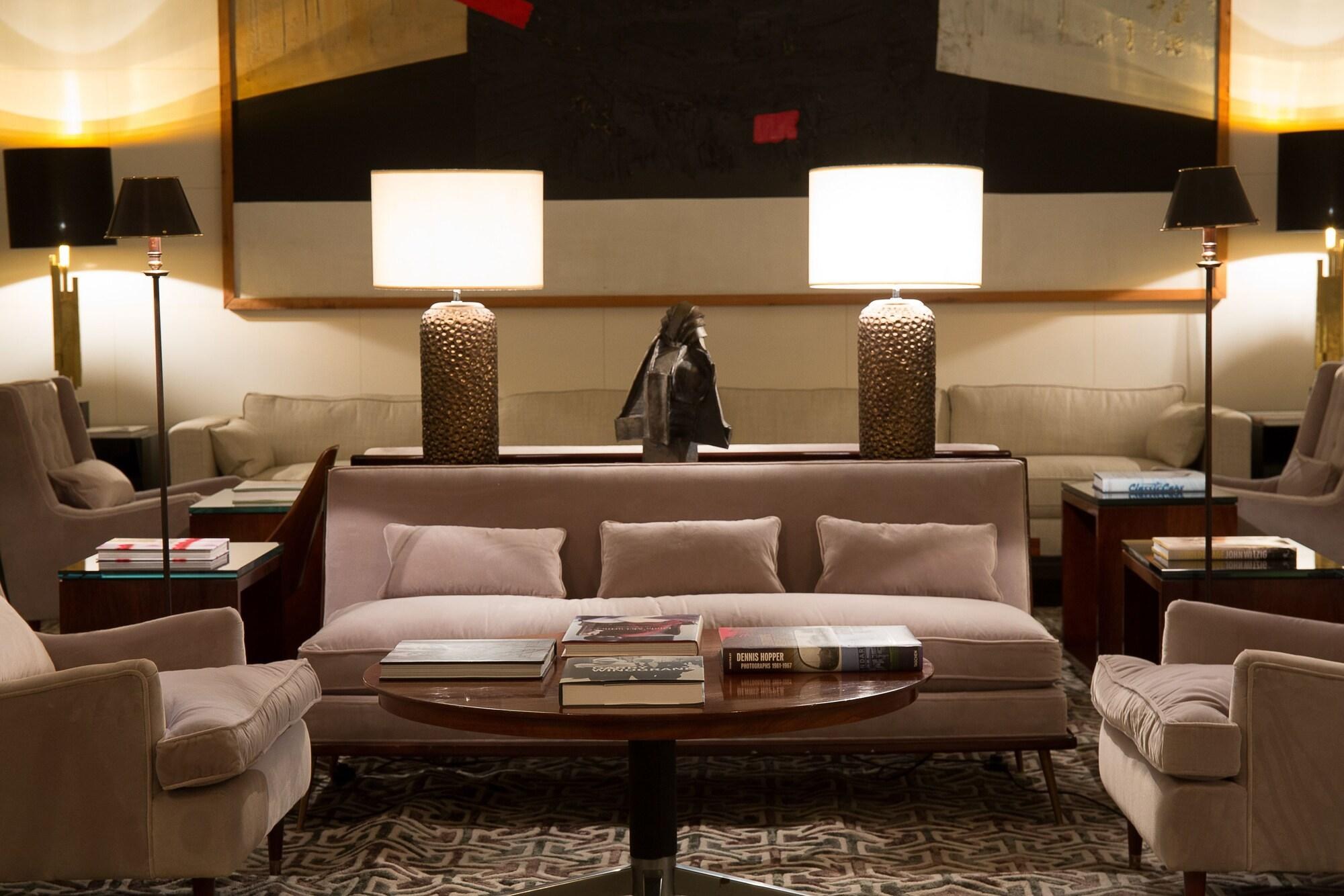
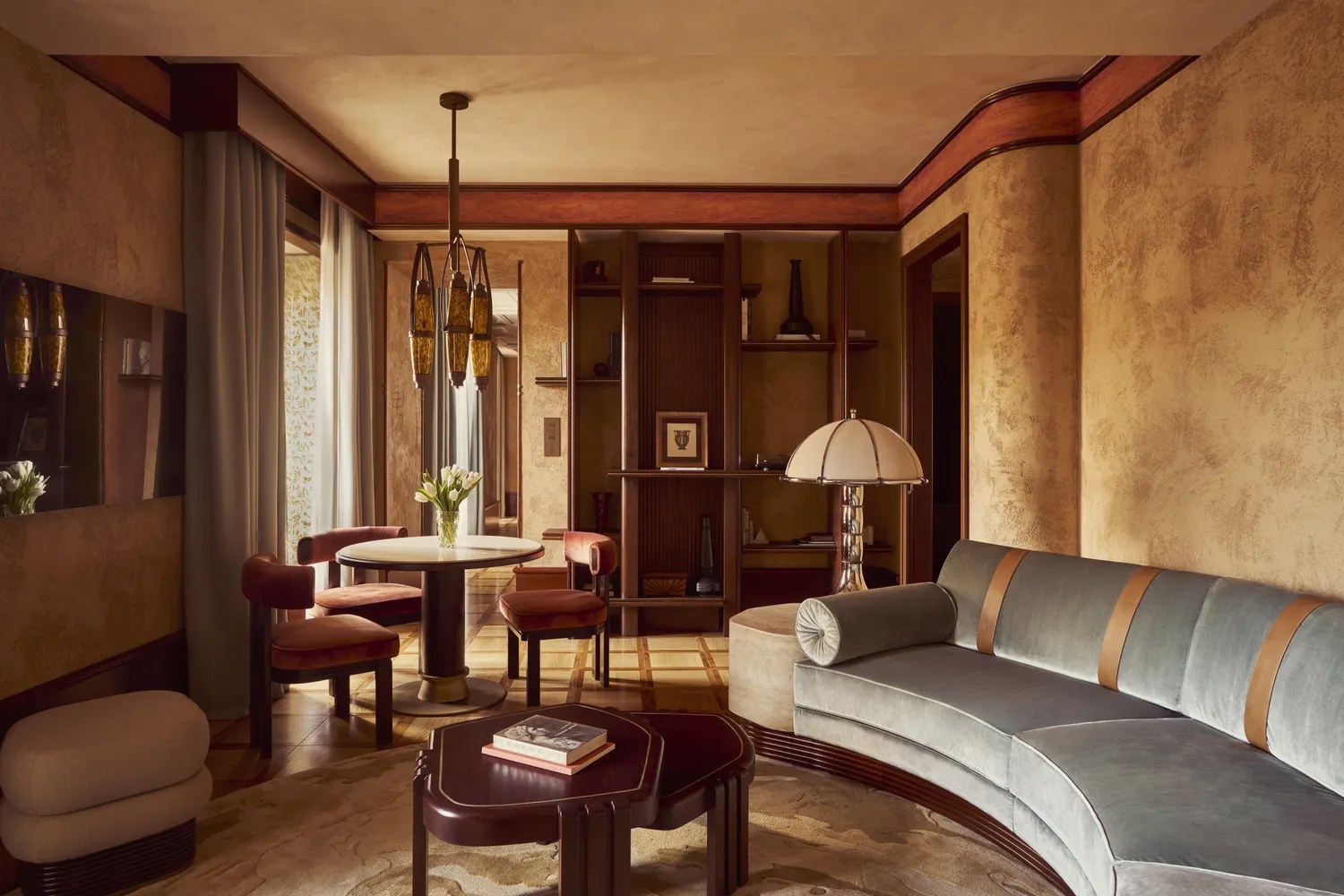
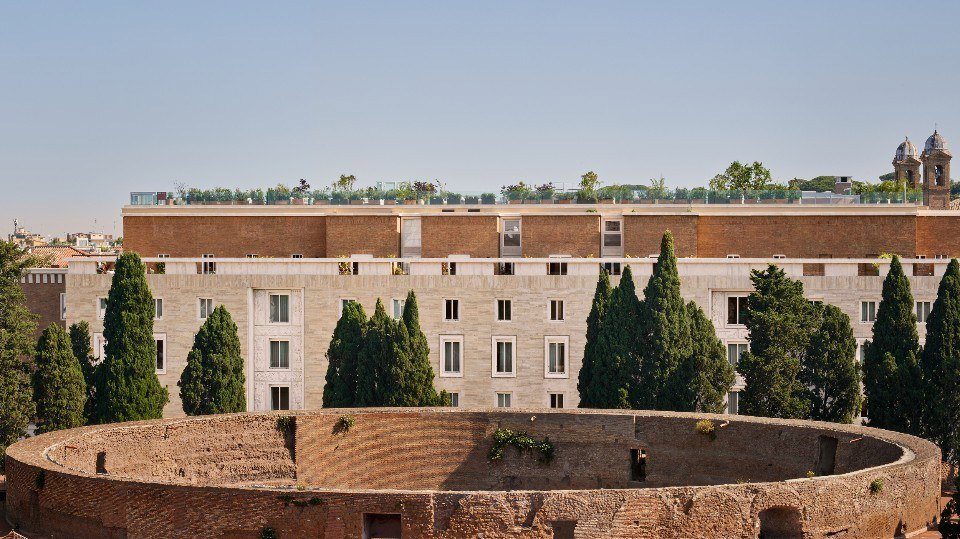
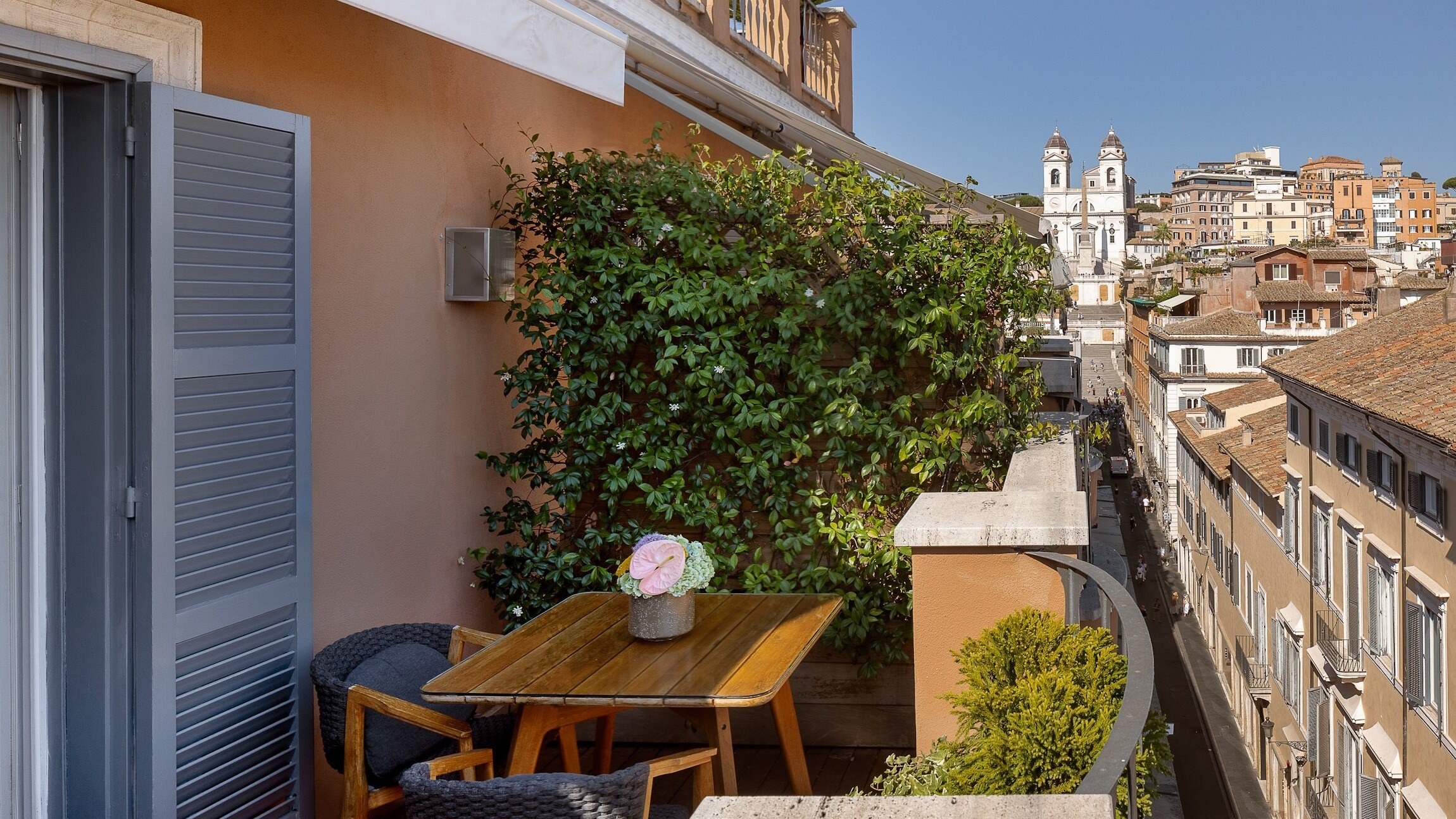
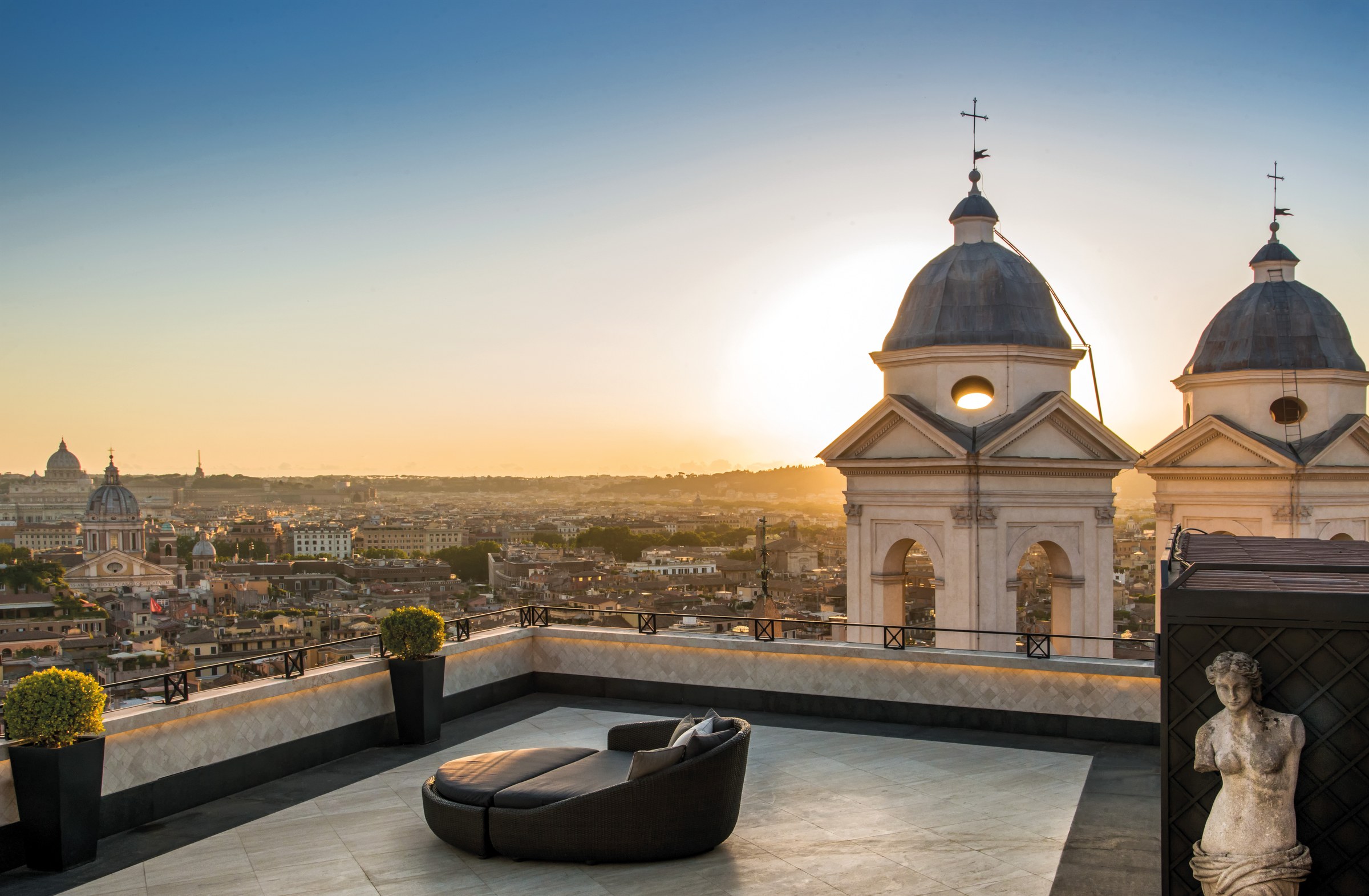
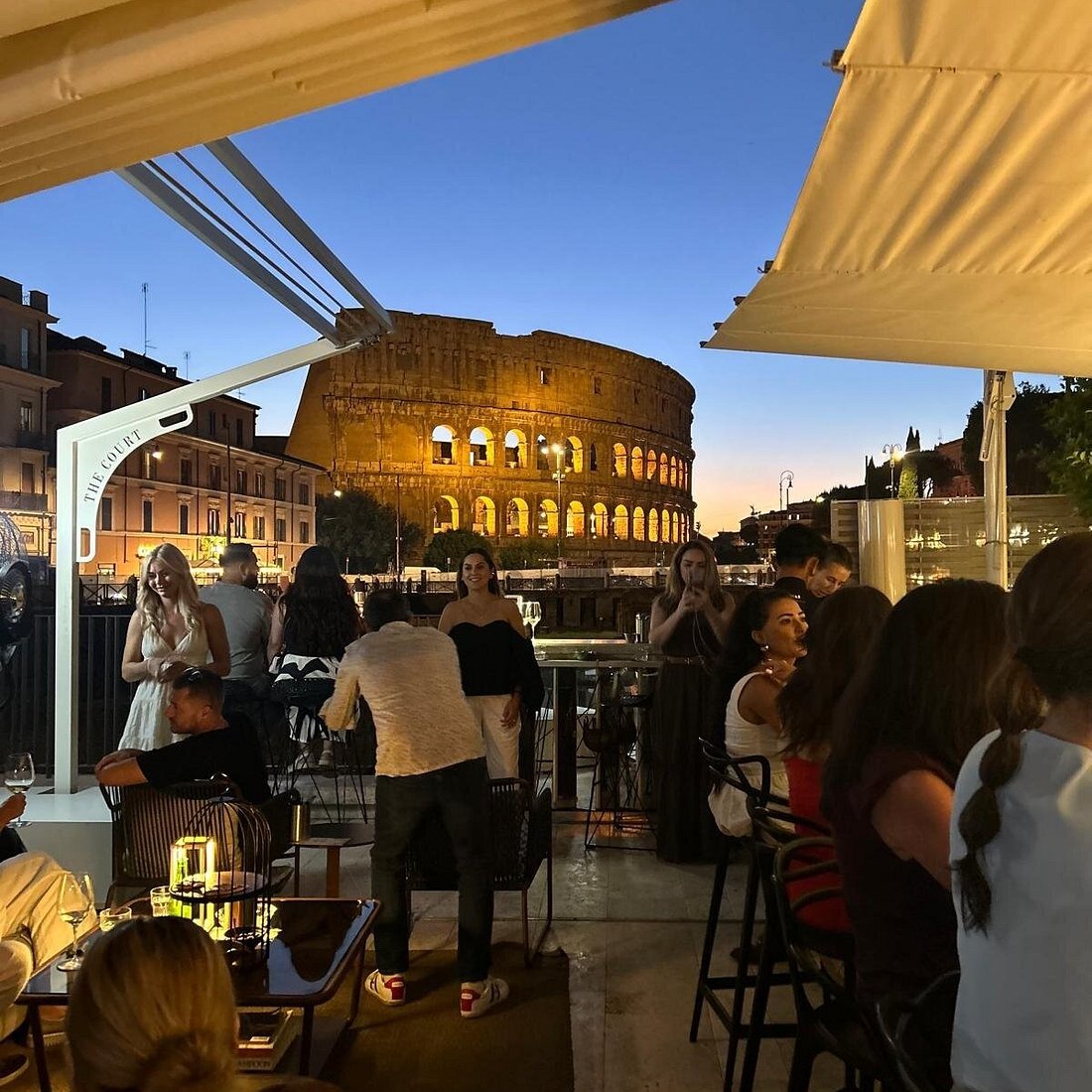
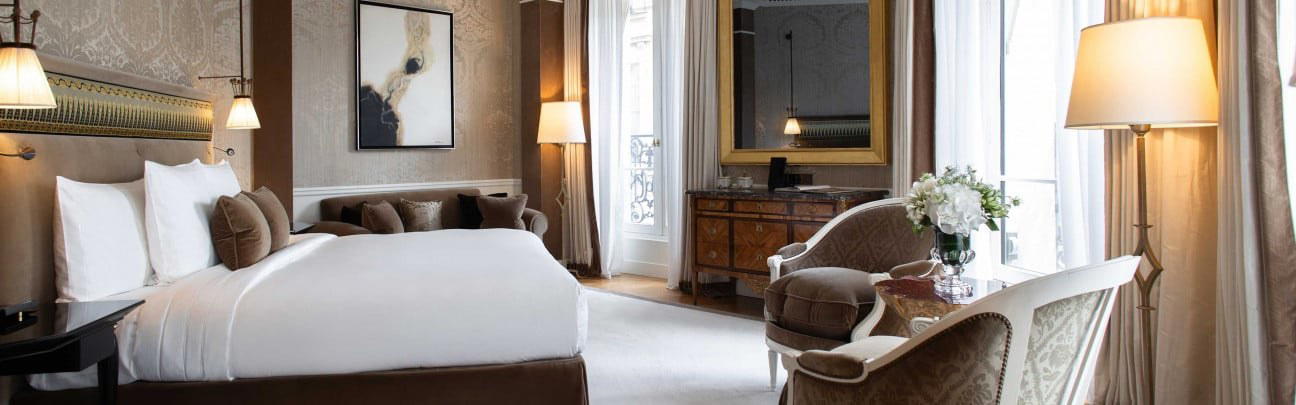
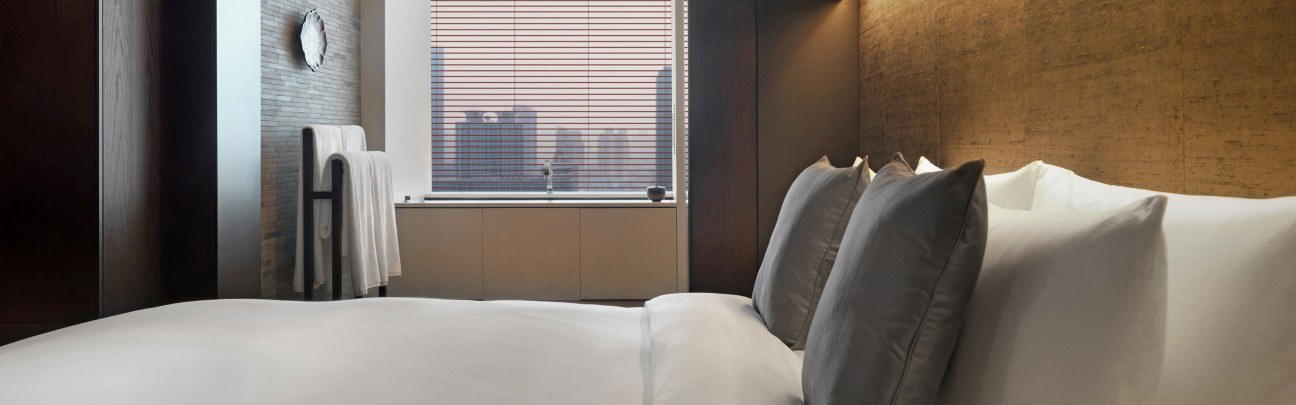
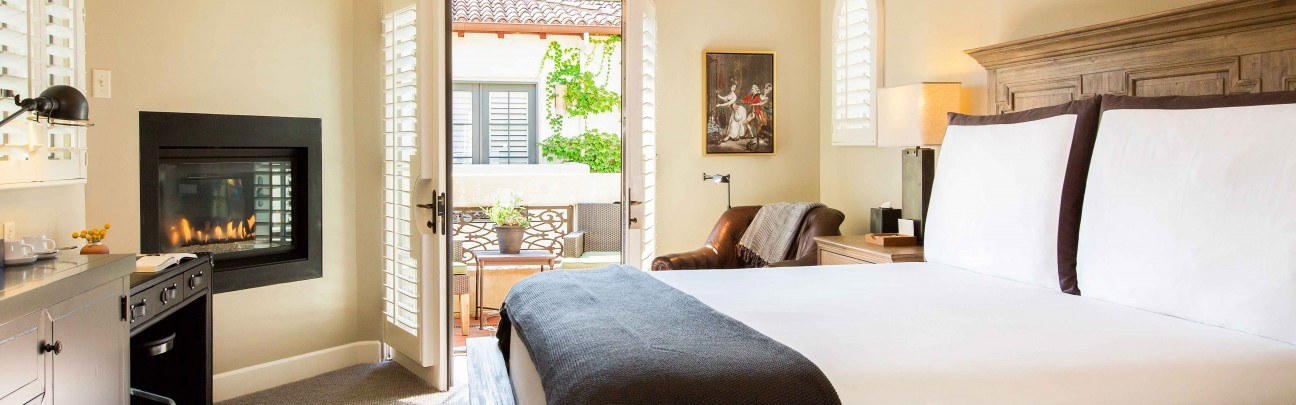
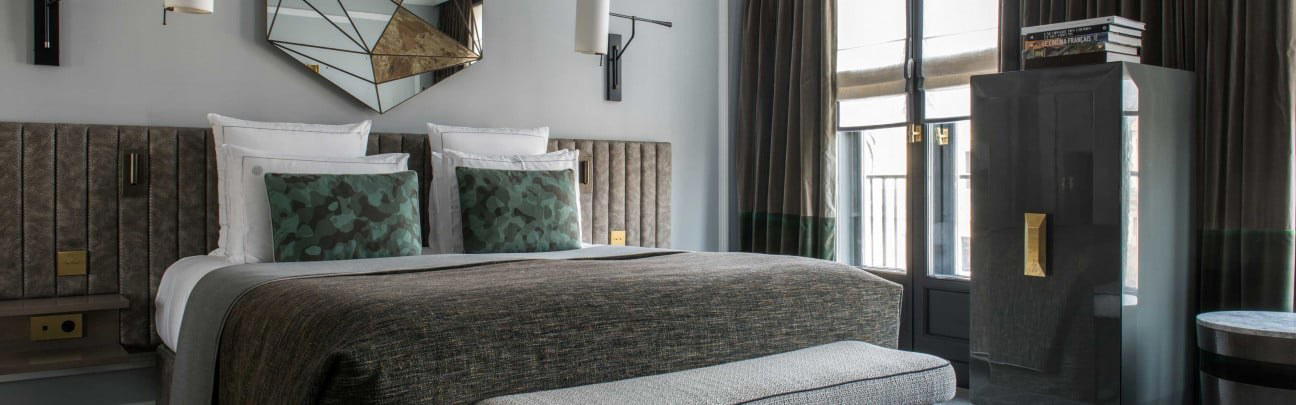
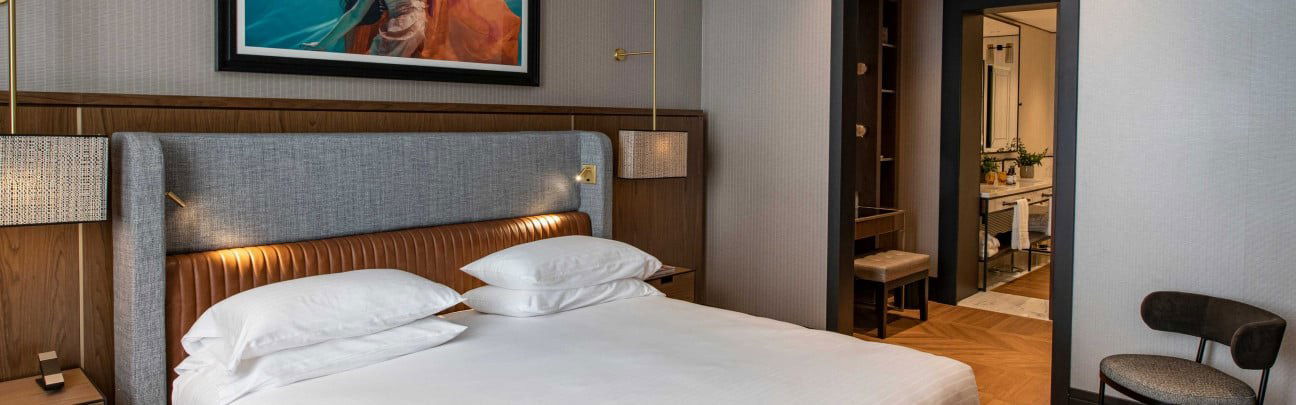
Umiltà 36 presents itself as a small, design-forward hideaway framed by a calm side street just steps from the Trevi Fountain. With 47 rooms and suites it favors a boutique scale, trading grandeur for carefully considered interiors. Public spaces juxtapose Art Deco references with modernist lines and contemporary art, and the rooms read clean and contemporary rather than ornate. That deliberate mix of idioms keeps the hotel feeling fresh and quietly confident: this is a place for travelers who value discreet, thoughtfully layered design over the full-service pomp of Rome’s grand palazzi.
Best For
This hotel is best for travelers who want a quiet, centrally located base with a strong interior identity. Its proximity to the Trevi Fountain — close enough to walk in under three minutes — makes it an efficient choice for short stays and weekend escapes, while the intimate scale and discreet setting suit couples on romantic getaways. Design-minded visitors appreciate the considered mix of Art Deco and modernist touches, and guests who value calm streetside atmosphere find the location particularly appealing compared with busier main thoroughfares.
Stay Tips
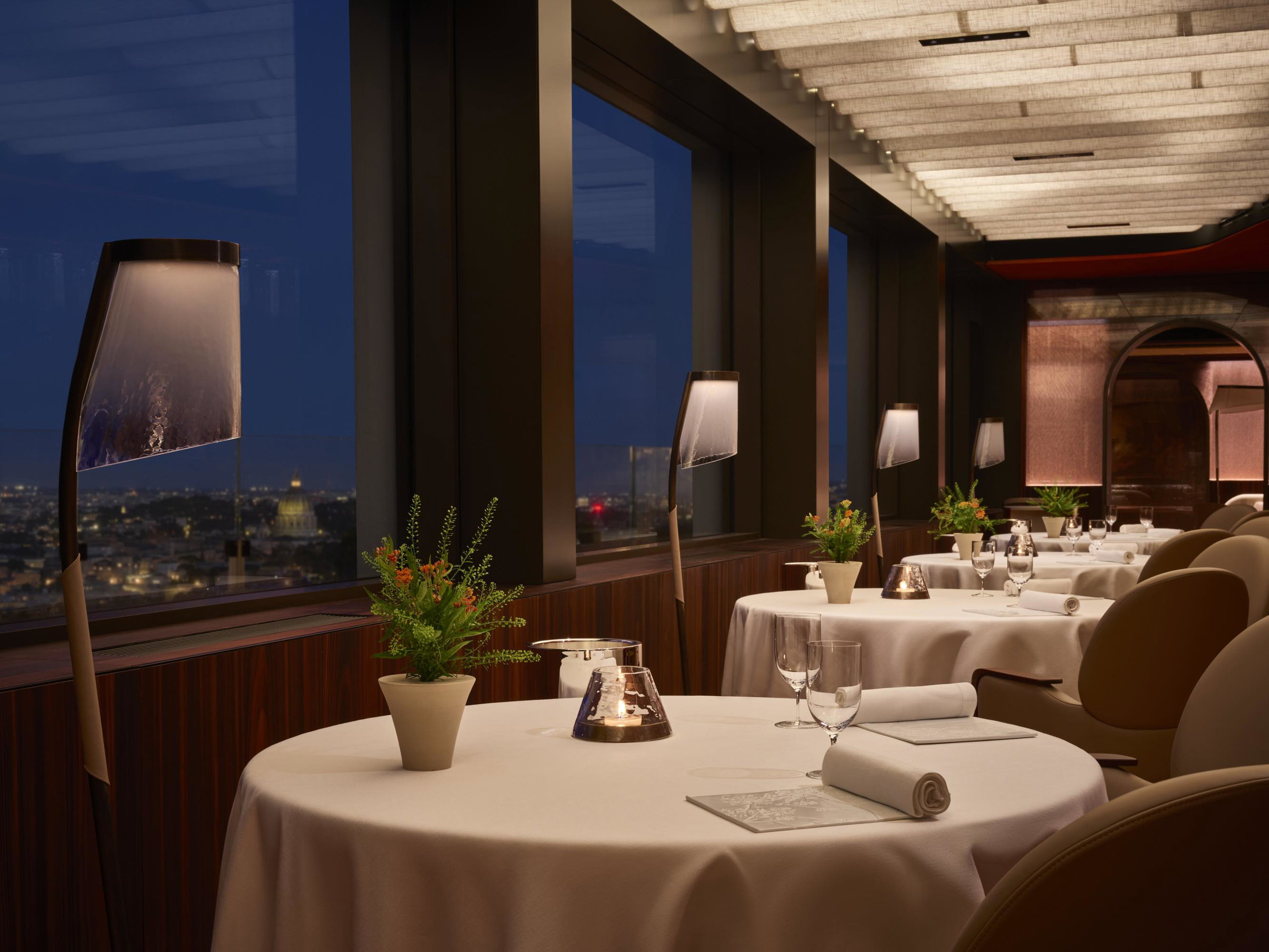
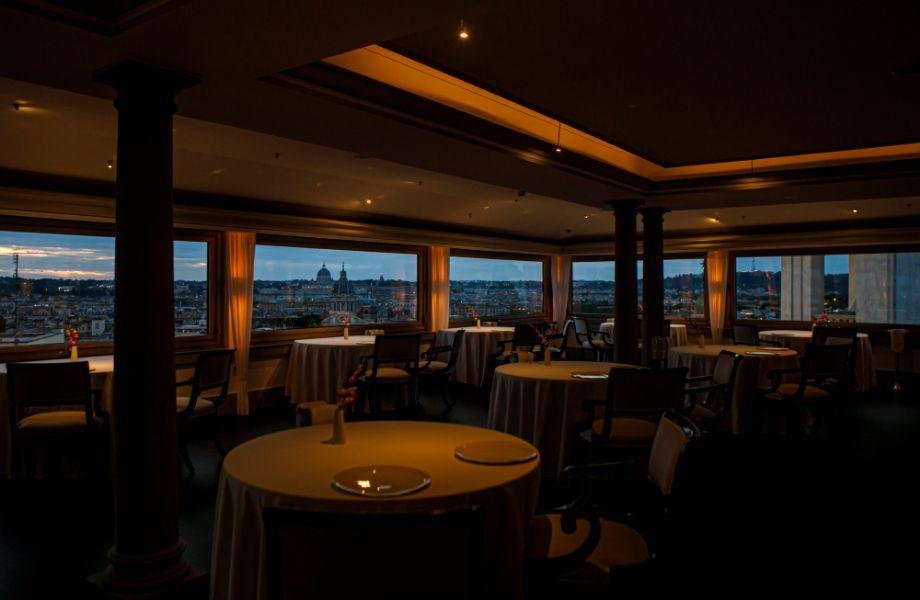
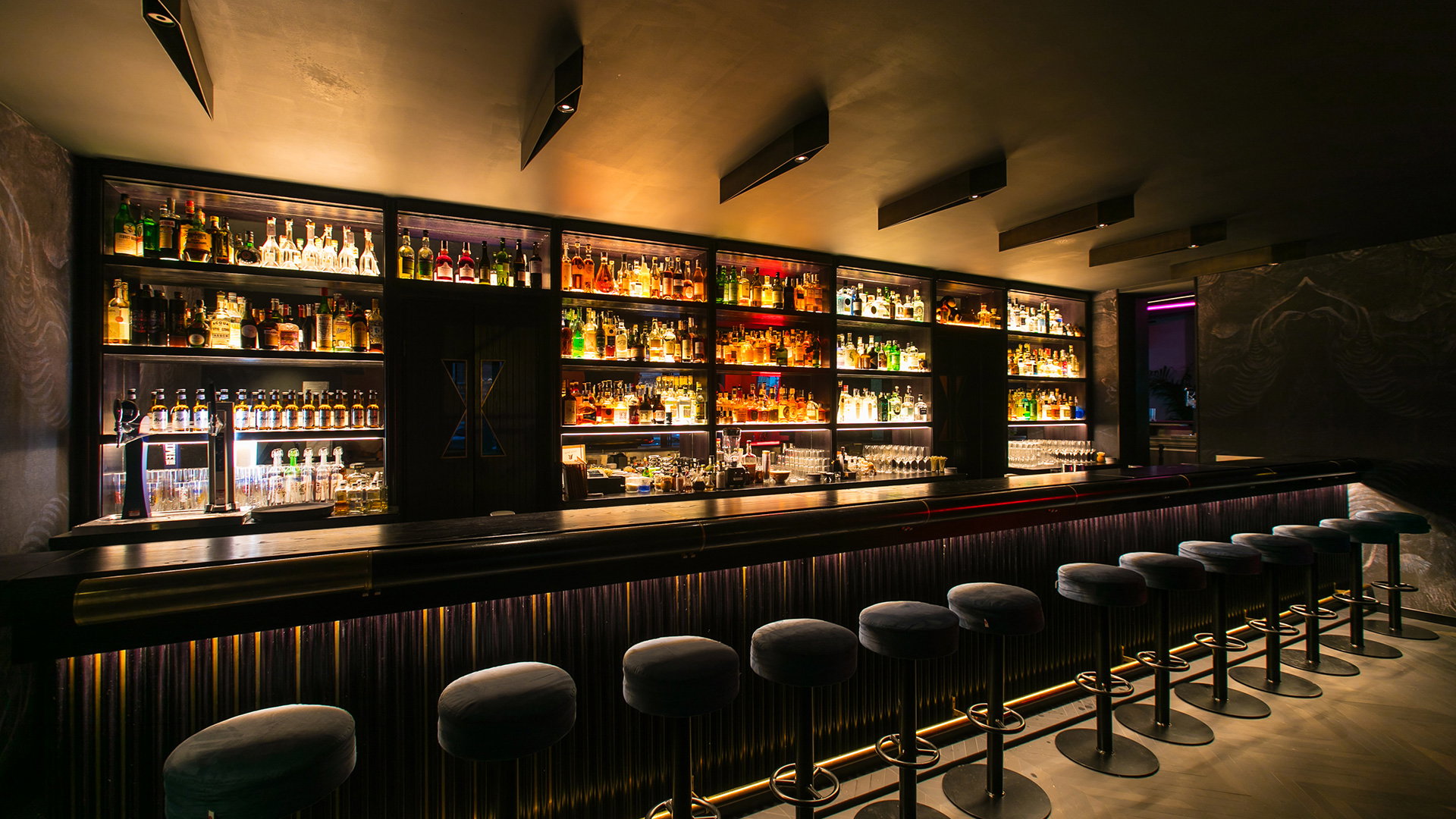
For dining, take advantage of the property’s two-pronged approach: the all-day café functions as the breakfast anchor and a relaxed afternoon meeting point, while the hotel’s restaurant leans toward serious dinner service. Plan to use the café for morning coffee, pastries and informal daytime lounging; for evening plans, look to the restaurant, which the hotel positions with dinner ambitions—consider reserving a table in advance if you’re staying during busy tourist periods. The split program makes it easy to move from casual daytime breaks to a more formal dinner without leaving the property.
Venue details
Ambiance
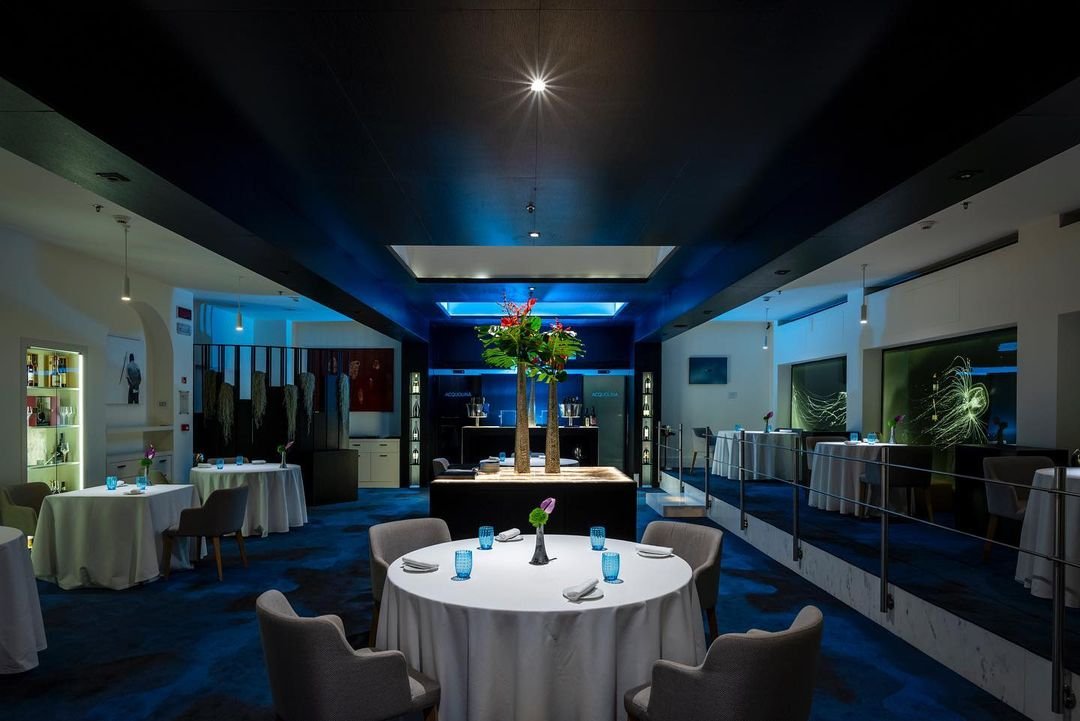
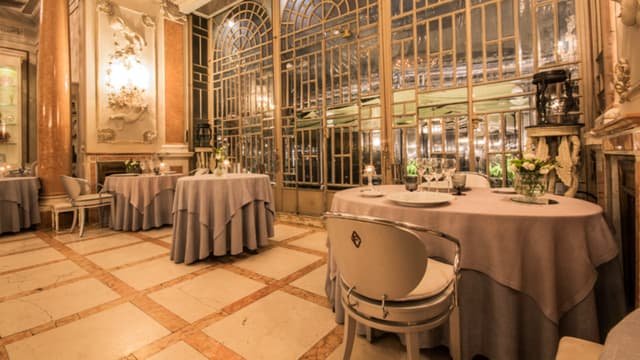
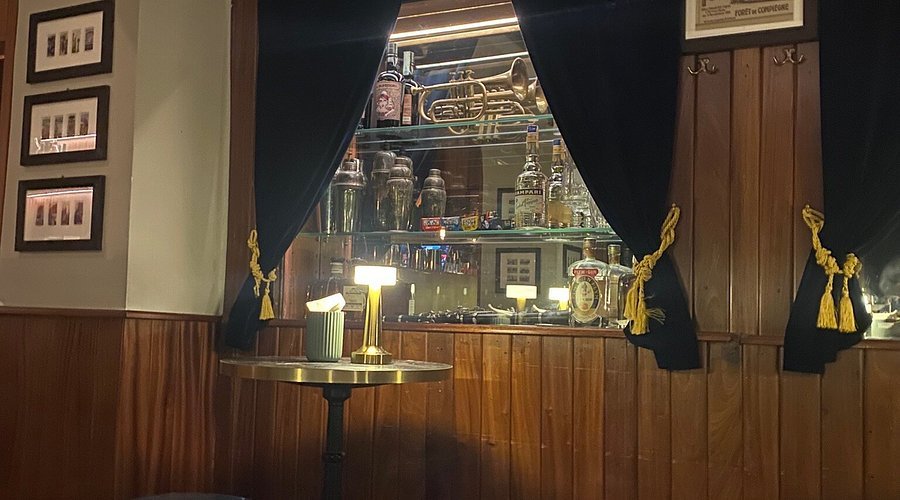
Refined and intimate with dark, dashing Art Deco interiors, black marble, gilt-edged glamour, and a calm oasis atmosphere amid central Rome's bustle.
Tags
Vibe
Best For
Experience
Amenities
View
Accessibility
About the Stay
- Rooms
- 47
- Check-in
- 15:00
- Check-out
- 12:00
- Property Style
- Retro Inspired Roman Dolce Vita Boutique with Refined Ambiance and Modern Touches
- Design Style
- Art Deco with Dark Marble, Geometric Lines, Retro Aesthetics, and Eclectic Classical Modern Textures
Know before you go
Know Before You Go
- Getting there
- Via dell'Umiltà, 36, 00187 Roma RM
Planning details
Location
Recognition and awards
Also consider
Where to Look If This Is Full
If Umiltà 36 is unavailable, check Maalot Roma first for a similarly central, polished stay. For a more facility-led splurge, Six Senses Rome is the stronger alternative.
Hotel context
How It Compares
Against Six Senses Rome, Umiltà 36 is the more compact-feeling central choice. Six Senses Rome is the better pick for travelers prioritizing wellness infrastructure and a broader luxury-hotel ecosystem; Umiltà 36 makes more sense if the decision is about a polished base near Rome's busiest historic core.
Maalot Roma and Singer Palace Hotel are the closest practical cross-shops for a first-time Rome stay: central, polished, and easier to compare on atmosphere than facilities alone. Pick Umiltà 36 if its recognition stack and composed mood carry more weight; look at Maalot Roma or Singer Palace Hotel if rate, room type, or a livelier hotel feel matters more.
Palazzo Roma is the more heritage-leaning alternative, while Corso 281 Luxury Suites is the better fit when suite-style space is the reason to book. For value, compare live rates rather than brand perception: with hard booking difficulty at Umiltà 36, the better deal may simply be the property with the stronger room category available on your dates.
Around this place
Discover more on Pearl
Unlock the full Umiltà 36 guide in Pearl, including awards, comparisons, FAQs, planning details, and nearby places.
Compare Umiltà 36
| Venue | Location | Awards |
|---|---|---|
| Umiltà 36 | Rome | 2026 Mr & Mrs Smith Luxury HotelsMichelin 1 Key 20252025 Michelin 1 KeyPreferred Hotels L.V.X. Collection 20252024 Michelin 1 Key |
| Six Senses Rome | Rome | 2026 Virtuoso Luxury Hotel Collection2026 Mr & Mrs Smith Luxury Hotels2025 Michelin 1 Key2024 Michelin 1 Key |
| Maalot Roma | Rome | 2026 Mr & Mrs Smith Luxury Hotels2025 Michelin 1 KeySmall Luxury Hotels Member 20252024 Michelin 1 Key |
| Singer Palace Hotel | Rome | 2026 Virtuoso Luxury Hotel Collection2025 Michelin 1 Key2024 Michelin 1 Key |
| Palazzo Roma | Rome | 2026 Mr & Mrs Smith Luxury HotelsLeading Hotels of the World 20262025 Michelin 1 Key |
| Corso 281 Luxury Suites | Rome | No published awards |



How Umiltà 36 Rome compares with similar nearby venues.
FAQ
Frequently Asked Questions
When is the best time to book Umiltà 36?
Book when your Rome dates are firm and confirm the live rate and cancellation terms directly. The hotel carries Michelin 1 Key recognition, Preferred Hotels L.V.X. Collection placement, and a Mr & Mrs Smith Seal of Approval.
What is check-in like at Umiltà 36?
Umiltà 36 should be approached as a Rome hotel stay rather than a restaurant reservation. Confirm check-in times, arrival procedures, and service details directly with the property before travel.
How is the pool and spa at Umiltà 36?
Do loyalty programs work at Umiltà 36?
Umiltà 36 is part of Preferred Hotels L.V.X. Collection. Check the current booking channel and terms before reserving.
How is the location of Umiltà 36?
Umiltà 36 is in Rome. Use the property's current booking information or map listing if exact positioning matters. For comparison, you may also look at Singer Palace Hotel, Palazzo Roma, and Corso 281 Luxury Suites.