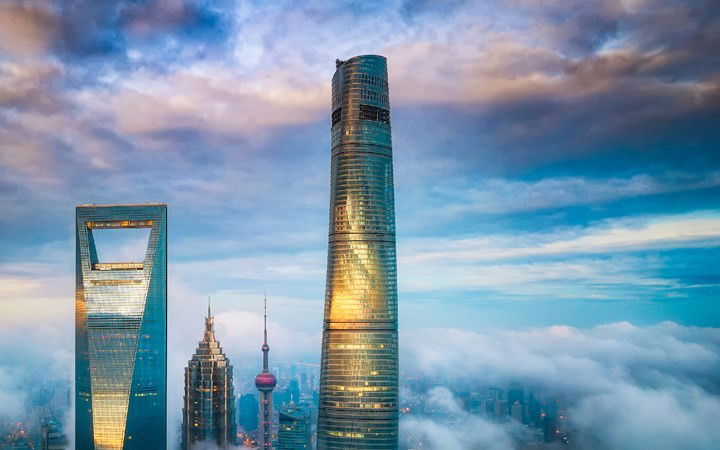



J Hotel Shanghai Tower
Lu Jia Du, Shanghai
Hotel in Shanghai, China
 Book with Pearl
The Read
Vertical Luxury, Lujiazui Altitude
Price
$300–500per night
Why go
J Hotel Shanghai Tower is a status-led Pudong choice for travelers who want the Shanghai Tower address more than chain-points predictability. The strongest case is a suite-level stay or client-facing trip, backed by Leading Hotels of World Member status, Forbes Recommended 2026, and Virtuoso Luxury Hotel Partner recognition. If value or easier logistics matter more, compare Park Hyatt Shanghai or Regent Shanghai Pudong.
About J Hotel Shanghai Tower
2026 is the useful signal: within Lujiazui’s vertical luxury-hotel set, this is a recognition-backed choice for travelers deciding whether the Shanghai Tower premium should be part of the trip. The verdict is yes for a suite-led stay, a client-facing visit, or a return to Shanghai where the room needs to carry more weight than the lobby. If the plan is mainly sleeping between meetings, the case is thinner.
J Hotel Shanghai Tower works as a second-time choice because it forces a sharper question than “is it luxurious?” The practical question is whether height, setting, and status change the stay enough to justify the spend. For a guest who has already done a standard Pudong luxury room, the suite argument is more convincing: the upgrade turns the tower setting into part of the itinerary rather than a backdrop glimpsed on the way out.
Suite-level stays make the strongest case
Standard-room value should be judged against the live nightly quote, not against brand aura. If the room will be empty from breakfast until late, a lower-friction Pudong base can make more sense. A suite is where this hotel’s logic tightens: jet-lag recovery, private calls, hosting visitors, or a celebration with real time on-property. In those scenarios, the extra category is not cosmetic; it changes how much of the hotel you actually use.
The upgrade decision also matters because this is not a points-first hotel in the way a large global-chain stay can be. Its appeal sits closer to preferred-partner luxury and Shanghai status than rebate arithmetic. That makes it stronger for corporate hosting, anniversary stays, or travelers who want the room to feel like part of the city experience, and weaker for mileage runners trying to extract value from a short overnight. For a return trip, that is the useful guest lens: the room is part of why Pudong is in the plan.
Choose it for Pudong status, not citywide convenience
The location logic is clear: choose this for a Pudong-heavy trip, especially if finance, client meetings, or tower downtime are part of the schedule. For leisure days built around Puxi neighborhoods, the crossing can become the tax you pay for the tower setting. That does not make it a bad choice; it just means the room category needs to earn back the time.
For a regular Shanghai visitor, the smartest use case is an intentional upgrade after learning the city, not a default first luxury booking. Put differently: this is worth paying up for when the hotel itself will absorb meaningful hours of the trip. If the decision is between a room that becomes part of the itinerary and a cheaper place to sleep, J belongs in the first category only when the suite-level experience is within budget. Use it when the stay has meetings, rest time, or hosting built around the room. Skip the premium when the calendar is dominated by restaurants, bars, and movement across the river.
Planning details
- Location
- Shanghai Tower, No. 126 Dong Tai Road, Lujiazui Pudong New District
- Website
- jhotel-shanghai.com/en
- Phone
- +86 21 3886 8888
The take
The Take
The Vibe
J Hotel Shanghai Tower organizes its identity around altitude and quietly commanding views. Perched on floors 86 to 98 of the Shanghai Tower, the property leans into panoramic perspectives, asking guests to look across the city’s most recognizable towers rather than up at them. Service feels personal and considered: repeat visitors request the same butler and often the same floor and timing for their stays, which creates an intimate, lived-in luxury rather than showy spectacle. The result is a scenic, restrained hotel experience that privileges composure, privacy and the particular thrill of being high above the city.
Best For
This hotel suits travelers who prize dramatic skyline views and high-touch service. Its location in Lujiazui and placement high in Shanghai Tower make it a natural fit for business travelers who want convenience plus a distinct sense of place. It also rewards repeat guests and those seeking a quiet, intimate luxury stay: the property’s structure and butler programme encourage personalized, repeat visits. If your priority is an elevated vantage point of Shanghai and a service-forward, composed atmosphere, J Hotel is designed around exactly that proposition.
Stay Tips
Book deliberately: many repeat guests reserve the same floor and time of year and request the same butler, so if you want consistent service ask to be assigned a preferred floor and to keep the same attendant. Aim for the highest available category on floors 86–98 to maximize the panoramic vistas; the property’s rooms and suites range substantially in size, so confirm square footage if space matters. Treat reservations as personal—note requests in advance—and plan around the view rather than street-level attractions to get the intended J Hotel experience.
Venue details
Ambiance
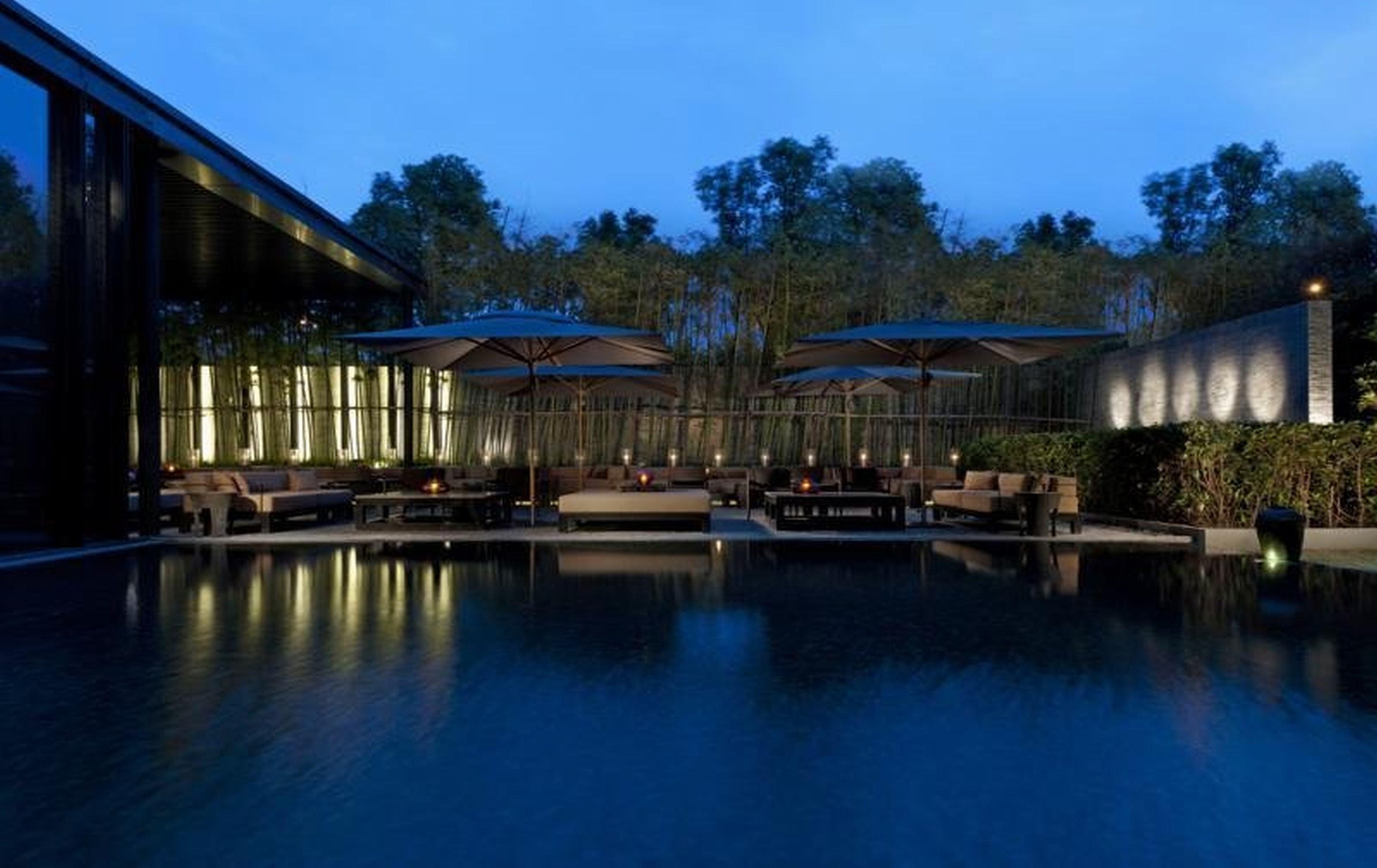
Luxurious and serene high-altitude atmosphere with soundproofed rooms, elegant furnishings, and breathtaking city vistas.
Tags
Vibe
Best For
Experience
Amenities
View
Accessibility
About the Stay
- Rooms
- 165
- Check-in
- 15:00
- Check-out
- 12:00
- Property Type
- Design hotel
- Property Style
- Sky High Luxury Sanctuary in Shanghai Tower
- Design Style
- Contemporary Sophistication with Authentic Chinese Elegance
- Pool
- Yes
- Spa
- Yes
- Families
- Welcome
- Cancellation
- Moderate
Know before you go
Know Before You Go
- Getting there
- Shanghai Tower, No. 126 Dong Tai Road, Lujiazui Pudong New District
Planning details
Location
Shanghai Tower, No. 126 Dong Tai Road, Lujiazui Pudong New District · Directions
Recognition and awards



Also consider
If this is unavailable
Start with Park Hyatt Shanghai if the brief is a high-rise Pudong stay with a more established luxury-hotel rhythm. Check Regent Shanghai Pudong next if convenience matters and the tower premium is pushing the quote too high.
Hotel context
How it compares with Shanghai’s Pudong luxury set
Park Hyatt Shanghai is the closest conceptual cross-shop for a high-rise Pudong stay: choose it when the priority is a familiar luxury-hotel rhythm and a clearer standard-room value case. J Hotel Shanghai Tower is the more status-led play, especially if a suite is in budget. Regent Shanghai Pudong is the softer alternative for travelers who want Pudong convenience without making the tower itself the headline.
The Ritz-Carlton Shanghai, Pudong makes sense for guests who want a big-brand luxury frame and more loyalty-system clarity; choose the tower stay when preferred-partner benefits and the Shanghai Tower setting matter more than chain predictability. Pudong Shangri-La is a sensible cross-shop for groups or travelers watching the all-in rate, while 上海万达瑞华酒店 belongs on the list if the brief is Shanghai luxury with a different visual mood.
The short version: this is the splurge if the room category is doing real work. For standard-room value, compare the live quote against Park Hyatt Shanghai and Regent Shanghai Pudong. For business hosting, keep The Ritz-Carlton Shanghai, Pudong in the set; for broader rate flexibility, look at Pudong Shangri-La.
Explore Shanghai
Around this place
Discover more on Pearl
Unlock the full J Hotel Shanghai Tower guide in Pearl, including awards, comparisons, FAQs, planning details, and nearby places.
Compare J Hotel Shanghai Tower
Mini comparison for Pudong luxury stays
| Hotel | Decision point | Value read | Awards |
|---|---|---|---|
| J Hotel Shanghai Tower | Shanghai Tower setting, suite-led use case, harder booking | Pay up when the room is part of the itinerary. | 2026 Virtuoso Luxury Hotel Collection2026 Forbes RecommendedLeading Hotels of the World 20262025 Forbes Recommended |
| Park Hyatt Shanghai | High-rise Pudong cross-shop | Compare for standard-room value and a familiar luxury rhythm. | No published awards |
| Regent Shanghai Pudong | Pudong convenience alternative | Compare when the tower premium is not the main point. | No published awards |
| The Ritz-Carlton Shanghai, Pudong | Big-brand luxury frame | Compare if loyalty-system clarity matters. | 2026 Virtuoso Luxury Hotel Collection2026 Forbes 4-Star2026 La Liste Top Hotels2025 Forbes 4-Star2025 Michelin 1 Key |
| Pudong Shangri-La | Broader Pudong luxury option | Compare when total rate or group needs matter more. | 2026 La Liste Top Hotels |
| 上海万达瑞华酒店 | Shanghai luxury alternative | Compare for a different visual mood. | No published awards |


FAQ
Frequently Asked Questions
How is the pool and spa at J Hotel Shanghai Tower?
Treat the pool and spa as a secondary reason to stay here, because the bigger draw is the Shanghai Tower address and the hotel's recognition as a Leading Hotels of the World Member (2025), Forbes Recommended (2026), and Virtuoso Luxury Hotel Partner (2026). If spa time is a main priority, compare it with The Ritz-Carlton Shanghai, Pudong for a more conventional luxury-hotel decision, while J Hotel makes more sense for an in-tower Pudong base.
Do loyalty programs work at J Hotel Shanghai Tower?
Yes, but they should not be the main reason to book this hotel. The clearer value here is the recognition stack and the address at Shanghai Tower, No. 126 Dong Tai Road, which makes the stay more useful for Pudong-focused trips than a points-first choice.
How is the location of J Hotel Shanghai Tower?
The location is strong for Pudong and less practical for a cross-river, citywide sightseeing plan. Shanghai Tower, No. 126 Dong Tai Road puts you in Lujiazui, which works well for finance meetings, client dinners, and time spent around the tower district.
What is check-in like at J Hotel Shanghai Tower?
Expect a standard luxury-hotel check-in, not a boutique-style surprise. The address inside Shanghai Tower usually makes arrival simpler for Pudong plans, and the Forbes Recommended (2026) and Virtuoso Luxury Hotel Partner (2026) labels suggest a polished, service-led setup.
How does J Hotel Shanghai Tower compare to nearby hotels?
Choose J Hotel Shanghai Tower if being inside Shanghai Tower matters more than being a familiar flagship brand. Park Hyatt Shanghai and The Ritz-Carlton Shanghai, Pudong are stronger picks if you want a more conventional luxury-hotel decision, while Pudong Shangri-La is the safer choice for travelers who want a broader, easier-to-read hotel profile.
When is the best time to book J Hotel Shanghai Tower?
Book as soon as your business dates are fixed, especially for weekday stays in Pudong. The hotel's tower address and recognition as a Leading Hotels of the World Member (2025) make it more sensible to secure early than to wait for a last-minute deal.
Is J Hotel Shanghai Tower good for business travel?
Yes, this is a strong business-travel choice if your meetings are in Pudong or around Lujiazui. The Shanghai Tower address is the main advantage, and it compares well with Regent Shanghai Pudong when you want a more location-driven stay rather than a wider resort-style hotel experience.