


Banyan Tree Club & Spa Seoul
필동, Seoul
Hotel in Seoul, South Korea
 Book with Pearl
The Read
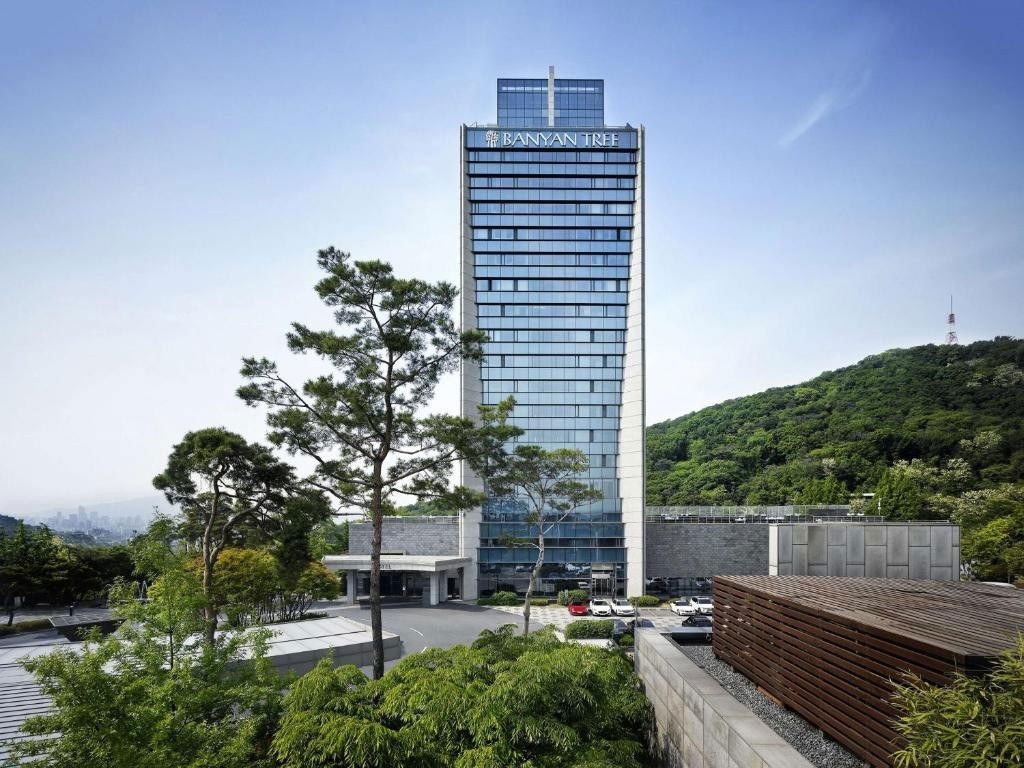
Mountain-Slope Urban Retreat
Why go
Book Banyan Tree Club & Spa Seoul for a special-occasion stay where the hotel setting, spa rhythm, and on-site dining matter together. It is a stronger choice for a contained celebration than for a restaurant-only night or a shopping-heavy city base, with credible luxury recognition from La Liste, Forbes, and the MICHELIN Guide Hotels selection.
About Banyan Tree Club & Spa Seoul
For a Seoul trip where the hotel matters as much as the itinerary, Banyan Tree Club & Spa Seoul is best framed as a premium stay decision. It is in Seoul, the dress code is smart casual, and the property carries hotel recognition from La Liste, Forbes, and the MICHELIN Guide.
The strongest use case is a planned Seoul stay where guests want a polished hotel setting and will confirm any current room, dining, and amenity details directly before booking. If the meal is the sole reason to travel across the city, compare it against dedicated restaurant plans in Seoul before committing.
Book it for a contained stay, not a one-stop dining pilgrimage
Banyan Tree Club & Spa Seoul works well when the hotel itself is part of the reason for the trip. It is less useful to treat it as a dining-only recommendation: meal plans should be confirmed directly with the property, including chef, menu, tasting format, price point, and service schedule.
Recognition helps the case. La Liste Top Hotels 2026 scores the property at 90 points, Forbes lists it as Recommended for 2026, and the MICHELIN Guide selected it in Hotels for 2025. Those signals do not replace checking room fit, but they do place Banyan Tree Club & Spa Seoul among recognized Seoul hotels.
Who should choose this Seoul hotel
Travelers planning a more controlled Seoul stay get the clearest value from the format. Guests who want to compare other Seoul hotel styles can also look at Grand Hyatt Seoul, L'Escape Hotel Seoul, L7 Myeongdong, Le Méridien Seoul Myeongdong, and The Shilla Seoul.
Value-focused travelers should be especially clear about what they plan to use at the hotel before booking. If the room is only a place to sleep between outings, another Seoul hotel may be a better practical fit.
Know Before You Go
- Use case: Premium Seoul stay or planned hotel-led itinerary.
- Location logic: Plan around Seoul, and confirm any neighborhood or transit assumptions separately.
- Dining decision: Do not book on the basis of assumed menu, chef, price, or service-format claims; confirm current details directly.
- Dress code: Smart casual.
For broader planning, use Seoul hotel and restaurant research alongside direct confirmation from the property. Banyan Tree Club & Spa Seoul can also be compared with Grand Hyatt Seoul, L'Escape Hotel Seoul, L7 Myeongdong, Le Méridien Seoul Myeongdong, and The Shilla Seoul.
Part of
Banyan Tree27 locations on PearlPlanning details
- Location
- 60 Jangchungdan-ro, Jung District, Seoul
- Website
- banyantree.com/south-korea/club-and-spa-seoul?goto=fiche_hotel&code_hotel=B1V3&merchantid=seo-maps-KR-B1V3&sourceid=aw-cen
- Phone
- +82 2-2250-8000
The take
The Take
The Vibe
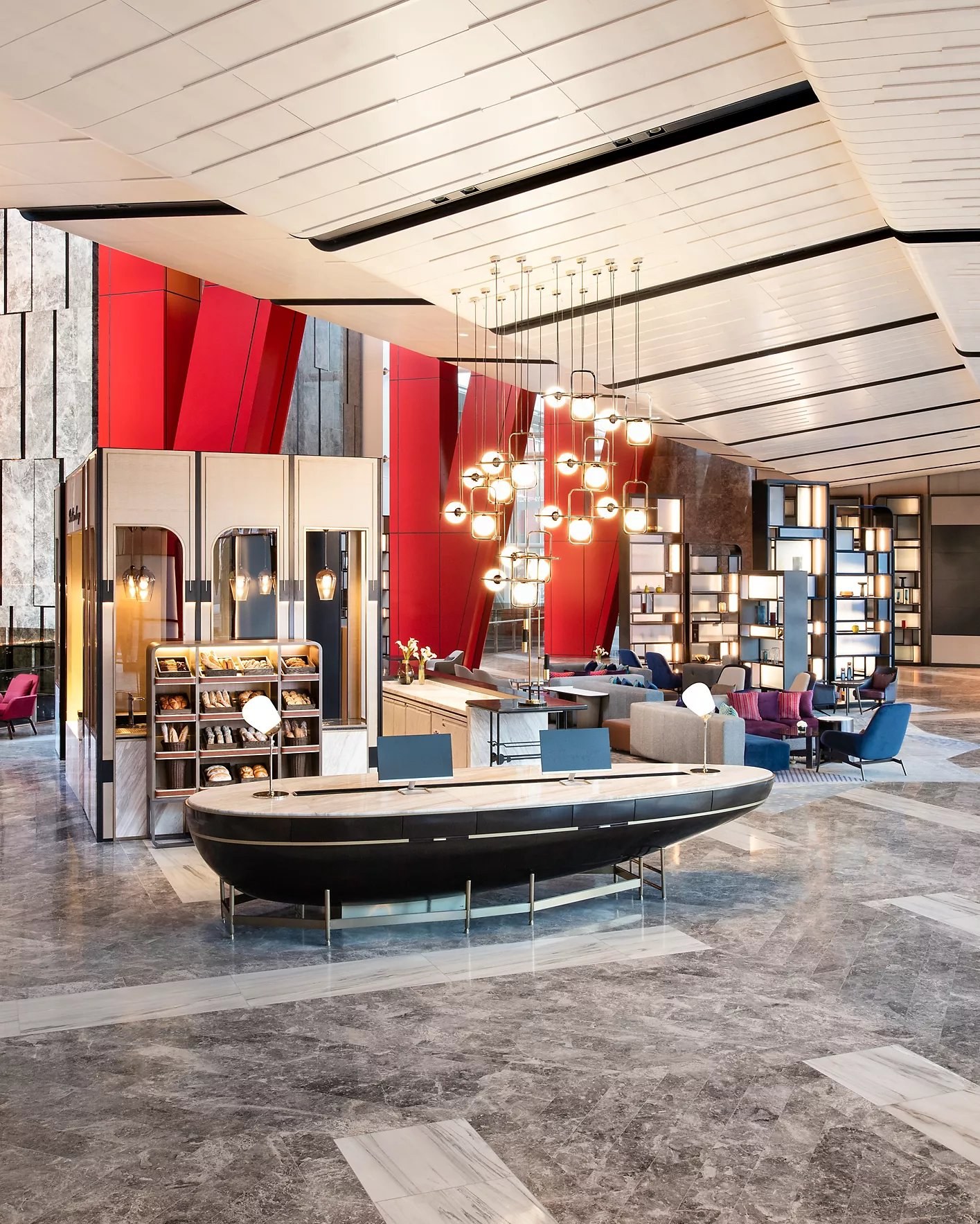
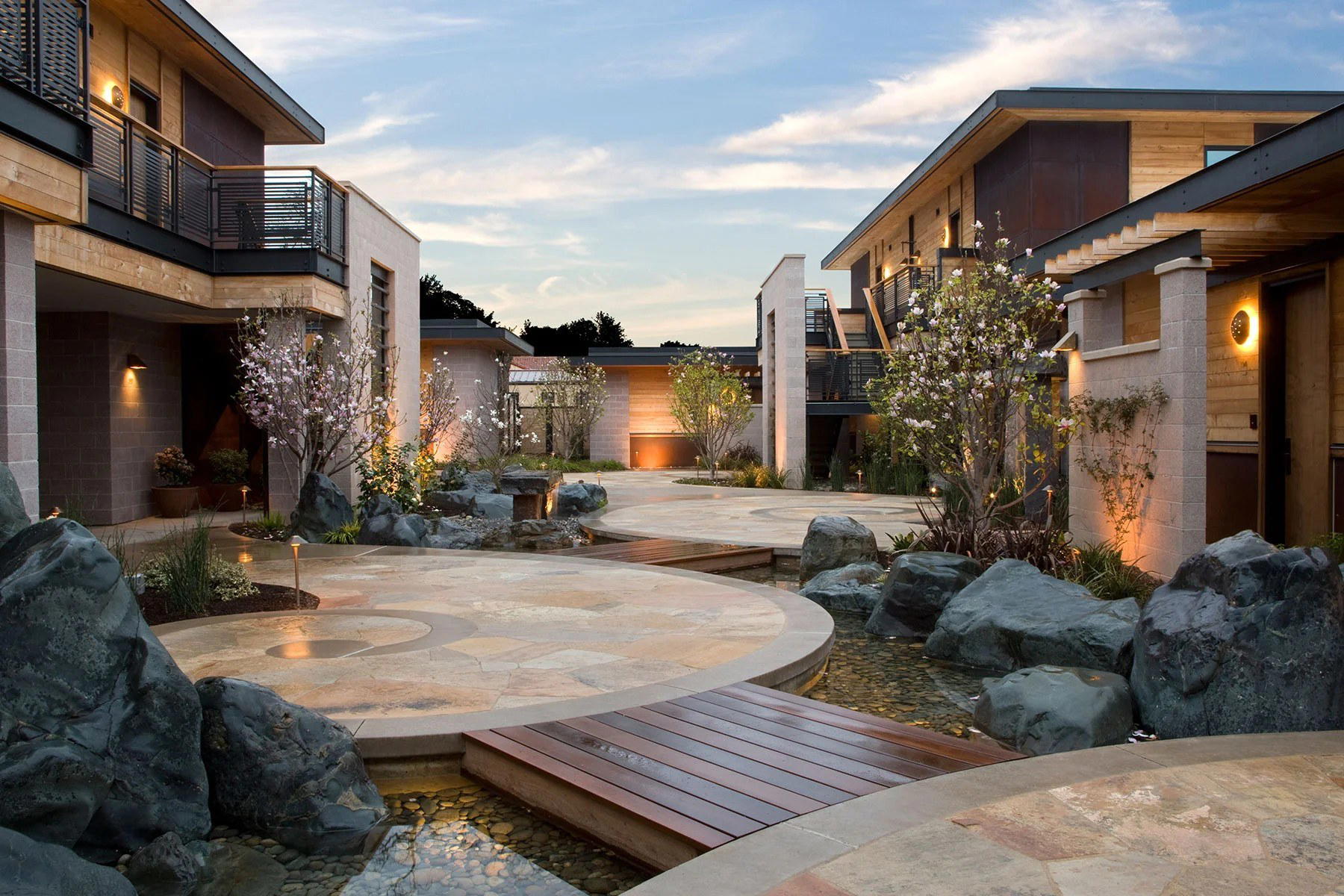
Banyan Tree Club & Spa Seoul presents a calm, spa-forward luxury on the slopes of Mt. Namsan. The hotel deliberately positions guests away from street-level bustle, favoring the green fringe of Namsan Park and a restorative atmosphere. The narrative centers on wellness: an expansive spa program and an exclusive bathhouse with multiple-temperature pools, an herbal sauna, aroma steam room and ice fountain shape the stay. While it sits within Seoul's premium hotel set, the property reads as a quietly refined refuge — modern in infrastructure but relaxed and deliberately removed from the city’s busiest corridors.
Best For
This hotel is best for travelers prioritizing wellness and low-key luxury: guests seeking a spa-centric break, couples on a romantic escape tied to relaxation, and families or couples celebrating special moments will find it suited to those aims. Its position—equidistant by short taxi rides from both Gangnam and Myeongdong—also makes it a practical base for those who want easy access to Seoul’s shopping and business districts without staying in the thick of street-level activity. The spa facilities make it especially appealing to people booking stays for rest and recovery.
Stay Tips
Book spa access and signature treatments in advance, especially if your priority is the exclusive bathhouse experience; the property highlights the spa as the central draw and access may be limited. Note the hotel's location on Mt. Namsan: both Myeongdong and Gangnam are roughly a ten-minute taxi ride, so plan day trips accordingly rather than expecting immediate street-level amenities. Confirm transport arrangements with the hotel if you have tight schedules. For stays focused on relaxation, allocate dedicated time for the pools, herbal sauna, aroma steam room and ice fountain the hotel advertises.
Venue details
Ambiance
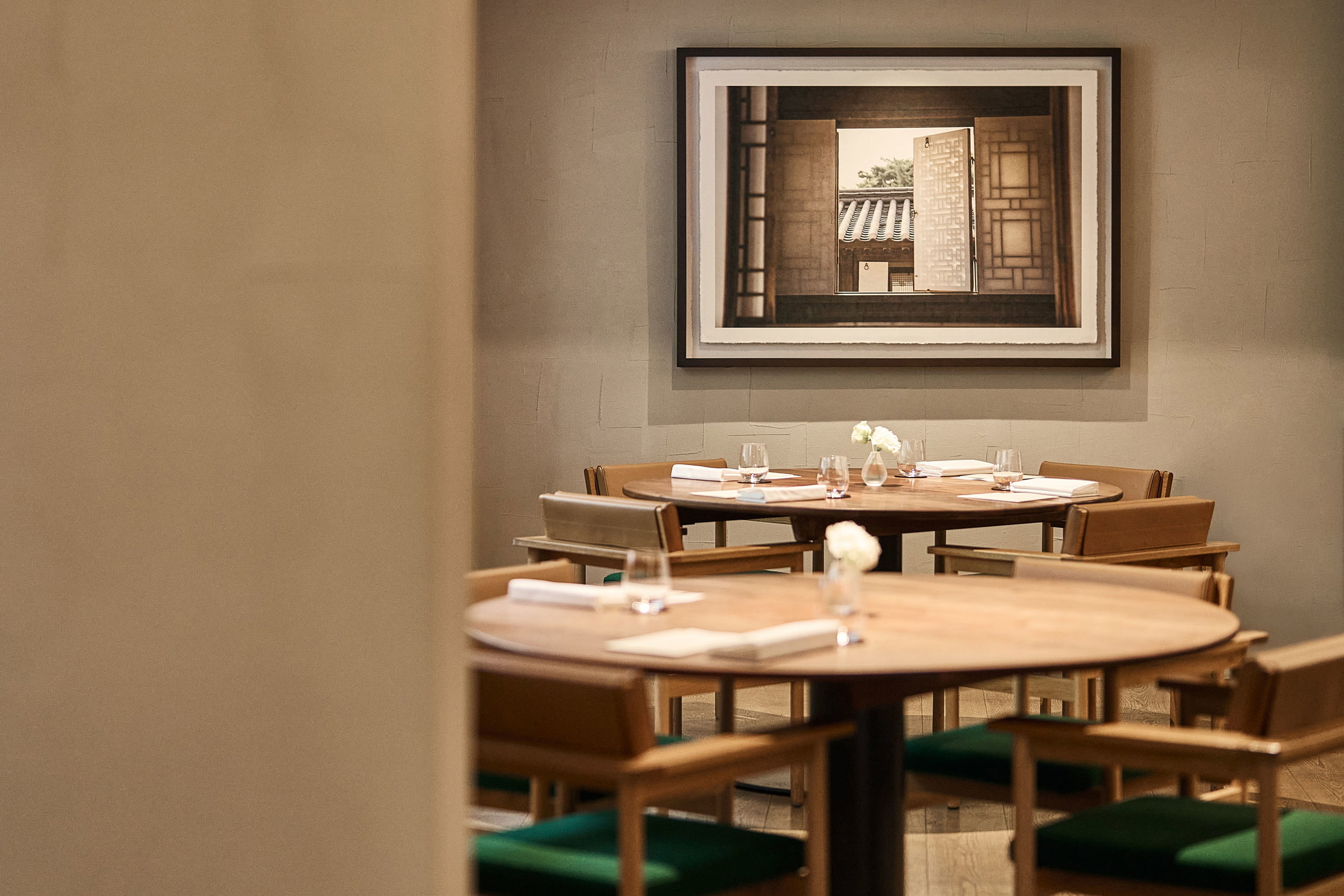
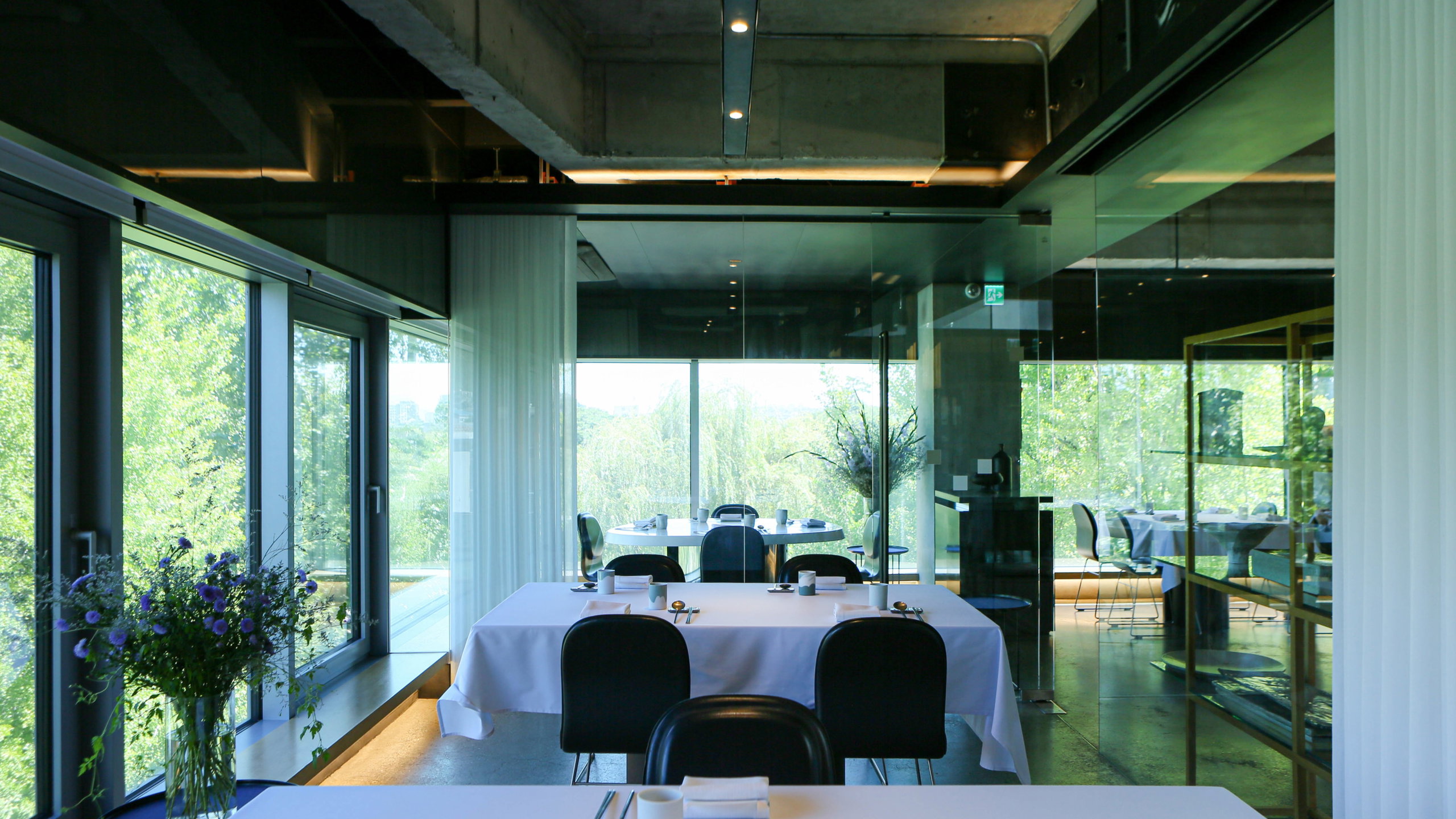
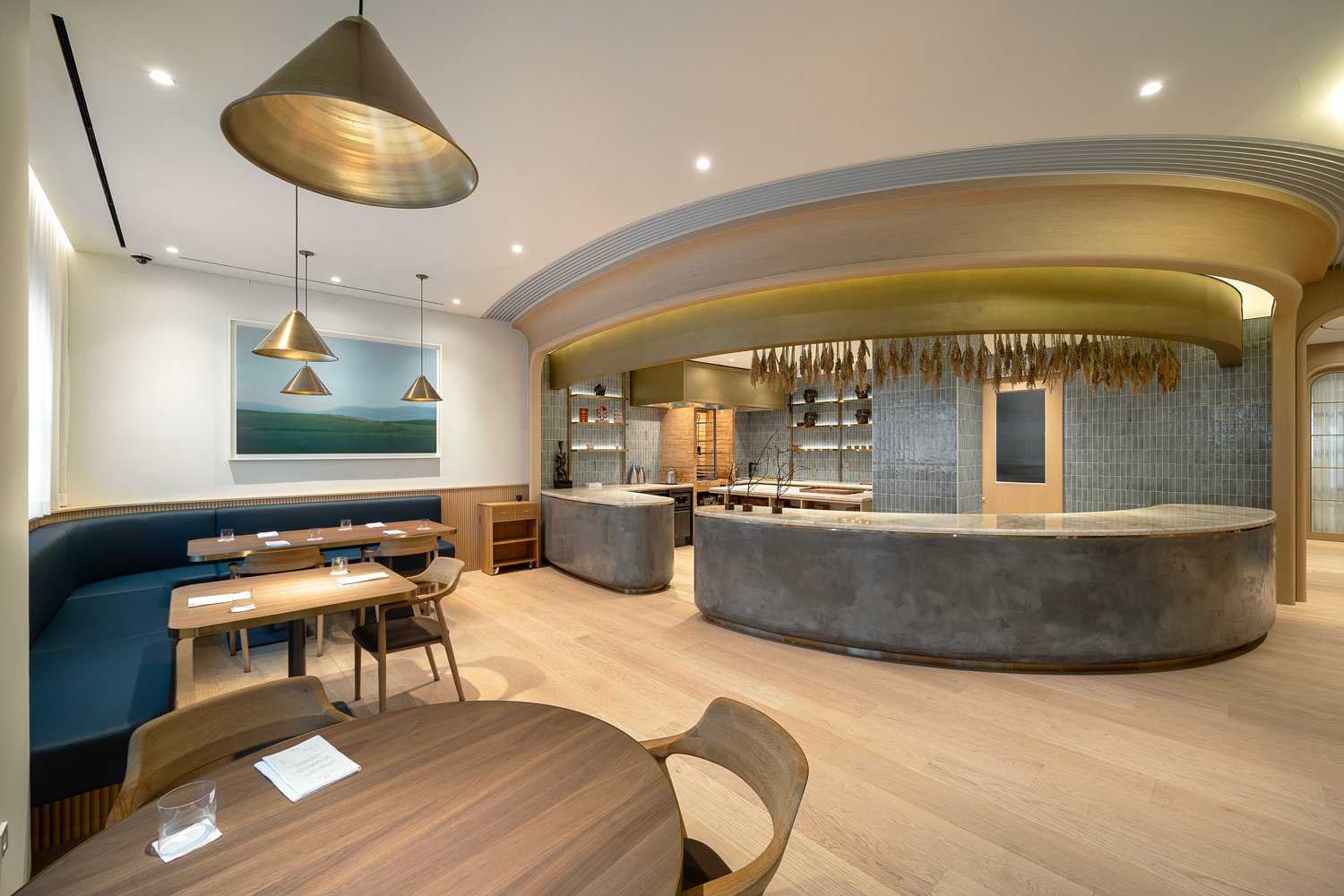
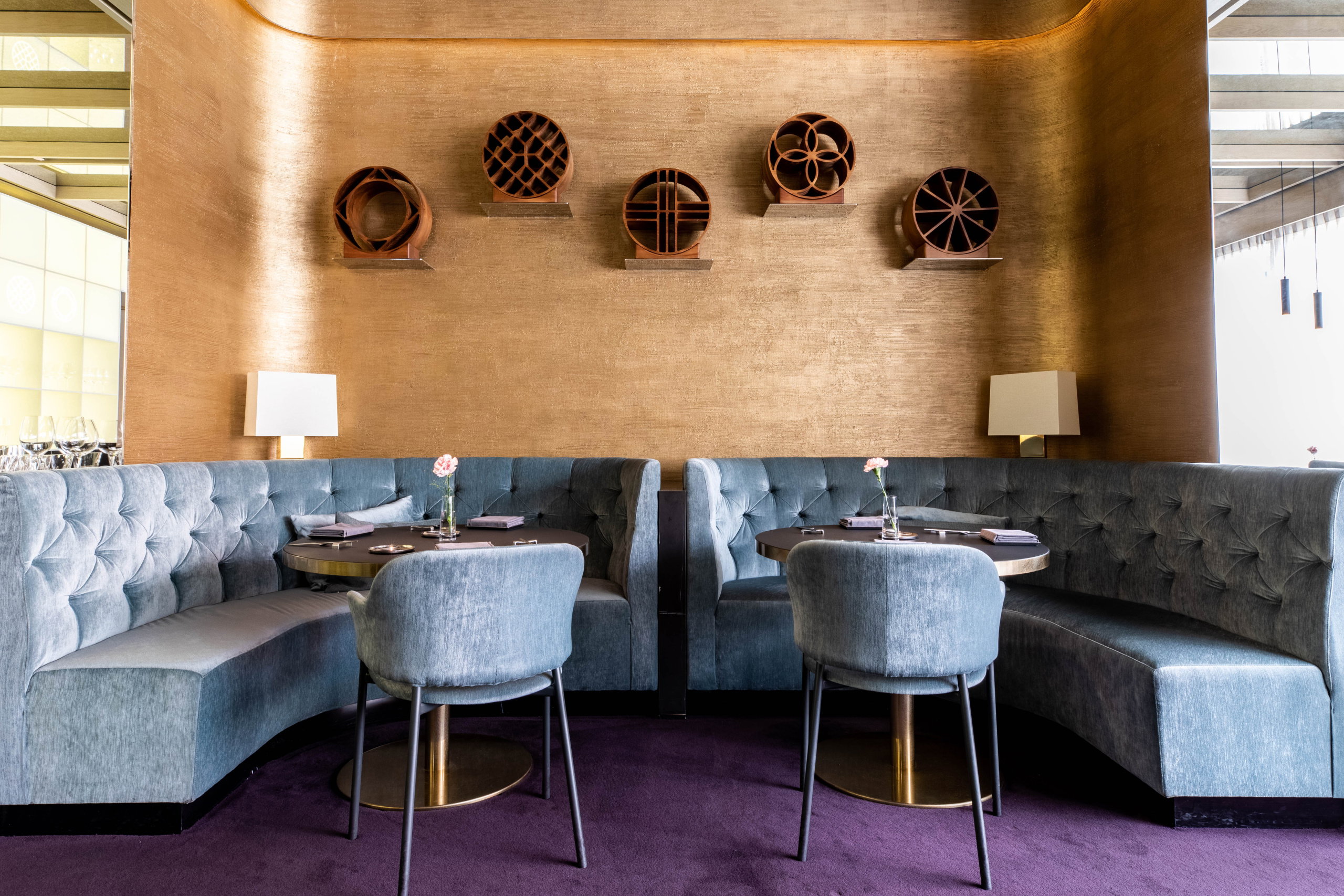
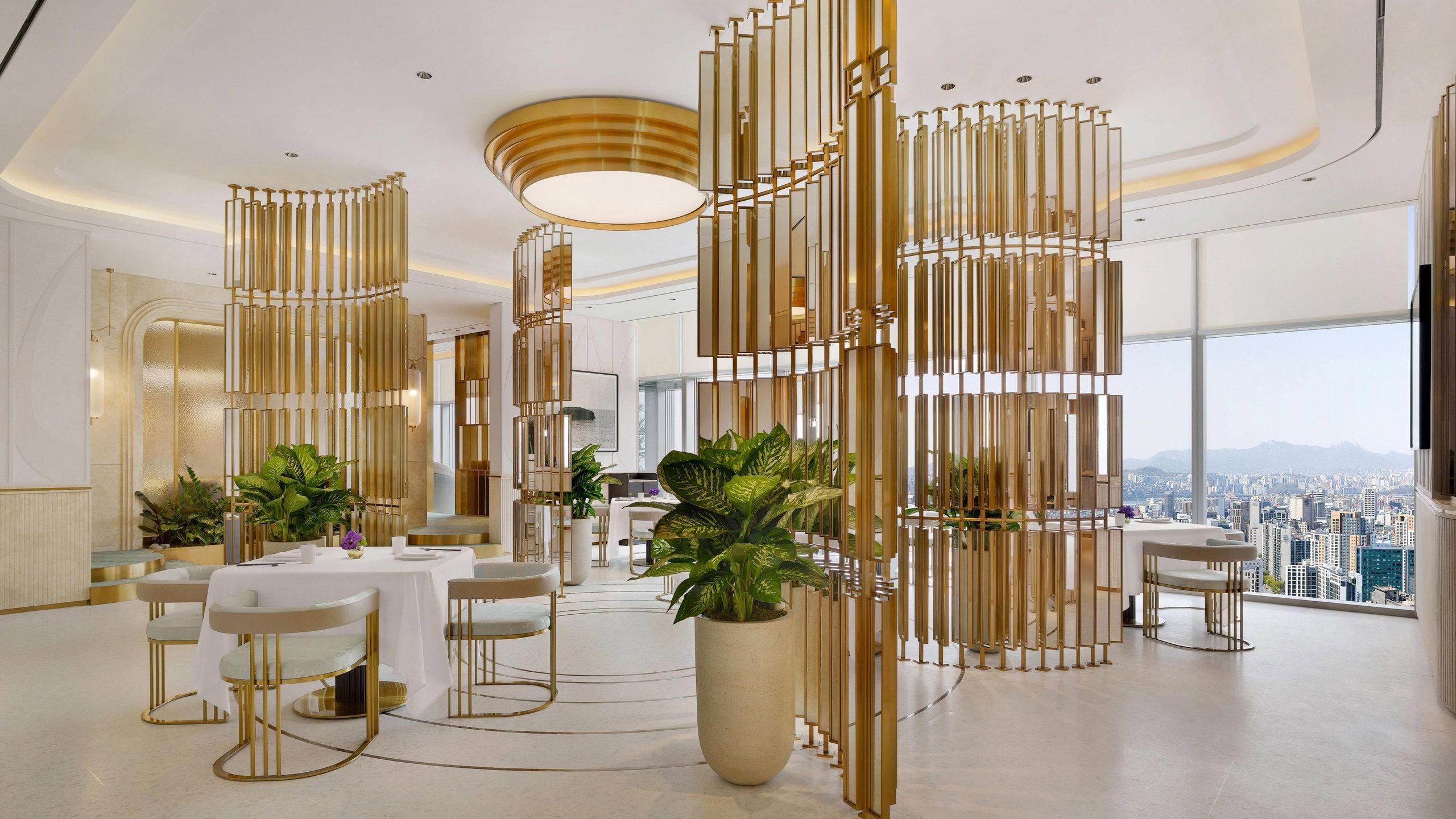
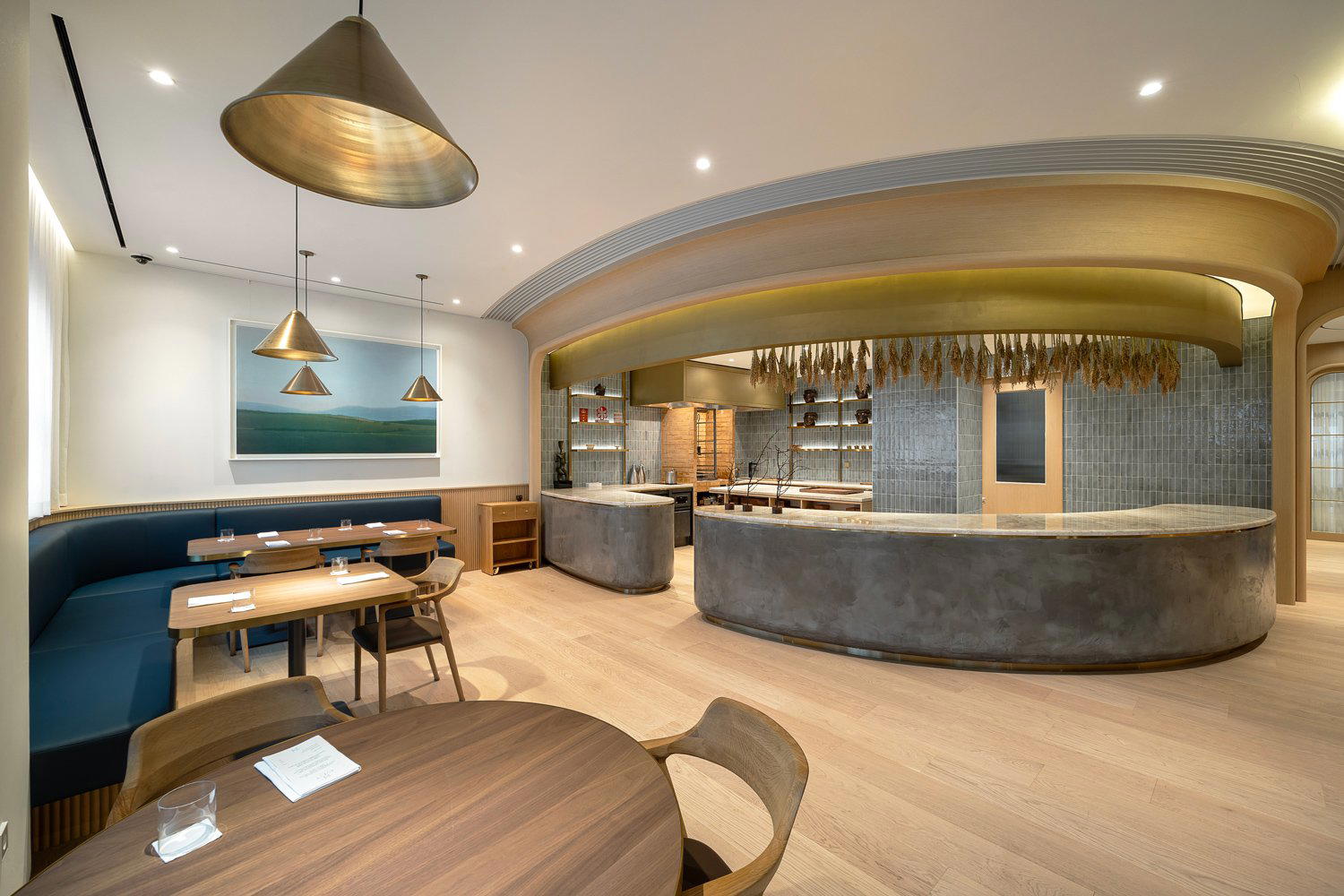
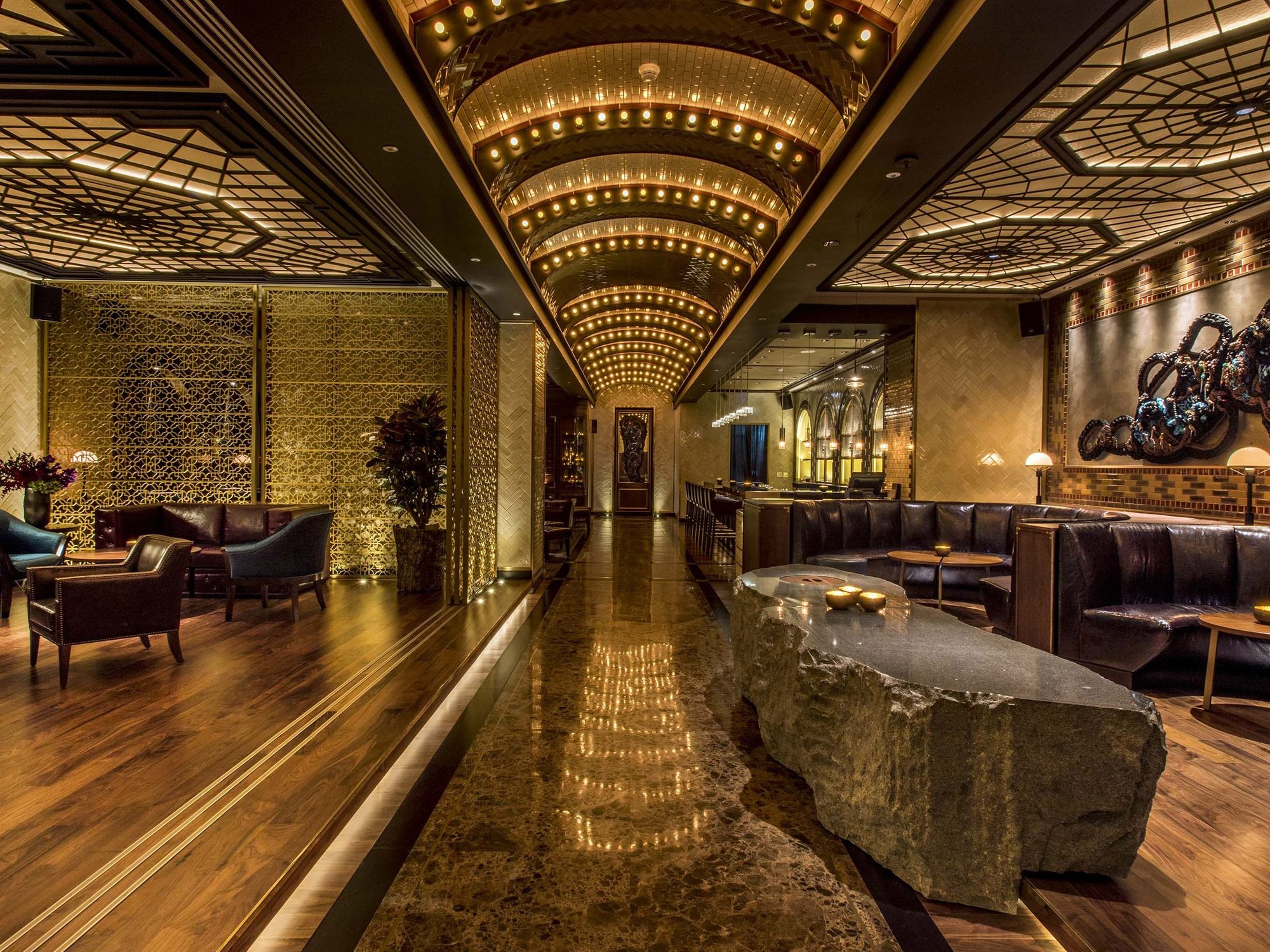
Serene and luxurious with emphasis on healing and rejuvenation; spacious spa and sauna facilities with natural light, modern fitness center, and tranquil garden settings throughout the property.
Tags
Vibe
Best For
Experience
Amenities
View
Accessibility
About the Stay
- Rooms
- 50
- Check-in
- 15:00
- Check-out
- 11:00
- Property Style
- Luxury Urban Wellness Resort Blending Contemporary Design with Asian Spa Heritage and Mountain View Positioning.
- Design Style
- Modern Minimalist with Natural Elements; Individually Decorated Rooms Featuring Premium Bedding, Deep Soaking Tubs, and Views of Namsan; Spacious Spa with Herbal Sauna and Aroma Steam Rooms.
Know before you go
Know Before You Go
- Getting there
- 60 Jangchungdan-ro, Jung District, Seoul
Planning details
Location
60 Jangchungdan-ro, Jung District, Seoul · Directions
Recognition and awards


Also consider
Also Consider
- The Shilla Seoul, Notable alternative
- Grand Hyatt Seoul, Notable alternative
- L7 Myeongdong, Notable alternative
- Le Méridien Seoul Myeongdong, Notable alternative
- L'Escape Hotel Seoul, Notable alternative
Hotel context
How It Compares
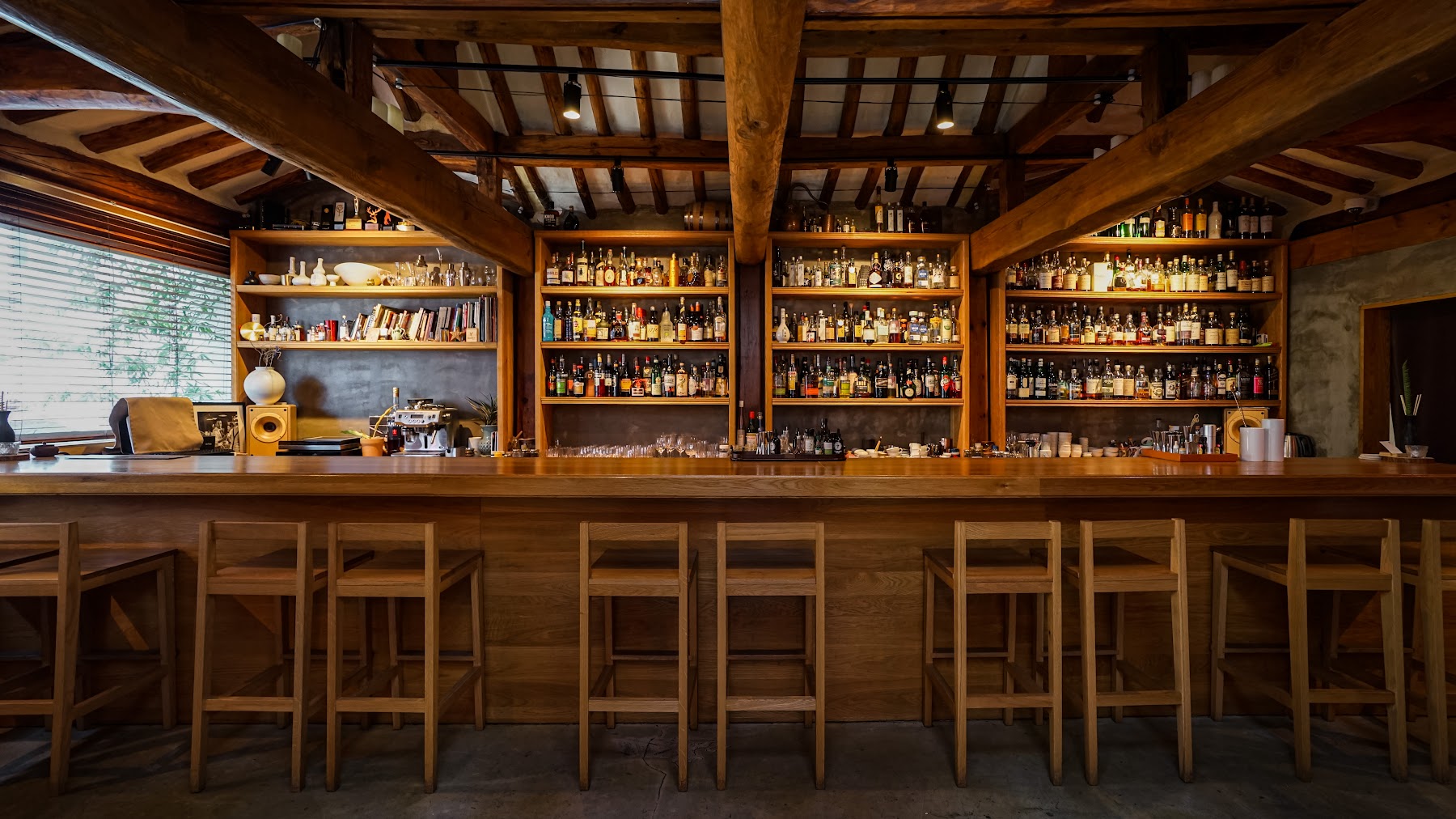
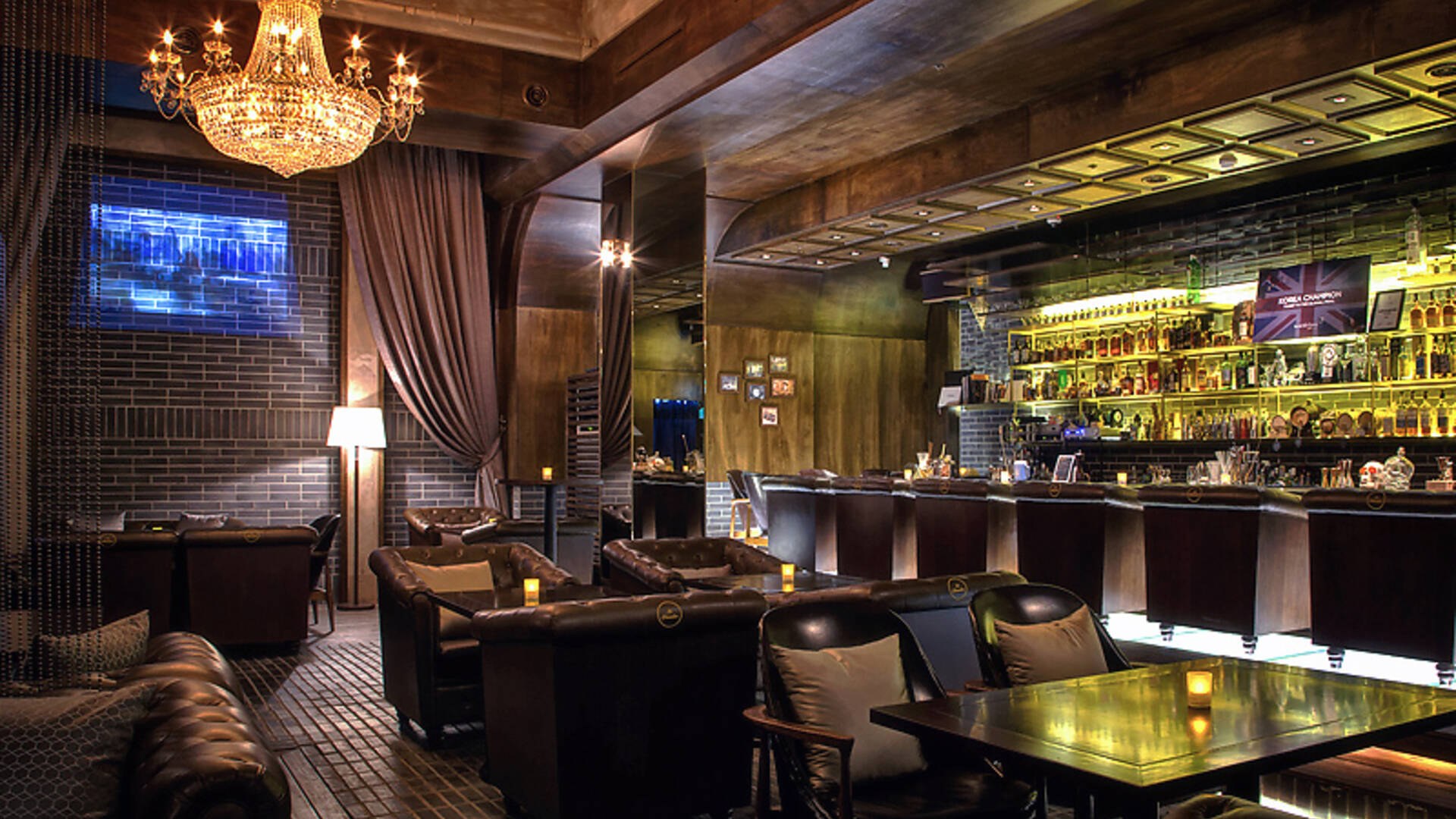
Choose Banyan Tree Club & Spa Seoul when the priority is a calmer, resort-style Seoul stay with enough atmosphere to support a celebration dinner on property. The Shilla Seoul is the cleaner comparison for traditional luxury polish and a grander city-hotel feel, while Banyan Tree is the better fit when privacy, spa time, and a slower evening matter more than formality.
Grand Hyatt Seoul is the practical cross-shop for travelers who want a large full-service hotel in Seoul with a familiar international rhythm. Banyan Tree feels more occasion-led and harder to treat casually; Grand Hyatt is easier to justify for mixed-purpose trips where dining, meetings, and city access all share the agenda.
For value and location convenience, L7 Myeongdong is the smarter pick if the room is mainly a base. Le Méridien Seoul Myeongdong suits travelers who want a more central Myeongdong stay with upscale hotel comforts, while L'Escape Hotel Seoul is the better choice for a moodier design-led city break. Banyan Tree wins only when the hotel itself is part of the occasion.
Explore Seoul
Around this place
Discover more on Pearl
Unlock the full Banyan Tree Club & Spa Seoul guide in Pearl, including awards, comparisons, FAQs, planning details, and nearby places.
Compare Banyan Tree Club & Spa Seoul
| Venue | Location | Awards |
|---|---|---|
| Banyan Tree Club & Spa Seoul | Seoul | 2026 Forbes Recommended2026 La Liste Top Hotels2025 Michelin Selected Hotels2025 Forbes Recommended |
| The Shilla Seoul | Seoul | 2026 Forbes 5-StarLeading Hotels of the World 20262026 La Liste Top Hotels2025 Michelin 1 Key2025 Forbes 5-Star |
| Grand Hyatt Seoul | Seoul | 2026 La Liste Top HotelsWorld Luxury Hotel Awards 20252025 Michelin Selected Hotels |
| L7 Myeongdong | Seoul | No published awards |
| Le Méridien Seoul Myeongdong | Seoul | No published awards |
| L'Escape Hotel Seoul | Seoul | 2025 Michelin Selected Hotels2025 Forbes Recommended |




How Banyan Tree Club & Spa Seoul compares with similar nearby venues.
FAQ
Frequently Asked Questions
What is check-in like at Banyan Tree Club & Spa Seoul?
Confirm arrival timing, procedures, and any special requests directly with Banyan Tree Club & Spa Seoul in Seoul. The hotel recognition includes La Liste Top Hotels 2026 at 90 points, Forbes Recommended for 2026, and MICHELIN Guide Hotels Selected for 2025.
Which room category is best at Banyan Tree Club & Spa Seoul?
Choose based on your trip purpose, budget, and the current room information from Banyan Tree Club & Spa Seoul.
Is Banyan Tree Club & Spa Seoul family-friendly?
What is Banyan Tree Club & Spa Seoul known for?
Banyan Tree Club & Spa Seoul is a Seoul hotel with recognition from La Liste Top Hotels 2026, Forbes Recommended 2026, and MICHELIN Guide Hotels Selected 2025. The dress code is smart casual.