
JR Tower Hotel Nikko Sapporo
Chūō, Sapporo
Hotel in Sapporo, Japan
 Book with Pearl
The Read
Altitude-First City Base
Why go
For a first Sapporo stay this season, JR Tower Hotel Nikko Sapporo is the practical pick if station access matters more than boutique atmosphere. Forbes Recommended for 2026, it suits business travel, rail-heavy itineraries, and winter trips where reducing transfers is valuable; compare Cross Hotel Sapporo or Sosei Sapporo - MGallery if design personality is the priority.
About JR Tower Hotel Nikko Sapporo
JR Tower Hotel Nikko Sapporo is a Sapporo hotel with a clear premium signal: Forbes Recommended recognition for 2026. For travelers comparing higher-end stays in the city, that recognition is a reliable point to use when deciding whether it belongs on the shortlist.
The safest way to evaluate the hotel is to treat it as a Sapporo option with Forbes Recommended status. Guests who need exact operational details, such as location specifics, services, room types, dining, or facilities, should confirm them directly with the hotel before booking.
Choose it for a quality signal in Sapporo
The grounded case for JR Tower Hotel Nikko Sapporo is direct: it is in Sapporo and is listed as Forbes Recommended for 2026. That makes it a credible hotel to consider for travelers who want a recognized Sapporo stay without relying on descriptions of amenities or style.
It may not be the only Sapporo hotel worth comparing. Travelers can also consider Cross Hotel Sapporo, Hotel Okura Sapporo, InterContinental Sapporo, Sapporo Excel Hotel Tokyu, and Sosei Sapporo - MGallery, depending on the kind of stay they want and the details available at the time of booking.
The right booking if you want a Sapporo hotel reference point
Book JR Tower Hotel Nikko Sapporo when a Forbes Recommended Sapporo hotel fits the trip and the current rate, availability, and direct hotel information all make sense. For dining-led trips, plan meals separately through our full Sapporo restaurants guide. For other parts of the trip, compare current hotel details carefully before committing.
The main limitation is that many practical details should not be assumed from third-party summaries. Before booking, confirm the current room categories, services, dining options, and policies directly with the hotel.
Quick reference: consider JR Tower Hotel Nikko Sapporo for a Forbes Recommended Sapporo stay; compare Cross Hotel Sapporo, Hotel Okura Sapporo, InterContinental Sapporo, Sapporo Excel Hotel Tokyu, and Sosei Sapporo - MGallery if you are weighing other hotel options in the city.
Inside JR Tower Hotel Nikko Sapporo
Planning details
- Location
- 2-chōme-5番地 Kita 5 Jōnishi, Chuo Ward, Sapporo, Hokkaido 060-0005
- Website
- jrhotels.co.jp/tower
- Phone
- +81 11-251-2222
The take
The Take
The Vibe
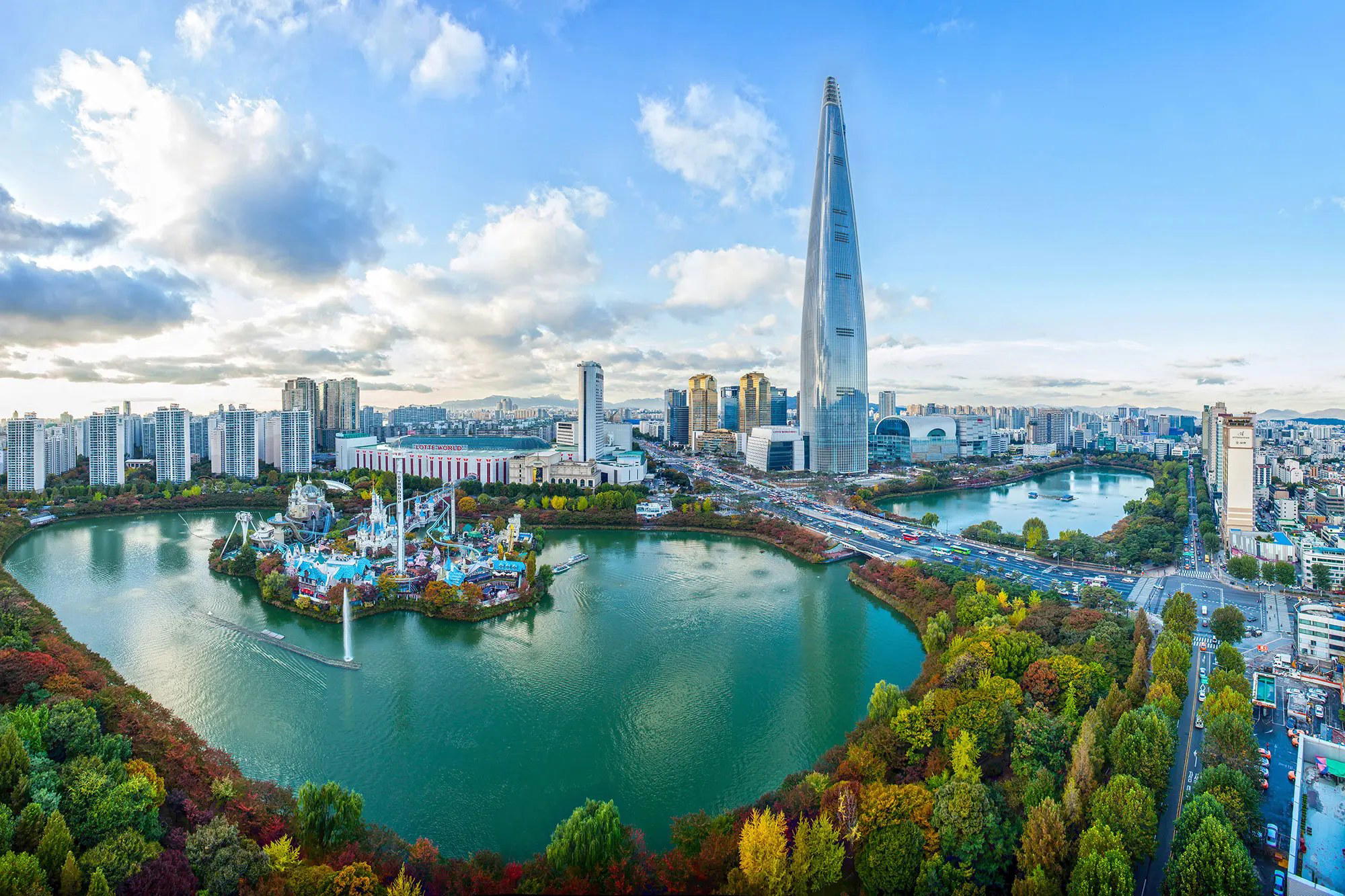
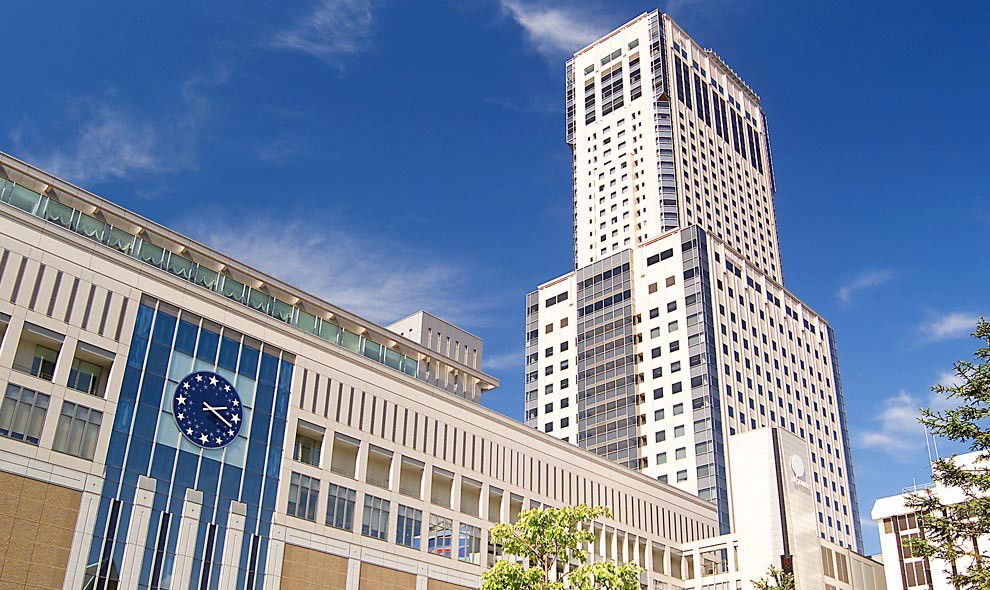
JR Tower Hotel Nikko Sapporo registers as an urban high-rise with commanding views — its stature as Hokkaido’s tallest building gives the property an immediately recognizable presence. Guest rooms on the upper floors turn the city and Ishikari Bay into the hotel’s backdrop, delivering a scenic perspective that shapes the stay. The property blends the efficiency of a station-top address with a broader food programme, so the atmosphere feels both functional and elevated: practical for travel while offering the kind of skyline-focused, city-above-it-all experience that defines modern tower hotels.
Best For
The hotel is especially well suited to travellers prioritizing connectivity and convenience. Sitting directly above JR Sapporo Station and linked to the Rapid Airport Express, it serves business guests who need quick transfers and easy access to the city. At the same time, the on-site restaurants and high-floor views make it appealing for leisure visitors and families who want a self-contained stay with multiple dining options. If your itinerary hinges on timely airport connections or a compact base with varied food choices, this hotel answers both needs.
Stay Tips
Dining at JR Tower Hotel Nikko Sapporo centers on Hokkaido-sourced ingredients across four on-site outlets. For quick, practical evenings the hotel’s more casual options answer business travellers’ needs; for a broader taste of regional produce seek the French and Japanese outlets, which position themselves within Hokkaido’s culinary traditions. The buffet-format restaurant is the likeliest choice for breakfast or an easy family meal. Use the hotel’s range of formats to match pace and party: quick dinners before or after transfers, or a more relaxed sit-down to sample local seafood and dairy-driven dishes.
Venue details
Ambiance
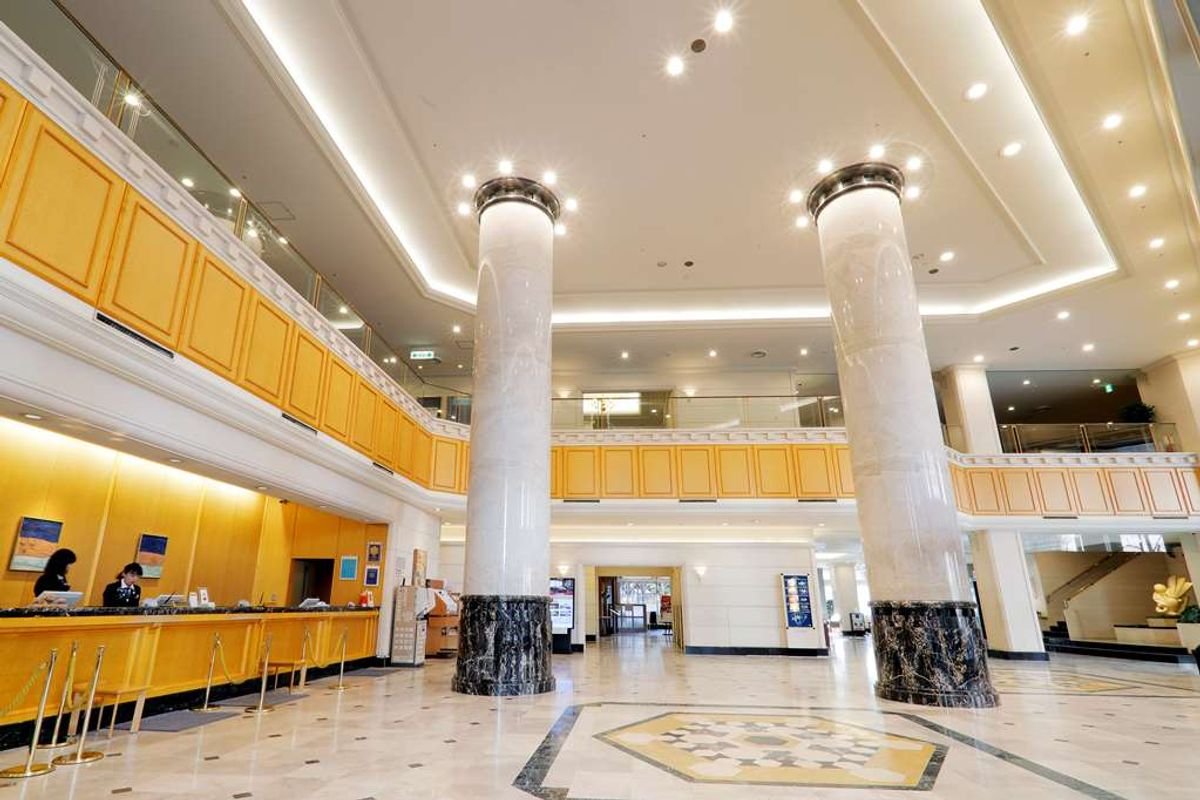
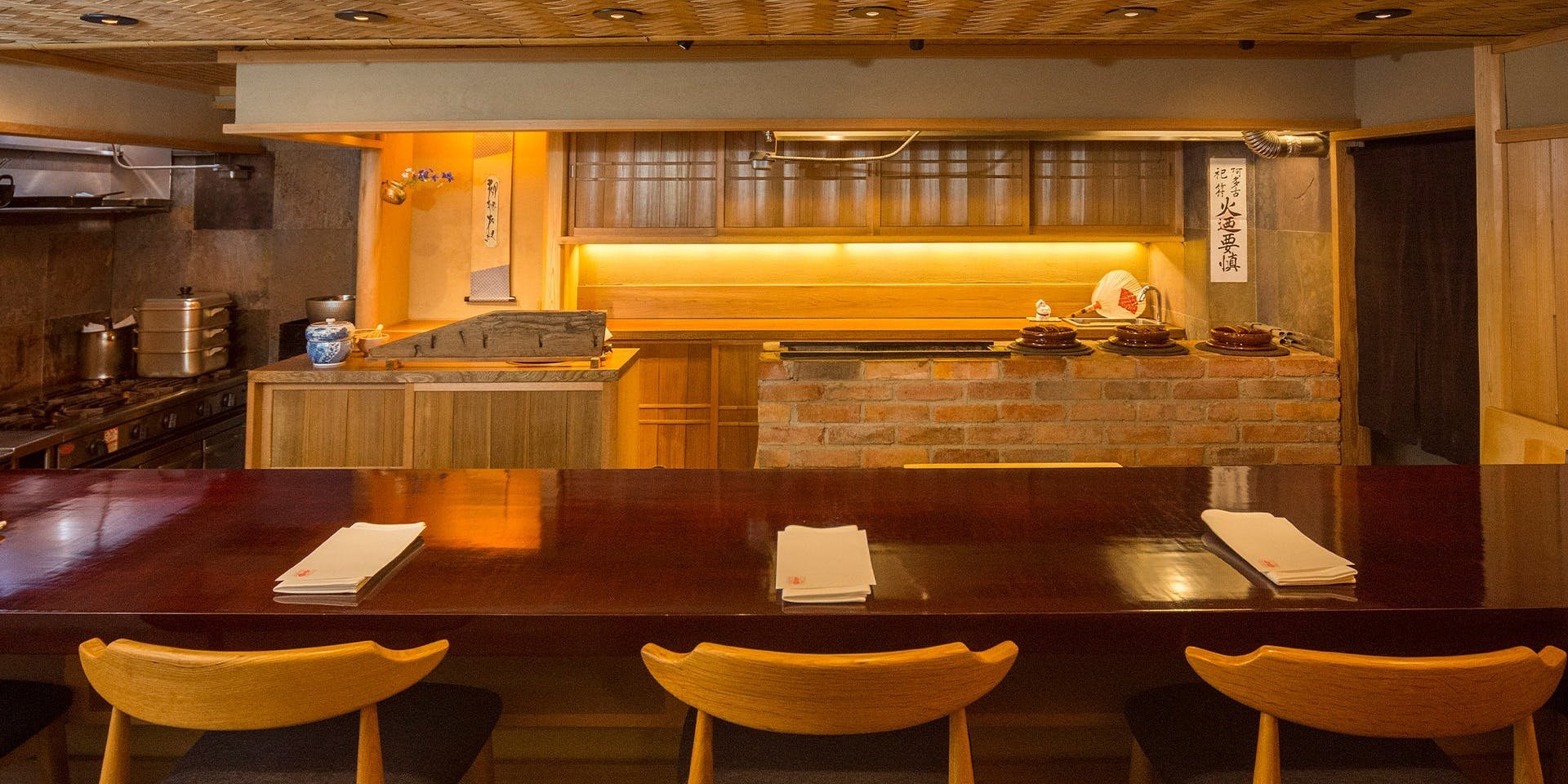
Bright, clean, and serene with large picture windows showcasing seasonal Sapporo views; guests praise the tranquil spa atmosphere and well-lit bathrooms.
Tags
Vibe
Best For
Experience
Amenities
View
Accessibility
About the Stay
- Rooms
- 330
- Check-in
- 15:00
- Check-out
- 11:00
- Property Style
- Contemporary Luxury High Rise with Japanese Minimalist Design Principles Emphasizing Space, Light, and Tranquility.
- Design Style
- Simple, Chic, and Modern with Emphasis on Openness; Features Large Windows, Down Comforters, Separate Bathroom Washing Areas, and Sophisticated Furnishings Across 23rd 34th Floors.
Know before you go
Know Before You Go
- Getting there
- 2-chōme-5番地 Kita 5 Jōnishi, Chuo Ward, Sapporo, Hokkaido 060-0005
Planning details
Location
2-chōme-5番地 Kita 5 Jōnishi, Chuo Ward, Sapporo, Hokkaido 060-0005 · Directions
Recognition and awards

Also consider
Also Consider
- Cross Hotel Sapporo, Notable alternative
- Sosei Sapporo - MGallery, Notable alternative
- Hotel Okura Sapporo, Notable alternative
- Sapporo Excel Hotel Tokyu, Notable alternative
- InterContinental Sapporo, Notable alternative
Hotel context
How it compares in Sapporo
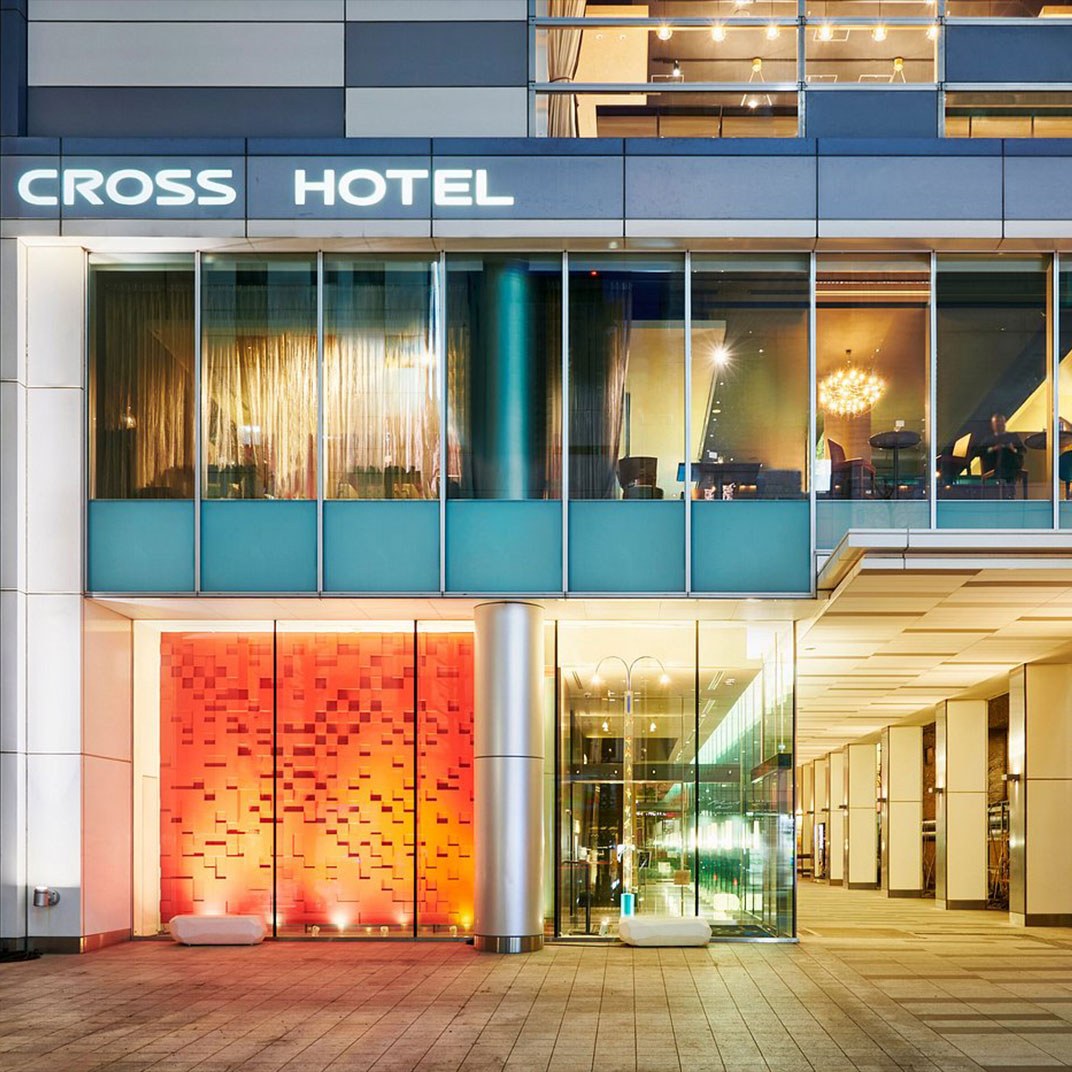
JR Tower Hotel Nikko Sapporo is the pick for travelers who value transport convenience and a more polished business-hotel feel. Cross Hotel Sapporo is the better cross-shop for a sharper city-hotel mood, while Sosei Sapporo - MGallery makes more sense for guests who want a stronger sense of design character.
For a classic stay, Hotel Okura Sapporo is the safer comparison if brand familiarity matters more than being tied to the station. Sapporo Excel Hotel Tokyu is the value-minded alternative to check when rates at JR Tower Hotel Nikko Sapporo rise during peak demand.
InterContinental Sapporo is the stronger fit for travelers seeking a more international luxury frame. JR Tower Hotel Nikko Sapporo remains the more practical choice for first-timers, business travel, and rail-connected plans, but it is usually the tougher booking when Sapporo demand is high.
Explore Sapporo
Around this place
Discover more on Pearl
Unlock the full JR Tower Hotel Nikko Sapporo guide in Pearl, including awards, comparisons, FAQs, planning details, and nearby places.
Compare JR Tower Hotel Nikko Sapporo
| Venue | Location | Awards |
|---|---|---|
| JR Tower Hotel Nikko Sapporo | Sapporo | 2026 Forbes Recommended2025 Forbes Recommended |
| Cross Hotel Sapporo | Sapporo | No published awards |
| Sosei Sapporo - MGallery | Sapporo | No published awards |
| Hotel Okura Sapporo | Sapporo Shi | No published awards |
| Sapporo Excel Hotel Tokyu | Sapporo | Preferred Hotels Member 2025 |
| InterContinental Sapporo | Sapporo | No published awards |

How JR Tower Hotel Nikko Sapporo compares with similar nearby venues.
FAQ
Frequently Asked Questions
Is JR Tower Hotel Nikko Sapporo good for business travel?
JR Tower Hotel Nikko Sapporo may be worth considering for a Sapporo business trip, especially if a Forbes Recommended hotel is useful for your shortlist. Confirm current services, facilities, and booking details directly with the hotel before you commit.
When is the best time to book JR Tower Hotel Nikko Sapporo?
Book when the rate, availability, and confirmed hotel details fit your trip. Because JR Tower Hotel Nikko Sapporo is Forbes Recommended for 2026, it is also worth comparing current options such as Cross Hotel Sapporo or Sapporo Excel Hotel Tokyu before you decide.
Do loyalty programs work at JR Tower Hotel Nikko Sapporo?
Compare any benefits shown at booking with the total price and with hotel options such as Hotel Okura Sapporo or InterContinental Sapporo before you commit.
Which room category is best at JR Tower Hotel Nikko Sapporo?
Choose based on the current room descriptions, price, and policies shown by the hotel or booking channel.