
Vigne di Fagnano 1709 Eco Relais
Santo Stefano Belbo
Hotel in Santo Stefano Belbo, Italy
 Book with Pearl
Why go
Vigne di Fagnano 1709 Eco Relais is a better fit for travelers who want a quiet Santo Stefano Belbo base than for families seeking a resort packed with facilities. The 2026 Mr & Mrs Smith Seal of Approval and 2025 MICHELIN Guide hotel selection give it credible quality backing, but the smartest booking is for a calm wine-country stay where guests plan dining and activities around the area.
About Vigne di Fagnano 1709 Eco Relais
Vigne di Fagnano 1709 Eco Relais is a Santo Stefano Belbo stay best approached with a clear, practical brief. The venue is in Santo Stefano Belbo, the dress code is smart casual, and it has received the Mr & Mrs Smith Seal of Approval for 2026 and was selected by the MICHELIN Guide hotels list in 2025.
Do not build a trip around assumptions about resort-style amenities. Treat it as a named Santo Stefano Belbo property with recognized hotel credentials, then check any practical requirements directly before booking.
A Santo Stefano Belbo stay where advance planning matters
The most reliable way to read Vigne di Fagnano 1709 Eco Relais is as a Santo Stefano Belbo accommodation choice with quality recognition rather than a property whose full on-site experience is detailed in advance. Travelers should not assume kids' club services, pool details, spa programs, restaurant format, room categories, or dining prices without checking.
That makes advance planning important. If the trip depends on specific family services, wellness facilities, dining arrangements, accessibility needs, or room layouts, confirm those points with the property before committing. If the priority is simply to stay in Santo Stefano Belbo at a recognized hotel, the accolades are a strong signal.
Who should book it now, and who should look elsewhere
Book it if you want Vigne di Fagnano 1709 Eco Relais specifically, value Santo Stefano Belbo as the base, and are comfortable checking operational details before arrival. The smart-casual dress code suggests a polished but not formal stay.
The public recognition is the clearest quality signal. The Mr & Mrs Smith Seal of Approval for 2026 and MICHELIN Guide hotel selection in 2025 support its credibility for travelers comparing Santo Stefano Belbo stays. Those accolades are useful, but they do not guarantee specific amenities, dining, room types, or family services.
For broader planning around the area, use Our full Santo Stefano Belbo hotels guide alongside Our full Santo Stefano Belbo restaurants guide, Our full Santo Stefano Belbo wineries guide, Our full Santo Stefano Belbo bars guide, and Our full Santo Stefano Belbo experiences guide. If this stay is part of a wider Italy hotel search, compare the format with other countryside or boutique options generically, while checking each property's services directly.
Planning details
- Location
- 33 Via Fontanette, Santo Stefano Belbo, Italy
- Phone
- +393477097387
The take
The Take
The Vibe
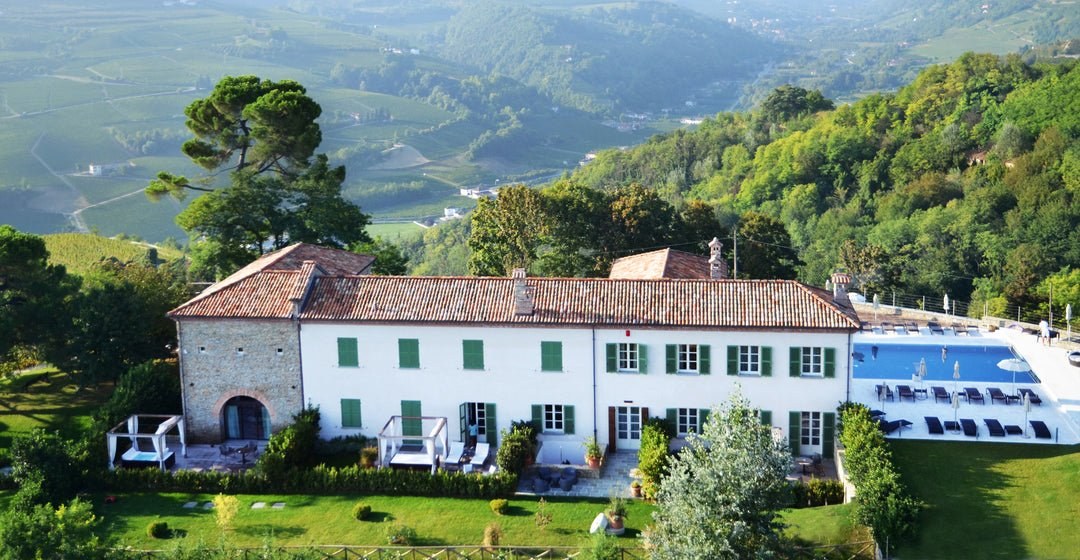
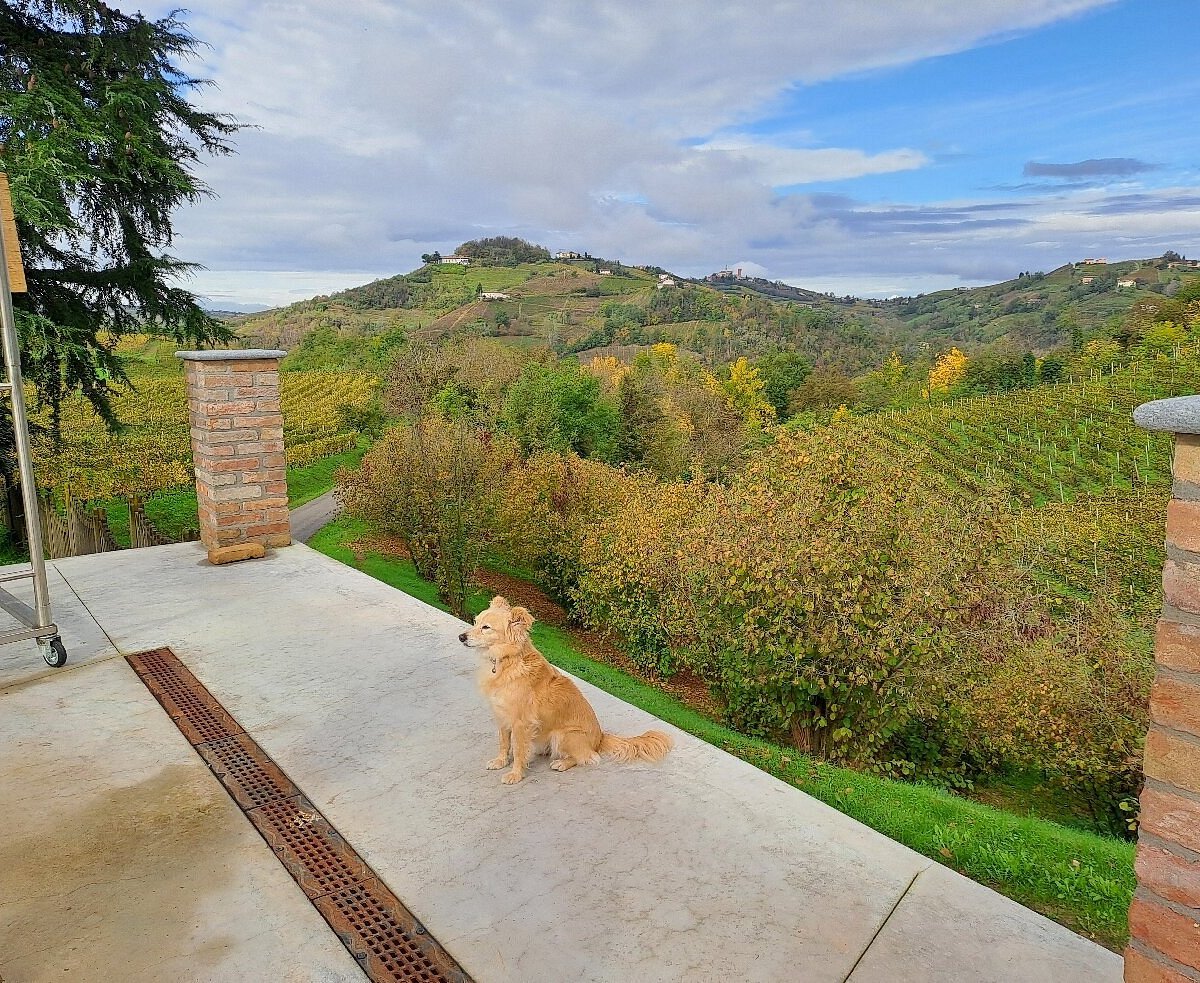
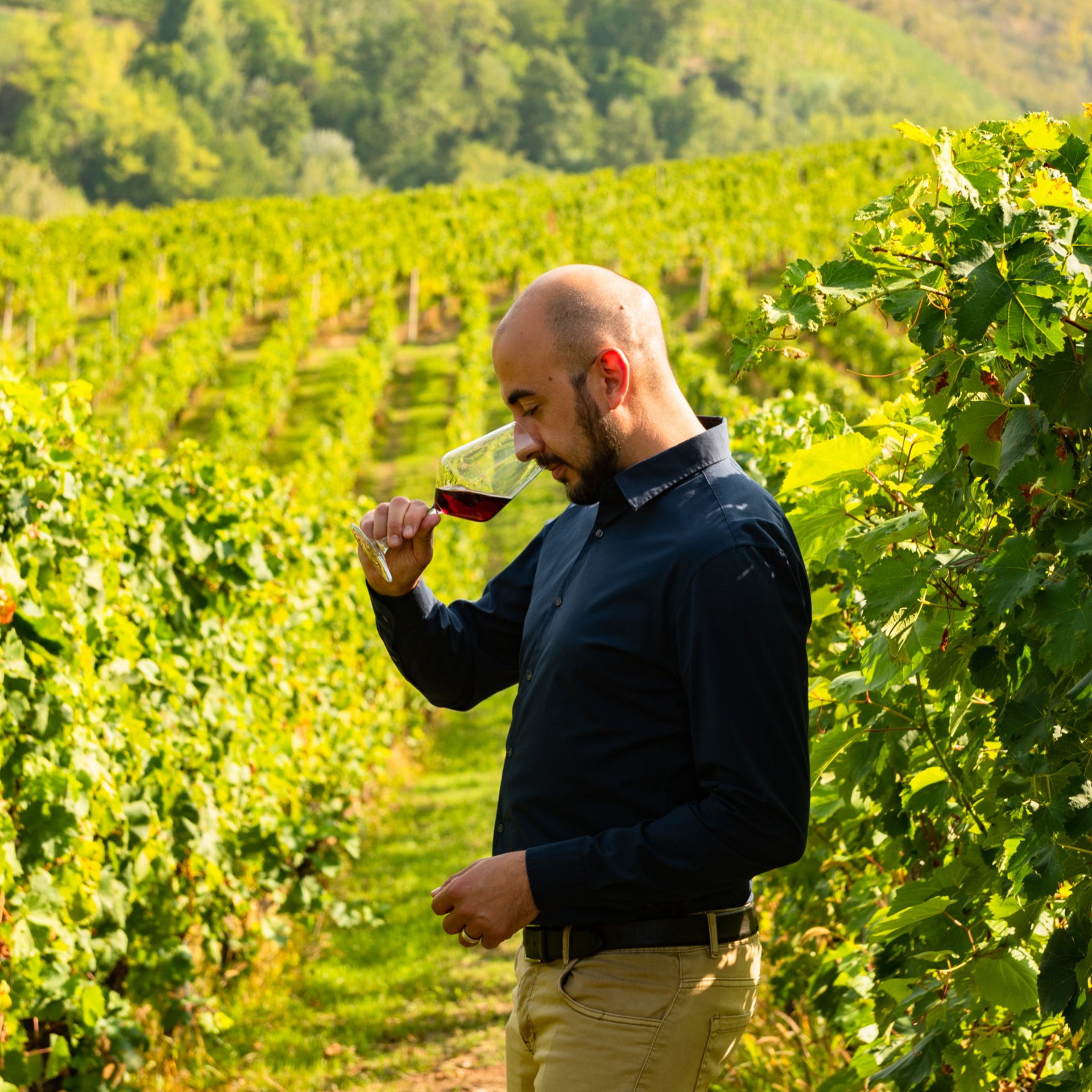
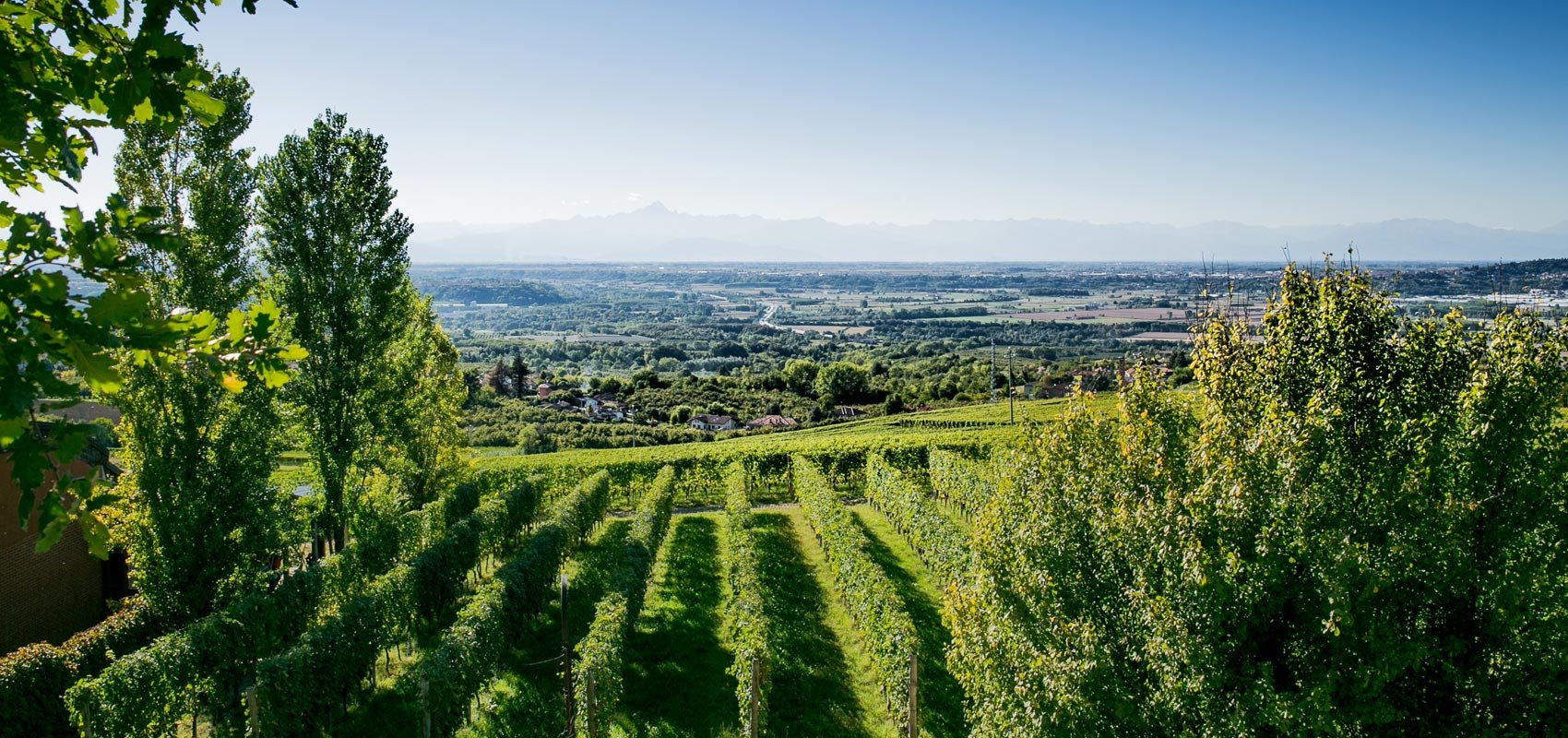
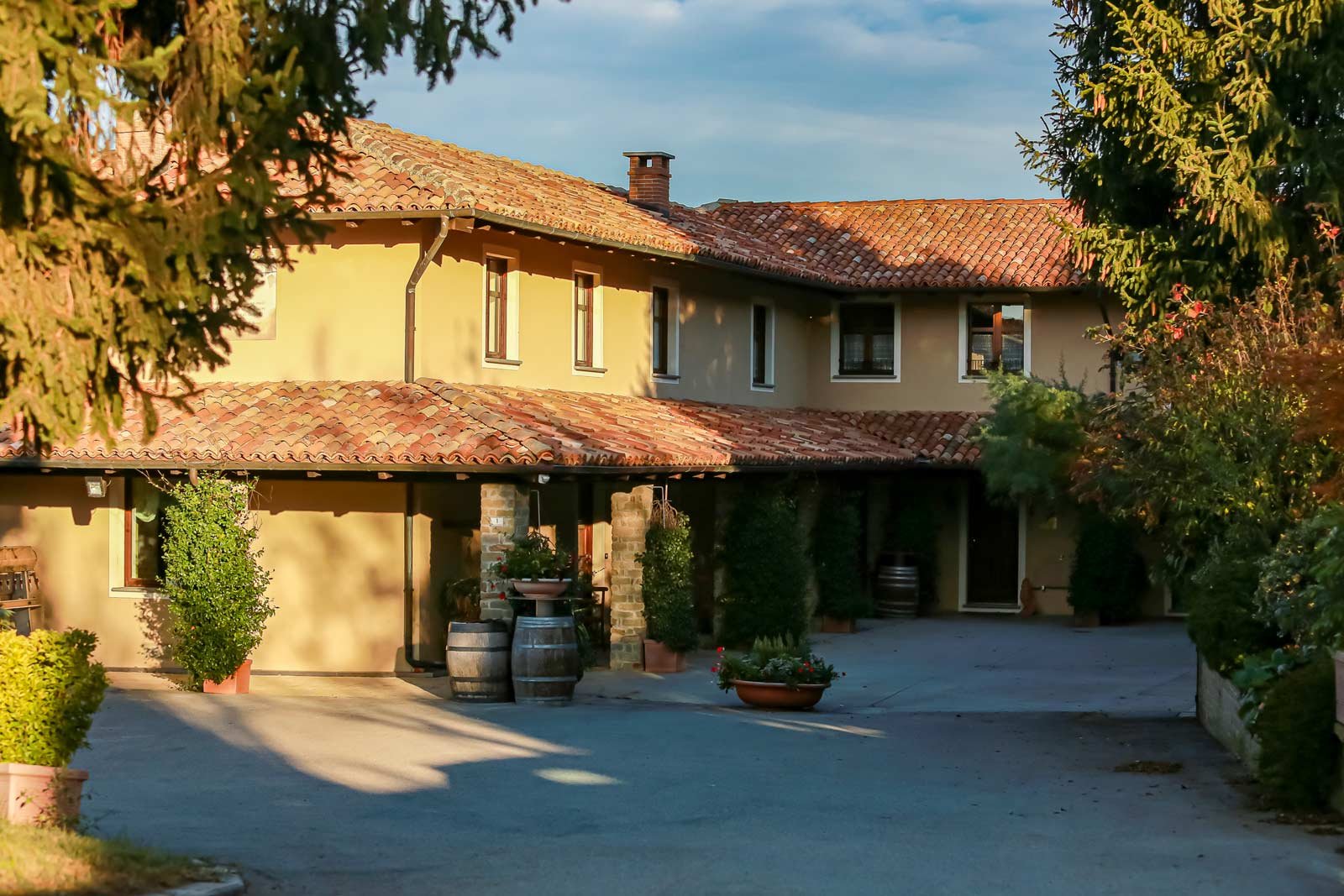
Vigne di Fagnano 1709 Eco Relais presents as a lived-in, historic estate rooted in Piedmontese agrarian tradition. The name itself flags a building history that reaches back to 1709, and the property foregrounds original materials—stone, wood and the patina of long agricultural use—rather than polished modern interventions. Mornings are quiet and vegetal, with vine rows catching first light across the Belbo valley, and the relais aligns its eco credentials with operational choices rather than cosmetic gestures. The result reads as a tasteful, restrained celebration of place: unshowy, authentic and intimately tied to the local vineyard landscape.
Best For
This relais is tailored to travelers who prize provenance, quiet and wine-focused discovery. Serious wine travelers and visitors interested in Moscato d'Asti terroir find a particularly apt base here, because the property sits within the production zone and is described in relation to the surrounding vineyards. Couples and small groups seeking a romantic, low-key escape will appreciate the historic character and pastoral setting. The Michelin Selected designation also makes it a good pick for guests who want reliable quality in a small, characterful hotel rather than a polished, corporate experience.
Stay Tips
Look to the description for clues about what matters here rather than expecting extensive modern amenities: the relais emphasizes preserved historic fabric and an operational approach to sustainability. Guests who care about vineyard context or wine-focused experiences should mention that interest when enquiring, since the property sits amid Moscato d'Asti production and appeals to serious wine travelers. The Michelin Selected note is a useful shorthand for consistent quality—ask the property about the aspects of the stay that reflect that standard and about how its eco credentials are implemented if sustainability is a booking priority.
Venue details
Ambiance
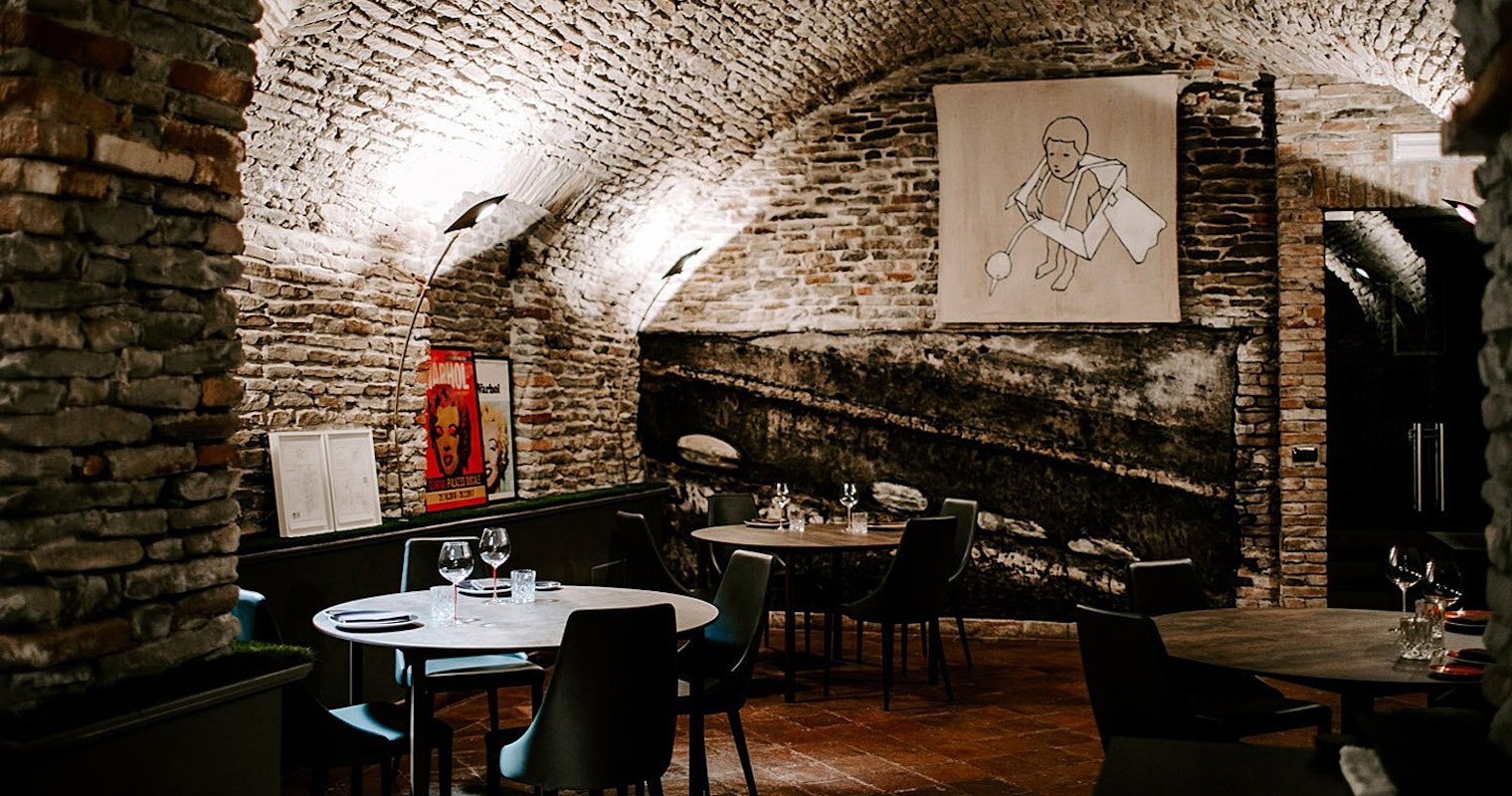
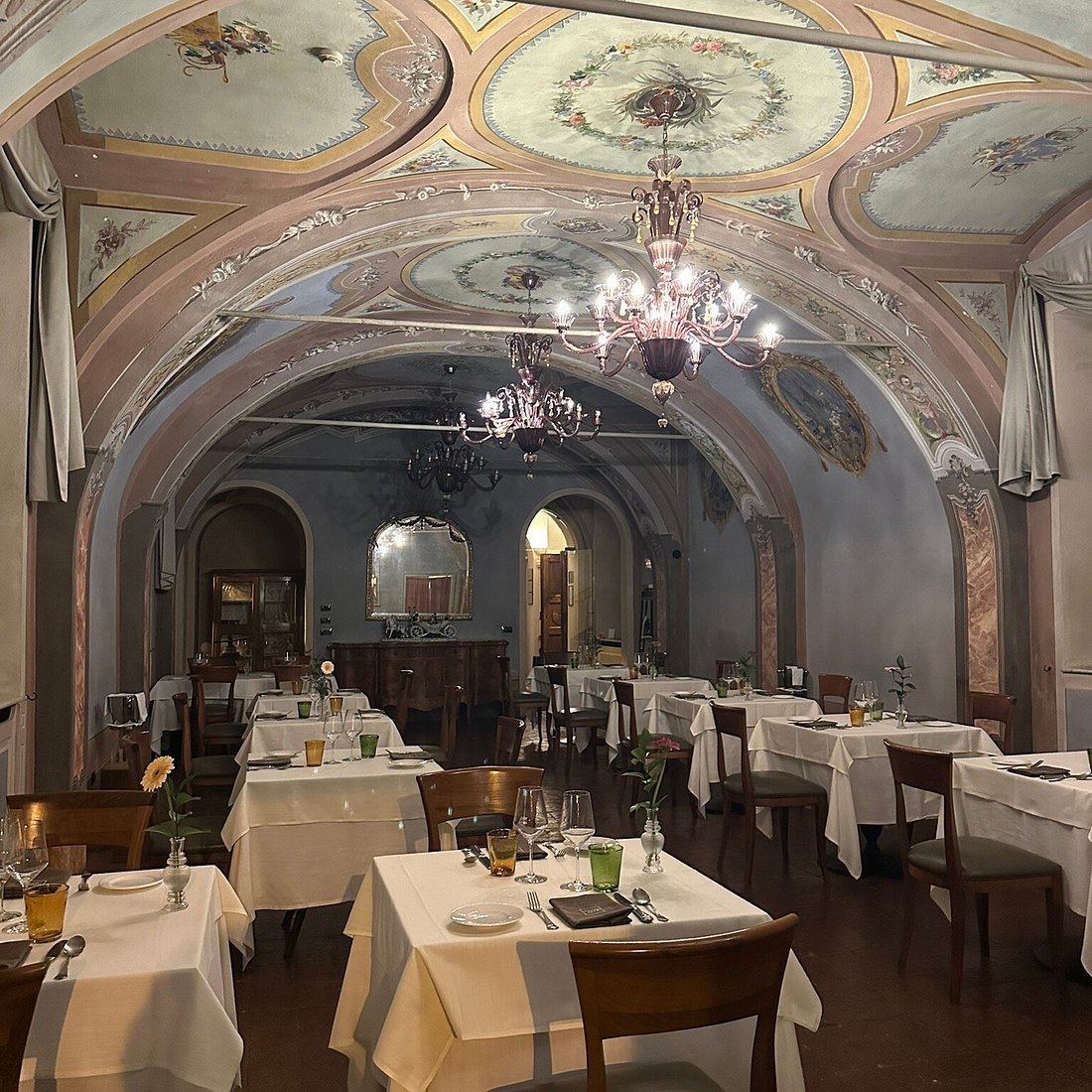
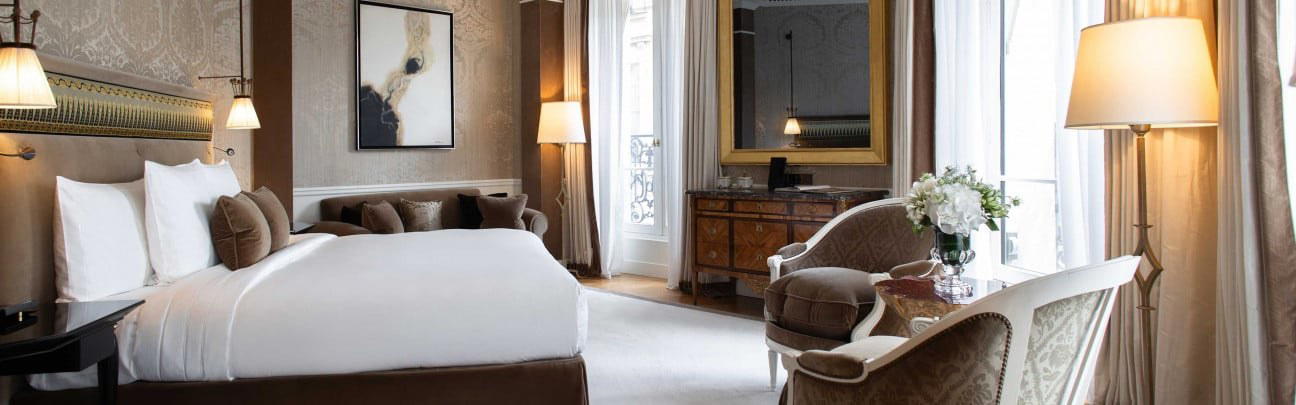
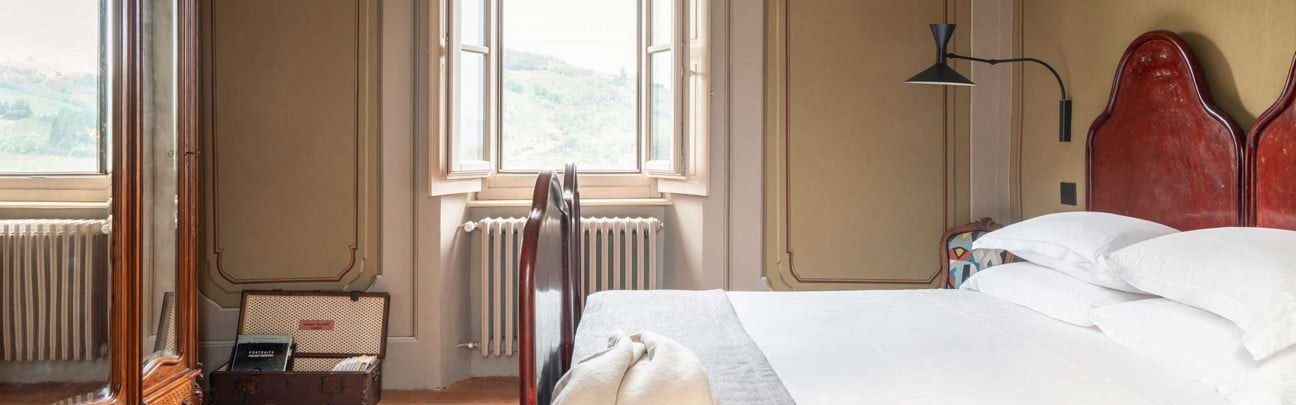
Authentic and charming atmosphere with refined elegance, original details like frescoed ceilings and antique furnishings blended with contemporary design, in a quiet, suggestive setting.
Tags
Vibe
Best For
Experience
Amenities
View
About the Stay
- Rooms
- 7
- Check-in
- 15:00
- Check-out
- 11:00
- Property Style
- Restored 18th Century Noble Rural Residence Blending Luxury Comfort with Historical Authenticity.
- Design Style
- Mix of Rural Antiques, Italian Design Pieces, and Original Architectural Details Like Frescoed Ceilings and Cement Tiles.
Know before you go
Know Before You Go
- Getting there
- 33 Via Fontanette, Santo Stefano Belbo, Italy
Planning details
Location
33 Via Fontanette, Santo Stefano Belbo, Italy · Directions
Recognition and awards
Explore Santo Stefano Belbo
Around this place
Discover more on Pearl
Unlock the full Vigne di Fagnano 1709 Eco Relais guide in Pearl, including awards, comparisons, FAQs, planning details, and nearby places.
FAQ
Frequently Asked Questions
How is the dining at Vigne di Fagnano 1709 Eco Relais?
The hotel has a MICHELIN Guide hotel selection for 2025 and a Mr & Mrs Smith Seal of Approval for 2026, but those recognitions do not specify a restaurant format, cuisine, menu, or pricing. If food is central to the trip, confirm the property's current dining arrangements and make separate restaurant plans in Santo Stefano Belbo if needed.
Is Vigne di Fagnano 1709 Eco Relais family-friendly?
For family travel, ask the property directly about room layouts, extra-bed policies, child suitability, and any services you need. It is best described as a Santo Stefano Belbo stay with smart-casual dress guidance and recognized hotel credentials.
How does Vigne di Fagnano 1709 Eco Relais compare to nearby hotels?
Choose it if you specifically want Vigne di Fagnano 1709 Eco Relais in Santo Stefano Belbo and value its recognition from the MICHELIN Guide hotels list in 2025 and Mr & Mrs Smith in 2026. For comparisons with other local stays, check amenities, room types, dining, and policies directly rather than assuming a particular hotel format.
How is the pool and spa at Vigne di Fagnano 1709 Eco Relais?
When is the best time to book Vigne di Fagnano 1709 Eco Relais?
If your dates are fixed, book once you have checked the property's current availability, policies, and any services that matter to your trip.
Which room category is best at Vigne di Fagnano 1709 Eco Relais?
Ask the property for the current room list, layouts, views, capacity, and any accessibility or family requirements before selecting a category.