


Grand Hotel Miramare
Santa Margherita Ligure
Hotel in Santa Margherita Ligure, Italy
 Book with Pearl
The Read
Art Nouveau Riviera Formality
Why go
Grand Hotel Miramare is worth booking for a polished Santa Margherita Ligure stay where seaside comfort, recognition, and special-occasion ease matter more than boutique edge. It is a stronger fit for couples and celebration trips than for travelers who only need a compact base, and it should be cross-shopped against Hotel Blu di Te for intimacy or Splendido for Portofino glamour.
About Grand Hotel Miramare
Is Grand Hotel Miramare worth booking in Santa Margherita Ligure? It is a Michelin 1 Key hotel, a Leading Hotels of the World Member, and a Virtuoso Luxury Hotel Partner, so it is best considered by travelers who want a recognized luxury-hotel option in Santa Margherita Ligure rather than a boutique or dining-led claim.
The details are limited, but useful: the hotel has Michelin 1 Key recognition, belongs to Leading Hotels of the World, is a Virtuoso Luxury Hotel Partner, and lists a smart casual dress code. For a stay where those credentials matter, Grand Hotel Miramare is a clear name to consider. If you are comparing styles, Hotel Blu di Te, Eight Hotel Paraggi, Eight Hotel Portofino, Excelsior Palace Portofino Coast, and Splendido, a Belmond Hotel are natural nearby luxury-hotel comparisons.
A recognized luxury hotel in Santa Margherita Ligure
Book Grand Hotel Miramare when the priority is a hotel with luxury recognition in Santa Margherita Ligure. The strongest grounded hook is its Michelin 1 Key status, supported by its Leading Hotels of the World and Virtuoso affiliations.
The trade-off is that many practical details may need a direct check before booking. Specific claims about dining, wellness facilities, service format, room count, pricing, or on-property amenities should be checked directly with the hotel before booking. Travelers wanting a different hotel style can compare it with Hotel Blu di Te, Eight Hotel Paraggi, Eight Hotel Portofino, Excelsior Palace Portofino Coast, or Splendido, a Belmond Hotel.
What to verify before booking
Do not assume details that are not listed. Confirm current room options, rates, dining availability, facilities, and any special-stay requirements through the hotel or your travel advisor.
The smart casual dress code is useful for planning. Beyond that, treat Grand Hotel Miramare as a recognized Santa Margherita Ligure luxury hotel and verify any trip-specific needs before committing.
Quick reference: consider Grand Hotel Miramare for Michelin 1 Key recognition, Leading Hotels of the World membership, Virtuoso partnership, and a smart casual setting in Santa Margherita Ligure.
Planning details
- Location
- Via Milite Ignoto, 30, 16038 Santa Margherita Ligure GE
- Website
- grandhotelmiramare.it
- Phone
- +39 0185 287013
The take
The Take
The Vibe
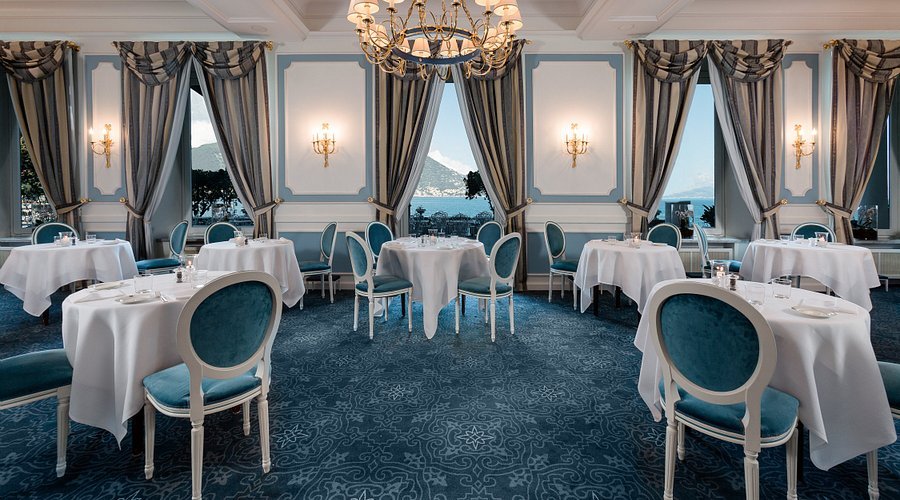
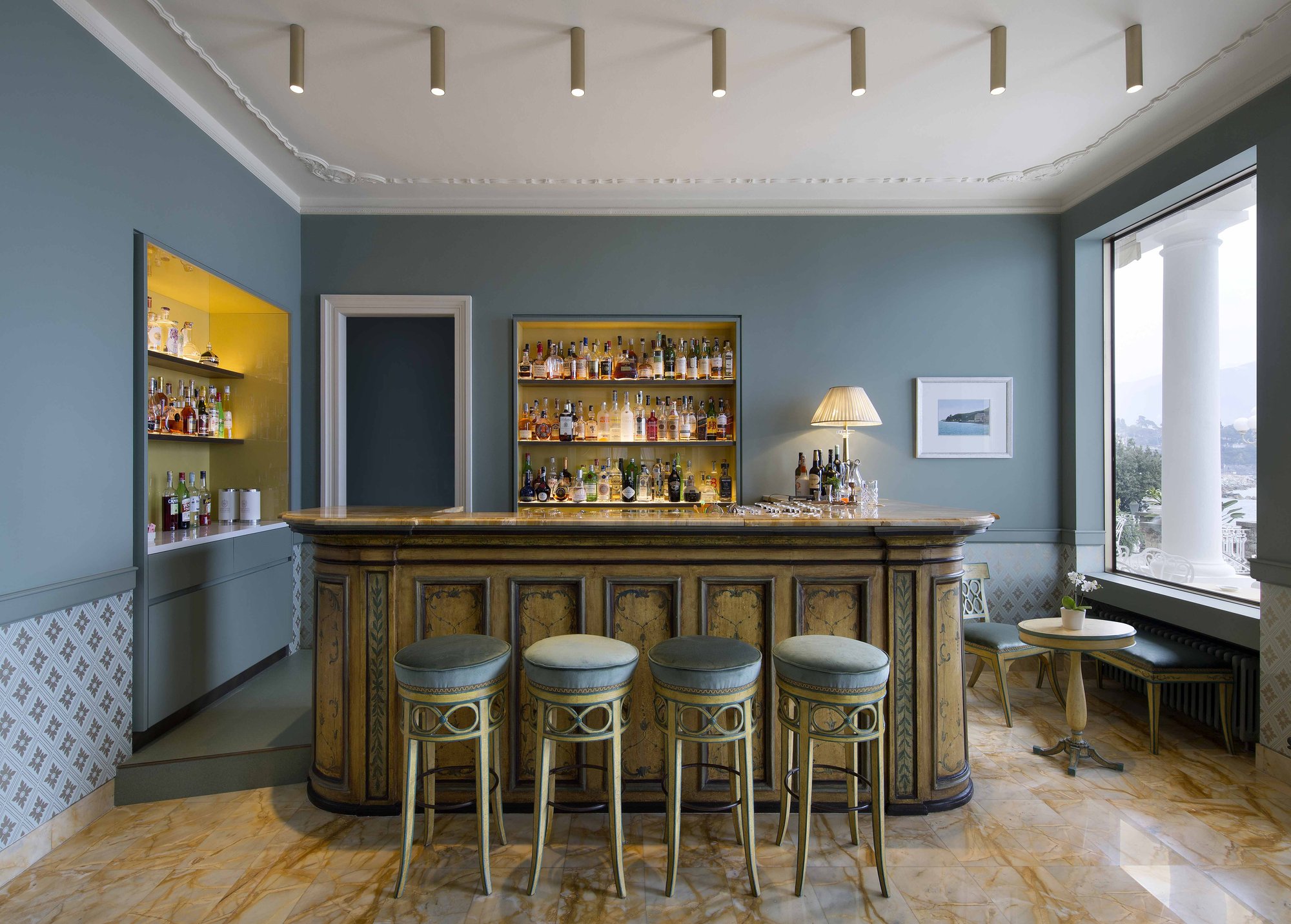
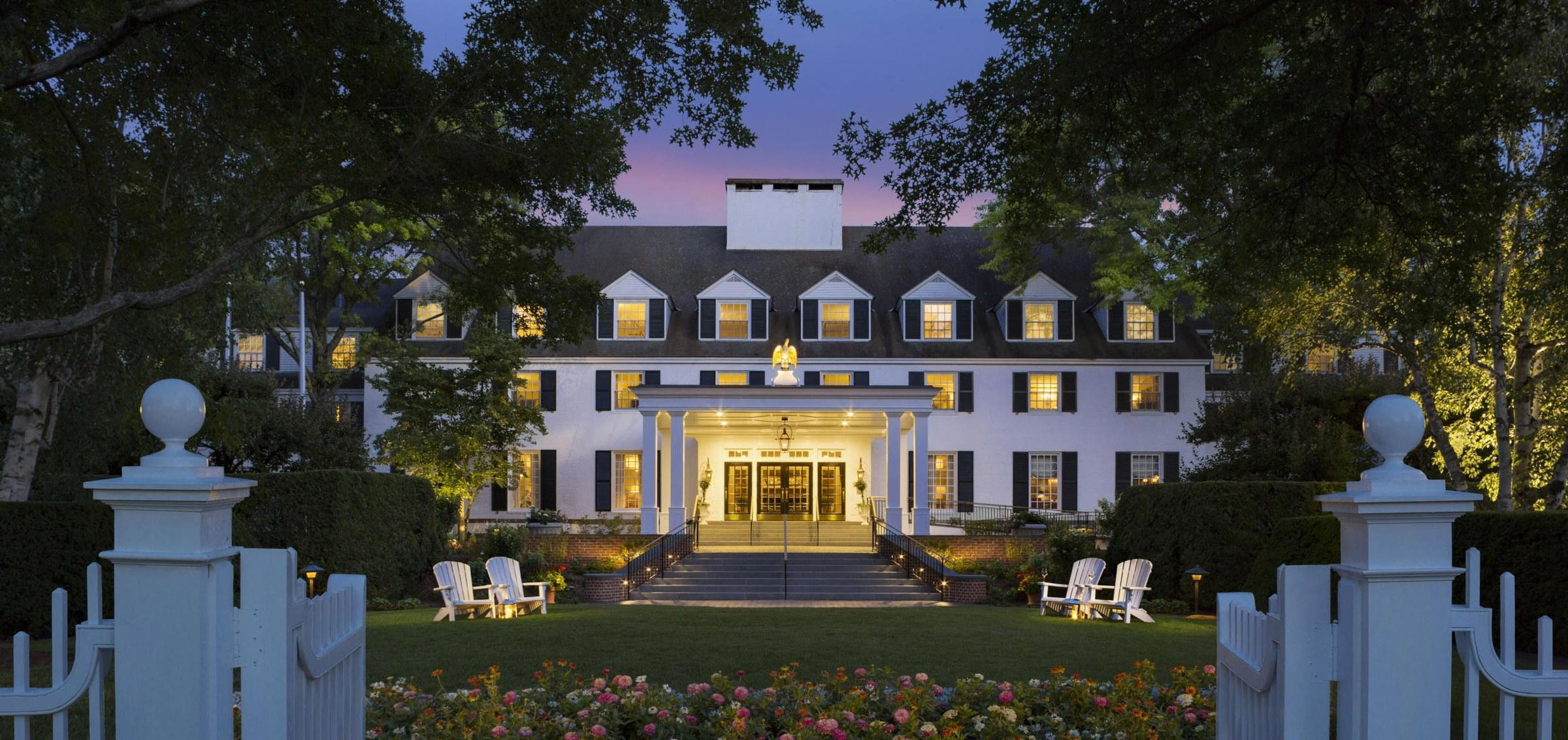
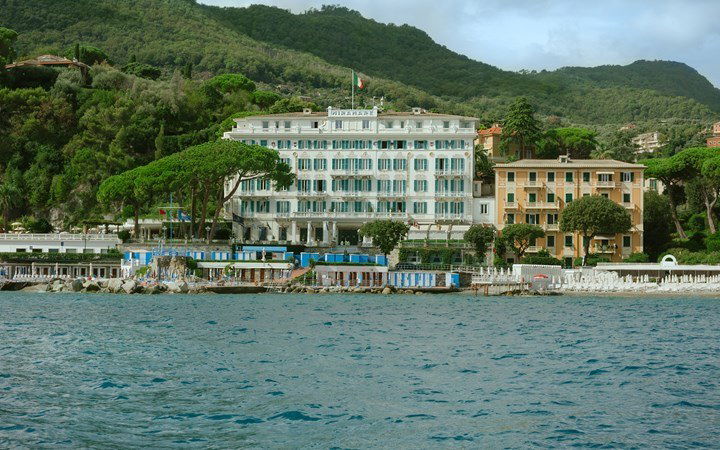
Grand Hotel Miramare presents itself as a Belle Époque palace where architecture and decor define the experience. The exterior’s ornate stucco facades and wedding‑cake silhouette give way to an Art Nouveau interior of curved lines, decorative ironwork and a blue palette that recalls the Ligurian Sea. Contemporary works from the miramART collection are threaded through public spaces, creating a deliberate conversation between historic bones and present‑day sensibility. The overall effect is a historic, gently opulent hotel that favors accumulated character over minimalist trends, appealing to travelers who appreciate architecture, art and old‑world hospitality.
Best For
This is a hotel for travelers who prize history, sea views and a quietly refined atmosphere. It suits couples on honeymoon or anniversary stays, anyone booking a romantic getaway, and visitors seeking a leisurely weekend escape along the Riviera. Art‑minded guests enjoy the miramART collection and the property’s carefully preserved interiors, while diners who want a scenic meal can opt for Vistamare’s terrace seating. The hotel’s 72 individually styled rooms make it appealing to guests who prefer characterful, non‑standardized accommodations over chain uniformity.
Stay Tips
When booking, request a sea‑facing room — the description highlights sweeping views across Tigullio Bay from rooms that face the water. Reserve a table at Vistamare and ask for terrace seating to enjoy the connection between the blue‑toned dining room and the Ligurian Sea beyond the terrace doors. Note that rooms are individually styled, so confirm specific room features with reservations if you have particular preferences; the property’s emphasis on architecture and art means room layouts and decor can vary noticeably.
Venue details
Ambiance
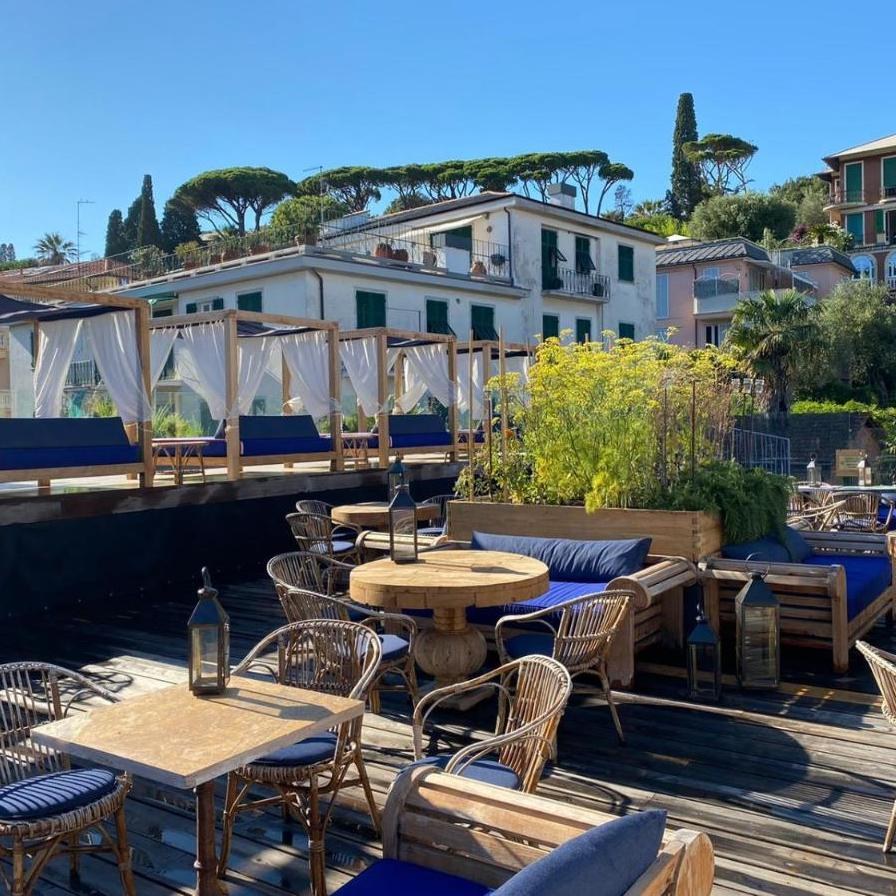
Luxurious and elegant atmosphere with live piano music, ocean vistas from terraces, and meticulously clean, soundproofed spaces praised for tranquility and charm.
Tags
Vibe
Best For
Experience
Amenities
View
Accessibility
About the Stay
- Rooms
- 72
- Property Style
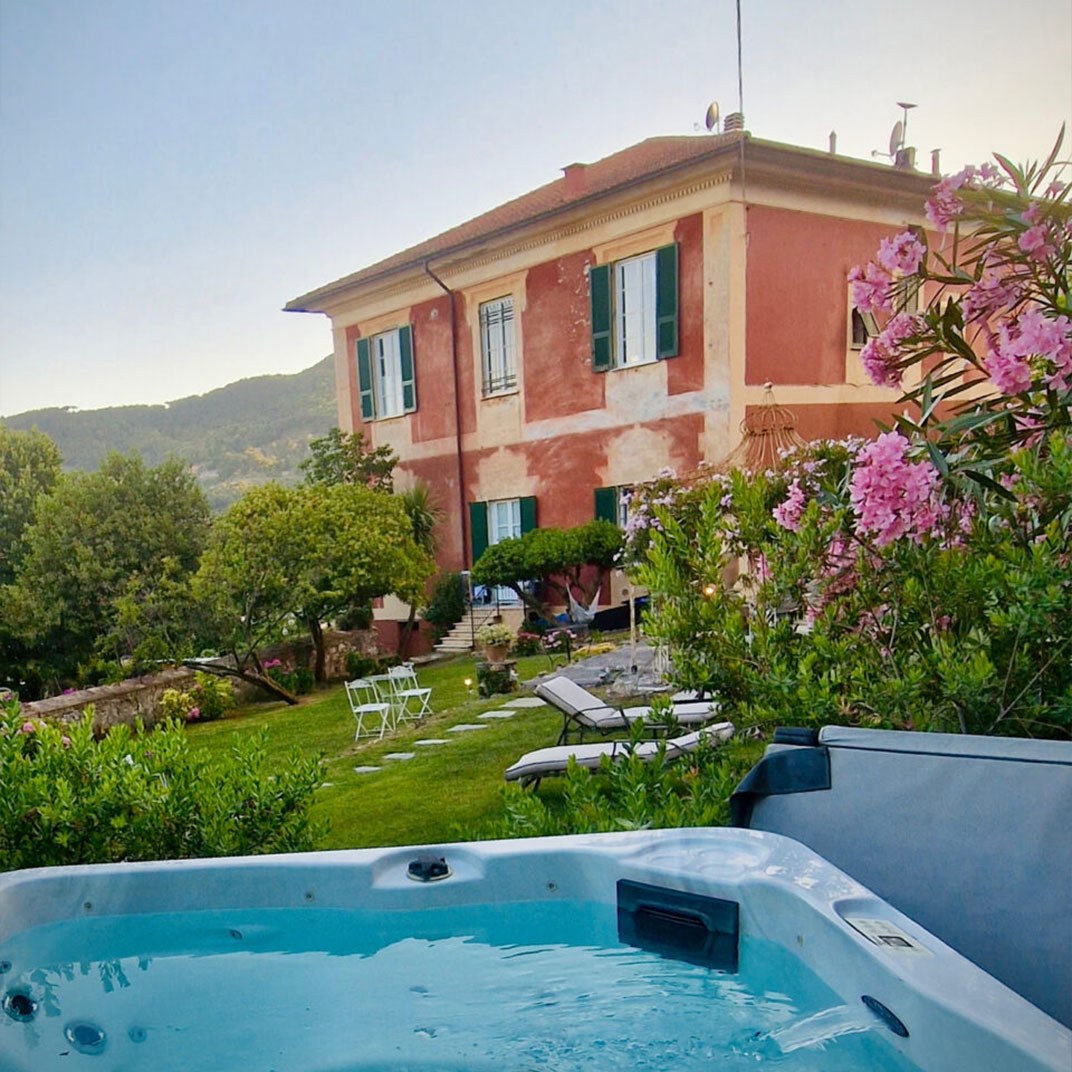
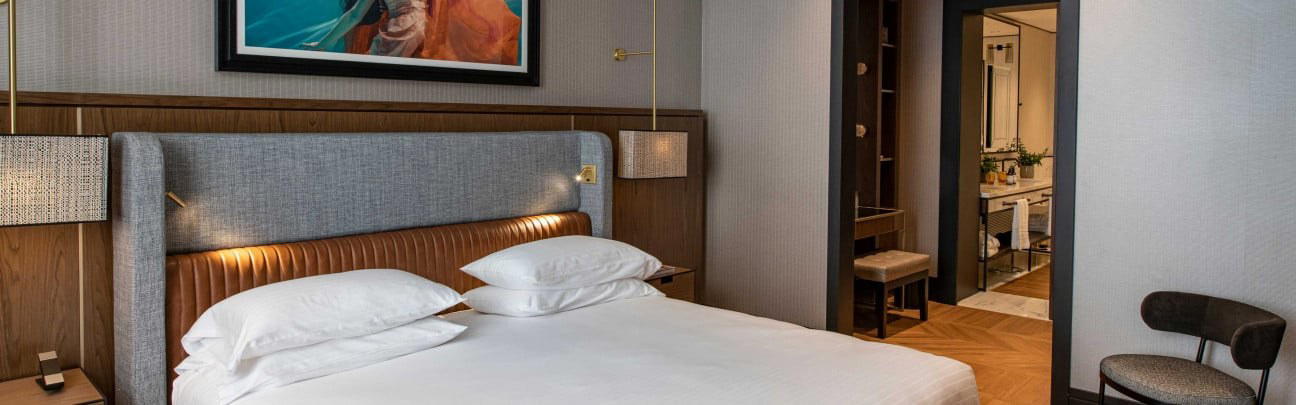
- Historic Seaside Luxury Palazzo with Restored Stucco and Chandeliers.
- Design Style
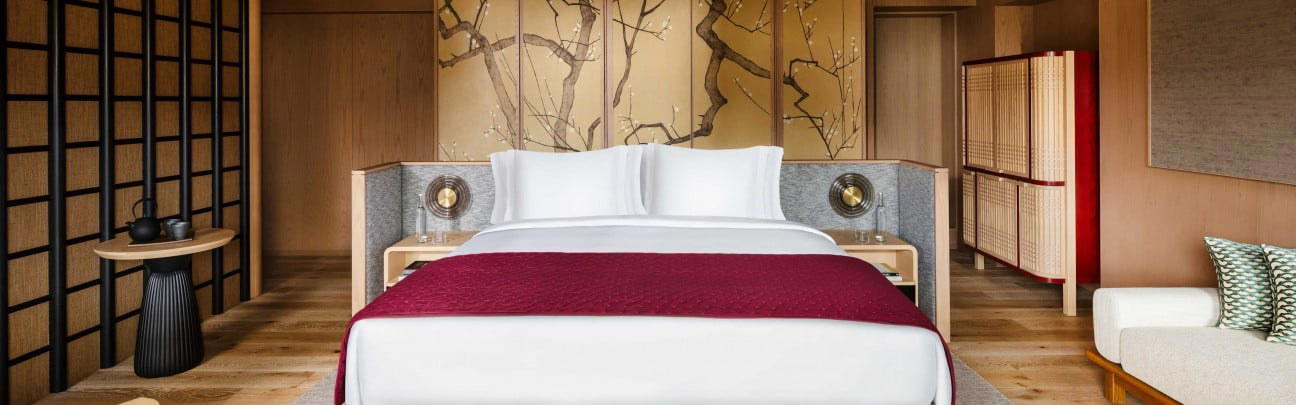
- Classic Italian Elegance with Ornate Headboards and Frette Linens.
Know before you go
Know Before You Go
- Getting there
- Via Milite Ignoto, 30, 16038 Santa Margherita Ligure GE
Planning details
Location
Via Milite Ignoto, 30, 16038 Santa Margherita Ligure GE · Directions


Also consider
Where to book if this is full
Try Hotel Blu di Te if the trip can trade larger-hotel amenities for a more intimate Santa Margherita Ligure stay. It is the better fallback for travelers who care more about personality and town access than a classic seaside hotel setup.
For a higher-drama coastal alternative, check Splendido, a Belmond Hotel. It is the stronger choice when the trip is meant to revolve around Portofino rather than Santa Margherita Ligure.
Hotel context
How it compares in Santa Margherita Ligure and nearby Portofino
Choose Grand Hotel Miramare if the priority is a classic Santa Margherita Ligure base with stronger full-service hotel cues than Hotel Blu di Te. Hotel Blu di Te is the smarter cross-shop for travelers who want a smaller, more personal stay and expect to spend more time in town than on-property. Grand Hotel Miramare is the safer celebration choice when amenities and polish matter.
Eight Hotel Paraggi, Eight Hotel Portofino, and Excelsior Palace Portofino Coast are better comparisons for travelers deciding how close they want to be to the Portofino orbit. Pick the Eight properties if the trip is built around that smaller, higher-profile coastal pocket. Pick Excelsior Palace Portofino Coast if a grander resort feel outside Santa Margherita is the draw.
Splendido, a Belmond Hotel is the splurge comparator. It is the more obvious choice for travelers who want the Portofino name to define the trip. Grand Hotel Miramare makes more sense when Santa Margherita convenience, a classic hotel rhythm, and less scene-driven ambiance are the point.
Explore Santa Margherita Ligure
Around this place
Discover more on Pearl
Unlock the full Grand Hotel Miramare guide in Pearl, including awards, comparisons, FAQs, planning details, and nearby places.
Compare Grand Hotel Miramare
| Venue | Location | Awards |
|---|---|---|
| Grand Hotel Miramare | Santa Margherita Ligure | 2026 Virtuoso Luxury Hotel CollectionLeading Hotels of the World 20262026 Michelin 1 KeyMichelin 1 Key 20252025 Michelin 1 Key2024 Michelin 1 Key |
| Hotel Blu di Te | Santa Margherita Ligure | No published awards |
| Eight Hotel Paraggi | Portofino | No published awards |
| Excelsior Palace Portofino Coast | Rapallo | 2026 Virtuoso Luxury Hotel CollectionPreferred Hotels Member 2025 |
| Eight Hotel Portofino | Portofino | 2025 Michelin Selected HotelsSmall Luxury Hotels Member 2025 |
| Splendido, a Belmond Hotel | Portofino | 2026 World’s 50 Best Hotels 51-100 · #602026 Virtuoso Luxury Hotel CollectionTown & Country Hotel Awards 2026Hotel World Architecture and Design Award · 20262026 La Liste Top Hotels2026 Michelin 3 Keys2025 World’s 50 Best Hotels · #832025 Michelin 2 Keys2025 Conde Nast Hotels Gold List |










How Grand Hotel Miramare compares with similar nearby venues.
FAQ
Frequently Asked Questions
How is the dining at Grand Hotel Miramare?
Specific dining details are not included here. The hotel has Michelin 1 Key recognition for the overall hotel experience, but any restaurant, menu, cuisine, or service details should be confirmed directly with the hotel before booking.
How does Grand Hotel Miramare compare to nearby hotels?
Grand Hotel Miramare is a Michelin 1 Key hotel in Santa Margherita Ligure and is also a Leading Hotels of the World Member and Virtuoso Luxury Hotel Partner. For comparison, travelers may also look at Hotel Blu di Te, Eight Hotel Paraggi, Eight Hotel Portofino, Excelsior Palace Portofino Coast, and Splendido, a Belmond Hotel.
Is Grand Hotel Miramare family-friendly?
Family-specific details are not included here. If you are planning a mixed-age stay, confirm room arrangements, policies, and any relevant services directly with Grand Hotel Miramare before booking.
When is the best time to book Grand Hotel Miramare?
Specific demand patterns and seasonal booking advice are not included here. If your dates are important, check availability and terms directly with the hotel or through a trusted travel advisor.
Do loyalty programs work at Grand Hotel Miramare?
Grand Hotel Miramare is a Leading Hotels of the World Member and a Virtuoso Luxury Hotel Partner. Confirm the current benefits, booking channel requirements, and eligibility before reserving.