
La Collegiata
Località La Collegiata, San Gimignano
Hotel in San Gimignano, Italy
 Book with Pearl
The Read
Price
$200–300per night
Why go
La Collegiata is worth considering if San Gimignano is the main draw and the hotel needs to be a calm countryside base, not the whole itinerary. It is less convincing as a dining-led booking because the available details do not support treating the restaurant as the reason to go. Cross-shop larger Tuscan resort hotels if you want fuller on-property programming.
About La Collegiata
La Collegiata is best treated as a San Gimignano hotel decision rather than a claim-led booking. It is in San Gimignano, the dress code is smart casual, and it is listed by the MICHELIN Guide as a selected hotel for 2025. While this frames it as a vetted stay, specific cuisine, a particular chef, menu format, room count, amenities, prices, or service details are not detailed.
The dining question needs a clear answer: do not make food claims the deciding factor unless you have confirmed the current details directly. Without details on a chef, cuisine format, or signature dishes, this reads better as a stay-first booking than a meal-first detour. If dining is the priority, pair the stay with planning from Our full San Gimignano restaurants guide rather than assuming details not confirmed by the hotel will carry the trip.
A San Gimignano base, not a restaurant-led splurge
For travelers considering La Collegiata, the safest read is simple: book it because you want a San Gimignano stay with smart-casual expectations and a confirmed MICHELIN Guide hotel selection, not because of unconfirmed claims about a destination dining program. Facts support a hotel-first recommendation, while any restaurant details should be checked directly before planning around them.
The useful comparison is with other properties that may suit different trip styles. Borgo Pignano, COMO Castello del Nero, Castelfalfi, and Castello di Casole, A Belmond Hotel, Tuscany are natural alternatives to consider when choosing the overall tone of a stay. La Collegiata is a San Gimignano option in that set; compare it based on location preference, its recognition, and the kind of hotel experience you seek.
Who should choose it on a repeat visit
Choose La Collegiata if the itinerary is built around San Gimignano and you want a hotel that has confirmed MICHELIN Guide recognition. Use San Gimignano planning resources to shape the rest of the trip; treat the hotel choice as one part of the broader plan. For dining and evening planning, check current San Gimignano options rather than relying on details not confirmed by the hotel.
Skip making a final decision on La Collegiata if your brief depends on specific amenities, dining formats, wellness facilities, or family services that are not available. In that case, cross-shop COMO Castello del Nero, Castelfalfi, or Castello di Casole, A Belmond Hotel, Tuscany and confirm the details directly. If the goal is another hotel option to compare, Locanda Le Piazze belongs on the same shortlist.
For broader Italy hotel planning, keep the frame practical: La Collegiata is a San Gimignano hotel with smart-casual expectations and a confirmed MICHELIN Guide Hotels Selected 2025 listing. Other Italian stays may solve different trip needs, but they should not be used to infer details not provided by the hotel about La Collegiata.
Planning details
- Location
- Località La Collegiata, 53037 San Gimignano SI, Italy
- Website
- lacollegiata.it
- Phone
- +39 0577 943201
The take
The Take
The Vibe
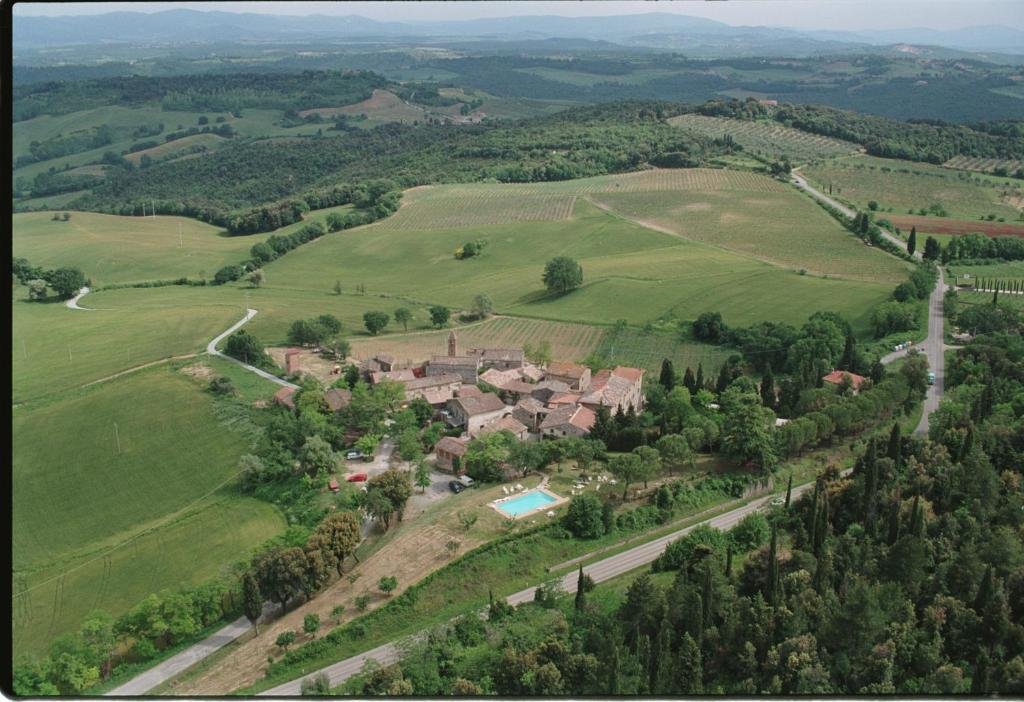
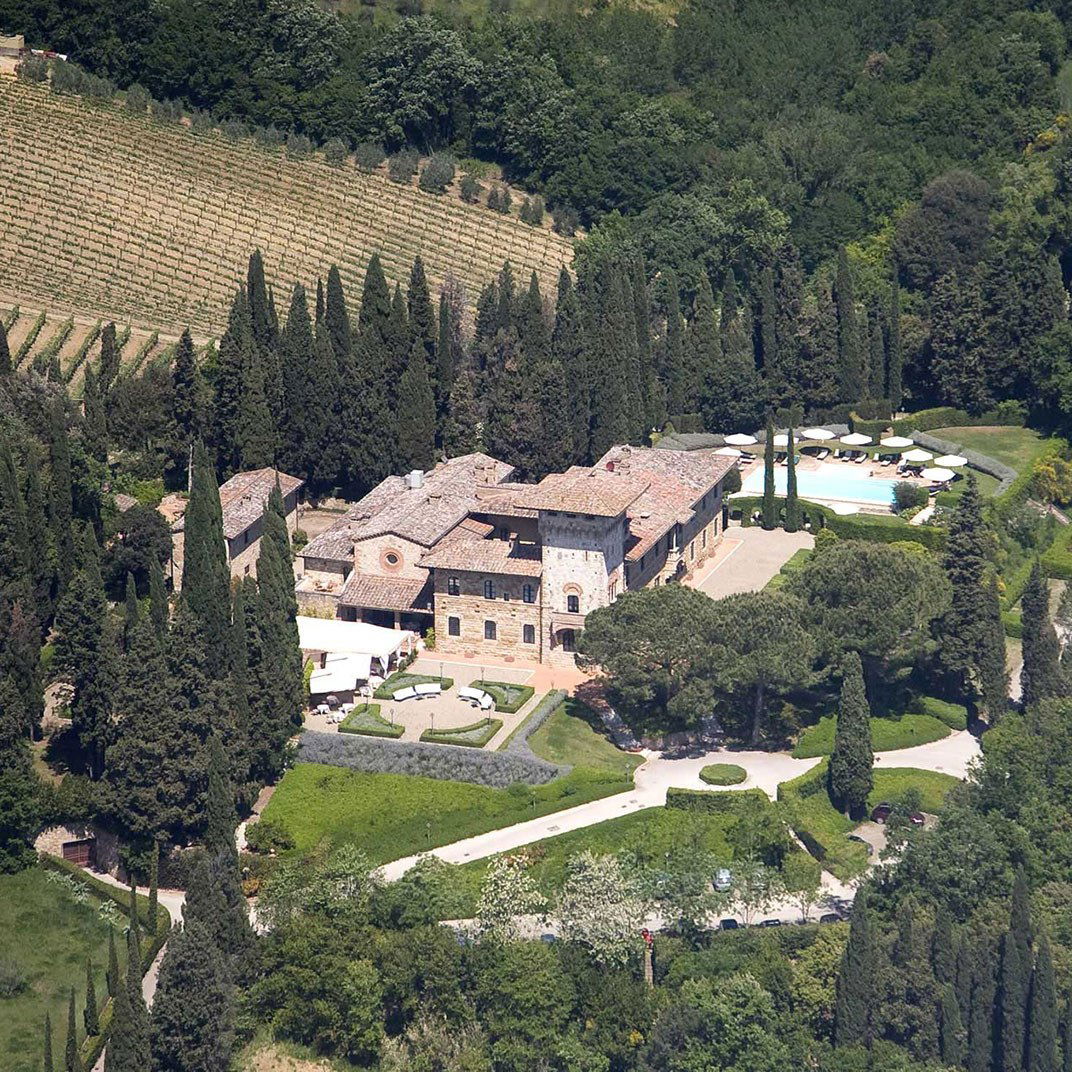
La Collegiata presents a quietly commanding personality rooted in its former life as a Franciscan convent. The architecture leads the experience: high ceilings, thick stone walls and deep-set windows create monastic proportions that register before any decorative detail. Public and private spaces feel deliberately measured—long corridors for procession and courtyards arranged for contemplation—so the property reads more like a lived heritage than a themed hotel. Design-minded travelers encounter a restrained, contemplative elegance here; the atmosphere is historic and serene, favoring silence, material authenticity and an experience that prizes architecture as the primary amenity.
Best For
This is a stay for travelers who value architecture, quiet and thoughtful design. Couples seeking a contemplative romantic getaway or honeymoon find the setting well suited to low-key celebrations, and the property’s focused, single-building character makes it appealing for anniversaries and weekend escapes. It also suits solo guests and small groups drawn to heritage and design rather than buzzing resort-style activity. The experience centers on the building itself—its proportions, courtyards and stonework—so guests who prioritize atmosphere and historical authenticity over amenity-driven stays will get the most from a visit.
Venue details
Ambiance
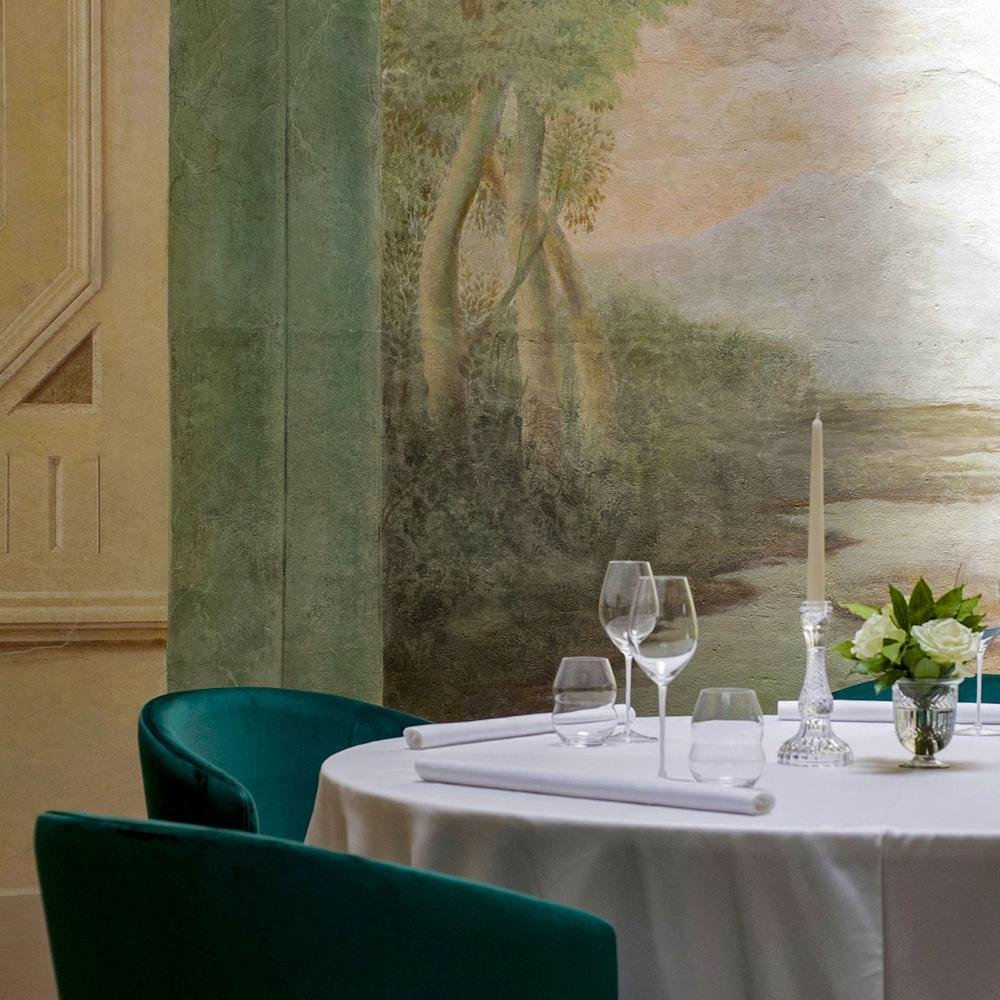
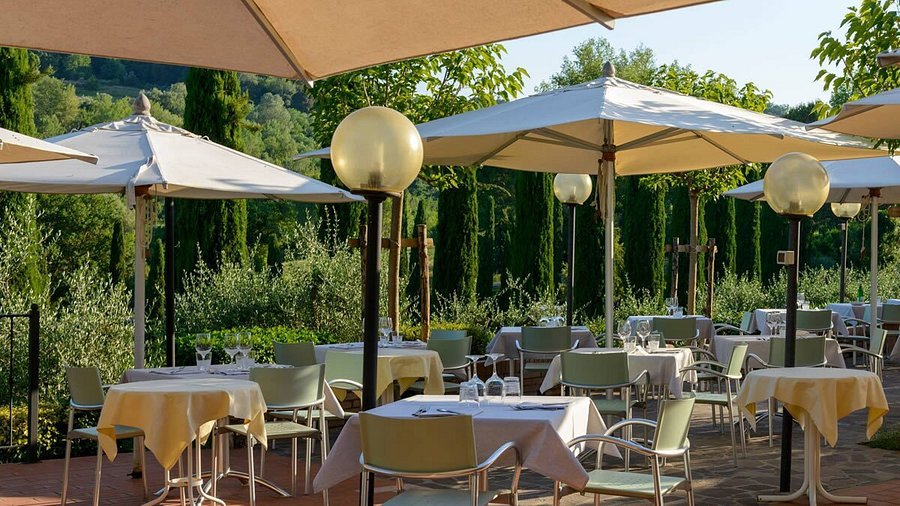
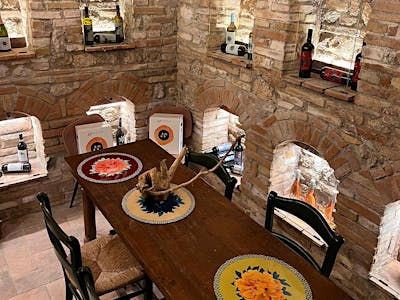
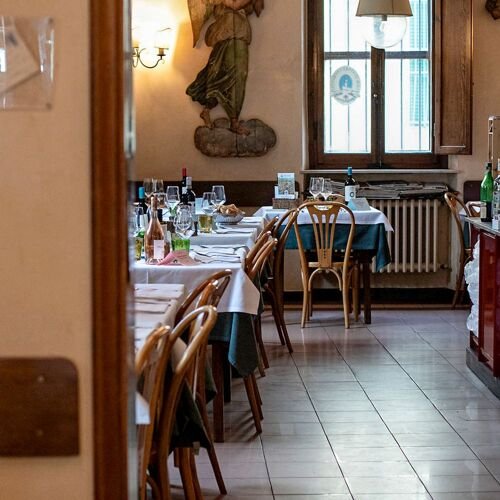
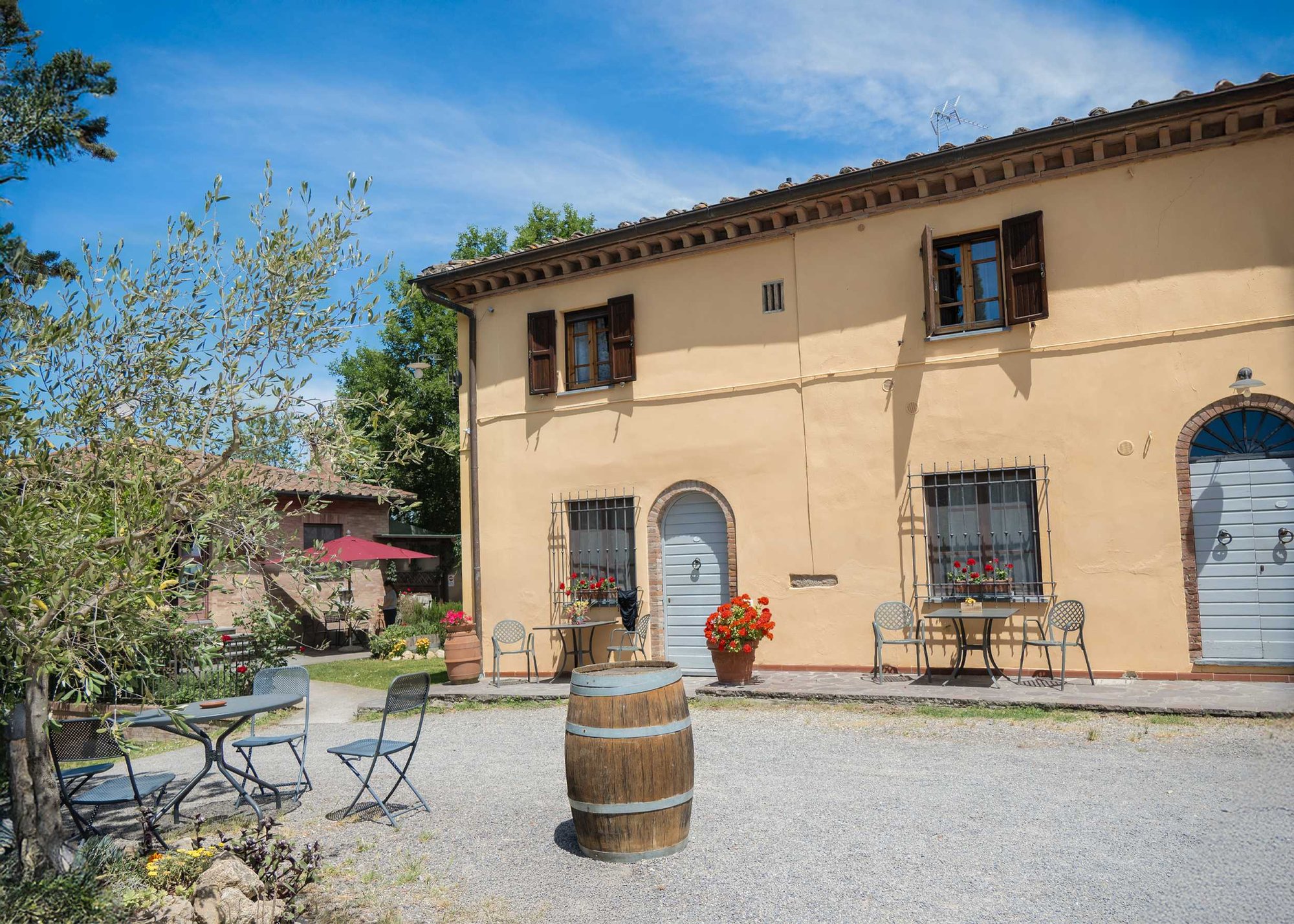
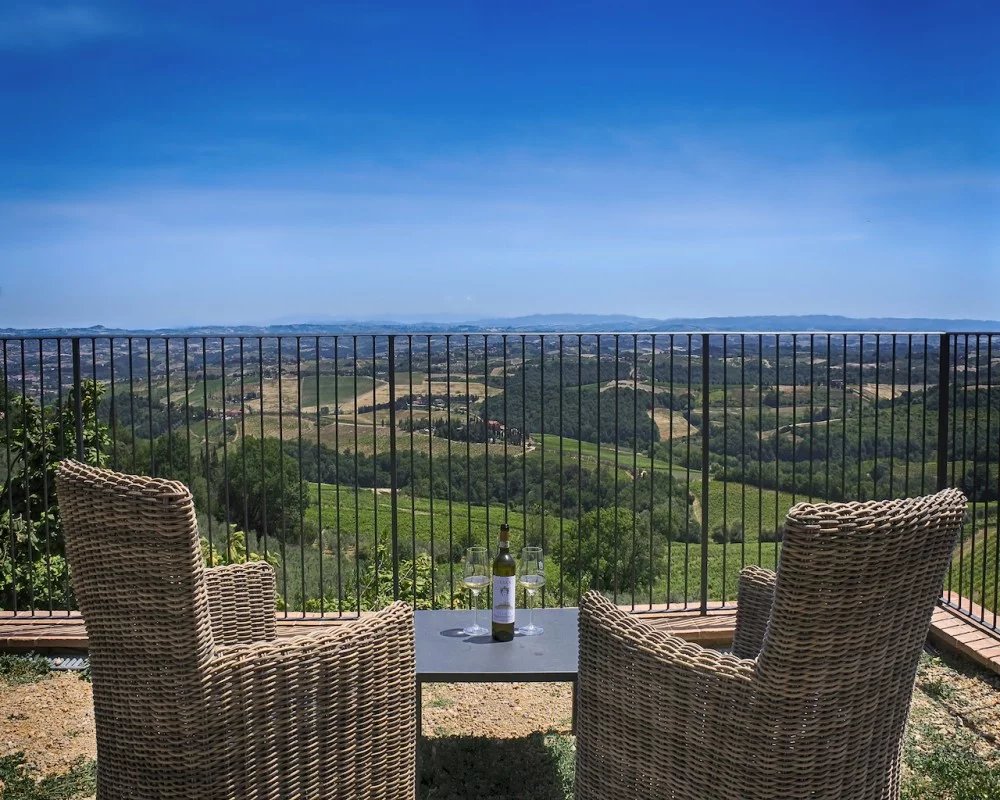
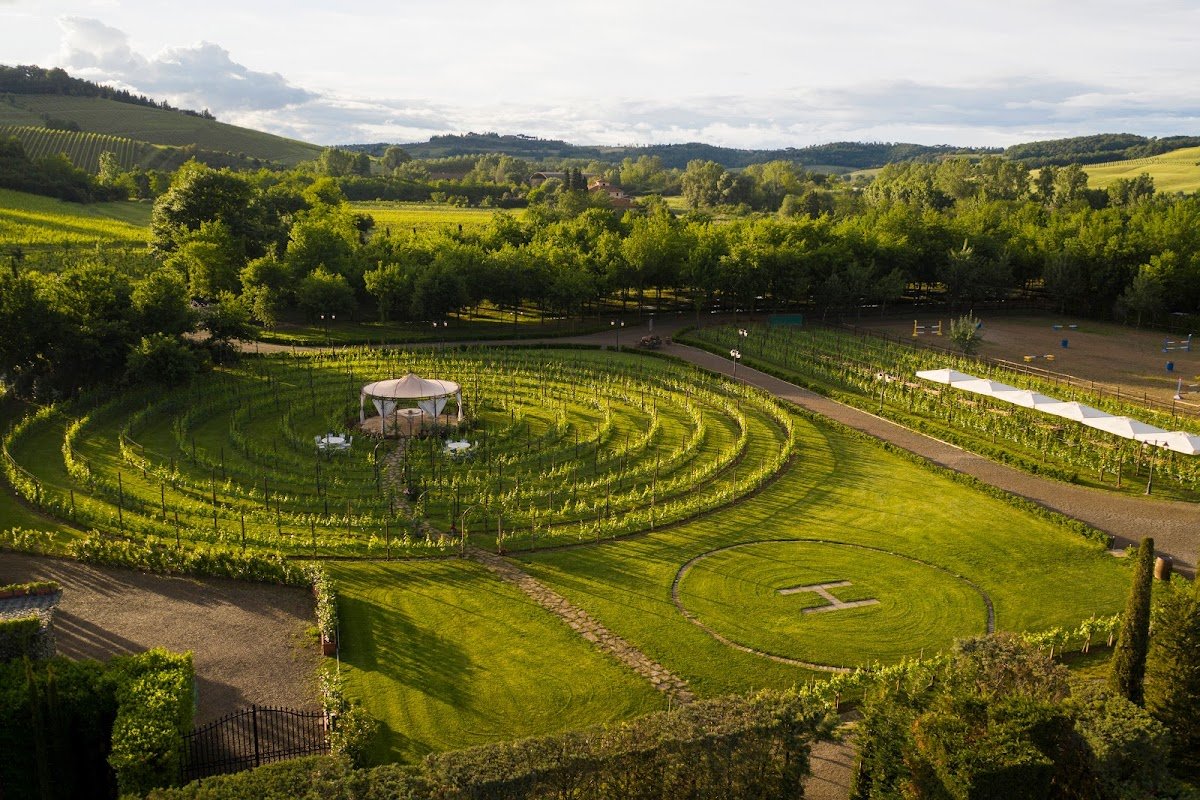
Traditional elegance with rustic antique-style rooms, serene gardens, and a peaceful, heightened tranquility atmosphere.
Tags
Vibe
Best For
Experience
Amenities
View
About the Stay
- Rooms
- 20
- Check-in
- 15:00
- Check-out
- 12:00
- Property Type
- Heritage hotel
- Property Style
- Historic Convent in Tuscan Countryside with Sober Pietra Serena Tones and Renaissance Proportions.
- Design Style
- Rustic Tuscan with Sienese Renaissance Influences, Ochre and Bordeaux Colors, Modern Bathrooms.
- Breakfast
- Included
- Pool
- Yes
- Pets
- Allowed
- Families
- Welcome
Know before you go
Know Before You Go
- Getting there
- Località La Collegiata, 53037 San Gimignano SI, Italy
Planning details
Location
Recognition and awards
Also consider
Where to Look if This Is Not the Right Fit
If the goal is a fuller Tuscan resort stay, look at COMO Castello del Nero or Castello di Casole, A Belmond Hotel, Tuscany. If the goal is a smaller countryside hotel with a quieter profile, compare Locanda Le Piazze.
Hotel context
How It Compares
La Collegiata is the practical pick for travelers who want San Gimignano close by and a quieter hotel atmosphere after time in town. Borgo Pignano and COMO Castello del Nero make more sense when the property itself needs to anchor the trip, especially for guests who want a broader resort rhythm rather than a town-focused base.
Castelfalfi and Castello di Casole, A Belmond Hotel, Tuscany are the bigger splurge comparisons: choose them when scale, service depth, and a self-contained countryside stay matter more than immediate San Gimignano focus. La Collegiata is easier to justify when value means location and calm rather than resort breadth.
Locanda Le Piazze is the closest cross-shop for a smaller countryside mood. Pick Locanda Le Piazze if the brief is intimate and hotel-forward; pick La Collegiata if the plan revolves around San Gimignano and the room is mainly a quiet base between meals, wineries, and town time.
Explore San Gimignano
Around this place
Discover more on Pearl
Unlock the full La Collegiata guide in Pearl, including awards, comparisons, FAQs, planning details, and nearby places.
Compare La Collegiata
| Venue | Location | Awards |
|---|---|---|
| La Collegiata | San Gimignano | 2025 Michelin Selected Hotels |
| Borgo Pignano | Volterra | 2026 Virtuoso Luxury Hotel Collection2026 La Liste Top Hotels2025 Michelin Selected HotelsPreferred Hotels Member 2025 |
| COMO Castello del Nero | Tavarnelle Val di Pesa | 2026 Virtuoso Luxury Hotel Collection2026 Mr & Mrs Smith Luxury Hotels2026 Michelin 1 Key2025 Michelin 1 Key2024 Michelin 1 Key |
| Castelfalfi | Montaione | 2026 Virtuoso Luxury Hotel Collection2026 Forbes 5-Star2026 La Liste Top HotelsConde Nast Gold List 20262026 Michelin 2 Keys2025 Travel + Leisure 100 Favorite Hotels in the World · #172025 Michelin 2 Keys2025 Forbes 5-StarPreferred Hotels Member 2025 |
| Locanda Le Piazze | Castellina in Chianti | No published awards |
| Castello di Casole, A Belmond Hotel, Tuscany | Casole d'Elsa | 2026 Forbes 4-Star2026 Virtuoso Luxury Hotel Collection2026 La Liste Top Hotels2026 Michelin 2 Keys2025 Michelin 2 Keys2025 Forbes 4-Star2024 Michelin 2 Keys |










How La Collegiata San Gimignano compares with similar nearby venues.
FAQ
Frequently Asked Questions
What is check-in like at La Collegiata?
La Collegiata is in San Gimignano. Specific check-in procedures are not available, so confirm arrival times and access details directly with the hotel before you travel.
How is the pool and spa at La Collegiata?
Pool and spa details are not available. La Collegiata is a MICHELIN Guide Hotels Selected 2025 property in San Gimignano. If wellness facilities are central to the trip, confirm the current offering directly or compare with other properties such as Borgo Pignano or Castelfalfi.
Do loyalty programs work at La Collegiata?
Loyalty-program participation is not available. The grounded value case is the San Gimignano setting, smart-casual dress code, and confirmed MICHELIN Guide Hotels Selected 2025 recognition, not any assumed points or elite-benefit structure. If loyalty benefits matter, compare details directly with alternatives such as COMO Castello del Nero.
How does La Collegiata compare to other hotels?
Choose La Collegiata if you specifically want a San Gimignano hotel with confirmed MICHELIN Guide recognition. Borgo Pignano, Castelfalfi, Locanda Le Piazze, COMO Castello del Nero, and Castello di Casole, A Belmond Hotel, Tuscany are useful alternatives to compare, but verify each property's current amenities, services, and location before booking.
Is La Collegiata family-friendly?
Family-specific services are not available. If you are traveling with children, confirm room setup, policies, and practical needs directly with La Collegiata before booking. For another comparison, Castelfalfi may be worth checking alongside it.