
Hotel in San Francisco, United States
The Clement Palo Alto
825ptsPrivate-Chef All-Inclusive



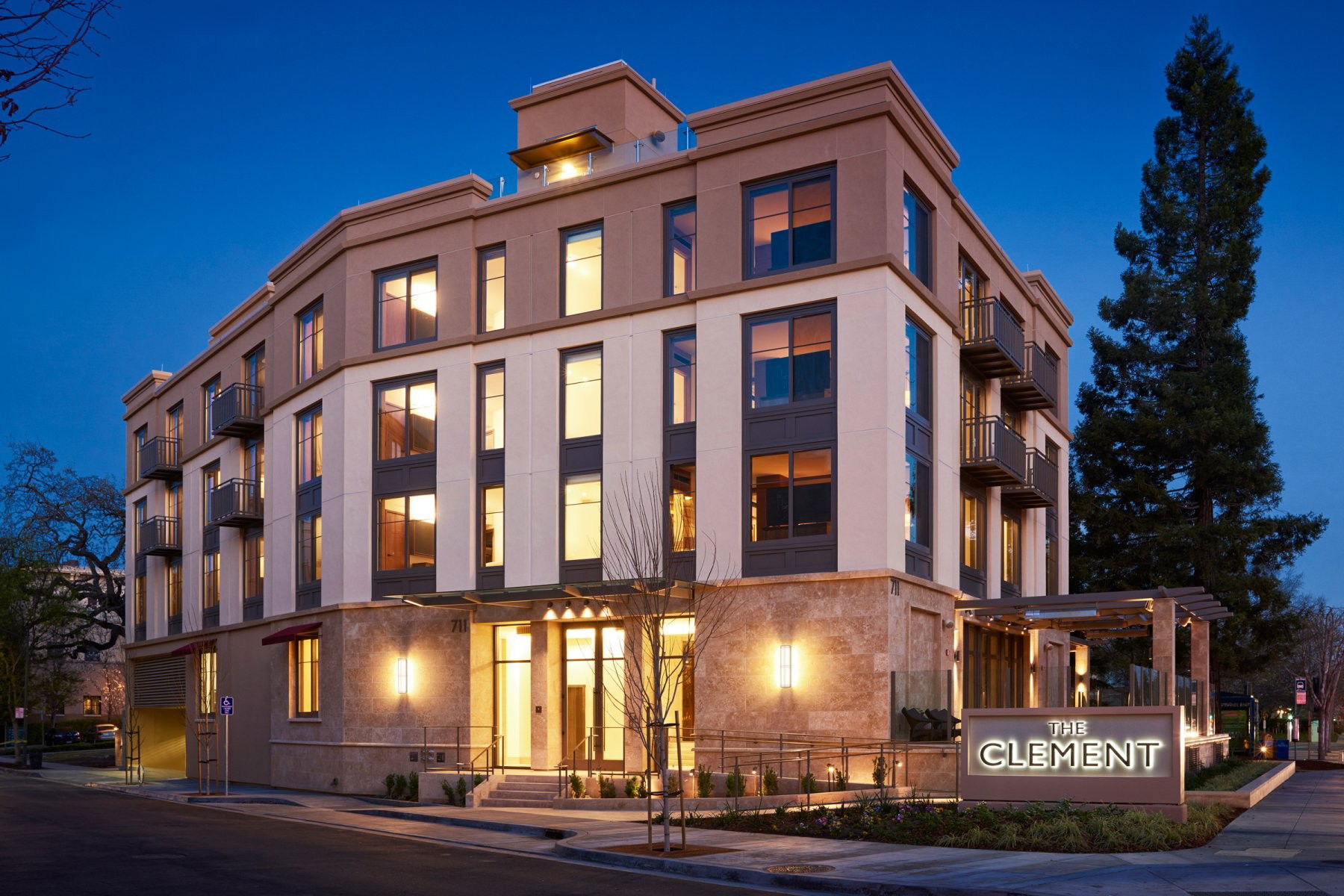
About The Clement Palo Alto
A 23-suite all-inclusive property on El Camino Real, The Clement Palo Alto operates on a model that sits apart from the Bay Area's hotel mainstream: every meal, beverage, and concierge service is folded into a single room rate, with pre-arrival preference surveys ensuring that your double-short cappuccino is waiting before you ask for it by day two. Star Wine List recognised it in 2026.
A Different Premise for Peninsula Hospitality
The Bay Area's premium hotel market splits between large-scale urban flagships — properties like the Four Seasons Hotel San Francisco at Embarcadero or the Fairmont San Francisco — and a smaller tier of intimate, operationally distinct properties that compete on personalisation rather than amenity scale. The Clement Palo Alto, a 23-suite property on El Camino Real, belongs firmly to the second category. Its structural difference from the market is not one of décor or location but of economic model: all meals, beverages, and concierge services are included in the room rate, eliminating the transactional friction that defines most hotel stays.
That model has a precedent in wellness retreats and remote resorts , places like Amangiri in Canyon Point or Canyon Ranch Tucson in Tucson , where all-inclusive pricing is built around reducing decision fatigue. Deploying the same logic in Silicon Valley, where the typical hotel guest is a high-frequency business traveller or tech-sector visitor, is a deliberate recalibration of what that guest actually needs.
The Kitchen as Centrepiece
In most hotels, food and beverage is a margin centre managed separately from rooms. At The Clement, the open kitchen is the operational and spatial core of the property. Fitted with chestnut cabinets and black marble countertops and equipped with restaurant-grade appliances, it reads more like a high-specification residential kitchen than a hotel catering facility. A chef prepares breakfast, lunch, and dinner daily, working from a menu of classic dishes alongside rotating seasonal specials, with the option to customise any meal.
The sustainability case for this format is structural rather than performative. A centralised kitchen serving a fixed, known guest count generates far less food waste than a full-service hotel restaurant managing speculative covers across multiple sittings. Seasonal rotation builds in ingredient-led purchasing rather than year-round fixed menus that require importation or out-of-season produce. For guests arriving late, prepared meals , including salmon with vegetables, cheese platters, and salads , are kept in the kitchen refrigerator rather than triggering a late-night à la carte service that would demand separate energy and staffing overhead. The waste profile of this model, across a 23-suite property, is materially different from that of a conventional food and beverage operation at similar price points.
Star Wine List's 2026 recognition signals that the beverage programme carries enough depth to attract specialist attention , a meaningful credential for a property of this size.
Personalisation at Operational Scale
Before arrival, guests complete a preference survey covering daily routines, dietary requirements, and logistical needs including restaurant reservations, spa bookings, and car arrangements. The intelligence gathered translates directly into the stay: a guest who notes a preference for a double-short cappuccino on day one will find it waiting each subsequent morning without a repeat request. The minibar is stocked with items specified in advance. The concierge function operates less as a hotel desk and more as a dedicated personal assistant for the duration of the stay.
That last-mile service extends outward into the Palo Alto restaurant and retail network. The property maintains relationships with local restaurants and luxury department stores that translate into access most guests could not secure independently , last-minute reservations at in-demand venues, on-demand appointments with store stylists. For the comparison set of full-service properties such as the Four Seasons Hotel Silicon Valley at East Palo Alto, that kind of hyper-local network is harder to replicate at scale. It is the structural advantage of a small-inventory property that can invest concierge depth per guest rather than per room tier.
Similar logic applies at other low-key count properties elsewhere , Troutbeck in Amenia, The Battery in San Francisco, and Hotel Drisco , where small room counts allow staff-to-guest ratios that larger properties cannot sustain economically.
Rooms and the Neutral Palette
All accommodations are suites with a distinct living area: a desk, a minibar stocked to pre-arrival preferences, a Nespresso machine, and a 65-inch television. Bedrooms have king beds dressed in Matouk linens, individual reading lamps, and a second 65-inch screen. The bathrooms are generous in proportion, with heated stone floors, black marble countertops, dual sinks with a vanity area, an oval porcelain bath, and a separate shower.
The colour palette runs to creams, whites, and warm browns , a neutral register that reads as considered restraint rather than cost minimisation. The room inventory extends to items that most hotel suites treat as afterthoughts or billable extras: a hair straightener alongside the dryer, plug adapters for international guests, charging cables for multiple device types, an umbrella, and a yoga mat. A weekly newsletter covering Palo Alto events and openings rounds out the in-room offering. The property is pet-friendly, which at this price and personalisation tier functions as a genuine amenity rather than a policy footnote.
Properties with a comparable commitment to room-level specificity at a boutique scale include SingleThread Farm Inn in Healdsburg, which applies the same pre-arrival intelligence gathering, and Hotel Bel-Air in Los Angeles, where a small room count supports a similarly refined staff-to-guest ratio.
The Rooftop and Pool
The rooftop deck functions year-round, supported by a heated pool and gas-powered fire pits that can be activated independently. Sunglasses and sunscreen are supplied on the deck , a small operational detail that signals the same waste-reduction logic as the kitchen: provide what guests need rather than sell it as a service or expect them to source it externally. The pool's year-round heating reflects a climate that makes outdoor use viable across most of the calendar in the Peninsula's microclimate.
Where It Sits in the Wider Market
The all-inclusive urban boutique format is not yet a saturated category. Most properties at this price tier in major US cities still operate on a transactional room-plus-extras model. The closest structural parallels outside California are places like The Fifth Avenue Hotel in New York City or Raffles Boston in Boston, which invest heavily in service depth but retain conventional F&B; pricing. At The Clement, the single-rate model removes that layer entirely.
For Silicon Valley visitors whose schedules do not accommodate repeated dining decisions or logistical planning, the model has a functional clarity that conventional hotels, however well-run, cannot match by design. The Hotel Adagio, Autograph Collection and Four Seasons Hotel San Francisco operate in the same broad premium tier but with a fundamentally different service architecture. For a fuller picture of the Bay Area's hotel range, our full San Francisco restaurants and hotels guide maps the broader field.
The property sits at 711 El Camino Real, Palo Alto. Guests are advised to complete the pre-arrival preference survey in full , the specificity of that document is what makes the subsequent service coherent. Walk-in enquiries are possible, but the model is designed around advance booking and the preference process that precedes it.
Frequently Asked Questions
What is the defining thing about The Clement Palo Alto?
The all-inclusive rate structure is the operational core of the property. All meals prepared by a private chef, all beverages, and full concierge services are covered in a single room rate. Pre-arrival preference surveys mean that specific requests , a particular coffee order, a stocked minibar , are actioned before check-in and maintained throughout the stay without prompting. Star Wine List recognised the property in 2026.
What is the signature room at The Clement Palo Alto?
Every accommodation is a suite, so the property does not operate a conventional room tier hierarchy. All suites include a living area, a king bedroom with Matouk linens, and a bathroom with heated stone floors, a freestanding oval bath, and black marble countertops. The minibar in each suite is pre-stocked based on the preferences submitted before arrival.
Do they take walk-ins at The Clement Palo Alto?
Walk-in enquiries at the property on El Camino Real are possible, but the service model is built around advance booking. The pre-arrival preference survey, which gathers information on dietary requirements, daily routines, and logistical needs, is what enables the personalised service the property is known for. Arriving without completing that process means the stay will be less calibrated than the format is designed to deliver.
Recognized By


Related editorial
- Best Fine Dining Restaurants in ParisFrom three-Michelin-star icons to the next generation of Parisian chefs pushing boundaries, these are the restaurants that define fine dining in the world's culinary capital.
- Best Luxury Hotels in RomeFrom rooftop terraces overlooking ancient ruins to Michelin-starred hotel dining, these are the luxury hotels that make Rome unforgettable.
- Best Cocktail Bars in KyotoFrom sleek lounges to hidden speakeasies, Kyoto's cocktail scene blends Japanese precision with global influence in ways you won't find anywhere else.
Save or rate The Clement Palo Alto on Pearl
Keep this venue in your Pearl passport, rate it after you visit, and track it alongside every other place you collect.