
RANCHO LAS CASCADAS
San Agustin Buenavista, San Francisco Soyaniquilpan de Juarez
Hotel in San Francisco Soyaniquilpan de Juarez, Mexico
 Book with Pearl
The Read
Altiplano Riding Ranch
Price
$300–500per night
Why go
Book Rancho Las Cascadas for a celebration or rural escape where the stay is the main event, not a base for city errands. Its 2026 Top 50 Ranches recognition gives it a clear trust signal, but the location makes it a better fit for leisure occasions than business travel or restaurant-led trips.
About RANCHO LAS CASCADAS
RANCHO LAS CASCADAS is a San Francisco Soyaniquilpan de Juarez venue with a casual dress code and 2026 Top 50 Ranches recognition. Evaluate it on those strengths rather than assuming specific amenities, dining formats, room types, or services.
The practical decision is simple: choose it if RANCHO LAS CASCADAS itself is the focus of the trip. If the priority is a dense urban itinerary, extensive restaurant planning, nightlife, meetings, or a points-driven hotel stay, compare it with other properties before booking.
A ranch-focused venue that makes sense when the venue is the point
RANCHO LAS CASCADAS is easiest to understand through its 2026 Top 50 Ranches recognition. That supports treating the venue as a ranch-led choice rather than assuming it works like a conventional city-hotel alternative.
Do not build the booking around assumptions about room tiers, suites, service, amenities, dining, pricing, upgrades, or specific on-property features. If those details matter, confirm them directly with the venue before committing.
The fit should come down to the kind of trip you want: time centered on RANCHO LAS CASCADAS in San Francisco Soyaniquilpan de Juarez, rather than a venue used mainly as a base for a busy city schedule.
Choose it over a city hotel when the venue is the point
The key comparison is against Mexico City options such as Las Alcobas, A Luxury Collection Hotel, Mexico City, Pug Seal Anatole France, and Pug Seal Allan Poe. Those may make more sense for travelers who want an urban hotel context. RANCHO LAS CASCADAS makes more sense when the ranch recognition and the San Francisco Soyaniquilpan de Juarez setting are the reason to book.
For travelers comparing broader ideas, city guide pages can help separate the RANCHO LAS CASCADAS choice from other types of planning: San Francisco Soyaniquilpan de Juarez hotels, local experiences, and category pages for restaurants and bars. Use those if the trip needs more than a venue-driven itinerary.
Bottom line: book RANCHO LAS CASCADAS if a San Francisco Soyaniquilpan de Juarez ranch-recognized venue is the point of the trip. Cross-shop city hotels if urban convenience, dining variety, loyalty benefits, or meeting logistics matter more.
Planning details
- Location
- Agua Fria San Agustin, 54280 Buena Vista, Méx.
- Website
- rancholascascadas.com
- Phone
- +52 55 1070 2080
The take
The Take
The Vibe
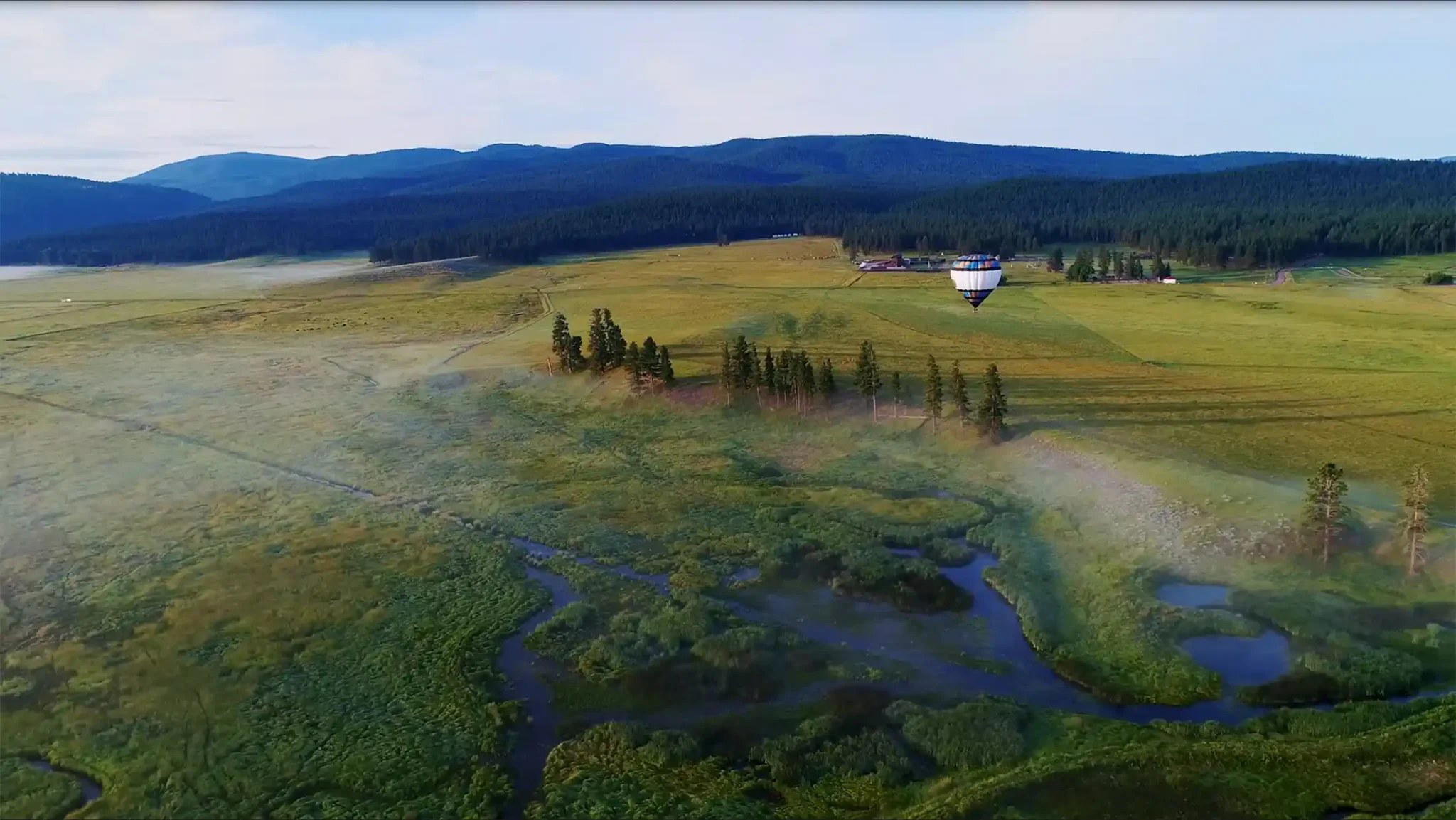
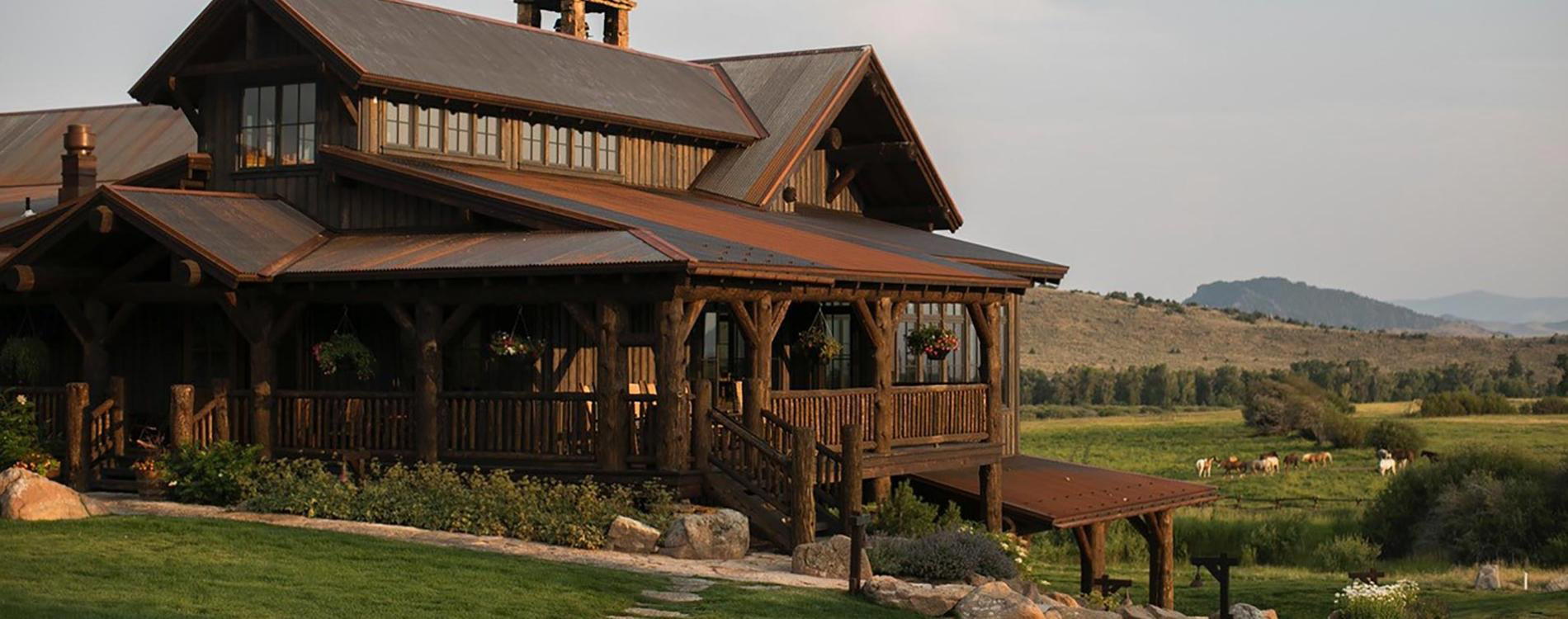
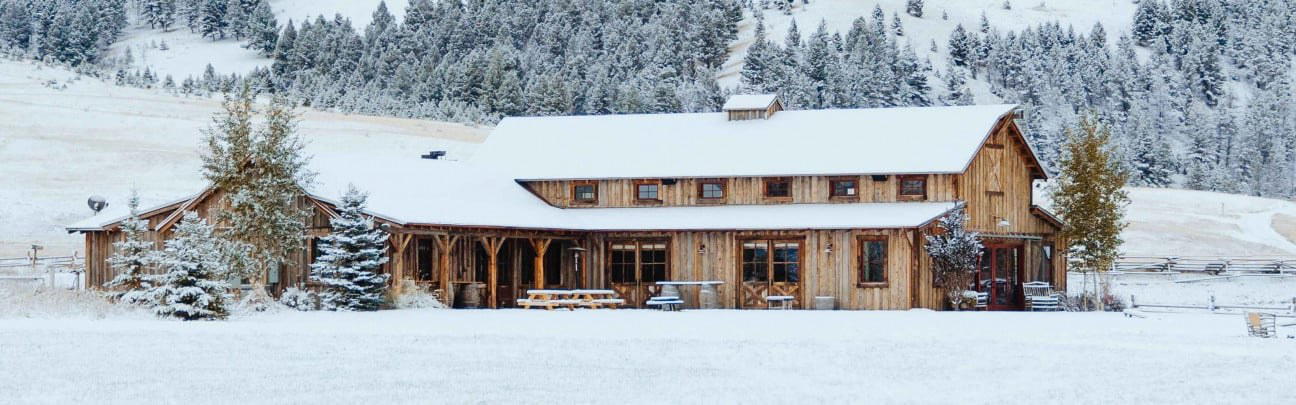
Rancho Las Cascadas presents as a functional highland ranch rather than a polished resort. The property foregrounds the rolling plateau, ravines and remnant colonial hacienda walls; low-slung stone and adobe buildings are arranged around a central courtyard and scaled to working-ranch needs. Landscape is intentionally the primary amenity, and design choices—pitched tile roofs, wide stable doors and covered walkways—read as pragmatic responses to the environment. The result is a quietly historic and classic ranch atmosphere that privileges a slow, relaxed tempo and an unembellished connection to place.
Best For
This property is best for travelers seeking an authentic countryside retreat and a weekend escape from Mexico City. It suits visitors who prefer open land and slow pace over engineered resort amenities, and people curious about regional ranching traditions and hacienda-era architecture. The ranch-stay format appeals to small groups, families and individuals who want to be outdoors on estate grounds rather than in a hotel spectacle. Those arriving from the capital will find the setting oriented toward access to the landscape rather than urban-style luxuries.
Stay Tips
Plan logistics with the setting in mind: Rancho Las Cascadas sits in the Estado de México highlands about an hour north of Mexico City, and the property emphasizes access to its landscape rather than resort services. Expect low-slung adobe structures, covered walkways, corrals and stables—a working-ranch logic rather than decorative design. Travelers should allow extra travel time from the capital and set expectations around a slow-paced, land-focused stay. Prioritize time outdoors to appreciate the plateau, ravines and agave scrub that constitute the ranch's chief appeal.
Venue details
Ambiance
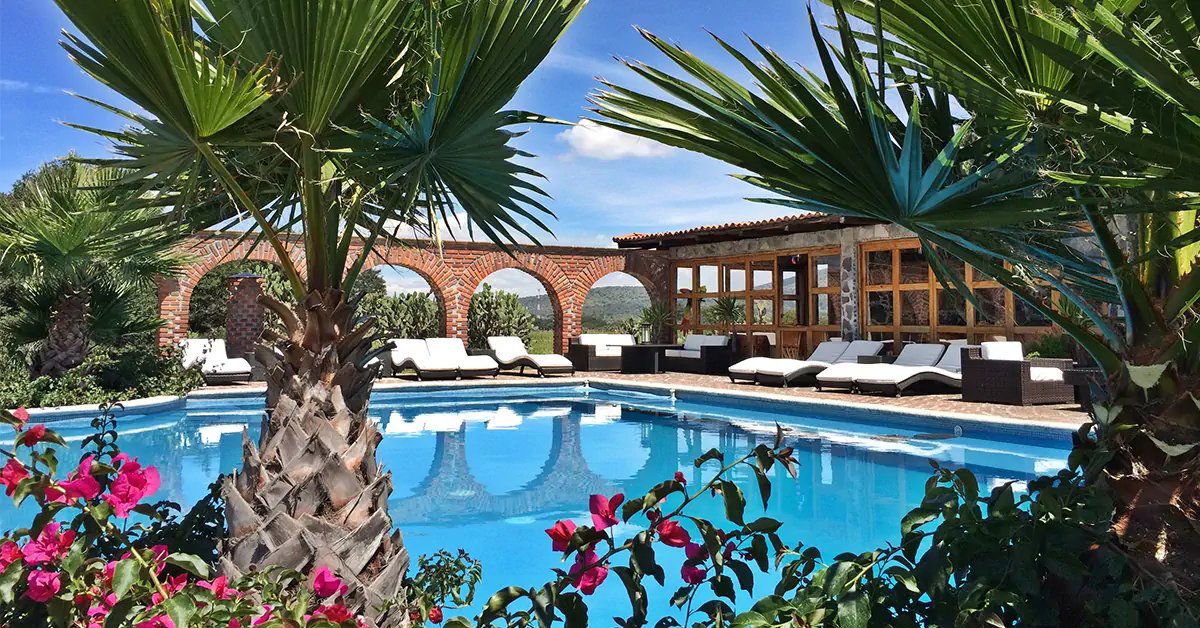
Warm, welcoming, and serene with natural lighting from expansive windows overlooking cascades and mountains; intimate communal dining atmosphere with candlelit evenings and open-air patios under ancient oak trees.
Tags
Vibe
Best For
Experience
Amenities
View
About the Stay
- Rooms
- 15
- Property Style
- Swiss Managed Mexican Heritage Ranch Combining European Precision with Authentic Local Craftsmanship and Warm Hospitality.
- Design Style
- Modern Mexican with Adobe Walls, Hand Crafted Furnishings, Colorful Tiles, and Clean Desert Inspired Lines Reflecting Sierra Madre Landscapes.
- Breakfast
- Included
- Airport Transfer
- Available
- Pool
- Yes
- Spa
- Yes
- Families
- Welcome
- Cancellation
- Moderate
Know before you go
Know Before You Go
- Getting there
- Agua Fria San Agustin, 54280 Buena Vista, Méx.
Planning details
Location
Recognition and awards

Also consider
Where to look if this is not the right fit
If business travel or dining access matters, start with Las Alcobas, A Luxury Collection Hotel, Mexico City. If the goal is boutique character in the city, compare Pug Seal Anatole France and Pug Seal Allan Poe before committing to a rural stay.
Hotel context
How it compares for a ranch escape versus Mexico City hotels
RANCHO LAS CASCADAS is the pick when ambiance and separation matter more than urban convenience. Compared with Las Alcobas, A Luxury Collection Hotel, Mexico City, it is less useful for restaurant access and business schedules, but better suited to a celebration where the property itself should set the pace.
Pug Seal Anatole France and Pug Seal Allan Poe are stronger cross-shops for travelers who want boutique character inside Mexico City. Choose those if the trip depends on neighborhood access, meetings, or a tighter itinerary. Choose the ranch if the plan is slower and more self-contained.
Nido de Quetzalcoatl and UMA Casa are better alternatives for design-led stays with a more urban or architectural angle. RANCHO LAS CASCADAS is easier to justify when the occasion calls for open-space atmosphere rather than a city design hotel.
Explore San Francisco Soyaniquilpan de Juarez
Around this place
Discover more on Pearl
Unlock the full RANCHO LAS CASCADAS guide in Pearl, including awards, comparisons, FAQs, planning details, and nearby places.
Compare RANCHO LAS CASCADAS
| Venue | Location | Awards |
|---|---|---|
| RANCHO LAS CASCADAS | San Francisco Soyaniquilpan de Juarez | Top 50 Ranches 2026 |
| Nido de Quetzalcoatl | Naucalpan De Juarez | No published awards |
| Pug Seal Anatole France | Mexico City | 2026 Michelin 1 Key2025 Michelin 1 Key |
| Pug Seal Allan Poe | Mexico City | 2026 Michelin 1 Key2025 Michelin 1 Key |
| UMA Casa | Mexico City | 2026 Vogue Best Hotels in Mexico City2026 Mr & Mrs Smith Luxury Hotels2026 Michelin 1 Key2025 Michelin 1 Key |
| Las Alcobas, A Luxury Collection Hotel, Mexico City | Mexico City | 2026 Forbes 4-Star2026 Virtuoso Luxury Hotel Collection2026 La Liste Top Hotels2025 Michelin Selected Hotels2025 Forbes 4-Star |







How RANCHO LAS CASCADAS compares with similar nearby venues.
FAQ
Frequently Asked Questions
Is RANCHO LAS CASCADAS good for business travel?
If you need meeting logistics, urban access, or brand-program predictability, confirm those details directly before booking. For a Mexico City hotel context, Las Alcobas, A Luxury Collection Hotel, Mexico City is a different kind of option to compare.
How does RANCHO LAS CASCADAS compare to other hotels?
RANCHO LAS CASCADAS is the stronger fit when you specifically want a San Francisco Soyaniquilpan de Juarez venue with Top 50 Ranches recognition. Las Alcobas, A Luxury Collection Hotel, Mexico City, Pug Seal Allan Poe, Nido de Quetzalcoatl, and UMA Casa are different options to compare if you want another style of stay.