
Hotel Ciasa Salares
San Cassiano
Hotel in San Cassiano, Italy
 Book with Pearl
Why go
Hotel Ciasa Salares is a sensible San Cassiano choice for travelers who want a calm, MICHELIN-selected mountain hotel without turning the booking into a status play. Cross-shop Rosa Alpina or Aman Rosa Alpina for a higher-profile stay; choose this when ease, recognition, and a quieter base matter more.
About Hotel Ciasa Salares
Hotel Ciasa Salares is a hotel in San Cassiano and is listed in the MICHELIN Guide Hotels Selected for 2025. The dress code is smart casual.
The ideal way to approach it is as a San Cassiano hotel worth shortlisting when a recognized stay matters. It should not be chosen on assumptions about amenities or a particular style of service; check those details directly for the intended dates. If the trip is built around comparing premium hotels, cross-shop Rosa Alpina and Aman Rosa Alpina as additional options.
A San Cassiano base to verify carefully before booking
The useful way to judge this stay is by the full hotel experience you want in San Cassiano. Hotel Ciasa Salares stands out as a MICHELIN-selected hotel, while details such as exact location within the village, transfer convenience, room layout, and on-property facilities should be checked before booking.
For a first visit, the practical appeal is that it is a recognized San Cassiano hotel rather than an unknown quantity. Before booking, check the details that matter most for the trip, including room type, meals, wellness facilities, cancellation terms, dress expectations, and arrival logistics through the hotel or booking channel.
Where it sits against other hotel options
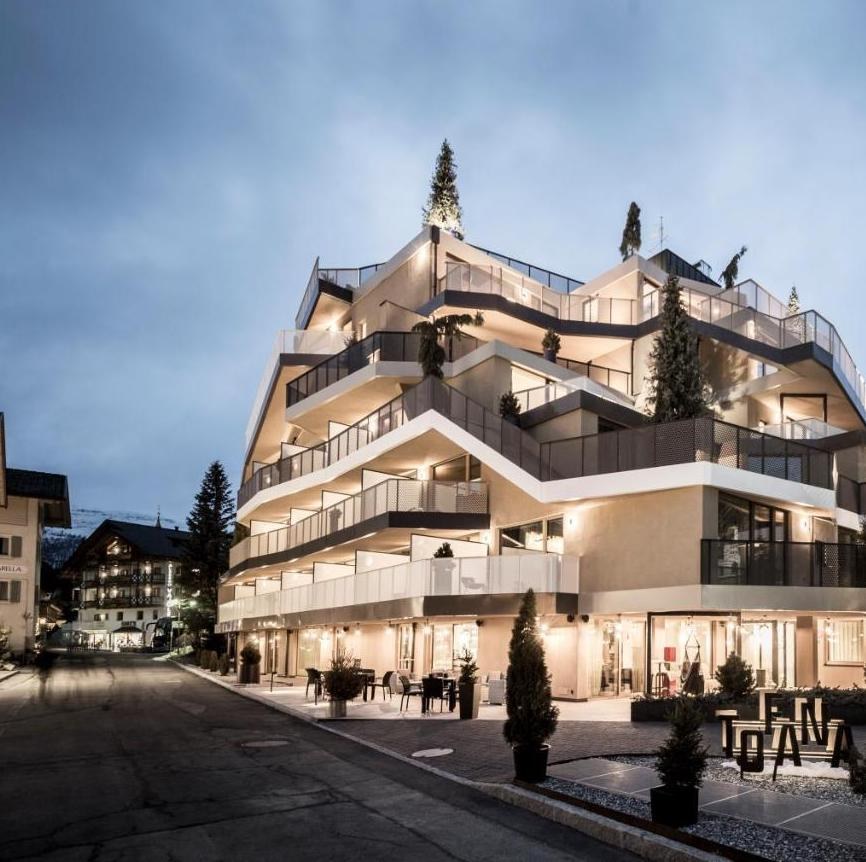
Compared with Hotel Tofana and Lagació Hotel Mountain Residence, Hotel Ciasa Salares belongs on a broader shortlist of hotel options to compare. The better choice depends on the exact room, rate, inclusions, service style, room format, and facilities available for your dates.
Against Rosa Alpina and Aman Rosa Alpina, the decision should be made by comparing the details for the stay rather than relying on assumptions about status or atmosphere. Hotel Ciasa Salares makes sense to consider when a MICHELIN-selected San Cassiano hotel is the priority.
Dining, spa, room categories, and family suitability should be judged through the booking page details for the exact stay dates. The recommendation remains cautious: shortlist Hotel Ciasa Salares as a credible San Cassiano option, and cross-shop other relevant hotels if the stay itself is the main event.
Planning details
- Location
- Strada Prè de Vì, 31, 39030 San Cassiano BZ, Italy
- Website
- ciasasalares.it
- Phone
- +39 0471 849445
The take
The Take
The Vibe
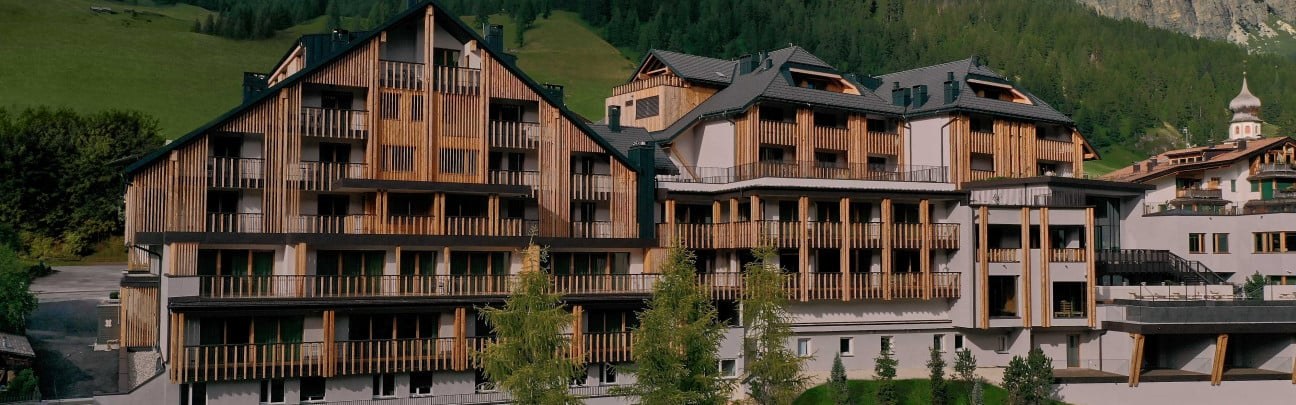
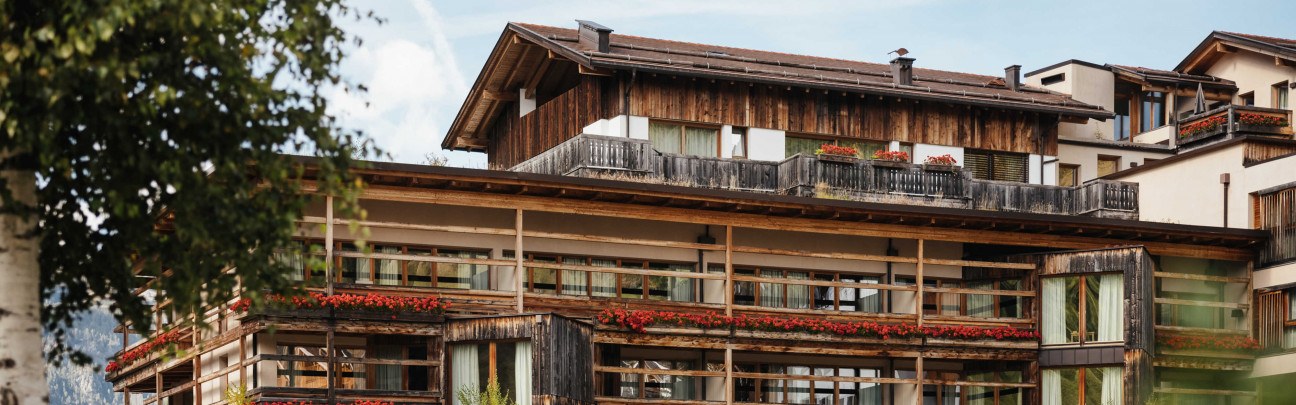
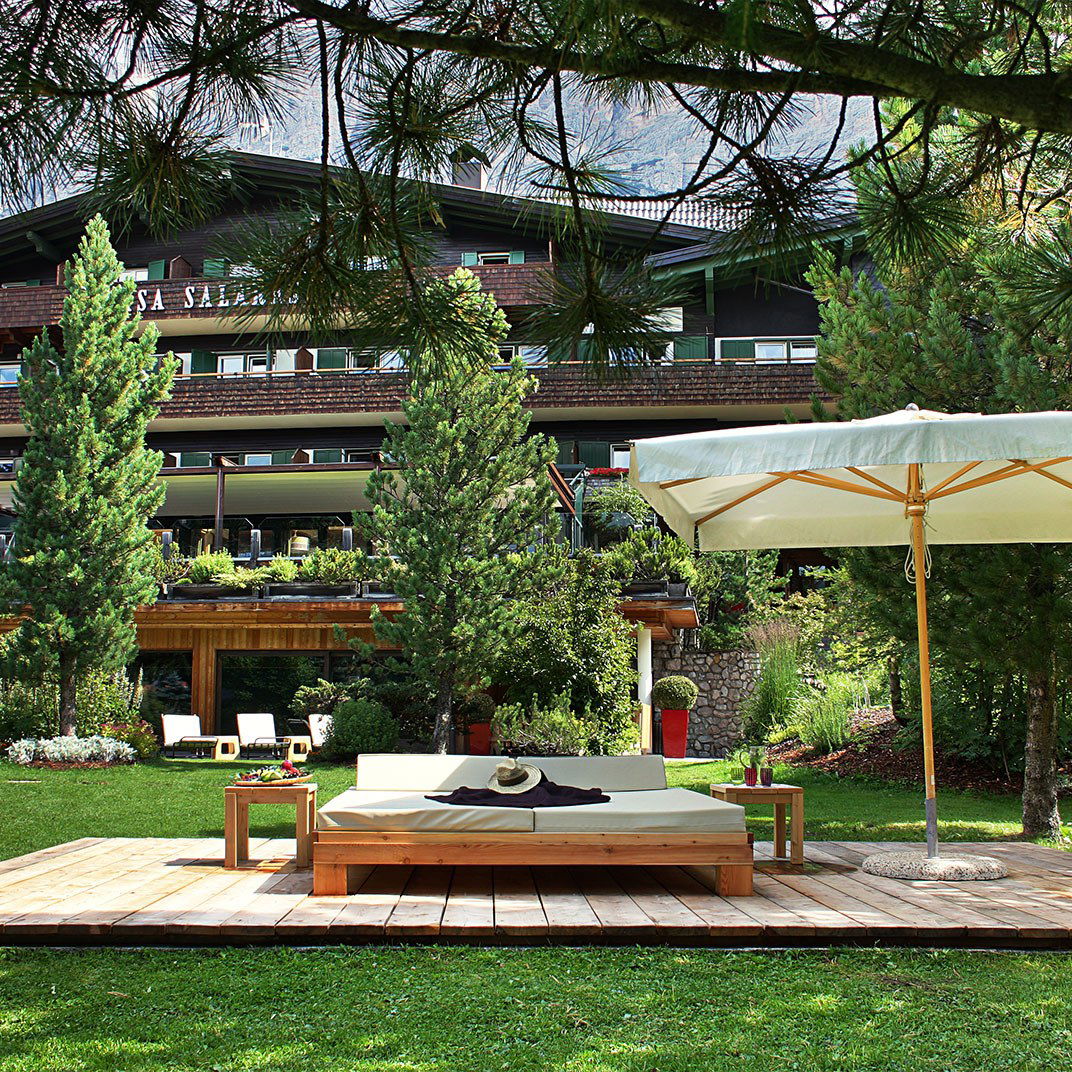
Hotel Ciasa Salares reads as an alpine house first and a luxury property second. The architecture follows a local grammar—load-bearing timber, weathered stone and steep roofs—so interiors deliberately bring the outside in rather than shut it out. The hotel cultivates a residential, small-scale character that distinguishes it from larger ski-hotel formats nearby; that considered, intimate quality is woven through both structure and service. You get a sense of place—Ladin valley traditions and mountain proportions—rather than a generic mountain resort experience, which keeps the mood restrained, quietly luxurious and deeply rooted in the Dolomites.
Best For
Ciasa Salares suits travelers seeking an intimate mountain retreat where architecture and landscape take center stage. Its small, residential character and alpine setting make it especially well suited to romantic getaways and honeymoons that value privacy and atmosphere. Families who prefer a quieter, boutique base in Alta Badia and guests pursuing wellness-focused downtime also find the hotel appealing, given its considered scale and focus on local building traditions. This is a property for guests who prioritize place, quiet comfort and authentic alpine style over large-scale resort amenities.
Venue details
Ambiance
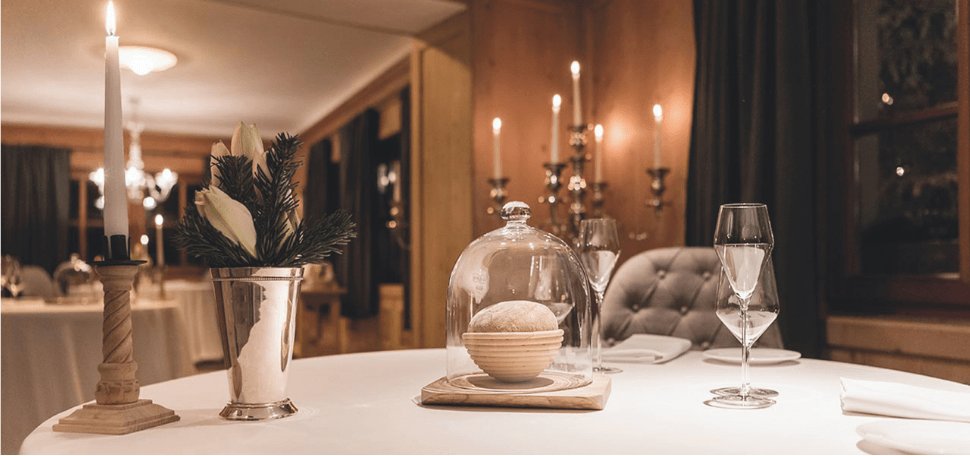
Warm and cozy alpine atmosphere with rich timber, handicraft textiles, and natural wood furnishings evoking Ladin culture.
Tags
Vibe
Best For
Experience
Amenities
View
About the Stay
- Rooms
- 50
- Check-in
- 15:00
- Check-out
- 11:00
- Property Style
- Family Run Wooden Chalet Blending Traditional Ladin Heritage with Luxury Comfort.
- Design Style
- Minimalist Alpine with Rich Timber, White Hues, Fir Coatings, and Handicraft Textiles.
Know before you go
Know Before You Go
- Getting there
- Strada Prè de Vì, 31, 39030 San Cassiano BZ, Italy
Planning details
Location
Recognition and awards
Also consider
Where to look if this is not the right fit
If the trip needs more independence, start with Lagació Hotel Mountain Residence. If the stay is meant to carry the trip, compare Rosa Alpina and Aman Rosa Alpina before committing.
Hotel context
How Hotel Ciasa Salares compares in San Cassiano
Hotel Ciasa Salares is the practical middle-ground pick in San Cassiano: easier to approach than the highest-profile names, but still backed by MICHELIN hotel recognition. Hotel Tofana and Lagació Hotel Mountain Residence are the closer cross-shops for travelers comparing comfort, atmosphere, and value rather than brand prestige.
Pick Lagació Hotel Mountain Residence if the trip needs more residence-style independence. Check Hotel Tofana if room style and location matter more than recognition. For a more high-profile San Cassiano stay, Rosa Alpina and Aman Rosa Alpina are the natural comparisons, especially when the hotel is meant to be the center of the trip.
Hotel ChristiAnia is useful as a broader Dolomites comparison if availability in San Cassiano tightens. Hotel Ciasa Salares is the easier recommendation when the brief is a credible, calm base; the Rosa Alpina options are the better fit when the stay needs a stronger sense of occasion.
Explore San Cassiano
Around this place
Discover more on Pearl
Unlock the full Hotel Ciasa Salares guide in Pearl, including awards, comparisons, FAQs, planning details, and nearby places.
Compare Hotel Ciasa Salares
| Venue | Location | Awards |
|---|---|---|
| Hotel Ciasa Salares | San Cassiano | 2025 Michelin Selected Hotels |
| Hotel Tofana | San Cassiano | No published awards |
| Lagació Hotel Mountain Residence | San Cassiano | 2026 Mr & Mrs Smith Luxury Hotels2026 Michelin 1 Key2025 Michelin 1 Key2024 Michelin 1 Key |
| Rosa Alpina | San Cassiano | 2026 Virtuoso Luxury Hotel Collection2026 Travel + Leisure It List Hotels2026 Mr & Mrs Smith Luxury HotelsTown & Country Hotel Awards 20262026 La Liste Top Hotels2026 Michelin 2 Keys2025 Michelin 2 Keys |
| Aman Rosa Alpina | Dolomites | No published awards |
| Hotel ChristiAnia | La Villa | Tablet Hotels Top 40 New Hotels 2025 · #222025 Michelin Selected Hotels |








How Hotel Ciasa Salares San Cassiano compares with similar nearby venues.
FAQ
Frequently Asked Questions
How is the pool and spa at Hotel Ciasa Salares?
Hotel Ciasa Salares is listed in the MICHELIN Guide Hotels Selected for 2025. For pool and spa details, check current wellness facilities directly with the hotel or booking channel.
Is Hotel Ciasa Salares family-friendly?
If you are booking for children or a multi-generational stay in San Cassiano, check room setup, meal arrangements, and any family services directly before reserving.
What is check-in like at Hotel Ciasa Salares?
Use the hotel or booking channel to check arrival time, late-arrival handling, and any documents or deposits required for your stay.
How is the dining at Hotel Ciasa Salares?
The hotel is listed in the MICHELIN Guide Hotels Selected for 2025, and the dress code is smart casual. Menus, meal formats, and dining availability should be checked directly for your stay dates.
How is the location of Hotel Ciasa Salares?
Hotel Ciasa Salares is in San Cassiano. For exact arrival logistics, transfers, and how it compares with Rosa Alpina and Aman Rosa Alpina for your plans, check current details through the hotel or booking channel.