
Hotel Fasano Salvador
Centro, Salvador Bahia
Hotel in Salvador Bahia, Brazil
 Book with Pearl
Why go
Hotel Fasano Salvador is the safer luxury pick for travelers who want a polished city base in Salvador rather than a resort escape. Its 2026 luxury-partner recognition supports the service-confidence case, but the value move is to book an entry or next-step room unless a higher category clearly adds view, terrace, or layout advantages.
About Hotel Fasano Salvador
Hotel Fasano Salvador has two useful planning signals: it is listed as a Virtuoso Luxury Hotel Partner for 2026, the dress code is smart casual. For travelers comparing premium stays in Salvador Bahia, that recognition can be a useful marker, especially at the early shortlist stage, but it should be weighed alongside the practical information that usually determines whether a hotel fits a particular trip.
Approach Hotel Fasano Salvador as a premium shortlist candidate rather than a full facilities match until your key details are confirmed. If the trip is being built around nights out, pair your hotel search with the Salvador Bahia restaurants guide and the Salvador Bahia bars guide, so the stay can be considered alongside the broader rhythm of the city. For Hotel Fasano Salvador itself, confirm the details that matter most directly before booking, particularly if your decision depends on room type, timing, cancellation flexibility, or expectations around how formal the stay will feel.
Choose the room tier only after confirming the specifics
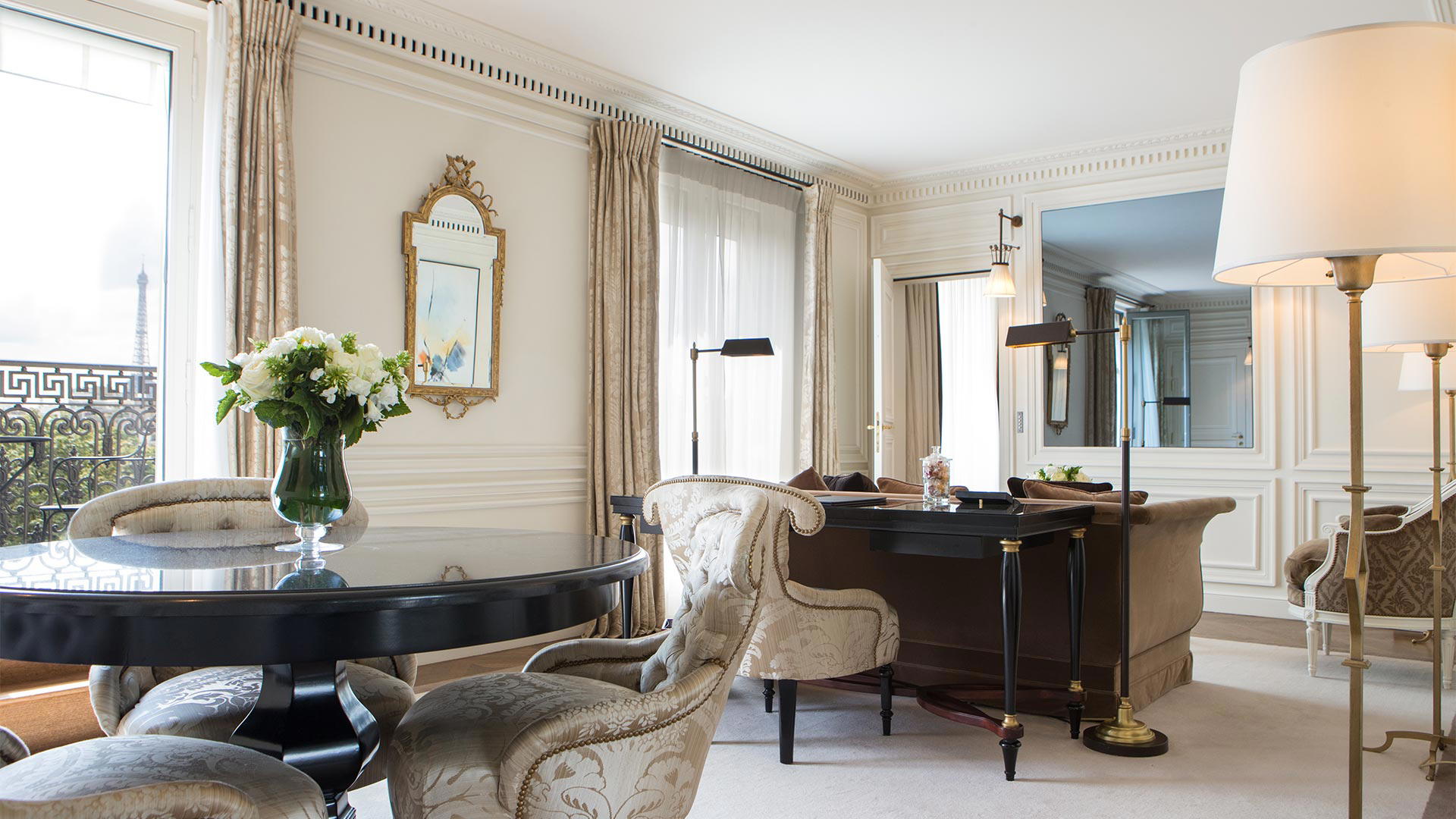
Avoid choosing a specific category, view, layout, or upgrade strategy until you have compared the current room descriptions. The safest booking approach is to compare the categories shown at checkout and pay more only when the listed room attributes clearly match your trip needs. In practice, that means reading the current descriptions closely rather than relying on brand positioning or assuming that every higher-priced option will solve the same problem for every traveler.
Couples, families, longer-stay guests should make the same practical check: confirm the sleeping setup, space, any other details directly with the hotel or booking channel. Those basics can shape the comfort of the stay as much as the overall hotel tier. Avoid assuming that a higher tier automatically delivers better value, or that a category name alone explains what the experience will be like once you arrive.
Book this as a Salvador Bahia hotel; compare alternatives by trip style
The main distinction is the 2026 Virtuoso Luxury Hotel Partner recognition. That can support confidence for travelers seeking a premium hotel in Salvador Bahia, but it should be understood as a quality signal to weigh alongside the booking details available for your exact dates, rather than as a complete description of what is included in the stay.
For another Salvador Bahia stay, compare Aram Yami Hotel. Fera Palace Hotel and Zank by Toque Hotel are other Salvador Bahia options to review by mood, rate, current availability. If the trip can extend beyond Salvador Bahia, Barracuda Hotel & Villas and Txai Resort Itacaré may be more relevant for travelers considering a different setting in Bahia. The useful comparison is not only which hotel sounds most premium, but which option fits the kind of trip being planned and the confirmed conditions attached to the booking.
Before committing, check current rates, room descriptions, cancellation terms, dress-code expectations, the hotel's own latest information. Those details are the guardrails that turn a promising shortlist choice into a sensible reservation. Hotel Fasano Salvador is a credible premium option to include in a Salvador Bahia shortlist, especially if the Virtuoso recognition matters to you, but the final decision should rest on current, date-specific details rather than assumptions carried over from the name or category.
Planning details
- Location
- Praca Castro Alves 5
- Website
- fasano.com.br/hoteis/fasano-salvador
- Phone
- +55 71 2201-6300
The take
The Take
The Vibe
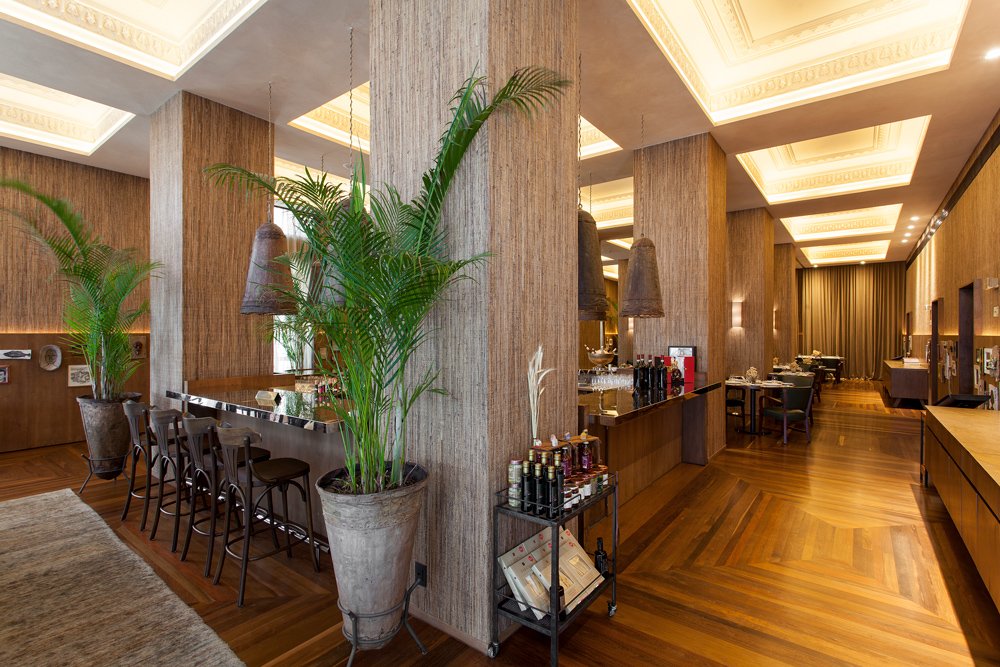
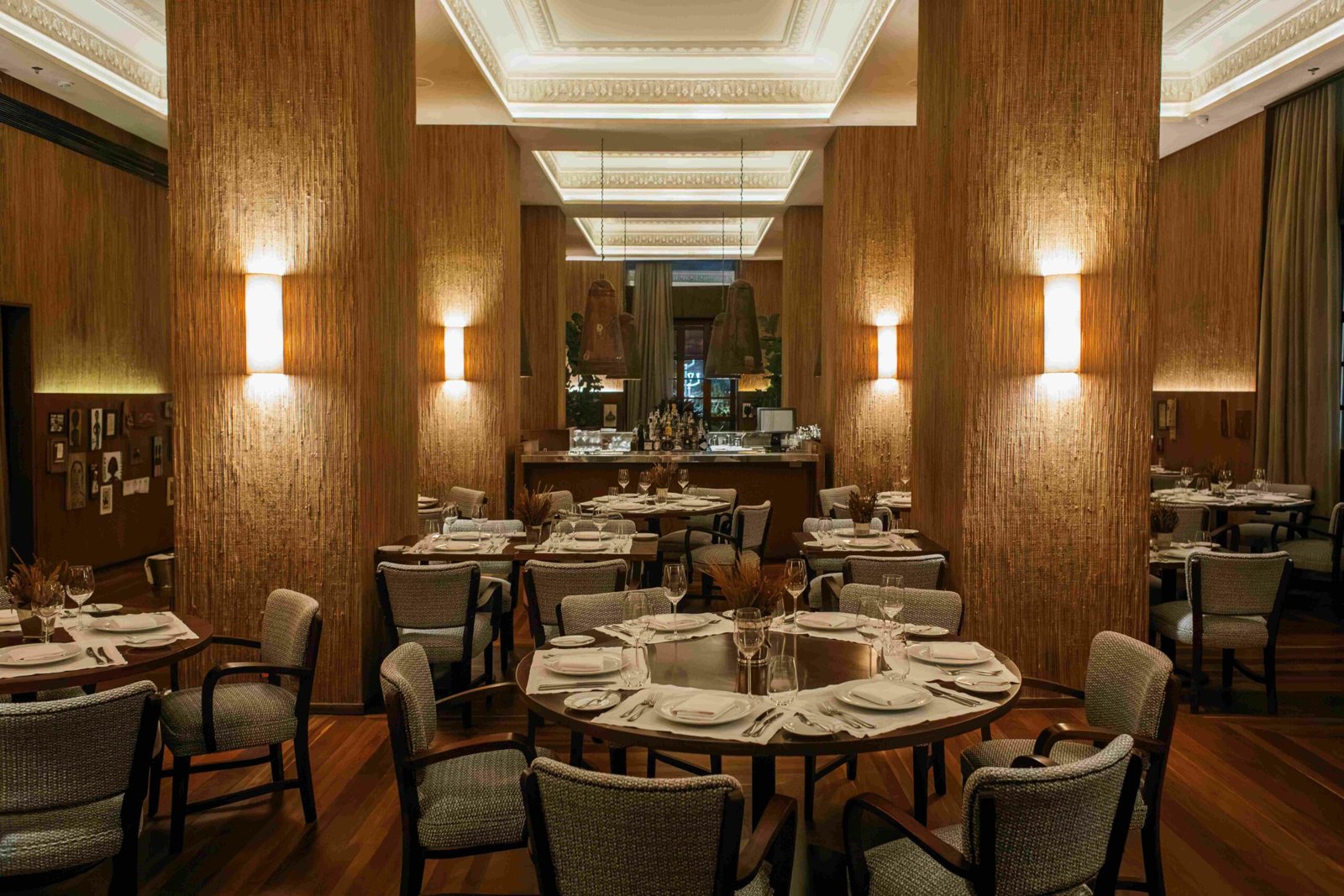
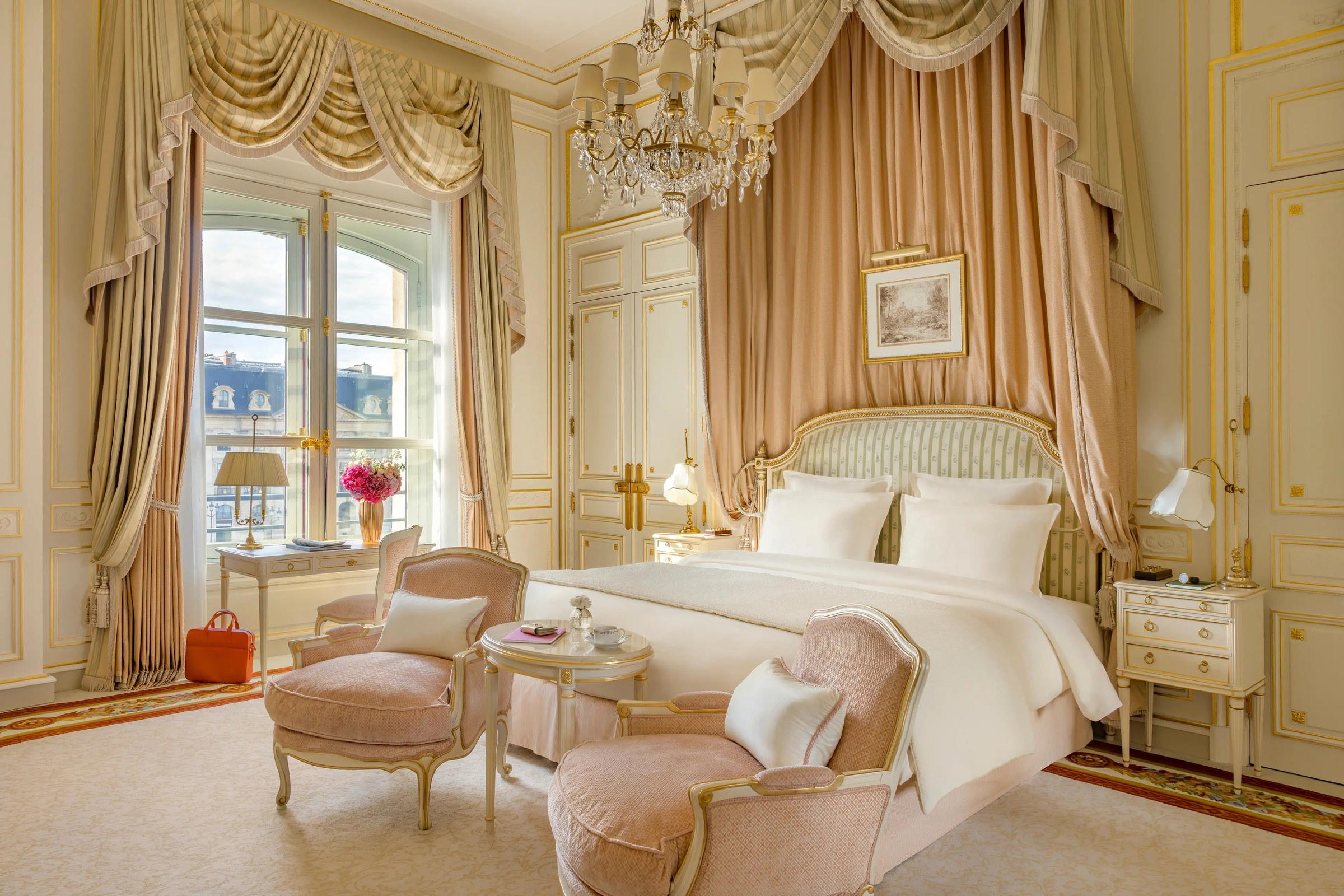
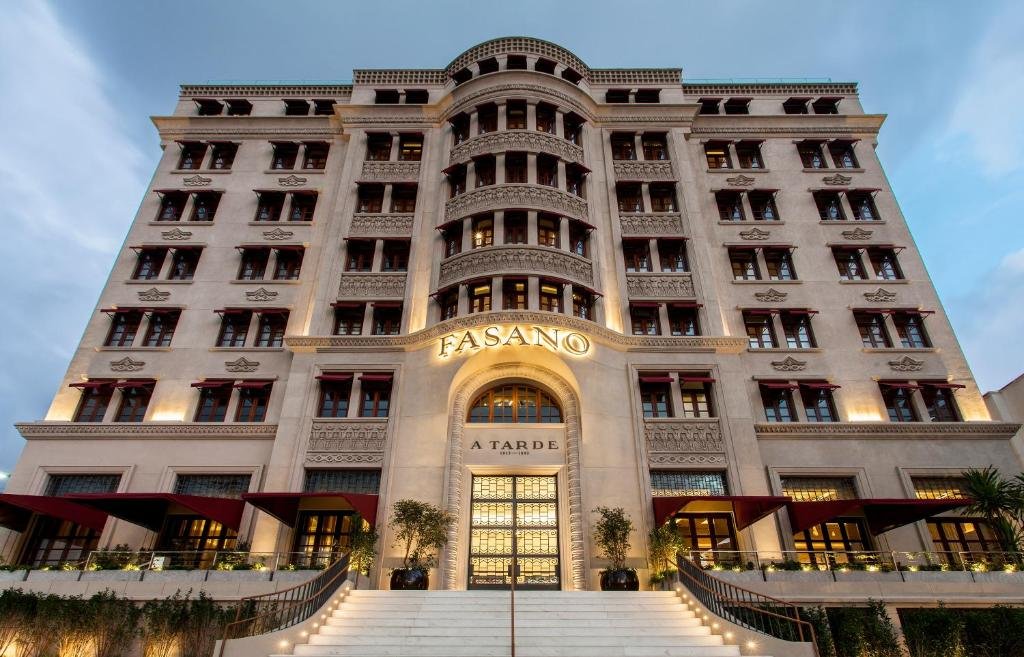
Hotel Fasano Salvador occupies a heritage-listed printing-house that anchors Praça Castro Alves, and the property's character is shaped as much by conservation duty as by contemporary hospitality. The adaptive-reuse setting—an ex-newspaper office with expansive floor plates—creates airy, layered interiors that balance historic fabric and modern restraint. From the square the bay falls away beneath the building, so the experience feels civic and scenic: rooms and public spaces read as part of the city's palimpsest, revealing neoclassical neighbours and broad water views. The result is a quietly dramatic stay that foregrounds history, architecture and a measured sense of place.
Best For
This hotel suits travelers who prize cultural context and architecture as much as comfort. Its location at the edge of Pelourinho and its heritage status make it a strong pick for guests exploring Salvador's colonial core, museum-goers and anyone seeking scenic outlooks over Baía de Todos os Santos. The Fasano name and careful adaptive-reuse approach also make it appealing for romantic stays and special-occasion visits where setting and provenance matter. Expect a stay geared toward discovery of the city's layered history rather than resort-style amenities.
Venue details
Ambiance
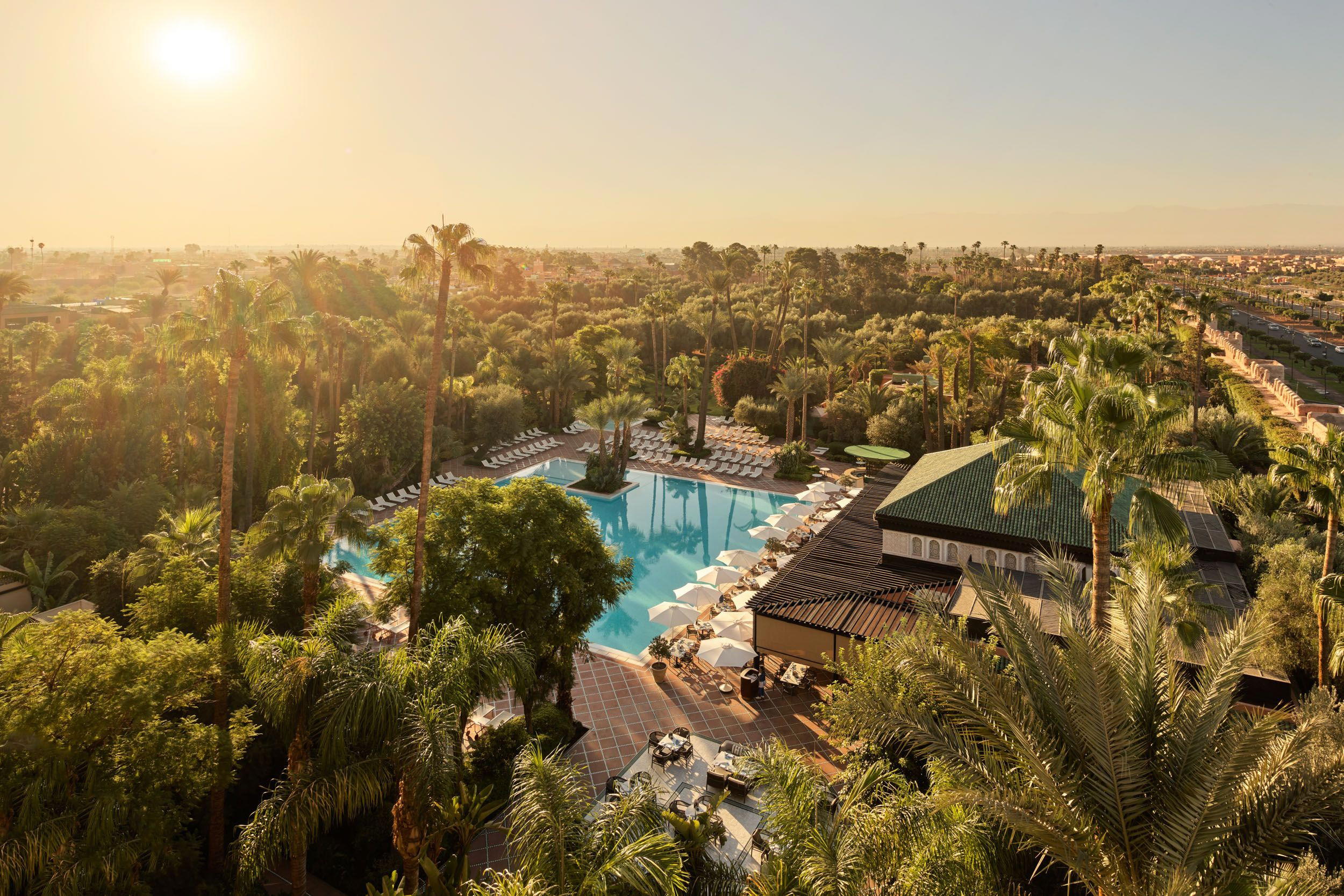
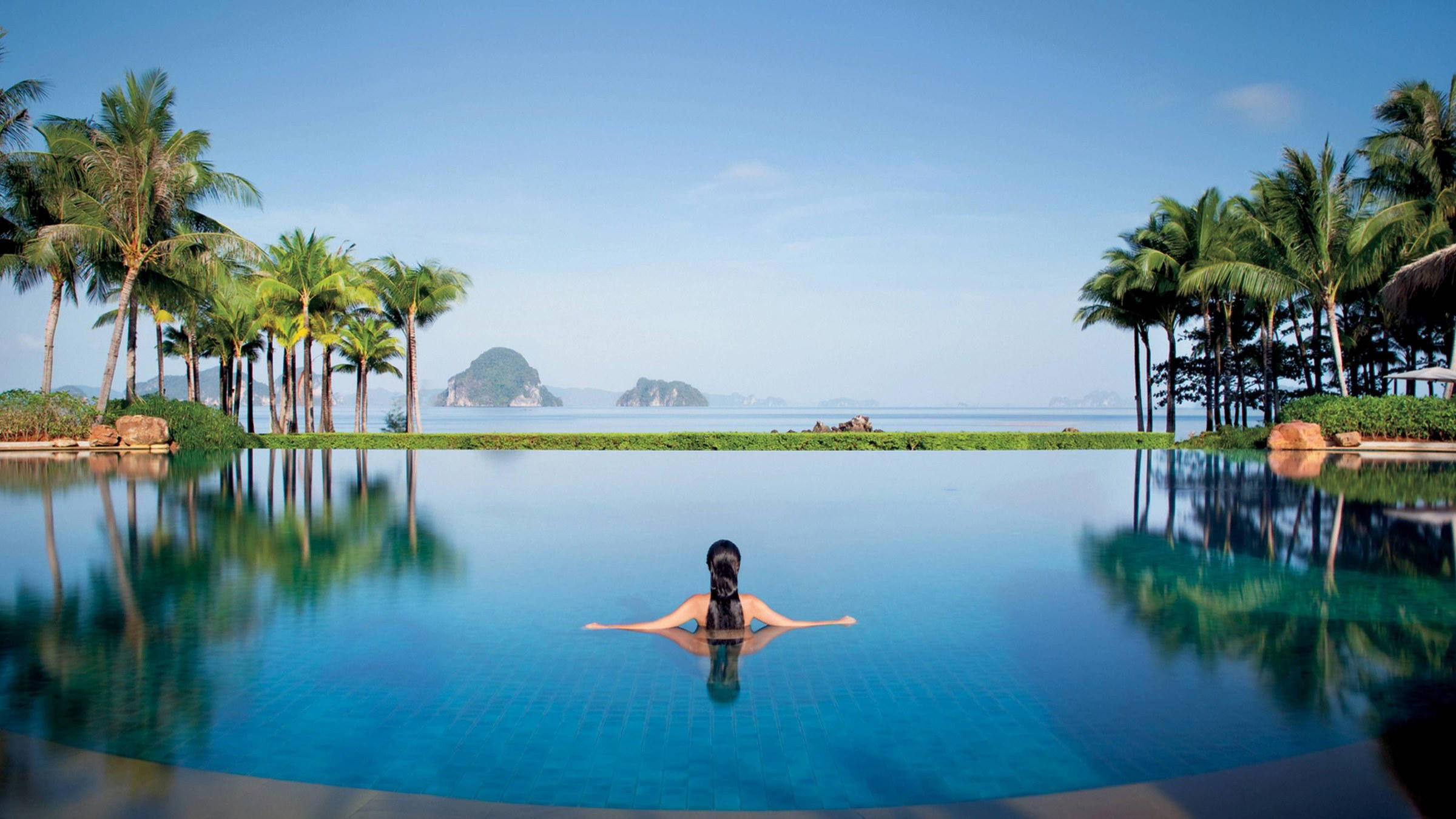
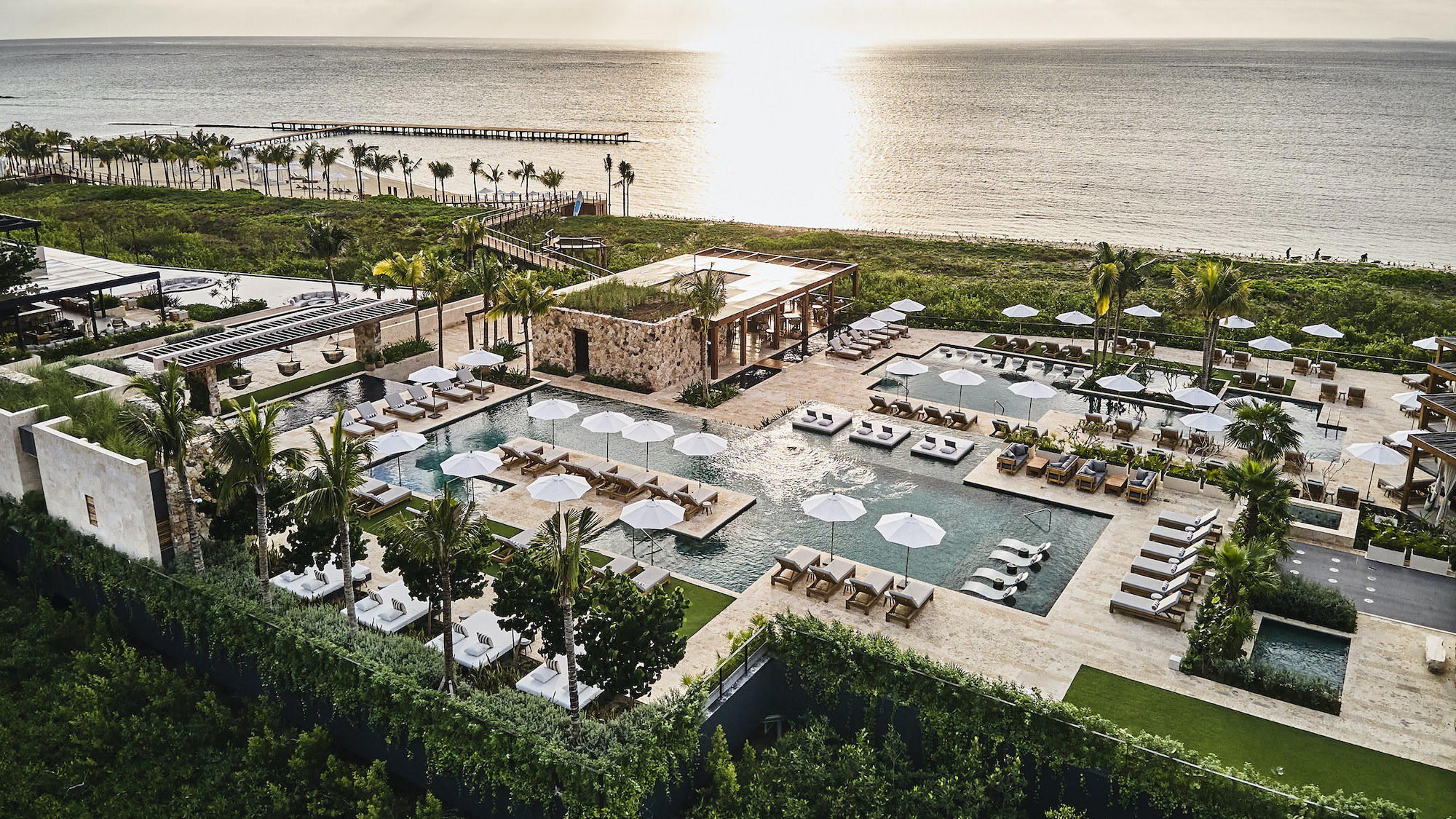
Sophisticated and relaxing with warm organic materials, spa-like bathrooms, and serene rooftop pool deck overlooking the bay.
Tags
Vibe
Best For
Experience
Amenities
View
Accessibility
About the Stay
- Rooms
- 70
- Check-in
- 15:00
- Check-out
- 12:00
- Property Style
- Historic Art Deco Restored Into Modern Luxury
- Design Style
- Sleek Modern with Warm Organic Materials
Planning details
Location
Recognition and awards

Also consider
Also Consider
- Fera Palace Hotel, Notable alternative
- Aram Yami Hotel, Notable alternative
- Zank by Toque Hotel, Notable alternative
- Barracuda Hotel & Villas, Notable alternative
- Txai Resort Itacaré, Notable alternative
Hotel context
How it compares in Salvador and Bahia
Fera Palace Hotel is the closest cross-shop for travelers who want a central Salvador stay with heritage character. Choose Hotel Fasano Salvador if luxury-brand assurance and service consistency matter more; choose Fera Palace if the better rate or a more local-feeling city-hotel mood wins the decision.
Aram Yami Hotel and Zank by Toque Hotel are stronger alternatives for guests who want a smaller boutique stay. Aram Yami is the better cross-shop for intimacy; Zank is the better cross-shop for a less formal, design-forward stay. Hotel Fasano Salvador is the safer pick when the trip needs predictable polish, easier booking, a central base.
Barracuda Hotel & Villas and Txai Resort Itacaré are not like-for-like city alternatives; they make more sense when Bahia's coast is the trip's priority. Cross-shop them if the hotel experience, beach time, slower pacing matter more than Salvador access. For a city itinerary, stay here; for a destination-hotel escape, look to Itacaré.
Explore Salvador Bahia
Around this place
Discover more on Pearl
Unlock the full Hotel Fasano Salvador guide in Pearl, including awards, comparisons, FAQs, planning details, and nearby places.
Compare Hotel Fasano Salvador
| Venue | Location | Awards |
|---|---|---|
| Hotel Fasano Salvador | Salvador Bahia | 2026 Virtuoso Luxury Hotel Collection |
| Fera Palace Hotel | Salvador | 2025 Michelin 1 Key |
| Aram Yami Hotel | Salvador | No published awards |
| Zank by Toque Hotel | Salvador | No published awards |
| Barracuda Hotel & Villas | Itacaré | 2026 Mr & Mrs Smith Luxury Hotels2025 Michelin 1 KeySmall Luxury Hotels Member 2025 |
| Txai Resort Itacaré | Itacaré | 2026 Virtuoso Luxury Hotel Collection2026 Mr & Mrs Smith Luxury Hotels2026 Relais Chateaux Hotels2025 Michelin 1 Key2025 Relais Chateaux Award |



How Hotel Fasano Salvador compares with similar nearby venues.
FAQ
Frequently Asked Questions
Is Hotel Fasano Salvador family-friendly?
How is the location of Hotel Fasano Salvador?
Hotel Fasano Salvador is in Salvador Bahia. Confirm the exact location through the hotel or your booking channel.
How is the dining at Hotel Fasano Salvador?
If dining is a priority, compare current information from Hotel Fasano Salvador with other Salvador Bahia options such as Fera Palace Hotel or Zank by Toque Hotel.
Which room category is best at Hotel Fasano Salvador?
Choose based on the current room descriptions, layout, rate shown by the hotel or booking channel.
When is the best time to book Hotel Fasano Salvador?
If your dates are fixed, compare current rates and terms against Aram Yami Hotel and Fera Palace Hotel before committing.
How does Hotel Fasano Salvador compare to other hotels?
Hotel Fasano Salvador is a Salvador Bahia premium-hotel option with 2026 Virtuoso Luxury Hotel Partner recognition and a smart-casual dress code. Aram Yami Hotel, Fera Palace Hotel, Zank by Toque Hotel are other Salvador Bahia hotels to compare, while Barracuda Hotel & Villas and Txai Resort Itacaré are relevant if you are also considering stays elsewhere in Bahia.