



Château Sainte Sabine
Sainte-Sabine
Hotel in Sainte-Sabine, France
 Book with Pearl
The Read
Renaissance Plateau Retreat
Why go
Château Sainte Sabine is a strong choice for travelers who want a quieter Burgundy château stay with credible luxury-hotel recognition behind it. Shortlist it for service confidence and countryside calm; compare spa-led, abbey-style, and wine-country alternatives before committing if a specific amenity matters more than the château setting.
About Château Sainte Sabine
Château Sainte Sabine is a Sainte-Sabine hotel to consider when third-party hotel recognition is a priority. The confirmed recognition includes MICHELIN Guide, Hotels Selected (2025), Gault & Millau Exceptional Hotel (2025) with 5pts, Relais Chateaux Award (2026), and Virtuoso Luxury Hotel Partner (2026).
The value case is clearest for travelers who want a Sainte-Sabine base with external hotel validation. The dress code is smart casual, which gives guests a practical signal for packing and the tone of the stay.
Why the service credentials matter more than the château setting
The main reason to shortlist this hotel is not only its château identity. The stronger signal is the cluster of hospitality credentials attached to it. Château Sainte Sabine is listed as MICHELIN Guide, Hotels Selected (2025), has Gault & Millau Exceptional Hotel recognition (2025) with 5pts, holds a Relais Chateaux Award (2026), and is a Virtuoso Luxury Hotel Partner (2026).
That matters if recognition is the lens. A hotel can be difficult to evaluate from atmosphere alone, so the safer, grounded reason to consider Château Sainte Sabine is that the property has been recognized by multiple hotel-focused organizations. The recommendation: choose it if recognized hotel credentials and a smart casual tone are more important than amenity or dining claims.
Who should choose it, and who should compare elsewhere
Choose this for a stay in Sainte-Sabine where confirmed hotel recognition is part of the decision. It makes sense for travelers who want a château-hotel choice with recognition and a smart casual tone.
Compare before committing if another style of stay may fit better. Hostellerie Cèdre & Spa, Abbaye de la Bussière, Le Clos du Colombier, Château la Commaraine, and Le Domaine des Prés Verts are all relevant alternatives to consider depending on the atmosphere and location you want.
For broader planning in Sainte-Sabine, compare other dining options generically rather than assuming Château Sainte Sabine covers every meal or occasion.
Inside Château Sainte Sabine
Planning details
- Location
- 8 route de Semur - Route départementale 970, 21320 Sainte-Sabine
- Website
- saintesabine.com
- Phone
- +33 3 80 49 22 01
The take
The Take
The Vibe
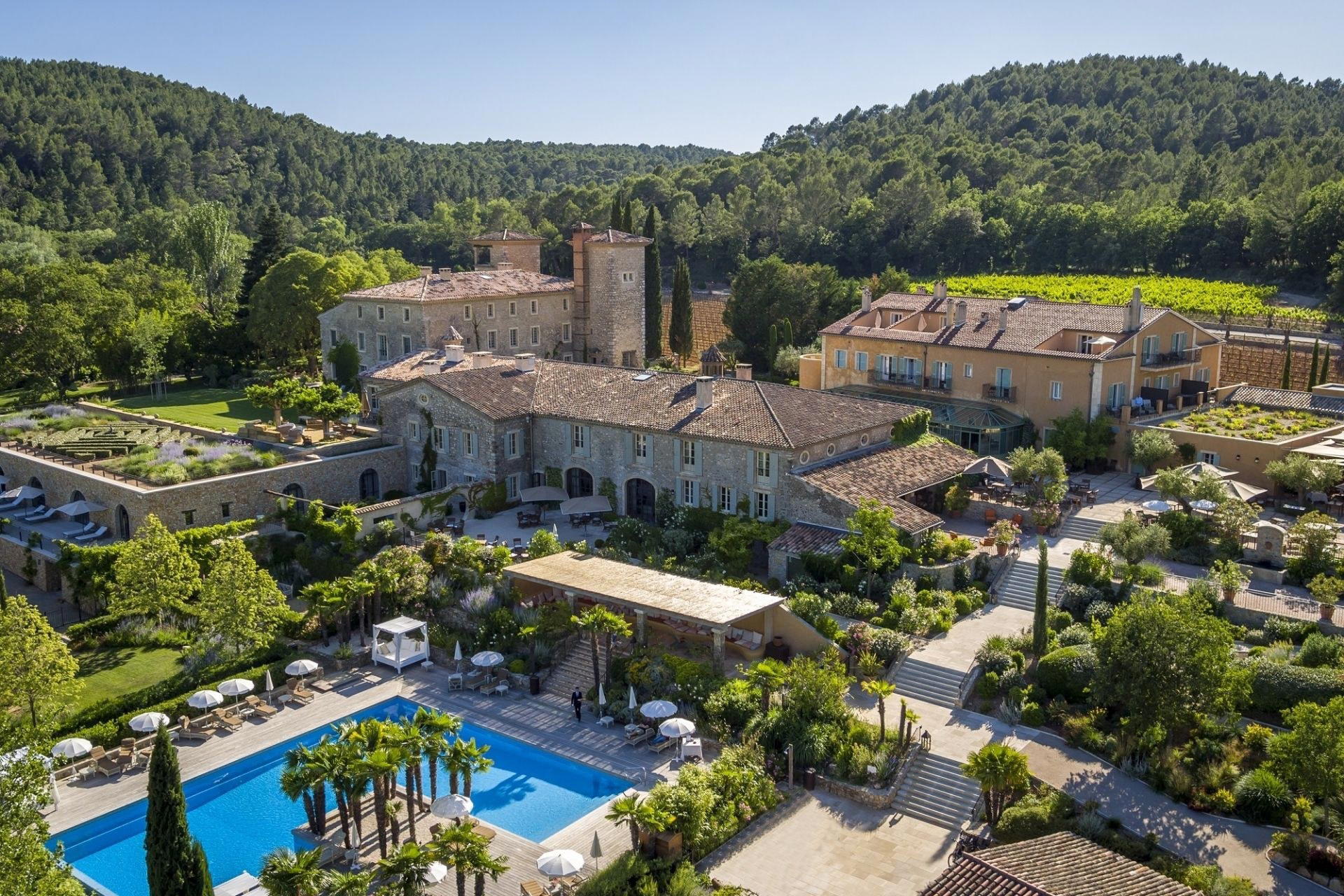
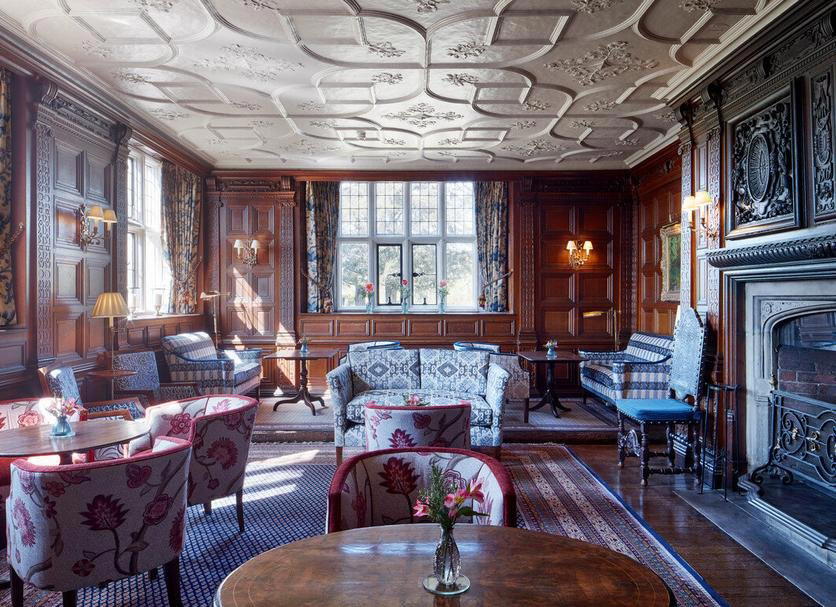
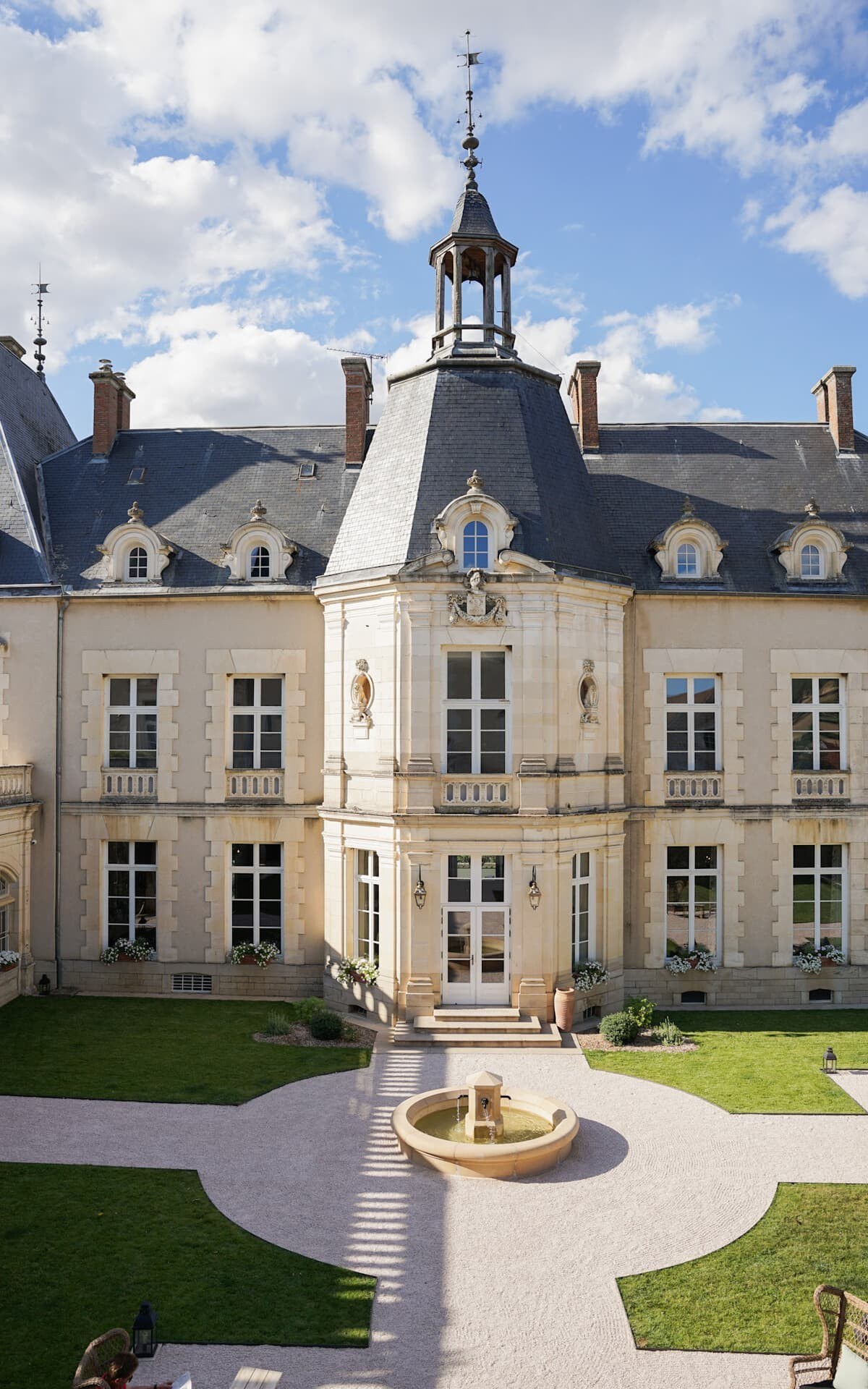
Château Sainte Sabine presents as an authentically historic country château where the architecture leads the experience. The 16th-century stone façades, formal proportions and preserved details read plainly in morning light; inside, antique furniture, exposed oak beams and ancient floor tiles create a continuous interior logic rather than a modern insertion. The atmosphere is quietly refined and intimate, grounded in material presence rather than showy restoration. Set on an eight-hectare park on a south-eastern plateau, the property feels like a secluded historic estate that privileges architectural depth, measured comfort and a deliberate, serene pace.
Best For
This château is best for travelers who prize history, architecture and a secluded country escape. With 23 rooms and suites and a standout 110-square-metre Salle des Gardes Suite, it suits couples on romantic getaways, anniversaries and honeymoons as well as small groups seeking a restful weekend escape. The setting away from Burgundy’s busier Côte routes and the broad parkland make it a quietly restorative choice for guests who want to experience a preserved 16th-century building and understated period interiors rather than contemporary boutique design.
Stay Tips
Inventory is intentionally limited—Sainte Sabine has 23 rooms and a singular grand suite—so plan bookings in advance. If the architecture is central to your stay, prioritize reserving the Salle des Gardes Suite: the text highlights its five-metre French ceiling, neo‑Gothic fireplace and exceptional scale as the property’s architectural anchor. Otherwise, secure a room early to ensure you experience the preserved period interiors and the estate grounds during quieter shoulder-season moments when the plateau and parkland read most clearly.
Venue details
Ambiance
Warm and elegant atmosphere with tasteful antique decor, French ceilings, period woodwork, and a peaceful, welcoming vibe enhanced by attentive staff and stunning countryside surroundings.
Tags
Vibe
Best For
Experience
Amenities
View
About the Stay
- Rooms
- 22
- Check-in
- 15:30
- Check-out
- 12:00
- Property Style
- Historic 16th Century Château with Modern Comforts and Relais & Châteaux Luxury
- Design Style
- Classic French with Antique Furniture, Toile De Jouy, Exposed Beams, and Period Details
Know before you go
Know Before You Go
- Getting there
- 8 route de Semur - Route départementale 970, 21320 Sainte-Sabine
Planning details
Location
8 route de Semur - Route départementale 970, 21320 Sainte-Sabine · Directions



Also consider
Also Consider
- Abbaye de la Bussière, Notable alternative
- Le Domaine des Prés Verts, Notable alternative
- Le Clos du Colombier, Notable alternative
- Château la Commaraine, Notable alternative
- Hostellerie Cèdre & Spa, Notable alternative
Hotel context
How It Compares
Château Sainte Sabine is the safer pick for travelers who want a château stay with broad luxury-hotel recognition and a calmer countryside feel. Abbaye de la Bussière is the closer cross-shop if the setting itself is the draw, especially for guests who prefer an abbey atmosphere over château formality.
For value-minded travelers, the question is what kind of experience will actually be used. Hostellerie Cèdre & Spa is the better comparison if spa access is central to the stay, while Le Domaine des Prés Verts makes more sense for guests leaning toward nature-first lodging rather than classic heritage-hotel service.
If the trip is built around wine-country intimacy, compare Le Clos du Colombier and Château la Commaraine before deciding. Château Sainte Sabine remains the practical choice when the priority is a composed hotel experience with easier planning pressure and less reliance on a single marquee amenity.
Explore Sainte-Sabine
Around this place
Discover more on Pearl
Unlock the full Château Sainte Sabine guide in Pearl, including awards, comparisons, FAQs, planning details, and nearby places.
Compare Château Sainte Sabine
| Venue | Location | Awards |
|---|---|---|
| Château Sainte Sabine | Sainte-Sabine | 2026 Virtuoso Luxury Hotel Collection2026 Relais Chateaux Hotels2025 Michelin Selected Hotels2025 Gault & Millau Exceptional Hotel2025 Relais Chateaux Award |
| Abbaye de la Bussière | La Bussière-sur-Ouche | 2025 Michelin Selected Hotels2025 Relais Chateaux Award |
| Le Domaine des Prés Verts | Jouey | No published awards |
| Le Clos du Colombier | Pommard | No published awards |
| Château la Commaraine | Pommard | Leading Hotels of the World 2026 |
| Hostellerie Cèdre & Spa | Beaune | 2026 Michelin Guide New Hotels2025 Michelin Selected Hotels2025 Gault & Millau Exceptional Hotel |

How Château Sainte Sabine compares with similar nearby venues.
FAQ
Frequently Asked Questions
Is Château Sainte Sabine family-friendly?
The data does not specify family facilities or a family policy. Treat it as a recognized hotel in Sainte-Sabine and confirm any family-specific needs directly before booking. For another hotel comparison, consider Hostellerie Cèdre & Spa.
What is check-in like at Château Sainte Sabine?
The location is Sainte-Sabine. The data does not specify check-in procedure or arrival style, so confirm timing and process directly with the hotel. Its Virtuoso Luxury Hotel Partner status (2026) is confirmed, and Le Domaine des Prés Verts is another option to compare.
Do loyalty programs work at Château Sainte Sabine?
Château Sainte Sabine is a confirmed Virtuoso Luxury Hotel Partner (2026). The data does not specify points earning, redemption, or other loyalty-program mechanics, so check the booking channel before assuming benefits. Hostellerie Cèdre & Spa is another hotel to compare if booking structure matters.
How is the dining at Château Sainte Sabine?
The data does not specify cuisine type, menu format, chef, pricing, or meal periods. Treat dining details as unconfirmed until you check directly with the hotel. For comparison planning, Château la Commaraine is another hotel to consider.
Which room category is best at Château Sainte Sabine?
The data does not include room-category details, views, sizes, or pricing. Choose based on the room information available at booking and confirm any must-have features directly with the hotel. Le Clos du Colombier is another option to compare if you are weighing different styles of stay.