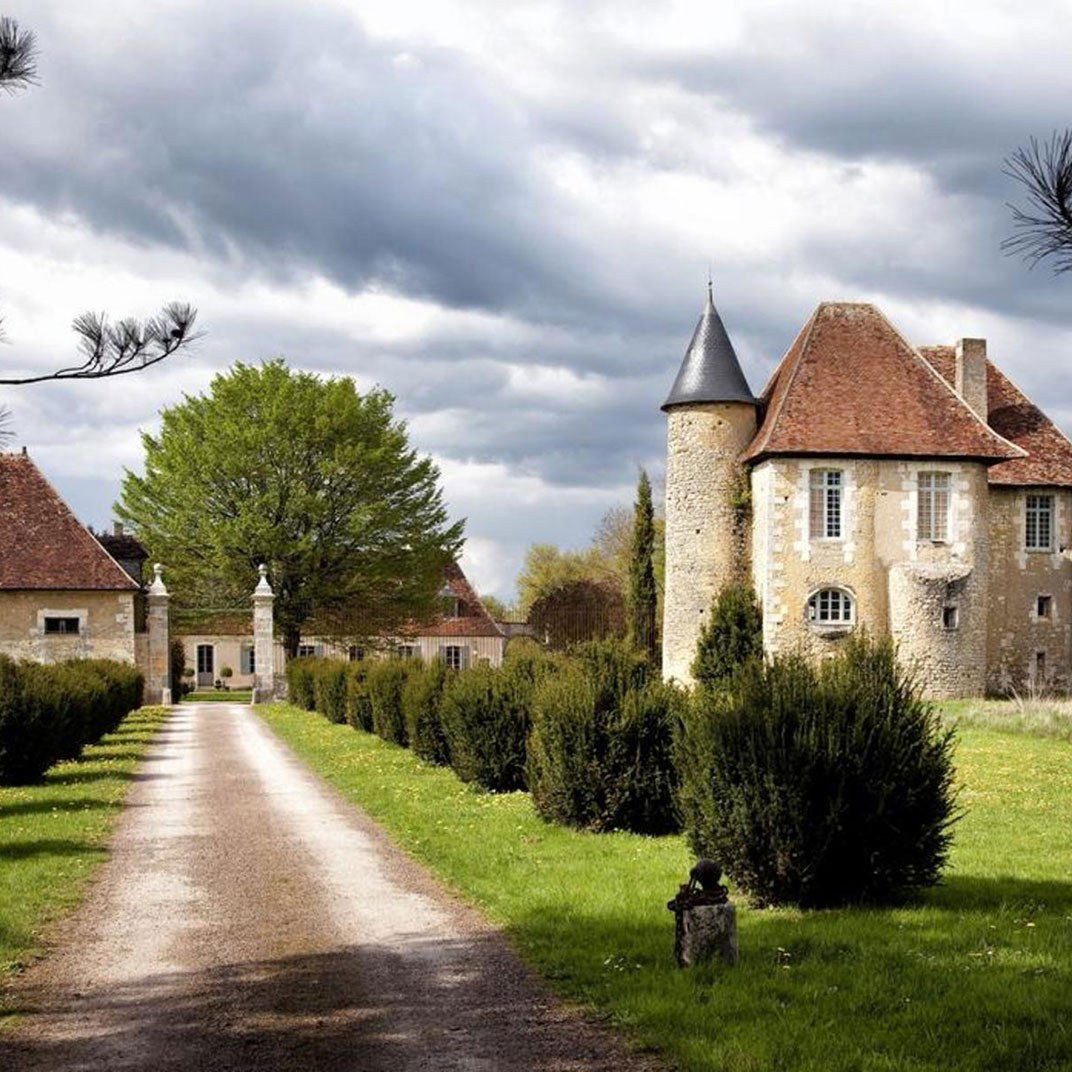

Chateau de Saint Georges
Berry countryside, Saint Georges Sur Moulon
Hotel in Saint Georges Sur Moulon, France
 Book with Pearl
Why go
Choose Chateau de Saint Georges if a quiet château setting near Saint-Georges-sur-Moulon matters more than branded hotel infrastructure. Its MICHELIN Guide hotel selection is the main trust signal; the practical fit is strongest for work trips with planned transport and a schedule that benefits from calm evenings.
About Chateau de Saint Georges
Chateau de Saint Georges is a venue in Saint Georges Sur Moulon with MICHELIN Guide, Hotels Selected recognition for 2025. Travelers should avoid assuming specific amenities, dining formats, room features, prices, hours, or services; check important details directly before booking.
For readers, the practical value of this page is calibration rather than overclaiming. Chateau de Saint Georges can be considered when you are specifically looking at Saint Georges Sur Moulon and want a property with MICHELIN hotel recognition. For any stay that depends on detailed facilities, arrival arrangements, dining, accessibility, or other operational specifics, check those details with the property or booking channel before committing.
A Saint Georges Sur Moulon hotel reference
The key recognition is MICHELIN Guide, Hotels Selected (2025). That is a meaningful hospitality signal, but it should not be expanded into assumptions about service style, amenities, cuisine, room count, or on-site facilities.
The dress code is smart casual. If that matters for your visit, use it as a simple planning cue rather than as evidence of a particular dining or event format. Other details should be checked directly before arrival.
Book with details, not assumptions
Chateau de Saint Georges is best approached with a short checklist. Confirm arrival timing, room details, dining availability, cancellation terms, and any services that are important to your stay before you pay. This is especially important if your plans depend on specific facilities or a fixed schedule.
For broader planning around the area, use Saint Georges Sur Moulon guides as starting points rather than trying to infer details from the name alone: Saint Georges Sur Moulon hotels, restaurants, bars, wineries, and experiences can all be researched separately with current information.
Other hotel references for calibrating the decision
Use Chateau de Saint Georges as the Saint Georges Sur Moulon reference on this page. For other stays, compare against current booking details rather than assuming comparable services or amenities.
Planning details
- Location
- Le Château, Saint-Georges-sur-Moulon, France
- Phone
- +33 2 48 64 16 36
The take
The Take
The Vibe
Chateau de Saint Georges foregrounds its stone fabric and historic architecture as the principal draw. The château conversion leans into vernacular detail so that the building, rather than an elaborately programmed hotel operation, shapes the guest experience. Set within a quiet agricultural and viticultural landscape, the property feels intimate and reserved: limestone villages, river valleys and nearby vineyards frame the estate and lend a rural, contemplative atmosphere. The Michelin Selected recognition underscores that welcome and character trump flashier amenity lists, making this a place for travelers who prize architecture, history and a serene countryside setting.
Best For
This is a destination for couples and travellers seeking a quietly memorable escape. The intimate château environment and cultivated grounds make it well suited for romantic getaways and anniversaries, while its placement in the Menetou-Salon region appeals to guests curious about lesser-known French wine country. Weekend travellers who want to trade the bustle of more famous wine routes for a more contemplative, architecture-focused stay will find the property especially rewarding. The hotel’s emphasis on building and setting makes it better for restorative, slow-paced visits than for highly scheduled, activity-driven trips.
Venue details
Ambiance
Warm and welcoming with dramatic Fin de Siècle decor, oil paintings by the owner-artist, elegant timbered dining room, and peaceful countryside surroundings that create an intimate, refined atmosphere.
Tags
Vibe
Best For
Experience
Amenities
View
About the Stay
- Rooms
- 3
- Check-in
- 16:30
- Check-out
- 10:30
- Property Style
- Historic Château Converted to Intimate Bed & Breakfast with Contemporary Comfort Integrated Into Period Architecture
- Design Style
- Fin De Siècle Elegance with Original Woodwork, Antique Furnishings, and Contemporary Elements; Decorated with Oil Paintings by the Owner Artist
Know before you go
Know Before You Go
- Getting there
- Le Château, Saint-Georges-sur-Moulon, France
Planning details
Location
Le Château, Saint-Georges-sur-Moulon, France
Recognition and awards
Explore Saint Georges Sur Moulon
Around this place
Discover more on Pearl
Unlock the full Chateau de Saint Georges guide in Pearl, including awards, comparisons, FAQs, planning details, and nearby places.
FAQ
Frequently Asked Questions
How is the location of Chateau de Saint Georges?
Chateau de Saint Georges is in Saint Georges Sur Moulon. For more specific location details, check with the property or booking channel before you go.
When is the best time to book Chateau de Saint Georges?
What is check-in like at Chateau de Saint Georges?
Confirm arrival timing and any access instructions before you go.
Which room category is best at Chateau de Saint Georges?
Choose based on the current room descriptions and terms shown at the time of booking.
Do loyalty programs work at Chateau de Saint Georges?
If points, benefits, or elite recognition matter, confirm them before booking.
How is the dining at Chateau de Saint Georges?
How is the pool and spa at Chateau de Saint Georges?
Do not rely on pool or spa facilities unless they are confirmed by the property or booking channel.