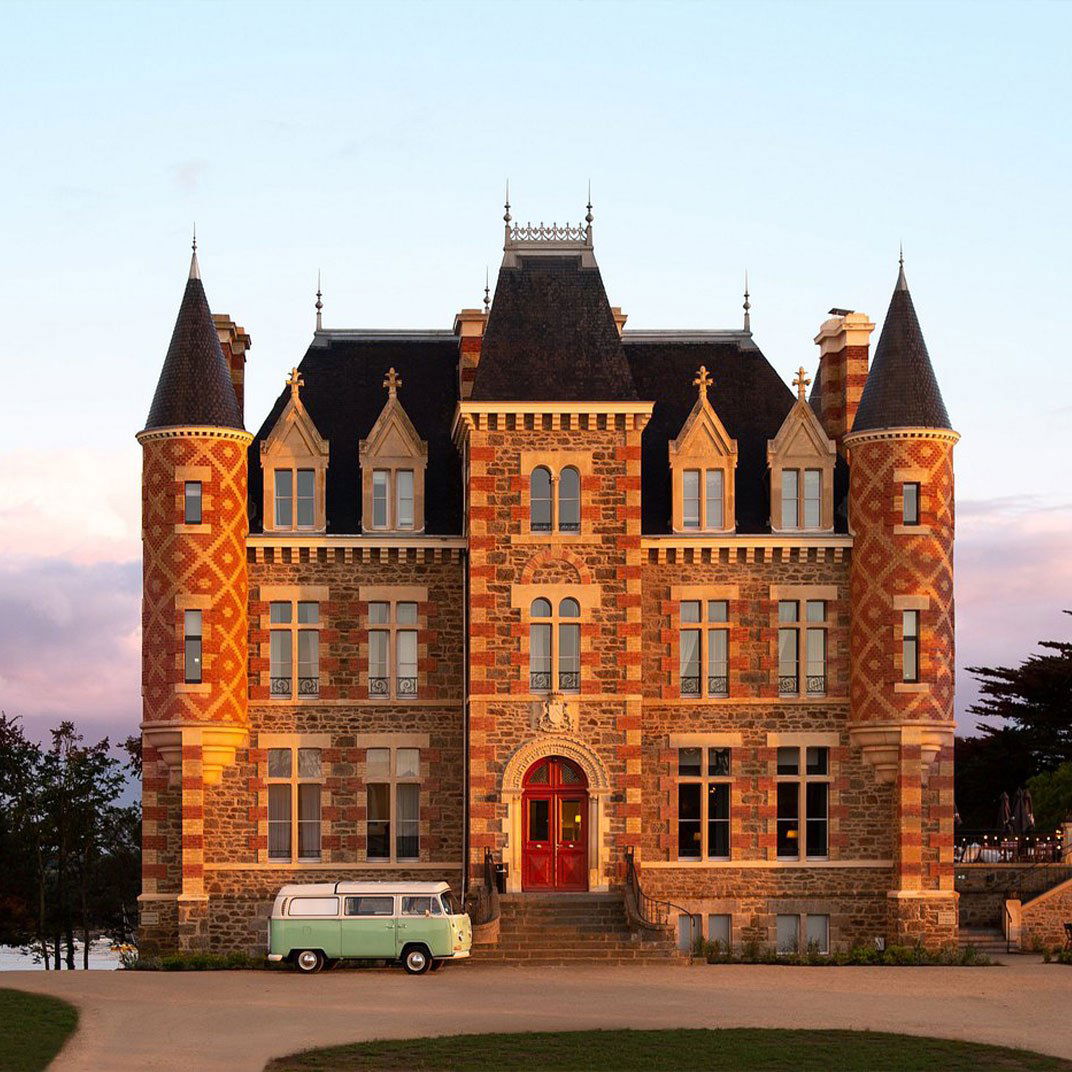

Château Le Nessay
Saint-Briac-sur-Mer, Saint Briac sur Mer
Hotel in Saint Briac sur Mer, France
 Book with Pearl
Why go
Château Le Nessay is worth booking for a quiet Saint-Briac-sur-Mer coastal stay where the setting is the main reason to go. Choose it over larger Dinard or Saint-Malo options if a smaller, view-led hotel matters more than a resort-style facilities list; cross-shop Emeria Dinard or Le Grand Hôtel des Thermes if spa and pool time drive the trip.
About Château Le Nessay
Château Le Nessay is a hotel in Saint Briac sur Mer with a MICHELIN Guide Hotels Selected recognition for 2025. As details may be limited, it's best to treat it as a Saint Briac sur Mer stay option and confirm any room, dining, facility, rate, and booking details directly before reserving.
A Saint Briac sur Mer stay option
For travelers considering Saint Briac sur Mer, Château Le Nessay belongs on the shortlist because it is in the city and is identified as a MICHELIN Guide hotel selection. Beyond that, specific details regarding address, room type, view category, restaurant format, spa setup, or service package should be confirmed directly.
If you are comparing hotels in the wider area, use Château Le Nessay as the Saint Briac sur Mer reference point and cross-shop naturally with other options such as Emeria Dinard, Castelbrac, Hôtel Barrière Le Grand Hôtel, Le Grand Hôtel des Thermes, and Villa Haute Guais. The right choice will depend on the practical details each property confirms for your dates.
Where direct booking value matters
Details regarding loyalty programs, pricing, breakfast, upgrades, cancellations, or packages are not available. Before committing, compare the direct booking terms with any third-party offer and confirm what is included in writing.
As availability patterns and booking difficulty are not known, avoid assuming that Château Le Nessay is either easy or hard to book. For important dates, check the hotel directly and compare it with Emeria Dinard, Castelbrac, Hôtel Barrière Le Grand Hôtel, Le Grand Hôtel des Thermes, and Villa Haute Guais if you need alternatives.
Who should book, and who should cross-shop
Book Château Le Nessay if you want a Saint Briac sur Mer hotel with a MICHELIN Guide Hotels Selected 2025 recognition and you are comfortable confirming the practical details yourself. Cross-shop if you need specific information about spa facilities, pool access, family services, dining format, room categories, or other specific hotel infrastructure before deciding.
The dress code is smart casual. Treat that as the only style guidance available, and check directly with the hotel for any context-specific expectations tied to your stay.
Planning details
- Location
- Bd du Bechay, 35800 Saint-Briac-sur-Mer, France
- Website
- lenessay.com
- Phone
- +33 2 99 21 02 10
The take
The Take
The Vibe
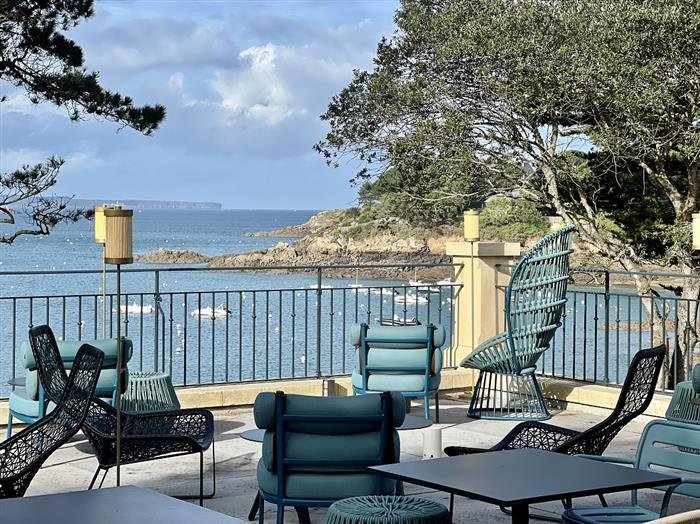
Château Le Nessay presents itself as a lived-in Breton manor rather than a stylized resort. Its 19th-century granite façades, turreted rooflines and preserved interior fabric put architecture front and center, so guests experience the building as the primary argument. The mood is quietly refined and classic—compact and intimate instead of sprawling—so the property reads like an anchored coastal house on the Côte d'Émeraude. The setting above the water and the cooler, less photographed character of this stretch of Brittany reinforce a serene, understated elegance that favors the tactile qualities of stone, light and place over conspicuous amenities.
Best For
The château is best for travelers who prize architecture and a quieter coastal pace: couples seeking a romantic getaway, families looking for a composed seaside base, and anyone after a weekend escape along the Emerald Coast. It suits visitors who prefer thoughtful historic detail and domestic scale over large resort programming; the hotel’s preserved manor-house quality makes it appealing to those who enjoy wandering grounds and coastal views rather than chasing branded facilities. The tone is restful and intimate, favoring slow exploration of the property and nearby Breton shoreline.
Stay Tips
Because the estate’s siting above the water is central to the experience, request a room on the seaward side if views matter to you. The description emphasizes the preserved architecture over large amenity programs, so temper expectations for spa or branded facilities and prioritize rooms that showcase the château’s original features. Note that Brittany is described as cooler and quieter than the Riviera, so plan accordingly. Arriving via Boulevard du Bechay conveys the hotel’s approach and first impression; book early for peak weekends to secure the most atmospheric rooms.
Venue details
Ambiance
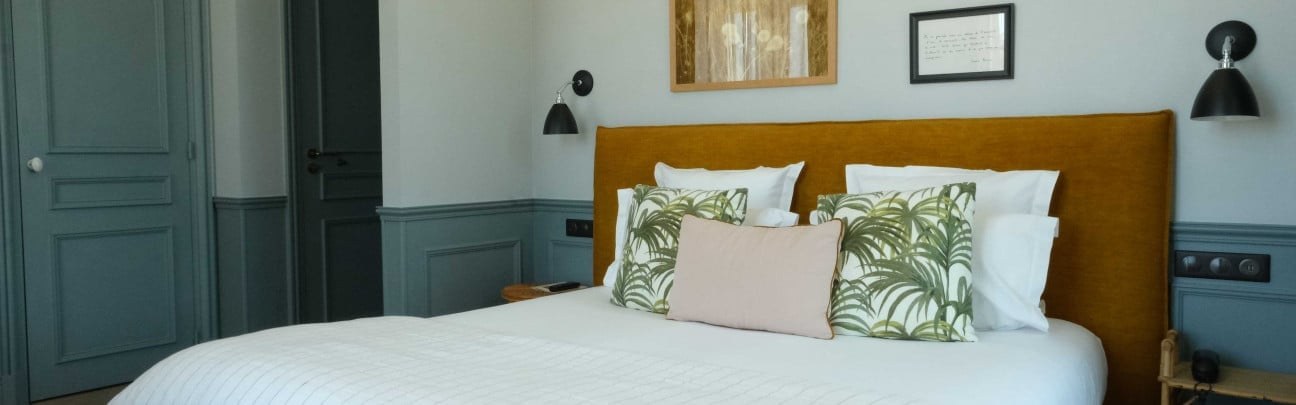
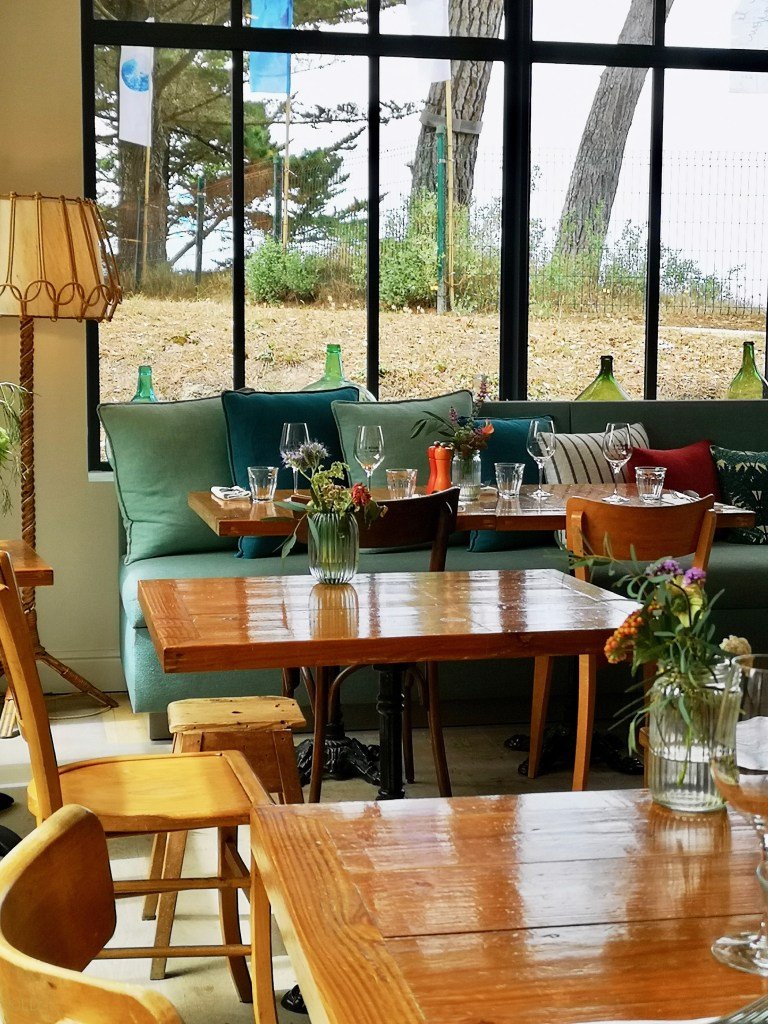
Low-key rustic with contemporary touches, warm and welcoming like a Brittany holiday home, featuring light-filled spaces and serene sea vistas.
Tags
Vibe
Best For
Experience
Amenities
View
Accessibility
About the Stay
- Rooms
- 17
- Check-in
- 17:00
- Check-out
- 11:00
- Property Style
- Château Style Boutique Hotel Blending Historic Charm with Modern Comfort
- Design Style
- Rustic Contemporary with Individually Styled Rooms
Know before you go
Know Before You Go
- Getting there
- Bd du Bechay, 35800 Saint-Briac-sur-Mer, France
Planning details
Location
Recognition and awards
Also consider
If Château Le Nessay is full or the rate feels stretched, cross-shop Emeria Dinard first for a larger coastal hotel setup. For spa-first trips, Le Grand Hôtel des Thermes is the more logical backup.
Hotel context
Château Le Nessay is the better fit for travelers who want Saint-Briac-sur-Mer itself, a smaller coastal atmosphere, and a stay built around the headland setting. Emeria Dinard is the stronger cross-shop for guests prioritizing a broader resort feel, while Le Grand Hôtel des Thermes makes more sense when spa access is central to the trip.
Castelbrac and Hôtel Barrière Le Grand Hôtel are the more natural choices for travelers who want Dinard's bigger-hotel polish and easier access to a broader town-center hotel scene. Château Le Nessay is less about that format and more about a quieter Brittany coast base; that makes it a better pick for couples than for travelers who want a facility-heavy stay.
Villa Haute Guais is the useful alternative when the goal is an even more private-feeling stay. If availability is open at both, choose Château Le Nessay for a more established hotel choice with MICHELIN hotel recognition; choose Villa Haute Guais if the trip calls for a lower-key residential mood.
Explore Saint Briac sur Mer
Around this place
Discover more on Pearl
Unlock the full Château Le Nessay guide in Pearl, including awards, comparisons, FAQs, planning details, and nearby places.
Compare Château Le Nessay
| Venue | Location | Awards |
|---|---|---|
| Château Le Nessay | Saint Briac sur Mer | 2025 Michelin Selected Hotels |
| Emeria Dinard | Dinard | No published awards |
| Hôtel Barrière Le Grand Hôtel | Dinard | 2026 Virtuoso Luxury Hotel Collection2025 Michelin Selected Hotels2025 Gault & Millau Exceptional Hotel2025 Forbes 4-Star |
| Castelbrac | Dinard | 2026 Mr & Mrs Smith Luxury Hotels2025 Michelin 2 Keys2025 Gault & Millau Exceptional Hotel2024 Michelin 2 Keys |
| Villa Haute Guais | Dinard | 2025 Michelin 1 Key |
| Le Grand Hôtel des Thermes | Saint Malo | 2025 Michelin Selected Hotels2025 Gault & Millau Exceptional Hotel |





How Château Le Nessay Saint Briac sur Mer compares with similar nearby venues.
FAQ
Frequently Asked Questions
How is the location of Château Le Nessay?
Château Le Nessay is in Saint Briac sur Mer. More specific address or neighborhood details are not available.
Do loyalty programs work at Château Le Nessay?
Loyalty-program details are not available. Compare the direct booking terms with any third-party offer before you commit.
How is the pool and spa at Château Le Nessay?
When is the best time to book Château Le Nessay?
Which room category is best at Château Le Nessay?
Room-category details are not available. Choose only after confirming the room description, inclusions, and any view or layout details directly with the hotel.
How is the dining at Château Le Nessay?
Specific dining details are not available. Château Le Nessay is MICHELIN Guide Hotels Selected for 2025; confirm any restaurant, menu, hours, or service details directly.