



The St. Regis Rome
Castro Pretorio, Rome
Hotel in Rome, Italy
 Book with Pearl
The Read
130-Year Grand Hotel Continuity
Price
$500–750per night
Why go
Book The St. Regis Rome if the trip calls for formal luxury, family-friendly predictability, and Marriott International familiarity rather than a trend-led stay. Its Michelin 2 Keys, La Liste score, Forbes Recommended status, and Virtuoso partnership make it a high-confidence splurge, but availability can be tight in peak Rome periods.
About The St. Regis Rome
The St. Regis Rome is a Rome hotel option best evaluated on recognition and fit rather than assumptions about specific services or facilities. Its profile includes a smart casual dress code and multiple hotel-recognition signals, including Michelin 2 Keys for 2025, La Liste Top Hotels 2026 at 92.5 points, Forbes Recommended 2026, and Virtuoso Luxury Hotel Partner status for 2026.
The safest booking approach is to confirm any trip-critical detail directly before committing. Treat the hotel as a recognized Rome stay, but do not assume a particular room setup, restaurant program, family policy, or arrival process unless it is confirmed at booking.
Book it for a recognized Rome hotel profile
The recognition is the clearest reason to consider The St. Regis Rome: Michelin 2 Keys for 2025, La Liste Top Hotels 2026 at 92.5 points, Forbes Recommended 2026, and Virtuoso Luxury Hotel Partner status. Those signals support considering The St. Regis Rome for travelers who want a recognized Rome hotel.
The practical decision should still come down to the details of the specific stay. If room size, bedding, connecting rooms, accessibility, breakfast, dining, or arrival timing matter, verify those directly with the hotel or booking channel.
Families and groups should confirm stay-specific needs
For travelers comparing styles of Rome hotels, The St. Regis Rome reads as a recognition-led choice on the strength of its accolades. If the trip calls for a different hotel mood, The Rome EDITION is another Rome option to compare.
For family, group, or multi-generational travel, the key is a careful match between the booking and the group's needs. Confirm room configuration, bedding, and any support services before arrival. Its awards make it worth shortlisting, while stay-specific details still need direct confirmation.
Where to look if this is full or not the right fit
If The St. Regis Rome is not the right match, compare against Anantara Palazzo Naiadi, Aleph Rome Hotel, Curio Collection by Hilton, and InterContinental Rome Ambasciatori Palace. Baglioni Hotel Regina also belongs on a Rome hotel shortlist. For a wider scan, use our full Rome hotels guide, then check dining separately in our full Rome restaurants guide and drinks in our full Rome bars guide.
Quick reference: book for a recognized Rome hotel with smart casual dress code and 2025–2026 recognition; verify any specific room, dining, service, or policy detail before relying on it.
Part of
St. Regis83 locations on PearlPlanning details
- Location
- Via Vittorio Emanuele Orlando, 3, 00185 Roma RM
- Website
- marriott.com/en-us/hotels/romxr-the-st-regis-rome/overview/?scid=f2ae0541-1279-4f24-b197-a979c79310b0
- Phone
- +39 06 47091
The take
The Take
The Vibe
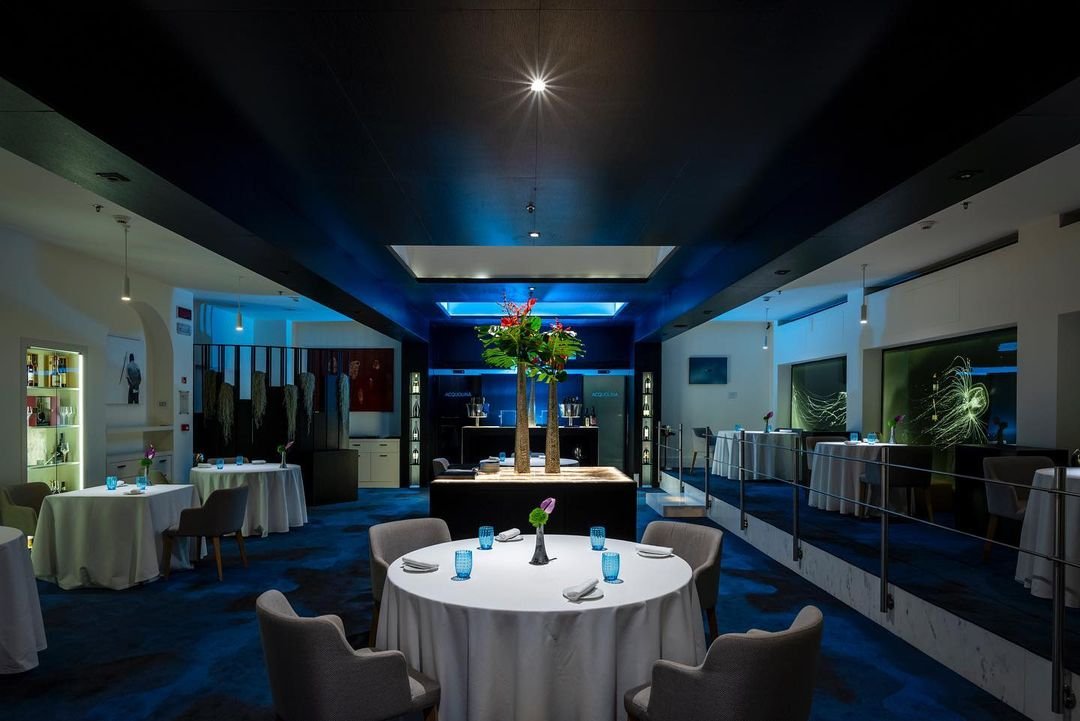
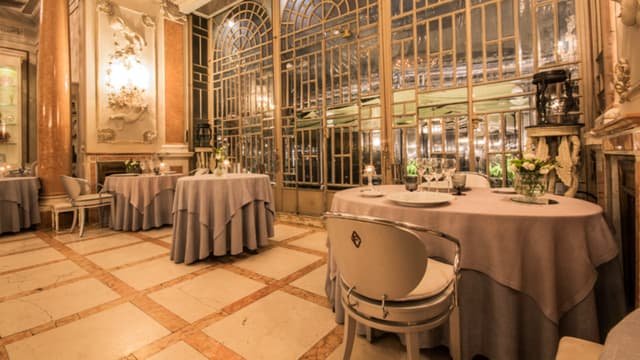
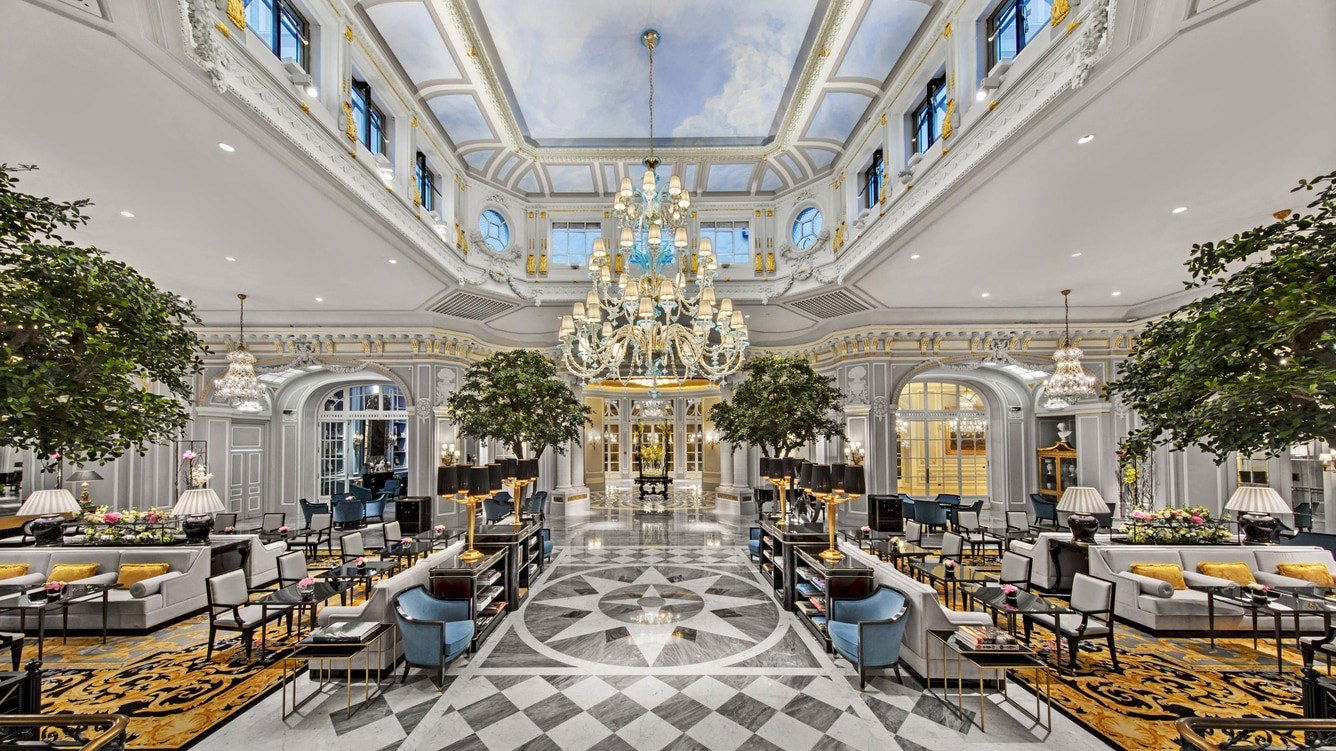
The St. Regis Rome reads as a textbook grand hotel: a late-19th-century foundation opened by César Ritz and inaugurated with a 16-course dinner prepared by Auguste Escoffier. It carries institutional weight built over 130 years, where heritage and contemporary service standards coexist. Public rooms and guest experiences are framed by that history, so the property feels museum-like in its permanence while still operating at the leading edge of luxury hospitality. Its central address just off Piazza della Repubblica and near Via Veneto reinforces a classic Roman gravitas that guests expect from a top-tier historic hotel.
Best For
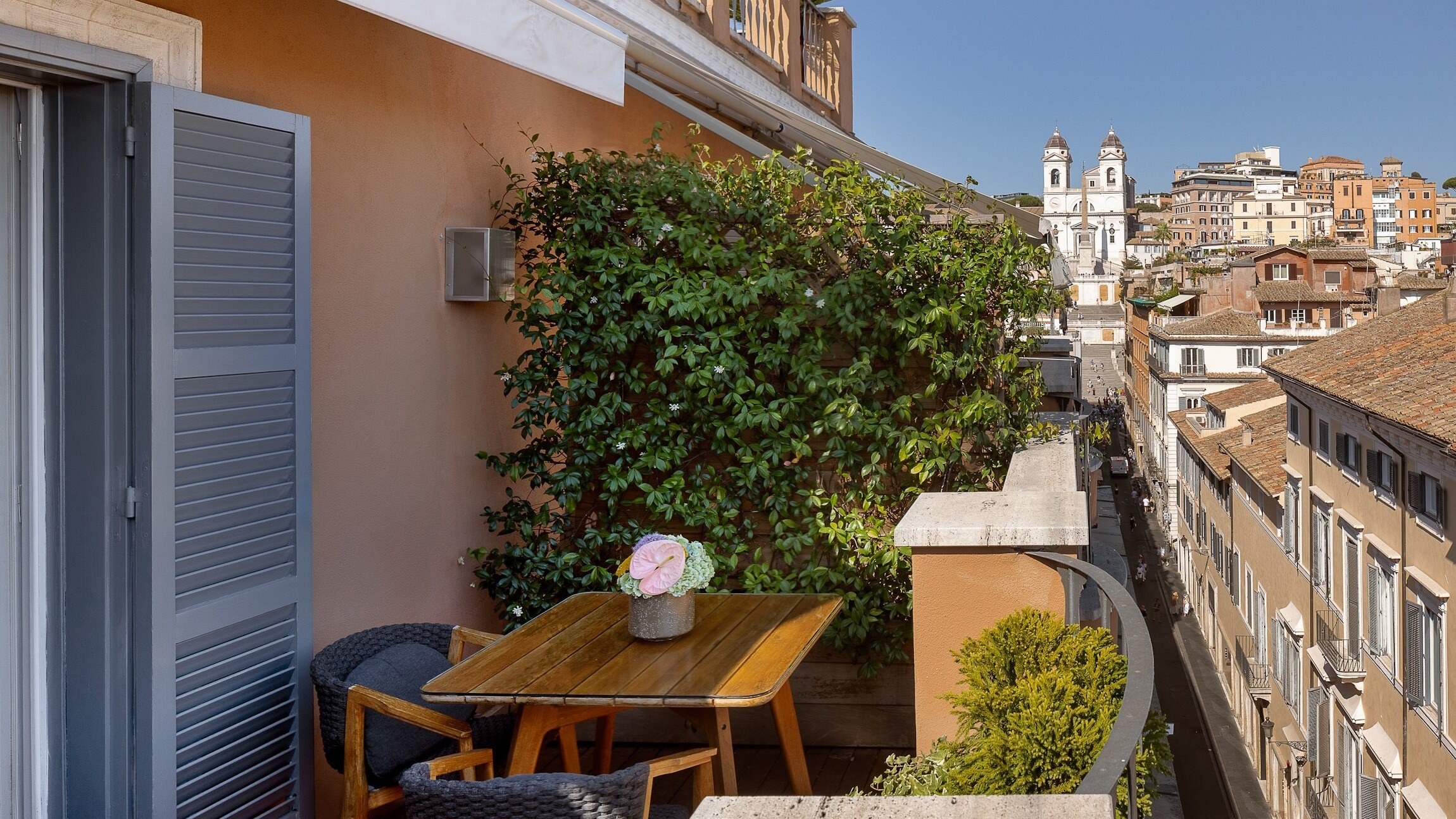
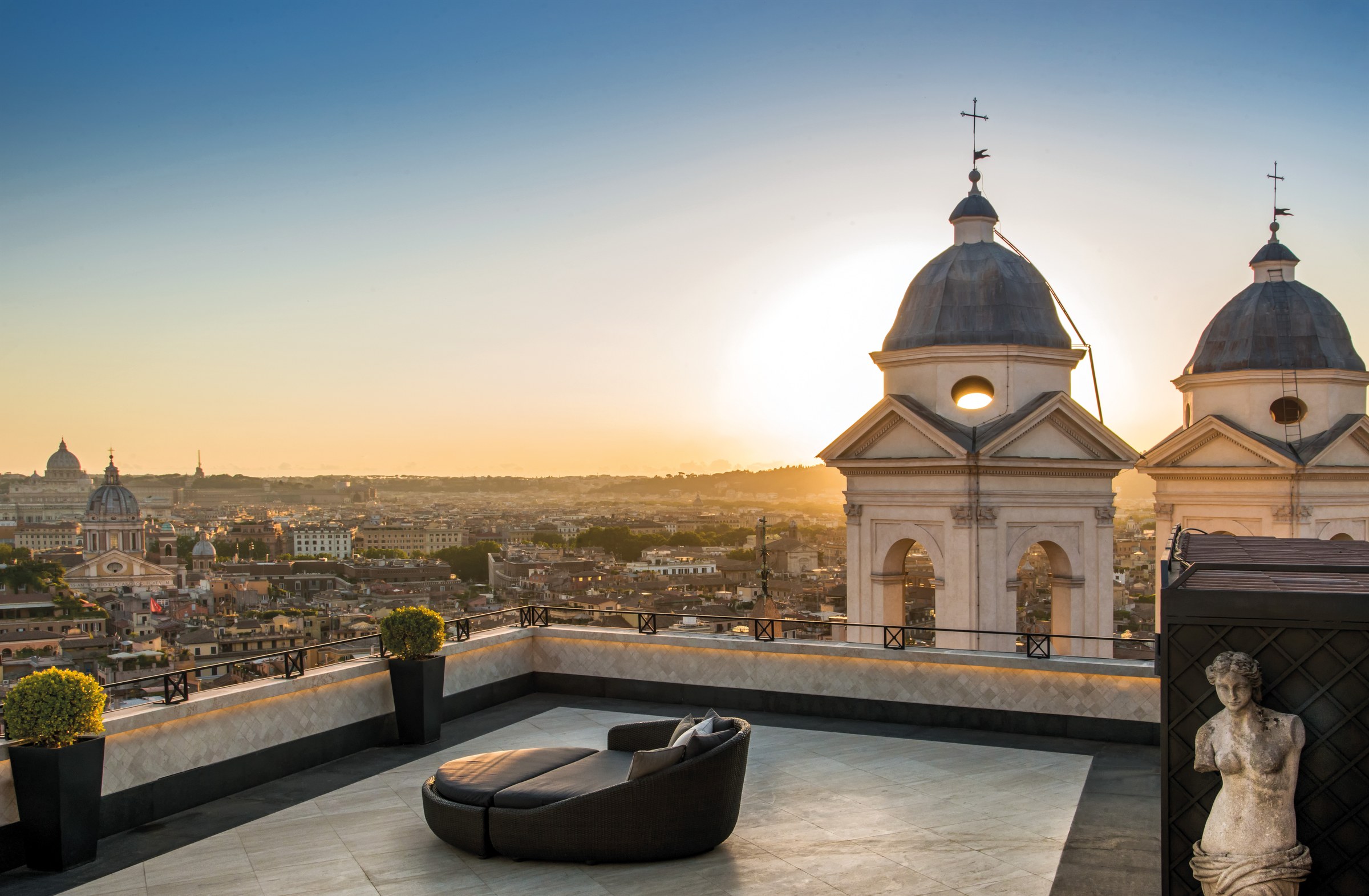
This is a property for milestone stays and centrally located travel. The hotel's history and culinary standing make it a natural pick for romantic anniversaries and honeymooners, and its high ratings signal suitability for special-occasion dinners. It also serves travellers who need a convenient base in the city: Termini Station is close enough for high-speed-train arrivals, and major sights such as the Spanish Steps and the Trevi Fountain are within walking distance—making it practical for business travellers and guests balancing meetings with sightseeing.
Stay Tips
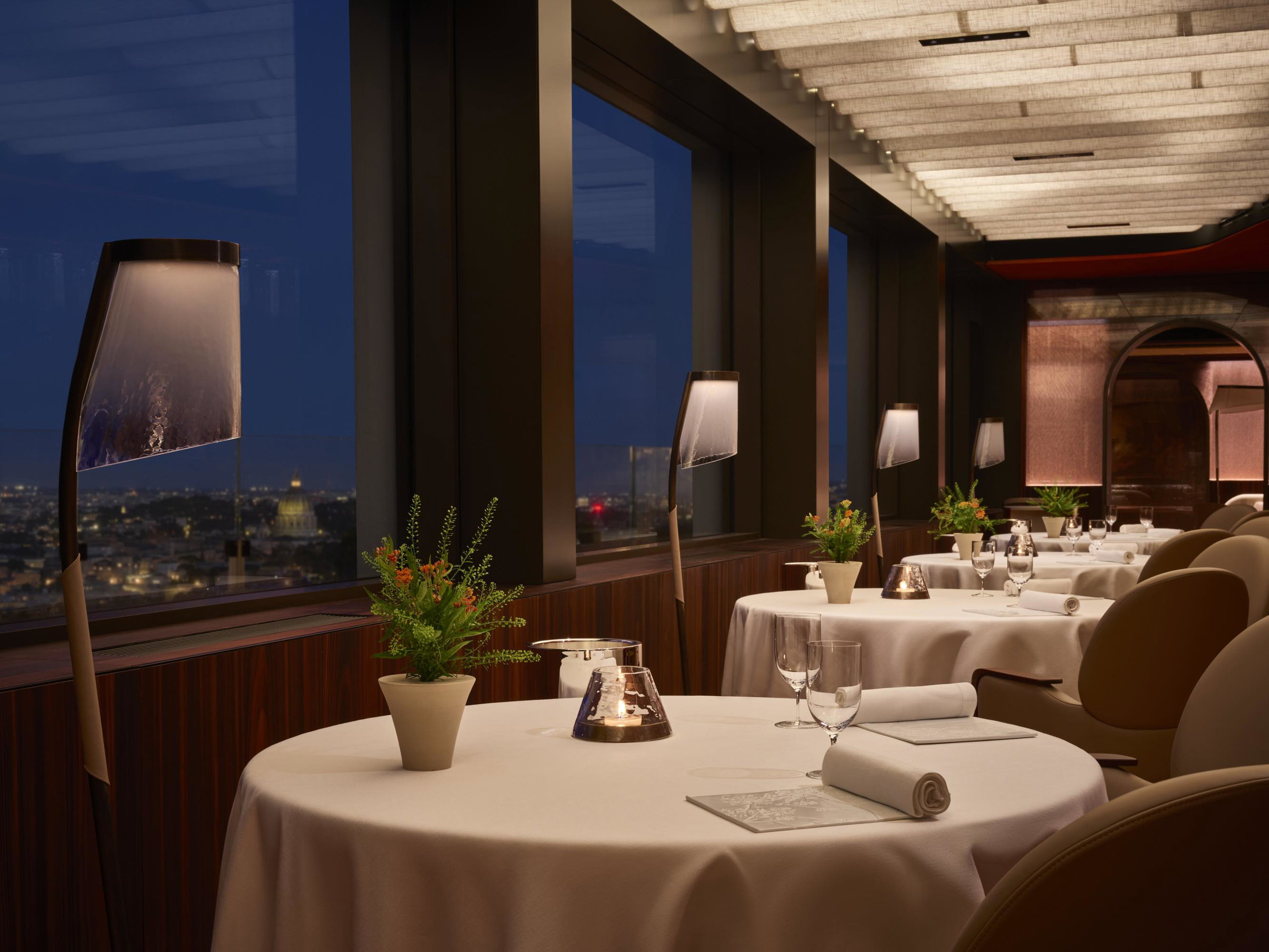
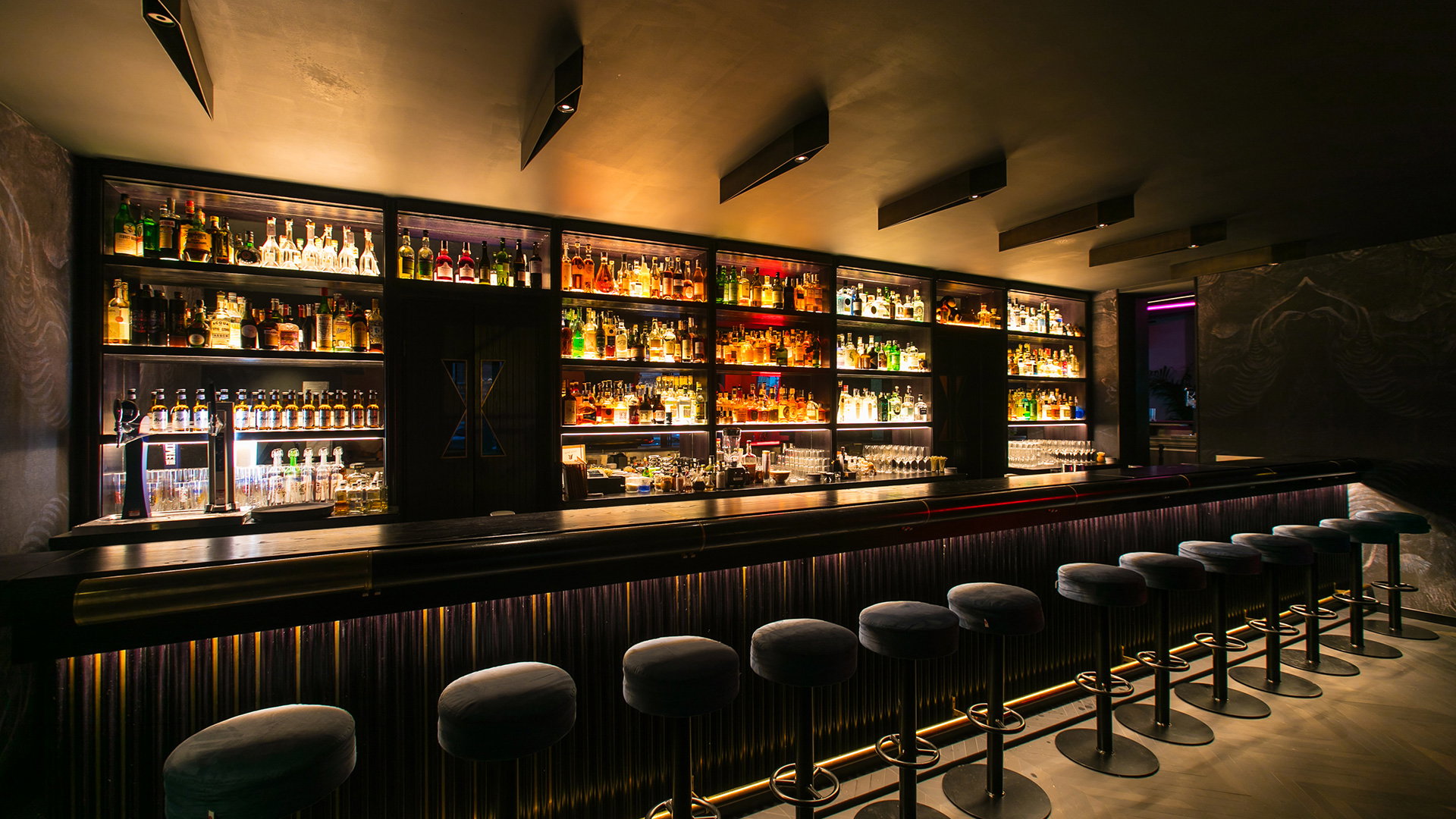
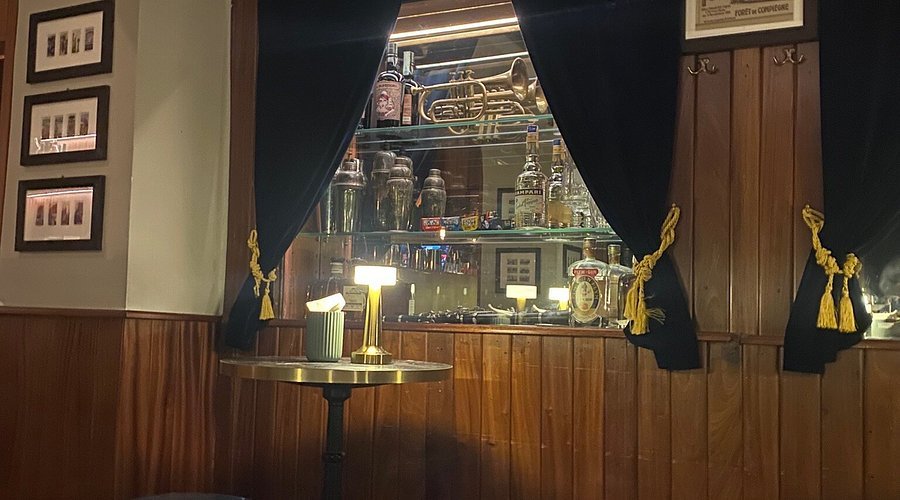
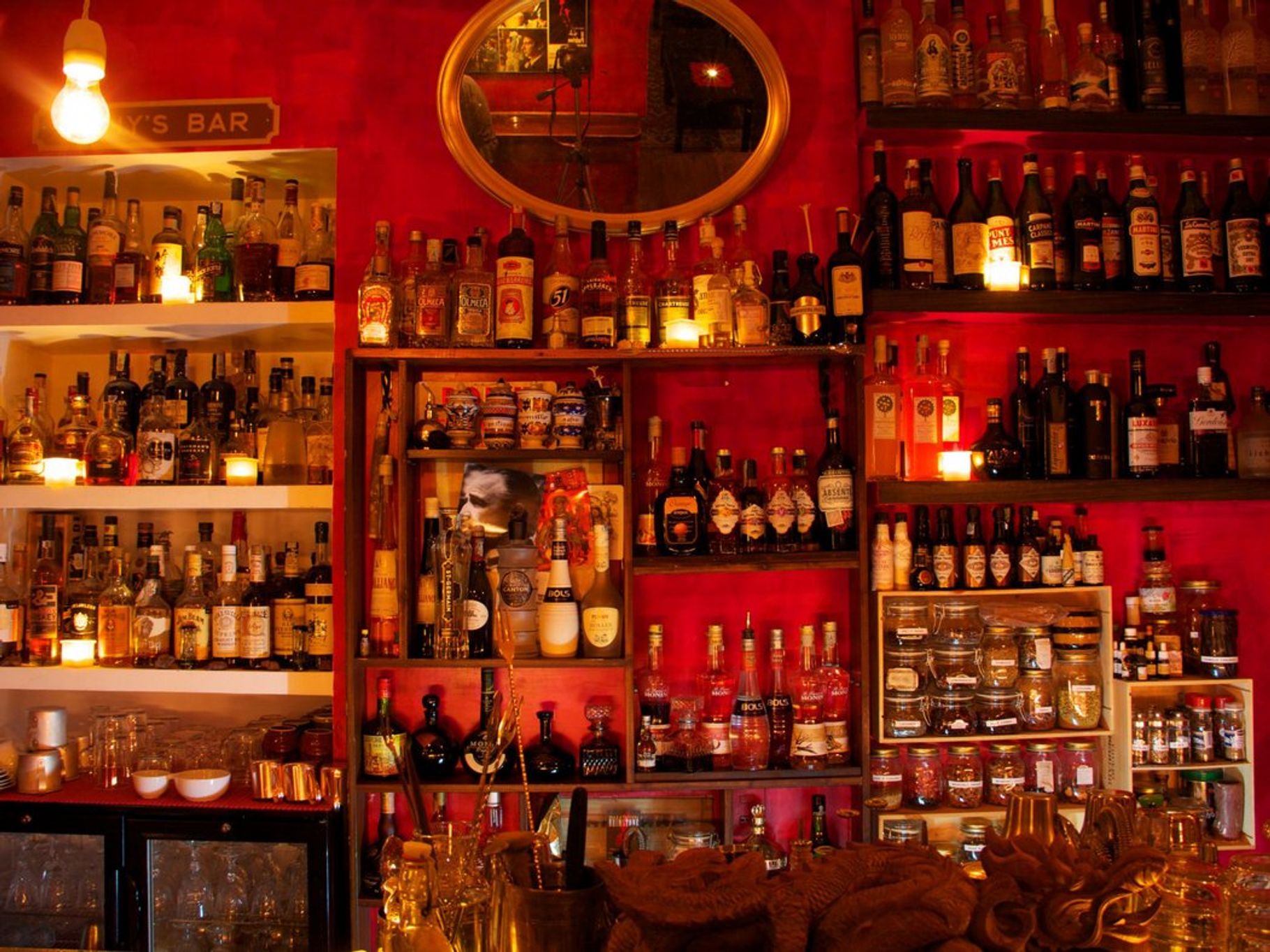
Prioritize dinner reservations when planning a stay: the hotel foregrounds its dining and bar programme and carries Michelin recognition and a high La Liste score, so evening service can be a highlight. Consider booking Lumen—the property's cocktail and cuisine lounge—for cocktails and an elevated dinner experience. Given the hotel's central location and its appeal to both visitors and celebratory guests, secure reservations in advance, particularly during peak travel seasons or around major city events.
Venue details
Ambiance
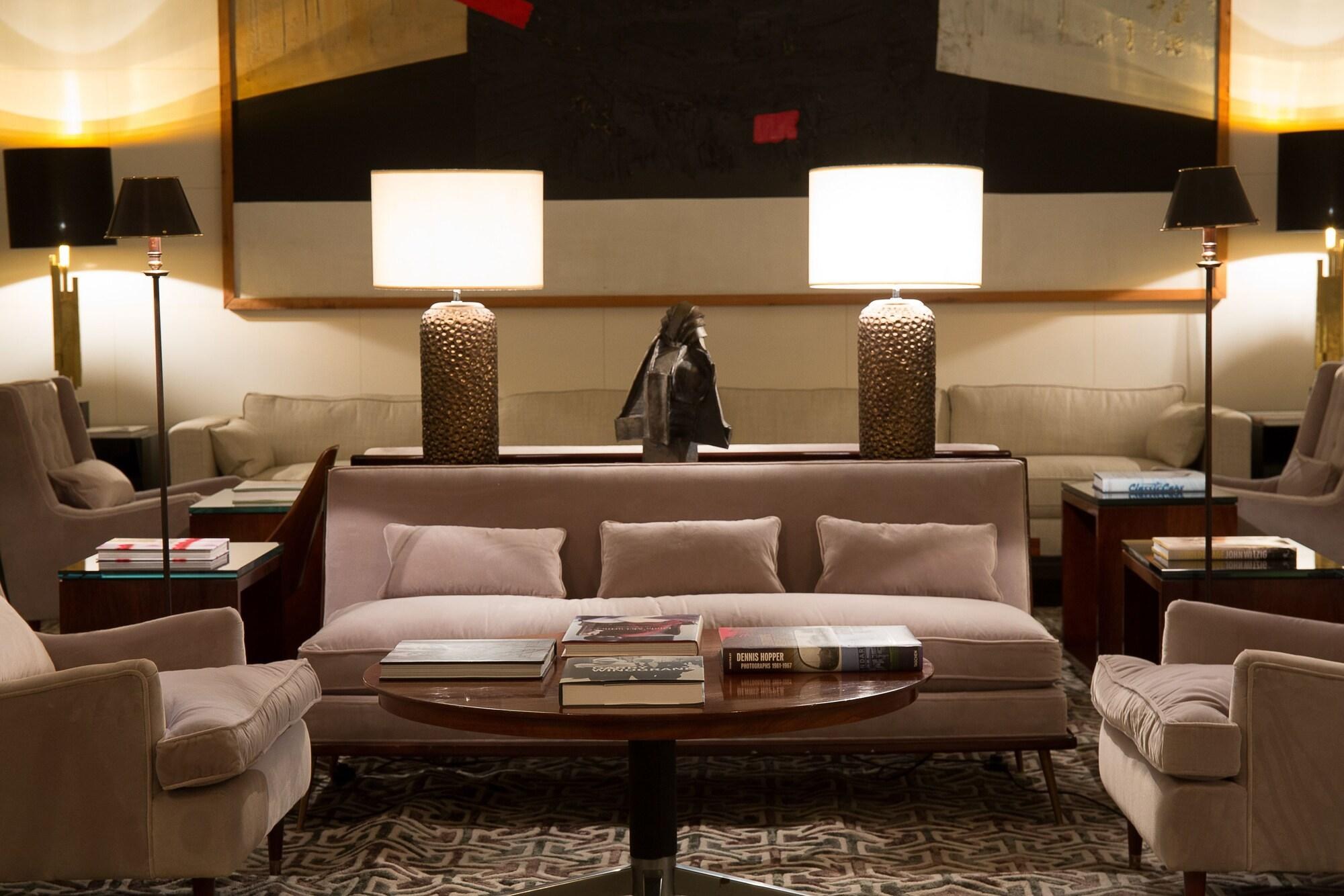
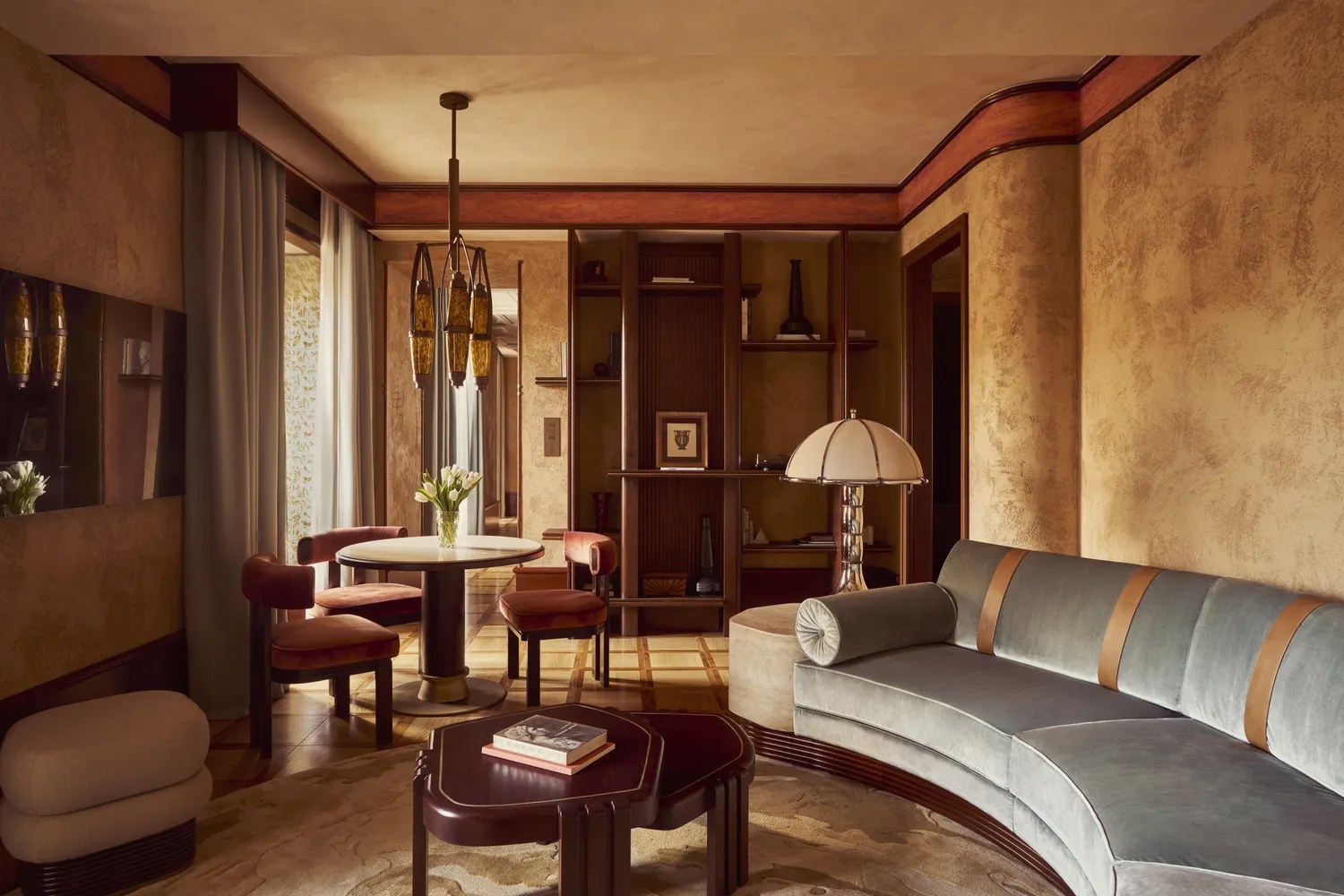
Light-filled rooms with high ceilings, luxurious Rubelli fabrics, elegant lighting from Murano glass chandeliers, and a refined historic atmosphere.
Tags
Vibe
Best For
Experience
Amenities
Accessibility
About the Stay
- Rooms
- 161
- Check-in
- 15:00
- Check-out
- 12:00
- Property Type
- Heritage hotel
- Property Style
- Grand Historic Palace Blending Noble Heritage with Modern Luxury Interiors
- Design Style
- Elegant with Rubelli Fabrics, Handmade Glass, and Collectible Curios
- Airport Transfer
- Available
- Spa
- Yes
- Cancellation
- Moderate
Know before you go
Know Before You Go
- Getting there
- Via Vittorio Emanuele Orlando, 3, 00185 Roma RM
Planning details
Location
Via Vittorio Emanuele Orlando, 3, 00185 Roma RM · Directions
Recognition and awards



Also consider
Also Consider
- Anantara Palazzo Naiadi, Notable alternative
- The Rome EDITION, Notable alternative
- Aleph Rome Hotel, Curio Collection by Hilton, Notable alternative
- InterContinental Rome Ambasciatori Palace, Notable alternative
- Baglioni Hotel Regina, Notable alternative
Hotel context
How it compares with Rome luxury peers
Anantara Palazzo Naiadi is the closest alternative for travelers who want grand-hotel energy in a similarly central Rome orbit. Choose The St. Regis Rome when formal service consistency and Marriott loyalty value matter more; choose Anantara if the priority is a grander square-facing feel and a less brand-program-driven decision.
The Rome EDITION is the better cross-shop for couples or friends who want a sharper contemporary mood. The St. Regis Rome is the stronger family and business-travel call because it reads as steadier and more traditional. Aleph Rome Hotel, Curio Collection by Hilton may suit travelers comparing loyalty ecosystems or looking beyond Marriott without dropping the international-brand safety net.
InterContinental Rome Ambasciatori Palace is a practical alternative for guests who want a known luxury chain but do not need St. Regis formality. Baglioni Hotel Regina is the better fit for travelers leaning into classic Italian hotel character. For families, The St. Regis Rome remains the safer premium pick when booking confidence matters more than chasing a lower rate.
Around this place
Discover more on Pearl
Unlock the full The St. Regis Rome guide in Pearl, including awards, comparisons, FAQs, planning details, and nearby places.
Compare The St. Regis Rome
| Venue | Location | Awards |
|---|---|---|
| The St. Regis Rome | Rome | 2026 Forbes Recommended2026 Virtuoso Luxury Hotel Collection2026 La Liste Top Hotels2026 Michelin 2 KeysMichelin 2 Keys 20252025 Forbes Recommended2025 Michelin 2 Keys2024 Michelin 1 Key |
| Anantara Palazzo Naiadi | Rome | 2026 Virtuoso Luxury Hotel Collection2026 La Liste Top HotelsLeading Hotels of the World 20262026 Michelin 1 Key2025 Michelin Selected Hotels |
| The Rome EDITION | Rome | No published awards |
| Aleph Rome Hotel, Curio Collection by Hilton | Rome | No published awards |
| InterContinental Rome Ambasciatori Palace | Rome | No published awards |
| Baglioni Hotel Regina | Rome | 2026 Forbes Recommended2026 Virtuoso Luxury Hotel CollectionLeading Hotels of the World 20262025 Forbes 4-Star |




How The St. Regis Rome compares with similar nearby venues.
FAQ
Frequently Asked Questions
Is The St. Regis Rome good for business travel?
Its recognition supports considering it as a recognized Rome hotel, with Michelin 2 Keys 2025 and Forbes Recommended 2026 status. Specific business-travel services or facilities should be confirmed directly before booking.
How is the location of The St. Regis Rome?
The St. Regis Rome is in Rome. Use the city-level location when comparing it with other Rome hotels, and check the exact address or neighborhood against your itinerary before booking.
Which room category is best at The St. Regis Rome?
The best room category depends on the stay. If space, bedding, views, accessibility, or connecting-room needs matter, confirm the exact room configuration before booking.
How is the dining at The St. Regis Rome?
Consider The St. Regis Rome primarily for its hotel recognition, including Michelin 2 Keys and La Liste Top Hotels 2026 at 92.5 points, rather than a food-led claim. If dining is important, review current restaurant and bar details before booking.
Do loyalty programs work at The St. Regis Rome?
The hotel has Virtuoso Luxury Hotel Partner status for 2026. Any specific loyalty benefits, upgrades, credits, or status treatment should be confirmed through the booking channel before reserving.