
Mario de Fiori 37 Boutique Hotel
Campo Marzio, Rome
Hotel in Rome, Italy
 Book with Pearl
The Read
Price
$100–200per night
Why go
A smart pick for travelers who want central Rome without a large-hotel feel. Mario de Fiori 37 Boutique Hotel works well for independent business trips, couples, and celebration stays near the Spanish Steps; choose a larger hotel if loyalty benefits, on-site dining, or extensive services matter more. Michelin Guide Hotels Selected (2025) gives it a credible quality signal.
About Mario de Fiori 37 Boutique Hotel
Mario de Fiori 37 Boutique Hotel is a Rome hotel recognized in the 2025 MICHELIN Guide Hotels Selected list. With a smart casual dress code, it is best considered by travelers who want a boutique base in Rome and are comfortable checking the latest practical details with the hotel before booking.
A Rome boutique hotel for travelers who value a quality signal
The strongest point for Mario de Fiori 37 Boutique Hotel is its inclusion in the 2025 MICHELIN Guide Hotels Selected list. That recognition makes it a credible option to consider for a Rome stay, while still leaving important booking questions to discuss directly with the property.
The fit is likely best assessed by trip style. If the priority is a boutique hotel in Rome with an external quality signal, it belongs on the shortlist.
Book for a recognized Rome hotel option, not for assumed extras
2025 MICHELIN Guide Hotels Selected recognition is the clearest quality marker. It should be read as a hotel recognition, not as proof of any particular restaurant, bar, room category, service model, or amenity package.
The dress code is smart casual.
Verdict: consider Mario de Fiori 37 Boutique Hotel if you want a Rome boutique hotel with MICHELIN Guide hotel recognition. Look elsewhere or check carefully with the hotel if the stay depends on specific services or facilities.
Planning details
- Location
- Via Mario de' Fiori, 37/b, 00187 Roma RM, Italy
- Website
- mariodefiori37.top
- Phone
- +39 06 6992 1907
The take
The Take
The Vibe
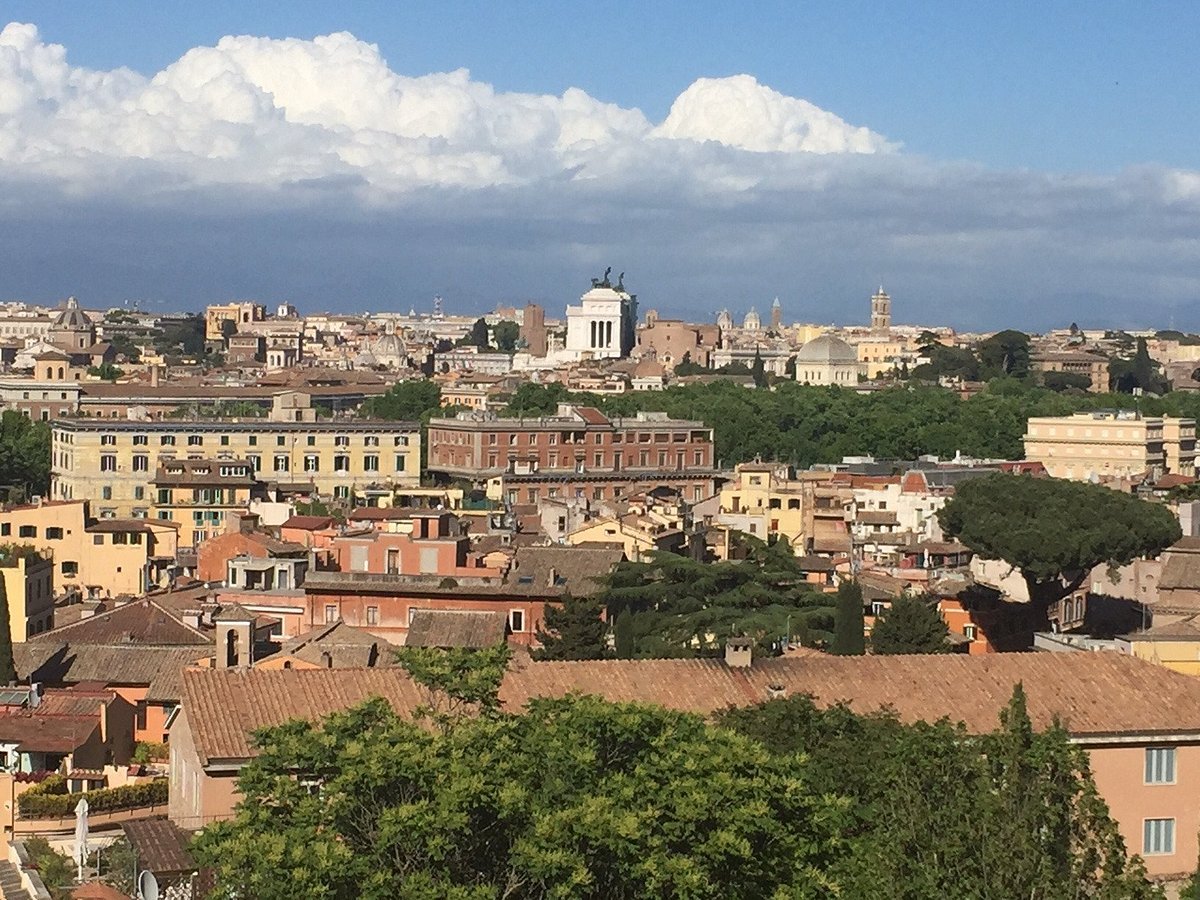
Mario de Fiori 37 reads like a small, quiet address in the very heart of Rome. The hotel is on a narrow, low‑traffic street in a historic building, so it feels integrated with its neighbourhood. Interiors and service are intentionally scaled, with a focus on consistency and design. Michelin Selected status is used to signal quality without the pomp of a full‑service institution, so guests encounter a composed, discreet stay that privileges proximity to the Spanish Steps and a calm, domestic urbanity.
Best For
This hotel is best for travelers who value location and quiet over grand amenities. Its extreme centrality, close enough to walk to the Spanish Steps before breakfast, makes it ideal for sightseers who want to be in the action without the bustle. The property is a boutique alternative to larger flagship hotels, so it suits visitors seeking a thoughtfully designed, reliable base rather than multiple on‑site restaurants, spas or conference facilities. In short, it caters to those who prioritize neighbourhood immersion and a calm, well‑appointed urban stay.
Venue details
Ambiance
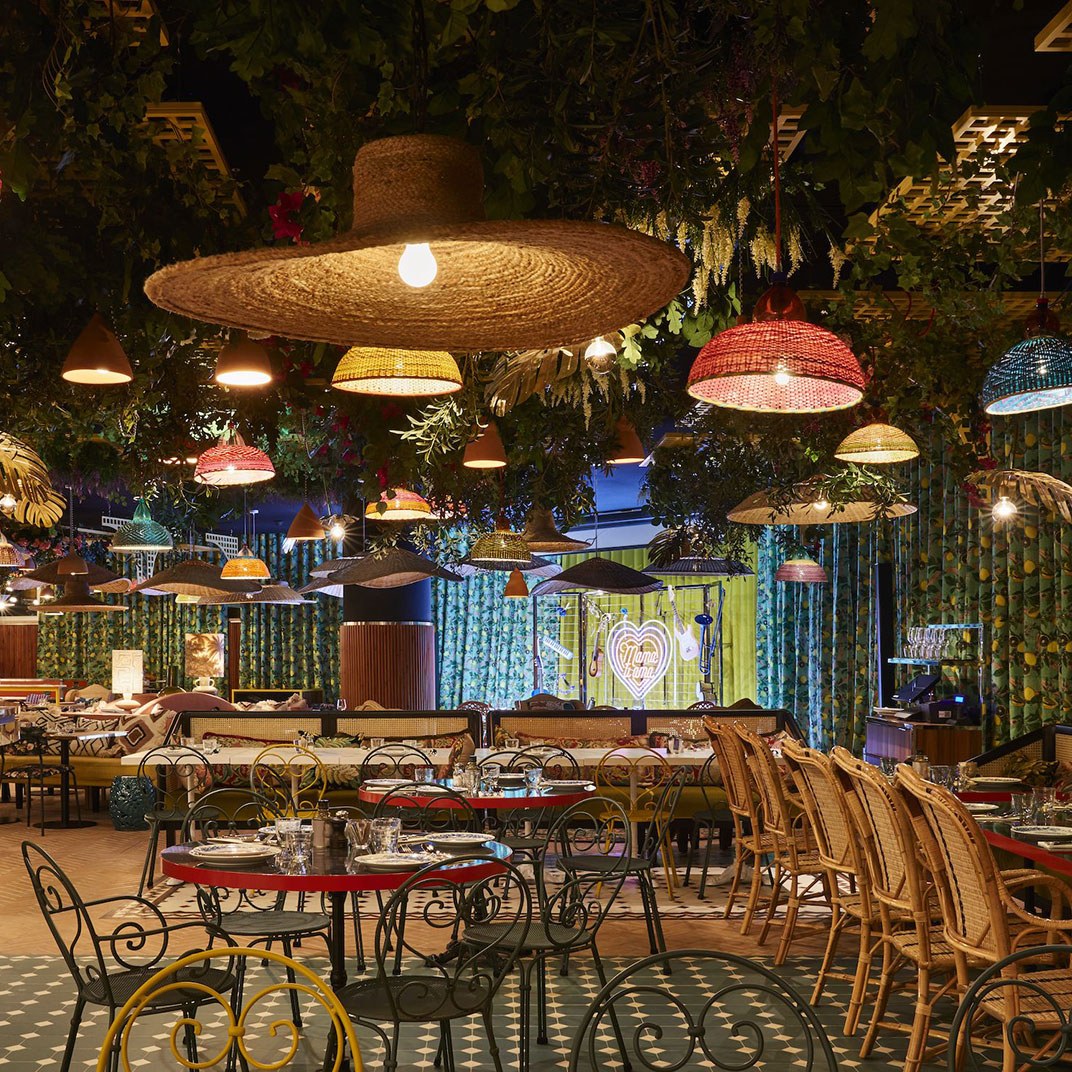
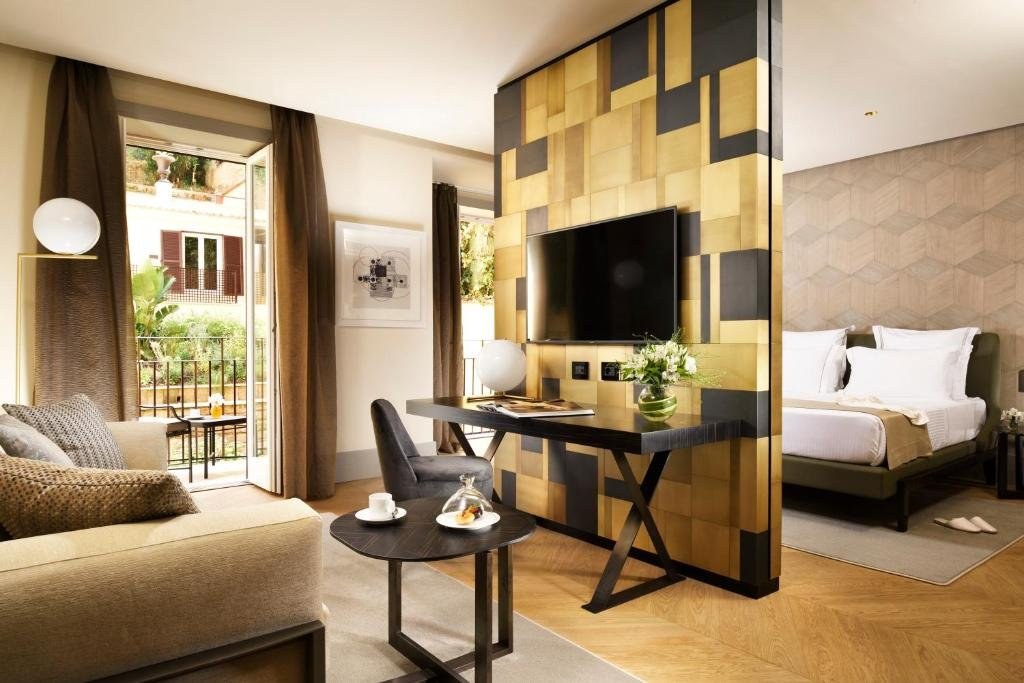
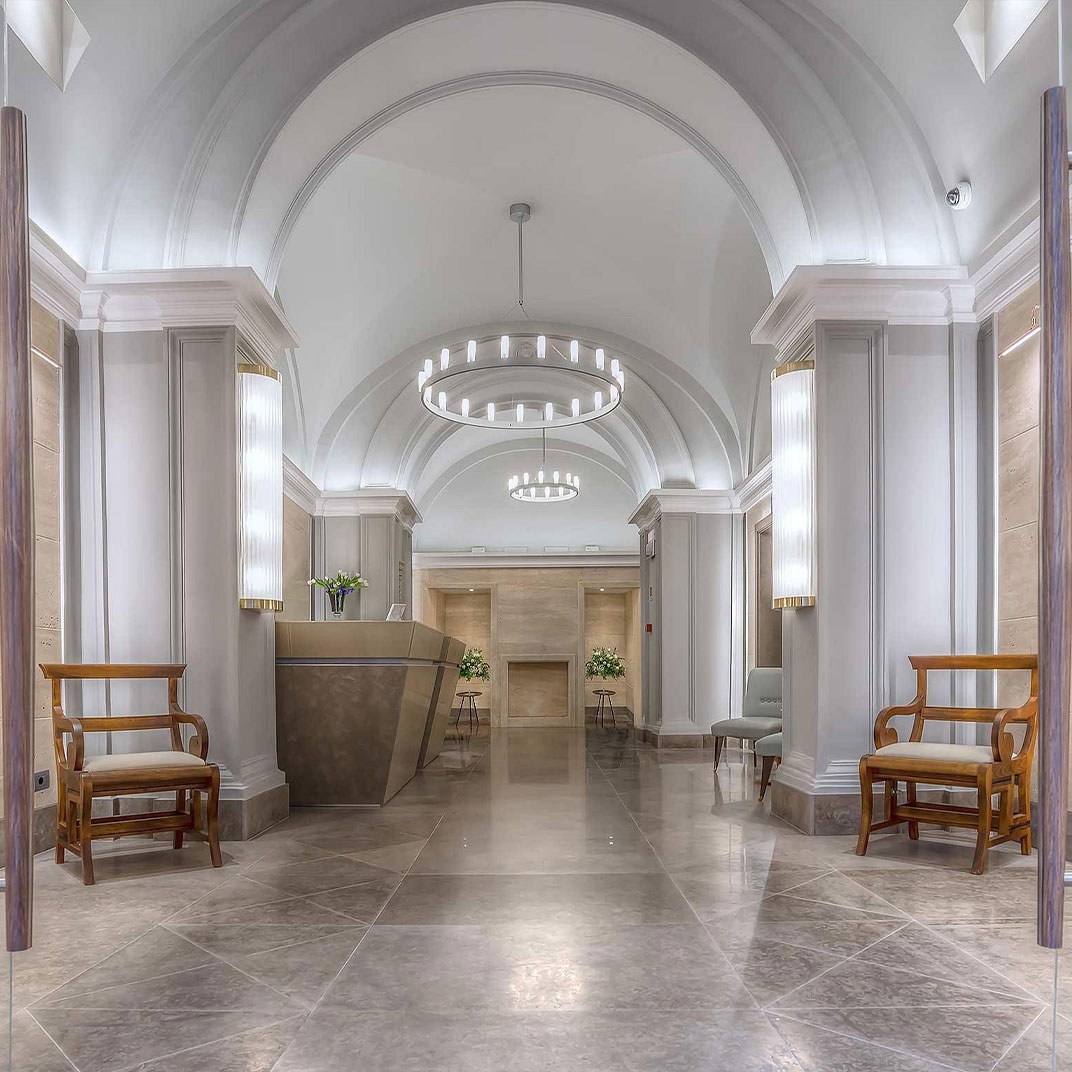
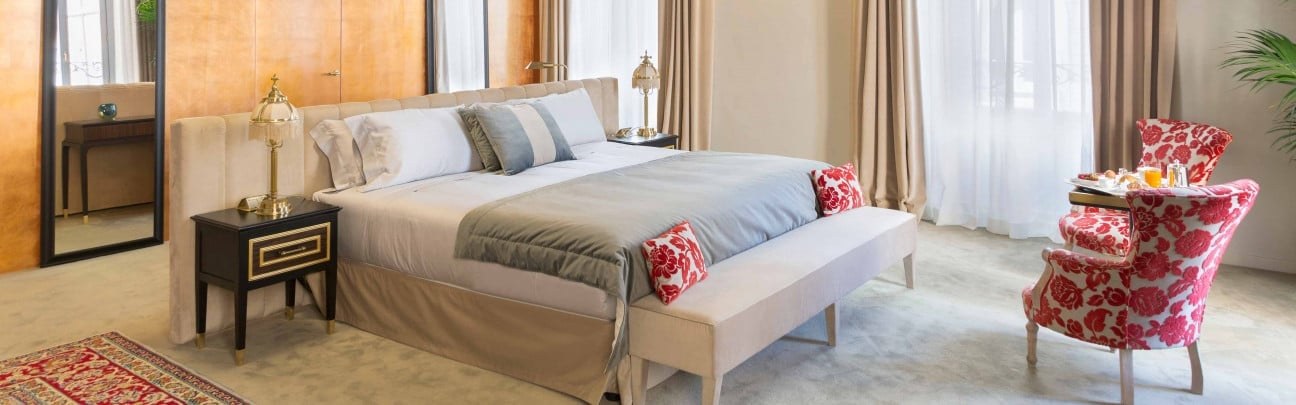
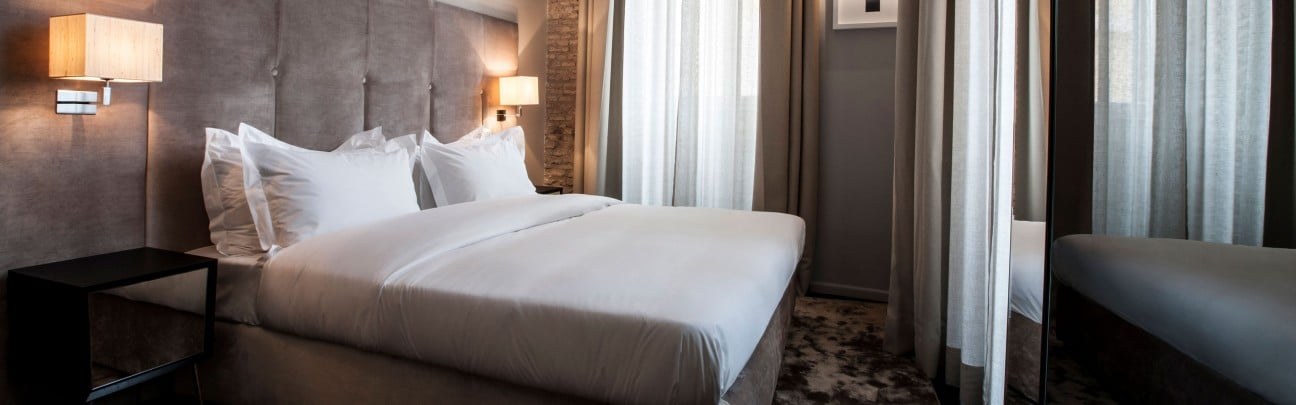
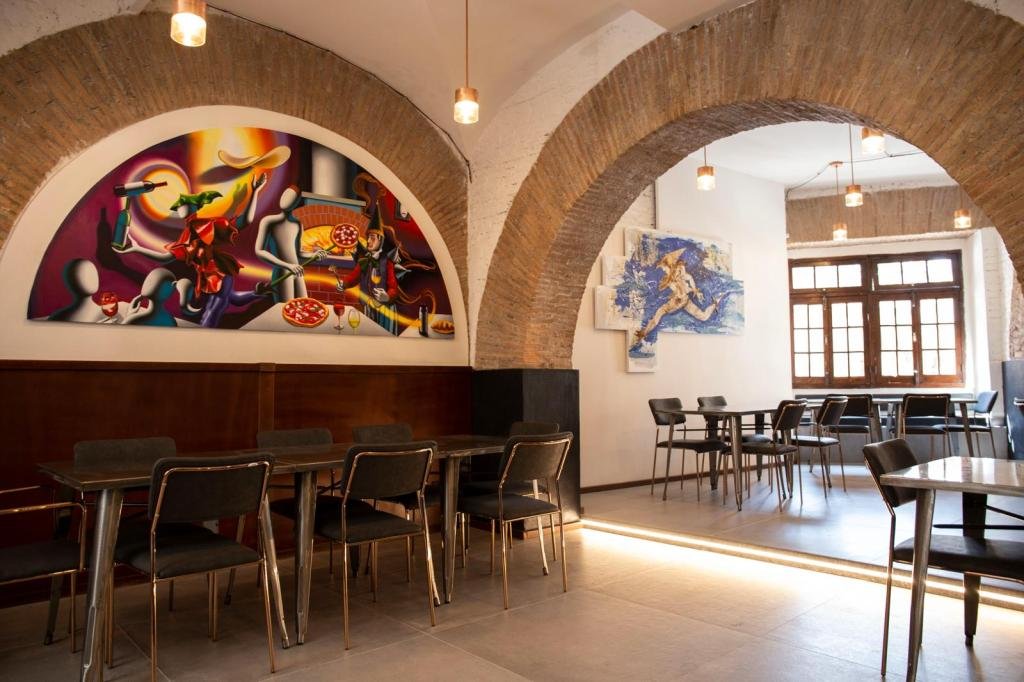
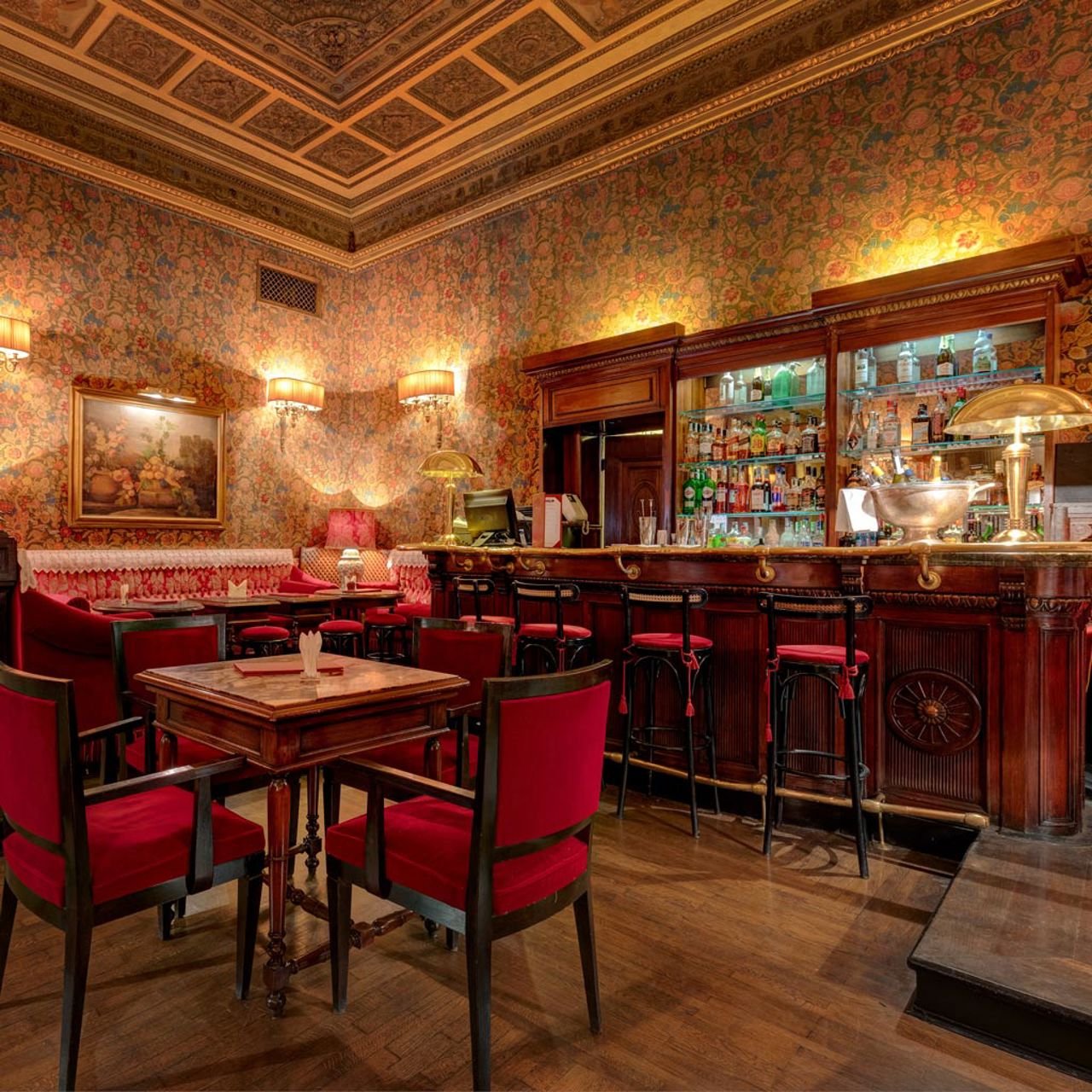
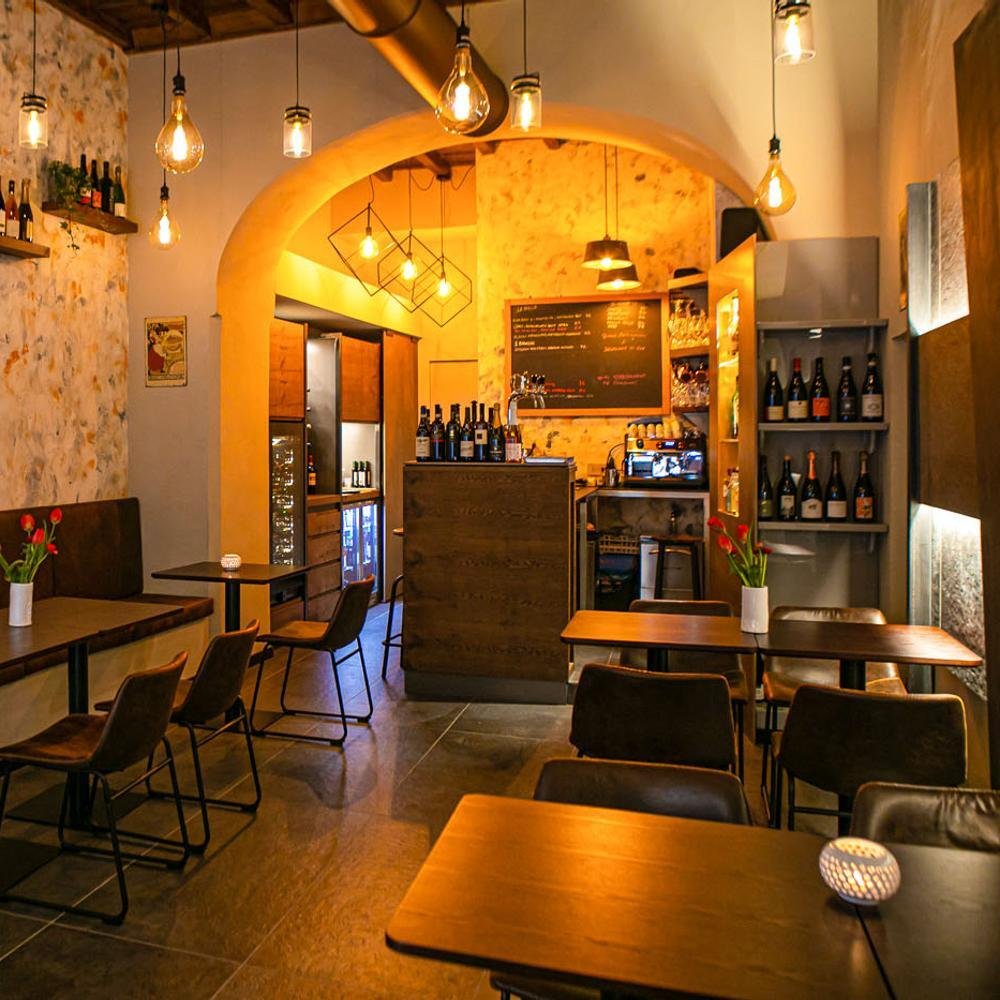
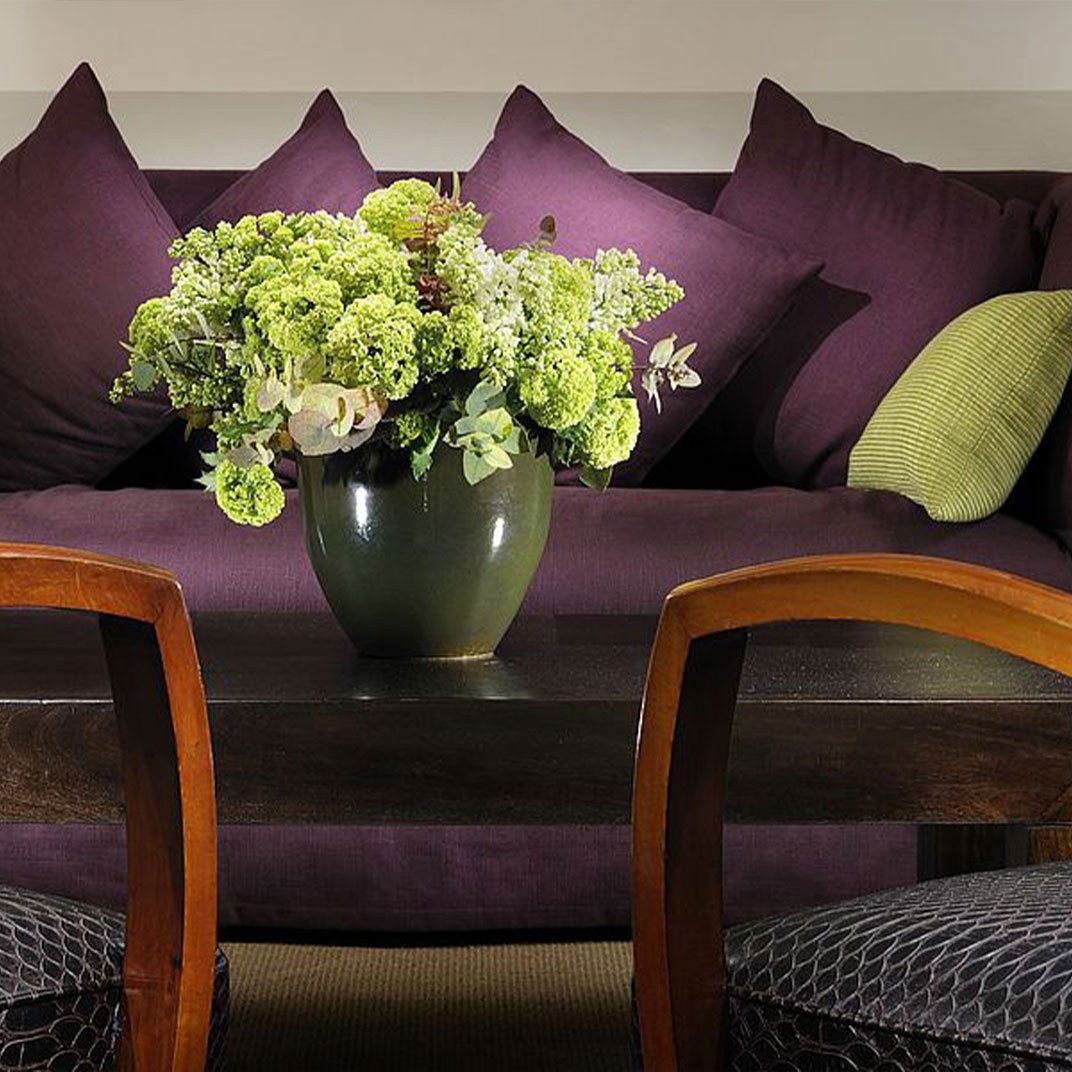
Cozy and discreet atmosphere in a charming historic setting with modern minimalist design, exposed wooden beams, and tasteful lighting.
Tags
Vibe
Best For
Experience
Amenities
View
Accessibility
About the Stay
- Rooms
- 9
- Check-in
- 14:00
- Check-out
- 12:00
- Property Type
- Boutique hotel
- Property Style
- Intimate Luxury Boutique in a Restored 17th Century Townhouse.
- Design Style
- Contemporary Minimalist with Historic Exposed Beams and Marble Bathrooms.
- Airport Transfer
- Available
- Families
- Welcome
Know before you go
Know Before You Go
- Getting there
- Via Mario de' Fiori, 37/b, 00187 Roma RM, Italy
Planning details
Location
Recognition and awards
Also consider
Also Consider
- Rocco Forte House, Piazza di Spagna Roma, Notable alternative
- Crossing Condotti, Notable alternative
- The Inn At The Spanish Steps, Notable alternative
- Portrait Roma, Notable alternative
- Casa Fabbrini Boutique B & B, Notable alternative
Hotel context
How it compares with small hotels near the Spanish Steps
Choose Mario de Fiori 37 Boutique Hotel if the priority is a central boutique base with easy logistics and a quieter scale. Rocco Forte House, Piazza di Spagna Roma is the stronger splurge choice for travelers who want a more residential luxury setup and deeper service expectations, while Portrait Roma is the better fit when the stay needs a more polished luxury-hotel feel.
For value-minded travelers, Crossing Condotti and Casa Fabbrini Boutique B & B are the sensible cross-shops: both suit guests who care more about location and atmosphere than a full-service hotel program. The Inn At The Spanish Steps is the direct alternative if being on the Spanish Steps axis is the deciding factor.
Booking difficulty is marked easy here, which makes this a useful fallback when the more luxury-leaning peers are tight. For a work trip, that ease matters: if the decision is between chasing a harder reservation and securing a central room with less friction, this is the practical choice.
Around this place
Discover more on Pearl
Unlock the full Mario de Fiori 37 Boutique Hotel guide in Pearl, including awards, comparisons, FAQs, planning details, and nearby places.
Compare Mario de Fiori 37 Boutique Hotel
| Venue | Location | Awards |
|---|---|---|
| Mario de Fiori 37 Boutique Hotel | Rome | 2025 Michelin Selected Hotels |
| Rocco Forte House, Piazza di Spagna Roma | Rome | No published awards |
| Crossing Condotti | Rome | No published awards |
| The Inn At The Spanish Steps | Rome | No published awards |
| Portrait Roma | Rome | 2026 Virtuoso Luxury Hotel Collection2026 Forbes 4-Star2026 Mr & Mrs Smith Luxury HotelsLeading Hotels of the World 20262026 La Liste Top Hotels2026 Michelin 1 Key2025 Michelin 1 Key2024 Michelin 1 Key |
| Casa Fabbrini Boutique B & B | Rome | No published awards |






How Mario de Fiori 37 Boutique Hotel Rome compares with similar nearby venues.
FAQ
Frequently Asked Questions
How is the location of Mario de Fiori 37 Boutique Hotel?
Mario de Fiori 37 Boutique Hotel is in Rome.