
Hotel San Anselmo
Ripa, Rome
Hotel in Rome, Italy
 Book with Pearl
The Read
Price
$100–200per night
Why go
Hotel San Anselmo is a better pick for travelers who want a quieter Rome base than a dining-led hotel stay. The Aventine location suits couples and solo travelers prioritizing atmosphere and rest, while the MICHELIN Guide hotel selection adds a useful quality signal. Choose it for calm; compare elsewhere if restaurant depth, loyalty points, or business infrastructure matter more.
About Hotel San Anselmo
Hotel San Anselmo is a hotel in Rome listed in the MICHELIN Guide hotel selection for 2025. When booking, evaluate it through current official booking information rather than relying on assumptions about facilities, dining, neighborhood character, or service style.
For guests comparing stays, the main grounded points are simple: the venue is in Rome, the dress code is smart casual, and the MICHELIN Guide has selected it in its hotel listings. Use those facts as a starting point, then confirm room categories, amenities, policies, and rates directly before booking.
A Rome hotel to assess through current booking details
For the assigned dining question, the practical answer is conservative: do not choose this hotel because of a specific restaurant claim. Before making dining a reason to book, check the hotel's current cuisine, menu format, hours, and pricing directly.
That does not make the hotel weak; it simply means the decision should rest on hotel information rather than dining assumptions.
Who should choose it among Rome hotels
Choose Hotel San Anselmo if its core profile fits your trip: a Rome hotel with smart casual dress code guidance and MICHELIN Guide hotel-selection recognition. Skip making assumptions about broader facilities, loyalty benefits, dining depth, or exact location advantages unless those details are clear at the time of booking.
Recognition from the MICHELIN Guide's hotel selection gives it a credible quality signal, but the decision should stay practical. Compare the current rates, policies, and room details with other Rome options, then book if Hotel San Anselmo is the best match for your itinerary and budget.
Planning details
- Location
- Piazza di Sant'Anselmo, 2, 00153 Roma RM, Italy
- Website
- aventinohotels.com
- Phone
- +39 06 570057
The take
The Take
The Vibe
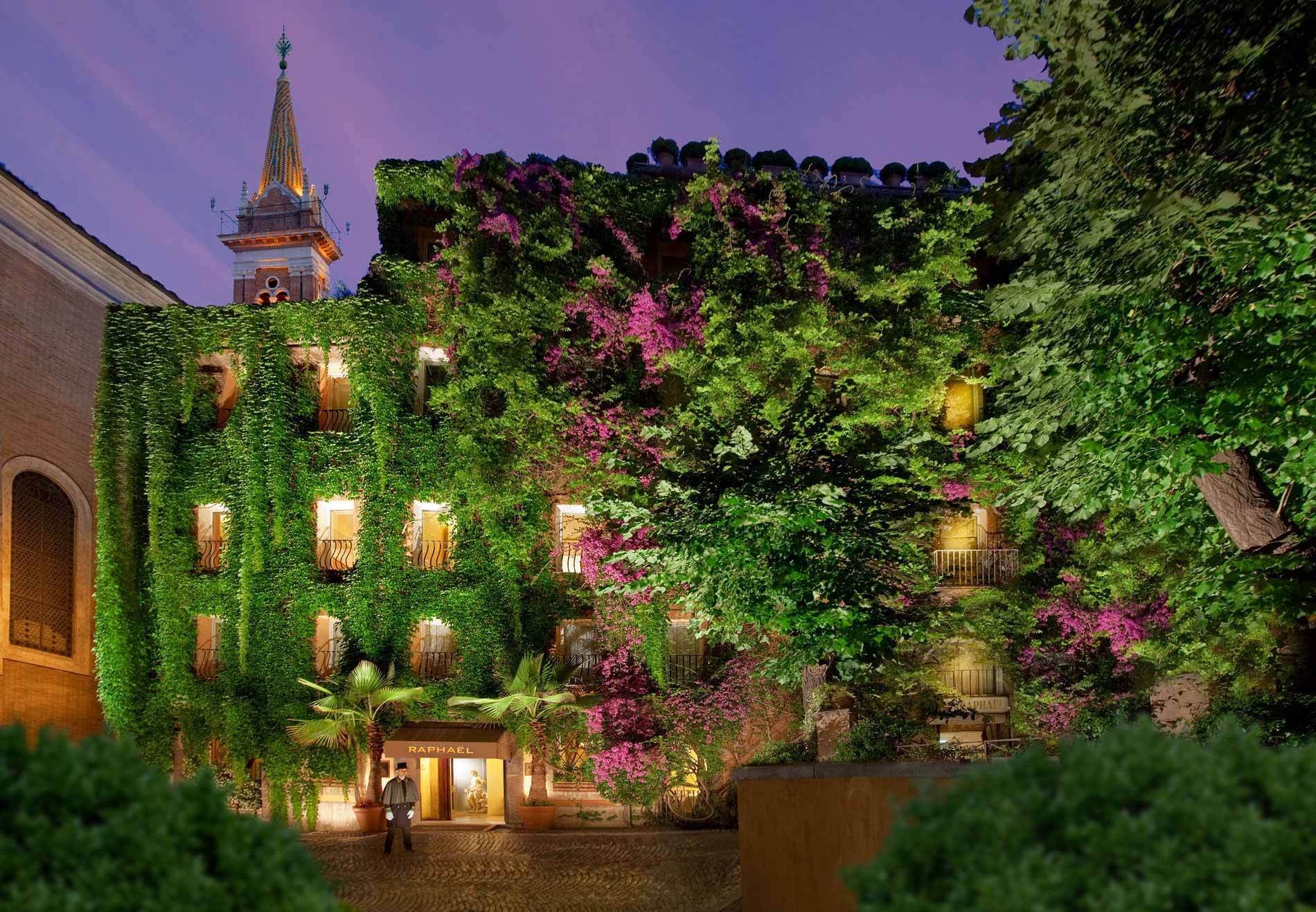
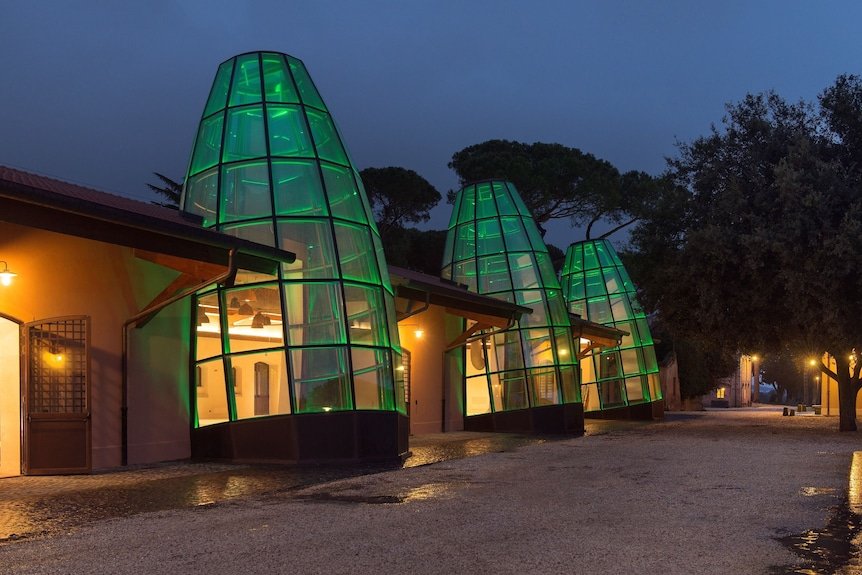
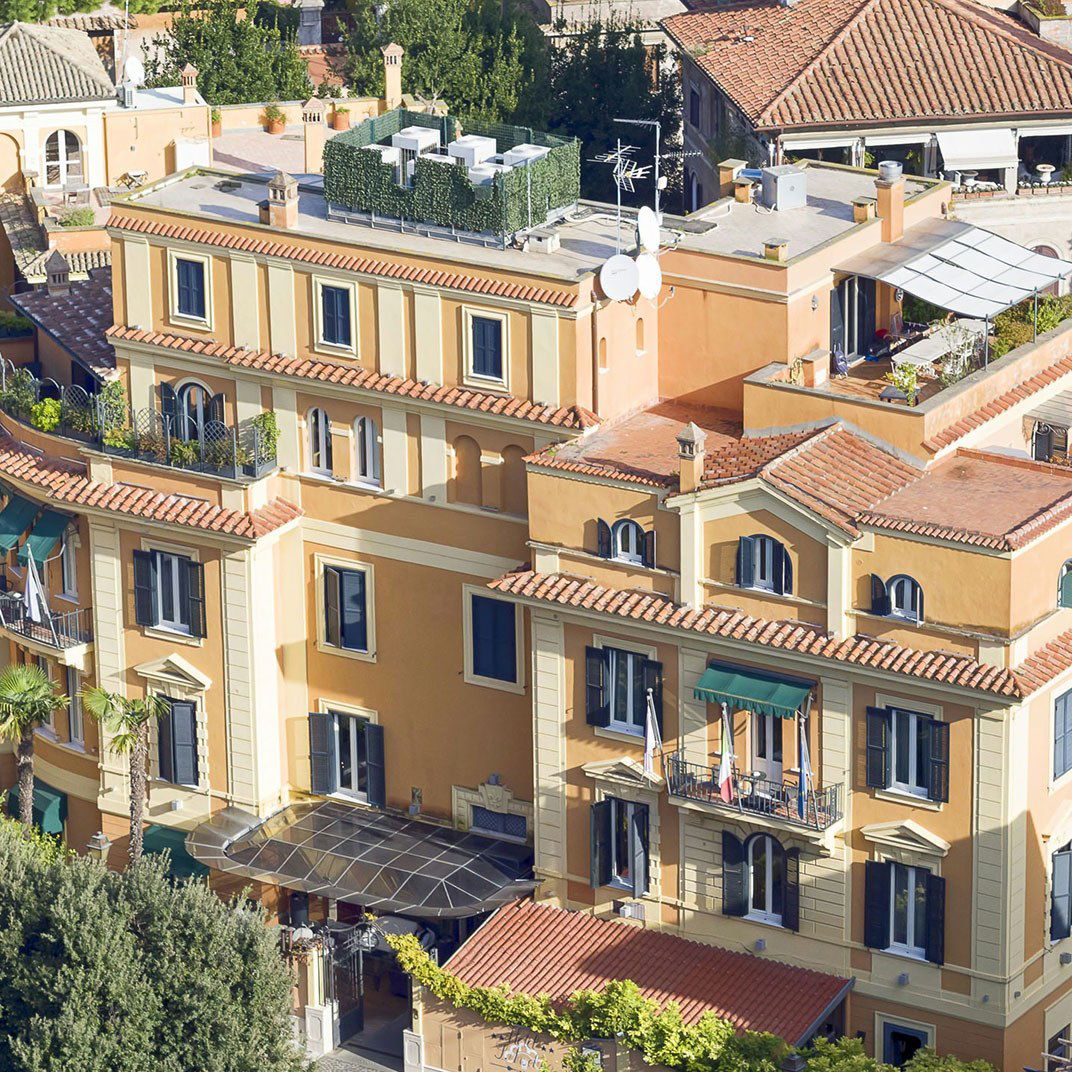
Hotel San Anselmo occupies a late‑nineteenth‑century villa on Piazza San Anselmo and emphasizes architectural authenticity over contemporary overhaul. The restoration keeps the building’s original proportions and ornamental detail, making the structure itself the primary design statement. Set on the residential, Benedictine‑tinged Aventine Hill, the hotel feels deliberately quiet and restrained rather than theatrical: an elegant, historically grounded retreat that privileges calm, measured luxury. Inclusion on the Michelin Selected Hotels 2025 list underlines the property’s refined execution and positions it as a sophisticated, architecture‑forward option for travelers who value provenance and understated style.
Best For
This hotel is best for travelers seeking a peaceful, contemplative Roman stay anchored in history and neighborhood character. Couples and small parties looking for a quiet weekend escape or an intimate anniversary retreat will appreciate the villa setting, the piazza opposite the basilica and the close proximity to the Aventine’s orange garden and its famous keyhole view of St Peter’s dome. It suits guests who prioritize architectural authenticity and a serene location over central nightlife bustle; it is a deliberate alternative to the more frenetic tourist corridors of Rome.
Venue details
Ambiance
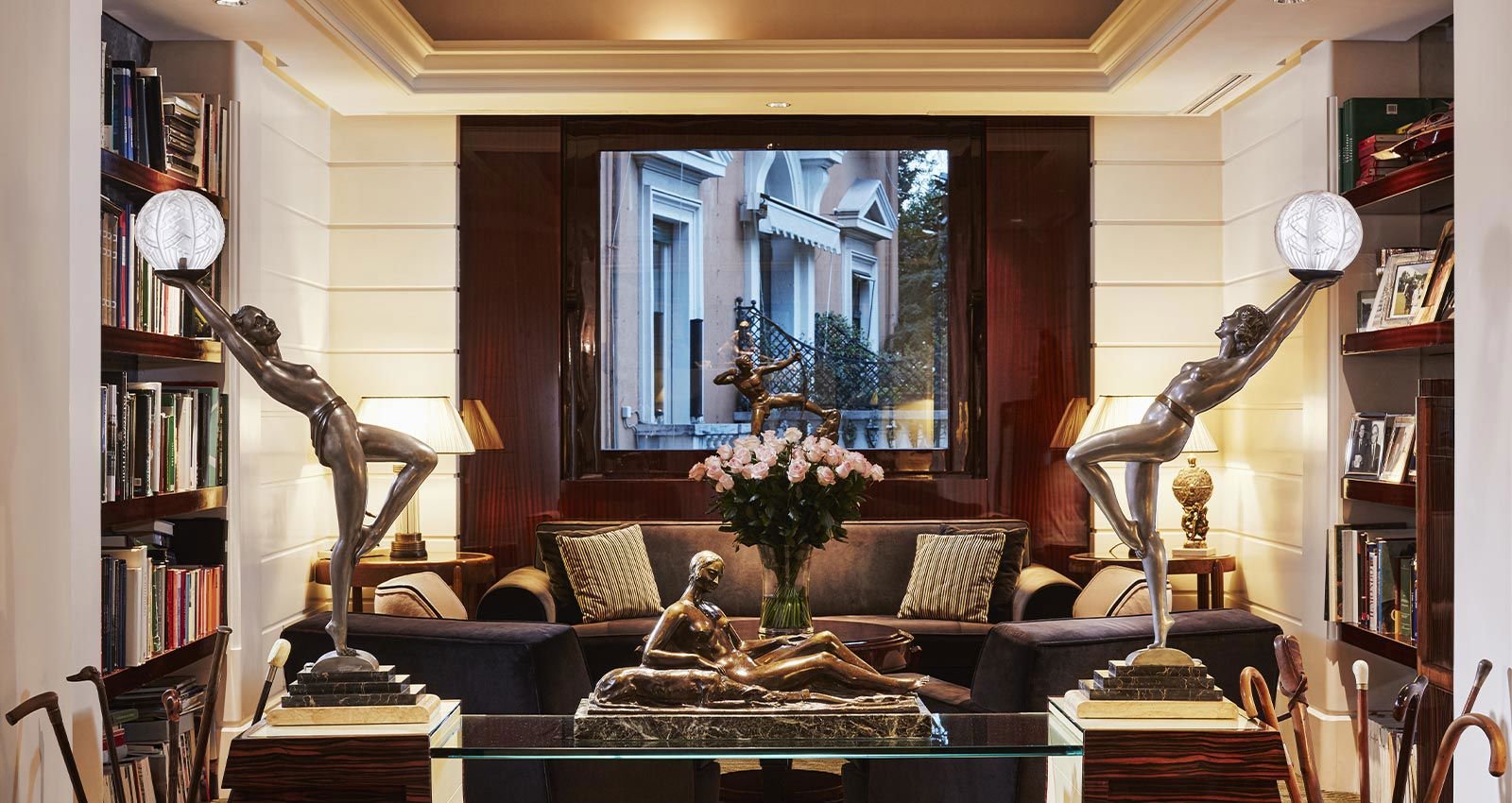
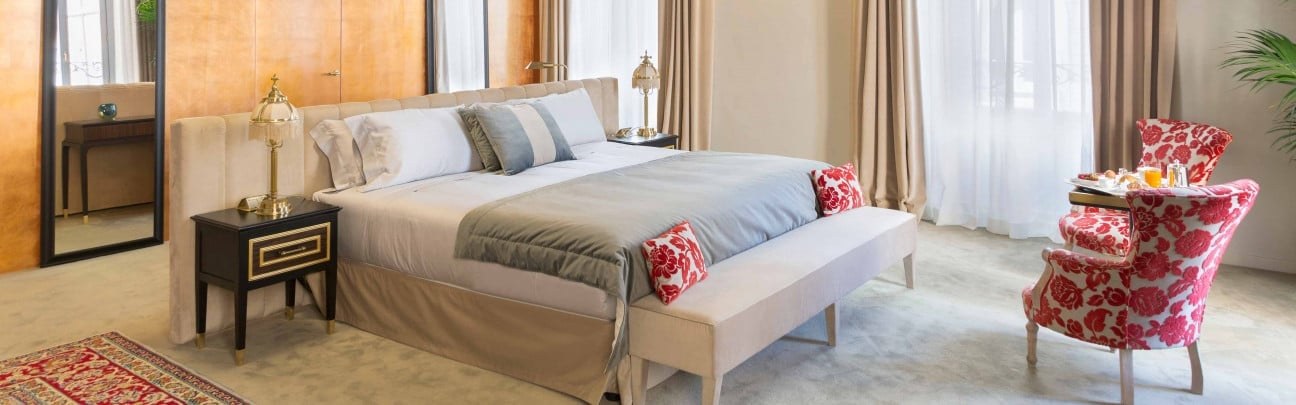
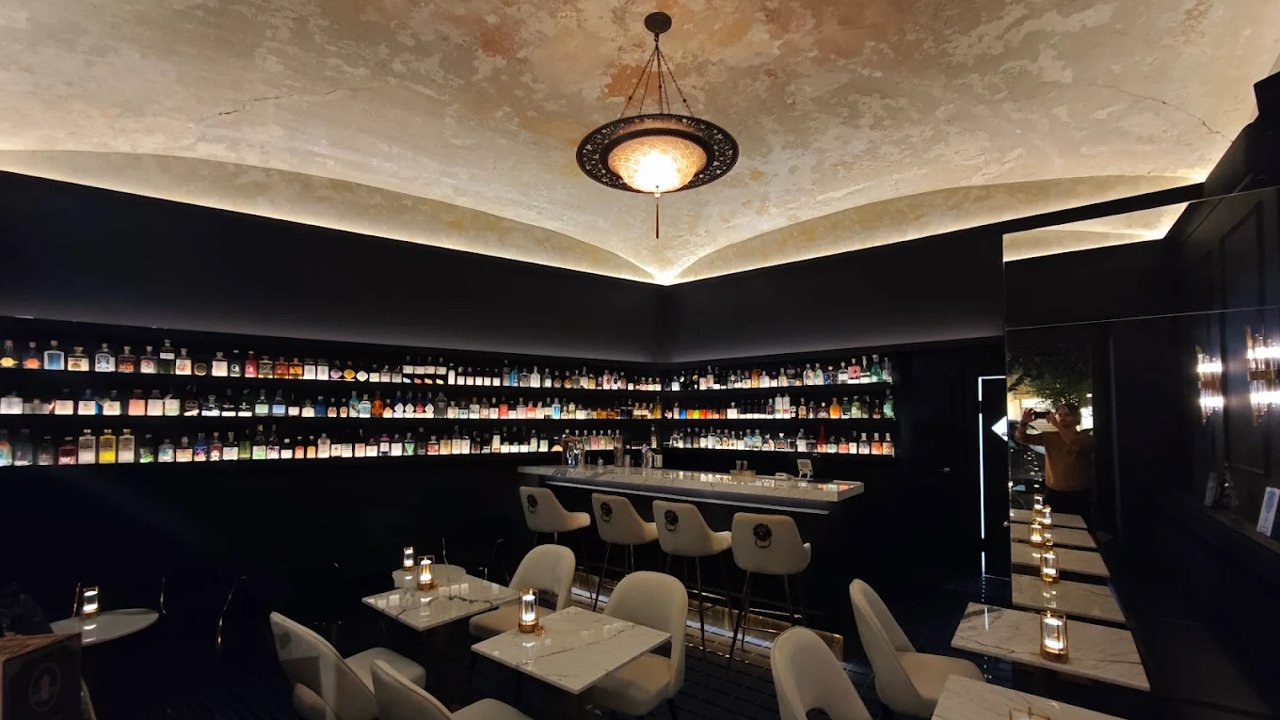
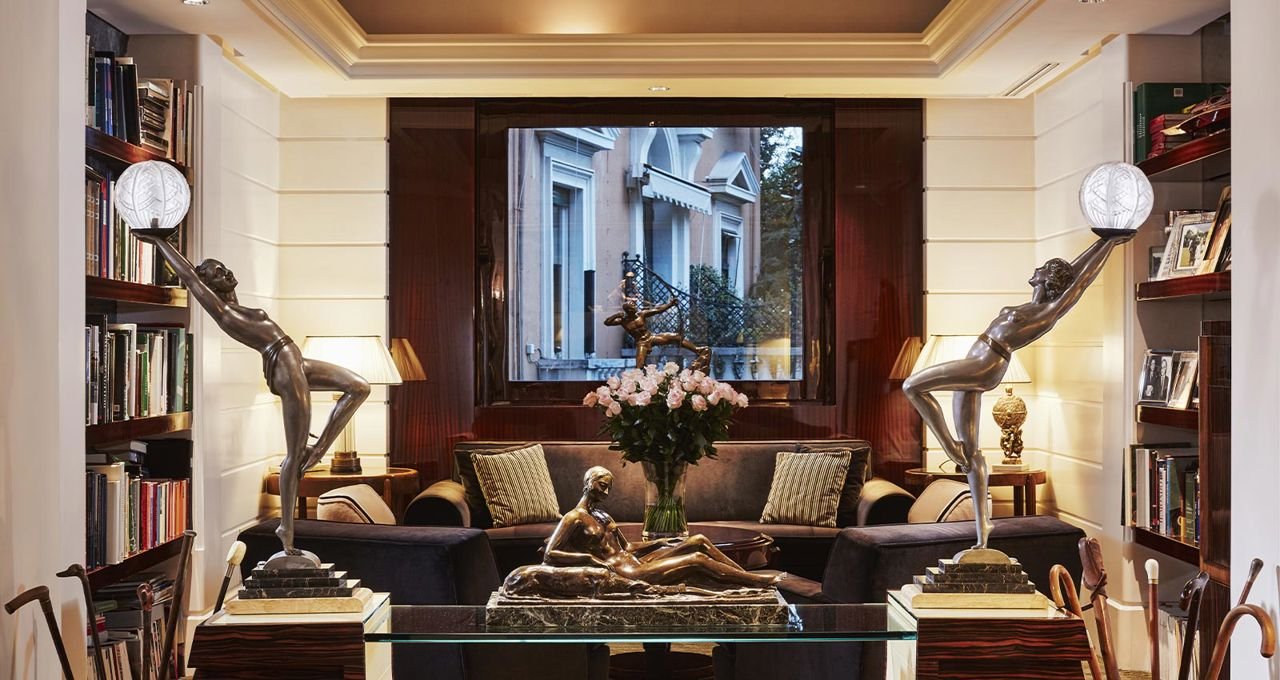
Elegant and opulent interiors blending baroque glamour with contemporary touches, featuring rich drapery, period furniture, and Venetian plaster in a calm, romantic atmosphere.
Tags
Vibe
Best For
Experience
Amenities
View
Accessibility
About the Stay
- Rooms
- 34
- Check-in
- 14:00
- Check-out
- 12:00
- Property Type
- Boutique hotel
- Property Style
- Restored Fin De Siècle Villa with Eclectic Baroque Contemporary Fusion
- Design Style
- Charming Traditional with Liberty Style Molding, Period Furniture, and Luxurious Themed Decor
- Breakfast
- Included
- Airport Transfer
- Available
- Pets
- Allowed
- Cancellation
- Moderate
Know before you go
Know Before You Go
- Getting there
- Piazza di Sant'Anselmo, 2, 00153 Roma RM, Italy
Planning details
Location
Recognition and awards
Also consider
Also Consider
- Palazzo Velabro, Notable alternative
- 47 Boutique Hotel, Notable alternative
- Trastevere Roma UNA Esperienze, Notable alternative
- Il Boom B & B Rome, Notable alternative
- Hotel Chapter Roma, Notable alternative
Hotel context
How Hotel San Anselmo compares in Rome
Hotel San Anselmo is the calmer choice in this group: better for travelers who want a quieter base and do not need the hotel restaurant to carry the trip. Palazzo Velabro is the stronger cross-shop if the priority is a more central-feeling stay near ancient Rome, while 47 Boutique Hotel suits travelers who want a more conventional boutique-hotel rhythm with easier access to major daytime routes.
For value, the decision is mostly about what kind of Rome stay is being bought. Trastevere Roma UNA Esperienze makes more sense if evening energy and neighborhood dining access matter more than quiet. Il Boom B & B Rome is the more personal, guesthouse-style alternative for travelers who are comfortable with a smaller format.
Hotel Chapter Roma is the sharper pick for a livelier design-hotel mood. Hotel San Anselmo is easier to justify when the goal is rest, atmosphere, and a less hectic Rome base; choose Chapter or Trastevere Roma UNA Esperienze if the hotel needs to put guests closer to nightlife and restaurant momentum.
Around this place
Discover more on Pearl
Unlock the full Hotel San Anselmo guide in Pearl, including awards, comparisons, FAQs, planning details, and nearby places.
Compare Hotel San Anselmo
| Venue | Location | Awards |
|---|---|---|
| Hotel San Anselmo | Rome | 2025 Michelin Selected Hotels |
| Palazzo Velabro | Rome | No published awards |
| 47 Boutique Hotel | Rome | No published awards |
| Trastevere Roma UNA Esperienze | Rome | Preferred Hotels Member 2025 |
| Il Boom B & B Rome | Rome | No published awards |
| Hotel Chapter Roma | Rome | 2026 Design Hotels Collection2026 Mr & Mrs Smith Luxury Hotels2026 La Liste Top Hotels2025 Michelin Selected Hotels |



How Hotel San Anselmo Rome Review: Worth Booking? compares with similar nearby venues.
FAQ
Frequently Asked Questions
How does Hotel San Anselmo compare to other hotels?
Choose Hotel San Anselmo if you want a Rome hotel with a MICHELIN Guide, Hotels Selected (2025) listing. When comparing it with Palazzo Velabro, 47 Boutique Hotel, Hotel Chapter Roma, Il Boom B & B Rome, and Trastevere Roma UNA Esperienze, check current room details, rates, policies, and amenities directly before booking.
When is the best time to book Hotel San Anselmo?
Book when your Rome dates are firm and you are comfortable with the current rate, room type, and cancellation policy. Its MICHELIN Guide, Hotels Selected (2025) listing is a useful quality signal, but availability and pricing should be checked directly for your dates.
Is Hotel San Anselmo good for business travel?
Hotel San Anselmo may be considered for a business stay in Rome. Confirm Wi-Fi, workspace, meeting needs, transport plans, and any required services directly before booking.
How is the dining at Hotel San Anselmo?
Do not choose Hotel San Anselmo for dining alone.