

Corso 281 Luxury Suites
Trevi, Rome
Hotel in Rome, Italy
 Book with Pearl
The Read
Price
$500–750per night
Why go
Corso 281 Luxury Suites is a better fit for travelers who want a central Rome suite base than for guests chasing a destination hotel restaurant. The MICHELIN Guide hotel selection is a useful trust signal, but the stay makes the clearest sense if meals, bars, and city exploration happen outside the property.
About Corso 281 Luxury Suites
Corso 281 Luxury Suites is a Rome hotel to consider when the stay itself matters, and it carries MICHELIN Guide Hotels Selected recognition for 2025. It is a Rome property with smart-casual dress guidance. Details on restaurant concept, spa program, room hierarchy, and other amenity specifics are not part of the published profile.
For a food-focused Rome trip, treat this as a sleeping base rather than the meal itself. There is no cuisine, chef, restaurant format, or named bar program to justify choosing it for on-site dining alone. That matters because the assigned decision is not just “is the hotel pleasant?” but “will the hotel add to the dining side of the trip?”
Choose it for a Rome stay, not a hotel-restaurant agenda
The value proposition should stay conservative: this is for travelers considering a Rome hotel where the public signals are limited but include MICHELIN Guide Hotels Selected recognition. Explorers who like to build days around the city's restaurants, bars, museums, and late dinners may be better served by using the hotel as a base rather than expecting it to define the itinerary. If the trip depends on a destination restaurant, wellness facilities, or a hotel bar as the nightly anchor, compare other Rome hotels before committing.
The MICHELIN Guide hotel selection gives a useful quality signal, but it should not be read as a promise of a grand-hotel setup. For purposes, that recognition supports confidence in the stay category; it does not fill in missing details on restaurant strength, room hierarchy, pool access, or wellness facilities. The better read is selective: book only if the hotel profile fits your needs, then spend dining energy outside the property.
Who should skip it
Skip it if the hotel needs to be the dining destination. Rome has enough hotel options that a traveler who wants restaurant, spa, or social-lobby details should cross-shop before settling here. Our full Rome hotels guide is the better starting point for that broader search, especially if the trip is built around specific amenities rather than a lightly documented stay.
It also may be the wrong fit for travelers who want every practical detail settled before comparing. With no room-category guidance, dining format, or wellness specifics, the decision should stay conservative: choose it when the hotel profile is enough for your Rome plans; choose another option when amenities are the reason for the trip.
Planning details
- Location
- Via del Corso, 281, 00186 Roma RM, Italy
- Website
- corso281.com
- Phone
- +39 06 8780 9370
The take
The Take
The Vibe
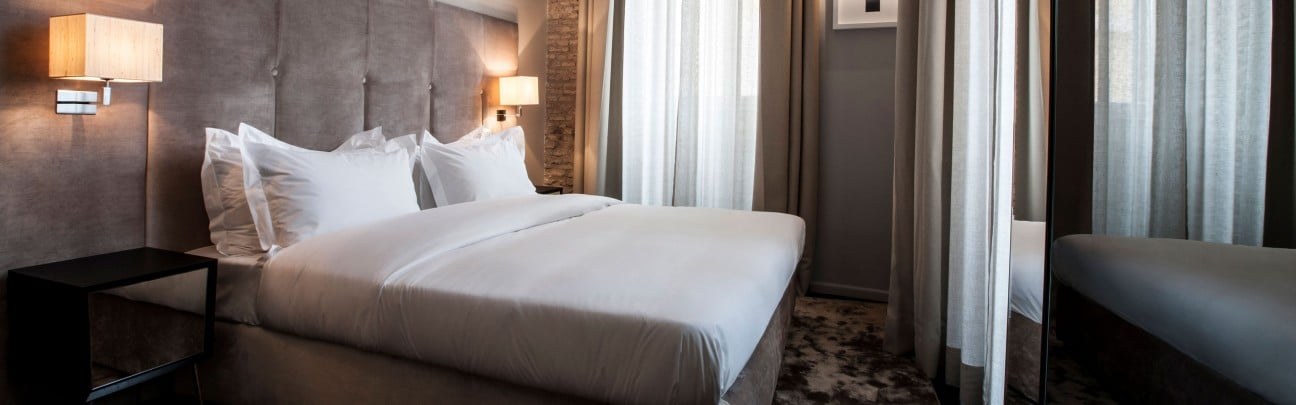
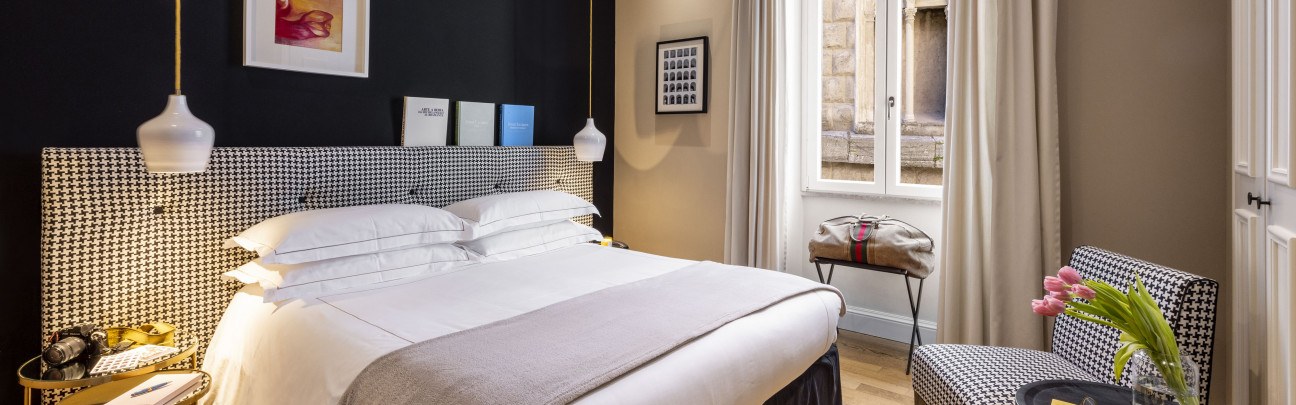
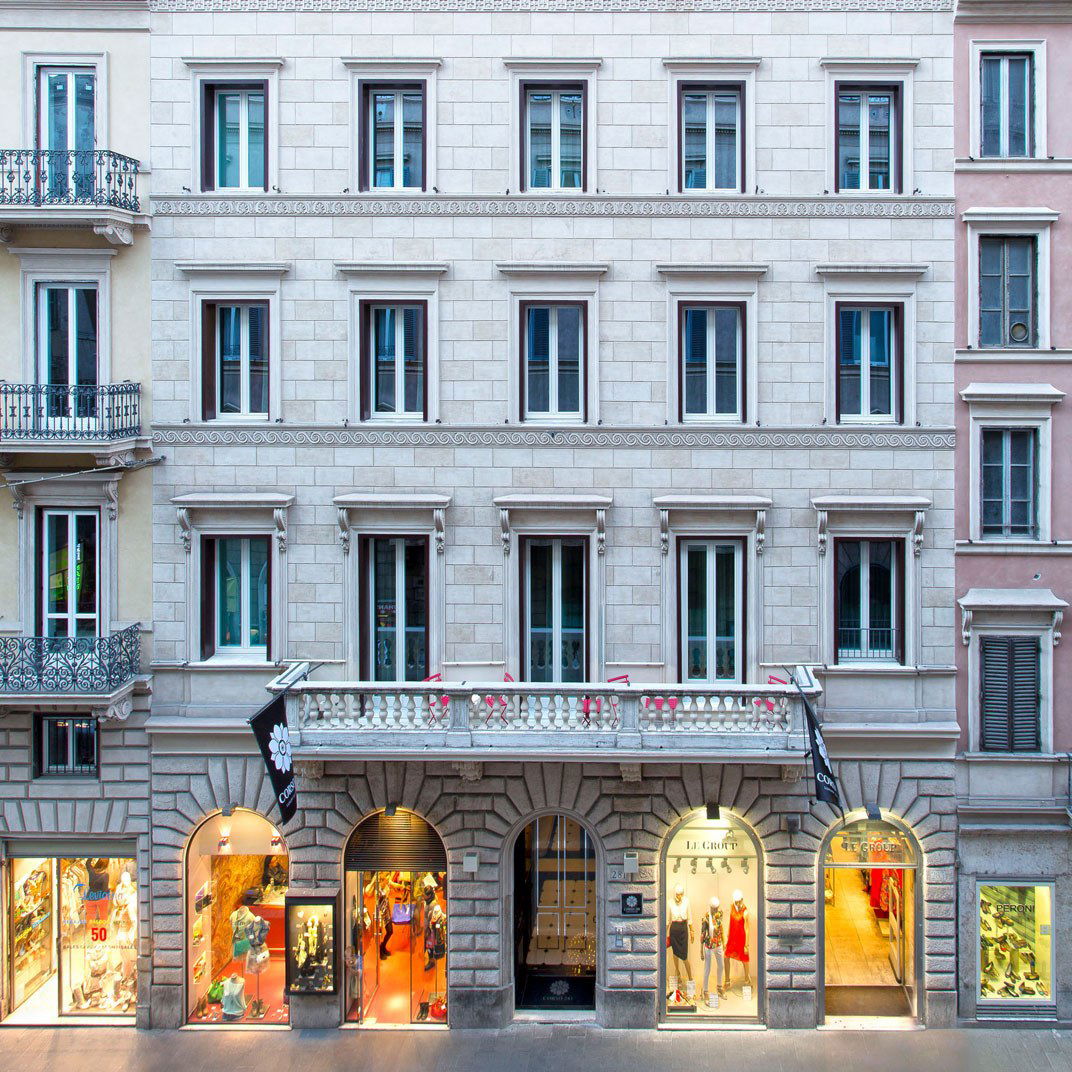
Corso 281 Luxury Suites reads like a residential refuge in the middle of Rome's monumental spine. Sitting on Via del Corso, the property leans into the layered history of its setting, and its suite-focused, apartment-style format prioritizes a lived-in, understated luxury rather than grand public salons. The tone is quietly confident: you feel plugged into the city's daily rhythms, with historic streets, bookshops and trattorias immediately accessible. Inclusion in Michelin’s hotel selection underlines consistent standards of welcome and maintenance, reinforcing a measured, classic-historic character rather than flashiness.
Best For
This address is best for travelers who want Rome itself to be the daily itinerary. Guests who plan to explore on foot (walking to the Pantheon, the Trevi Fountain and the Campo Marzio neighbourhood) benefit most from the location, where the city’s monuments become part of the morning routine. The suite-format appeals to visitors who prefer a residential, apartment-style stay over the formality of palatial hotels: independent sightseers, culture-focused solo travelers, and anyone prioritizing proximity to central attractions will find the property especially well suited to their plans.
Stay Tips
Book early and treat the location as the primary draw. Reservations during high season move quickly; secure a suite date well in advance if you need specific travel dates. Choose the suite-format if you value a residential atmosphere and easy pedestrian access to Rome’s central landmarks: the address itself is a convenience that replaces the need for taxis to main sites. Rely on the location as your base for walking itineraries rather than expecting expansive hotel public rooms or extensive on-site facilities.
Venue details
Ambiance
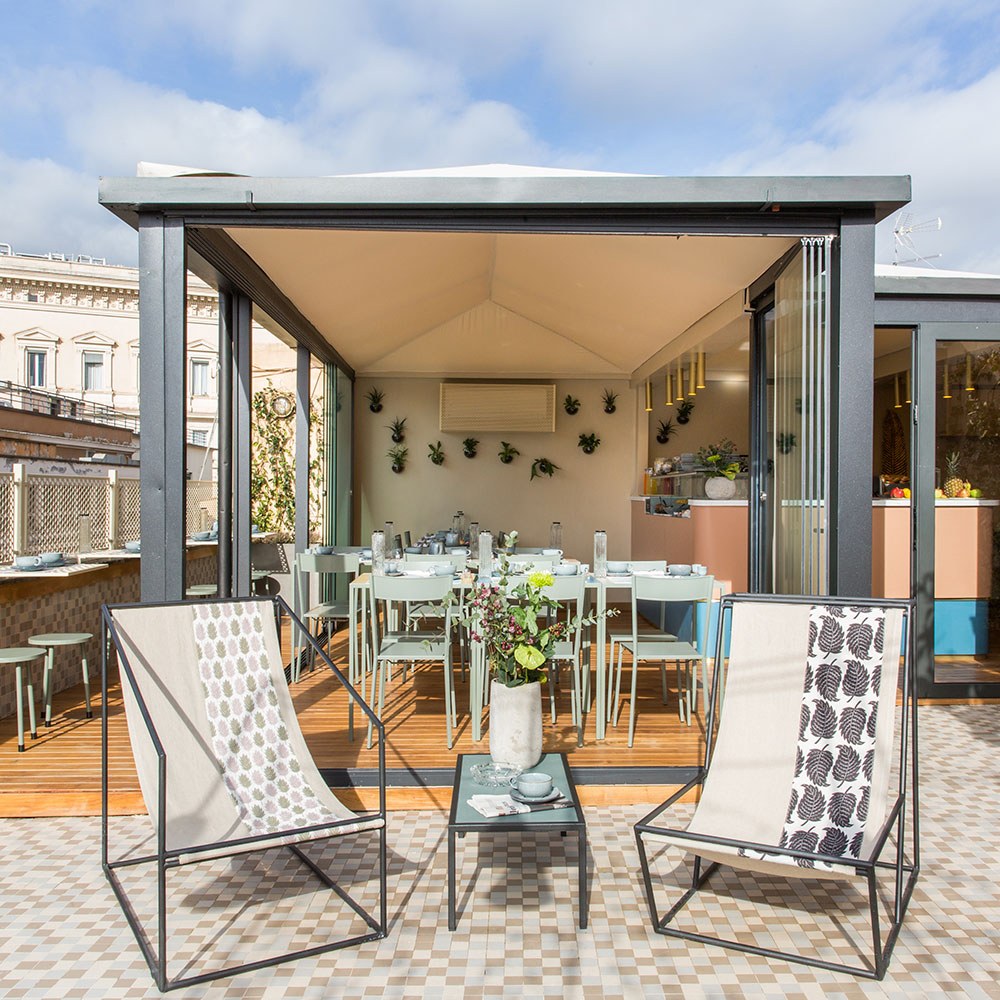
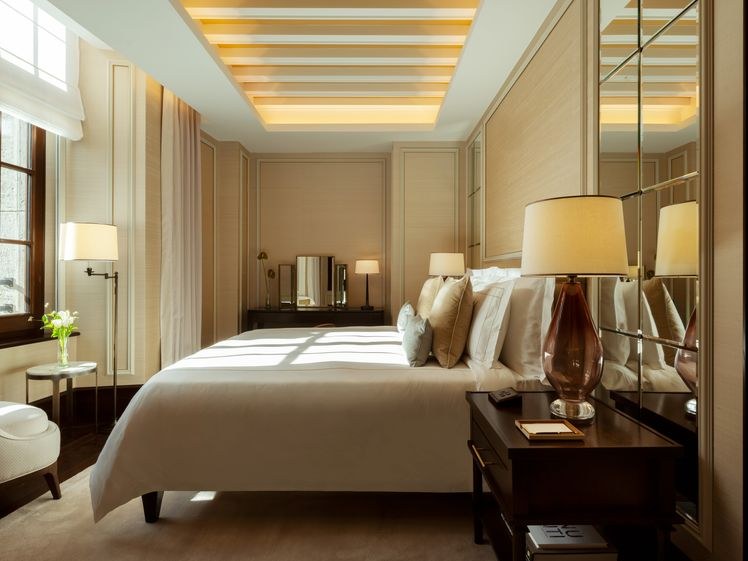
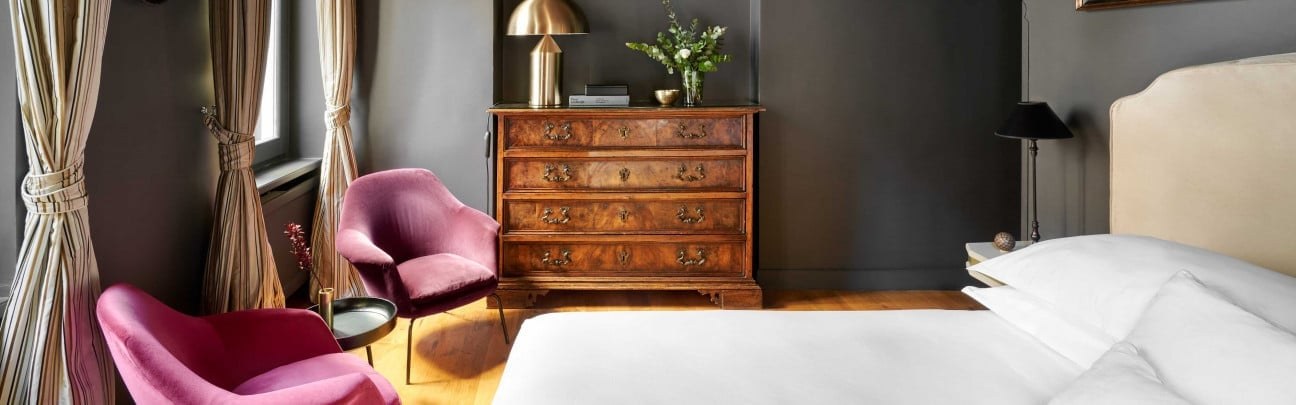
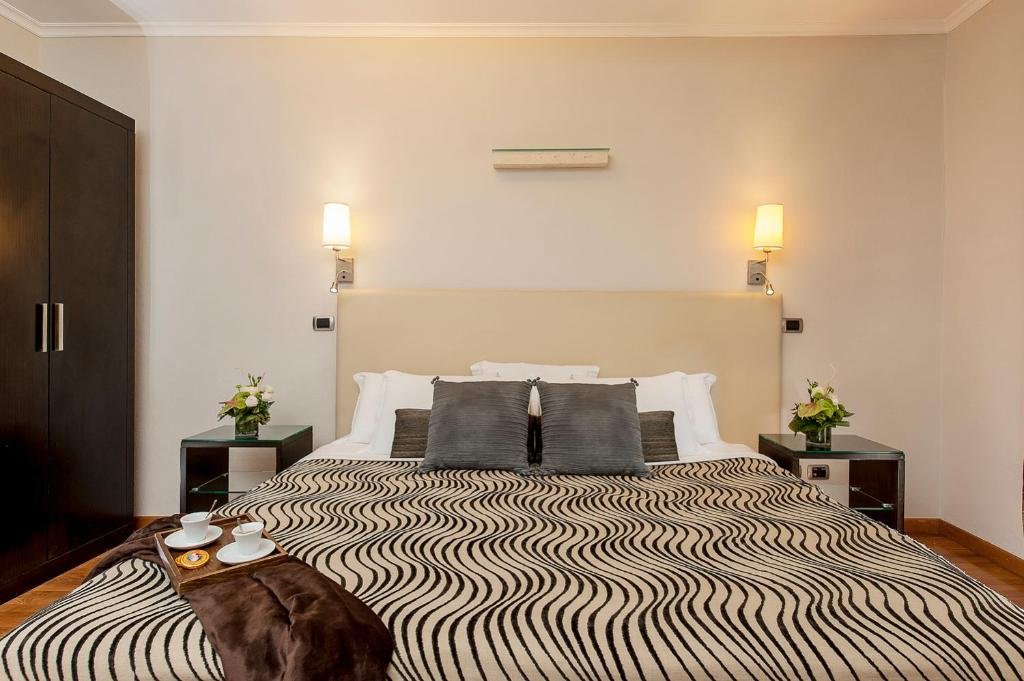
Refined and relaxing with monochrome tones, luxury fabrics, plush linens, and Carrara marble bathrooms creating an elegant, home-like atmosphere.
Tags
Vibe
Best For
Experience
Amenities
View
About the Stay
- Rooms
- 12
- Check-in
- 15:00
- Check-out
- 11:00
- Property Type
- Boutique hotel
- Property Style
- 18th Century Palazzo Restored Into Luxury Suites
- Design Style
- Milanese Designed Minimalist Monochrome with Italian Luxury Elements
- Breakfast
- Included
- Families
- Welcome
- Cancellation
- Moderate
Know before you go
Know Before You Go
- Getting there
- Via del Corso, 281, 00186 Roma RM, Italy
Planning details
Location
Recognition and awards
Also consider
Also Consider
- Six Senses Rome, Notable alternative
- Singer Palace Hotel, Notable alternative
- Umiltà 36, Notable alternative
- H10 Palazzo Galla, Notable alternative
- Maalot Roma, Notable alternative
Hotel context
How it compares in central Rome
Against Six Senses Rome, Corso 281 Luxury Suites is the quieter, more location-led choice. Six Senses Rome is the stronger cross-shop if wellness, dining, and a fuller hotel ecosystem matter; Corso 281 makes more sense for travelers who want a private central base and plan to spend more of the budget outside the hotel.
Singer Palace Hotel, Umiltà 36, and Maalot Roma are better comparisons for guests deciding between boutique-feeling central stays. If ambiance and a more social hotel rhythm are priorities, cross-shop those first. If the brief is simple access, suite-style privacy, and an easier base for restaurant-led days, Corso 281 remains a sensible pick.
H10 Palazzo Galla is the practical alternative to check when value and booking ease matter more than a luxury-suite feel. For a splurge-leaning Rome stay, start with Six Senses Rome; for a polished central boutique mood, compare Singer Palace Hotel, Umiltà 36, and Maalot Roma; for a compact base with less emphasis on in-house dining, keep Corso 281 on the list.
Around this place
Discover more on Pearl
Unlock the full Corso 281 Luxury Suites guide in Pearl, including awards, comparisons, FAQs, planning details, and nearby places.
Compare Corso 281 Luxury Suites
| Venue | Location | Awards |
|---|---|---|
| Corso 281 Luxury Suites | Rome | 2025 Michelin Selected HotelsPreferred Hotels Preferred Residences 2025 |
| Six Senses Rome | Rome | 2026 Virtuoso Luxury Hotel Collection2026 Mr & Mrs Smith Luxury Hotels2026 Michelin 1 Key2025 Michelin 1 Key2024 Michelin 1 Key |
| Singer Palace Hotel | Rome | 2026 Virtuoso Luxury Hotel Collection2026 Michelin 1 Key2025 Michelin 1 Key2024 Michelin 1 Key |
| Umiltà 36 | Rome | 2026 Mr & Mrs Smith Luxury Hotels2026 Michelin 1 Key2025 Michelin 1 KeyPreferred Hotels L.V.X. Collection 20252024 Michelin 1 Key |
| H10 Palazzo Galla | Rome | No published awards |
| Maalot Roma | Rome | 2026 Mr & Mrs Smith Luxury Hotels2026 Michelin 1 Key2025 Michelin 1 KeySmall Luxury Hotels Member 20252024 Michelin 1 Key |




How Corso 281 Luxury Suites Rome compares with similar nearby venues.
FAQ
Frequently Asked Questions
When is the best time to book Corso 281 Luxury Suites?
Book when your Rome dates are fixed and the property fits your plans. Its 2025 MICHELIN Guide Hotels Selected recognition is a useful quality signal, but it does not replace checking current availability, policies, and room details directly before reserving.
Which room category is best at Corso 281 Luxury Suites?
A best room category or room hierarchy is not outlined here. Choose based on the current room descriptions, occupancy needs, and policies shown by the hotel at the time of booking.
Do loyalty programs work at Corso 281 Luxury Suites?
Loyalty-program participation is not outlined here. The clearest confirmed signal is the MICHELIN Guide Hotels Selected 2025 recognition.
How is the location of Corso 281 Luxury Suites?
Corso 281 Luxury Suites is in Rome. If location is central to your decision, confirm the exact address and map position directly before booking, and compare it with Rome options such as H10 Palazzo Galla, Six Senses Rome, Maalot Roma, Singer Palace Hotel, or Umiltà 36 depending on the style of stay you want.