
Be Tulum Beach & Spa Resort
Zona Hotelera, Riviera Maya
Hotel in Riviera Maya, Mexico
 Book with Pearl
The Read
Eco-Spiritual Seclusion
Why go
Be Tulum Beach & Spa Resort is a safer Tulum pick for a romantic or celebration-led stay than for business travel. Book it if you want a beach-zone resort with recognized style and service credibility; compare Mayakoba or larger Riviera Maya resorts if infrastructure and work logistics matter more.
About Be Tulum Beach & Spa Resort
Be Tulum Beach & Spa Resort is a venue in Riviera Maya. Consider the property as a Riviera Maya option, confirm exact setting, service format, dining, pricing, amenities directly with the resort before booking.
The clearest point of recognition is a Mr & Mrs Smith Seal of Approval for 2026. Travelers should confirm current room details, on-property services, dining, arrival logistics directly with the resort before booking.
Book with the basics in mind
Use Be Tulum Beach & Spa Resort as a Riviera Maya shortlist candidate if the name and recognition match the kind of stay you are considering. Specific hours, dining formats, room categories, prices, transport, business-travel facilities should be confirmed directly before booking.
Use it for Riviera Maya planning; compare carefully for fit
For a broader shortlist, compare Be Tulum Beach & Spa Resort with options such as BE Destination Tulum, Chiringuito Tulum, NEST Tulum, Nômade Temple Tulum, Sana Tulum, along with other stays in the region. The practical decision is less about any single category label and more about confirming which property best matches your dates and trip priorities.
Planning details
- Location
- Carr. Tulum-Boca Paila Km.10, Tulum Beach, Zona Hotelera, 77780 Tulum, Q.R.
- Website
- betulum.com
- Phone
- +1 800-204-9799
The take
The Take
The Vibe
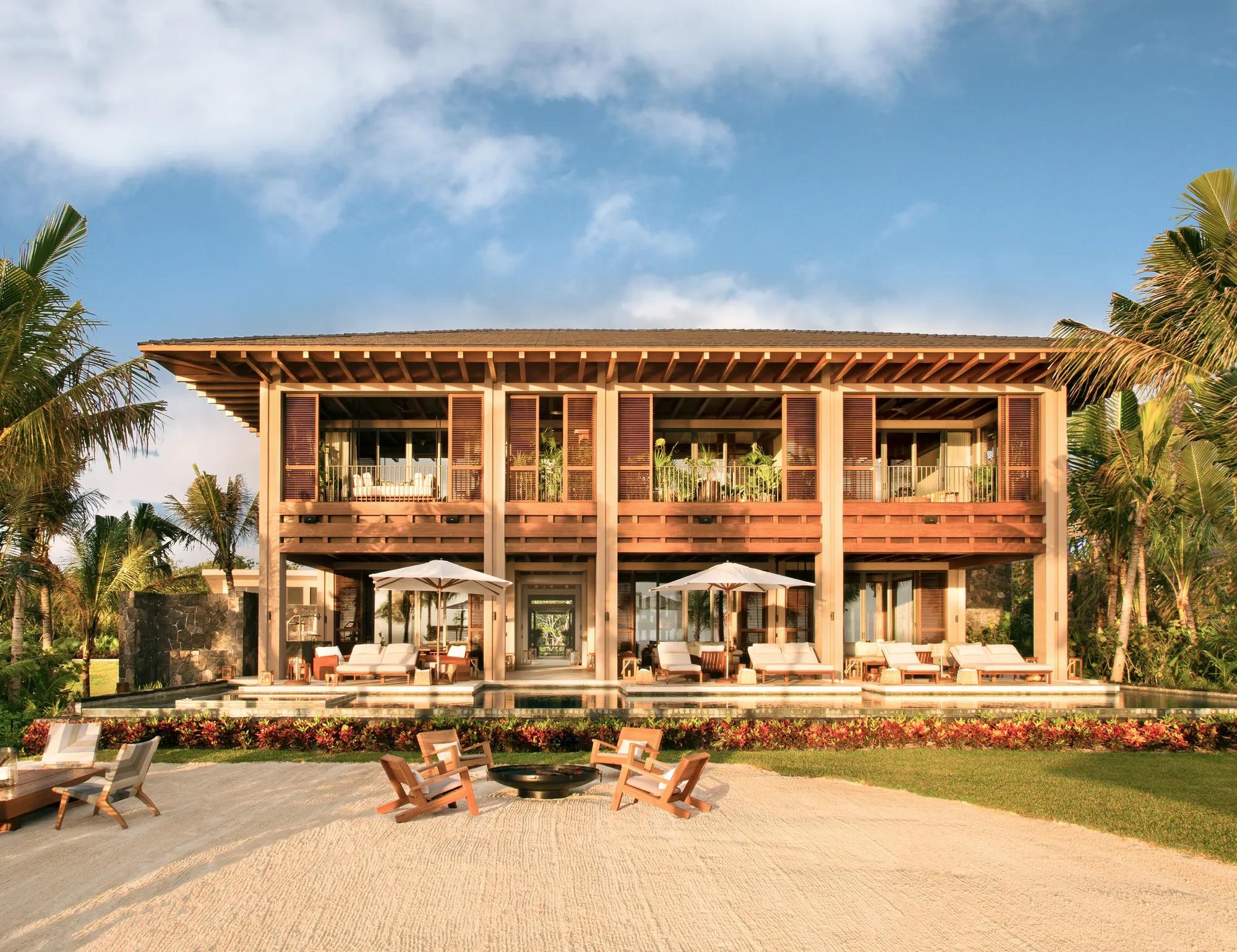
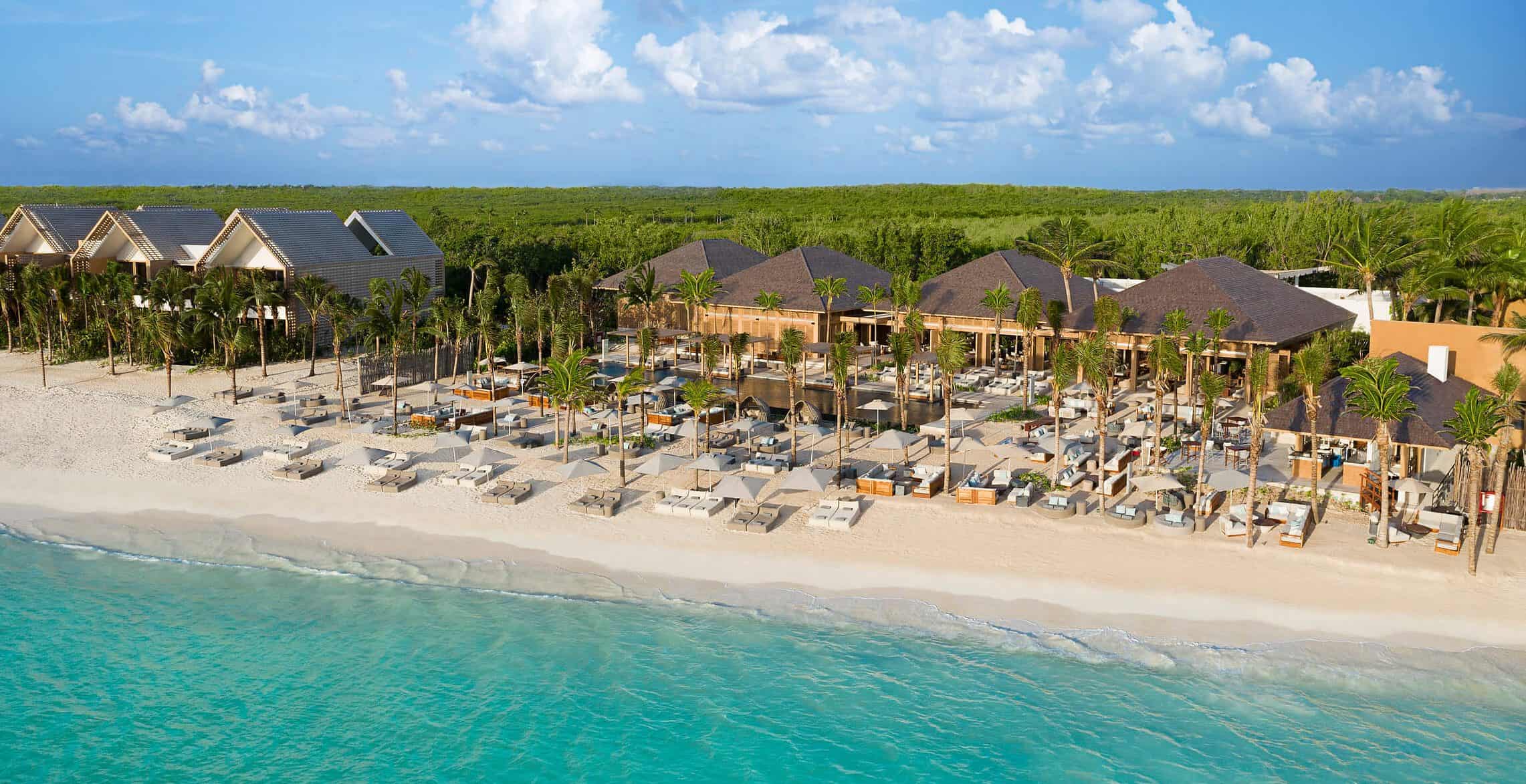
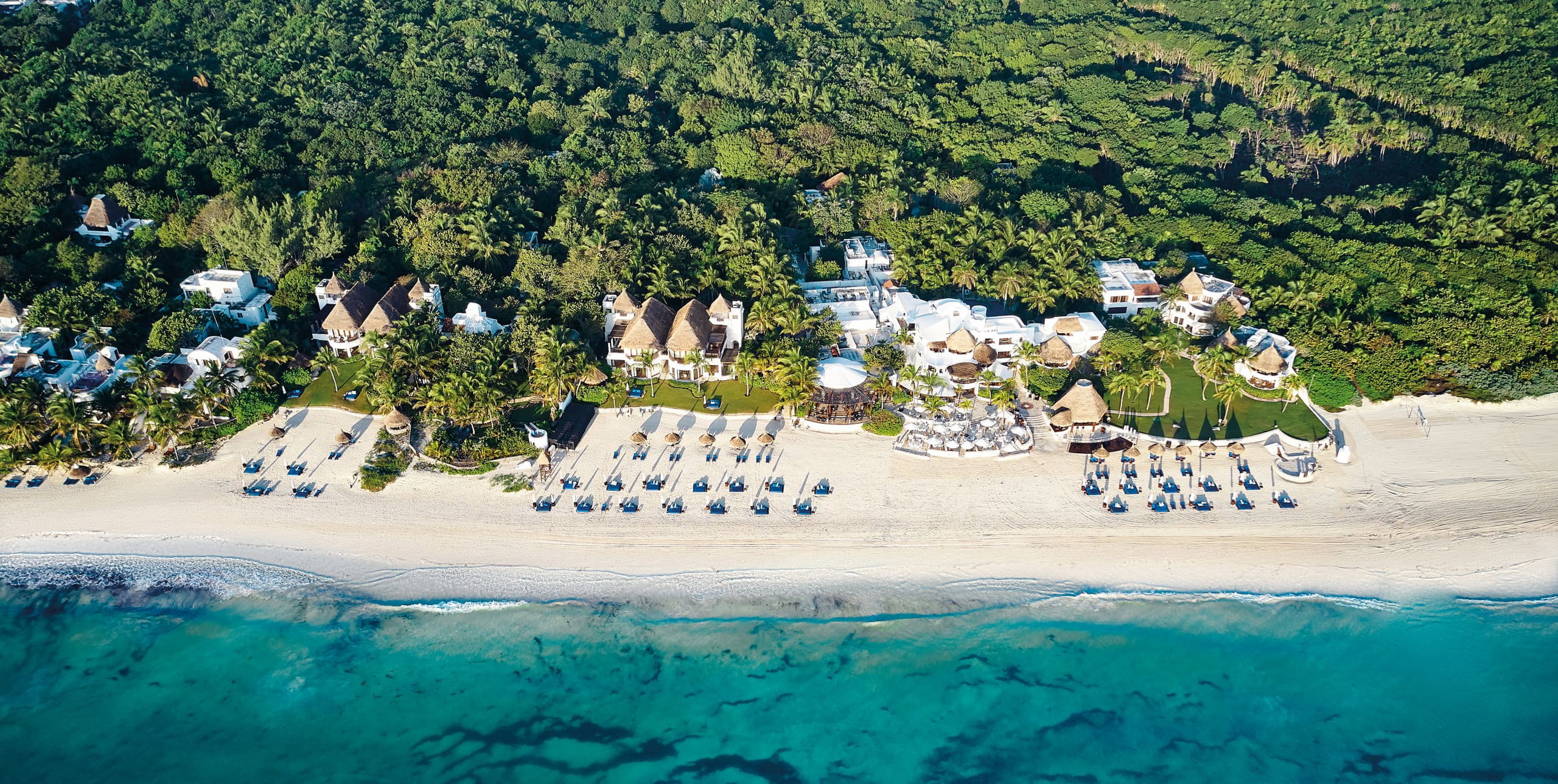
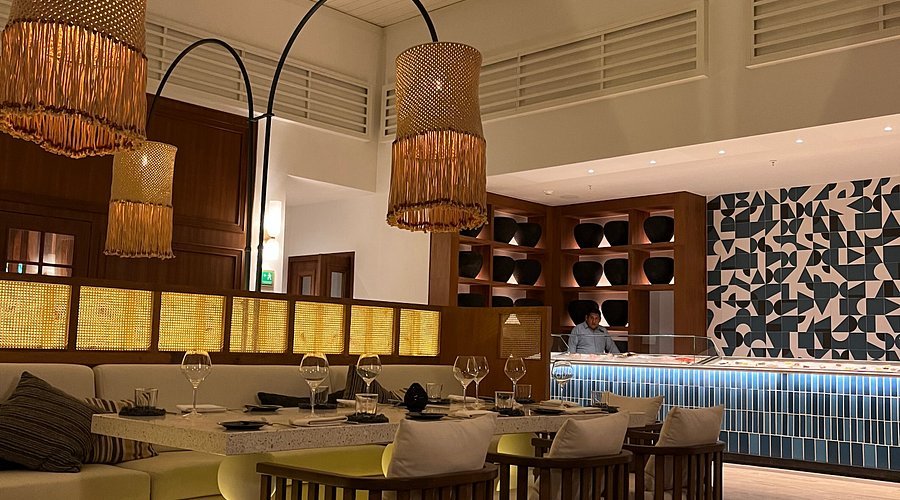
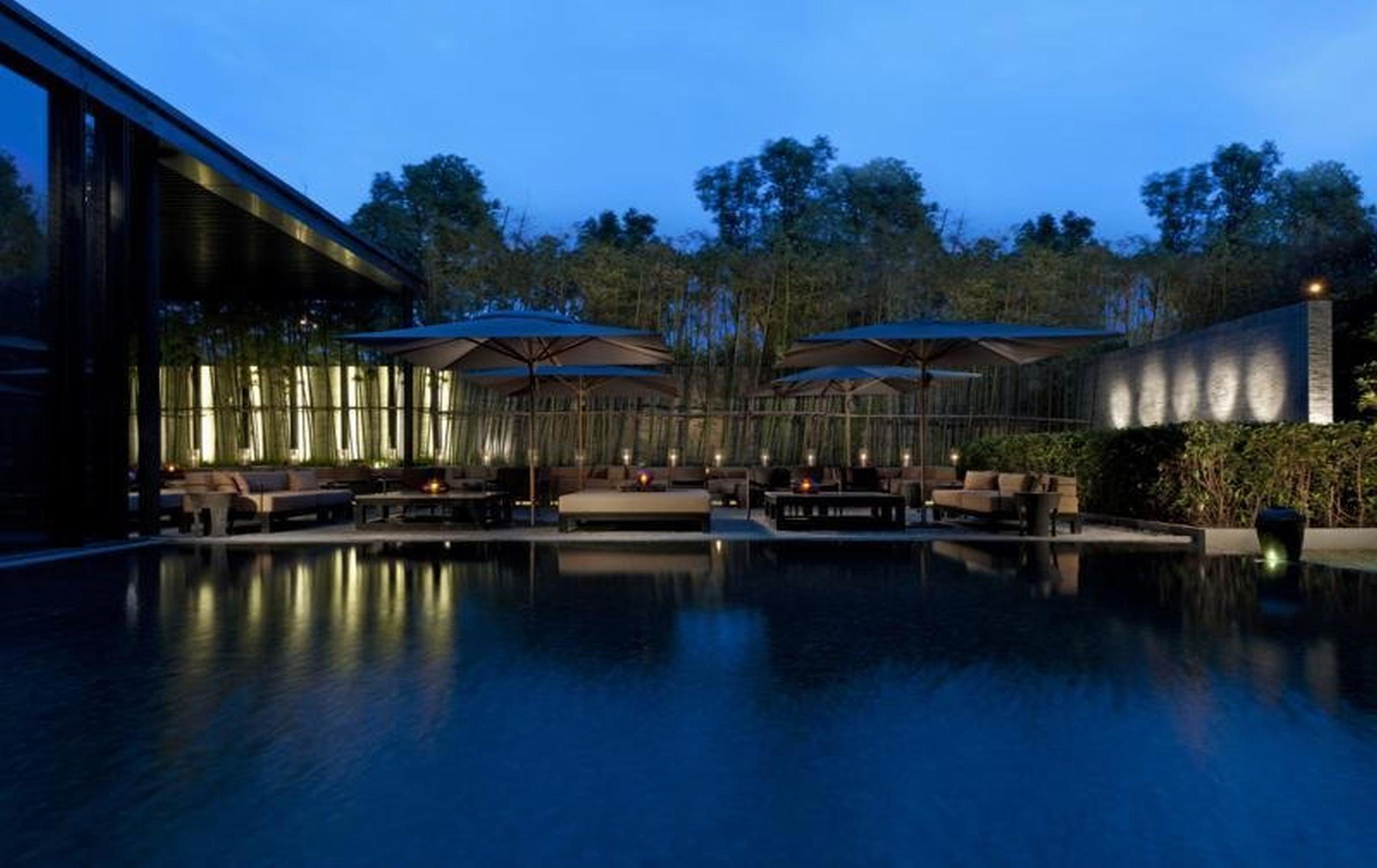
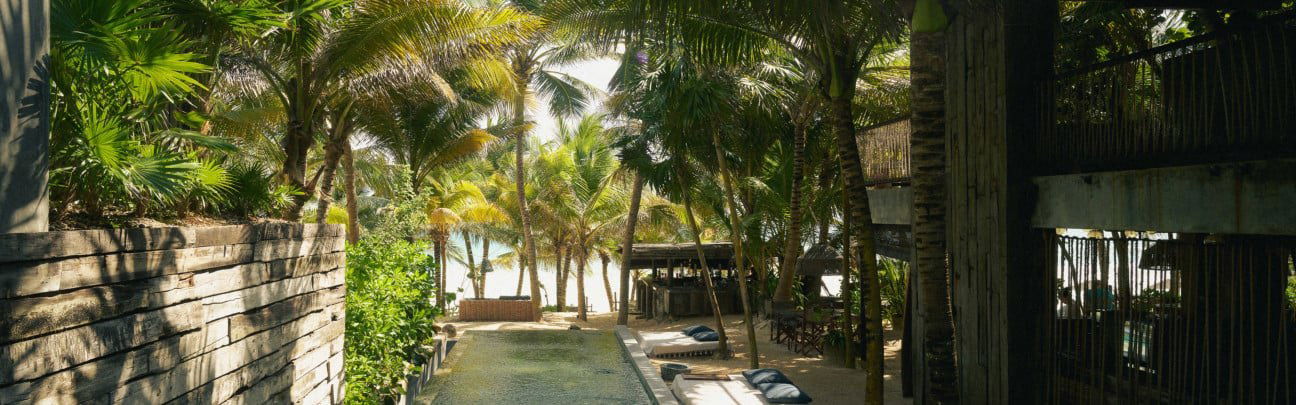
Be Tulum Beach & Spa Resort reads like a design-led, low-density alternative to the larger resorts upcoast. With just 64 rooms at Km 10 of the Tulum Hotel Zone and a coastline that abuts the UNESCO-listed Sian Ka'an Biosphere Reserve, the property cultivates a quieter, slower register that foregrounds the surrounding ecology. The tone is intimate and scenic rather than sprawling or frenetic: guests encounter curated, boutique hospitality and direct proximity to mangroves and protected shoreline. Overall the hotel presents a relaxed, restrained seaside atmosphere oriented toward calm, nature-focused stays rather than high-energy resort programming.
Best For
This property suits travelers who prioritize design, privacy and proximity to protected nature. Thanks to its small size and spa focus, it appeals to guests seeking restorative, low-density beach time—think wellness-minded visitors and those who want to trade big-resort bustle for a calmer coastal pace. The location at the edge of Sian Ka'an also makes it a strong choice for people who value scenic, conservation-rich settings rather than manicured, lagoon-style developments farther north along the Riviera Maya.
Stay Tips
Because Be Tulum emphasizes limited room counts—just 64 accommodations—plan and book well in advance, especially for high season. Expect a quieter experience in the southern Tulum zone; the property’s scale and conservation-minded setting mean it does not operate like a volume-driven beachfront resort. If a low-density, spa-forward stay is your priority, confirm reservation details early and note cancellation and arrival policies given the boutique nature of the hotel.
Planning details
Location
Carr. Tulum-Boca Paila Km.10, Tulum Beach, Zona Hotelera, 77780 Tulum, Q.R. · Directions
Recognition and awards
Also consider
Also Consider
- BE Destination Tulum, Notable alternative
- Sana Tulum, Notable alternative
- Nômade Temple Tulum, Notable alternative
- NEST Tulum, Notable alternative
- Chiringuito Tulum, Notable alternative
Hotel context
How It Compares
Against BE Destination Tulum and Sana Tulum, Be Tulum Beach & Spa Resort is the safer choice for a celebration stay where service confidence matters. Booking is marked easy, so it is less stressful than a high-friction special-occasion hotel, but readers should still compare total trip cost once transfers, dining, beach-zone spending are included.
Nômade Temple Tulum and NEST Tulum are better cross-shops if the priority is a more mood-led Tulum stay rather than resort polish. Choose Be Tulum Beach & Spa Resort when you want the beach corridor with a more established resort feel; choose those peers when ambiance matters more than structured service.
Chiringuito Tulum is the practical alternative to check if value is the deciding factor. For a honeymoon-style trip or anniversary, this resort is the cleaner recommendation; for travelers mainly using the hotel as a sleep base between beach clubs and dinners, a simpler peer may make more sense.
Explore Riviera Maya
Around this place
Discover more on Pearl
Unlock the full Be Tulum Beach & Spa Resort guide in Pearl, including awards, comparisons, FAQs, planning details, and nearby places.
Compare Be Tulum Beach & Spa Resort
| Venue | Location | Awards |
|---|---|---|
| Be Tulum Beach & Spa Resort | Riviera Maya | 2026 Mr & Mrs Smith Luxury Hotels2025 Michelin 1 Key |
| BE Destination Tulum | Tulum | No published awards |
| Sana Tulum | Tulum | No published awards |
| Nômade Temple Tulum | Tulum | No published awards |
| NEST Tulum | Tulum | No published awards |
| Chiringuito Tulum | Tulum | No published awards |
How Be Tulum Beach & Spa Resort compares with similar nearby venues.
FAQ
Frequently Asked Questions
How is the location of Be Tulum Beach & Spa Resort?
Is Be Tulum Beach & Spa Resort good for business travel?
How is the dining at Be Tulum Beach & Spa Resort?
How does Be Tulum Beach & Spa Resort compare to other hotels?
Be Tulum Beach & Spa Resort can be compared with BE Destination Tulum, Sana Tulum, Nômade Temple Tulum, NEST Tulum, Chiringuito Tulum, as well as other options in the region. Compare current availability and inclusions before choosing, especially if service, value, amenities, or style are priorities.