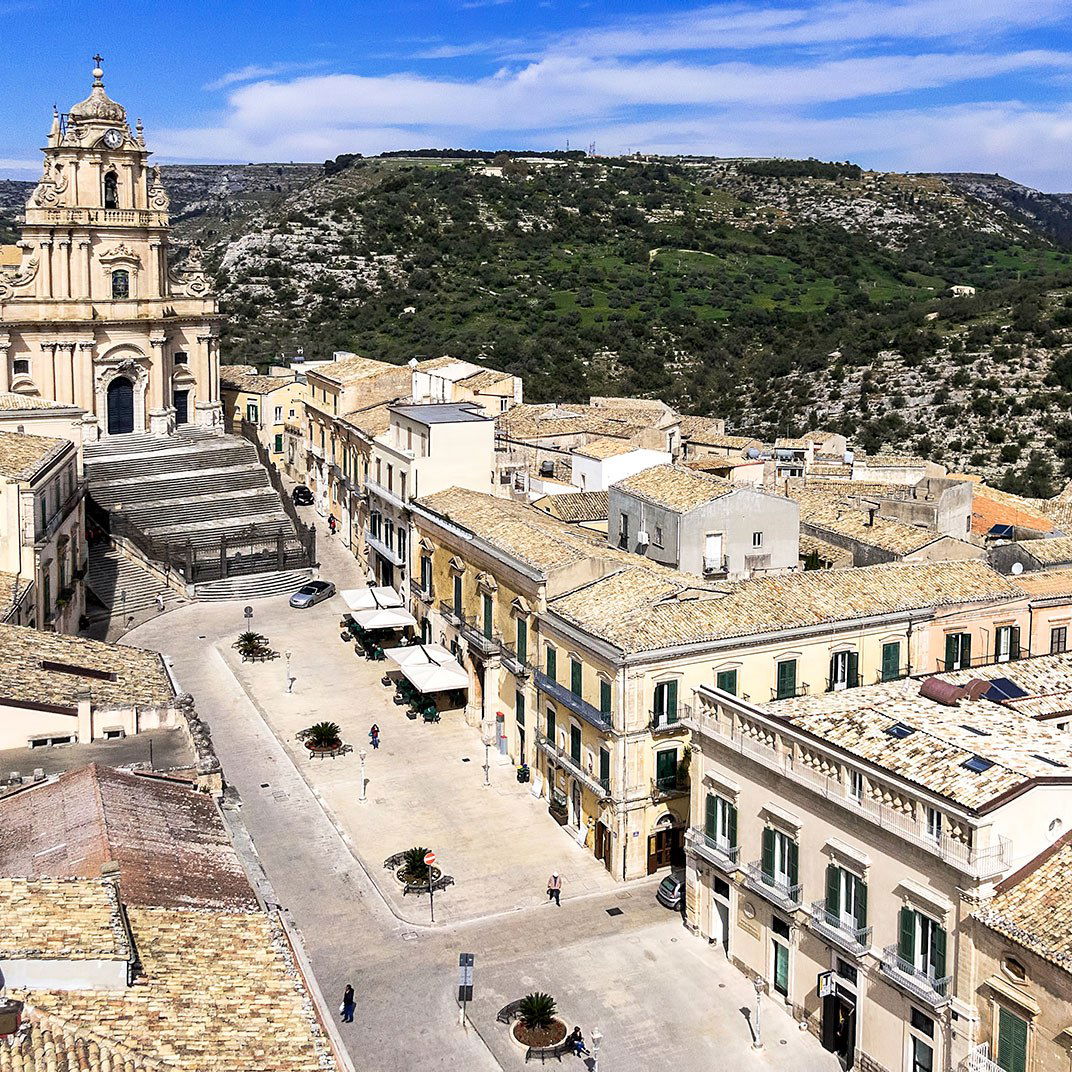

A.D. 1768 Boutique Hotel
Ragusa Ibla
Hotel in Ragusa Ibla, Italy
 Book with Pearl
Why go
A.D. 1768 Boutique Hotel is the better pick for travelers who want Ragusa Ibla's historic center at their feet, especially for a short celebration or city-based work trip. Book it for atmosphere and walkability, not for resort-style facilities; compare countryside properties if parking ease, grounds, or expanded wellness matter more.
About A.D. 1768 Boutique Hotel
Is A.D. 1768 Boutique Hotel worth booking for a Ragusa Ibla work trip or celebration? It is A.D. 1768 Boutique Hotel in Ragusa Ibla, with smart casual dress guidance and MICHELIN Guide Hotels Selected recognition for 2025. For specific facilities, room types, dining formats, prices, or services, check directly with the hotel before booking.
The decision should therefore be practical. If the appeal is staying at a boutique hotel in Ragusa Ibla with a MICHELIN hotel selection, A.D. 1768 Boutique Hotel belongs on the shortlist. If the trip depends on a particular amenity, dining program, parking arrangement, wellness setup, or business facility, confirm those details directly before booking.
Book it for the MICHELIN hotel signal, not for assumed infrastructure
The strongest signal is recognition by the MICHELIN Guide as a Hotels Selected property in 2025. That is a useful baseline for travelers comparing stays in and around Ragusa Ibla, but it should not be treated as evidence of a pool, spa, restaurant, meeting space, room count, service style, or specific in-house amenities.
For a work trip or celebration, treat A.D. 1768 Boutique Hotel as a Ragusa Ibla boutique-hotel option rather than as a resort-style or full-service business hotel. If a stay will succeed only with specific facilities, ask the hotel before committing.
Who should choose it over a countryside stay
Choose A.D. 1768 Boutique Hotel if the plan is centered on staying in Ragusa Ibla and you value a MICHELIN hotel selection. It is also a reasonable candidate for travelers who want a boutique-hotel setting and are comfortable checking any must-have details directly.
Choose another type of property if the trip depends on grounds, wellness facilities, parking arrangements, extensive business services, or a particular dining setup. Do not assume those details without checking directly with the hotel.
For broader planning, use Our full Ragusa Ibla hotels guide to compare stays, then pair the hotel decision with Our full Ragusa Ibla restaurants guide if dinner is the anchor. If the itinerary extends beyond hotels, Our full Ragusa Ibla bars guide, Our full Ragusa Ibla wineries guide, and Our full Ragusa Ibla experiences guide are the useful next checks.
Planning details
- Location
- Via Conte Cabrera, 6, 97100 Ragusa RG, Italy
- Website
- 1768iblahotel.it
- Phone
- +39 0932 807780
The take
The Take
The Vibe
A.D. 1768 Boutique Hotel foregrounds architecture and restraint. Set in Ragusa Ibla’s Baroque quarter, it deliberately emphasizes the stone fabric and historical lineage of an 18th‑century palazzo rather than introducing flashy contemporary interventions. The property reads as quietly elegant and intimate: public spaces and rooms favor composure and preservation so the town’s honey‑coloured facades and San Giorgio’s dome remain the primary attraction. The overall effect is refined and contemplative, appealing to travelers who prefer provenance, calm, and architectural authenticity over high‑energy programming or expansive resort facilities.
Best For
This hotel is best for travelers who want immersion in Ragusa Ibla’s historic heart and value architectural authenticity above amenity breadth. It suits cultural travelers, architecture enthusiasts, and anyone on a slow, contemplative visit to the Val di Noto who plans to spend time walking the narrow streets and taking in the Baroque landmarks. The property’s small‑key scale and restraint make it a strong choice for short stays focused on place, history and atmosphere rather than big‑scale resort comforts or lively nightlife.
Stay Tips
Because the hotel trades on small scale and the built fabric, book well in advance—rooms in boutique palazzi are limited. When reserving, note that you prize views of the centro storico or Via Cabrera so you can feel tied to the honey‑coloured facades and San Giorgio’s dome. Manage expectations: the property emphasizes heritage and restraint rather than an extensive suite of modern amenities. If you require particular services or accessibility features, contact the hotel ahead of arrival rather than assuming a full range of resort‑style offerings.
Venue details
Ambiance
Muted, refined atmosphere of ancient patrician houses revived with a modern spirit, offering tranquility and garden views.
Tags
Vibe
Best For
Experience
Amenities
View
Accessibility
About the Stay
- Rooms
- 11
- Check-in
- 15:00
- Check-out
- 11:00
- Property Style
- Historic Baroque Boutique Hotel Redefining Sicilian Hospitality.
- Design Style
- Blend of Vintage Baroque Architecture with Contemporary Linear Modern Elements.
Know before you go
Know Before You Go
- Getting there
- Via Conte Cabrera, 6, 97100 Ragusa RG, Italy
Planning details
Location
Recognition and awards
Also consider
Also Consider
- Locanda Don Serafino - Historic Boutique Hotel, Notable alternative
- Casa Talia, Notable alternative
- Eremo della Giubiliana, Notable alternative
- Relais Chiaramonte, Notable alternative
- Baglio Occhipinti, Notable alternative
Hotel context
How it compares in Ragusa Ibla
A.D. 1768 Boutique Hotel is the central, boutique choice for travelers who want Ragusa Ibla to be the main event. Compared with Eremo della Giubiliana and Relais Chiaramonte, it makes more sense for a short city stay, a date weekend, or a work trip where walking access matters. Those peers are better fits when the brief is more retreat-like and less tied to the old-town streets.
Against Locanda Don Serafino - Historic Boutique Hotel and Casa Talia, the choice comes down to the style of stay rather than a simple quality ranking. A.D. 1768 is the cleaner pick for guests who want a polished boutique base with minimal logistics; Casa Talia is worth cross-shopping for a more residential-feeling stay, while Locanda Don Serafino is the one to consider if the hotel decision is tied closely to a dining-led itinerary.
Baglio Occhipinti is the better alternative when the trip should feel rural, slower, and more wine-country than city break. For business travel or a compact celebration in Ragusa Ibla, A.D. 1768 is easier to justify; for a longer leisure stay where the hotel grounds matter more than walking out after dinner, Baglio Occhipinti has the stronger case.
Explore Ragusa Ibla
Around this place
Discover more on Pearl
Unlock the full A.D. 1768 Boutique Hotel guide in Pearl, including awards, comparisons, FAQs, planning details, and nearby places.
Compare A.D. 1768 Boutique Hotel
| Venue | Location | Awards |
|---|---|---|
| A.D. 1768 Boutique Hotel | Ragusa Ibla | 2025 Michelin Selected Hotels |
| Locanda Don Serafino - Historic Boutique Hotel | Ragusa | No published awards |
| Casa Talia | Modica | No published awards |
| Eremo della Giubiliana | Ragusa Ibla | No published awards |
| Relais Chiaramonte | Ragusa Ibla | No published awards |
| Baglio Occhipinti | Vittoria | No published awards |
How A.D. 1768 Boutique Hotel Ragusa Ibla compares with similar nearby venues.
FAQ
Frequently Asked Questions
How is the pool and spa at A.D. 1768 Boutique Hotel?
Do not book on the assumption that pool or spa amenities are available. A.D. 1768 Boutique Hotel is in Ragusa Ibla and is listed as MICHELIN Guide Hotels Selected for 2025. If a pool or spa is essential, confirm directly before booking, or compare with other options such as Eremo della Giubiliana or Baglio Occhipinti.
Which room category is best at A.D. 1768 Boutique Hotel?
Choose based on the hotel's current room descriptions and confirm any needs around quiet, layout, bedding, access, or views directly with the property. If you are comparing different styles of stays, Casa Talia is another option to review.
How is the location of A.D. 1768 Boutique Hotel?
A.D. 1768 Boutique Hotel is in Ragusa Ibla. Use Ragusa Ibla as the planning location and check the hotel's current map listing before making plans.
Is A.D. 1768 Boutique Hotel good for business travel?
It may suit a business trip if staying in Ragusa Ibla is the priority. Its key hotel distinction is its MICHELIN Guide Hotels Selected 2025 listing. If you need meeting space, work areas, parking, or other business services, confirm them directly. Locanda Don Serafino - Historic Boutique Hotel or Eremo della Giubiliana may also be worth comparing depending on the brief.
How is the dining at A.D. 1768 Boutique Hotel?
For dining, check directly with the hotel for cuisine type, chef, restaurant format, opening hours, and price range, and use other Ragusa Ibla dining options generically for planning if meals are a major part of the trip.
Do loyalty programs work at A.D. 1768 Boutique Hotel?
If points, status benefits, or chain-style perks matter, check directly before booking. The hotel has MICHELIN Guide Hotels Selected 2025 recognition, and the dress guidance is smart casual.