
Pieve Aldina - Fontenille Collection
Radda in Chianti
Hotel in Radda in Chianti, Italy
 Book with Pearl
Why go
Pieve Aldina - Fontenille Collection is a smart Chianti pick if the goal is a Radda in Chianti base with a MICHELIN Guide hotel-selection signal and easy booking. It is better suited to travelers planning wineries, village meals, and driving days than to guests who need loyalty-program certainty, dense amenities, or detailed published dining information before choosing.
About Pieve Aldina - Fontenille Collection
For travelers comparing stays in Radda in Chianti, Pieve Aldina - Fontenille Collection is a hotel to consider when the priority is the venue itself, its location in Radda in Chianti, and its MICHELIN Guide, Hotels Selected (2025) recognition.
Consider the hotel as a candidate for a Radda in Chianti stay, and avoid making assumptions about dining, amenities, service style, or programs. Confirm current rates, policies, and on-property details directly before booking.
A Radda in Chianti hotel with a MICHELIN selection
The strongest point is the MICHELIN Guide hotel selection for 2025. That gives Pieve Aldina - Fontenille Collection a useful quality signal, but it should not be read as confirmation of any specific restaurant concept, room count, amenity set, or service format.
The dress code is smart casual. Beyond that, travelers should avoid relying on assumptions and should check the hotel's official channels for current operational details.
Who should choose it over comparison options
Choose Pieve Aldina - Fontenille Collection if you specifically want a Radda in Chianti hotel with a MICHELIN Guide Hotels Selected (2025) recognition. If you are comparing options, Borgo Vescine, Relais Borgo Vescine, Castello di Spaltenna, and Villa Le Barone are natural names to review alongside it.
The clean recommendation is simple: consider it if a Radda in Chianti base and the MICHELIN hotel-selection cue matter to your trip. If your decision depends on specific dining details, amenities, loyalty benefits, family facilities, or other services, verify those directly before committing.
Planning details
- Location
- Traversa del Chianti, 53017 Radda in Chianti SI, Italy
- Website
- pieve-aldina.fontenille-collection.com
- Phone
- +39 0577 191 1511
The take
The Take
The Vibe
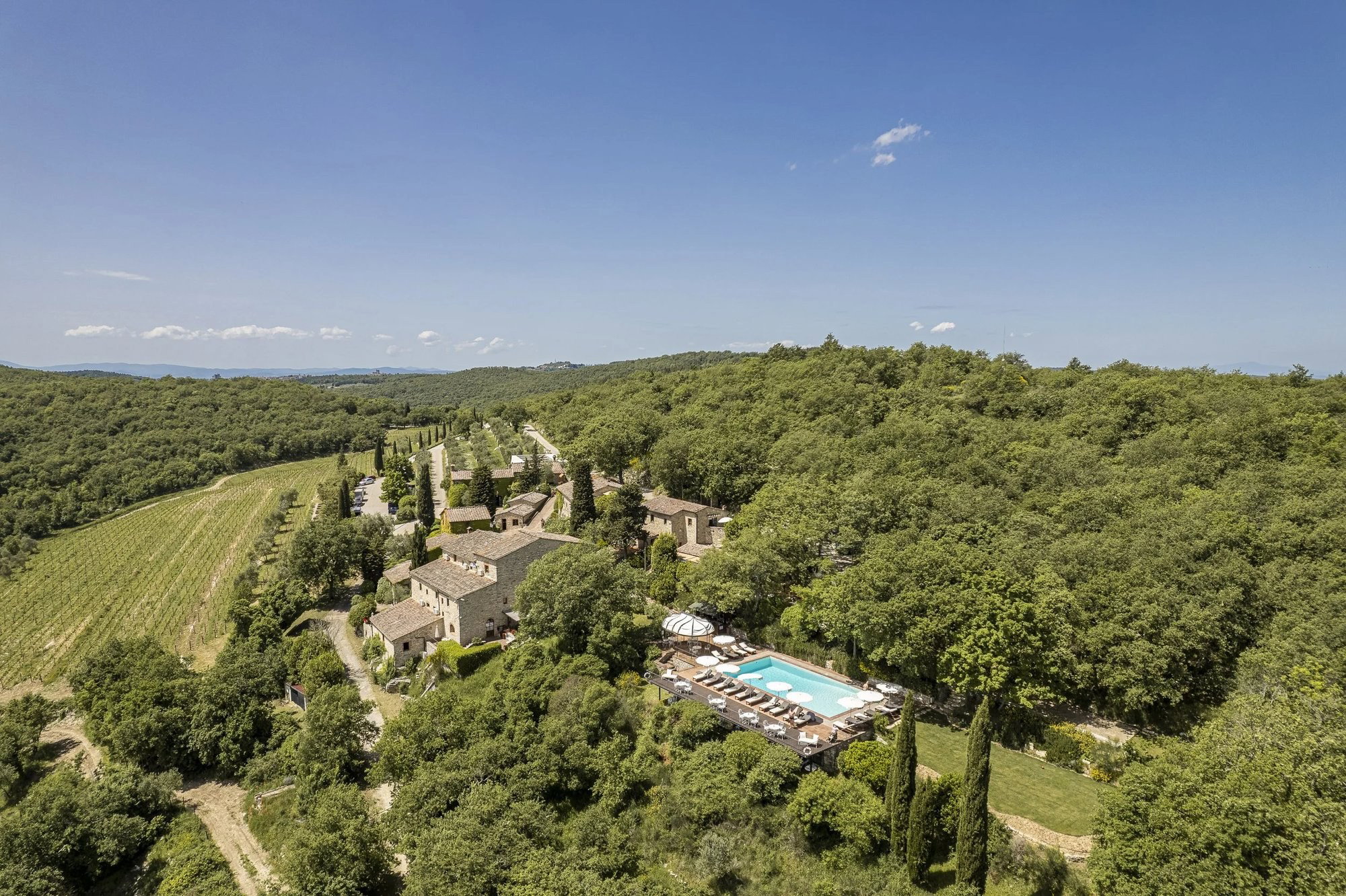
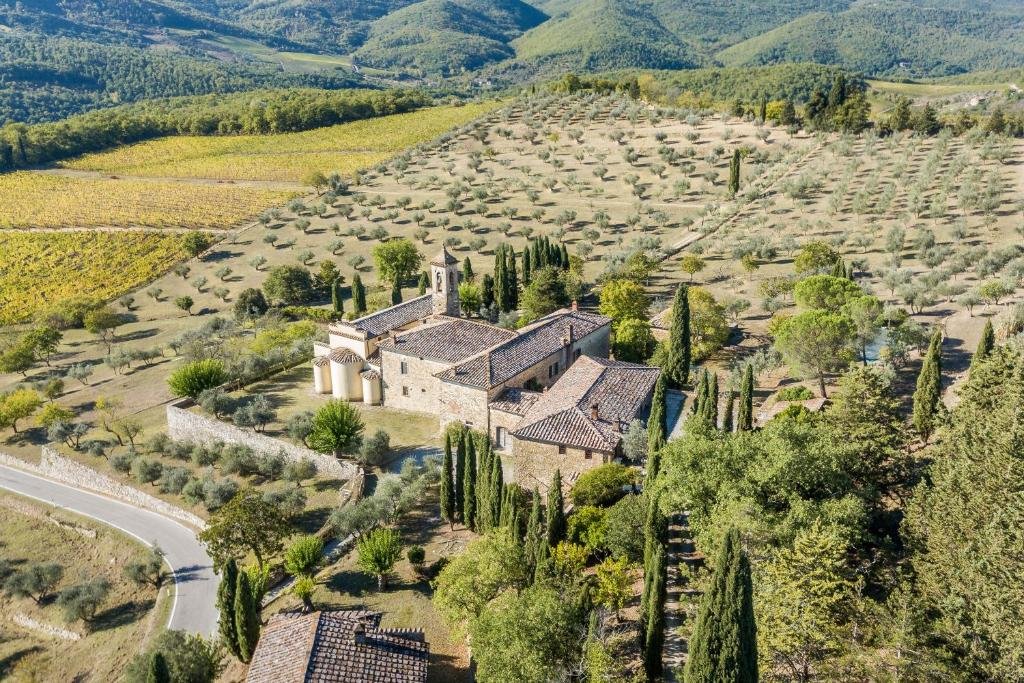
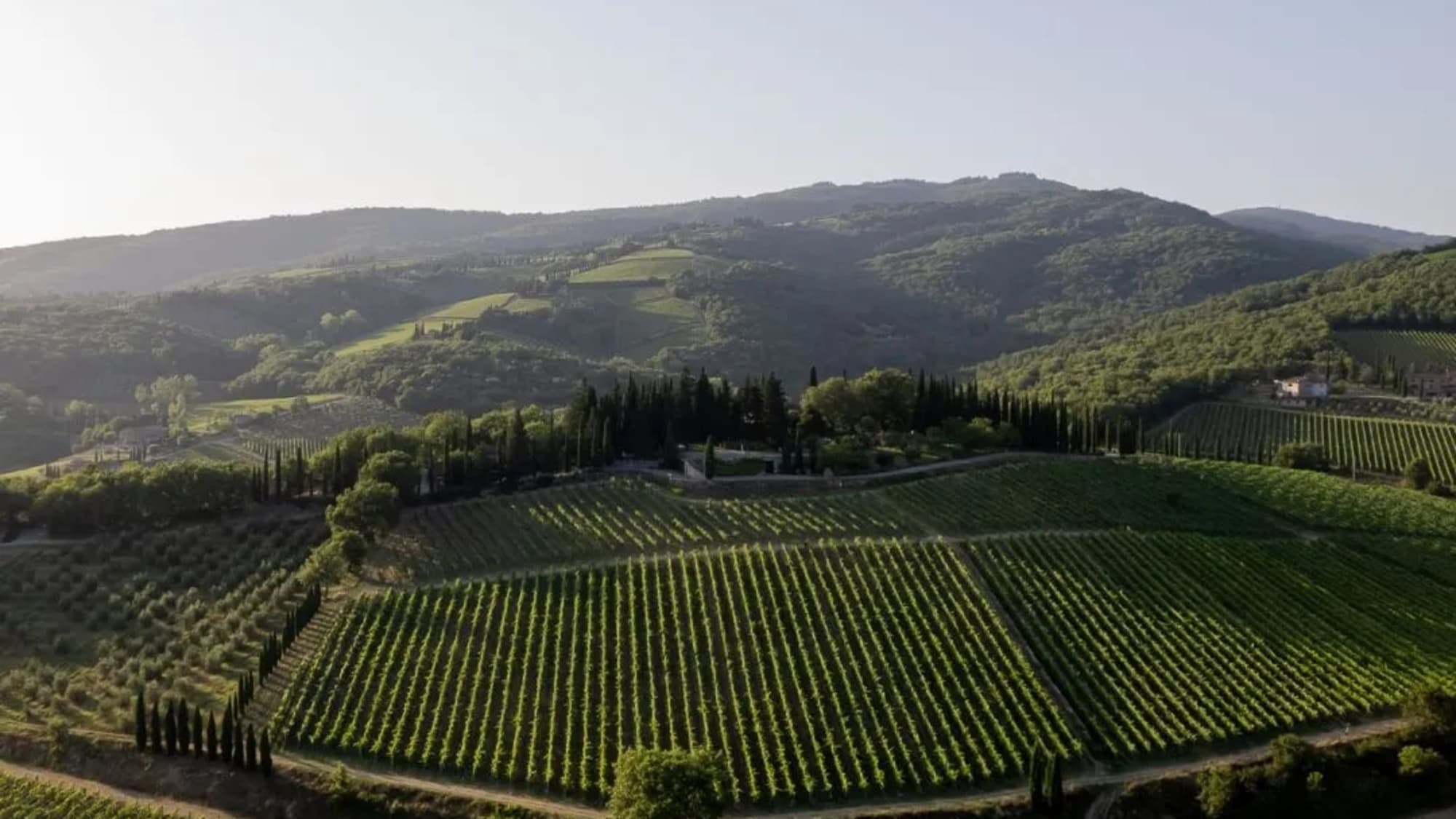
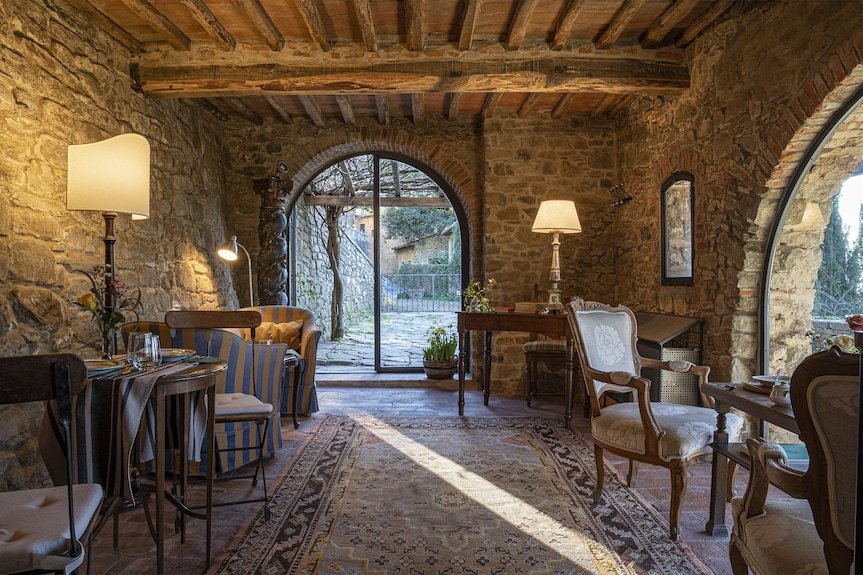
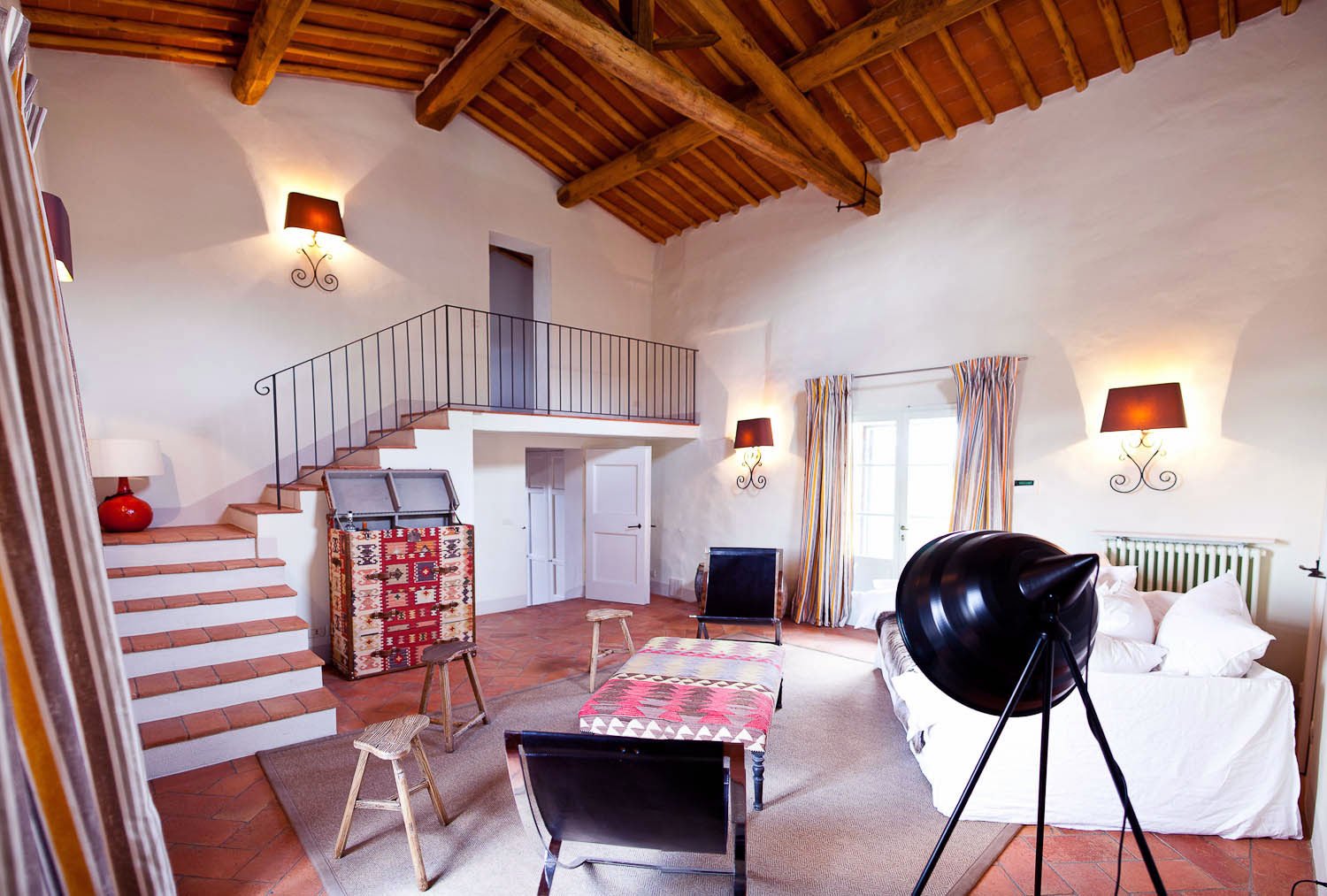
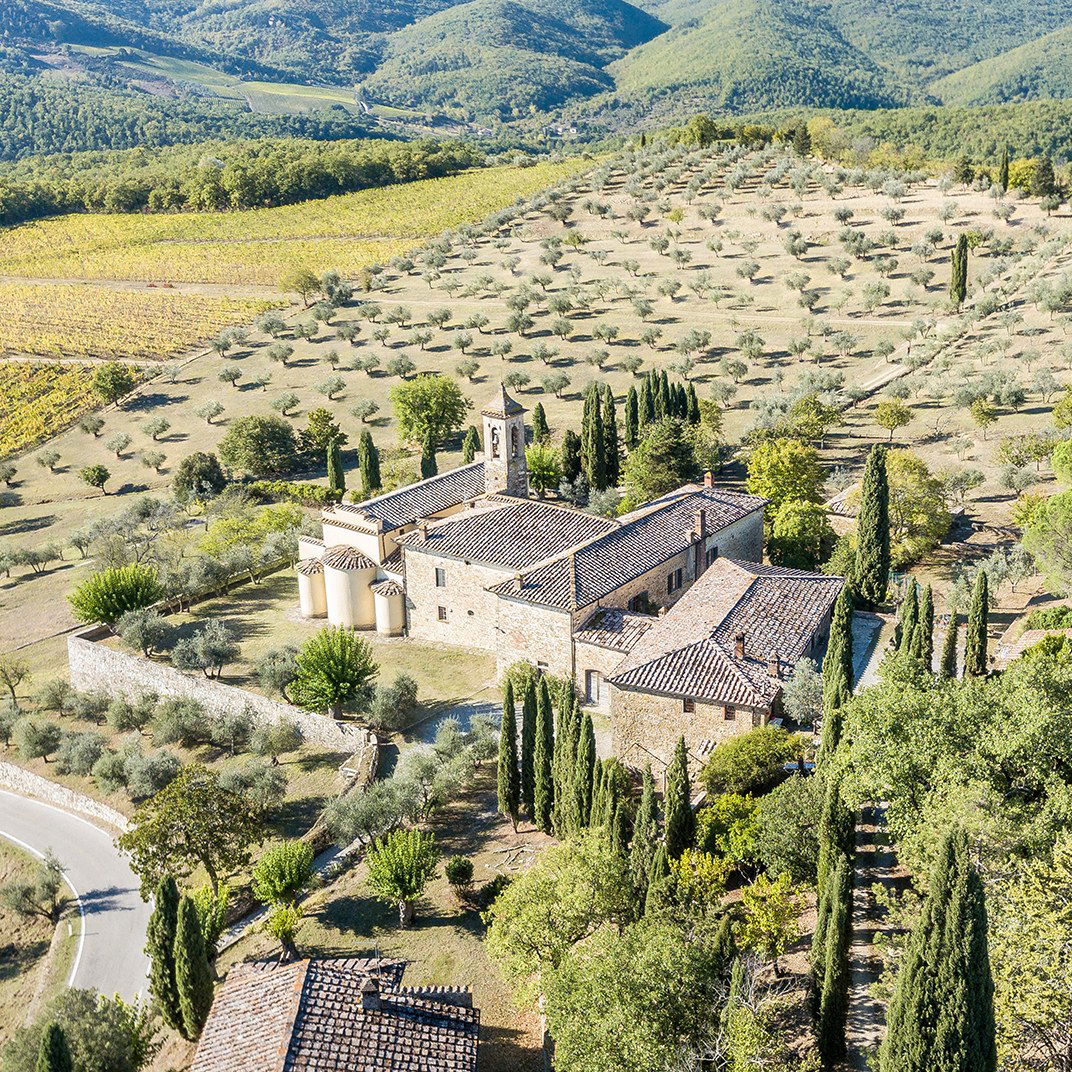
Pieve Aldina reads as a restored Chianti borgo where architecture and landscape do most of the work. Thick stone walls, asymmetric openings and hand-laid masonry create a quietly composed environment that emphasizes material authenticity over decorative intervention. The property’s restraint — no grand forecourt or signage, limited architectural intrusion — produces a serene, almost monastic calm suited to slow travel. The Fontenille Collection’s conservation-minded approach and the hotel’s inclusion in Michelin’s 2025 Selected Hotels underline a practice that values coherence between historic fabric and hospitality.
Best For
This property is best for travelers who prize architectural integrity and a tranquil countryside setting. It suits guests looking for a quiet base in Chianti — people who value passive cooling provided by thick stone walls, close proximity to vineyards and olive groves, and an understated arrival experience. The hotel appeals to discerning visitors who prefer restorative, low-key stays where the building’s history and landscape are the primary attractions rather than bustling resort amenities.
Stay Tips
Expect an understated, conservation-minded property rather than a showy resort. Note that interior spaces remain noticeably cooler than the terrace in warm weather because of the thick stone walls; if daytime terrace sun is a priority you’ll find the outdoor areas exposed to more warmth. Arrivals are discreet — the road narrows through oaks and cypress and the property offers little in the way of signage or forecourt theatre — so allow extra time for navigation and appreciate the muted, historic setting.
Venue details
Ambiance
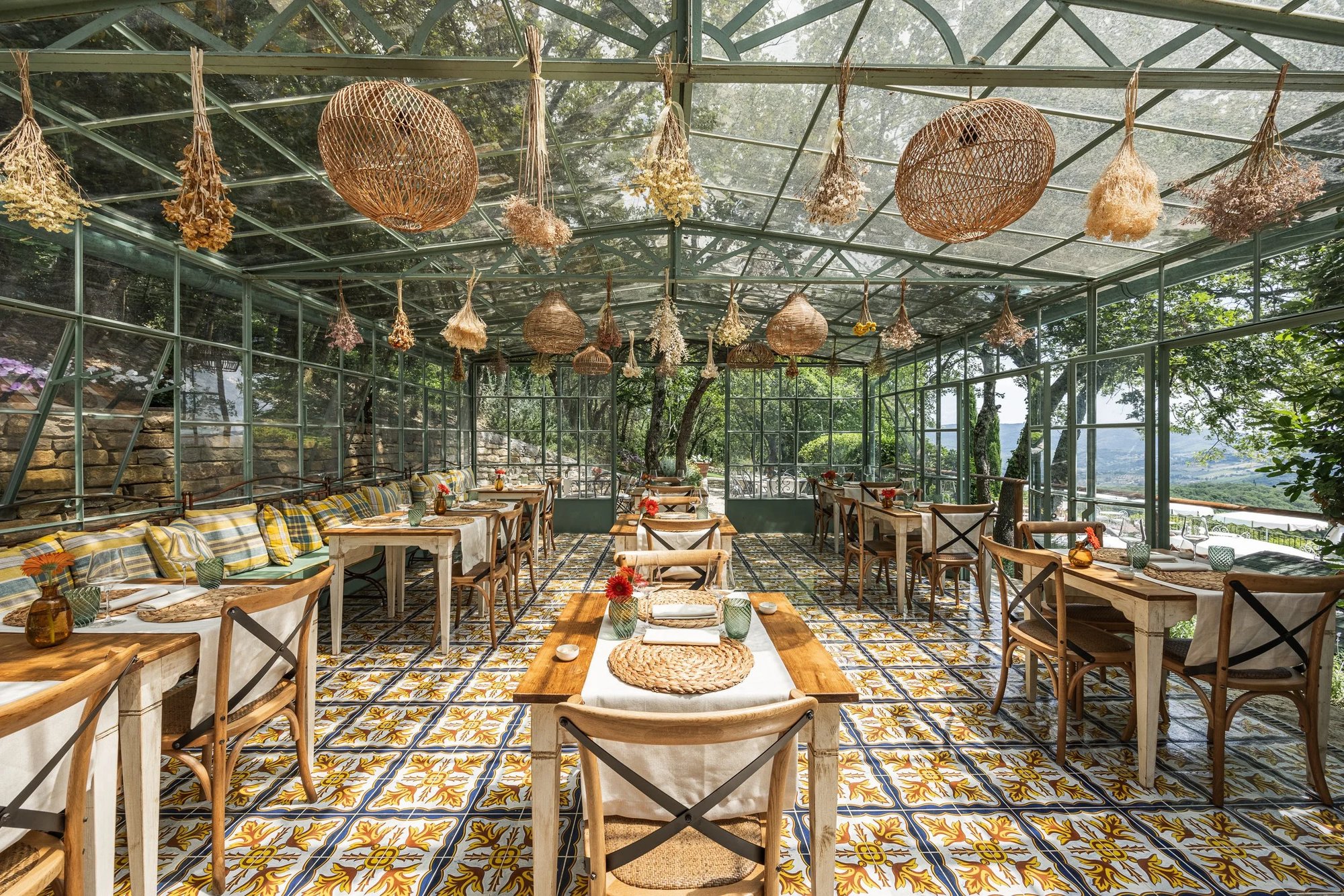
Serene and refined, with candlelit farmhouse dining, leisurely outdoor lawn settings, and a pace of life that encourages relaxation amid historic architecture and countryside views.
Tags
Vibe
Best For
Experience
Amenities
View
Accessibility
About the Stay
- Rooms
- 22
- Check-in
- 15:30
- Check-out
- 11:30
- Property Style
- Contemporary Renovation of a Historic 12th Century Episcopal Complex Blending Antique Architecture with Modern Design Sensibility.
- Design Style
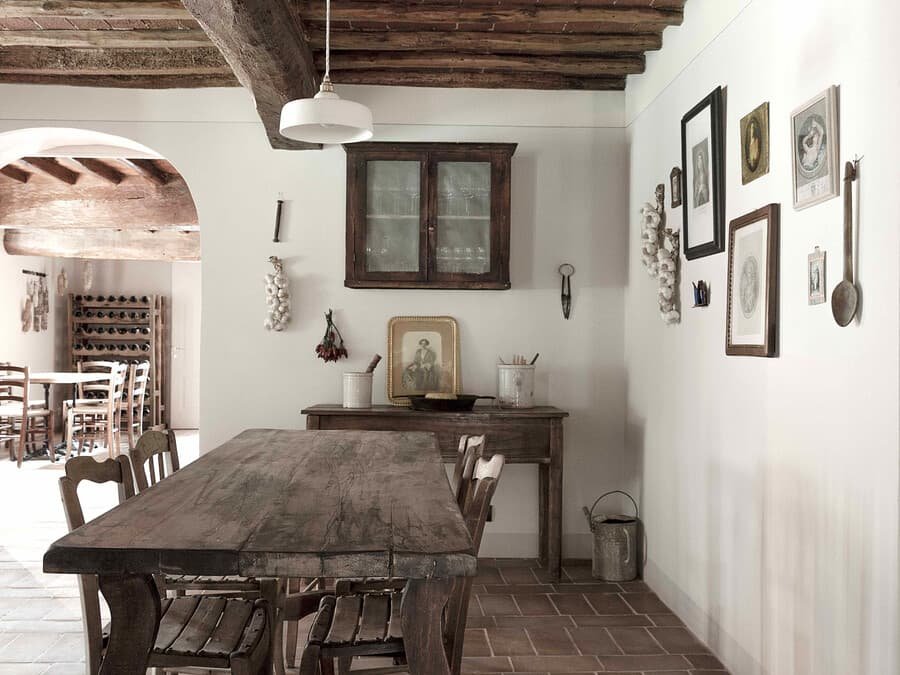
- Rustic Tuscan with Contemporary Minimalism, Featuring Terracotta Floors, Lime Plaster Walls, Timber Windows, and an Earthy Palette of Sage Green, Beige, White, and Brown.
Know before you go
Know Before You Go
- Getting there
- Traversa del Chianti, 53017 Radda in Chianti SI, Italy
Planning details
Location
Traversa del Chianti, 53017 Radda in Chianti SI, Italy · Directions
Recognition and awards
Also consider
Also Consider
- Pieve Aldina, Notable alternative
- Borgo Vescine, Notable alternative
- Relais Borgo Vescine, Notable alternative
- Villa Le Barone, Notable alternative
- Castello di Spaltenna, Notable alternative
Hotel context
How It Compares
Pieve Aldina is the clearest comparison because it appears as the same Radda in Chianti choice under a shorter name. For practical planning, treat it as the same lane: a location-led Chianti stay with easy booking and a stronger case for travelers who value Radda access over resort scale.
Relais Borgo Vescine and Borgo Vescine are the natural cross-shops if the brief is countryside ambiance near Radda rather than the specific Pieve Aldina address. Choose Pieve Aldina - Fontenille Collection if the MICHELIN hotel-selection cue and Radda positioning matter more; look at the Borgo Vescine options if the decision is more about a village-style rural stay.
Villa Le Barone and Castello di Spaltenna sit outside the immediate Radda listing set here, so they make sense for travelers willing to trade centrality for a different countryside base. For a first Chianti trip focused on Radda, Pieve Aldina is the more direct pick; for travelers comparing broader Chianti settings, those two are worth checking before committing.
Explore Radda in Chianti
Around this place
Discover more on Pearl
Unlock the full Pieve Aldina - Fontenille Collection guide in Pearl, including awards, comparisons, FAQs, planning details, and nearby places.
Compare Pieve Aldina - Fontenille Collection
| Venue | Location | Awards |
|---|---|---|
| Pieve Aldina - Fontenille Collection | Radda in Chianti | 2025 Michelin Selected Hotels |
| Pieve Aldina | Radda in Chianti | 2025 Relais Chateaux Award |
| Borgo Vescine | Siena | No published awards |
| Relais Borgo Vescine | Radda in Chianti | Star Wine Lists 2026Tablet Hotels Top 40 New Hotels 2025 · #192025 Michelin Selected Hotels |
| Villa Le Barone | Pieve Di Panzano | No published awards |
| Castello di Spaltenna | Gaiole in Chianti | 2025 Michelin Selected HotelsSmall Luxury Hotels Member 2025 |




How Pieve Aldina - Fontenille Collection in Radda in Chianti compares with similar nearby venues.
FAQ
Frequently Asked Questions
How is the location of Pieve Aldina - Fontenille Collection?
Pieve Aldina - Fontenille Collection is in Radda in Chianti. Use that city-level location as your reference point, and confirm any finer location details directly before booking.
How does Pieve Aldina - Fontenille Collection compare to other hotels?
Choose Pieve Aldina - Fontenille Collection if you want a Radda in Chianti hotel with a MICHELIN Guide Hotels Selected (2025) cue. Borgo Vescine, Relais Borgo Vescine, Castello di Spaltenna, and Villa Le Barone are sensible comparison names to review, but confirm each property's current location details, services, and policies directly.