

Banyan Tree Puebla
Puebla Centro, Puebla
Hotel in Puebla, Mexico
 Book with Pearl
The Read
Heritage Conversion Luxury
Price
$200–300per night
Why go
Banyan Tree Puebla is the stronger pick for travelers who want a Puebla stay with historic-center character rather than a standard commercial-district hotel. It suits couples and first-timers who will spend real time on property; value is weaker if the room is only a place to sleep. Compare La Purificadora for a similar local angle and Grand Fiesta Americana Puebla Angelópolis for a more conventional city-hotel setup.
About Banyan Tree Puebla
Banyan Tree Puebla is a luxury-hotel option in Puebla with a smart-casual dress code and recognized as a Michelin 1 Key hotel in 2025. It is also listed as a Virtuoso Luxury Hotel Partner for 2026. Beyond these points, use the hotel as a Puebla base when you want a more premium stay, but confirm room types, inclusions, rates, and on-property details directly before booking.
The room decision should be made through the hotel or booking channel rather than assumptions. The practical question is whether Banyan Tree Puebla fits the tone and budget of the trip, especially if the hotel itself is meant to be part of the experience rather than only a place to sleep.
Choose it for a Puebla stay with luxury recognition
The clearest reason to prioritize Banyan Tree Puebla is its Michelin 1 Key recognition in 2025. That makes it a strong candidate for travelers who want a higher-end Puebla hotel and prefer a property with independently noted hospitality recognition.
For comparison planning, Grand Fiesta Americana Puebla Angelópolis and La Purificadora are natural Puebla alternatives to review, depending on availability, budget, and the type of stay you want. Hotel Casa Huamantla, Amomoxtli, and Casa Fernanda Hotel Boutique can also be considered as broader regional or style-led hotel comparisons, but they should not be treated as direct substitutes without checking location and trip logistics.
The value case depends on what you need from the stay
Banyan Tree Puebla makes the most sense when a premium hotel setting matters to the trip. If the hotel is mainly a place to sleep, compare rates and availability carefully before committing. If the stay itself is an important part of the itinerary, the Michelin 1 Key recognition gives the choice a clearer rationale.
Booking should still be handled practically. Confirm current rates, room categories, cancellation terms, inclusions, and any dining or service details directly with the hotel or booking platform.
The verdict: book Banyan Tree Puebla if you want a premium Puebla hotel with Michelin 1 Key recognition. Compare other options if price, location logistics, or specific hotel features are the deciding factors.
Part of
Banyan Tree27 locations on PearlPlanning details
- Location
- C. 10 Nte. 1402, Barrio del Alto, 72000 Heroica Puebla de Zaragoza, Pue.
- Website
- banyantree.com/mexico/puebla
- Phone
- +52 222 122 2300
The take
The Take
The Vibe
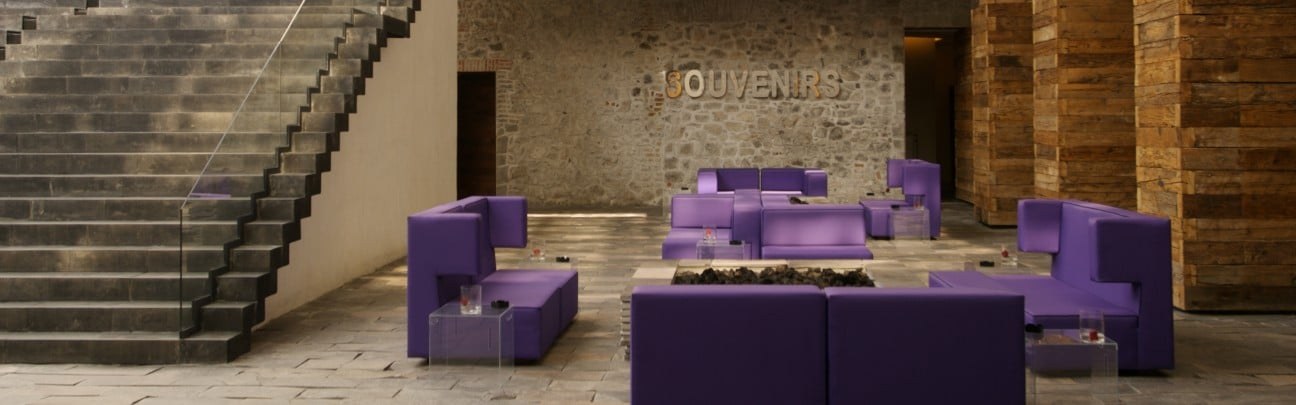
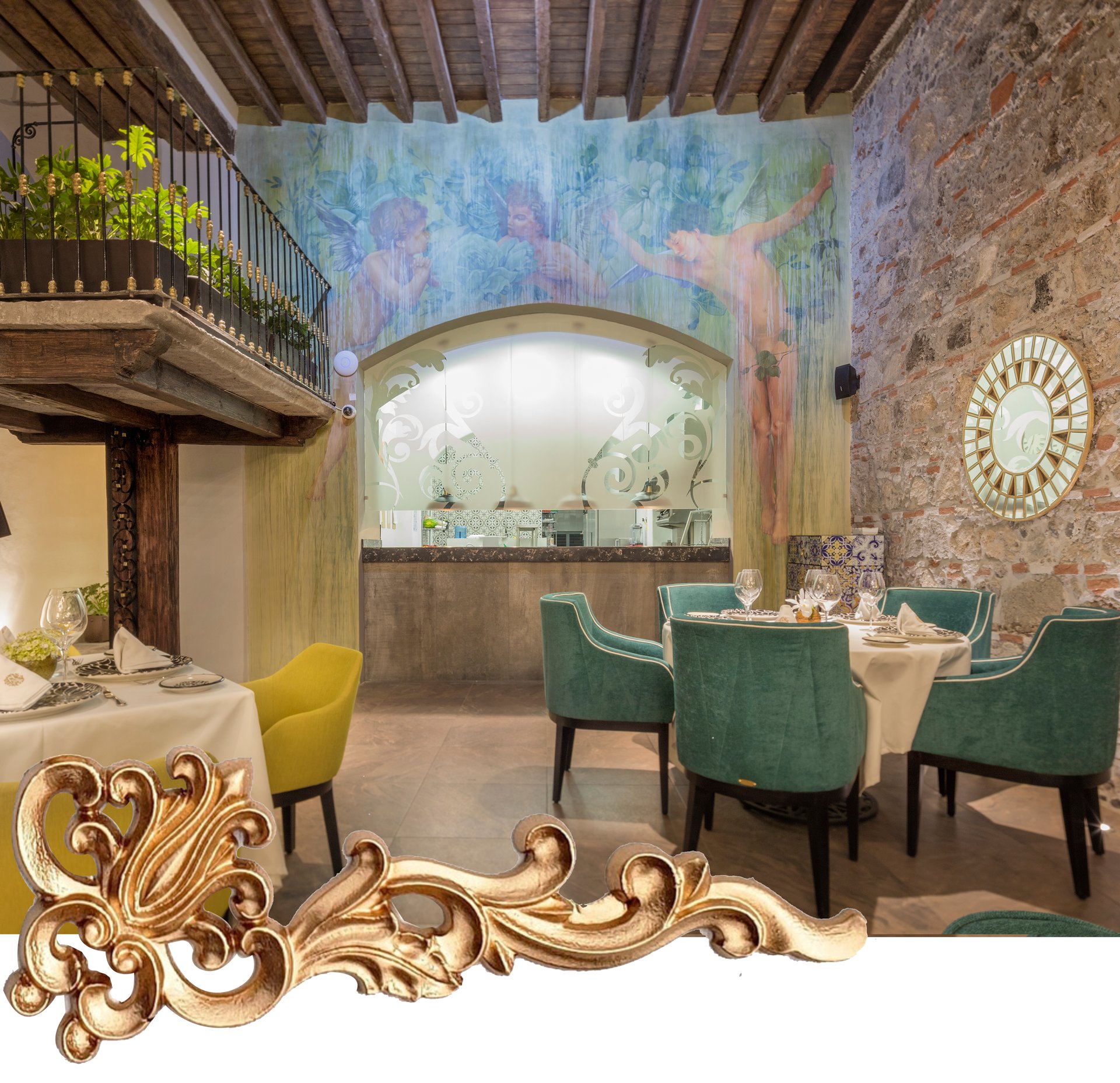
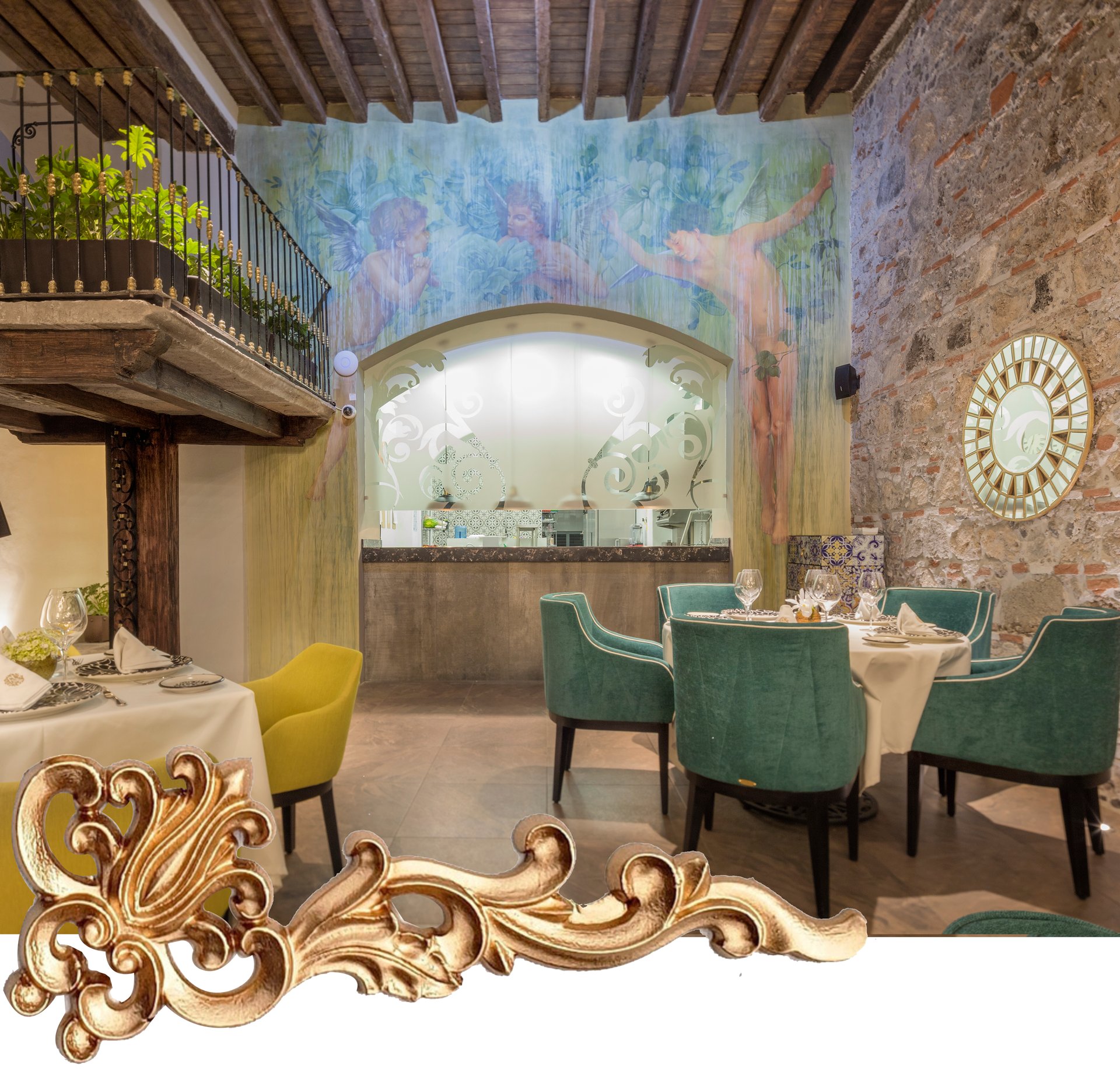
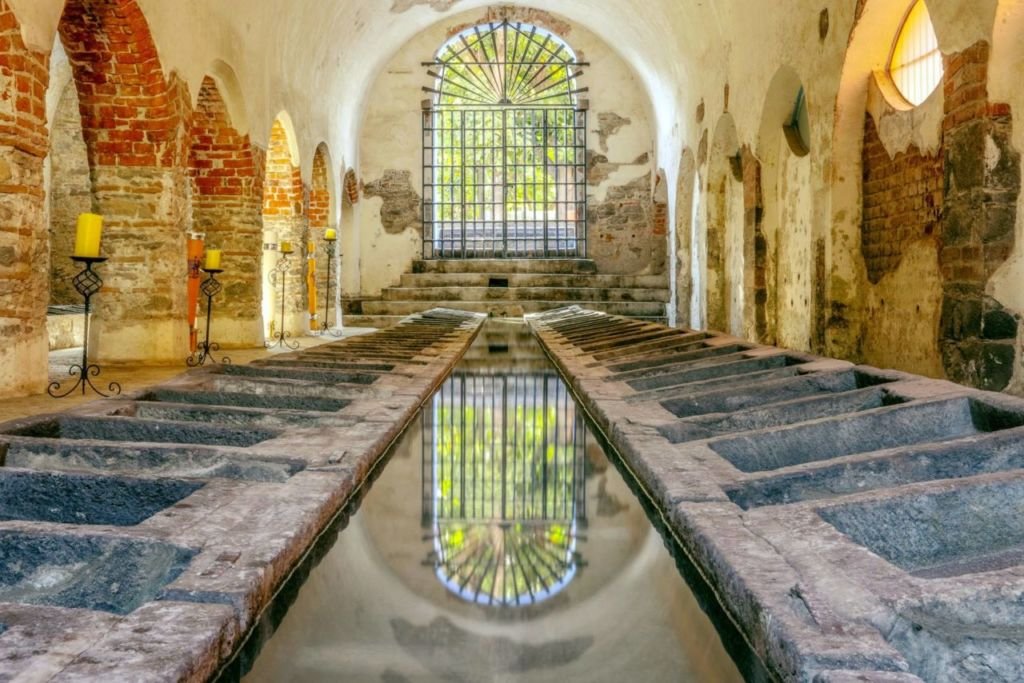
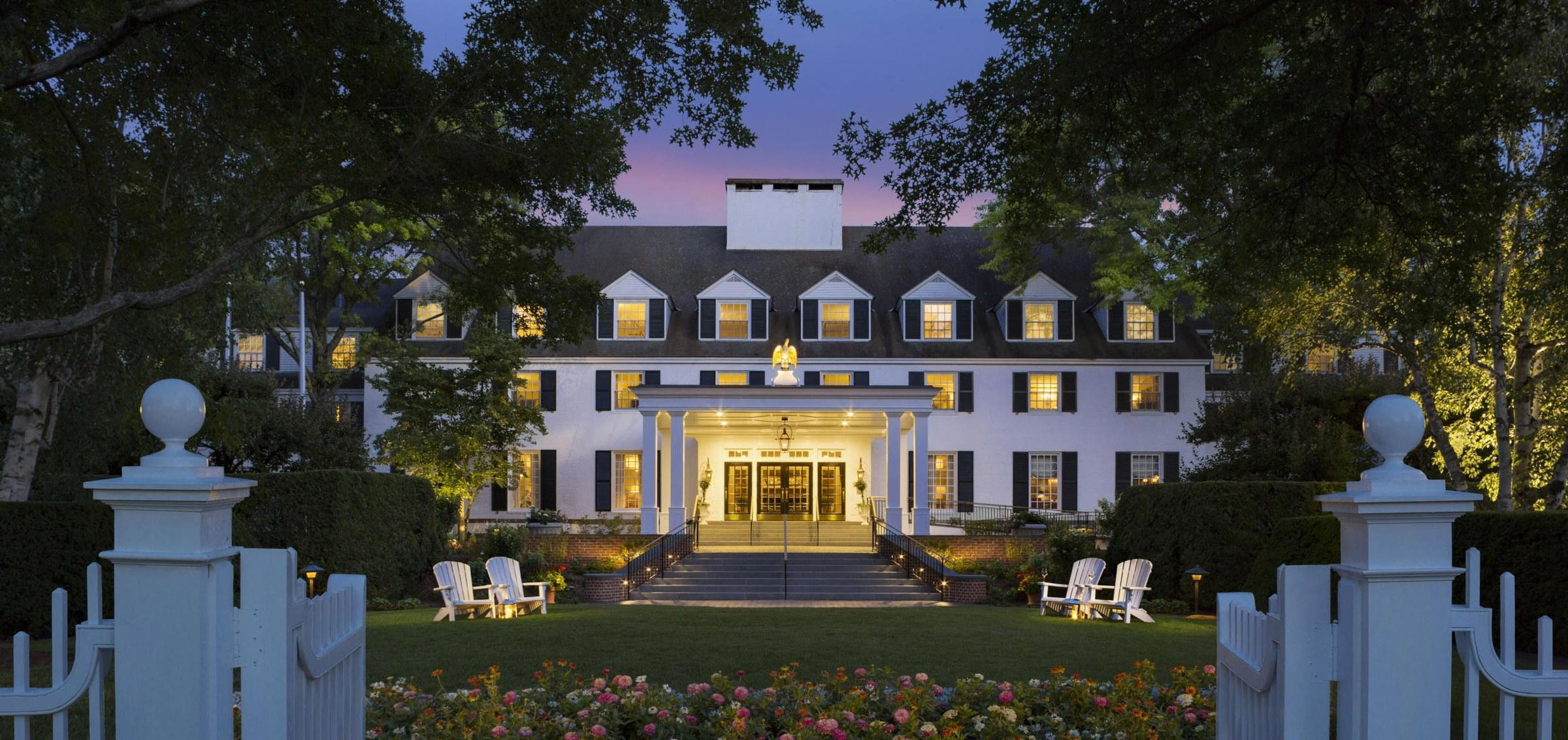
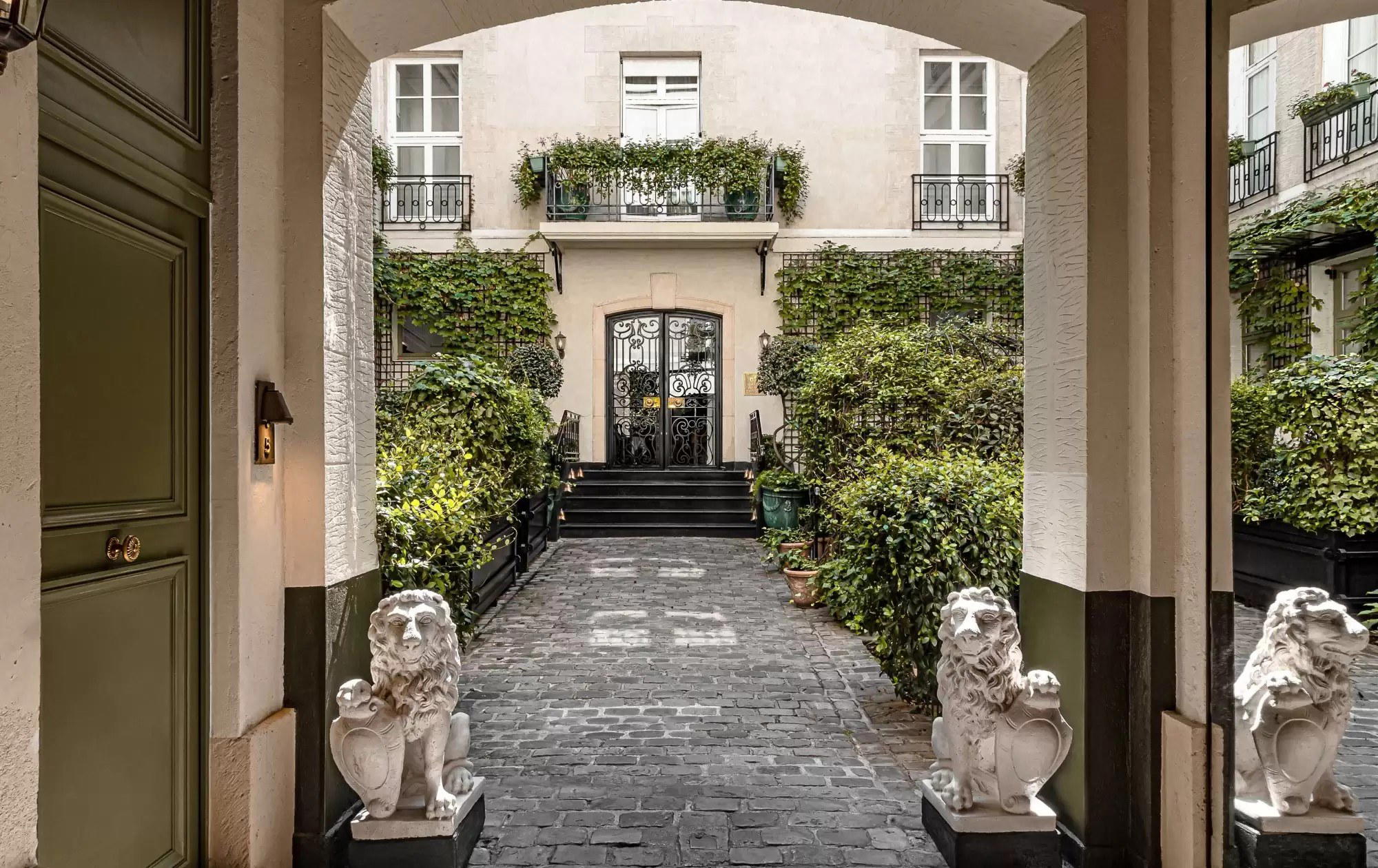
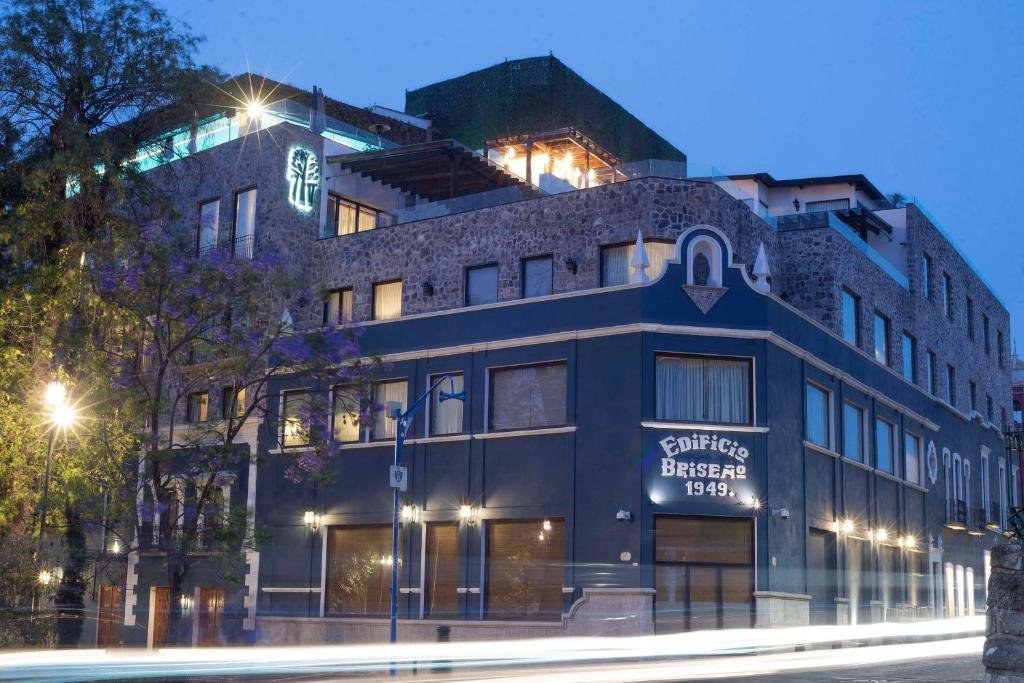
Banyan Tree Puebla emphasizes the dialogue between preserved colonial architecture and discreet contemporary hospitality. The building presents as 19th-century from the street — carved stone doorways, period ironwork and generous historic proportions dominate the common volumes — while guestrooms introduce modern finishes and facilities. That tension between old and new is purposeful: the hotel leans toward preservation with selective modernization, so public areas feel rooted in the city’s architectural past even as rooms deliver up-to-date comfort. The overall effect is a boutique, character-rich stay that foregrounds craftsmanship, heritage detailing and an intimate sense of place in Puebla’s centro histórico.
Best For
This hotel suits travelers who prioritize architecture, history and a boutique urban experience. Located in Puebla’s UNESCO-listed centro histórico, it appeals to guests who want to be immersed in colonial city fabric while staying in a property that carefully balances original fabric with contemporary room finishes. The modest key count keeps the scale approachable, making it a good pick for couples or solo travelers who prefer thoughtful design over large, commercial hotels. It also works well for visitors planning to explore the historic center on foot and who appreciate lodging that reads as part of the city’s architectural story.
Stay Tips
Book early and specify your room preference: with only 78 rooms the hotel operates at a boutique scale, so inventory moves quickly for peak dates. If original architecture matters to you, ask about rooms that showcase exposed historic details or courtyard-facing accommodations; the description highlights courtyards and the contrast between street-facing 19th-century volumes and contemporary guestrooms. Conversely, if you favor modern comforts, request rooms described as carrying the property’s updated finishes. Also bear in mind the building’s irregular floor plates—double-check room location and layout before confirming if specific spatial arrangements are important to your stay.
Venue details
Ambiance
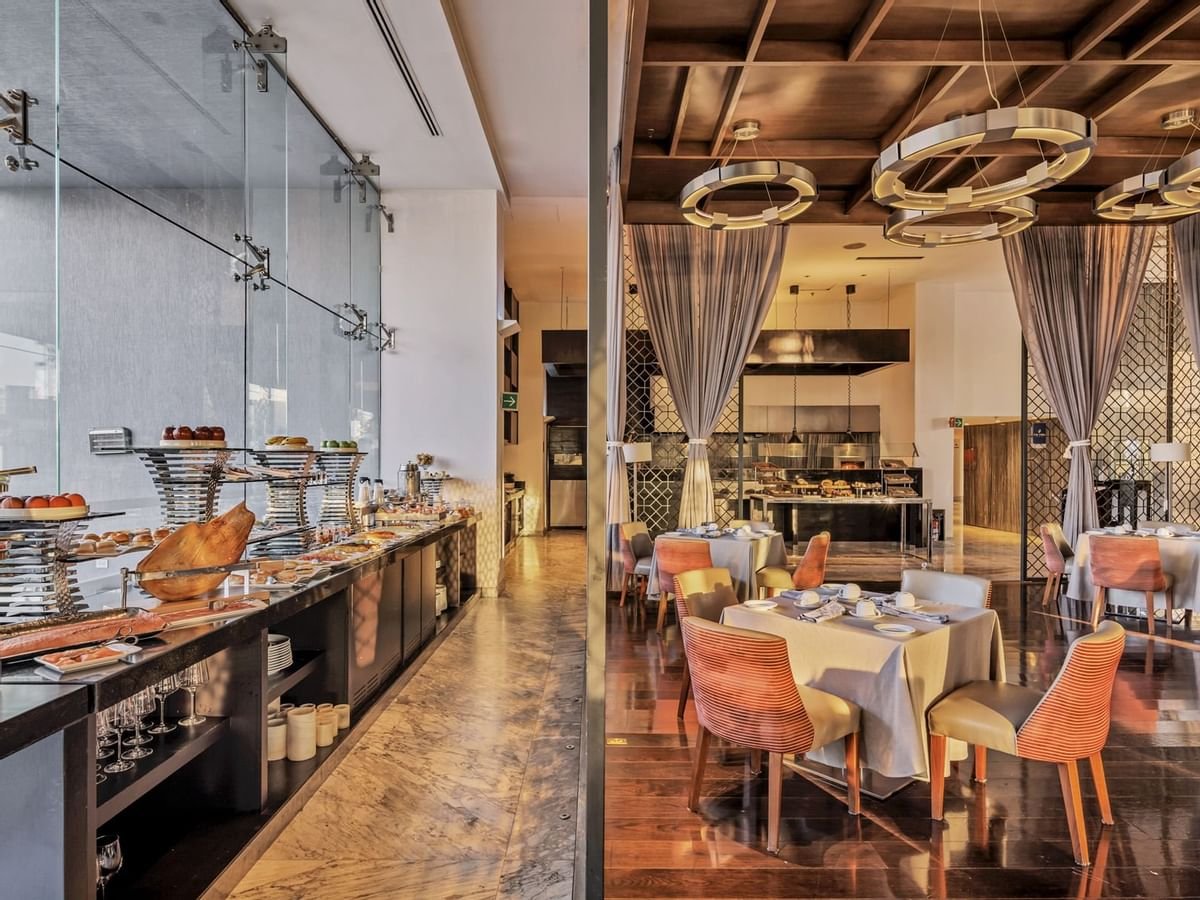
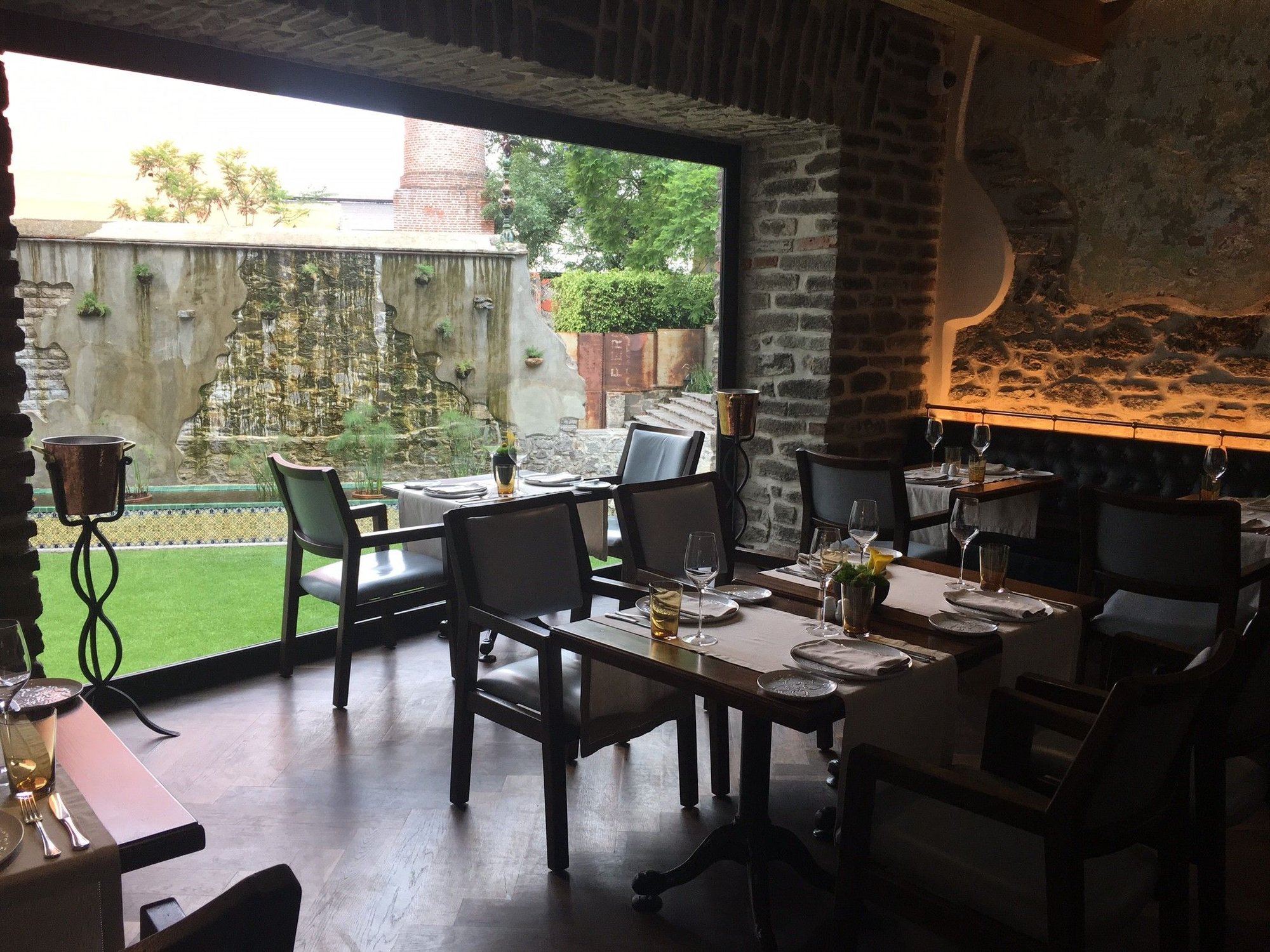
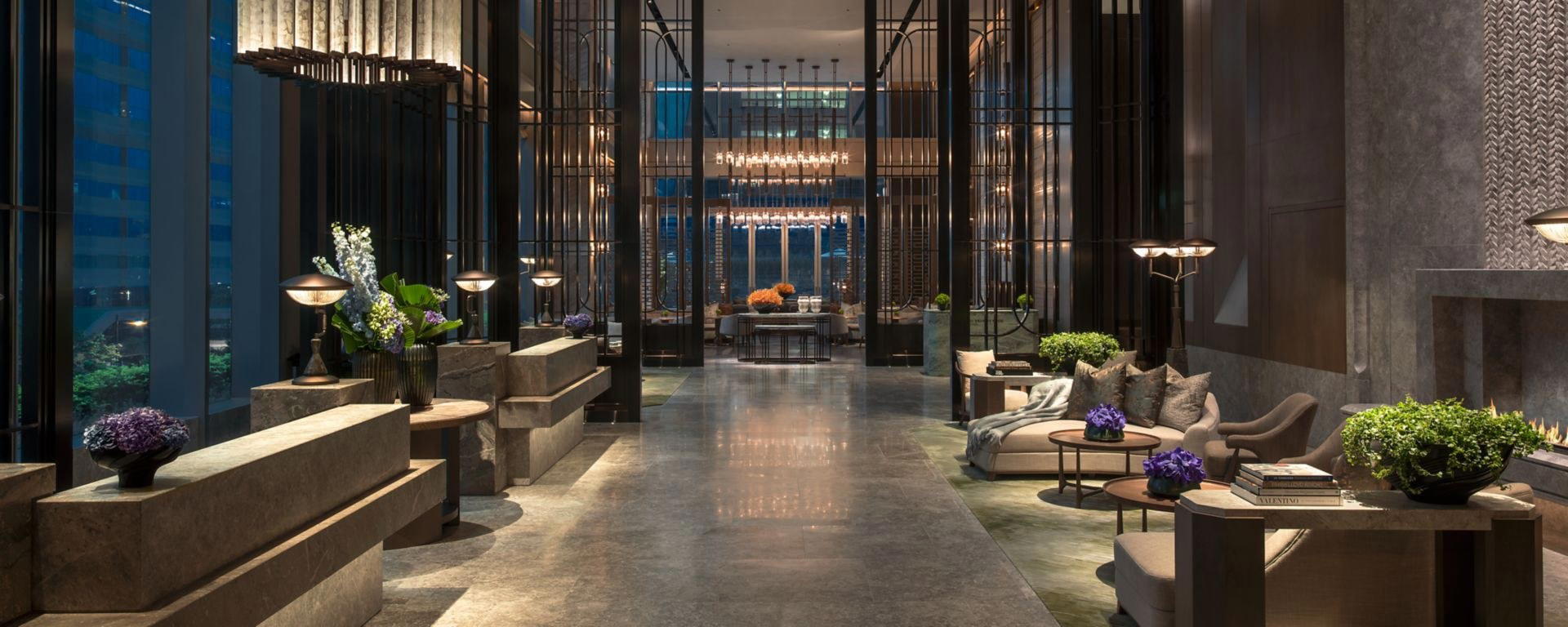
Refined colonial atmosphere with serene garden settings, peaceful lighting, and a blend of modern luxury and heritage architecture.
Tags
Vibe
Best For
Experience
Amenities
View
Accessibility
About the Stay
- Rooms
- 78
- Check-in
- 15:00
- Check-out
- 12:00
- Property Type
- Boutique hotel
- Property Style
- Colonial Heritage Building in Puebla's Historic Center with Modern Luxury Elements.
- Design Style
- Elegant Blend of Colonial Architecture, Traditional Craftsmanship, and Contemporary Sophistication.
- Airport Transfer
- Available
- Pool
- Yes
- Spa
- Yes
- Pets
- Allowed
- Families
- Welcome
- Cancellation
- Moderate
Know before you go
Know Before You Go
- Getting there
- C. 10 Nte. 1402, Barrio del Alto, 72000 Heroica Puebla de Zaragoza, Pue.
Planning details
Location
C. 10 Nte. 1402, Barrio del Alto, 72000 Heroica Puebla de Zaragoza, Pue. · Directions
Recognition and awards

Also consider
Also Consider
- La Purificadora, Notable alternative
- Grand Fiesta Americana Puebla Angelópolis, Notable alternative
- Hotel Casa Huamantla, Notable alternative
- Amomoxtli, Notable alternative
- Casa Fernanda Hotel Boutique, Notable alternative
Hotel context
How It Compares
La Purificadora is the closest Puebla comparison for travelers who want a design-led stay in the city rather than a generic hotel base. Choose Banyan Tree Puebla when the historic-center address and a calmer luxury-hotel feel matter more; choose La Purificadora if the decision is more about a sharper boutique-hotel mood and easier cross-shopping within Puebla.
Grand Fiesta Americana Puebla Angelópolis is the practical alternative: better for guests who want a larger, more conventional hotel experience in a newer part of the city. Banyan Tree Puebla is the more compelling pick for atmosphere and a first Puebla leisure stay, while Grand Fiesta Americana is easier to justify for business travel, families prioritizing predictability, or anyone who wants less friction around logistics.
The out-of-metro options serve different trip types. Hotel Casa Huamantla is for travelers willing to leave Puebla for a quieter small-town base, while Amomoxtli and Casa Fernanda Hotel Boutique make more sense when the trip is built around Tepoztlán rather than Puebla. If the goal is Puebla itself, stay in the city and compare Banyan Tree Puebla mainly against La Purificadora and Grand Fiesta Americana Puebla Angelópolis.
Explore Puebla
Around this place
Discover more on Pearl
Unlock the full Banyan Tree Puebla guide in Pearl, including awards, comparisons, FAQs, planning details, and nearby places.
Compare Banyan Tree Puebla
| Venue | Location | Awards |
|---|---|---|
| Banyan Tree Puebla | Puebla | 2026 Virtuoso Luxury Hotel Collection2026 Michelin 1 KeyMichelin 1 Key 20252025 Michelin 1 Key |
| La Purificadora | Puebla | No published awards |
| Grand Fiesta Americana Puebla Angelópolis | Puebla | 2026 Forbes Recommended2025 Forbes Recommended |
| Hotel Casa Huamantla | Huamantla | Small Luxury Hotels Member 2025 |
| Amomoxtli | Tepoztlán | 2026 Mr & Mrs Smith Luxury Hotels2026 Michelin 1 Key2025 Michelin 1 Key |
| Casa Fernanda Hotel Boutique | Tepoztlán | No published awards |



How Banyan Tree Puebla compares with similar nearby venues.
FAQ
Frequently Asked Questions
Which room category is best at Banyan Tree Puebla?
The safest approach is to choose based on current rates, space needs, cancellation terms, and what the hotel directly lists at booking. If you plan to spend more time at the property, a higher category may be worth comparing, but confirm the details before paying more.
Is Banyan Tree Puebla family-friendly?
Travelers visiting with children should contact the hotel or booking channel directly to confirm room setup, occupancy rules, and any relevant services before reserving.
How does Banyan Tree Puebla compare to nearby hotels?
Banyan Tree Puebla stands out for its Michelin 1 Key recognition in 2025 and Virtuoso Luxury Hotel Partner listing for 2026. La Purificadora and Grand Fiesta Americana Puebla Angelópolis are Puebla options to compare, while Hotel Casa Huamantla, Amomoxtli, and Casa Fernanda Hotel Boutique may be useful broader comparisons depending on itinerary and location needs.
When is the best time to book Banyan Tree Puebla?
Book when the rate, cancellation terms, and room type match your plans. Fixed-date trips should be secured earlier, while flexible travelers can compare Banyan Tree Puebla with other options in Puebla.
What is check-in like at Banyan Tree Puebla?
Before arrival, confirm check-in details, any deposit or identification requirements, and current hotel policies directly with Banyan Tree Puebla or your booking provider.