

La Purificadora
Barrio El Alto, Puebla
Hotel in Puebla, Mexico
 Book with Pearl
The Read
Price
$100–200per night
Why go
La Purificadora is worth booking if a Puebla stay should feel tied to the historic center rather than a newer commercial district. Its Design Hotels membership, Mr & Mrs Smith approval, and MICHELIN Guide hotel selection make it a credible design-led pick; compare rates against Banyan Tree Puebla and Grand Fiesta Americana Puebla Angelópolis if service breadth matters more than setting.
About La Purificadora
La Purificadora is a Puebla hotel with a smart casual dress code, 2026 Design Hotels Member recognition, a 2026 Mr & Mrs Smith Seal of Approval, and MICHELIN Guide, Hotels Selected status for 2025. Travelers should confirm specific amenities, service style, room formats, dining details, or location advantages within Puebla directly before booking.
Its strongest appeal is its design-hotel positioning and third-party hotel recognition. For travelers comparing hotels in Puebla, that makes it a relevant option to consider alongside Banyan Tree Puebla and Grand Fiesta Americana Puebla Angelópolis. If the trip may also include other destinations, Amomoxtli, Casa Fernanda Hotel Boutique, and Hotel Casa Huamantla can be considered separately rather than treated as direct Puebla substitutes.
A design-recognized Puebla hotel
Book La Purificadora if the Design Hotels membership, Mr & Mrs Smith recognition, and MICHELIN Guide hotel selection are meaningful signals for your stay in Puebla. These are strong reasons to keep it on a premium-hotel shortlist, especially for travelers who value a hotel with a design-led identity.
For travelers who need specific facilities, family setup, business services, dining arrangements, or room configurations, the safer approach is to confirm those details directly with the hotel before committing. Grand Fiesta Americana Puebla Angelópolis and Banyan Tree Puebla are natural comparison points in Puebla, but the right choice should come down to your priorities rather than assumptions about format or amenities.
Plan around booking details, not assumptions
Booking decisions should factor in its design recognition, the smart casual dress code, and direct confirmation of the details that matter for your trip. Before choosing La Purificadora over Banyan Tree Puebla or Grand Fiesta Americana Puebla Angelópolis, compare current rates, room descriptions, cancellation terms, and any required services on the official booking channels.
Planning details
- Location
- Paseo de San Francisco, C. 10 Nte. 802, Barrio del Alto, 72000 Heroica Puebla de Zaragoza, Pue., Mexico
- Website
- lapurificadora.com
- Phone
- +52 222 309 1920
The take
The Take
The Vibe
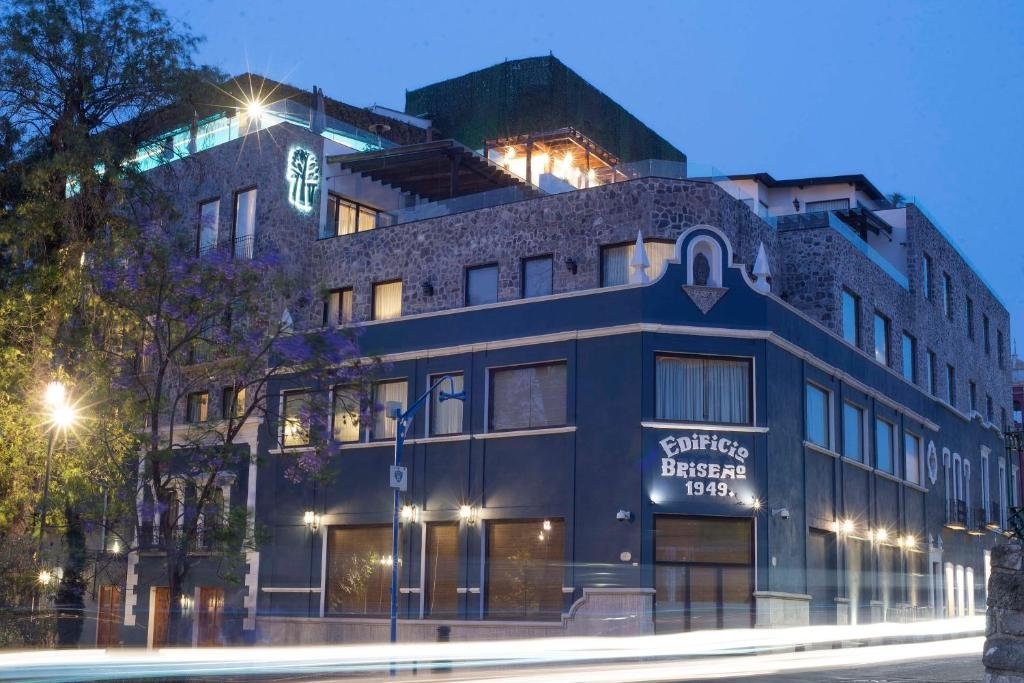
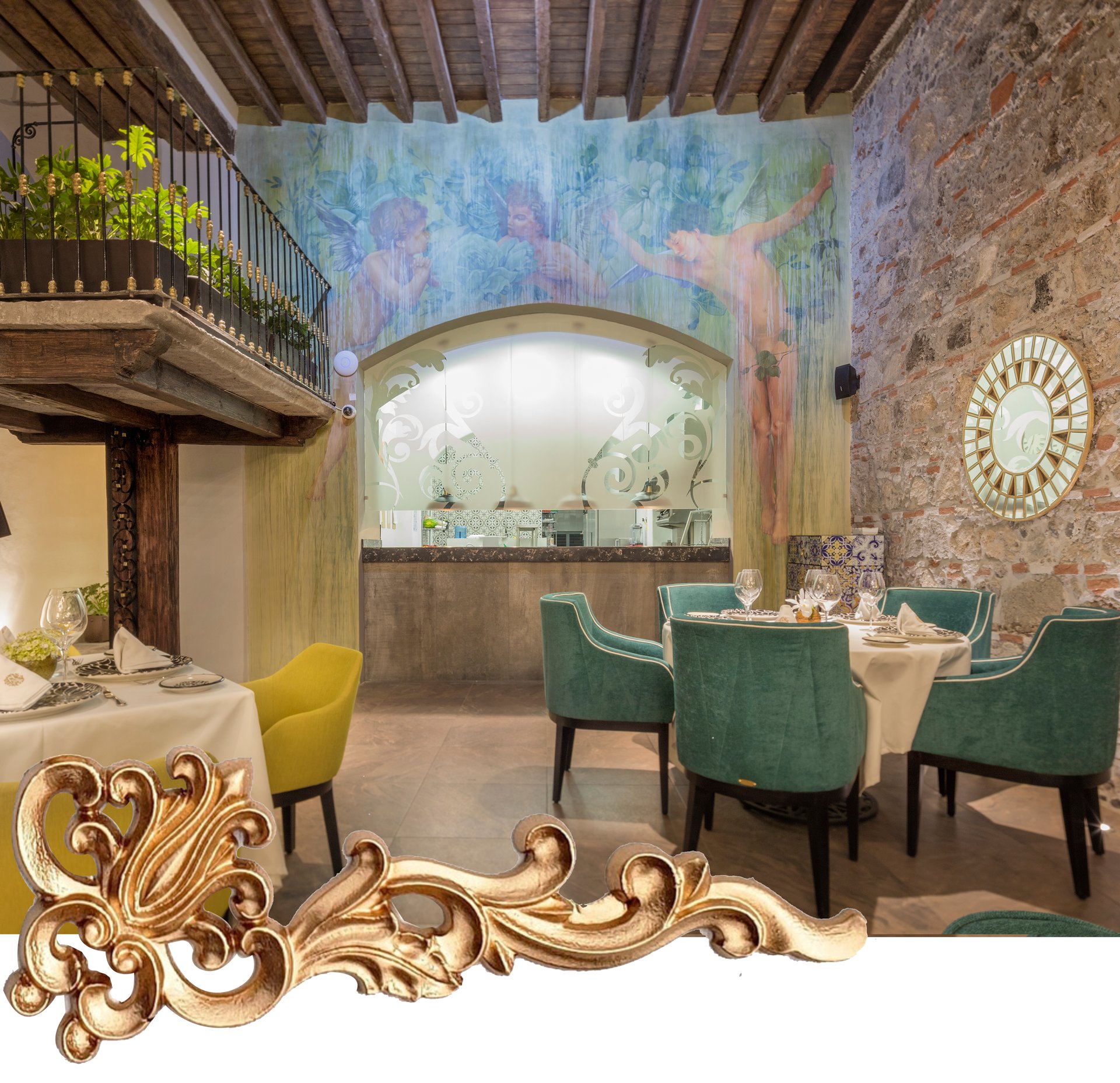
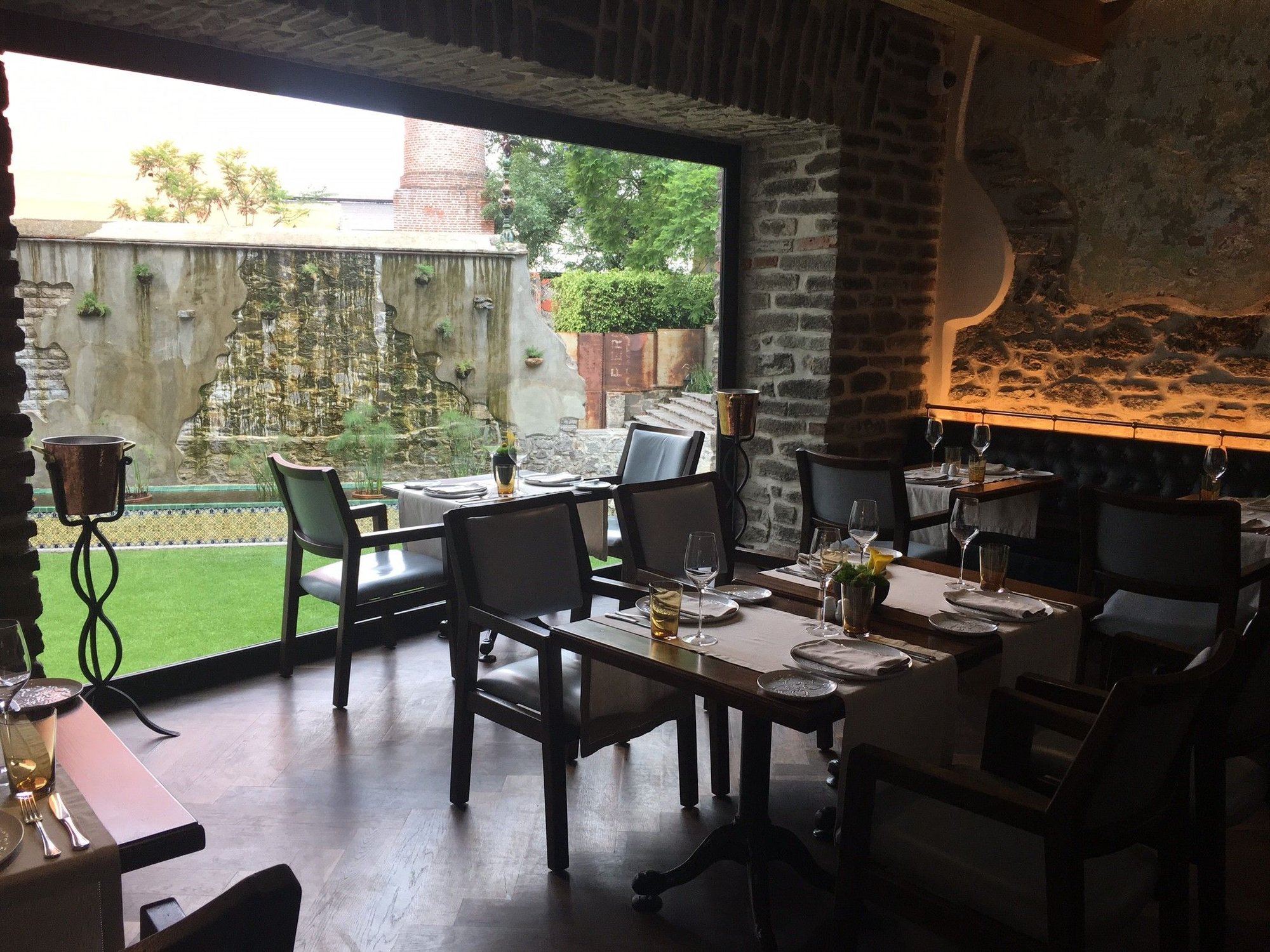
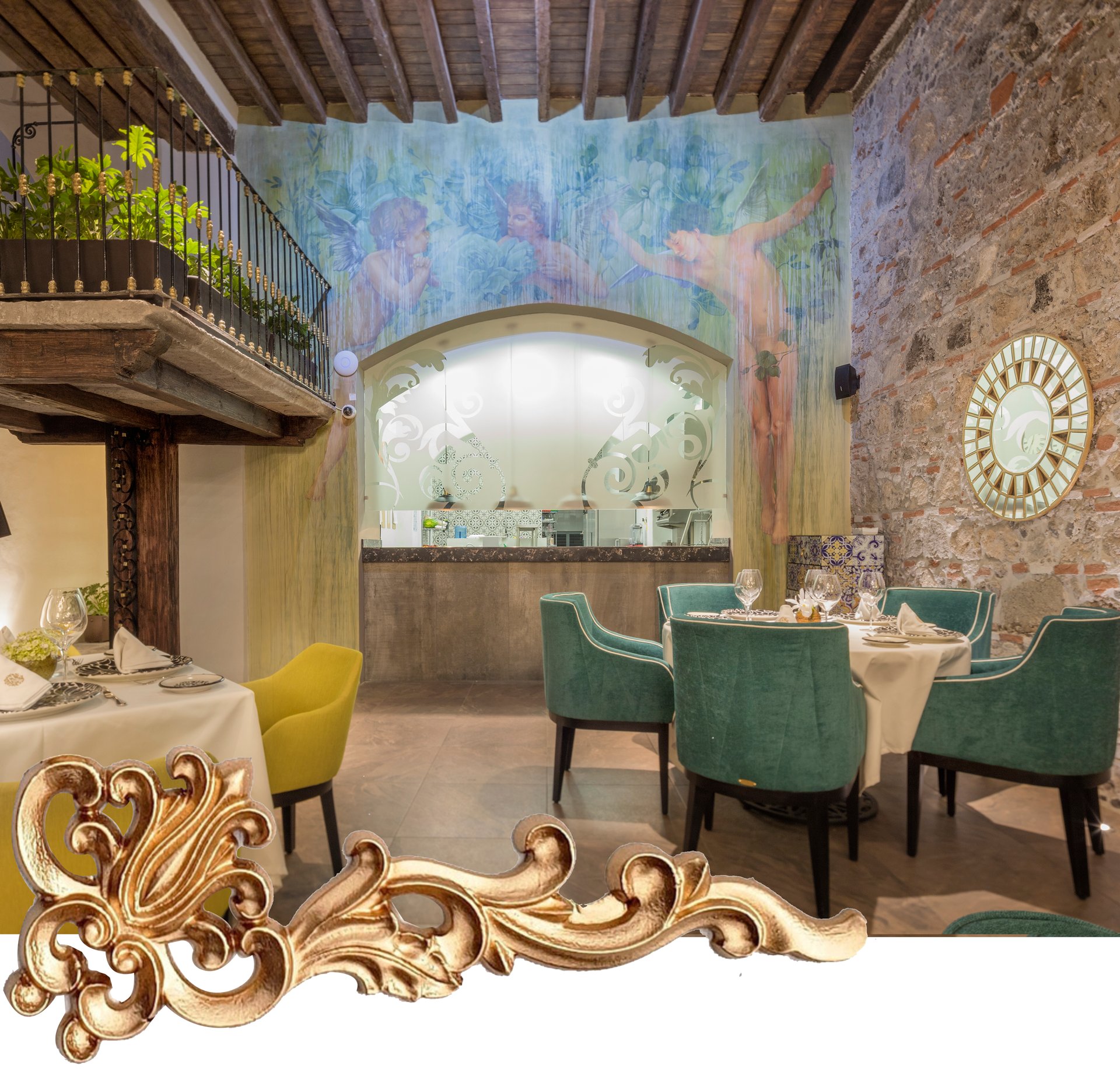
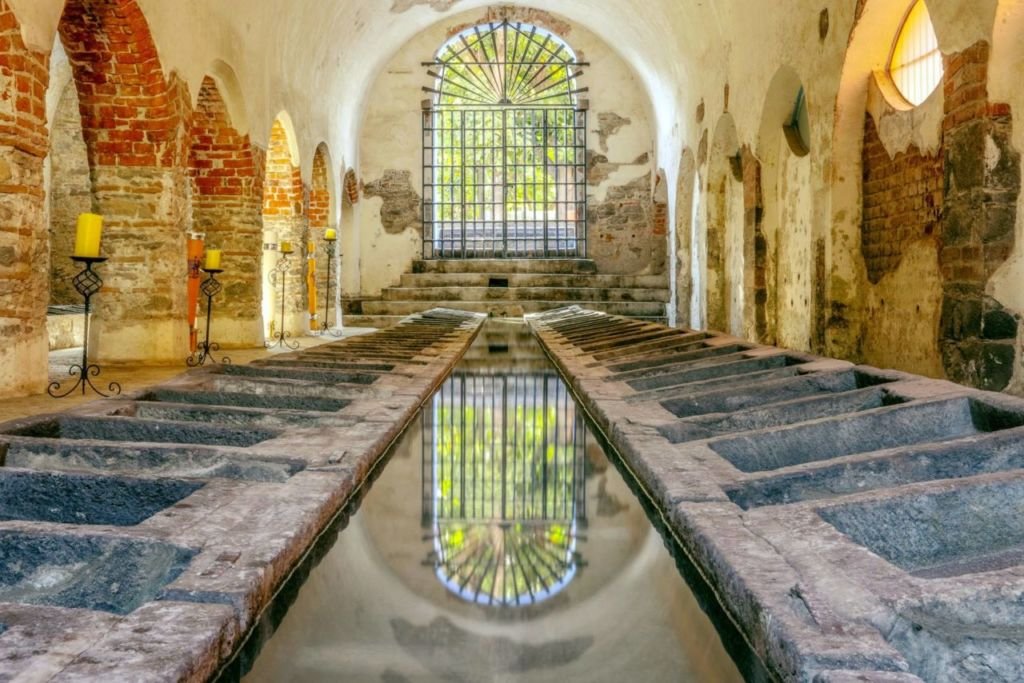
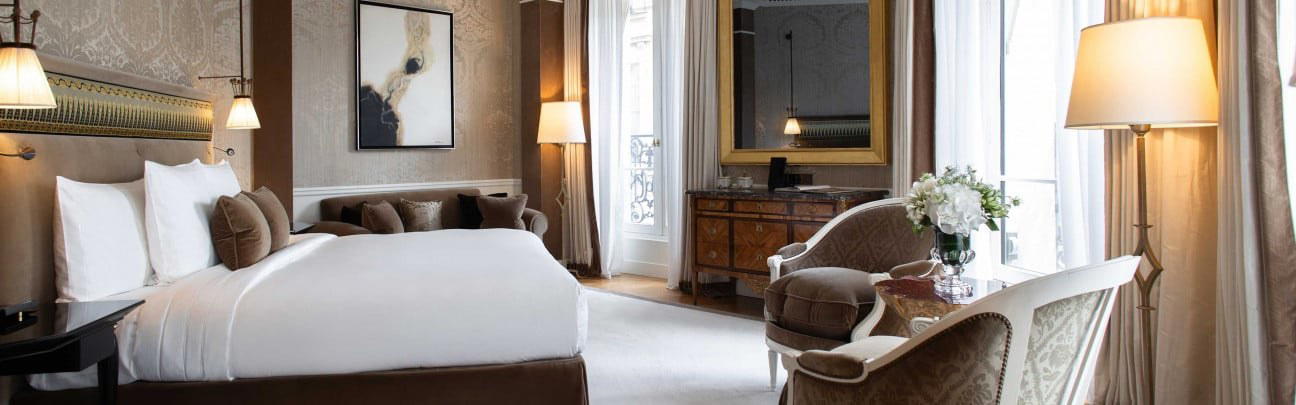
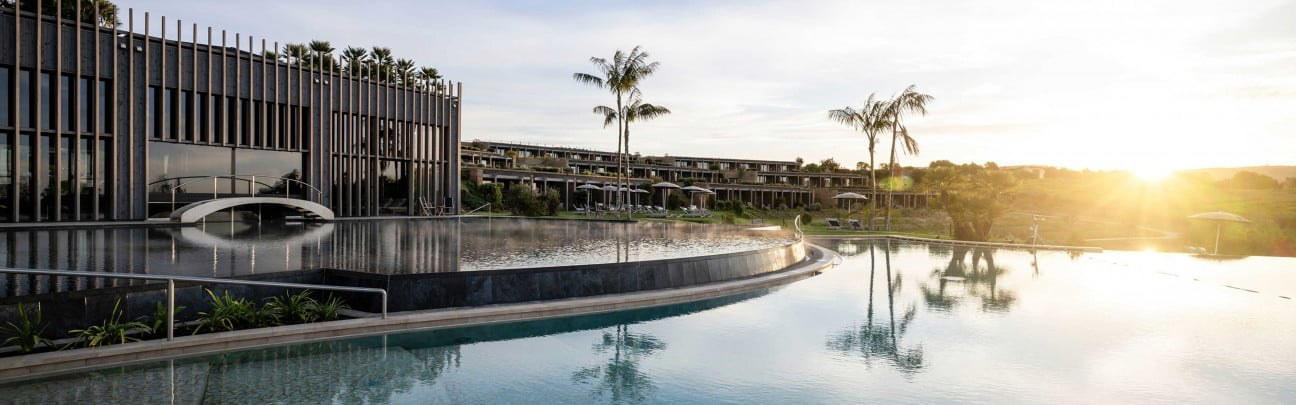
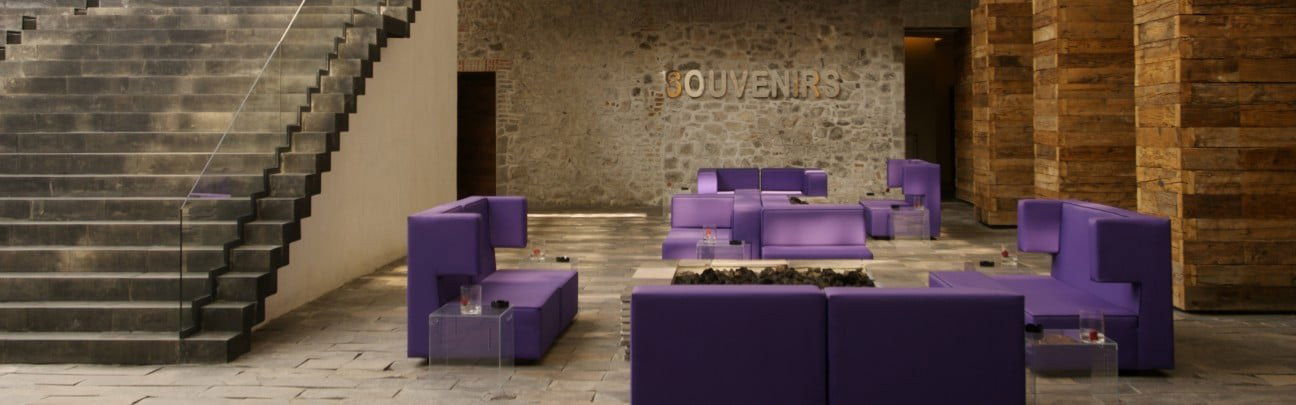
La Purificadora presents a quietly theatrical blend of history and contemporary design. Housed in a late-19th-century water purification factory, the property foregrounds its masonry walls, high volumes and industrial geometry as the organizing principles of every room and public space. Rather than pastiche, the hotel practices restrained adaptive reuse: original fabric anchors the experience while modern finishes and measured interventions read as respectful complements. The overall effect is sophisticated and intimate — a place where architectural credibility and minimalist restraint make the building itself the primary storyteller, and guests arrive expecting a thoughtful dialogue between past and present.
Best For
This boutique hotel is best for travelers who prize architecture, history and calm, design-forward accommodations. It suits romantic getaways and weekend escapes that lean on atmosphere rather than resort amenities, and it works well for business travelers who value a refined, quiet base in Puebla’s centro histórico. Guests interested in cultural exploration and heritage architecture will find the setting especially rewarding: the hotel’s placement within a UNESCO-designated historic corridor makes it a convenient launchpad for walking tours, museums and the layered urban fabric of the city.
Venue details
Ambiance
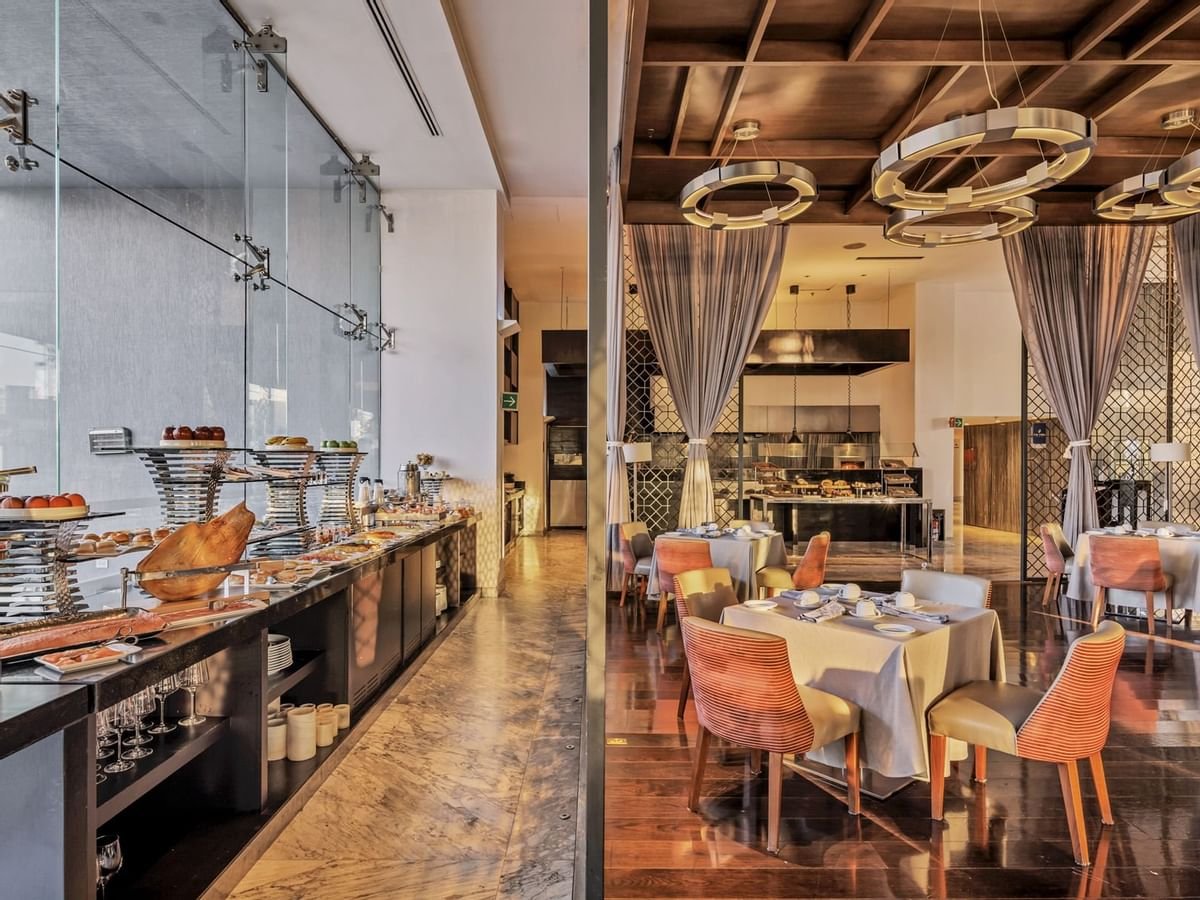
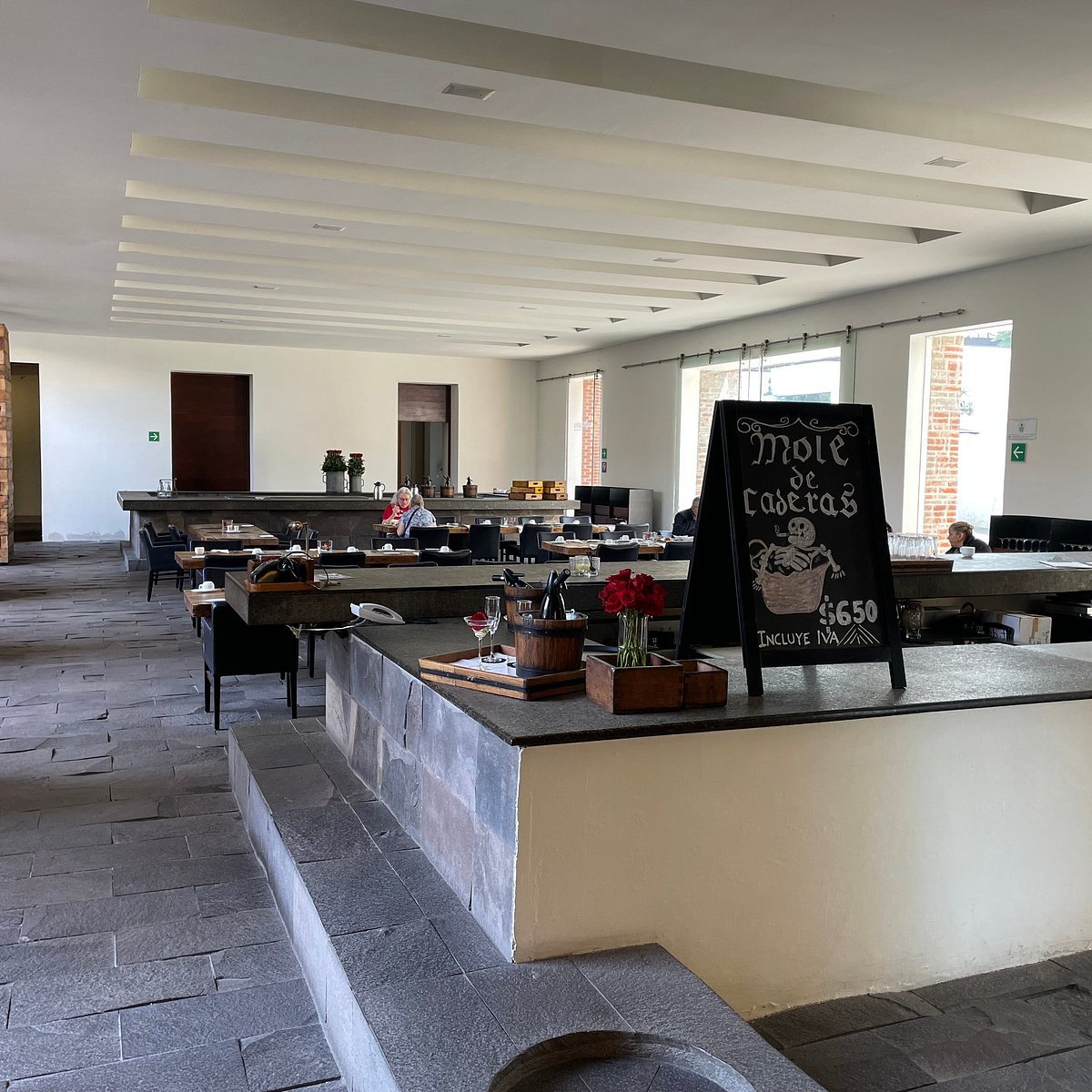
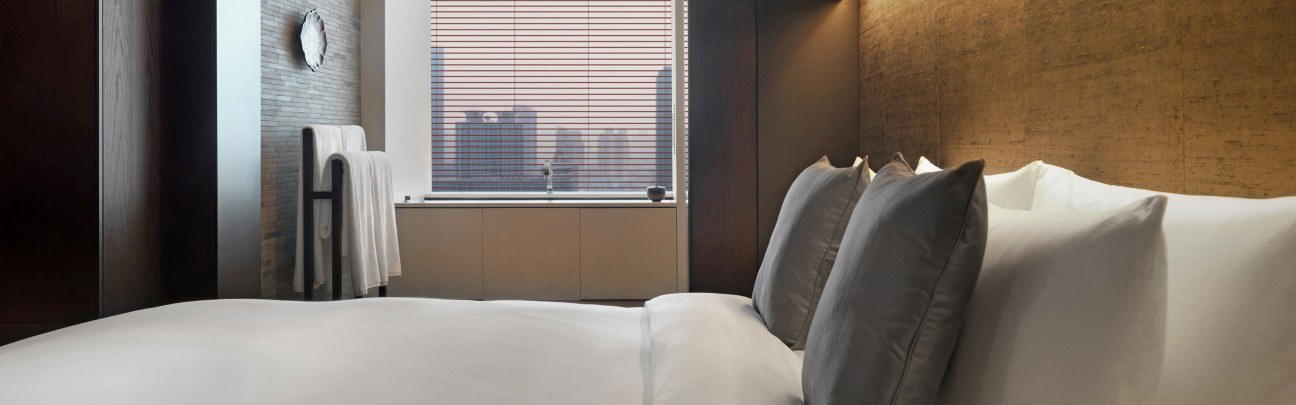
Sophisticated mix of industrial authenticity with exposed stone walls and modern elements like sleek furniture and a glass-walled pool, creating a clean, minimalist atmosphere.
Tags
Vibe
Best For
Experience
Amenities
View
Accessibility
About the Stay
- Rooms
- 26
- Check-in
- 15:00
- Check-out
- 12:00
- Property Type
- Design hotel
- Property Style
- Industrial Chic Repurposed Factory in Puebla's Historic Center
- Design Style
- Minimalist Modern with Black, White, Natural Wood, Stone, and Violet Accents
- Airport Transfer
- Available
- Pool
- Yes
- Spa
- Yes
- Pets
- Allowed
- Cancellation
- Moderate
Know before you go
Know Before You Go
- Getting there
- Paseo de San Francisco, C. 10 Nte. 802, Barrio del Alto, 72000 Heroica Puebla de Zaragoza, Pue., Mexico
Planning details
Location
Paseo de San Francisco, C. 10 Nte. 802, Barrio del Alto, 72000 Heroica Puebla de Zaragoza, Pue., Mexico · Directions
Recognition and awards
Also consider
Where to look if this is not the right fit
Choose Banyan Tree Puebla if the trip calls for a more service-heavy Puebla hotel and the rate difference is acceptable. It is the cleaner alternative for guests who want more hotel infrastructure around the stay.
Choose Grand Fiesta Americana Puebla Angelópolis if the itinerary is business-led or centered on newer Puebla. It gives up the historic-center feel, but it is likely the easier fit for practical city logistics.
Hotel context
How It Compares
Against Banyan Tree Puebla, La Purificadora is the more design-forward historic-center play. Choose La Purificadora when the address and visual character are the point of the trip; choose Banyan Tree Puebla when the stay needs a broader luxury-hotel feel and more service depth.
Grand Fiesta Americana Puebla Angelópolis is the practical alternative for travelers who want a modern district, easier business logistics, and a more conventional full-service setup. La Purificadora is better for a first Puebla visit built around the older city; Grand Fiesta Americana is better when meetings, shopping, or newer Puebla are the anchor.
Hotel Casa Huamantla, Amomoxtli, and Casa Fernanda Hotel Boutique sit outside the immediate Puebla hotel decision for most city stays. Cross-shop them only if the trip is expanding beyond Puebla into a slower boutique escape; for a city-focused itinerary, La Purificadora remains the cleaner choice.
Explore Puebla
Around this place
Discover more on Pearl
Unlock the full La Purificadora guide in Pearl, including awards, comparisons, FAQs, planning details, and nearby places.
Compare La Purificadora
| Venue | Location | Awards |
|---|---|---|
| La Purificadora | Puebla | 2026 Design Hotels Collection2026 Mr & Mrs Smith Luxury Hotels2025 Michelin Selected Hotels |
| Banyan Tree Puebla | Puebla | 2026 Virtuoso Luxury Hotel Collection2026 Michelin 1 Key2025 Michelin 1 Key |
| Grand Fiesta Americana Puebla Angelópolis | Puebla | 2026 Forbes Recommended2025 Forbes Recommended |
| Hotel Casa Huamantla | Huamantla | Small Luxury Hotels Member 2025 |
| Amomoxtli | Tepoztlán | 2026 Mr & Mrs Smith Luxury Hotels2026 Michelin 1 Key2025 Michelin 1 Key |
| Casa Fernanda Hotel Boutique | Tepoztlán | No published awards |





How La Purificadora Puebla compares with similar nearby venues.
FAQ
Frequently Asked Questions
Do loyalty programs work at La Purificadora?
Do not assume a major loyalty-program benefit unless it appears on the booking channel you use. La Purificadora has 2026 Design Hotels Member status, a 2026 Mr & Mrs Smith Seal of Approval, and MICHELIN Guide, Hotels Selected status for 2025. If points or elite benefits matter, compare the current terms at Banyan Tree Puebla and Grand Fiesta Americana Puebla Angelópolis before booking.
What is check-in like at La Purificadora?
How does La Purificadora compare to other hotels?
Choose La Purificadora if its design-hotel recognition is the main draw. Banyan Tree Puebla and Grand Fiesta Americana Puebla Angelópolis are useful Puebla comparison points, while Hotel Casa Huamantla, Amomoxtli, and Casa Fernanda Hotel Boutique are better considered separately if your itinerary extends beyond Puebla.
Is La Purificadora family-friendly?
Families should confirm room setup, occupancy rules, bedding, any child-related services, and family-specific facilities and policies directly with La Purificadora before booking.
Which room category is best at La Purificadora?
Choose based on the current room descriptions, rate conditions, and space needs shown on the booking channel, and confirm any important details directly with La Purificadora.