
Hotel Casa Huamantla
Huamantla center, Huamantla
Hotel in Huamantla, Mexico
 Book with Pearl
The Read
Civic Square Heritage House
Price
$300–500per night
Why go
Hotel Casa Huamantla is the right pick if you want a central, smaller-scale stay in Huamantla rather than a large branded hotel outside town. Its Small Luxury Hotels of the World membership gives it a useful quality signal, but the value case is mainly location, service scale, and easy access to the historic center.
About Hotel Casa Huamantla
For a Huamantla stay, Hotel Casa Huamantla is best assessed on the limited information available: it is in Huamantla, has a smart casual dress code, and is listed as a Small Luxury Hotels of the World member for 2025. That gives travelers a useful quality signal, but it should not be stretched into assumptions about facilities, room types, dining, service style, or a specific location within the city.
Use this as a careful shortlist option if you want to stay in Huamantla and prefer a property with a recognized small-luxury affiliation. The available facts do not verify a detailed amenity list, address, neighborhood position, restaurant program, or business-hotel infrastructure, so the right approach is to confirm practical needs directly with the hotel before booking.
Choose it for a Huamantla stay with a small-luxury signal
The strongest point in favor of Hotel Casa Huamantla is its Small Luxury Hotels of the World membership in 2025. That is a credible recognition for travelers comparing options, especially when deciding between a local Huamantla stay and larger hotels in other cities. It does not, by itself, confirm the breadth of amenities, the exact service format, or any specific dining program.
The smart casual dress code also suggests guests should pack with a polished but relaxed standard in mind. Beyond that, keep expectations fact-based: the public information provided here does not verify meeting facilities, room-service details, room categories, pricing, food and beverage concepts, or transfer arrangements. For a broader scan before committing, use our full Huamantla hotels guide; if the trip is food-led, pair it with our full Huamantla restaurants guide and our full Huamantla experiences guide.
Plan around what, then confirm the details
Safest booking strategy is to treat Hotel Casa Huamantla as a Huamantla hotel with a recognized small-luxury affiliation, then verify the trip-specific details that matter to you. Ask the hotel directly about room placement, arrival logistics, dining availability, accessibility, parking, and any services you consider essential, because those specifics are not confirmed in the data here.
Leisure travelers should also avoid assuming a resort-style experience or a published dining program. If the plan includes nightlife or drinks, check our full Huamantla bars guide; wine-focused travelers can also scan our full Huamantla wineries guide, while judging this property only by the hotel facts above.
Quick reference: choose it if you want a Huamantla stay with a Small Luxury Hotels of the World membership signal and a smart casual dress code; compare elsewhere if you need confirmed large-hotel facilities, detailed amenities, or a fully documented dining program before booking.
Planning details
- Location
- Parque Juárez 11, Centro, 90500 Huamantla, Tlax.
- Website
- casahuamantla.com
The take
The Take
The Vibe
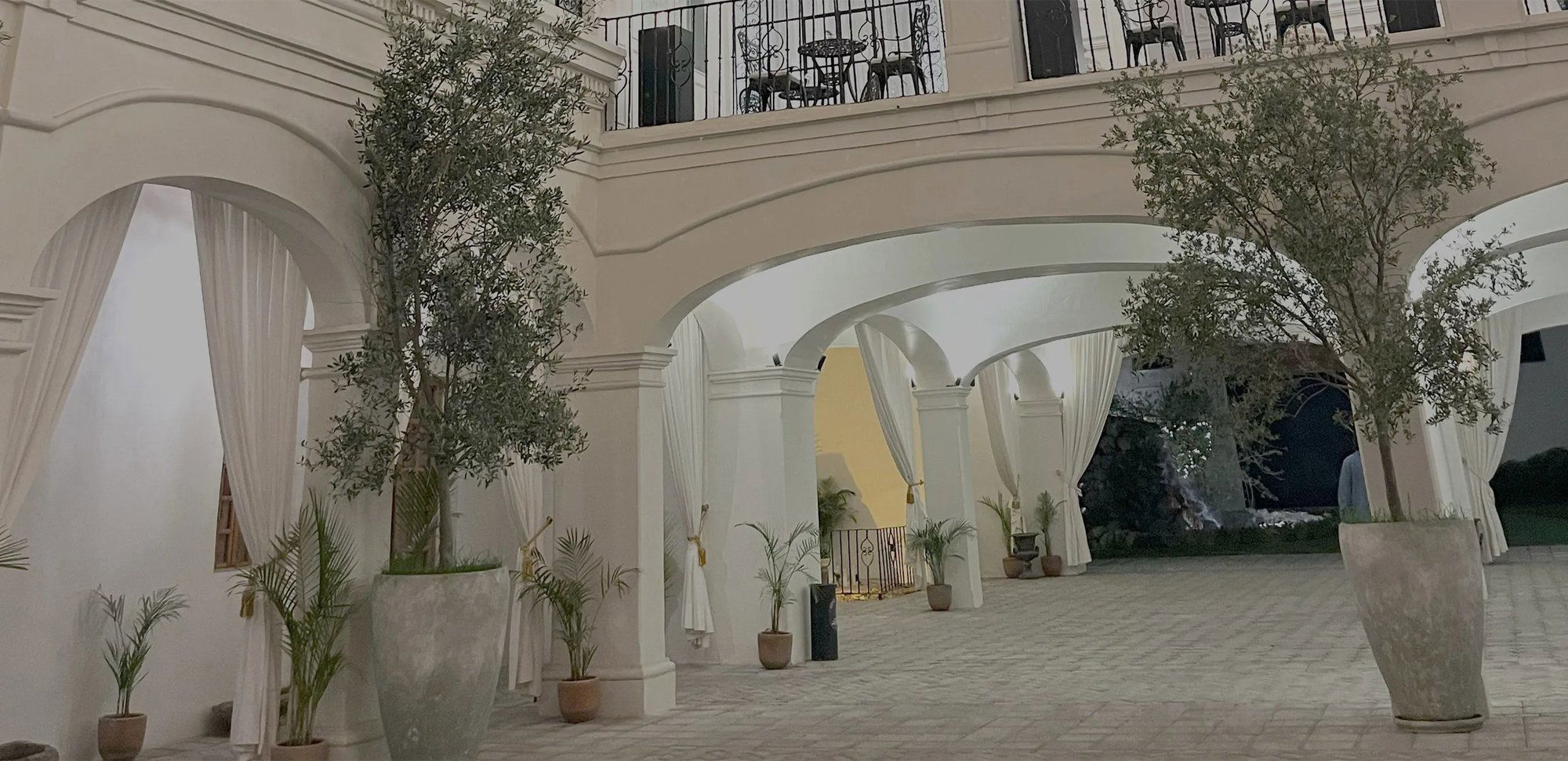
Hotel Casa Huamantla reads like an argument for continuity: colonial architecture left largely intact, high ceilings and carved stonework create an interior that feels rooted in history rather than staged for tourism. Chandeliers scatter a diffused, amber-tinted light across whitewashed walls and a cobbled courtyard, producing a quietly warm, intimate atmosphere. The property’s materials—stone, carved wood and the central patio—lend a classic, charming character that rewards slow, observant travel. The overall effect is serene and restorative; the building’s original architectural logic shapes the guest experience more than contemporary design flourishes do.
Best For
This hotel is best for travelers who prioritize architectural authenticity and a town-centre location. Its plaza-facing address places guests inside Huamantla’s civic life, making it a good fit for cultural explorers who want to walk to Parque Juárez and local festivals. The property’s intimate, courtyard-centered layout suits couples on romantic getaways, anniversaries and quiet weekend escapes, as well as solo travelers who appreciate historic interiors. Guests seeking a design-driven hotel will find instead a preserved colonial house that functions as a living piece of the town’s history.
Stay Tips
Book with the plaza in mind: the hotel sits directly on Parque Juárez at number 11, and rooms facing the square put you at the center of Huamantla’s civic and cultural life. If you want to experience local tradition, plan a stay around the Noche que Nadie Duerme festival in August, when the streets are carpeted in sawdust and petal tapestries; conversely, check dates if you prefer a quieter visit. Requesting a room that overlooks the courtyard or the plaza is the clearest way to align your stay with the property’s architectural charms.
Venue details
Ambiance
Candlelit elegance in stunning shared spaces with vintage artworks, morning sunlight through balcony windows, and peaceful gourmet breakfast scenes.
Tags
Vibe
Best For
Experience
Amenities
Accessibility
About the Stay
- Rooms
- 0
- Check-in
- 15:00
- Check-out
- 11:00
- Property Type
- Boutique hotel
- Property Style
- Historic Boutique Hotel Blending Lineage with Modern Luxury.
- Design Style
- Elegant with Velvet Canopied Beds, Marble Bathrooms, and Curated Art.
- Cancellation
- Moderate
Know before you go
Know Before You Go
- Getting there
- Parque Juárez 11, Centro, 90500 Huamantla, Tlax.
Planning details
Location
Parque Juárez 11, Centro, 90500 Huamantla, Tlax. · Directions
Recognition and awards

Also consider
Also Consider
- Banyan Tree Puebla, Notable alternative
- La Purificadora, Notable alternative
- Grand Fiesta Americana Puebla Angelópolis, Notable alternative
- Amomoxtli, Notable alternative
- Círculo Mexicano, Notable alternative
Hotel context
How it compares
Hotel Casa Huamantla is the practical choice if the trip is specifically about Huamantla. Banyan Tree Puebla and La Purificadora make more sense for travelers who want a Puebla base with a stronger city-hotel feel, but they do not solve the same problem: staying in Huamantla's center with minimal transit friction.
Grand Fiesta Americana Puebla Angelópolis is the safer call for business infrastructure and brand predictability. Hotel Casa Huamantla is better for a value-seeker who would rather spend on location and a smaller service environment than on a larger urban property. Booking difficulty should be easier here in ordinary periods, while central Huamantla dates tied to local demand merit earlier planning.
For atmosphere-led leisure trips, Amomoxtli and Círculo Mexicano are stronger cross-shops if the destination itself is flexible. Choose them when the hotel is the main event; choose Hotel Casa Huamantla when Huamantla is the reason for the trip and the hotel needs to be comfortable, central, and personal rather than expansive.
Explore Huamantla
Around this place
Discover more on Pearl
Unlock the full Hotel Casa Huamantla guide in Pearl, including awards, comparisons, FAQs, planning details, and nearby places.
Compare Hotel Casa Huamantla
| Venue | Location | Awards |
|---|---|---|
| Hotel Casa Huamantla | Huamantla | Small Luxury Hotels Member 2025 |
| Banyan Tree Puebla | Puebla | 2026 Virtuoso Luxury Hotel Collection2026 Michelin 1 Key2025 Michelin 1 Key |
| La Purificadora | Puebla | No published awards |
| Grand Fiesta Americana Puebla Angelópolis | Puebla | 2026 Forbes Recommended2025 Forbes Recommended |
| Amomoxtli | Tepoztlán | 2026 Mr & Mrs Smith Luxury Hotels2026 Michelin 1 Key2025 Michelin 1 Key |
| Círculo Mexicano | Mexico City | No published awards |




How Hotel Casa Huamantla Huamantla compares with similar nearby venues.
FAQ
Frequently Asked Questions
How does Hotel Casa Huamantla compare to other hotels?
Pick it if you specifically want to consider a stay in Huamantla with a Small Luxury Hotels of the World membership signal. Banyan Tree Puebla and Grand Fiesta Americana Puebla Angelópolis are worth comparing separately if you are open beyond a Huamantla-only search. Amomoxtli is another destination-style comparison to evaluate separately.
How is the location of Hotel Casa Huamantla?
Hotel Casa Huamantla is in Huamantla. Compared with La Purificadora or Círculo Mexicano, this is the relevant option if your priority is staying in Huamantla itself.
Is Hotel Casa Huamantla good for business travel?
The Small Luxury Hotels of the World membership is a useful quality signal, not a substitute for confirming practical business requirements. If your trip is meeting-heavy and you are open beyond Huamantla, Grand Fiesta Americana Puebla Angelópolis is a hotel to compare separately.
When is the best time to book Hotel Casa Huamantla?
If your Huamantla dates are fixed, confirm availability and cancellation terms directly with the hotel before committing. For flexible trips, compare rates and policies through the venue's official channels.
How is the dining at Hotel Casa Huamantla?
Treat dining details as something to verify directly with Hotel Casa Huamantla before booking. If food is a primary reason for the trip, compare other dining in Huamantla generically and check current official information.