
Borgo 69
Pozzo della Chiana, Pozzo Della Chiana
Hotel in Pozzo Della Chiana, Italy
 Book with Pearl
Why go
Borgo 69 is a good fit for travelers who want a calm countryside base near Pozzo Della Chiana rather than a large resort format. Its MICHELIN Guide hotel selection and Mr & Mrs Smith Seal of Approval give it credibility, but compare carefully if spa facilities, loyalty benefits, or full-service predictability matter.
About Borgo 69
For a first stay in Pozzo Della Chiana, Borgo 69 is worth considering for its hotel recognition and its smart casual dress code. Borgo 69 has the Mr & Mrs Smith Seal of Approval for 2026 and is listed as MICHELIN Guide, Hotels Selected for 2025.
Those accolades do not answer every practical question a traveler may have, but they do give Borgo 69 a curated-hotel context. The safest booking read is: consider it if those accolades matter to you, and check any trip-specific requirements directly before committing.
A Pozzo Della Chiana stay with curated-hotel recognition
The strongest case for Borgo 69 is not a long list of specific facilities, services, or formats; it is the combination of its Pozzo Della Chiana location, smart casual dress code, and hotel-guide recognition. Travelers should avoid assuming extra details before booking.
If room configuration, policies, or other specific hotel features are important, compare carefully before booking. Relais Il Falconiere & Spa and Monastero di Cortona Hotel & Spa are useful comparison points for travelers weighing other stays, while Borgo 69 should be assessed on its own profile.
Who should book it, and who should cross-shop
Borgo 69 is best approached by travelers who are comfortable booking from a concise profile and who value third-party hotel recognition. Guests who need detailed information on facilities, services, or policies should ask the property directly before reserving.
For hotel cross-shopping, useful contrasts include Villa Fontelunga, Siena House, Follonico Suite B&B;, Monastero di Cortona Hotel & Spa, and Relais Il Falconiere & Spa.
Quick reference: choose Borgo 69 for a Pozzo Della Chiana stay with MICHELIN Guide hotel selection and a Mr & Mrs Smith Seal of Approval; cross-shop if you need more specific facilities before booking.
Planning details
- Location
- Corner with, Via Ponte al Ramo, Via Casacce, 69, 52045 Pozzo della Chiana AR, Italy
- Website
- borgo69.com
- Phone
- +39 0575 660410
The take
The Take
The Vibe
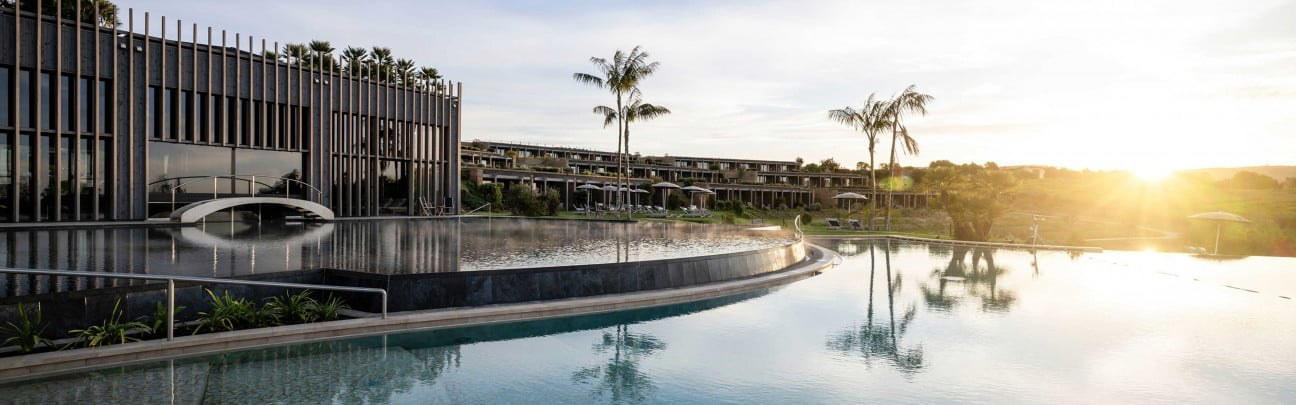
Borgo 69 reads as a quietly assured Tuscan bolthole where stone walls and the broad Valdichiana plains set the tone. The copy leans into silence, modest scale and the texture of working agricultural land rather than theatrical panoramas or high-drama design. It’s the sort of converted rural stay that trades spectacle for tactility — sunlit fields, cypress-lined strade bianche and interiors that feel embedded in place. Michelin’s Selected designation confirms that the property’s argument rests on atmosphere and condition: restrained, characterful and attentive to context, making for a serene, intimate rural experience.
Best For
This is a stay for travelers who prize quiet, slow-paced Tuscany over glossy resort programming. The description positions Borgo 69 as ideal for those seeking intimacy, low-key scenery and authentic converted-borgo character — think romantic weekends, honeymoons and weekend escapes through a lesser-known agricultural plain. It suits visitors who value architecture, texture and a measured pace: people who want to be near working farms and sunlit fields rather than in a busier tourist corridor. The property is presented as a deliberate alternative to larger, full-service luxury hotels.
Stay Tips
Because Borgo 69 is framed as a small, converted rural property that earns attention for atmosphere and consistency rather than resort-scale amenities, plan ahead when booking: availability may be limited and the experience is intentionally modest in scale. Rely on the Michelin Selected mention as a signal of carefully maintained accommodation rather than extensive on-site programming. If you need specifics about services, dining or transfers, contact the property directly so expectations match the boutique, site-driven nature described in the write-up.
Venue details
Ambiance
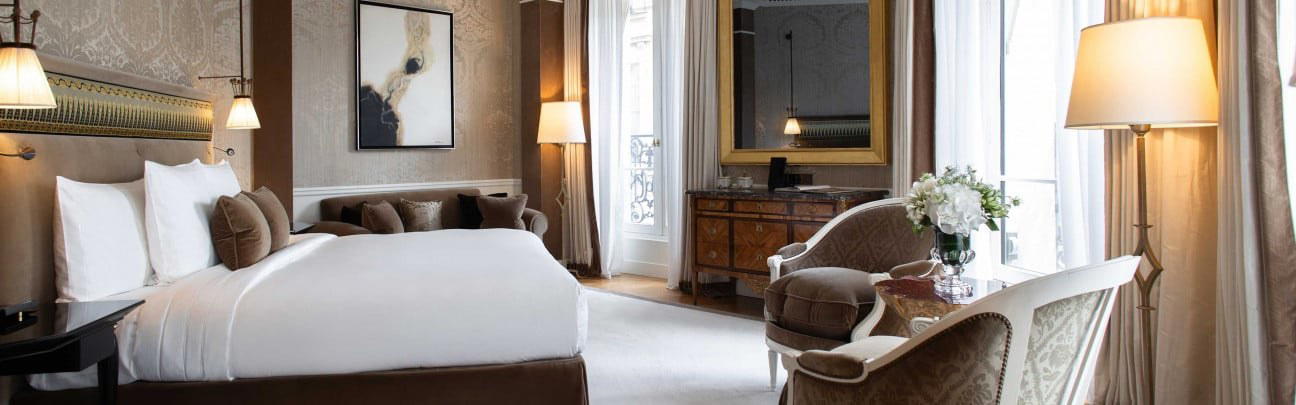
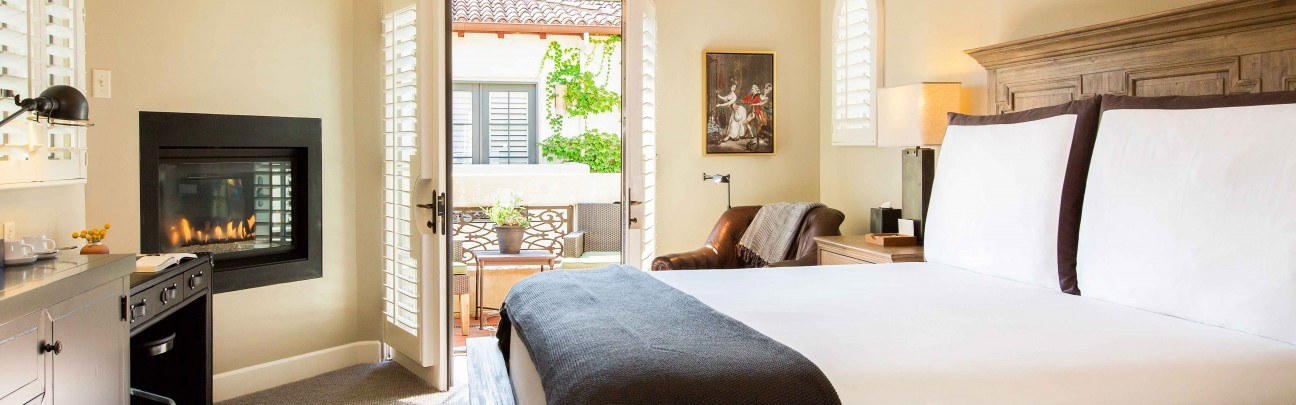
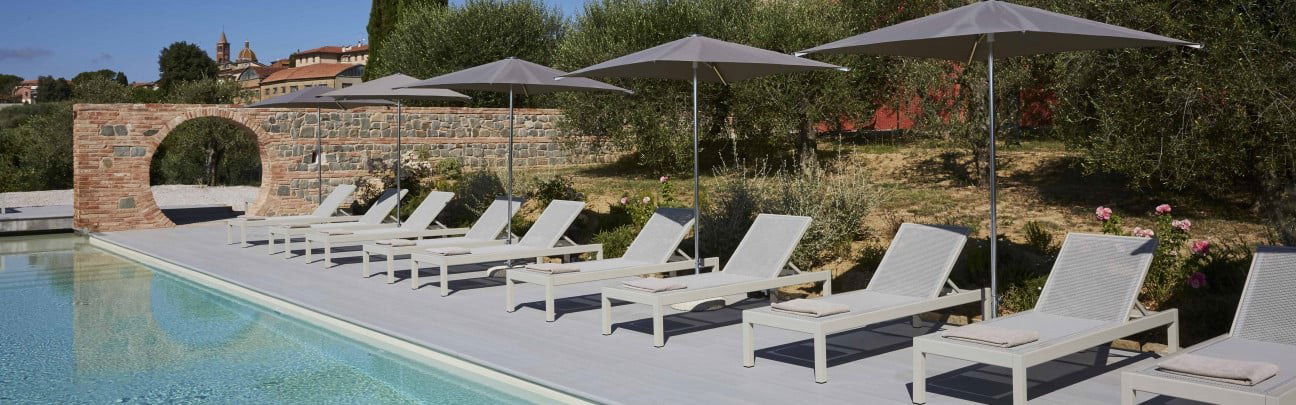
Country-chic open-plan living spaces with upcycled furnishings, market-sourced antiques, and luxe local materials create a cozy, elegant atmosphere amid perfumed Mediterranean plants.
Tags
Vibe
Best For
Experience
Amenities
View
About the Stay
- Rooms
- 12
- Check-in
- 15:00
- Check-out
- 10:00
- Property Style
- Sustainable Boutique Villa Suites with Modern Tuscan Rusticity
- Design Style
- Country Chic with Upcycled Furnishings and Antiques
Know before you go
Know Before You Go
- Getting there
- Corner, Via Ponte al Ramo, Via Casacce, 69, 52045 Pozzo della Chiana AR, Italy
Planning details
Location
Corner with, Via Ponte al Ramo, Via Casacce, 69, 52045 Pozzo della Chiana AR, Italy · Directions
Recognition and awards
Also consider
Also Consider
- Villa Fontelunga, Notable alternative
- Siena House, Notable alternative
- Relais Il Falconiere & Spa, Notable alternative
- Monastero di Cortona Hotel & Spa, Notable alternative
- Follonico Suite B&B, Notable alternative
Hotel context
How it compares with nearby stays
Borgo 69 is the quieter, more intimate pick for Pozzo Della Chiana travelers who want a curated countryside stay with easy booking pressure. Villa Fontelunga and Siena House are sensible alternatives if the priority is a broader country-house comparison rather than committing to this exact pocket of the Val di Chiana.
For a spa-forward trip, Relais Il Falconiere & Spa and Monastero di Cortona Hotel & Spa are the sharper cross-shops. Choose those if facilities and service structure matter more than a softer rural atmosphere. Borgo 69 makes more sense when ambiance and a less formal stay are the draw.
Follonico Suite B&B; is the one to compare if value and small-scale hospitality are the main filters. Borgo 69 has the stronger guide-recognition signal, while Follonico Suite B&B; may suit travelers who want the B&B; lane rather than a curated hotel feel.
Explore Pozzo Della Chiana
Around this place
Discover more on Pearl
Unlock the full Borgo 69 guide in Pearl, including awards, comparisons, FAQs, planning details, and nearby places.
Compare Borgo 69
| Venue | Location | Awards |
|---|---|---|
| Borgo 69 | Pozzo Della Chiana | 2026 Mr & Mrs Smith Luxury Hotels2025 Michelin Selected Hotels |
| Villa Fontelunga | Arezzo | 2026 Mr & Mrs Smith Luxury Hotels2025 Michelin 1 Key2024 Michelin 1 Key |
| Siena House | Torrita di Siena | 2025 Michelin 1 Key2024 Michelin 1 Key |
| Relais Il Falconiere & Spa | Cortona | 2026 Virtuoso Luxury Hotel Collection2026 Relais Chateaux Hotels2025 Michelin Selected Hotels2025 Relais Chateaux Award |
| Monastero di Cortona Hotel & Spa | Cortona | 2025 Michelin 1 Key |
| Follonico Suite B&B | Torrita di Siena | 2026 Mr & Mrs Smith Luxury Hotels2025 Michelin Selected Hotels2024 Michelin 1 Key |



How Borgo 69 Pozzo Della Chiana compares with similar nearby venues.
FAQ
Frequently Asked Questions
When is the best time to book Borgo 69?
Book when the property's profile matches your trip needs. Borgo 69 has MICHELIN Guide, Hotels Selected recognition for 2025 and the Mr & Mrs Smith Seal of Approval for 2026, so it is sensible to plan ahead if you specifically want this Pozzo Della Chiana stay. Compared with Follonico Suite B&B;, check availability and details directly before deciding.
How is the pool and spa at Borgo 69?
Ask about pool or spa details during booking rather than assuming them. If specific facilities are important, Monastero di Cortona Hotel & Spa is a useful comparison to check. Borgo 69 should be booked only after any must-have facilities are checked directly.
Do loyalty programs work at Borgo 69?
Do not plan around major loyalty benefits unless you have checked them with the property. Borgo 69's profile highlights its Pozzo Della Chiana location, smart casual dress code, and third-party hotel recognition rather than chain-style program information. If loyalty or business convenience matters, compare the category carefully with options such as Siena House.
Is Borgo 69 family-friendly?
Family suitability should be checked directly with Borgo 69 before booking. The right fit depends on your needs, especially around child-focused facilities, room setups, or family policies. Relais Il Falconiere & Spa can be another point of comparison for a different stay.
How does Borgo 69 compare to other hotels?
Borgo 69 stands out in this guide for hotel recognition: MICHELIN Guide, Hotels Selected for 2025 and the Mr & Mrs Smith Seal of Approval for 2026. Villa Fontelunga, Siena House, Monastero di Cortona Hotel & Spa, Follonico Suite B&B;, and Relais Il Falconiere & Spa are useful comparisons, but travelers should check the specific features that matter most before choosing.
Is Borgo 69 good for business travel?
Only if the profile fits your needs. Borgo 69 is in Pozzo Della Chiana and has a smart casual dress code, but travelers should ask directly about business facilities or meeting services. Siena House is a sensible comparison if you are checking different hotel categories for a work trip.