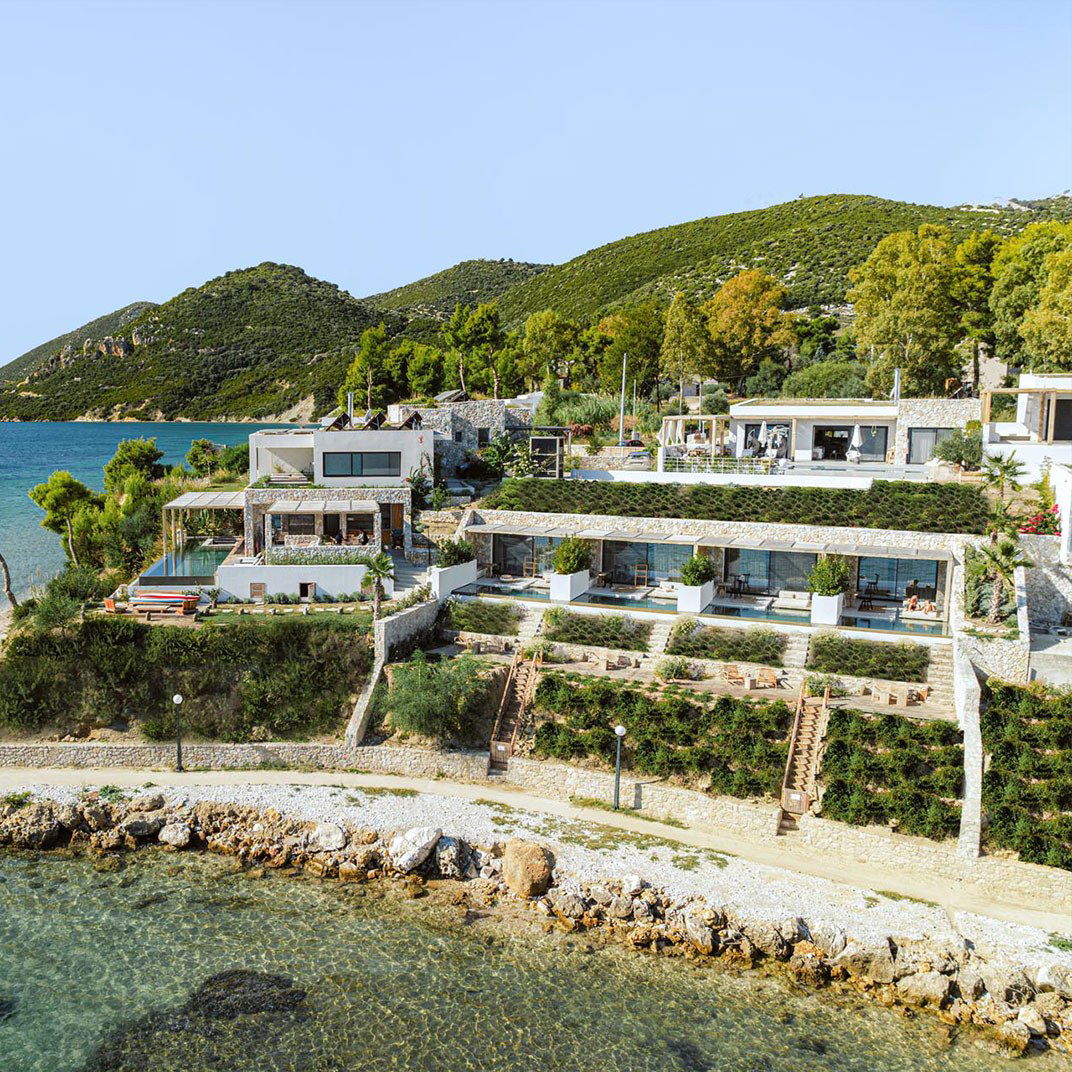

Amethyst Selene
Pogonia
Hotel in Pogonia, Greece
 Book with Pearl
Why go
Amethyst Selene is worth considering if Pogonia's quieter setting is the point of the trip and easy booking matters more than a heavily branded resort experience. The 2025 MICHELIN Guide hotel selection gives it a credible quality signal, but travelers needing confirmed dining depth, loyalty benefits, or full spa specifics should compare alternatives first.
About Amethyst Selene
Amethyst Selene is a hotel in Pogonia with a MICHELIN Guide Hotels Selected (2025) recognition. Beyond that, public details are limited, so the safest way to evaluate it is to treat the MICHELIN hotel selection as a quality signal rather than as proof of specific facilities, dining, service style, room categories, or amenities.
A Pogonia hotel with a confirmed MICHELIN hotel selection
For travelers considering Pogonia, Amethyst Selene stands out primarily because it is listed in the MICHELIN Guide Hotels Selected (2025). That recognition supports taking it seriously as a stay option, but it does not provide details such as a restaurant program, spa offering, loyalty affiliation, room count, service format, or on-property activities.
Because information is limited, the practical move is to check current details directly before booking. Confirm the elements that matter for your trip, such as arrival arrangements, available facilities, booking terms, and any meal options, rather than assuming they follow a particular resort or boutique-hotel model.
Who should consider it
Amethyst Selene is most useful to consider if you want a Pogonia hotel that has an external hotel-guide signal and you are comfortable verifying the stay details before committing. If your trip depends on clearly documented facilities, loyalty benefits, dining, or a specific service format, compare those details carefully before choosing.
For a broader view, compare Amethyst Selene with other relevant hotel options such as Celestial Suites, Eliamos Villas Hotel & Spa, Meraviglia Slow Living, and Salvator Hotel Villas and Spa, or look at other dining and stay options in Pogonia generically where appropriate.
Planning details
- Location
- Unnamed Road, Pogonia 300 12, Greece
- Website
- amethystpaleros.com
- Phone
- +30 697 321 9615
The take
The Take
The Vibe
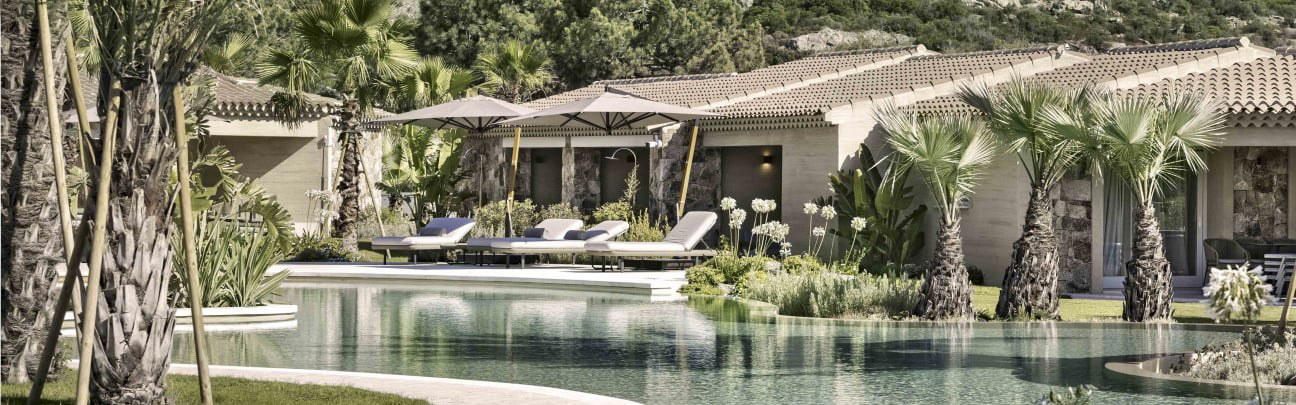
Amethyst Selene positions itself as a quietly confident retreat in a pocket of the Peloponnese that most itineraries bypass. The property reads as village-scale and rustic rather than showy, and the arrival—along an unnamed road through olive groves and limestone ridgelines—sets the tone before a door opens. The writing emphasizes stillness and a deliberate withdrawal from coastal spectacle; guests come here for the rural landscape and framed views rather than flash. Expect an understated, scenic atmosphere where privacy and calm are the defining features.
Best For
This hotel is best for travelers who prioritize seclusion and landscape over high‑visibility amenities. It suits people looking for a low‑key weekend escape, couples seeking a quiet romantic getaway, or independent travelers who enjoy off‑the‑beaten‑path discoveries. Because the property is deliberately set away from ferry routes and coastal showpieces, it attracts guests who intentionally choose stillness and a village‑scale pace. If you want a retreat that foregrounds the Peloponnesian countryside and removes you from the tourist circuit, this is the kind of place to book.
Stay Tips
Arrival logistics are part of the property’s character: the hotel sits on an unnamed road outside Pogonia, so getting there relies on directions rather than a simple map pin. That detail filters the guest list and signals a rural approach through olive groves and ridgelines. Plan journeys with the expectation of a country drive and confirm arrival instructions in advance. Beyond that, the description does not offer specifics about dining, check‑in or transport, so consult the property directly for practical arrangements.
Venue details
Ambiance
Tranquil and serene atmosphere with high aesthetics, stylish design, and stunning sea views fostering calm and wellbeing.
Tags
Vibe
Best For
Experience
Amenities
View
About the Stay
- Rooms
- 4
- Check-in
- 15:00
- Check-out
- 11:00
- Property Style
- Exclusive Adults Only Couples Retreat with Seafront Suites Featuring Private Heated Pools.
- Design Style
- Stylish Modern Design with Teakwood Elements, Natural Mattresses, and High End Finishes.
Know before you go
Know Before You Go
- Getting there
- Unnamed Road, Pogonia 300 12, Greece
Planning details
Location
Recognition and awards
Also consider
Where to look if this is not the right fit
If wellness facilities drive the decision, start with Salvator Hotel Villas and Spa. If privacy and villa-style space matter more than a compact hotel feel, compare Eliamos Villas Hotel & Spa.
Hotel context
How Amethyst Selene compares in Pogonia
Choose Amethyst Selene if the goal is a quieter Pogonia stay with easy booking and an external quality signal. Against Meraviglia Slow Living, the decision is less about price, which is not published here, and more about confidence: Amethyst Selene has MICHELIN Guide hotel recognition, while Meraviglia reads from its name as the slower-living alternative for travelers prioritising mood over credentials.
Salvator Hotel Villas and Spa is the better cross-shop if spa positioning is central to the trip, while Celestial Suites is the cleaner comparison for suite-led stays. If the choice is about villa-style privacy, Eliamos Villas Hotel & Spa should be on the list before committing.
Explore Pogonia
Around this place
Discover more on Pearl
Unlock the full Amethyst Selene guide in Pearl, including awards, comparisons, FAQs, planning details, and nearby places.
Compare Amethyst Selene
| Venue | Location | Awards |
|---|---|---|
| Amethyst Selene | Pogonia | 2025 Michelin Selected Hotels |
| Meraviglia Slow Living | Preveza | No published awards |
| Salvator Hotel Villas and Spa | Parga | No published awards |
| Celestial Suites | Kefalonia | No published awards |
| Eliamos Villas Hotel & Spa | Leivathou | 2026 Forbes Recommended2026 Relais Chateaux HotelsMichelin 2 Keys 20252025 Michelin 2 Keys2025 Relais Chateaux Award |
| Eliamos Villas Hotel & Spa | Kefalonia | 2026 Forbes Recommended2026 Relais Chateaux HotelsMichelin 2 Keys 20252025 Michelin 2 Keys2025 Relais Chateaux Award |



How Amethyst Selene Pogonia compares with similar nearby venues.
FAQ
Frequently Asked Questions
Is Amethyst Selene family-friendly?
What is check-in like at Amethyst Selene?
How is the dining at Amethyst Selene?
The recognition is MICHELIN Guide Hotels Selected (2025), which is a hotel selection rather than a restaurant award. Specific dining details are not available, so check the current offering directly if meals are important to your stay.
Is Amethyst Selene good for business travel?
Business facilities, meeting space, workspace, or connectivity details are not specified. Business travelers should verify the practical requirements they need before choosing Amethyst Selene.
Do loyalty programs work at Amethyst Selene?
Loyalty-program details are not available. Do not assume points, status benefits, or partner perks apply unless Amethyst Selene or the booking channel confirms them.
How does Amethyst Selene compare to other hotels?
Amethyst Selene has a confirmed MICHELIN Guide Hotels Selected (2025) recognition. For comparison, travelers may also look at Celestial Suites, Eliamos Villas Hotel & Spa, Meraviglia Slow Living, and Salvator Hotel Villas and Spa, checking each property's current facilities and booking terms directly.
How is the pool and spa at Amethyst Selene?
Specific pool and spa details are not available. If those facilities are central to the trip, confirm the current amenities directly with Amethyst Selene before booking.