
JW Marriott Phu Quoc Emerald Bay Resort & Spa
Khem Beach, Phu Quoc
Hotel in Phu Quoc, Vietnam
 Book with Pearl
Why go
JW Marriott Phu Quoc Emerald Bay Resort & Spa is a strong pick for families, weddings, and celebration trips that need a full resort setup rather than a small hideaway. Its 2025 World Travel Awards recognition for luxury weddings and resort-spa positioning gives it a clear reason to book, especially for multi-generation stays.
About JW Marriott Phu Quoc Emerald Bay Resort & Spa
JW Marriott Phu Quoc Emerald Bay Resort & Spa is a resort in Phu Quoc. It is best considered as a resort choice to compare carefully against other premium Phu Quoc options, especially if you are looking for a property with a polished resort feel.
The clearest signals are its smart-casual dress code and its World Travel Awards 2025 recognition as Leading Luxury Wedding Resort and Leading Luxury Resort & Spa. Those accolades support considering it for a polished resort stay in Phu Quoc, especially when the trip brief includes a celebratory or resort-and-spa focus.
Choose this for a polished resort stay in Phu Quoc
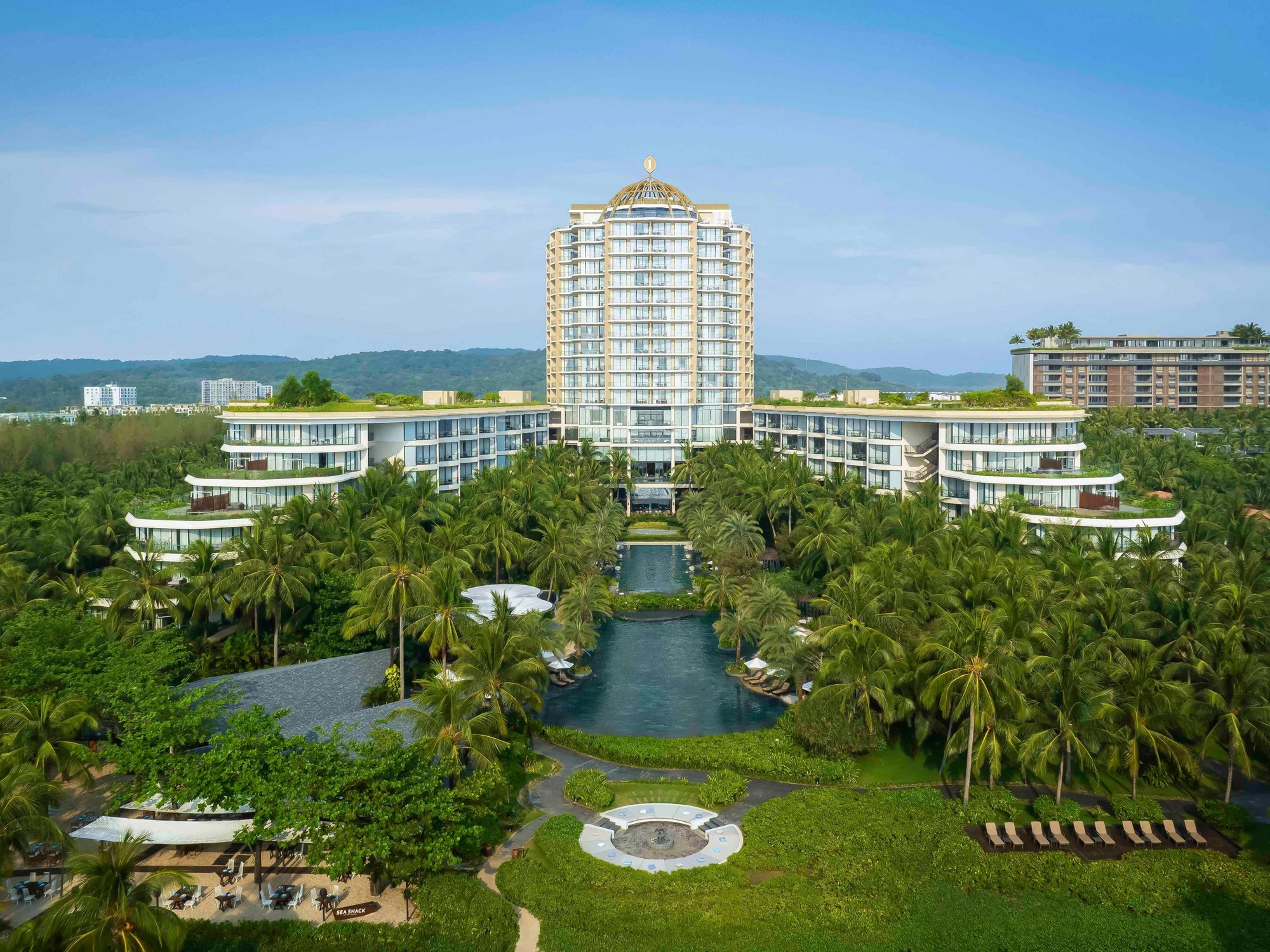
JW Marriott Phu Quoc Emerald Bay Resort & Spa is best treated as a premium resort candidate rather than a low-key, small-property alternative. If you are comparing resort stays in Phu Quoc, Regent Phu Quoc is another option to review, while InterContinental Phu Quoc Long Beach Resort is also worth considering for a broader resort comparison.
For a Phu Quoc hotel comparison, consider La Festa Phu Quoc, Curio Collection by Hilton, New World Phu Quoc Resort, or Premier Village Phu Quoc Resort.
Value depends on the confirmed fit for your trip
The value equation depends on whether JW Marriott Phu Quoc Emerald Bay Resort & Spa matches the kind of resort stay you want in Phu Quoc. Its World Travel Awards 2025 recognition for luxury weddings and resort-spa positioning is useful context, but it should not replace checking current room, dining, and facility details before booking.
If the stay is mainly about the resort itself, confirm that the property's current offering fits your plans. If the trip is more about exploring Phu Quoc beyond the hotel, compare several premium resorts and other dining in Phu Quoc before deciding.
The booking call is direct: choose JW Marriott Phu Quoc Emerald Bay Resort & Spa if you want a Phu Quoc resort with recognition for weddings and resort-spa positioning, and cross-shop it with Regent Phu Quoc, InterContinental Phu Quoc Long Beach Resort, La Festa Phu Quoc, Curio Collection by Hilton, New World Phu Quoc Resort, and Premier Village Phu Quoc Resort.
Part of
JW Marriott67 locations on PearlPlanning details
- Location
- Eco-Tourism at Bai Khem, Phú Quốc, An Giang 922280, Vietnam
- Website
- marriott.com/en-us/hotels/pqcjw-jw-marriott-phu-quoc-emerald-bay-resort-and-spa/overview/?scid=f2ae0541-1279-4f24-b197-a979c79310b0
- Phone
- +84 297 3779 999
The take
The Take
The Vibe
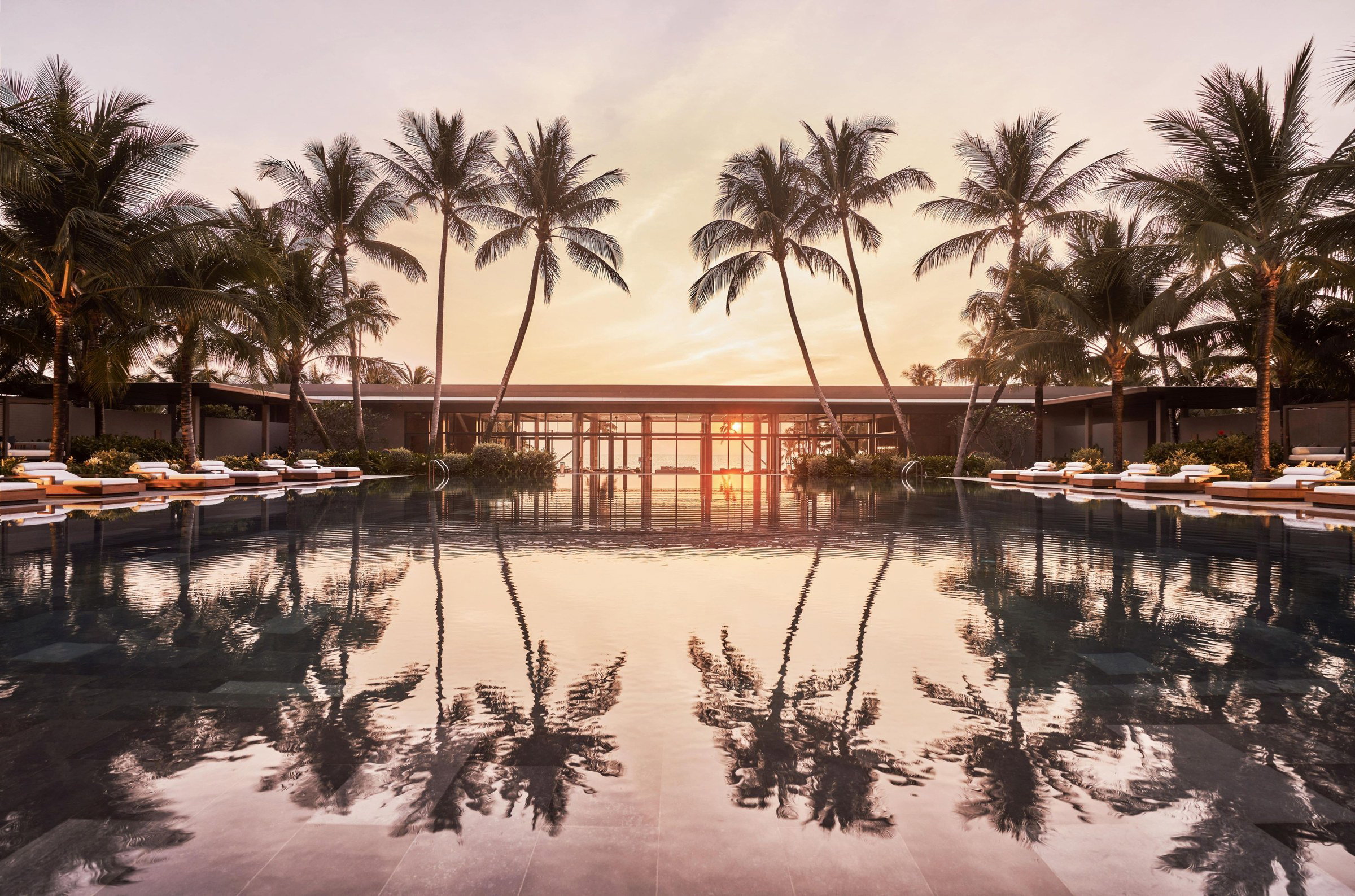
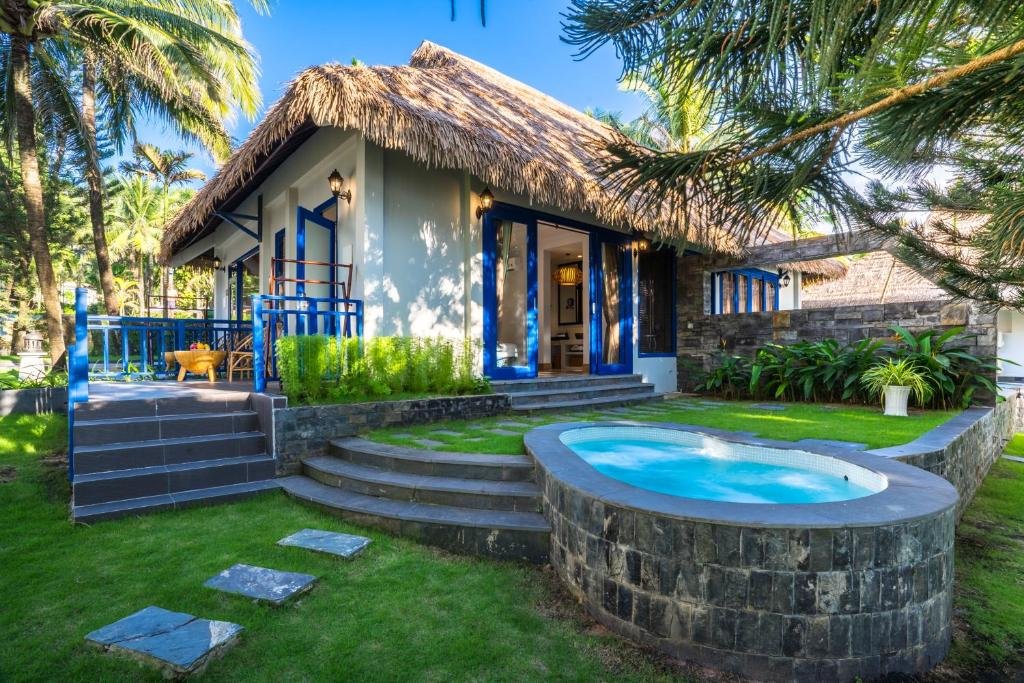
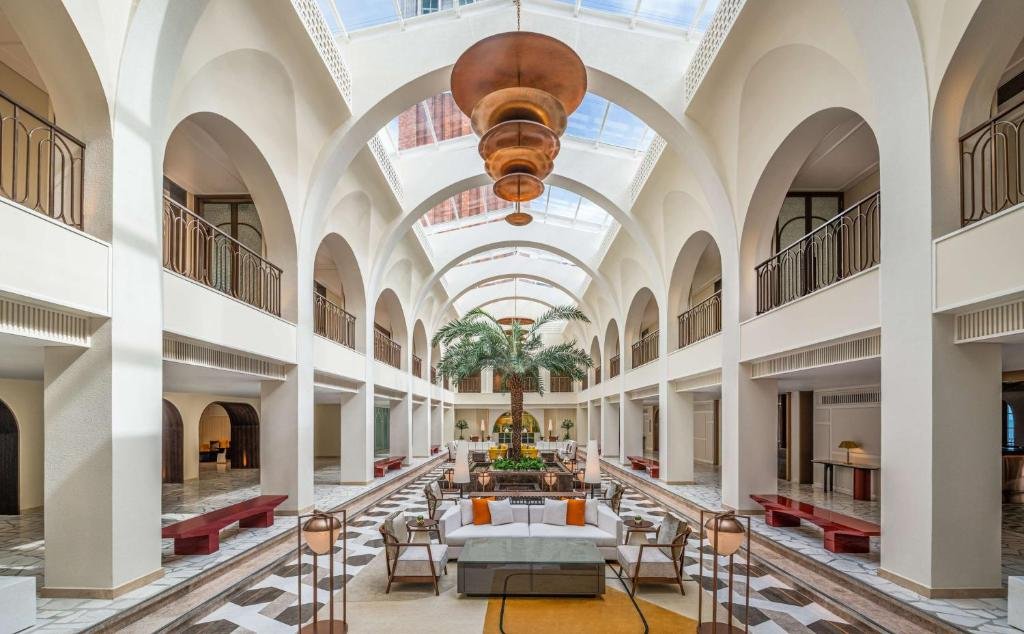
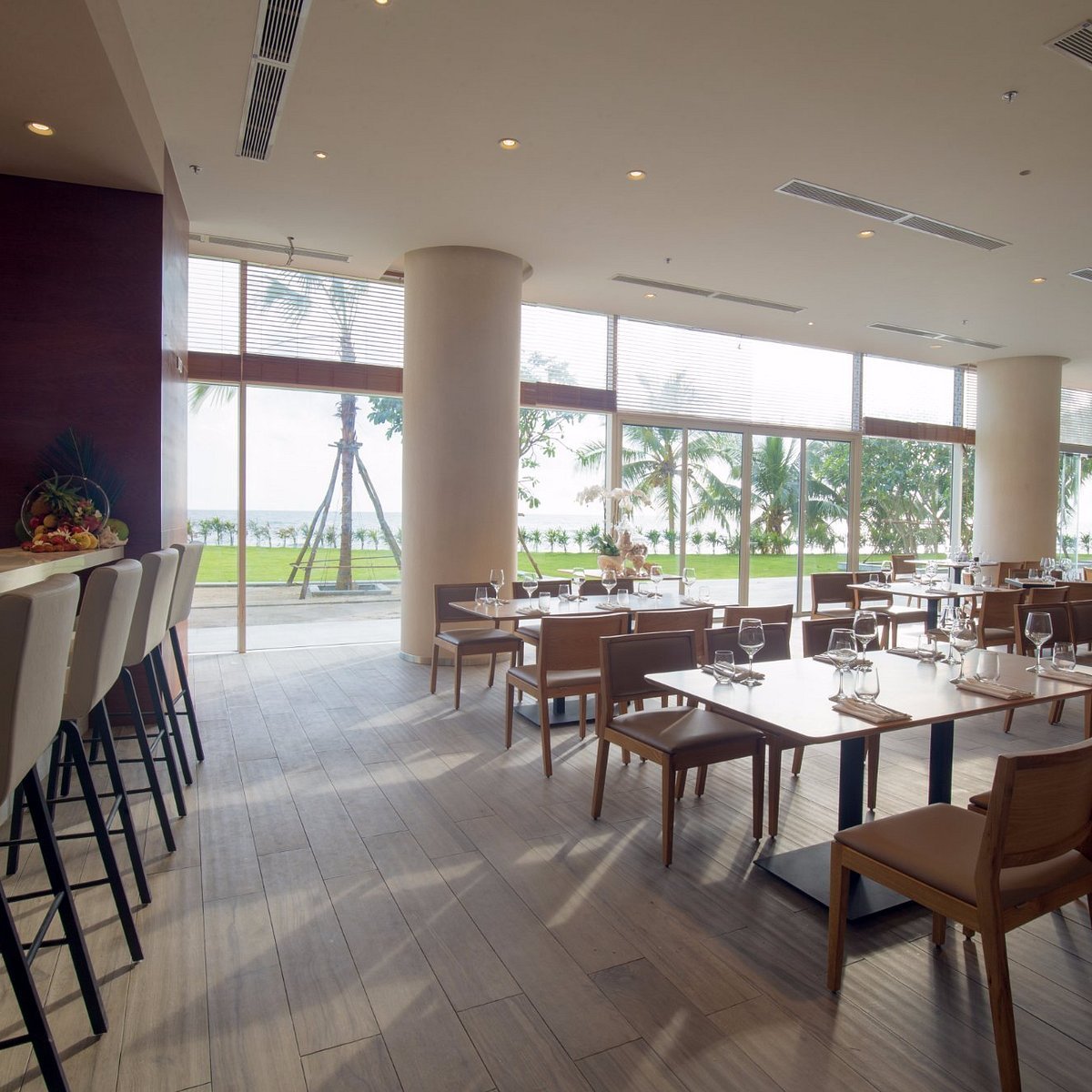
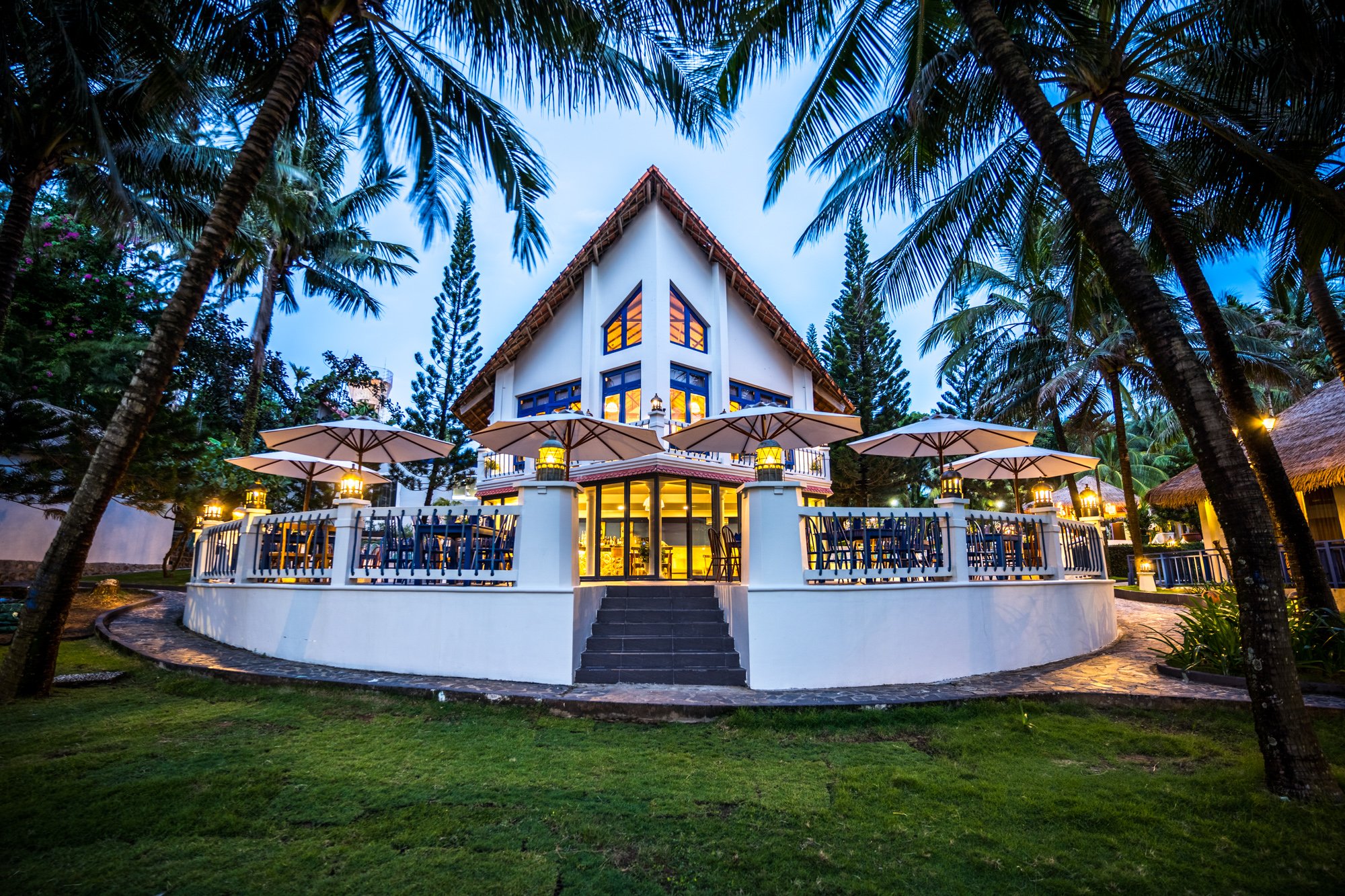
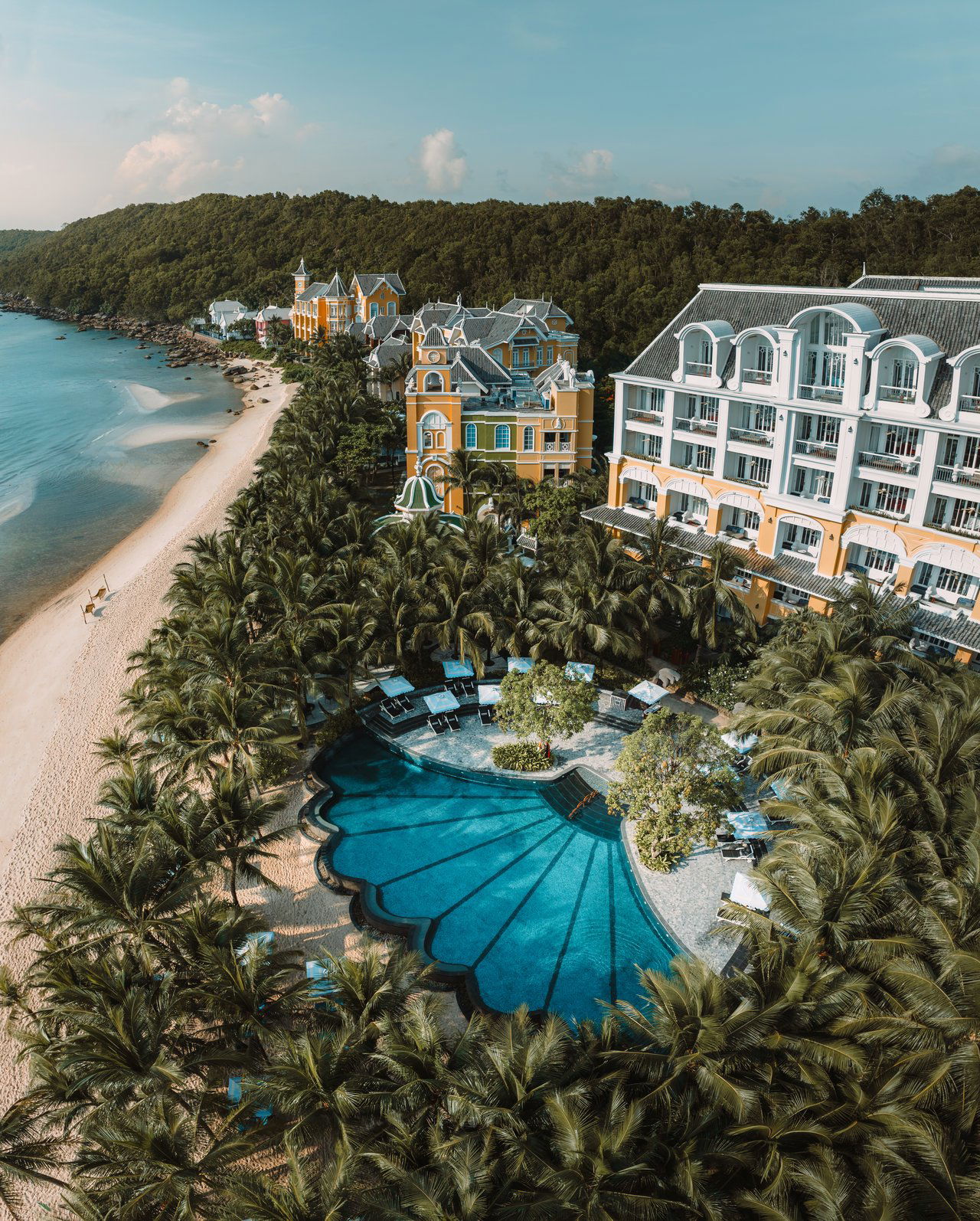
The JW Marriott Phu Quoc Emerald Bay Resort & Spa presents itself as a carefully staged destination, using a fictional French colonial-university conceit to shape its architecture and storytelling. That deliberate design strategy yields a charming, historically flavored setting across a campus of distinct pavilions, and the resort’s southern Bai Khem location delivers a more secluded, relaxed coastal experience than the island’s busier stretches. The property reads as a polished, design-forward escape: visually curated and composed, with an emphasis on spacious grounds and separate dining buildings that reinforce the impression of a resort that’s both intentional and intimate.
Best For
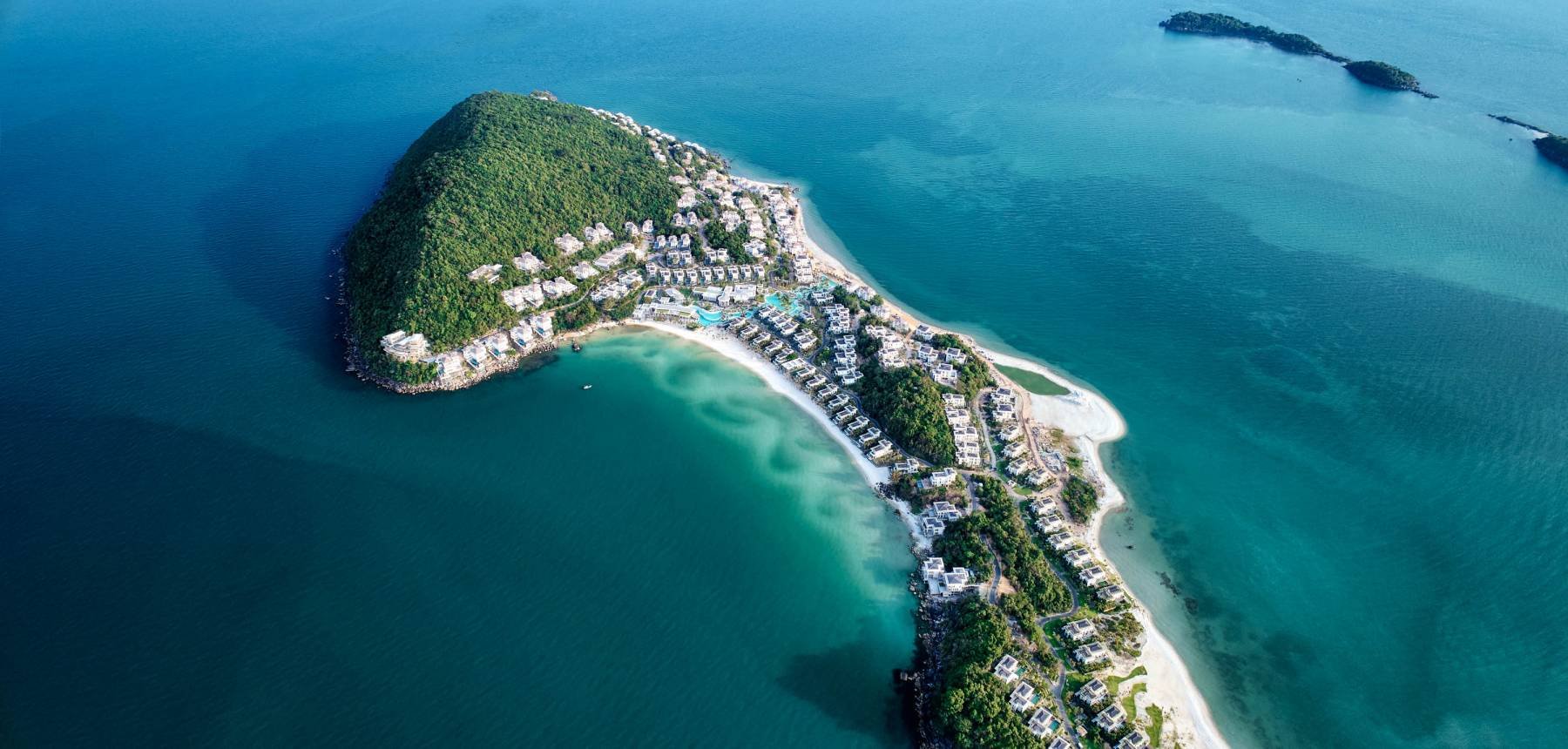
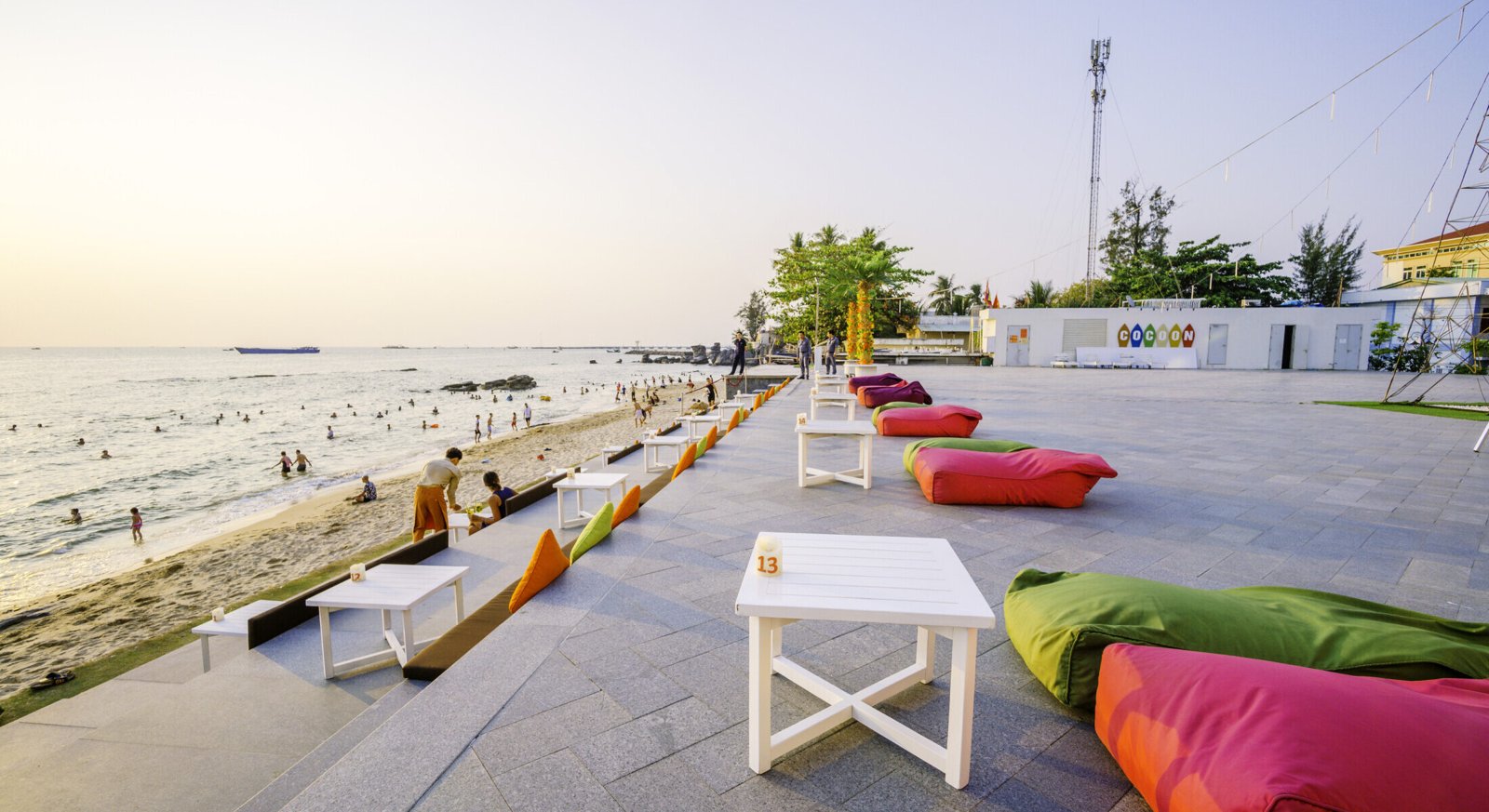
This resort is best for travelers seeking a resort-centric stay rather than a town-base for explorations. Its placement on Bai Khem—described as cleaner and less crowded—makes it well suited to honeymooners and couples after a romantic getaway, families looking for a more private beach experience, and guests focused on wellness or a restorative retreat. Because the property functions as 'a destination within a destination,' it also fits weekend escapes where the on-site dining and design-led grounds are primary reasons to stay, rather than proximity to Duong Dong’s central activity zone.
Stay Tips
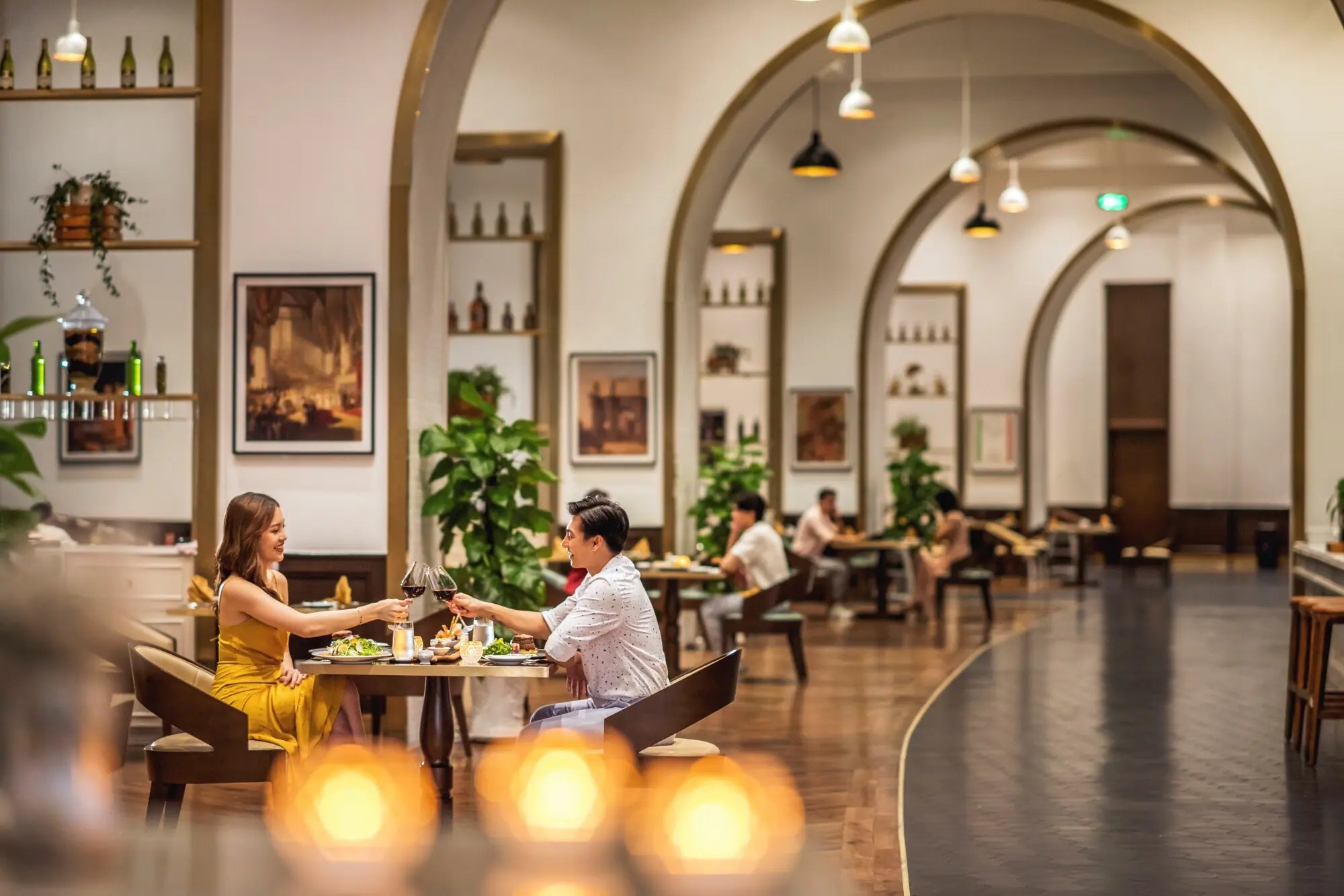
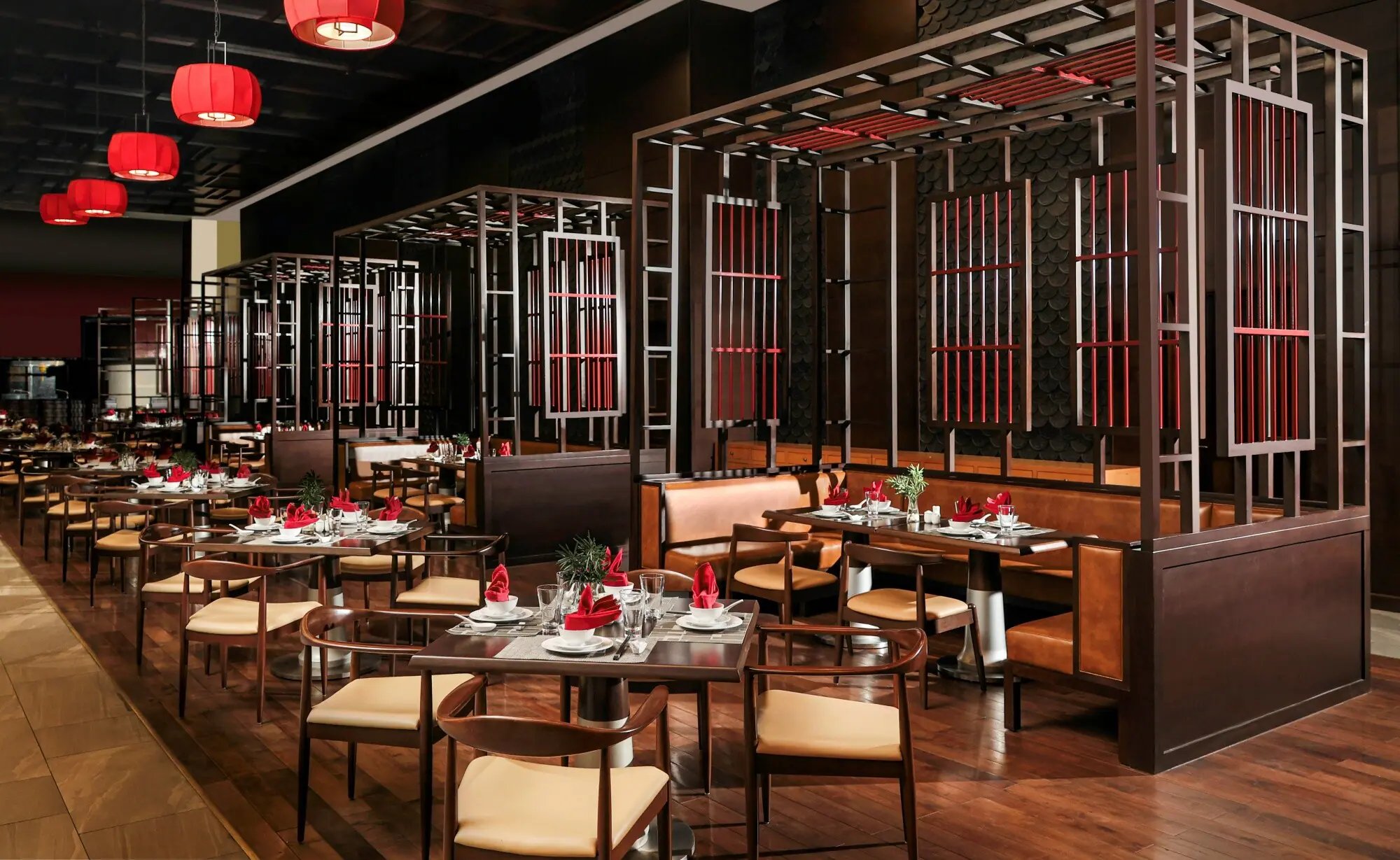
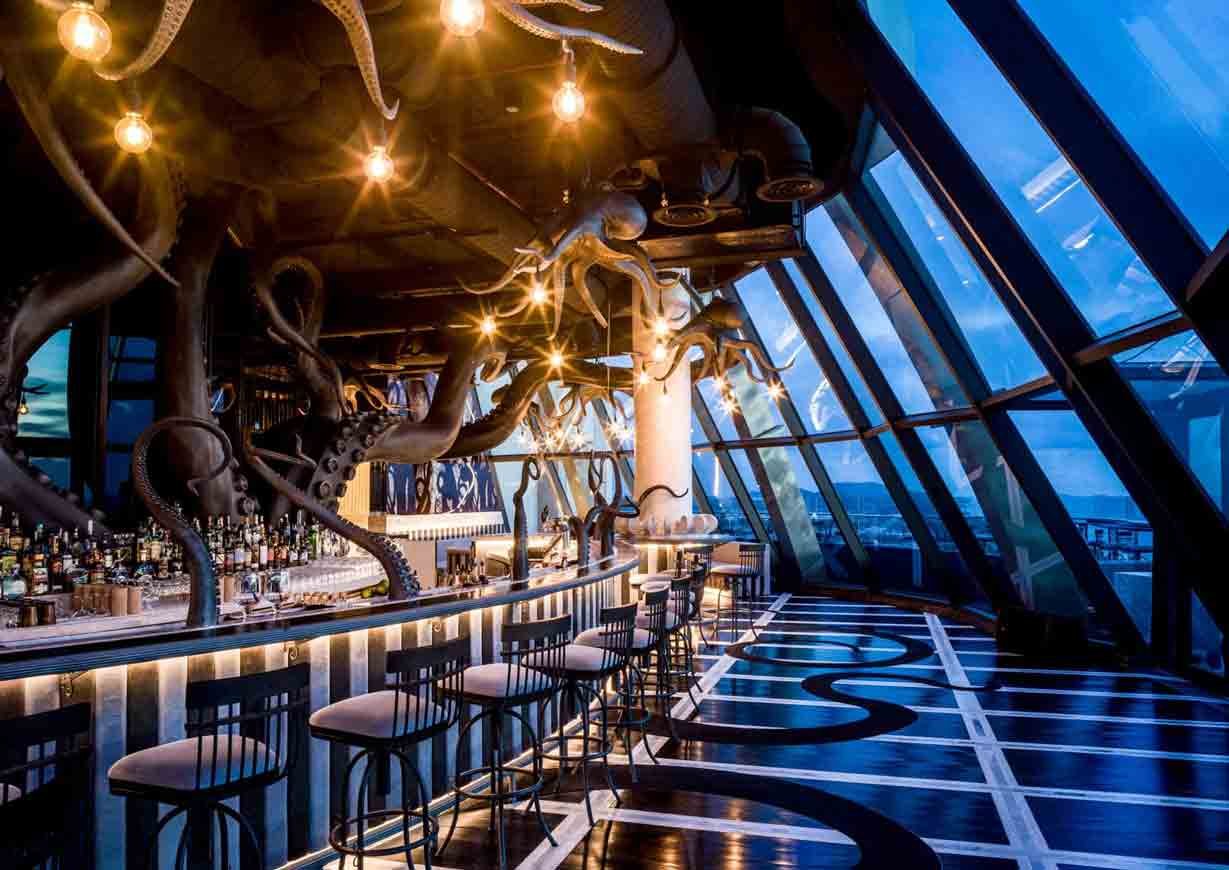
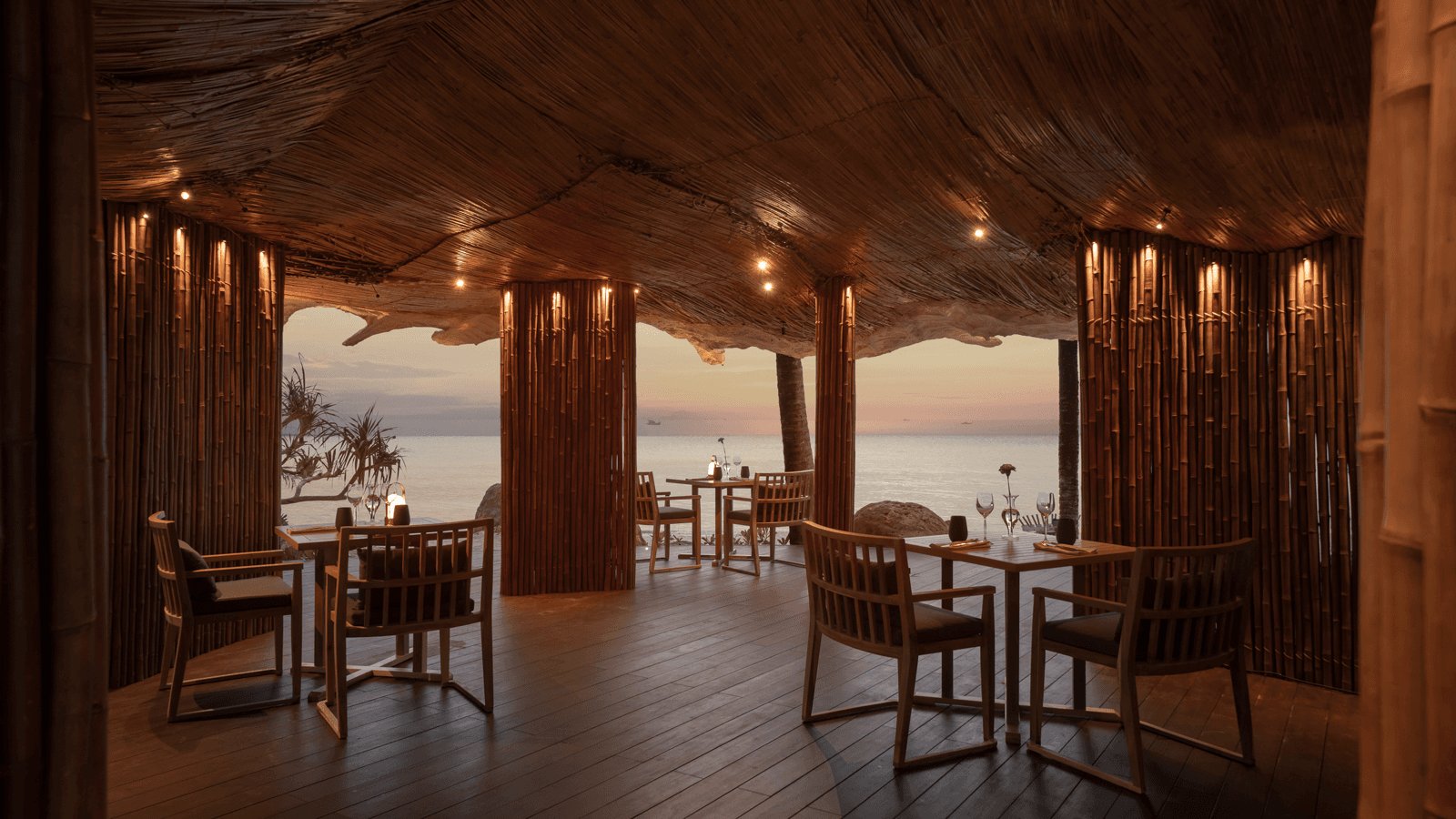
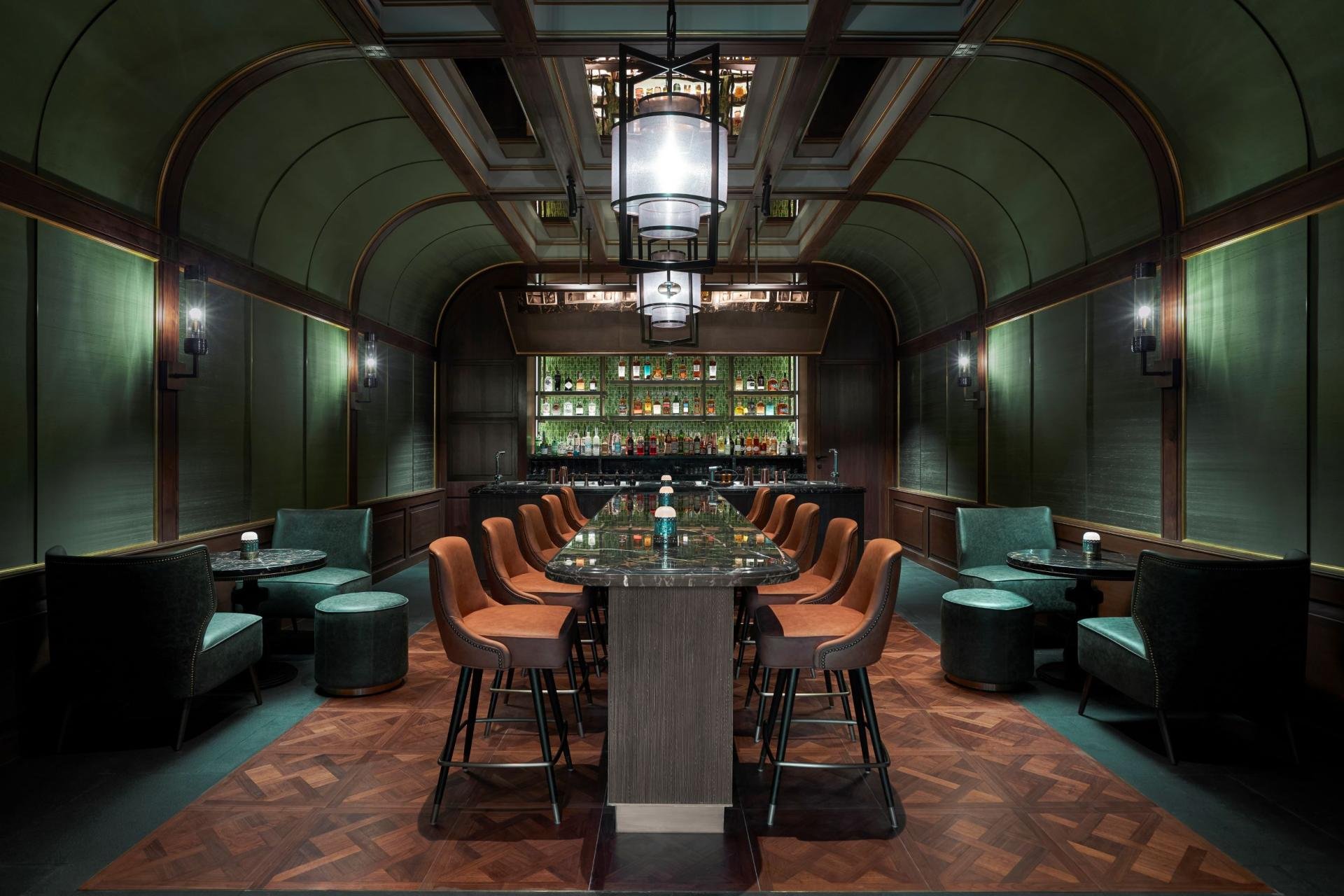
Dining at the JW Marriott Phu Quoc Emerald Bay is an explorative experience: the resort’s culinary outlets are spread across separate structures, so plan to move between venues rather than expect a single central restaurant. Reserve ahead for evening meals and consider sampling multiple outlets across different nights to experience the architecture and distinct atmospheres each occupies. Because the F&B layout is distributed across the campus, allow extra time for transfers between pavilions and check concierge guidance on opening hours and the best sequences for a progressive dining experience.
Venue details
Ambiance
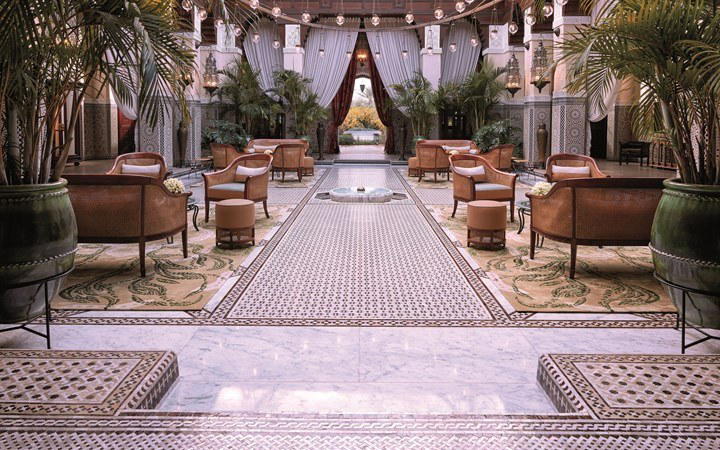
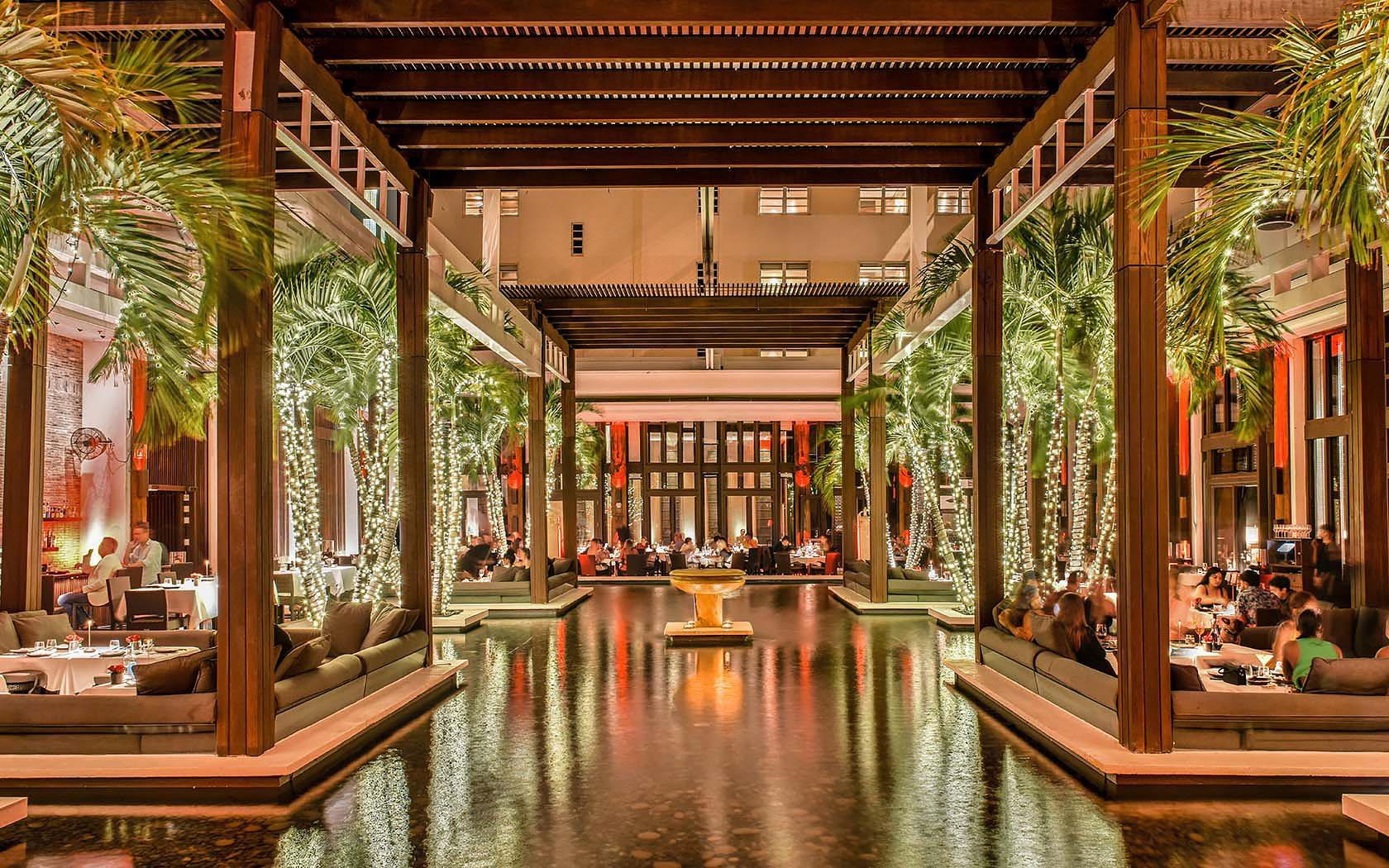
Elegant and relaxing with spacious high-ceilinged rooms, thoughtful lighting, and serene beachfront atmosphere.
Tags
Vibe
Best For
Experience
Amenities
View
Accessibility
About the Stay
- Rooms
- 244
- Check-in
- 15:00
- Check-out
- 12:00
- Property Style
- Luxury Beach Resort with Whimsical French Colonial Campus Theme
- Design Style
- Whimsical, Elegant with High Ceilings and Bill Bensley Storytelling
Know before you go
Know Before You Go
- Getting there
- Eco-Tourism at Bai Khem, Phú Quốc, An Giang 922280, Vietnam
Planning details
Location
Eco-Tourism at Bai Khem, Phú Quốc, An Giang 922280, Vietnam · Directions
Recognition and awards

Also consider
Where to look if this is not the right fit
Choose Regent Phu Quoc if the group wants a calmer luxury stay with a more adult feel. Choose Premier Village Phu Quoc Resort if villa-style space matters more than resort awards.
Hotel context
How it compares in Phu Quoc
JW Marriott Phu Quoc Emerald Bay Resort & Spa is the safer choice for families and celebration groups that want a polished resort with strong wedding and spa credentials. Regent Phu Quoc is the better cross-shop for a quieter luxury stay with a more adult-leaning feel, while InterContinental Phu Quoc Long Beach Resort works well for travelers who want a large, familiar beach-resort format.
For villa-heavy group travel, Premier Village Phu Quoc Resort is the more obvious comparison because the accommodation style may suit families who want more separation and shared living space. New World Phu Quoc Resort also belongs on the family shortlist if value and easy resort logistics matter more than awards-led positioning.
La Festa Phu Quoc, Curio Collection by Hilton is the alternative for travelers who want a livelier, more design-forward hotel mood. Choose JW Marriott Phu Quoc Emerald Bay Resort & Spa when the priority is a celebration-ready luxury resort; choose La Festa when the hotel personality matters more than wedding-and-spa credentials.
Explore Phu Quoc
Around this place
Discover more on Pearl
Unlock the full JW Marriott Phu Quoc Emerald Bay Resort & Spa guide in Pearl, including awards, comparisons, FAQs, planning details, and nearby places.
Compare JW Marriott Phu Quoc Emerald Bay Resort & Spa
| Venue | Location | Awards |
|---|---|---|
| JW Marriott Phu Quoc Emerald Bay Resort & Spa | Phu Quoc | World Travel Awards 2025 · #1 |
| New World Phu Quoc Resort | Phu Quoc Island | No published awards |
| Premier Village Phu Quoc Resort | Phu Quoc | No published awards |
| La Festa Phu Quoc, Curio Collection by Hilton | Phu Quoc | No published awards |
| Regent Phu Quoc | Phu Quoc | 2026 Travel + Leisure 100 Favorite Hotels in the World · #622026 Virtuoso Luxury Hotel Collection2026 Forbes 4-StarStar Wine Lists 20262026 La Liste Top HotelsTatler Best Hotels Asia-Pacific 2025Michelin 1 Key 20252025 Michelin 1 Key2025 Forbes 4-Star |
| InterContinental Phu Quoc Long Beach Resort | Phu Quoc | No published awards |







How JW Marriott Phu Quoc Emerald Bay Resort & Spa, Phu Quoc compares with similar nearby venues.
FAQ
Frequently Asked Questions
How is the location of JW Marriott Phu Quoc Emerald Bay Resort & Spa?
Do loyalty programs work at JW Marriott Phu Quoc Emerald Bay Resort & Spa?
Which room category is best at JW Marriott Phu Quoc Emerald Bay Resort & Spa?
How is the dining at JW Marriott Phu Quoc Emerald Bay Resort & Spa?
Compare dining options directly before booking, and compare with other Phu Quoc dining options if food is a major part of the trip.
How is the pool and spa at JW Marriott Phu Quoc Emerald Bay Resort & Spa?
The resort has World Travel Awards 2025 recognition as a Leading Luxury Resort & Spa. Confirm the current spa and resort facilities directly before booking. Regent Phu Quoc and La Festa Phu Quoc, Curio Collection by Hilton are other Phu Quoc options to compare.