
Cape Pakarang Wow Wild Wellness Escapes
Laem Pakarang, Phang Nga
Hotel in Phang Nga, Thailand
 Book with Pearl
Why go
Cape Pakarang Wow Wild Wellness Escapes is worth considering for a quiet Phang Nga stay when the seasonal rate is attractive and the trip is about rest, not resort bustle. Its MICHELIN hotel selection adds confidence, but compare it with Casa de La Flora, Devasom, and JW Marriott Khao Lak if facilities, dining range, or family logistics matter more.
About Cape Pakarang Wow Wild Wellness Escapes
For travelers considering Cape Pakarang Wow Wild Wellness Escapes in Phang Nga, it is listed in the MICHELIN Guide, Hotels Selected (2025). Beyond that recognition and location, detailed public claims about room types, dining, facilities, pricing, or service format should be confirmed directly with the hotel before booking.
Choose it for a Phang Nga stay, then verify the details that matter
Cape Pakarang Wow Wild Wellness Escapes may suit travelers specifically looking at Phang Nga and comparing hotels. Because specific room categories, dining format, facilities, and published pricing should be confirmed directly, the decision should come down to current availability, direct hotel information, and whether the property fits the kind of stay you want.
Use the MICHELIN Guide hotel selection as a trust signal, not as a substitute for checking practical details. If you want to compare other named options before booking, consider JW Marriott Khao Lak Resort & Spa, Casa de La Flora, Devasom Khao Lak Beach Resort & Villas, or The Sarojin Thailand alongside Cape Pakarang Wow Wild Wellness Escapes.
Who should skip it
Travelers who need specific details on facilities, dining, family amenities, business services, or specific room formats should verify those points directly before committing. For a broader scan, use the full Phang Nga hotels guide.
Planning details
- Location
- 27, 51, Khuk Khak, Takua Pa District, Phang Nga 82220, Thailand
- Website
- capepakarang.com
- Phone
- +66 88 169 9414
The take
The Take
The Vibe
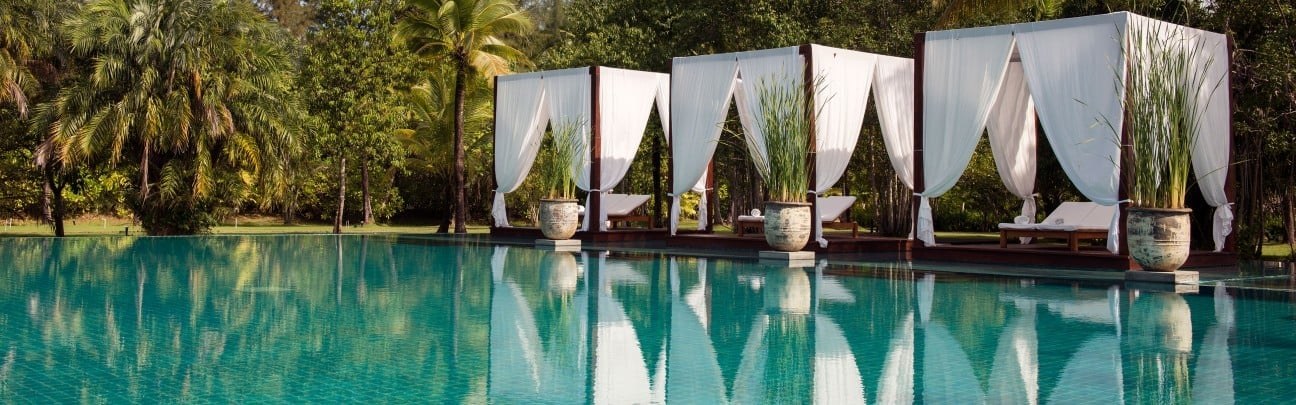
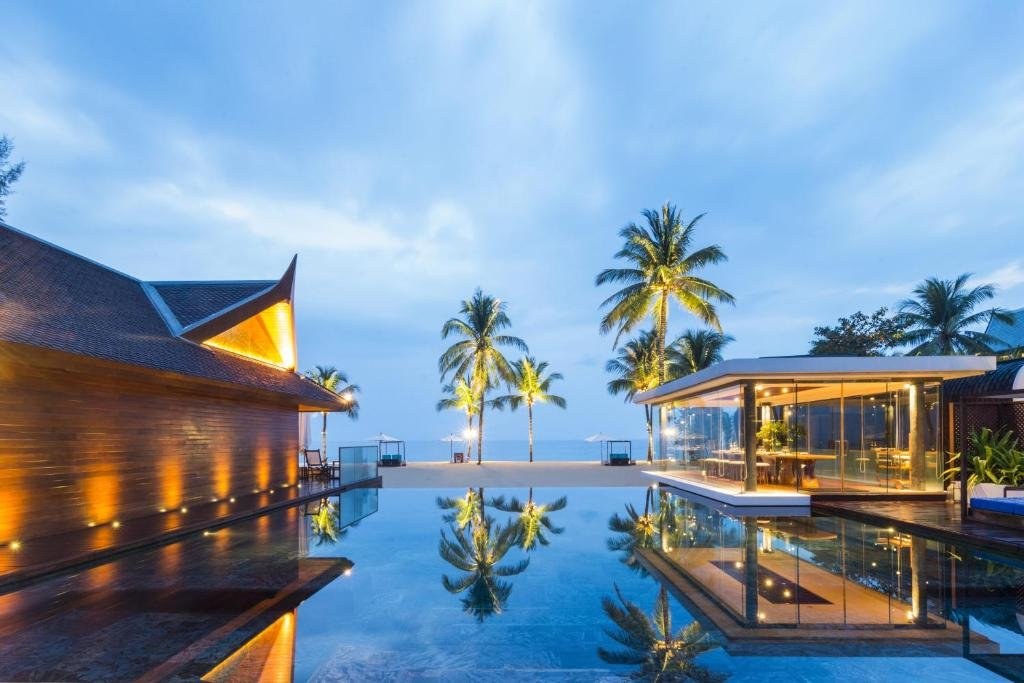
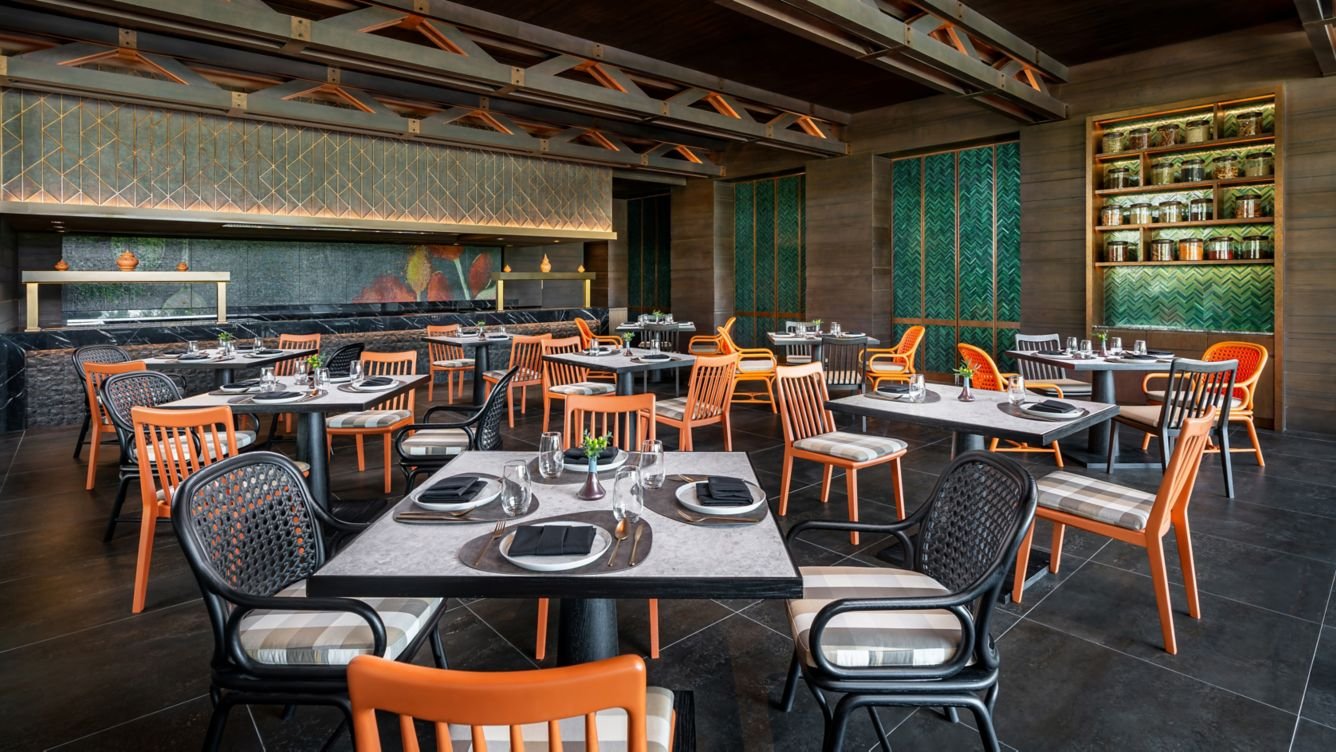
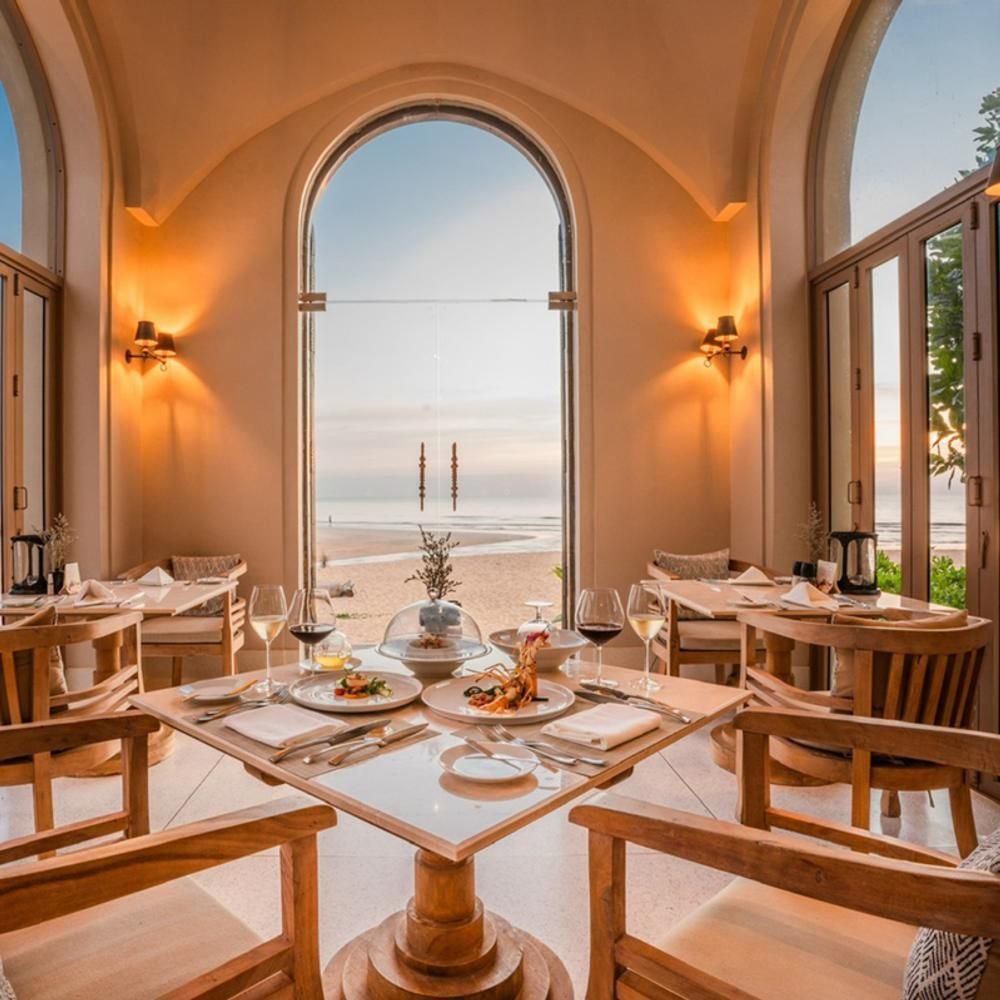
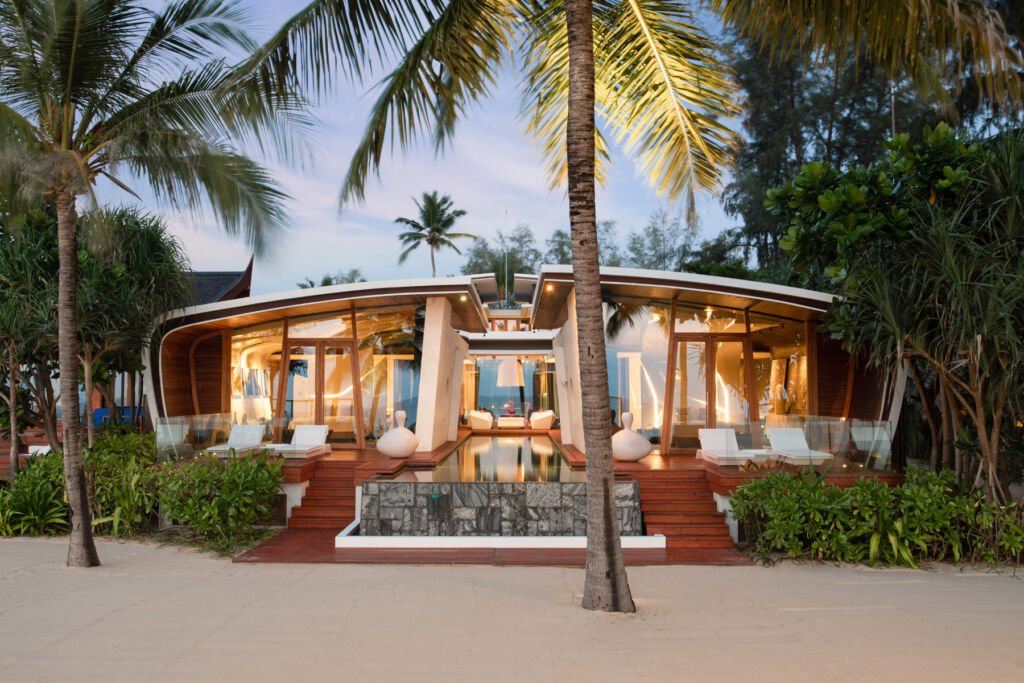
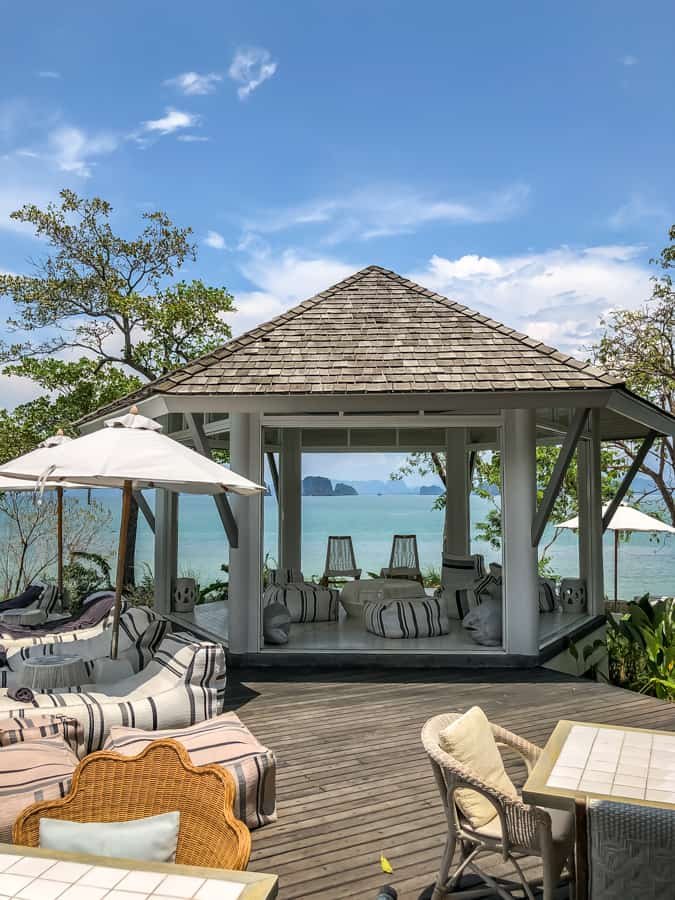
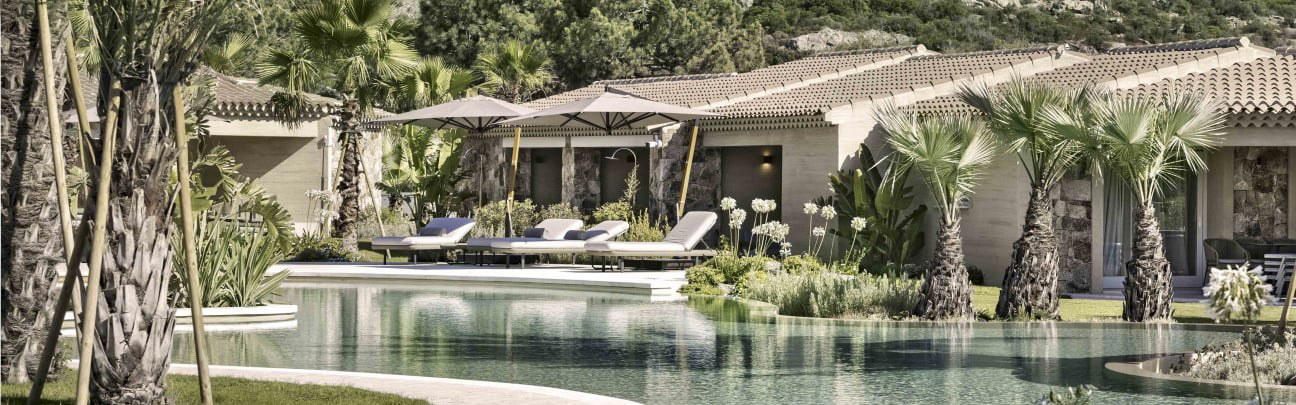
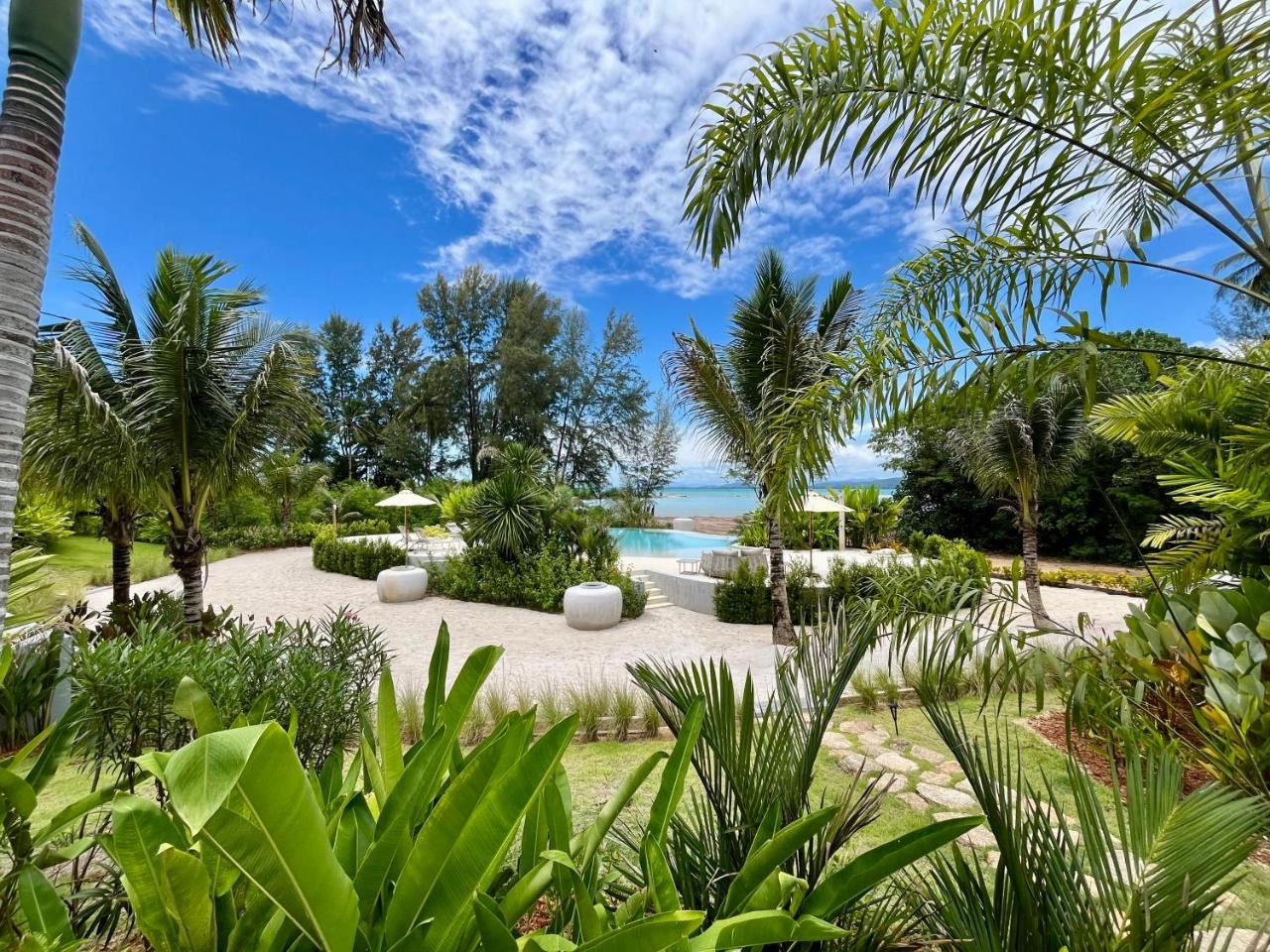
Cape Pakarang reads like a considered coastal retreat: the architecture intentionally defers to the sea and surrounding vegetation, producing a calm, restrained atmosphere. The headland setting gives long, salt-hazed horizons and a sense of geographic isolation, and the design choice to preserve native plantings keeps the built elements discreet. That preservationist approach, coupled with inclusion in Michelin’s 2025 hotel selection, positions the property as a sophisticated, nature-led refuge rather than a showy resort. Overall it feels tranquil and refined, aimed at guests who want scenery and stillness shaped by thoughtful, minimal design.
Best For
This property suits travellers who prioritise setting and intentionality over scale — wellness-minded guests, nature lovers and couples seeking a quiet coastal escape. It sits apart from the highway-lined, large-footprint resorts, making it a smart pick for those after privacy and slow-paced recovery rather than busy resort programming. The Michelin Selection mention signals appeal to discerning visitors who value considered hospitality and a premium retreat experience. Cape Pakarang is therefore best for visitors looking to unwind in a preserved coastal landscape with a refined, low-key sensibility.
Venue details
Ambiance
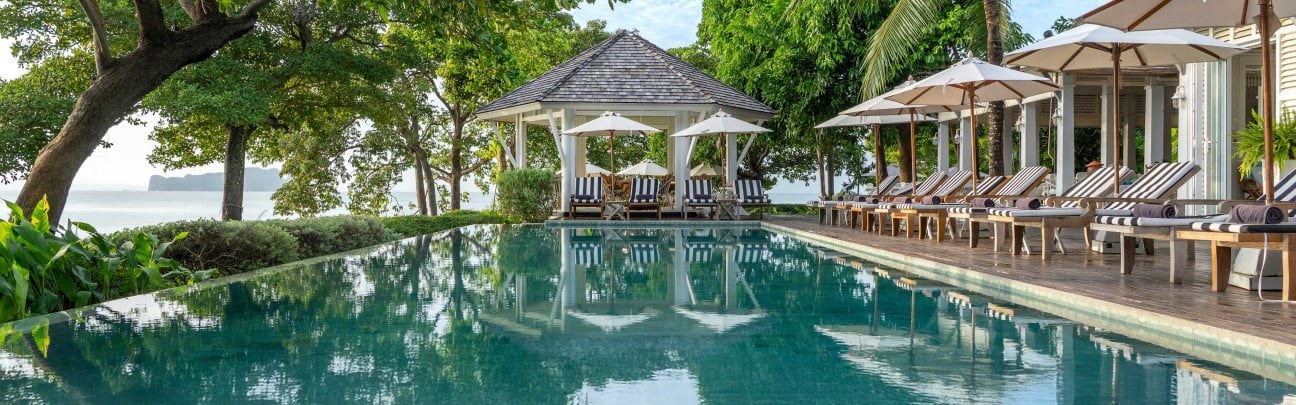
Peaceful and serene with natural sounds, modern minimalist design blending seamlessly into lush gardens and wild beachfront, fostering deep relaxation.
Tags
Vibe
Best For
Experience
Amenities
View
About the Stay
- Rooms
- 8
- Check-in
- 14:00
- Check-out
- 11:00
- Property Style
- Exclusive Adults Only Beachfront Wellness Resort with Sleek Modern Villas in Lush Nature.
- Design Style
- Modern Minimalist with High Quality, Sustainable Materials Thoughtfully Integrated Into the Natural Landscape.
Know before you go
Know Before You Go
- Getting there
- 27, 51, Khuk Khak, Takua Pa District, Phang Nga 82220, Thailand
Planning details
Location
27, 51, Khuk Khak, Takua Pa District, Phang Nga 82220, Thailand · Directions
Recognition and awards
Also consider
Also Consider
- The Sarojin Thailand, Notable alternative
- JW Marriott Khao Lak Resort & Spa, Notable alternative
- Devasom Khao Lak Beach Resort & Villas, Notable alternative
- Devasom Khao Lak Beach Resort & Villas, Notable alternative
- Casa de La Flora, Notable alternative
Hotel context
How It Compares
Cape Pakarang Wow Wild Wellness Escapes is the quieter, wellness-leaning option in this Phang Nga set. Choose it when booking ease and a calmer Cape Pakarang base matter more than a large-resort program. The Sarojin Thailand is the stronger cross-shop for a more established special-occasion stay, while JW Marriott Khao Lak Resort & Spa is the safer pick for travelers who want scale, facilities, and family-friendly infrastructure.
Devasom Khao Lak Beach Resort & Villas is the better fit if ambiance and a polished resort feel are the main reasons for the trip. Casa de La Flora should be the design-led alternative for couples who want a sharper beachfront mood. Cape Pakarang Wow Wild Wellness Escapes makes the most sense when its seasonal pricing undercuts those peers enough to make the quieter format feel like good value.
Explore Phang Nga
Around this place
Discover more on Pearl
Unlock the full Cape Pakarang Wow Wild Wellness Escapes guide in Pearl, including awards, comparisons, FAQs, planning details, and nearby places.
Compare Cape Pakarang Wow Wild Wellness Escapes
| Venue | Location | Awards |
|---|---|---|
| Cape Pakarang Wow Wild Wellness Escapes | Phang Nga | 2025 Michelin Selected Hotels |
| The Sarojin Thailand | Phang Nga | 2026 Mr & Mrs Smith Luxury HotelsWorld Travel Awards 20252025 Michelin 2 Keys2024 Michelin 2 Keys |
| JW Marriott Khao Lak Resort & Spa | Khao Lak | 2026 Michelin Guide New Hotels2025 Conde Nast Best Resorts · #72025 Michelin Selected Hotels |
| Devasom Khao Lak Beach Resort & Villas | Phang Nga | Tablet Hotels Top 40 New Hotels 2025 · #62025 Michelin Selected Hotels |
| Devasom Khao Lak Beach Resort & Villas | Khao Lak | Tablet Hotels Top 40 New Hotels 2025 · #62025 Michelin Selected Hotels |
| Casa de La Flora | Phang Nga | No published awards |




How Cape Pakarang Wow Wild Wellness Escapes compares with similar nearby venues.
FAQ
Frequently Asked Questions
What is check-in like at Cape Pakarang Wow Wild Wellness Escapes?
Specific check-in details are not available. Cape Pakarang Wow Wild Wellness Escapes is in Phang Nga and is listed in the MICHELIN Guide, Hotels Selected (2025). Check the hotel directly for arrival procedures and current policies.
Is Cape Pakarang Wow Wild Wellness Escapes good for business travel?
That depends on the practical details of your trip in Phang Nga. Business services, meeting facilities, and work-focused amenities should be confirmed directly before booking. You can also compare JW Marriott Khao Lak Resort & Spa if you are weighing other hotel options.
Is Cape Pakarang Wow Wild Wellness Escapes family-friendly?
Family-specific facilities and policies should be confirmed directly. If you are traveling with children, confirm room setup, amenities, and any relevant policies directly with the hotel before booking. Other options to compare include JW Marriott Khao Lak Resort & Spa and Devasom Khao Lak Beach Resort & Villas.
Which room category is best at Cape Pakarang Wow Wild Wellness Escapes?
Specific room categories are not available, so no best room category can be recommended. Choose based on the hotel's current room descriptions, availability, and the needs of your trip.