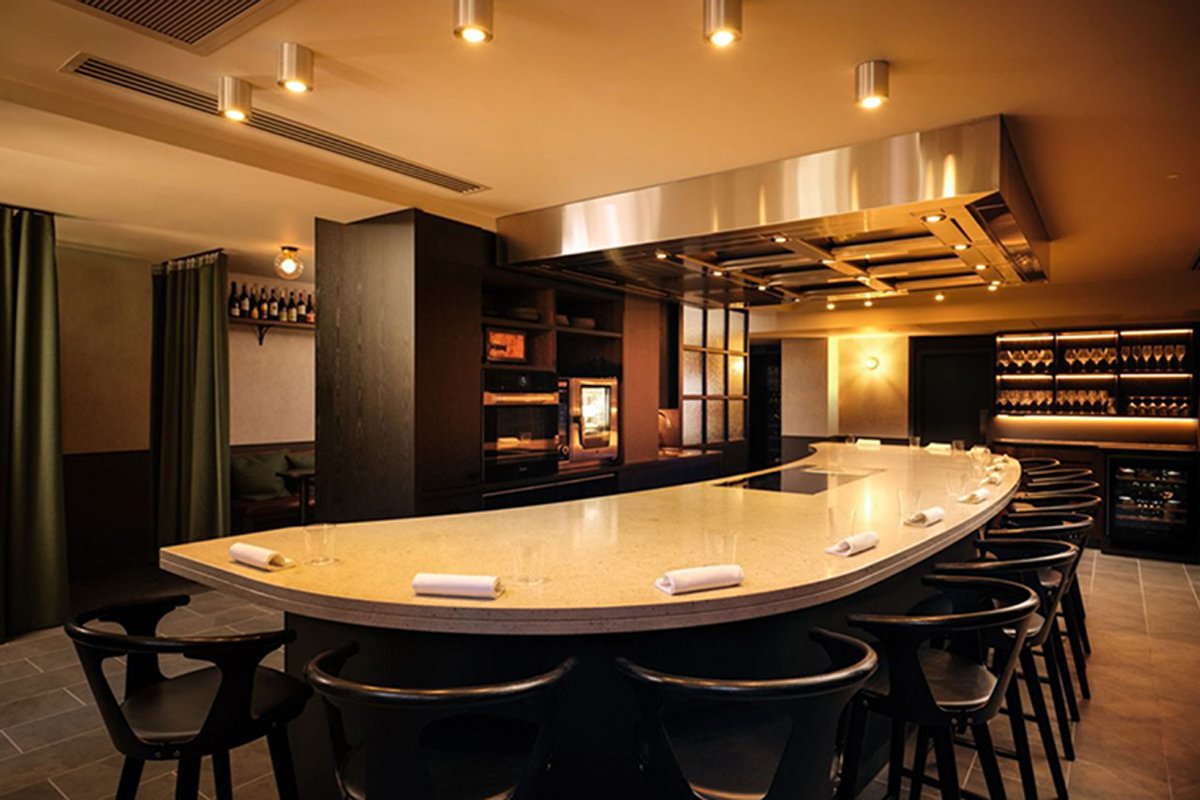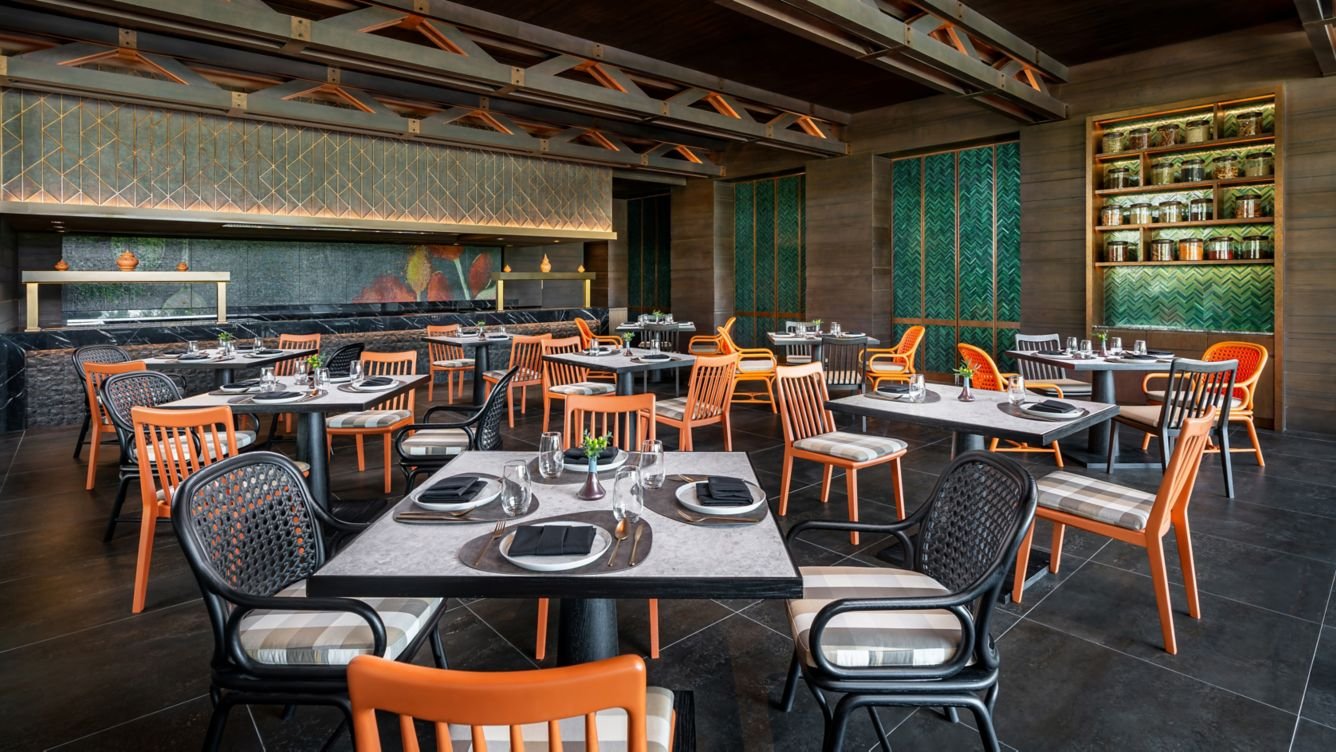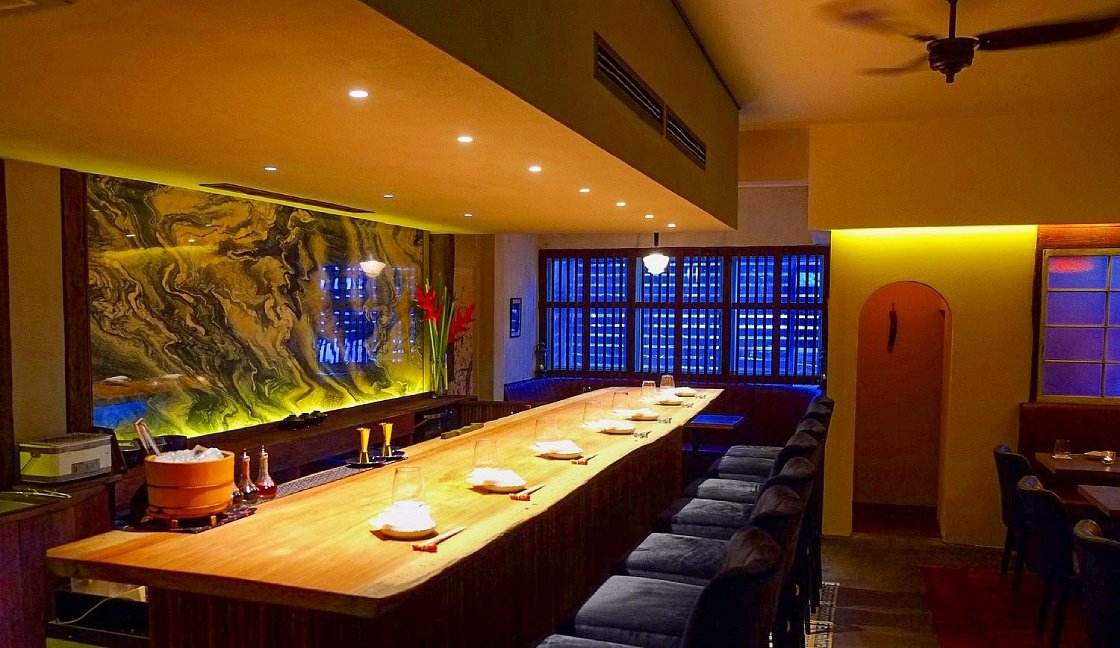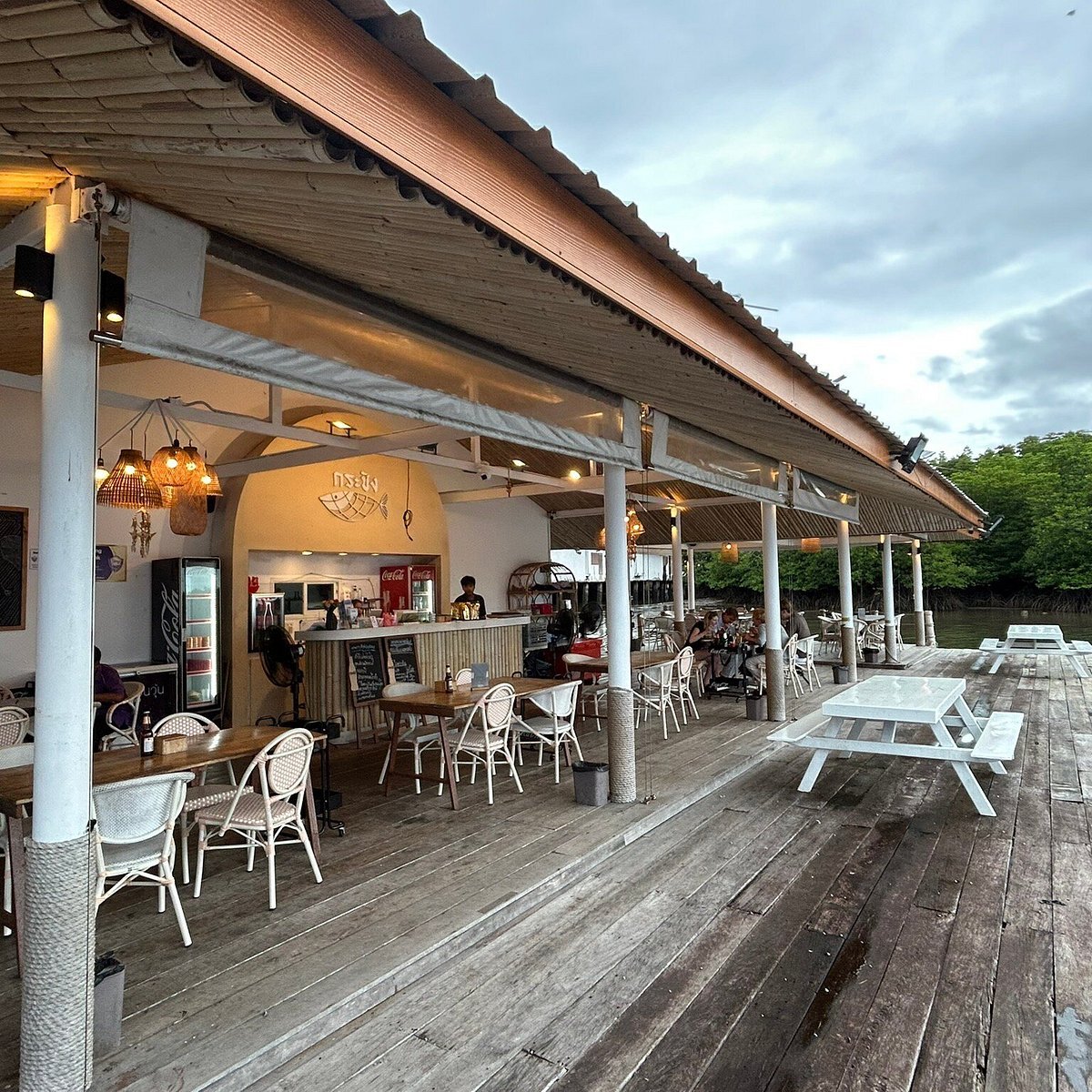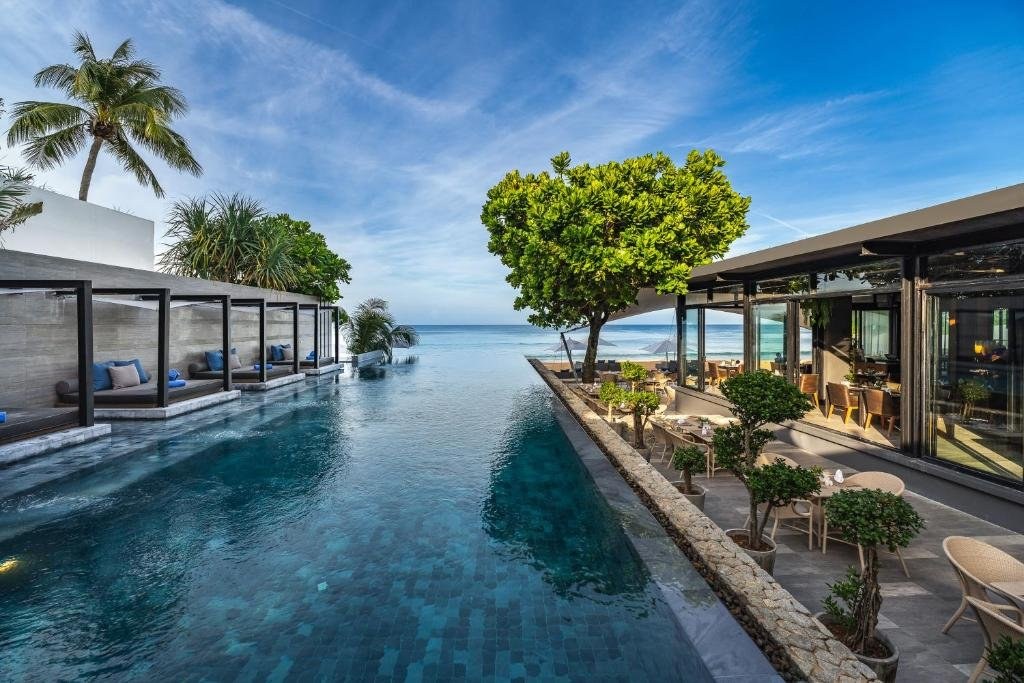


Aleenta Resort & Spa, Phuket
Natai Beach, Phang Nga
Hotel in Phang Nga, Thailand
 Book with Pearl
The Read
Private-Beach Seclusion, Andaman Scale
Price
$100–200per night
Why go
Aleenta Resort & Spa, Phuket is worth considering for families who want a calmer Phang Nga resort-and-spa stay rather than a packed Phuket itinerary. Its Michelin 1 Key and Leading Hotels of the World recognition give it credible luxury signals, but compare carefully if child-specific programming, dining detail, or exact price positioning will drive the decision.
About Aleenta Resort & Spa, Phuket
Aleenta Resort & Spa, Phuket is a Phang Nga property with a confirmed Michelin 1 Key in 2025 and Leading Hotels of the World membership in 2025. Those are the clearest quality signals for this listing; more specific claims about room types, dining formats, facilities, prices, or activity programming should be checked directly with the hotel before booking.
The practical verdict: shortlist it when the confirmed recognition and Phang Nga setting match the kind of stay you want, but avoid making assumptions beyond the profile. The confirmed dress code is smart casual. If your decision depends on exact amenities, service inclusions, or daily schedules, confirm those details with the property rather than relying on generalized resort expectations.
A Phang Nga hotel with confirmed premium recognition
For travelers considering Phang Nga, Aleenta Resort & Spa, Phuket is best assessed on its confirmed hotel recognition and location rather than on amenity claims. The profile supports treating it as a serious hotel shortlist candidate, but not as proof of any particular program, dining concept, room configuration, or activity setup.
The recognition matters here. A Michelin 1 Key in 2025 and Leading Hotels of the World membership in 2025 place the property in a more selective hotel set than an ordinary unaccredited listing. That does not automatically make it the right choice for every traveler, but it does provide a grounded reason to consider it. Since detailed room, dining, and facility information is not part of the confirmed profile here, the safest recommendation is to choose it only after verifying the particulars that matter to your stay.
Who should choose it, and who should look elsewhere
Choose this if you want a Phang Nga hotel with confirmed premium recognition and you are comfortable checking any stay-specific details directly with the property. It is a stronger fit for travelers who value hotel credentials than for travelers who need a fully documented list of facilities before narrowing the shortlist.
Look elsewhere, or compare carefully, if the group needs exact certainty on dining format, published price bands, room categories, or specific programming before making a decision. In that case, compare it with Anantara Mai Khao Phuket Villas, The Slate, Trisara, Anantara Layan Phuket Resort, or Iniala Beach House as part of a broader regional hotel search. For a broader scan, use Our full Phang Nga hotels guide before narrowing the shortlist.
Planning details
- Location
- 33, Tambon Khok Kloi, Amphoe Takua Thung, Chang Wat Phang-nga 82140
- Website
- aleenta.com/phuket
- Phone
- +66 76 580 333
The take
The Take
The Vibe
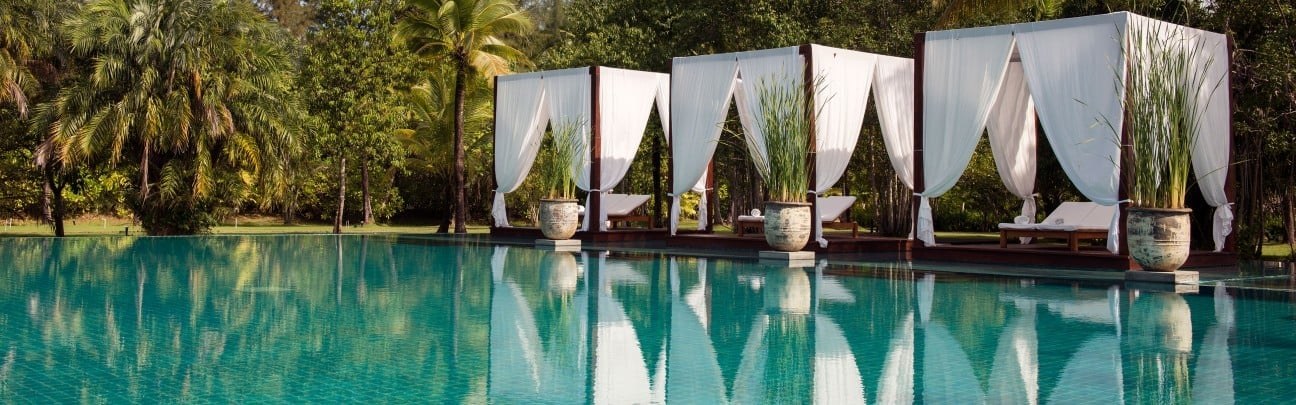
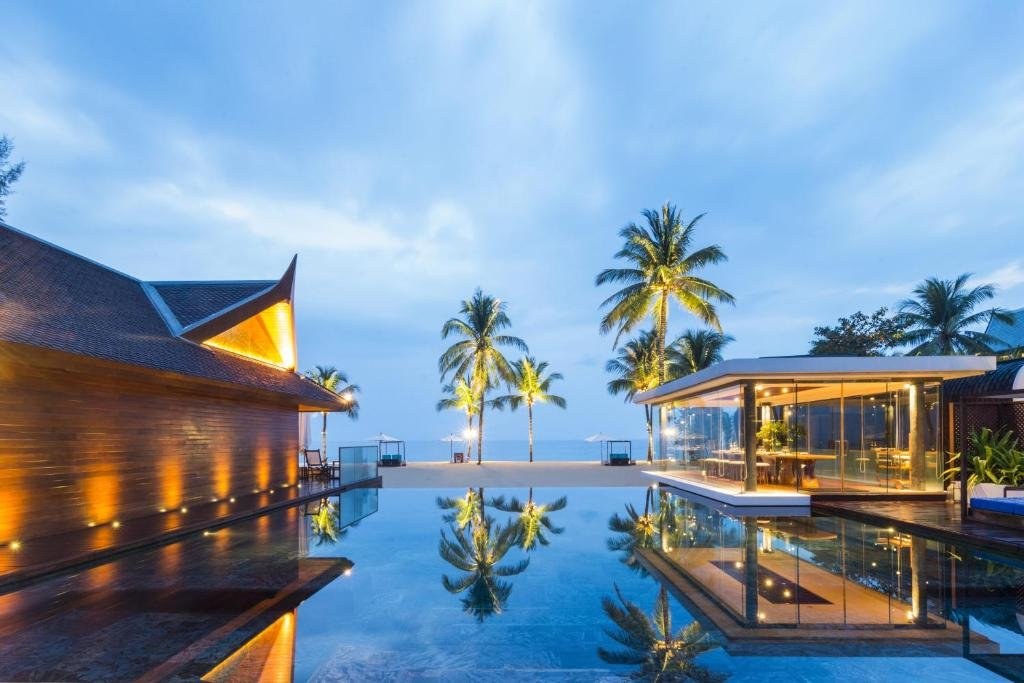
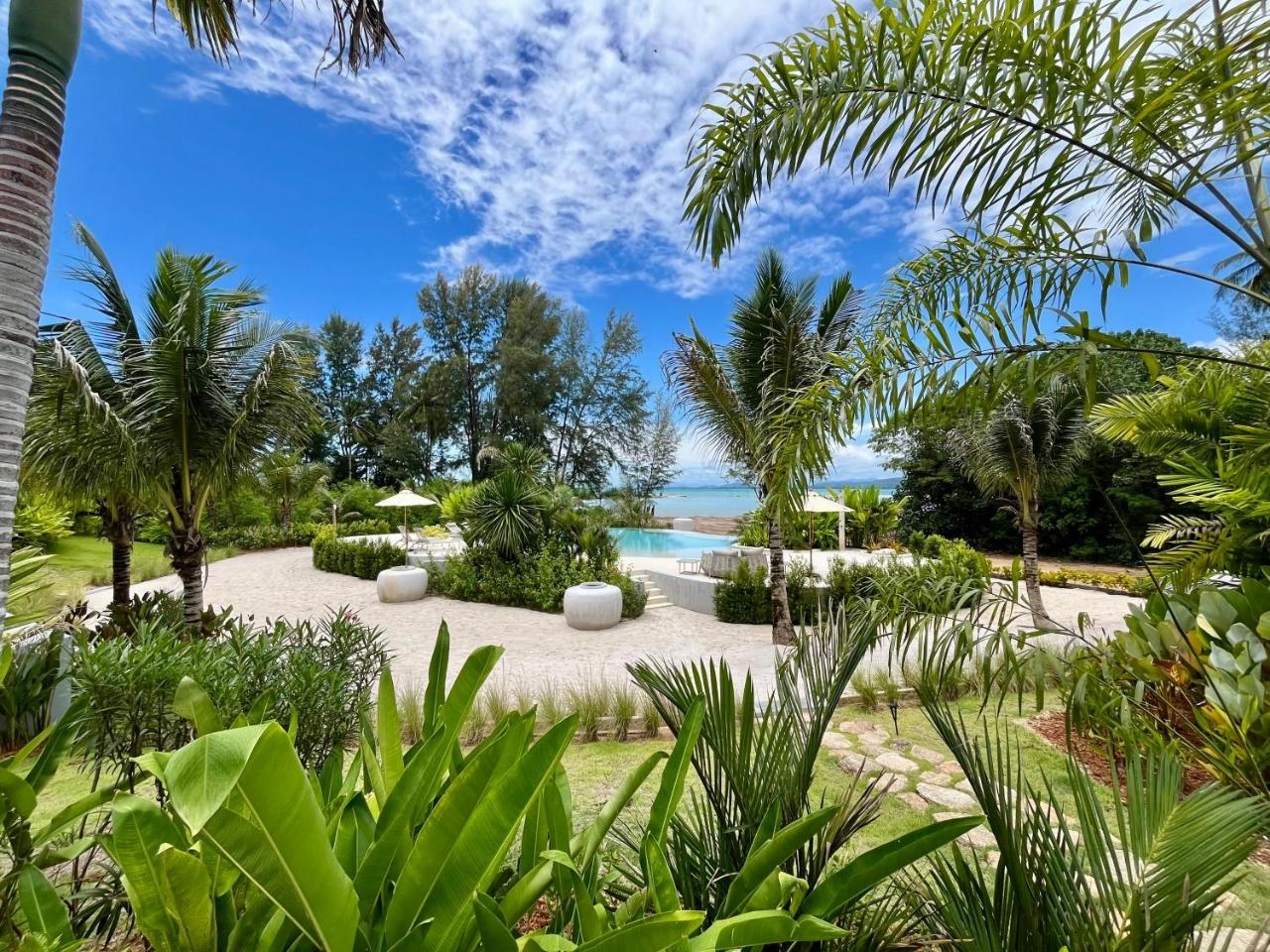
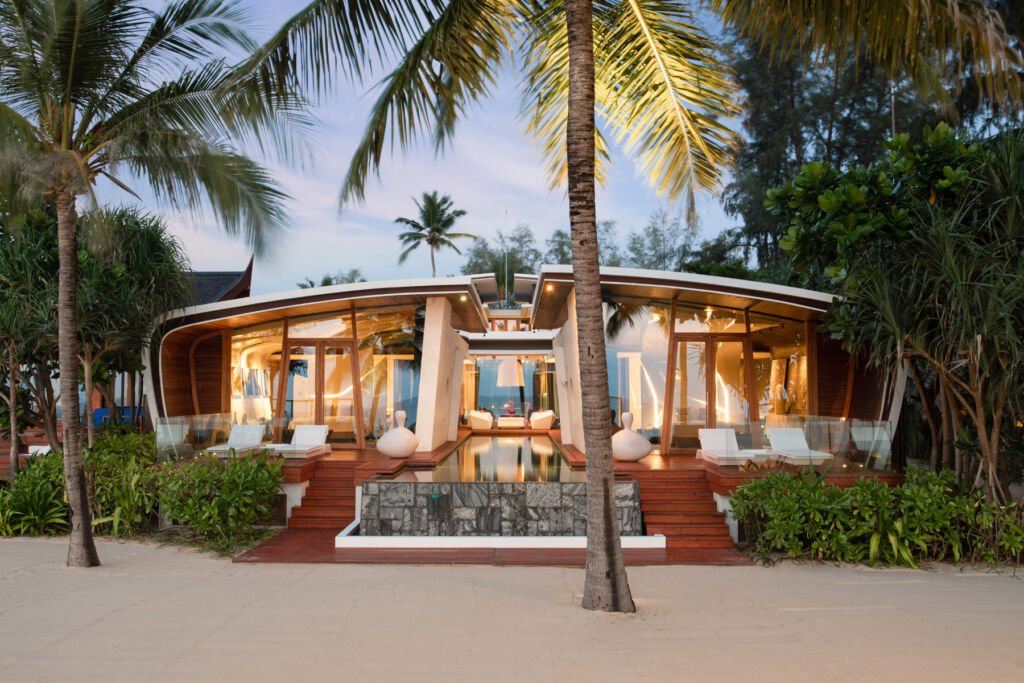
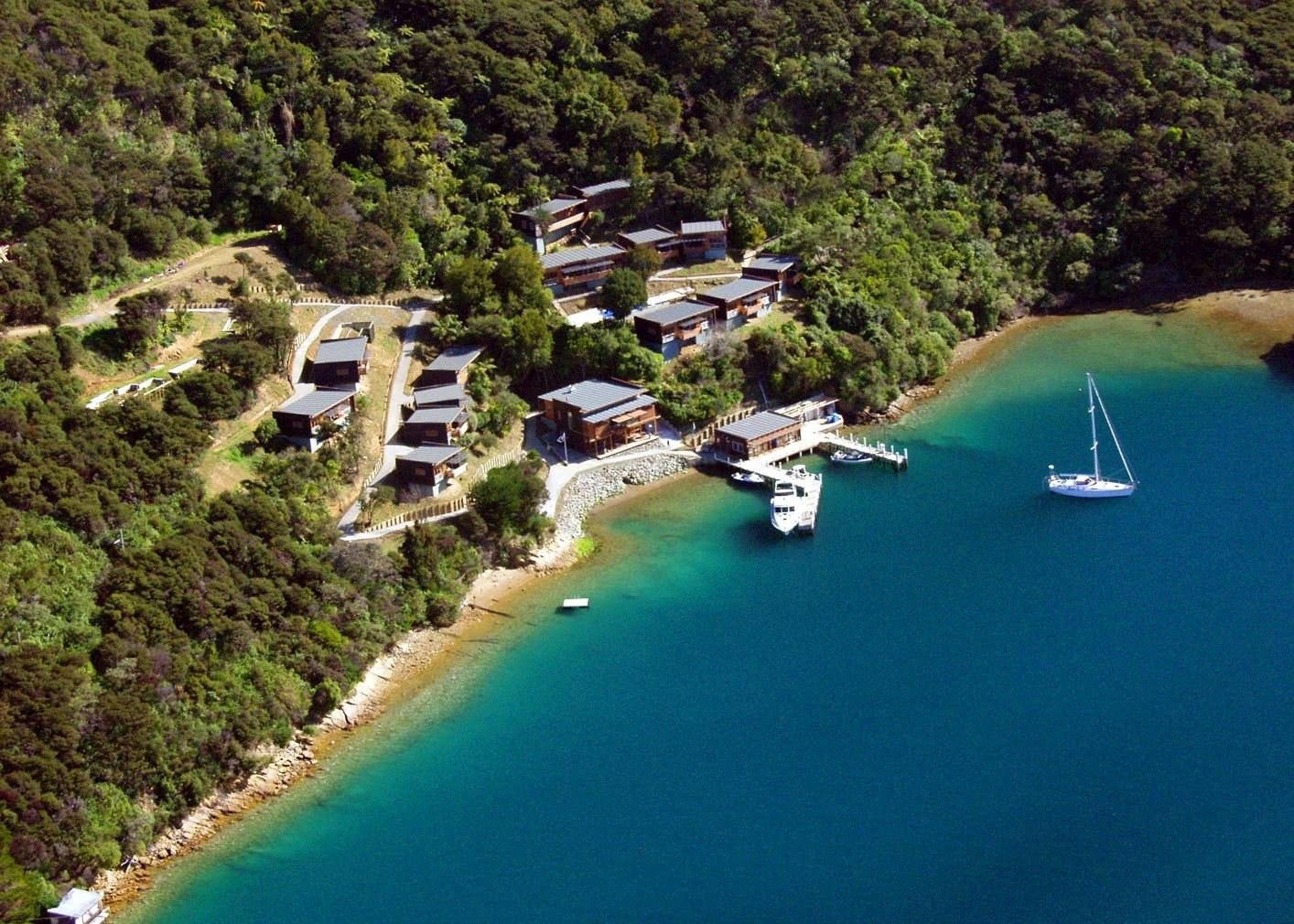
Aleenta frames its luxury around seclusion and restraint rather than spectacle. The resort sits on a quieter stretch of the Andaman coast at Natai Beach and favors an architecture that 'does not shout,' creating a deliberately low-key, intimate feel. Guests encounter understated design and a beach-to-guest ratio that privileges privacy over density. The result is a relaxed, charming hideaway that reads as a thoughtful counterpoint to the flashier, activity-driven resorts of southern Phuket; everything here leans toward calm and measured elegance rather than ostentation.
Best For
Aleenta is best for travelers seeking a tranquil beach escape with easy access to the airport. Located a short drive from Phuket International Airport yet removed from the island's busier southern resorts, it suits couples on romantic getaways, honeymooners, and anyone after a wellness-focused retreat. The property's emphasis on seclusion and a quiet, beach-centric experience also appeals to small groups or families who value space and a low-key pace over a broad roster of high-energy amenities.
Stay Tips
Plan logistics around the property's deliberate seclusion: Aleenta is about a 20-minute drive from Phuket International Airport and roughly 40 kilometres from Phuket town, so airport transfers are straightforward and keep the rest of the island optional. Given the resort's emphasis on space and a low guest density, book well in advance during peak seasons to secure the quieter beachfront accommodation that defines the property's appeal.
Venue details
Ambiance
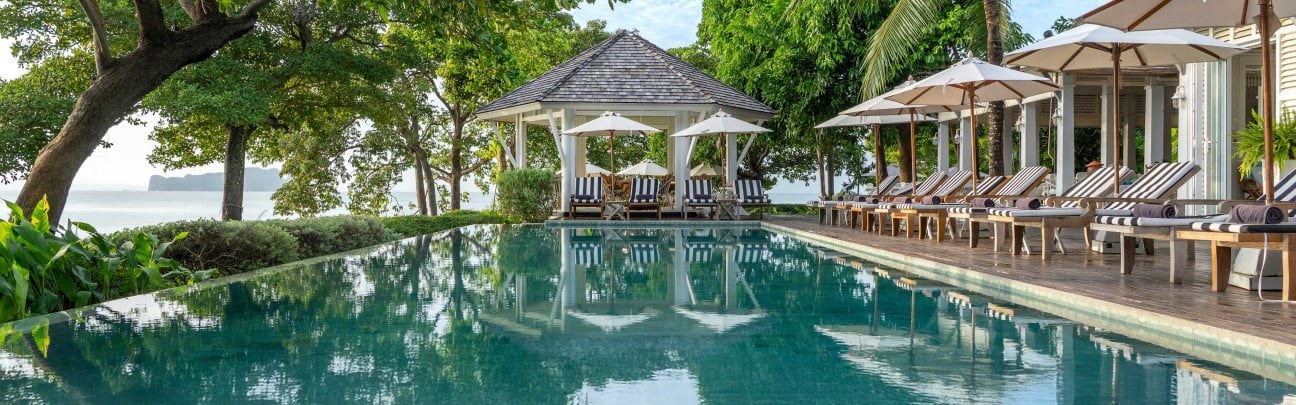
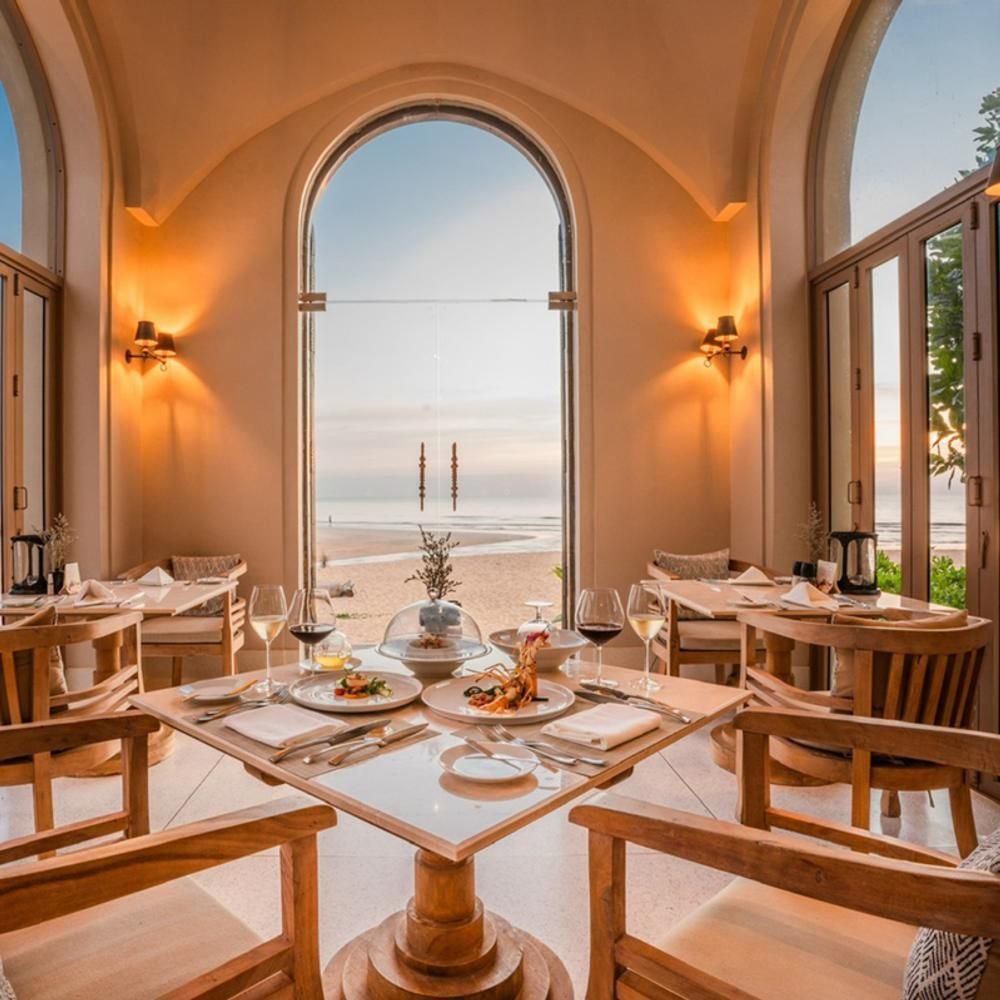
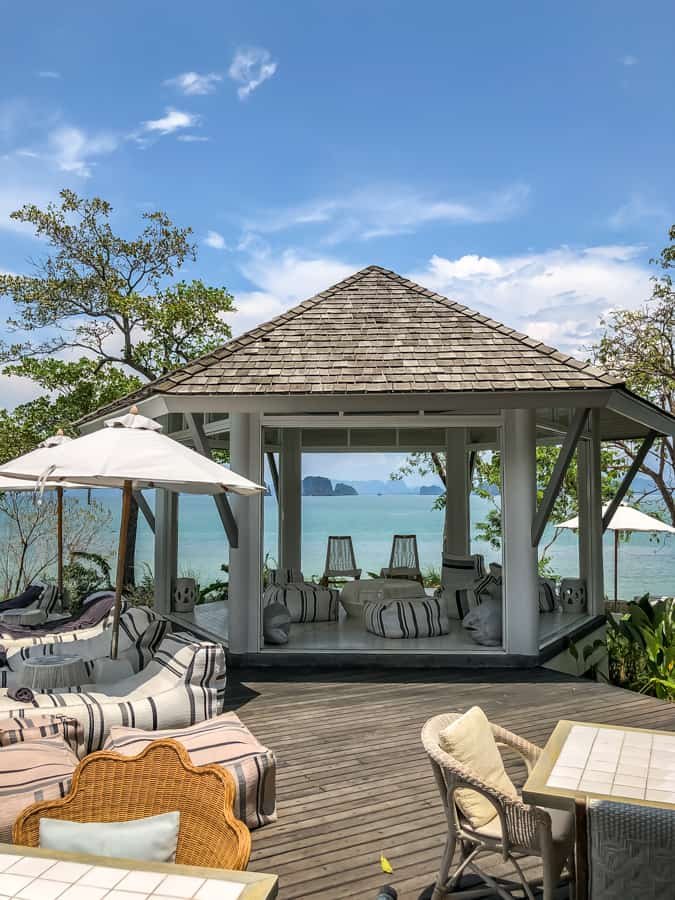
Serene and tranquil beachfront atmosphere with relaxing spa ambiance, spacious modern rooms, and peaceful sunsets over the Andaman Sea.
Tags
Vibe
Best For
Experience
Amenities
View
Accessibility
About the Stay
- Rooms
- 67
- Check-in
- 15:00
- Check-out
- 12:00
- Property Type
- Boutique hotel
- Property Style
- Boutique Luxury Beach Resort with 'all Suites, All Private' Philosophy Emphasizing Outside Living in Spacious Accommodations.
- Design Style
- Minimalist Modern with Natural Materials, High Ceilings, and Expansive Floor to Ceiling Windows.
- Breakfast
- Included
- Airport Transfer
- Available
- Pool
- Yes
- Spa
- Yes
- Families
- Welcome
- Cancellation
- Moderate
Know before you go
Know Before You Go
- Getting there
- 33, Tambon Khok Kloi, Amphoe Takua Thung, Chang Wat Phang-nga 82140
Planning details
Location
33, Tambon Khok Kloi, Amphoe Takua Thung, Chang Wat Phang-nga 82140 · Directions
Recognition and awards

Also consider
Where to look if this is not the right fit
For families that want more villa-style separation, start with Anantara Mai Khao Phuket Villas. For a higher-privacy splurge, compare Trisara. If the priority is a stronger design mood and a busier Phuket feel, The Slate is the cleaner alternative.
Hotel context
How it compares in the Phang Nga and Phuket resort set
Aleenta Resort & Spa, Phuket is the calmer family-and-spa pick in this group: choose it when the trip is about a quieter Phang Nga base and a lower-tempo stay. Iniala Beach House is the more distinctive private-beach-house comparison, better for travelers who want a more design-led, high-privacy stay. Aleenta is the easier recommendation for families who want resort structure without making the hotel itself the whole point of the trip.
Anantara Mai Khao Phuket Villas is the stronger cross-shop for villa-minded families, especially when space and a self-contained setup matter. The Slate is better for travelers who want a more visually assertive Phuket hotel and a livelier sense of place. If the group wants a quieter wellness-leaning stay, Aleenta remains the more natural fit.
For a bigger splurge, compare against Trisara and Anantara Layan Phuket Resort. Trisara is the one to check when privacy and a higher-spend resort occasion are the priority; Anantara Layan makes more sense for travelers who want a Phuket resort with broader destination-resort energy. Aleenta is the practical choice when the desired mood is quieter, family-appropriate, and less scene-driven.
Explore Phang Nga
Around this place
Discover more on Pearl
Unlock the full Aleenta Resort & Spa, Phuket guide in Pearl, including awards, comparisons, FAQs, planning details, and nearby places.
Compare Aleenta Resort & Spa, Phuket
| Venue | Location | Awards |
|---|---|---|
| Aleenta Resort & Spa, Phuket | Phang Nga | Leading Hotels of the World 20262026 Michelin 1 KeyMichelin 1 Key 20252025 Michelin 1 Key |
| Iniala Beach House | Phang Nga | 2026 Design Hotels Collection2026 La Liste Top Hotels2026 Michelin 2 Keys2025 Michelin 1 Key |
| Anantara Mai Khao Phuket Villas | Phuket | No published awards |
| The Slate | Phuket | 2026 Design Hotels Collection2026 Mr & Mrs Smith Luxury Hotels2026 La Liste Top Hotels2026 Michelin 1 KeyWorld Luxury Hotel Awards 20252025 Michelin 1 Key |
| Trisara | Phuket | 2026 Virtuoso Luxury Hotel Collection2026 La Liste Top Hotels2026 Michelin 2 Keys2025 Michelin 1 Key2025 Conde Nast Hotels Gold List |
| Anantara Layan Phuket Resort | Tambon Choeng Thale | 2026 Travel + Leisure 100 Favorite Hotels in the World · #81Star Wine Lists 20262026 Virtuoso Luxury Hotel Collection2026 La Liste Top Hotels2025 Michelin Selected Hotels |









How Aleenta Resort & Spa, Phuket compares with similar nearby venues.
FAQ
Frequently Asked Questions
What is check-in like at Aleenta Resort & Spa, Phuket?
The confirmed location is Phang Nga, but specific check-in procedures are not part of the profile here. Confirm arrival timing, early check-in options, and any transfer or reception details directly with the hotel before travel.
Is Aleenta Resort & Spa, Phuket good for business travel?
If the trip depends on business infrastructure, ask the hotel directly about workspace, connectivity, meeting support, and transport logistics before booking.
How are the facilities at Aleenta Resort & Spa, Phuket?
The property has a Michelin 1 Key in 2025 plus Leading Hotels of the World membership in 2025. Specific facilities, treatment menus, and services are not confirmed in this profile, so verify current details with the hotel.
How does Aleenta Resort & Spa, Phuket compare to other regional hotels?
Aleenta Resort & Spa, Phuket stands out in this profile for its Phang Nga location, Michelin 1 Key in 2025, and Leading Hotels of the World membership in 2025. It can be compared with Trisara, Anantara Layan Phuket Resort, The Slate, Anantara Mai Khao Phuket Villas, and Iniala Beach House, but any specific differences in amenities, dining, rooms, or service style should be checked directly with each property.
Do loyalty programs work at Aleenta Resort & Spa, Phuket?
The loyalty-related signal here is Leading Hotels of the World membership in 2025. Specific earning, redemption, benefit, or booking-channel rules are not confirmed in this profile, so check the current terms through the hotel or the relevant program before booking.