
Asteria Mui Ne Resort
Mui Ne, Phan Thiet
Hotel in Phan Thiet, Vietnam
 Book with Pearl
The Read
Price
$1–100per night
Why go
Asteria Mui Ne Resort is a sensible Phan Thiet pick for travelers who want an easy Mui Ne resort base with strong 2025 World Luxury Hotel Awards recognition. Book it for a beach-and-amenity stay, especially if the rate is competitive against nearby resort options; cross-shop if room-category detail or a highly specific dining program matters more.
About Asteria Mui Ne Resort
Is Asteria Mui Ne Resort worth considering in Phan Thiet? Yes if the priority is a resort stay with 2025 World Luxury Hotel Awards recognition, and if you are comfortable checking practical details such as rooms, facilities, dining, and inclusions directly before booking. The clearest quality signal is external awards recognition, so travelers should still review the on-property features that matter most to their stay.
The 2025 World Luxury Hotel Awards recognition includes Global Winner, Country Winner, and Regional Winner. Awards recognition is useful, but it is not a substitute for reviewing the room layout, restaurant format, amenities, or service details before booking. For a first-time Phan Thiet stay, use that recognition as a starting point, then confirm the details that matter for your trip before committing.
Book for a recognized Phan Thiet resort stay, not a tightly specified hotel itinerary
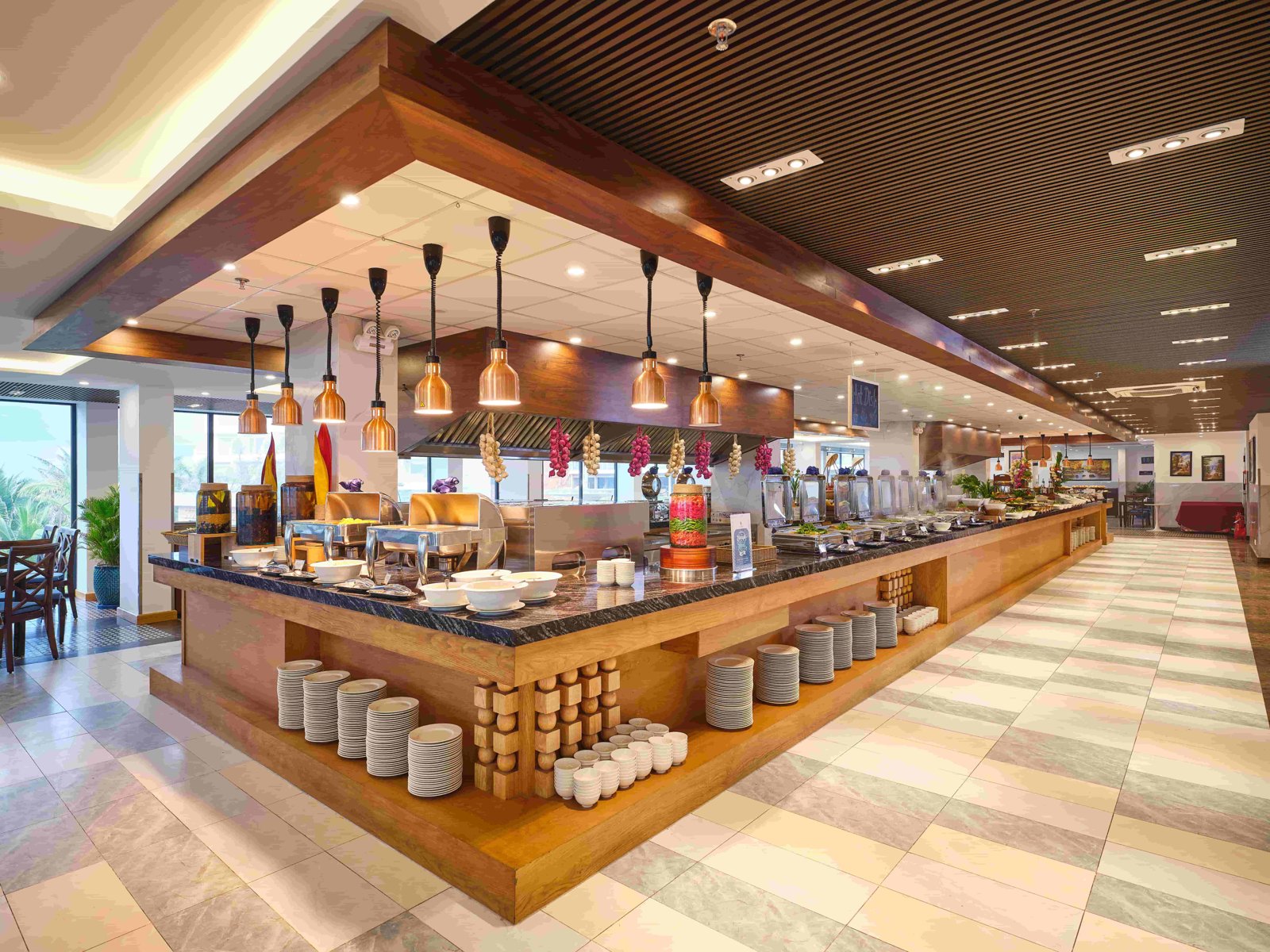
The right guest is someone who wants Asteria Mui Ne Resort as a Phan Thiet base and does not need every detail mapped before arrival. If the trip depends on specific dining, wellness, room, or activity details, check the property's official channels before booking. If the trip is built around restaurants, bars, or experiences beyond the hotel, use Our full Phan Thiet restaurants guide, Our full Phan Thiet bars guide, and Our full Phan Thiet experiences guide to decide whether the city fits the plan.
Practical advice is to treat the awards as a reason to investigate the property, not as a substitute for checking what is included in the rate. Confirm the room type, inclusions, facilities, and cancellation terms before paying more for an upgraded stay. The dress code is casual, so the overall packing assumption can stay relaxed unless the property advises otherwise for a specific venue or event.
Where it fits against Vietnam resort alternatives
A natural cross-shop is Ravenala Boutique Resort. Choose Asteria Mui Ne Resort when 2025 awards recognition matters more in the decision. Choose another option if its published details, rate, or style better matches the trip. For a wider scan of lodging in the city, use Our full Phan Thiet hotels guide.
For broader Vietnam planning, compare by destination and trip style rather than assuming each resort serves the same purpose. Ravenala Boutique Resort, The Anam Mui Ne, DALAT PALACE HERITAGE HOTEL, Ixora Ho Tram by Fusion, and The Grand Ho Tram can be considered as alternatives depending on the setting and type of stay you want.
Know Before You Go
- Booking difficulty: Plan around your travel dates and cancellation comfort.
- Use case: Phan Thiet resort stay with 2025 World Luxury Hotel Awards recognition.
- Location: Phan Thiet.
- Dress code: Casual.
- Decision rule: Book if the rate and official details match what you need from a Phan Thiet resort stay; cross-shop if another property publishes clearer details for your priorities.
Planning details
- Location
- 08 Đ. Xuân Thủy, Khu phố 5, Thành phố Phan Thiết, Bình Thuận 800000, Vietnam
- Website
- asteriamuineresort.com
- Phone
- +84 252 3822 222
The take
The Take
The Vibe
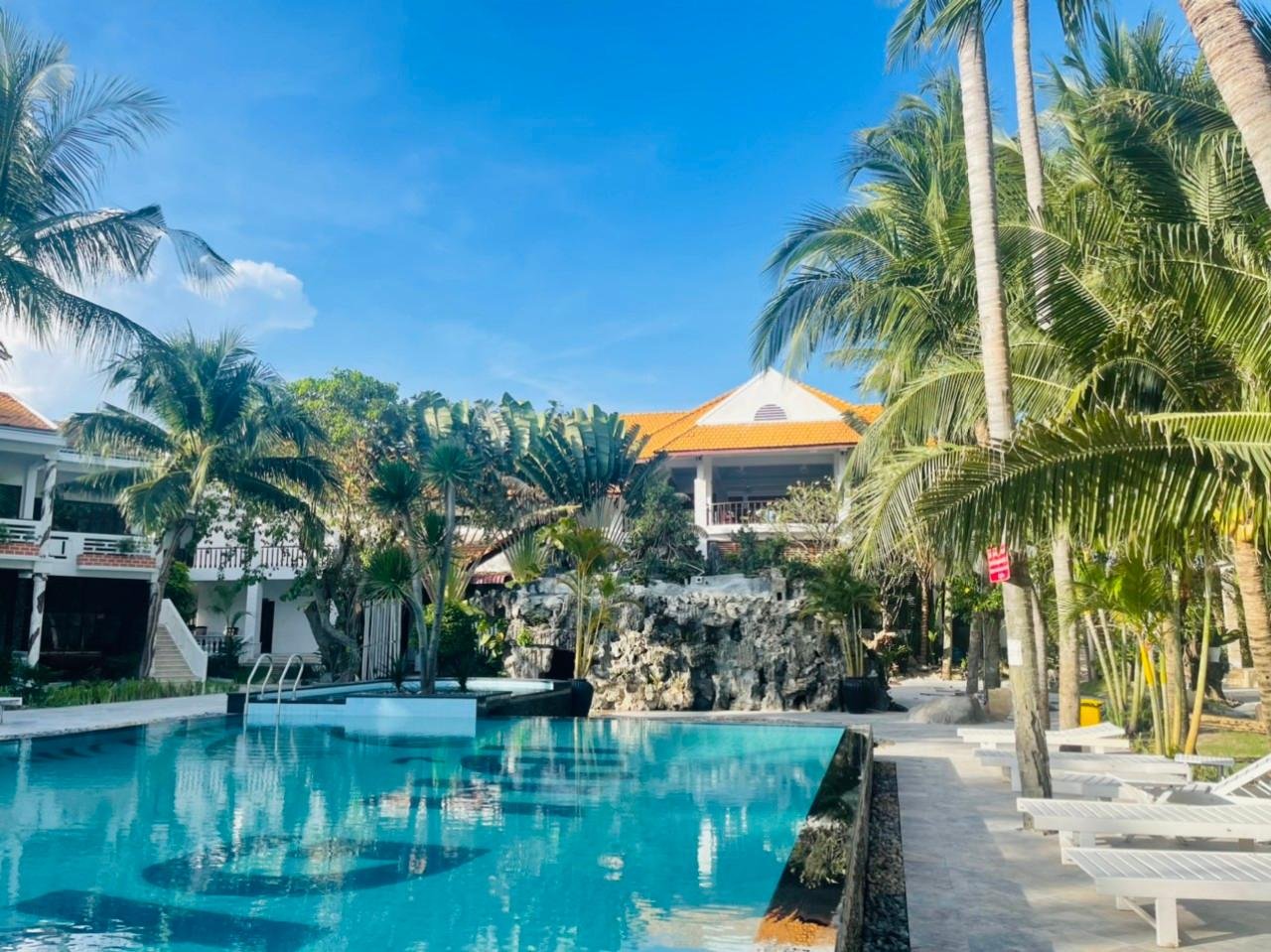
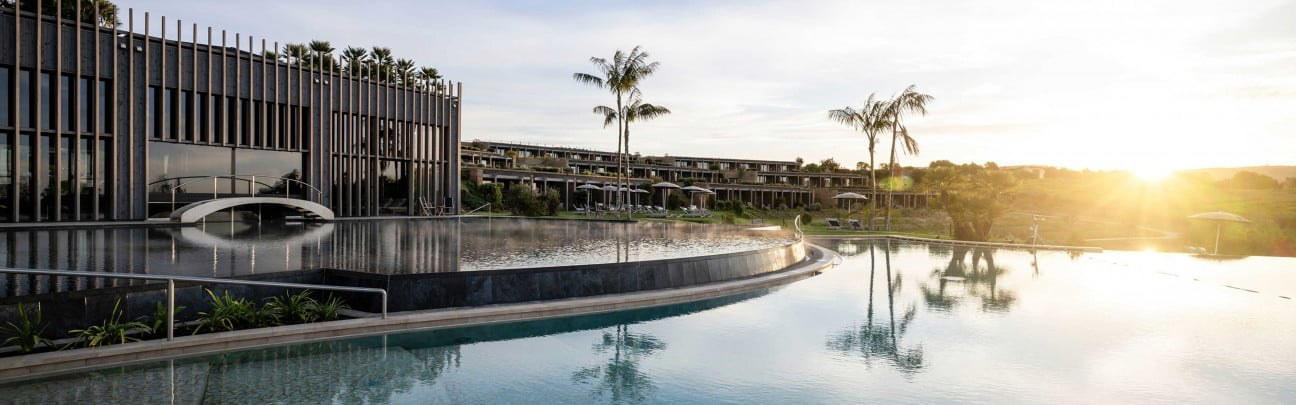
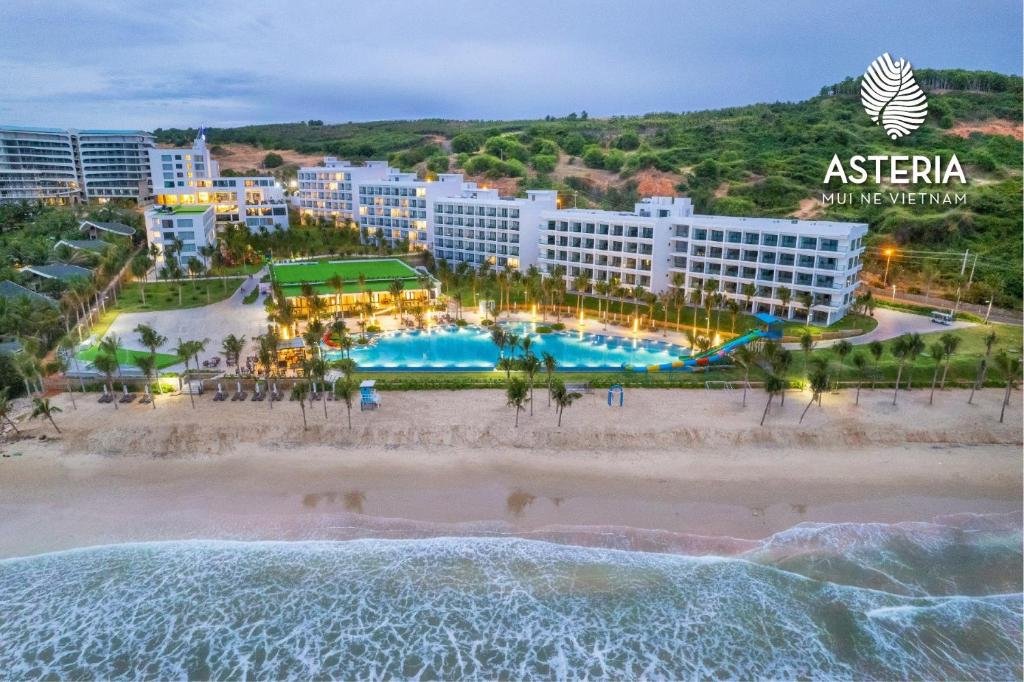
Asteria Mui Ne Resort reads as a polished, upscale getaway that still breathes with the coast. Its international awards and all‑inclusive positioning place it firmly in the luxury tier, while the wide‑eaved, open‑sided architecture keeps the mood easy and unforced. The property leans into Mui Ne’s windy, sun‑dried character rather than trying to seal itself off from it, so guests experience a relaxed, sophisticated rhythm that suits long weekends and family holidays. It feels considered rather than fussy — a resort that prioritises airflow, comfort and a quietly luxurious seaside presence.
Best For
This resort is best for travellers seeking a polished, all‑inclusive coastal escape that works well for families and short getaways from Ho Chi Minh City. Its awards profile explicitly highlights family travel, and the location on Mui Ne’s coastline makes it a practical base for visitors who want to combine resort downtime with local water sports. The architecture and service positioning also suit guests who prefer a slowed, refined resort pace rather than a high‑energy party scene.
Stay Tips
Book Asteria for a long weekend and look specifically for the resort’s all‑inclusive packages — the property is described as a Luxury All‑Inclusive Resort, so inclusive rates will likely offer the best value. Choose accommodation that benefits from the property’s open‑sided architecture if you want breezy, ventilated rooms, and, if you’re interested in kite sports, plan travel during the region’s windier months since Mui Ne is an established kitesurfing destination.
Venue details
Ambiance
Refined and relaxing with stunning sea views from spacious balconies, soundproofed rooms, and lively yet family-friendly poolside atmosphere.
Tags
Vibe
Best For
Experience
Amenities
View
About the Stay
- Rooms
- 347
- Check-in
- 15:00
- Check-out
- 12:00
- Property Style
- Modern Beachfront Luxury Resort
- Design Style
- Contemporary with Sea Inspired Elegance
- Breakfast
- Included
- Pool
- Yes
- Spa
- Yes
- Families
- Welcome
Know before you go
Know Before You Go
- Getting there
- 08 Đ. Xuân Thủy, Khu phố 5, Thành phố Phan Thiết, Bình Thuận 800000, Vietnam
Planning details
Location
08 Đ. Xuân Thủy, Khu phố 5, Thành phố Phan Thiết, Bình Thuận 800000, Vietnam · Directions
Recognition and awards
Also consider
Good Alternatives If This Is Not the Fit
Start with Ravenala Boutique Resort if staying in Phan Thiet matters and the priority is a smaller resort feel. If the budget stretches and the itinerary is flexible, check The Anam Mui Ne for a more established resort comparison.
Hotel context
How It Compares
Asteria Mui Ne Resort is the safer Phan Thiet choice if recent awards are part of the decision: its 2025 World Luxury Hotel Awards Global, Country, and Regional Winner status gives it a clearer luxury signal than Ravenala Boutique Resort. Ravenala is the more natural cross-shop for travelers who want a smaller boutique feel or are chasing value over external recognition.
The Anam Mui Ne is the comparison to make if ambiance and a more established resort identity matter more than booking simplicity. Asteria is the easier call for a low-friction Mui Ne stay; The Anam is the one to check when the hotel itself needs to carry more of the trip.
Ixora Ho Tram by Fusion and The Grand Ho Tram are better for travelers looking outside Phan Thiet, especially if Ho Tram's resort-casino corridor fits the itinerary. DALAT PALACE HERITAGE HOTEL is the opposite choice: heritage atmosphere over beach resort pacing.
Explore Phan Thiet
Around this place
Discover more on Pearl
Unlock the full Asteria Mui Ne Resort guide in Pearl, including awards, comparisons, FAQs, planning details, and nearby places.
Compare Asteria Mui Ne Resort
| Venue | Location | Awards |
|---|---|---|
| Asteria Mui Ne Resort | Phan Thiet | World Luxury Hotel Awards 2025 |
| Ravenala Boutique Resort | Phan Thiet | No published awards |
| The Anam Mui Ne | Mui Ne | 2026 Virtuoso Luxury Hotel Collection2026 Michelin Guide New Hotels2026 Mr & Mrs Smith Luxury Hotels2025 Michelin Selected HotelsSmall Luxury Hotels Member 2025 |
| Ixora Ho Tram by Fusion | Ho Tram | No published awards |
| The Grand Ho Tram | Vung Tau | 2025 Forbes Recommended |
| DALAT PALACE HERITAGE HOTEL | Dalat City | No published awards |




How Asteria Mui Ne Resort compares with similar nearby venues.
FAQ
Frequently Asked Questions
When is the best time to book Asteria Mui Ne Resort?
Book when your Phan Thiet dates are firm and the rate, cancellation terms, and official property details match your needs. The resort has 2025 World Luxury Hotel Awards recognition.
How is the dining at Asteria Mui Ne Resort?
How is the location of Asteria Mui Ne Resort?
Asteria Mui Ne Resort is in Phan Thiet. Confirm the exact arrival logistics with the property or your booking platform before travel.
How does Asteria Mui Ne Resort compare to other hotels?
Choose Asteria Mui Ne Resort when 2025 World Luxury Hotel Awards recognition matters in your decision. Ravenala Boutique Resort, The Anam Mui Ne, The Grand Ho Tram, and Ixora Ho Tram by Fusion are other resort options to compare depending on the destination and stay style you are considering.
Which room category is best at Asteria Mui Ne Resort?
Choose based on the current official room descriptions, photos, inclusions, cancellation terms, and the needs of your trip.