

The Anam Mui Ne
Mui Ne
Hotel in Mui Ne, Vietnam
 Book with Pearl
The Read
Neo-Colonial Coastal Retreat
Why go
The Anam Mui Ne is worth booking if you want a polished resort base on Mui Ne's main coastal strip rather than the cheapest possible beach stay. Booking difficulty is easy, so the decision should come down to rate gap: choose it when the price premium over local peers feels modest, and compare Ho Tram resorts if the quote climbs.
About The Anam Mui Ne
Is The Anam Mui Ne worth considering? It can be, if the priority is a Mui Ne stay with notable luxury-hotel affiliations rather than detailed claims about rooms, restaurants, facilities, or prices. Its key signals are its Small Luxury Hotels of the World Member status for 2025, Virtuoso Luxury Hotel Partner recognition for 2026, and Mr & Mrs Smith Seal of Approval for 2026.
The practical read is simple: use those affiliations as the main external signals, then compare the live rate, room type, and booking terms directly before committing. Plan around Mui Ne as the location, and check current hotel materials directly for street, neighborhood, or landmark specifics within the area.
Pay for the hotel signal, not for scarcity
The strongest reason to shortlist The Anam Mui Ne is its recognition through established luxury-hotel networks. That is a useful filter in a market where travelers may be comparing several coastal stays, but it should not be treated as proof of specific room layouts, restaurant formats, facilities, service style, or pricing.
The trade-off is that many decision-making details require direct checking, including price range, room hierarchy, dining format, seat count, facility list, and booking difficulty. The dress code is smart casual. If the live quote looks high, compare it with Asteria Mui Ne Resort and Ravenala Boutique Resort before committing.
Who should choose this over Ho Tram or broader Vietnam resorts
Choose this when the trip is specifically centered on Mui Ne and you want a property with luxury-hotel affiliations. If the itinerary is flexible and you are also considering a different coastal resort area, Ho Tram properties such as The Grand Ho Tram, Meliá Ho Tram Beach Resort, and Ixora Ho Tram by Fusion are better treated as separate-area comparisons rather than Mui Ne alternatives.
For a wider Vietnam hotel search, keep the comparison broad and avoid assuming that one coastal destination substitutes cleanly for another. The key question is whether the trip is about staying in Mui Ne specifically, or simply about finding a resort-style hotel elsewhere in Vietnam.
Reservations: compare live rates and terms before locking in. Dress: smart casual. Budget: judge value against other options for the same trip first, then look at Ho Tram only if you are open to a different destination. Food: check the current restaurant program directly rather than making it the main reason to book.
Planning details
- Location
- 18 Nguyễn Đình Chiểu, Phường Hàm Tiến, Thành phố Phan Thiết, Bình Thuận 77000
- Website
- theanam.com/mui-ne
- Phone
- +84 252 6284 868
The take
The Take
The Vibe
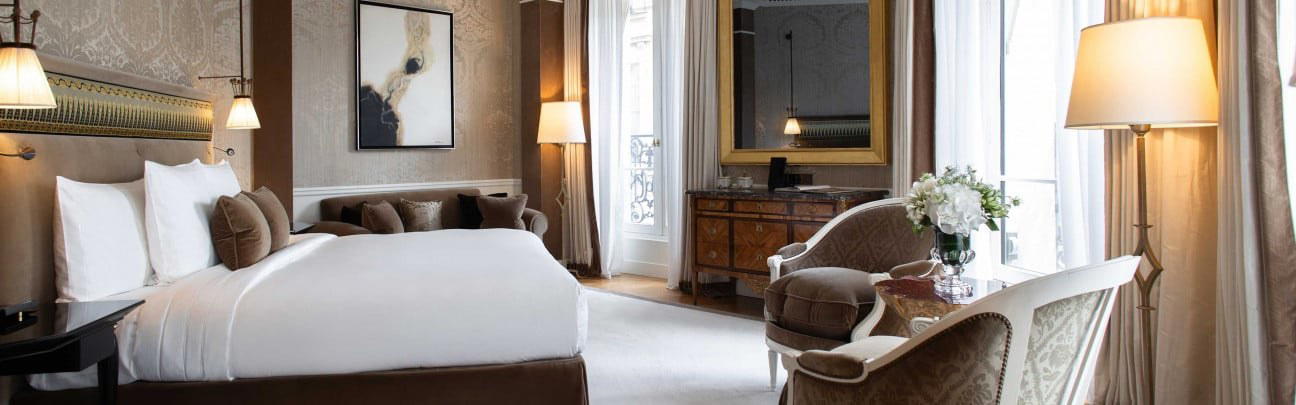
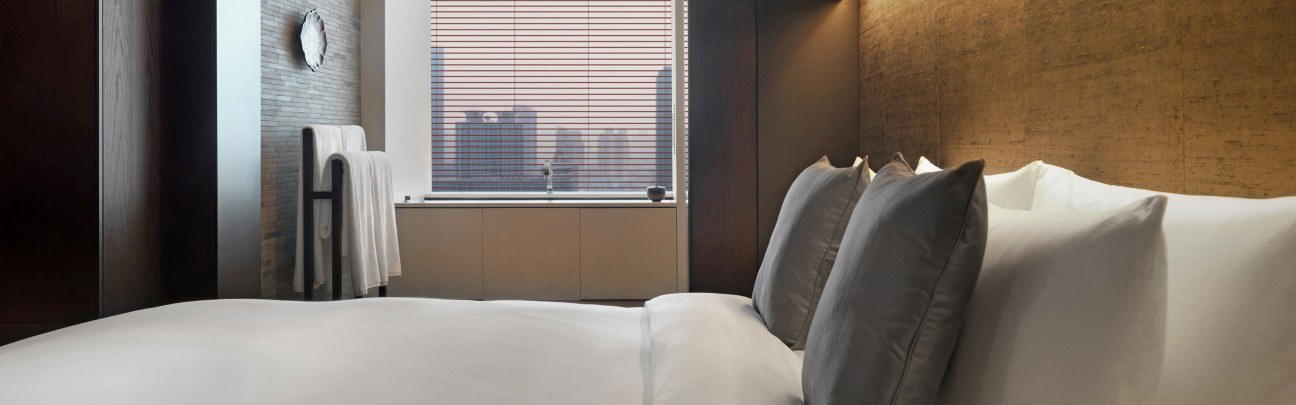
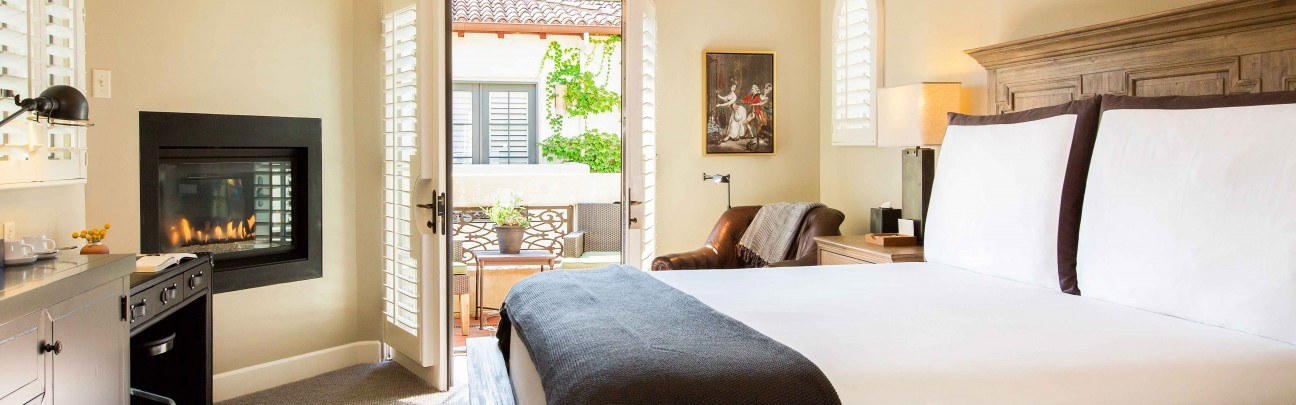
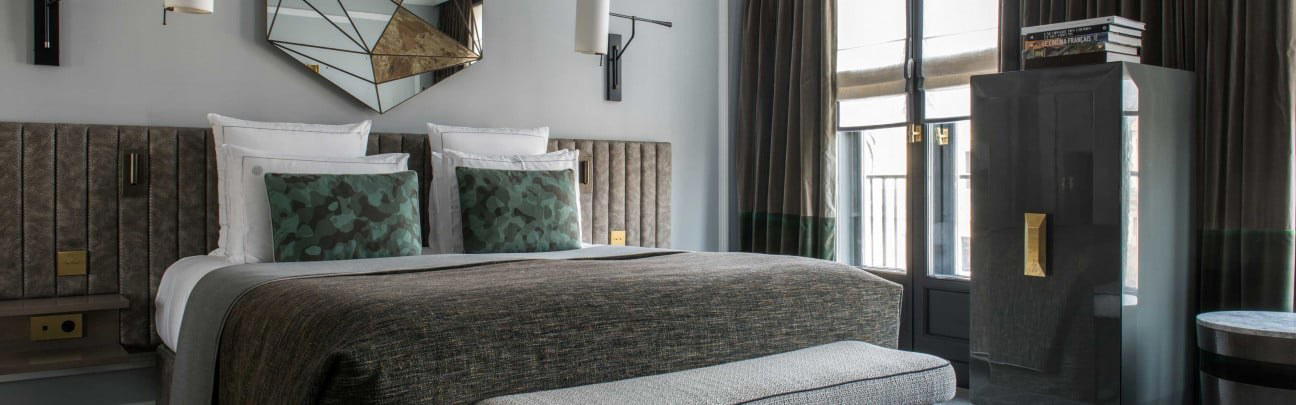
The Anam Mui Ne leans into a refined Indochine sensibility that reads as historic and classic rather than pastiche. The property foregrounds material integrity — antique‑style tiling, local craft materials and a restrained, landscape‑calibrated palette — so the architecture feels rooted in place. Dense tropical planting and a layered sequence of spaces temper the arrival experience, pulling focus away from the road and toward the sea. The whole resort is composed around sightlines to the water, producing a serene, quietly charming atmosphere for guests who appreciate considered heritage references and a calm coastal setting.
Best For
This resort suits travelers who want a calm, design‑forward seaside escape away from larger resort hubs. It appeals to couples on romantic getaways or anniversaries, design‑minded guests drawn to an Indochine revival executed with local craft, and families seeking a more composed beachfront experience rather than a high‑energy resort strip. The property’s premium positioning and deliberate relationship to the shoreline make it a good pick for special‑occasion stays or weekend escapes where the view, materiality and quiet take priority over city‑style nightlife.
Stay Tips
Prioritize rooms or accommodations with direct sea sightlines — the resort’s architecture intentionally aligns many vistas toward the water, so a sea‑facing room delivers the core experience. Expect a shaded, gardened arrival and ask the front desk about which wings or room categories sit closest to the shoreline if uninterrupted views matter. For guests who favor calm and design detail, request rooms that emphasize original materials and courtyard or garden exposures so you can enjoy the property’s crafted surfaces and planted sequences that buffer the noise of the road.
Venue details
Ambiance
Serene and elegant with warmly glowing lanterns, bespoke furnishings, handcrafted details, and a tranquil beachfront atmosphere praised for relaxation.
Tags
Vibe
Best For
Experience
Amenities
View
Accessibility
About the Stay
- Rooms
- 127
- Check-in
- 15:00
- Check-out
- 12:00
- Property Type
- Boutique hotel
- Property Style
- Indochine Inspired Luxury Resort
- Design Style
- Elegant Colonial with Vietnamese Artisanal Elements and Natural Palettes
- Airport Transfer
- Available
- Pool
- Yes
- Spa
- Yes
- Families
- Welcome
- Cancellation
- Moderate
Know before you go
Know Before You Go
- Getting there
- 18 Nguyễn Đình Chiểu, Phường Hàm Tiến, Thành phố Phan Thiết, Bình Thuận 77000
Planning details
Location
18 Nguyễn Đình Chiểu, Phường Hàm Tiến, Thành phố Phan Thiết, Bình Thuận 77000 · Directions
Recognition and awards


Also consider
Also Consider
- Ravenala Boutique Resort, Notable alternative
- Asteria Mui Ne Resort, Notable alternative
- Ixora Ho Tram by Fusion, Notable alternative
- The Grand Ho Tram, Notable alternative
- Meliá Ho Tram Beach Resort, Notable alternative
Hotel context
How it compares with Mui Ne and Ho Tram peers
The Anam Mui Ne is the stronger pick for travelers who want a Mui Ne address with a higher luxury signal, while Ravenala Boutique Resort and Asteria Mui Ne Resort are the more obvious cross-shops if the priority is keeping the stay simpler and more value-led. Because booking difficulty is easy, do not overpay for scarcity; compare the nightly gap and choose The Anam when the premium buys a clearer resort experience.
If the trip does not need to be in Mui Ne, Ho Tram changes the calculation. The Grand Ho Tram is the better fit for travelers who want a larger resort environment, while Meliá Ho Tram Beach Resort and Ixora Ho Tram by Fusion make sense for a broader beach-resort comparison outside Mui Ne. Choose The Anam when the destination itself is Mui Ne; choose Ho Tram when the resort complex matters more than the town.
For ambiance, The Anam is the safer polished-resort choice in this set. Ravenala and Asteria are better fallback searches if the quote feels high, while the Ho Tram options suit travelers willing to trade Mui Ne's local coastal feel for a larger planned-resort setup.
Explore Mui Ne
Around this place
Discover more on Pearl
Unlock the full The Anam Mui Ne guide in Pearl, including awards, comparisons, FAQs, planning details, and nearby places.
Compare The Anam Mui Ne
| Venue | Location | Awards |
|---|---|---|
| The Anam Mui Ne | Mui Ne | 2026 Virtuoso Luxury Hotel Collection2026 Michelin Guide New Hotels2026 Mr & Mrs Smith Luxury Hotels2025 Michelin Selected HotelsSmall Luxury Hotels Member 2025 |
| Ravenala Boutique Resort | Phan Thiet | No published awards |
| Asteria Mui Ne Resort | Phan Thiet | No published awards |
| Ixora Ho Tram by Fusion | Ho Tram | No published awards |
| The Grand Ho Tram | Vung Tau | 2025 Forbes Recommended |
| Meliá Ho Tram Beach Resort | Ho Chi Minh City | 2025 Travel + Leisure 100 Favorite Hotels in the World · #29World Luxury Hotel Awards 2025 |




How The Anam Mui Ne compares with similar nearby venues.
FAQ
Frequently Asked Questions
Is The Anam Mui Ne good for business travel?
Business-travel suitability depends on current work-friendly facilities and booking terms. The Anam Mui Ne is in Mui Ne and has affiliations with Small Luxury Hotels of the World, Virtuoso, and Mr & Mrs Smith. Check current hotel facilities and booking terms directly if work needs are central to the trip.
How is the dining at The Anam Mui Ne?
Do not make dining the main reason to choose the hotel unless the current restaurant details suit your plans. The property's key signals are its Small Luxury Hotels of the World Member status for 2025, Virtuoso Luxury Hotel Partner recognition for 2026, and Mr & Mrs Smith Seal of Approval for 2026.
Which room category is best at The Anam Mui Ne?
Choose only after reviewing the current room descriptions, rates, and cancellation terms directly through a reliable booking source. Without current room details, it would be misleading to recommend a specific category.
When is the best time to book The Anam Mui Ne?
The safest approach is to compare current rates once your Mui Ne dates are set and confirm the terms before booking. Location should be described as Mui Ne.
How does The Anam Mui Ne compare to other hotels?
Pick The Anam Mui Ne if you want a Mui Ne stay with luxury-hotel affiliations. Asteria Mui Ne Resort and Ravenala Boutique Resort are natural options to compare for the same trip decision, while Ixora Ho Tram by Fusion, The Grand Ho Tram, and Meliá Ho Tram Beach Resort are better used for a separate Ho Tram comparison.
How is the pool and spa at The Anam Mui Ne?
If pool and spa facilities are important, confirm the current hotel information directly before booking. The basis for comparison is the Mui Ne location, smart-casual dress code, and listed luxury-hotel affiliations.
Do loyalty programs work at The Anam Mui Ne?
The affiliations are Small Luxury Hotels of the World Member for 2025, Virtuoso Luxury Hotel Partner for 2026, and Mr & Mrs Smith Seal of Approval for 2026. Confirm the booking channel terms before relying on specific loyalty earning, redemption, or partner-benefit details.