
Palazzo Piccinno
Parabita
Hotel in Parabita, Italy
 Book with Pearl
The Read
Price
$100–200per night
Why go
Palazzo Piccinno is worth considering if you want a quiet Parabita base with credible hotel-guide recognition and do not need a resort-style setup. The smart move is to book a standard room for short stays and only pay for suite-level space if you plan meaningful downtime at the property.
About Palazzo Piccinno
Should you stay at Palazzo Piccinno in Parabita? It may be worth considering if you want a stay in Parabita with hotel-guide recognition.
The clearest public signal is recognition: Palazzo Piccinno has the Mr & Mrs Smith Seal of Approval (2026) and is selected in the MICHELIN Guide, Hotels Selected (2025). That does not automatically make it the right booking for every guest, but it does give the property external validation for travelers comparing stays in the region.
Book for a recognized Parabita stay, not for extras
The grounded reason to shortlist Palazzo Piccinno is simple: it is a Parabita property with hotel-guide recognition. Beyond that, do not assume specific amenities, dining formats, room layouts, or service levels unless the venue confirms them directly before booking.
Room-category strategy should be practical. Choose the category that matches your budget and trip needs. The dress code is smart casual, which is useful to know when planning what to pack.
The value case is strongest for travelers comparing recognized stays
Palazzo Piccinno is best evaluated as a recognized hotel option in Parabita rather than as a property defined by extras. Its Mr & Mrs Smith and MICHELIN hotel-guide recognition give it a clearer quality signal than an anonymous listing, while the rest of the decision should depend on your dates, rates, room needs, and any details the property confirms directly.
Dining should not be the reason to choose it unless confirmed directly as part of the stay.
For trip planning, use Palazzo Piccinno as a lodging option to compare with other stays in the region. If the hotel choice needs a direct cross-shop, Il Giardino Grande - Dimora in Salento is another regional option to consider.
Planning details
- Location
- Via Coltura, 41, 73052 Parabita LE, Italy
- Website
- palazzopiccinno.com
- Phone
- +39 0833 821648
The take
The Take
The Vibe
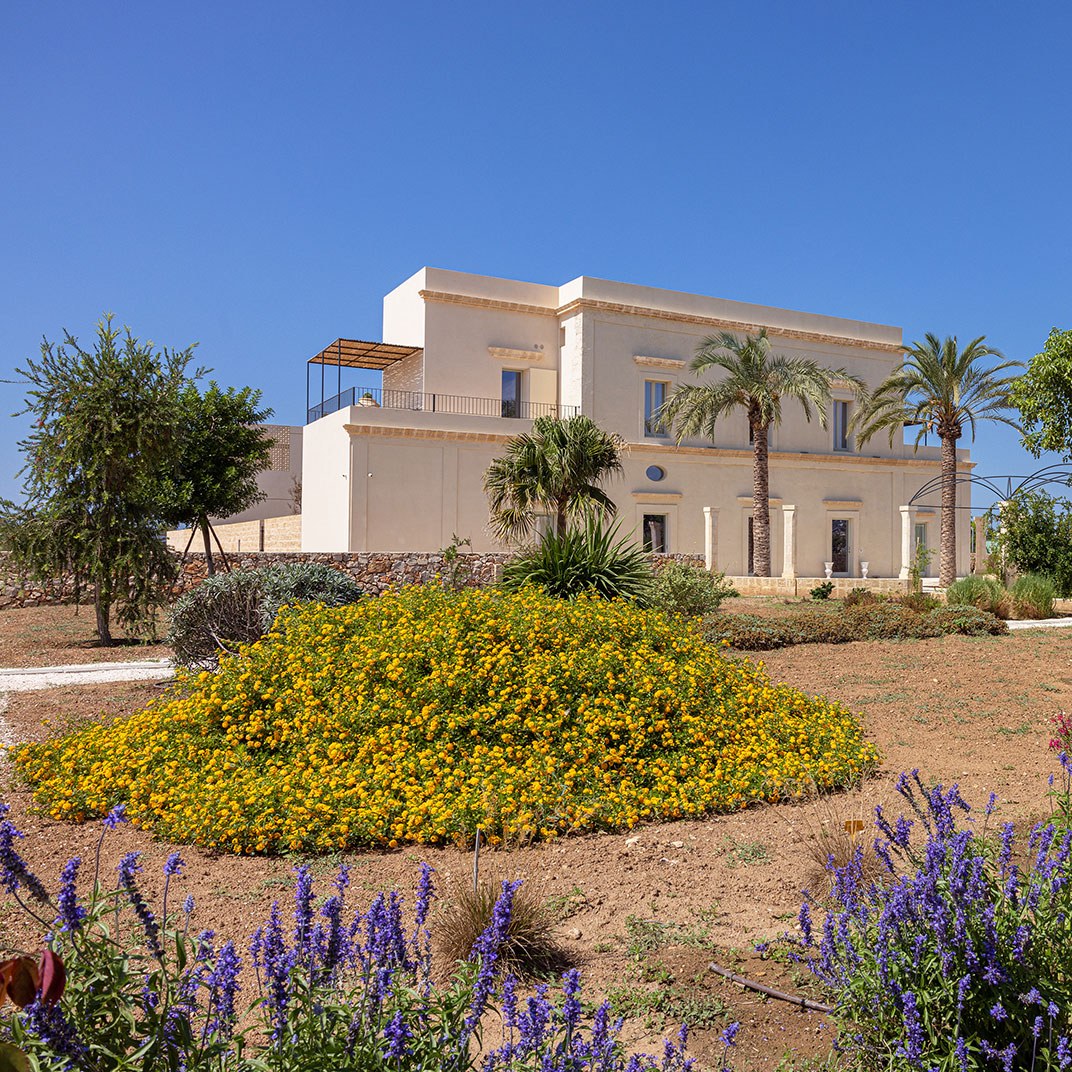
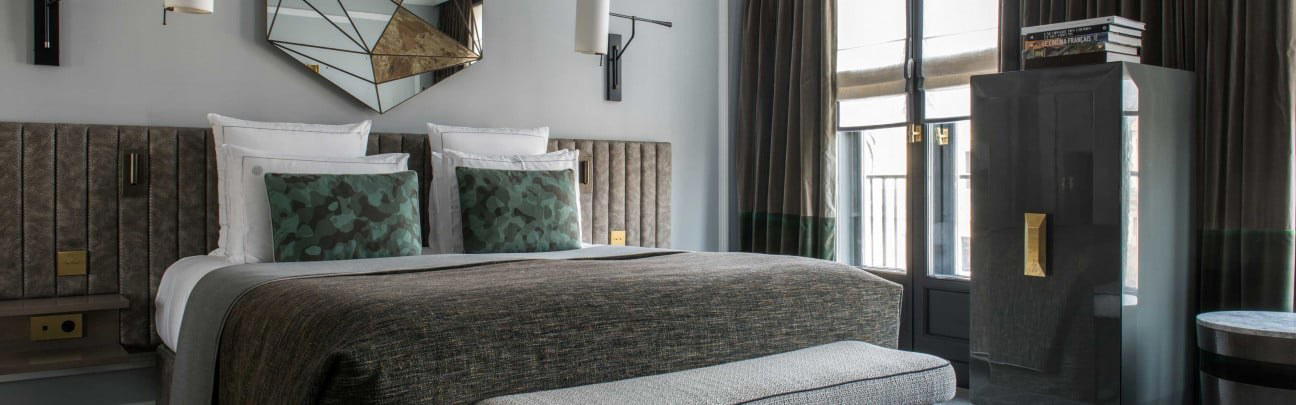
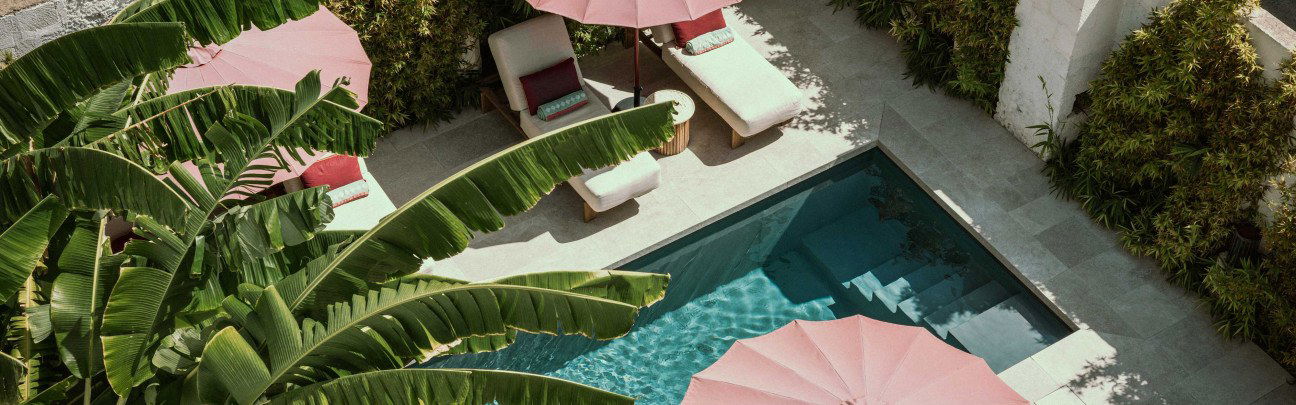
Palazzo Piccinno foregrounds architecture as its central attraction: vaulted stone rooms, deep-set windows and shaded courtyards populate a restored seventeenth- and eighteenth-century palazzo in Parabita’s centro storico. The property reads as a deliberate, classic restoration rather than coastal spectacle, trading shoreline views for the slow, intimate pleasures of calcarenite streets, baroque neighbors and thick stone walls that moderate Salento’s heat. Michelin Selected recognition in 2025 underscores a carefully considered, design-forward approach, and the overall effect is calm, historic and quietly charming: a hotel that feels like a lived-in palazzo rather than a brand-new resort.
Best For
This is a retreat for travelers who prize architectural character and a low-key inland base in Salento. It suits couples and small parties seeking a romantic getaway, honeymoon or anniversary escape that favors restored palazzo ambiance over beachfront flash. Located roughly between Lecce and the Ionian coast, the hotel also works as a short weekend escape for visitors who want to explore nearby towns and the region’s baroque fabric without the bustle of resort strips. The property’s quiet scale and historic setting make it best for slower, design-minded travel rather than high-energy resort stays.
Stay Tips
Because the property has earned Michelin Selected recognition, plan ahead for dining and inquire with the hotel about meal service and seating. Ask whether meals are served in the stone courtyards or in an interior dining room if you prefer shaded outdoor settings; courtyard space is a prominent architectural feature. Given the hotel’s compact, centro storico location, reserve ahead during high season and confirm opening hours before arrival to avoid disappointment.
Venue details
Ambiance
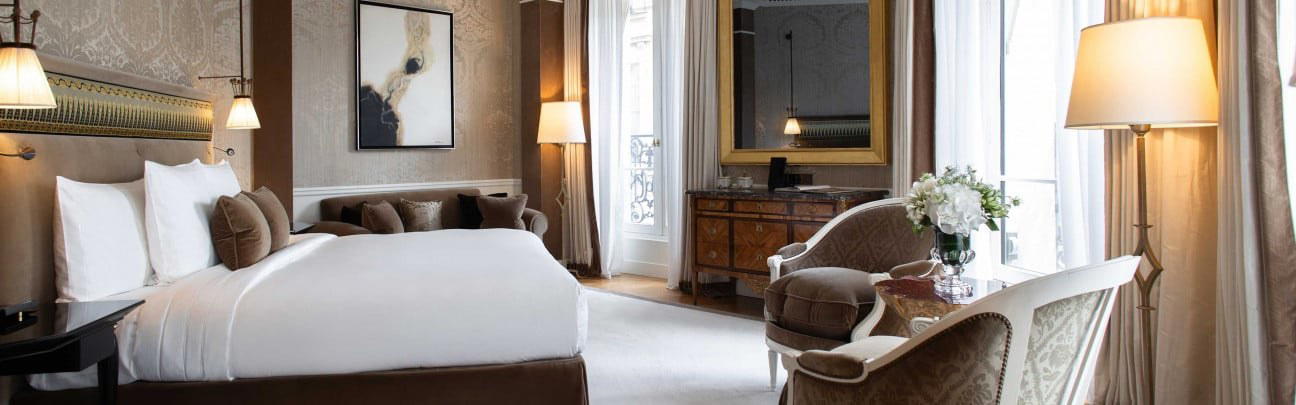
Serene and elegant with vaulted ceilings, original tiles, soft lighting, and a calm courtyard garden atmosphere.
Tags
Vibe
Best For
Experience
Amenities
View
About the Stay
- Rooms
- 4
- Check-in
- 12:00
- Check-out
- 12:00
- Property Type
- Boutique hotel
- Property Style
- Restored Neo Gothic Palazzo with Contemporary Polish
- Design Style
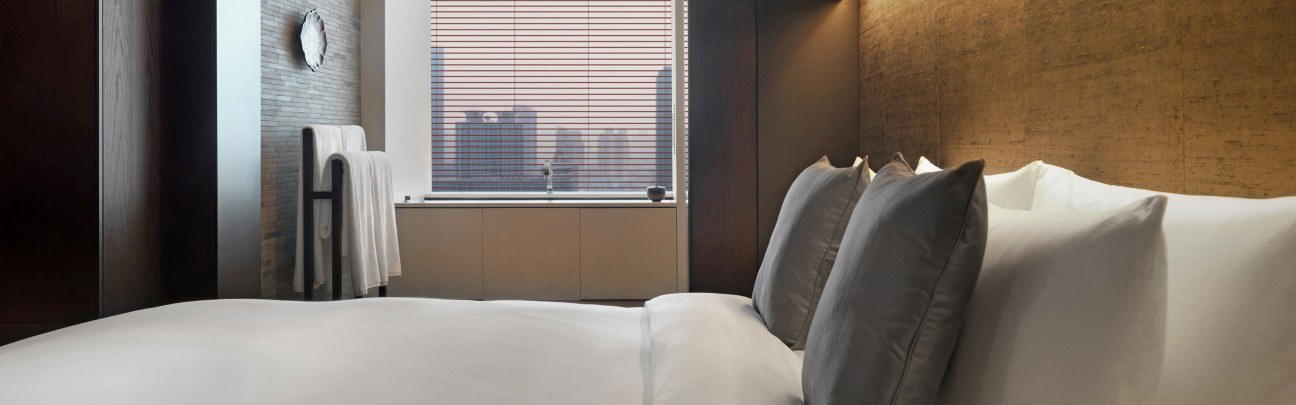
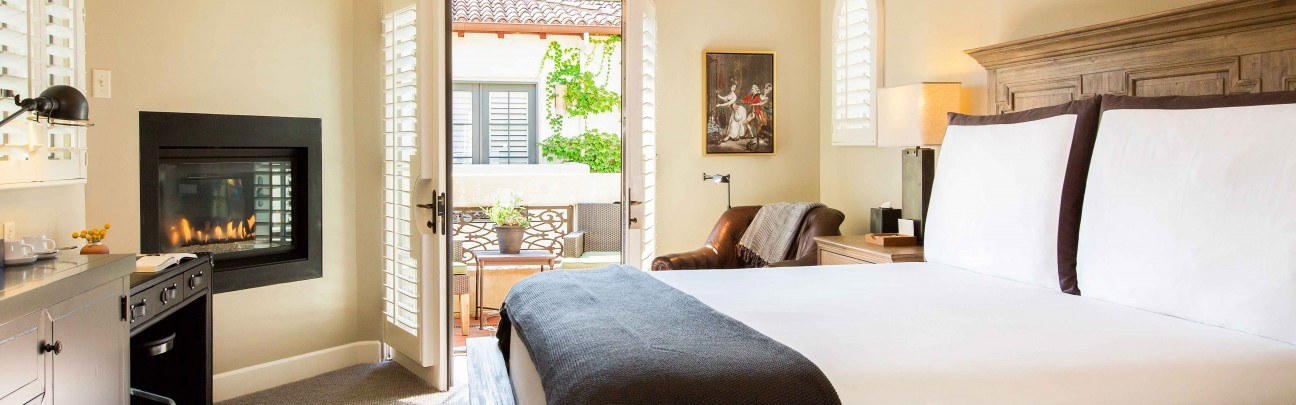
- Pared Back Modern with Historic Elements Like Vaulted Ceilings and Original Tiles
- Breakfast
- Included
- Pool
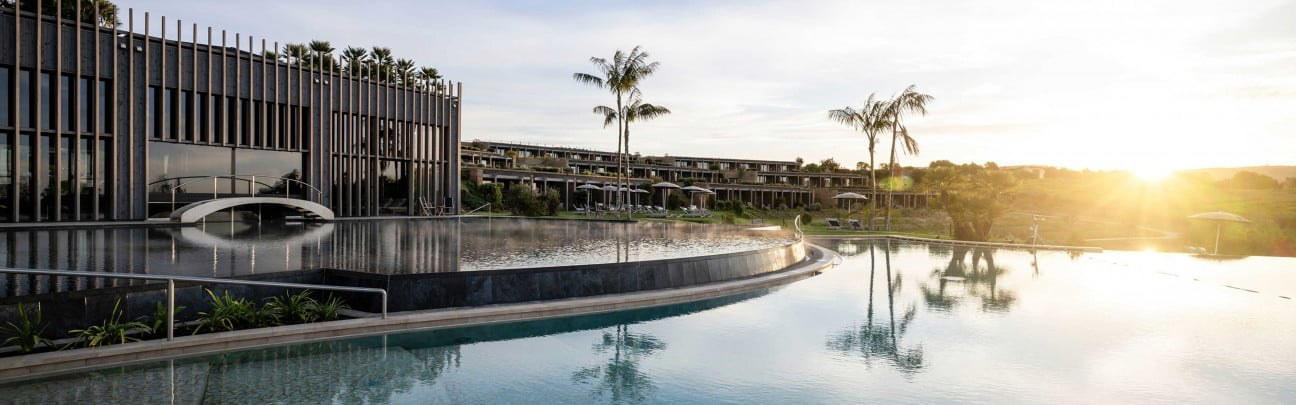
- Yes
Know before you go
Know Before You Go
- Getting there
- Via Coltura, 41, 73052 Parabita LE, Italy
Planning details
Location
Recognition and awards
Also consider
Also Consider
- Il Giardino Grande - Dimora in Salento, Notable alternative
- Palais Gentile, Notable alternative
- Critabianca, Notable alternative
- Palazzo del Corso, Notable alternative
- Palazzo Presta, Notable alternative
Hotel context
How Palazzo Piccinno compares in Parabita and nearby Salento
For a Parabita stay, Palazzo Piccinno is the stronger pick for travelers who want a calm, character-led base with external recognition and easy booking. Il Giardino Grande - Dimora in Salento is the closest local cross-shop; choose it if the appeal is a more private dimora-style stay in the same town rather than a guide-selected palazzo hotel.
Palais Gentile and Critabianca make more sense if the itinerary is not anchored to Parabita. They are better cross-shops for travelers who care more about the wider Salento route than sleeping in this specific town. Palazzo Piccinno is the safer value call when Parabita itself is the base and booking friction should stay low.
Palazzo del Corso and Palazzo Presta are better suited to guests who want a more established town-hotel feel outside Parabita. Pick Palazzo Piccinno when quiet ambiance and small-scale recognition matter more than a busier address or broader service expectations.
Explore Parabita
Around this place
Discover more on Pearl
Unlock the full Palazzo Piccinno guide in Pearl, including awards, comparisons, FAQs, planning details, and nearby places.
Compare Palazzo Piccinno
| Venue | Location | Awards |
|---|---|---|
| Palazzo Piccinno | Parabita | 2026 Mr & Mrs Smith Luxury Hotels2025 Michelin Selected Hotels |
| Il Giardino Grande - Dimora in Salento | Parabita | No published awards |
| Palais Gentile | Matino | No published awards |
| Critabianca | Cutrofiano | 2026 Michelin 1 Key2025 Michelin 1 Key2024 Michelin 1 Key |
| Palazzo del Corso | Gallipoli | No published awards |
| Palazzo Presta | Gallipoli | No published awards |


How Palazzo Piccinno Parabita compares with similar nearby venues.
FAQ
Frequently Asked Questions
Which room category is best at Palazzo Piccinno?
The best category is the one that fits your budget, space needs, and sleep preferences.
How is the dining at Palazzo Piccinno?
Confirm dining details directly with the venue rather than making them the main reason to choose the stay. Palazzo Piccinno does have the Mr & Mrs Smith Seal of Approval (2026) and MICHELIN Guide, Hotels Selected recognition (2025).
What is check-in like at Palazzo Piccinno?
Confirm arrival timing with Palazzo Piccinno before you travel, especially if you expect to arrive late.
How does Palazzo Piccinno compare to other hotels?
Choose Palazzo Piccinno if you want a Parabita stay with hotel-guide recognition. Il Giardino Grande - Dimora in Salento, Palazzo del Corso, Palais Gentile, Critabianca, Palazzo Presta, and Palazzo Piccinno are useful names to consider when comparing hotel options in the region.
When is the best time to book Palazzo Piccinno?
If your dates are important, check availability early and confirm details directly with the venue. The recognitions, Mr & Mrs Smith Seal of Approval (2026) and MICHELIN Guide, Hotels Selected (2025), make it a property worth checking when planning a Parabita stay.