



SALT of Palmar
Palmar
Hotel in Palmar, Mauritius
 Book with Pearl
The Read
Chromatic Coastal Architecture
Why go
SALT of Palmar is the right Mauritius pick for travelers who want a design-led east-coast stay rather than a large resort campus. Its La Liste 2026 score, Forbes 4-Star rating, and Design Hotels membership give it real credibility, but room upgrades should be chosen only when the added space, view, or outdoor area is clearly shown.
About SALT of Palmar
Consider SALT of Palmar if you are looking at a stay in Palmar and want a property with clear recognition rather than relying on claims about facilities, room types, dining, or service format. The practical detail is the dress code: smart casual.
It has received significant recognition: La Liste Top Hotels lists SALT of Palmar for 2026 with 91.5 points, Forbes rated it 4-Star in 2025, and it is listed as a 2026 Design Hotels member. Those facts support taking the property seriously, while any decision about specific rooms, amenities, dining, or activities should be checked directly at booking.
Choose this for recognition in Palmar
The decision is less about promises and more about whether the recognition fits your trip. SALT of Palmar is a Palmar property with Forbes 4-Star recognition, a La Liste Top Hotels 2026 score, and Design Hotels membership. If those markers matter to you, it belongs on the shortlist.
Do not upgrade based on assumptions about room-category details and rates. Pay for a higher category only if the booking path clearly shows a specific difference that matters to the trip. If those differences are not visible at booking, keep the choice simple and confirm details directly with the property.
For planning around Palmar, use a Palmar guide first, then branch into other Palmar dining and experience planning if the stay is part of a wider itinerary.
The practical call: confirm trip details before committing
Treat planning as a confirmation exercise for specific availability patterns, room inventory, amenities, and seasonal booking difficulty. Once your dates are fixed, check the live booking path and confirm any must-have details directly with the property.
SALT of Palmar is in Palmar. Beyond that, specific address details are not needed. The practical fit depends on whether the recognition and smart-casual context match the kind of stay you want.
Verdict: SALT of Palmar is worth considering for a Palmar stay when recognition matters. It has a Forbes 4-Star rating, a La Liste Top Hotels 2026 score, and Design Hotels membership. Confirm room, amenity, dining, and service details before booking.
Planning details
- Location
- MU, Coastal Road, Palmar 41604
- Website
- saltresorts.com/en/mauritius/hotel/saltofpalmar
- Phone
- +230 401 8500
The take
The Take
The Vibe
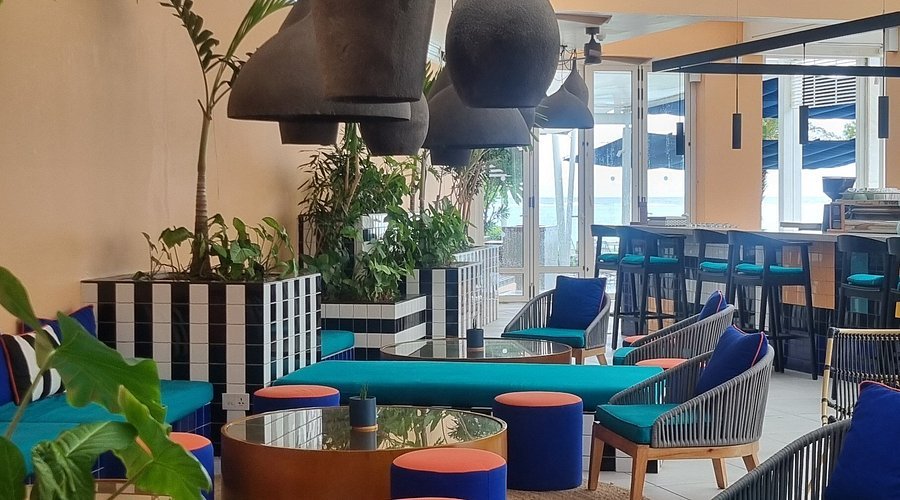
SALT of Palmar presents itself as a playful, design-forward hotel that reads as public art. Camille Walala’s signature palette and geometric patterning wrap the façade, shifting the moment you approach along the Coastal Road; the building announces color and shape before it reads as accommodation. The editorial tone is that of a boutique property that deliberately departs from the island’s conventional resort aesthetics — it’s less about scale and more about image, making an immediate visual statement that guests experience from arrival through to the hotel’s modest, adults-only footprint.
Best For
This property suits travelers who prioritize design and a quiet, adult-oriented stay. Positioned as a boutique alternative to Mauritius’s large resort complexes, SALT of Palmar is especially well matched to couples and design-minded guests looking for a concise, art-led experience rather than a sprawling facility list. Its adults-only policy and high placement on La Liste underscore a premium positioning, making it a good pick for special-occasion trips, romantic getaways, and weekend escapes where the visual drama of the hotel itself is a central part of the visit.
Venue details
Ambiance
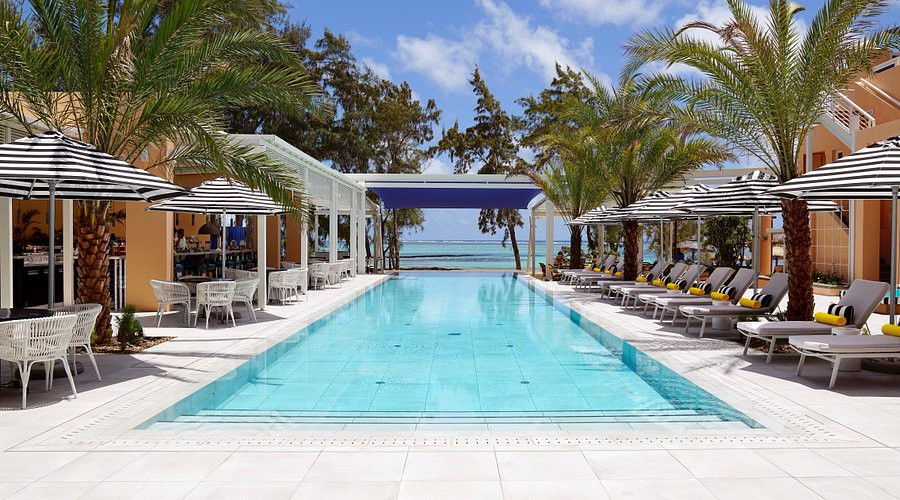
Tranquil and stylish with pastel-rich pool areas, cozy-chic rooms, and a serene beachfront atmosphere promoting relaxation and mindfulness.
Tags
Vibe
Best For
Experience
Amenities
View
About the Stay
- Rooms
- 59
- Property Style
- Eco Friendly Beachfront Boutique Resort with Bold Mauritian Design Elements.
- Design Style
- Modern Art Deco with Cozy Beach House Vibes and Pastel Colors.
Know before you go
Know Before You Go
- Getting there
- MU, Coastal Road, Palmar 41604
Planning details
Location
MU, Coastal Road, Palmar 41604 · Directions
Recognition and awards


Also consider
Also Consider
- LUX* Belle Mare, Notable alternative
- Long Beach, Notable alternative
- Constance Belle Mare Plage, Notable alternative
- Shangri-La Le Touessrok, Mauritius, Notable alternative
- Shangri-La's Le Touessrok Resort & Spa, Notable alternative
Hotel context
How It Compares
Compared with LUX* Belle Mare and Long Beach, SALT of Palmar is the more design-focused call. Choose it if the trip is about a tighter, more edited hotel experience rather than a bigger resort feel. For travelers who want broader facilities or a more conventional resort setup, those two are safer cross-shops.
Constance Belle Mare Plage is the stronger comparison for guests prioritizing resort depth and a fuller campus feel. SALT of Palmar is harder to book and more specific in appeal, but its Forbes 4-Star rating, La Liste 2026 placement, and Design Hotels membership make it credible for travelers who care more about design and atmosphere than maximum amenity count.
Shangri-La Le Touessrok, Mauritius and Shangri-La's Le Touessrok Resort & Spa are better cross-shops if the brief is a larger-name resort experience. Pick SALT of Palmar when the stay should feel more personal and design-led; pick the Shangri-La options when brand scale and a broader resort proposition matter more.
Explore Palmar
Around this place
Discover more on Pearl
Unlock the full SALT of Palmar guide in Pearl, including awards, comparisons, FAQs, planning details, and nearby places.
Compare SALT of Palmar
| Venue | Location | Awards |
|---|---|---|
| SALT of Palmar | Palmar | 2026 Design Hotels Collection2026 La Liste Top Hotels2025 Michelin Selected Hotels2025 Forbes 4-Star |
| LUX* Belle Mare | Belle Mare | 2026 Forbes 5-Star2026 Virtuoso Luxury Hotel Collection2026 Michelin Guide New Hotels2026 Mr & Mrs Smith Luxury Hotels2026 La Liste Top Hotels2025 Michelin Selected Hotels2025 Forbes 5-Star |
| Long Beach | Belle Mare | No published awards |
| Constance Belle Mare Plage | Poste de Flacq | No published awards |
| Shangri-La Le Touessrok, Mauritius | Trou d'Eau Douce | 2026 Virtuoso Luxury Hotel Collection2026 La Liste Top Hotels2025 Michelin Selected Hotels2025 Forbes 4-Star |
| Shangri-La's Le Touessrok Resort & Spa | Belle Mare | No published awards |


How SALT of Palmar in Palmar compares with similar nearby venues.
FAQ
Frequently Asked Questions
Is SALT of Palmar family-friendly?
Do not assume a particular family setup without confirming family-specific facilities directly. SALT of Palmar is in Palmar, has a smart casual dress code, and has recognition from Forbes, La Liste Top Hotels, and Design Hotels. If family amenities are important, confirm them directly before booking and compare the fit with LUX* Belle Mare or Constance Belle Mare Plage.
How does SALT of Palmar compare to other hotels?
Pick SALT of Palmar if its recognition is the main draw: Forbes 4-Star in 2025, La Liste Top Hotels 2026 with 91.5 points, and 2026 Design Hotels membership. LUX* Belle Mare, Long Beach, Constance Belle Mare Plage, Shangri-La Le Touessrok, Mauritius, and Shangri-La's Le Touessrok Resort & Spa can be useful comparison points, but check each property directly for the specific facilities and style you need.
When is the best time to book SALT of Palmar?
Check specific booking difficulty and seasonal availability. The safest approach is to check live availability once your dates are fixed and confirm any must-have details directly with SALT of Palmar before building the rest of an itinerary around the stay.
How is the location of SALT of Palmar?
Do loyalty programs work at SALT of Palmar?
Loyalty-program participation should be confirmed directly, so it should not drive the booking decision unless you confirm it. Recognition includes Forbes 4-Star recognition, the La Liste Top Hotels 2026 score, and 2026 Design Hotels membership. If loyalty benefits are your priority, compare the program value against options such as Shangri-La Le Touessrok, Mauritius or LUX* Belle Mare.
Which room category is best at SALT of Palmar?
Confirm room-category details directly. Choose only after the booking path clearly shows the differences that matter to you, and confirm any important room features directly with the property. For a wider comparison set, you can also review Constance Belle Mare Plage and Shangri-La's Le Touessrok Resort & Spa.
What is check-in like at SALT of Palmar?
Confirm specific check-in style and timing directly with SALT of Palmar before travel, especially if you have a late arrival, early arrival, or other timing constraint.