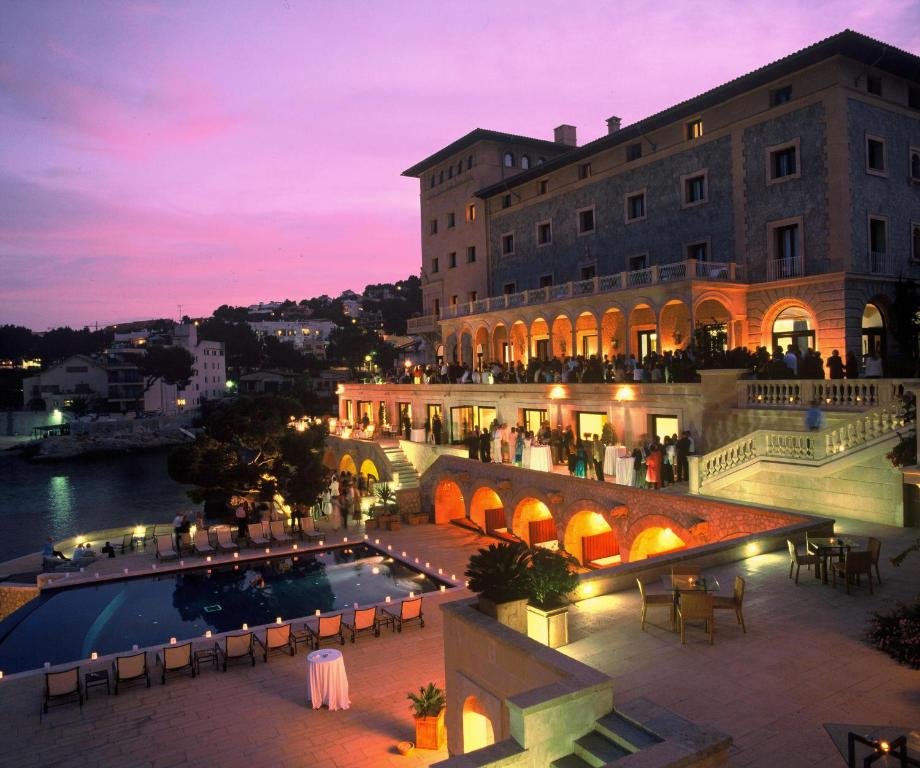



Hospes Maricel
Cas Català, Palma
Hotel in Palma, Spain
 Book with Pearl
Why go
Hospes Maricel is worth considering if you want a design-led coastal base near Palma rather than an old-town hotel. Its La Liste Top Hotels 2026 score and Design Hotels membership support the quality case, but value depends heavily on room category and booking channel.
About Hospes Maricel
Hospes Maricel is a Palma hotel with smart casual dress code, La Liste Top Hotels recognition for 2026 with 91 points, and 2026 Design Hotels membership under Hospes Maricel & Spa.
These details can help travelers frame the booking, but they should not be stretched into claims about rooms, dining, service style, amenities, or location specifics beyond Palma. Confirm current stay details directly with the hotel before booking.
Book this for a Palma hotel with design and recognition signals
The clearest reason to consider Hospes Maricel is that it combines a Palma setting with confirmed 2026 recognition from La Liste Top Hotels and Design Hotels membership. That does not automatically make it the right stay for every traveler, but it gives the hotel a documented credibility base beyond a generic hotel listing.
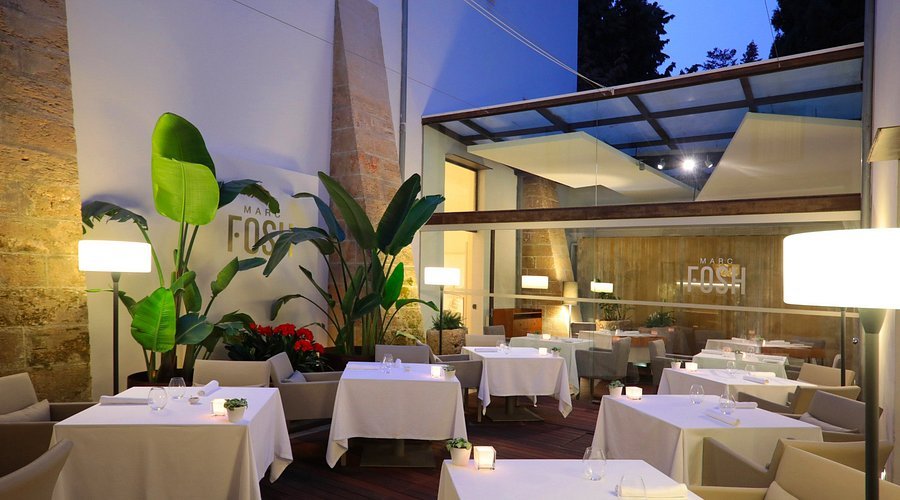
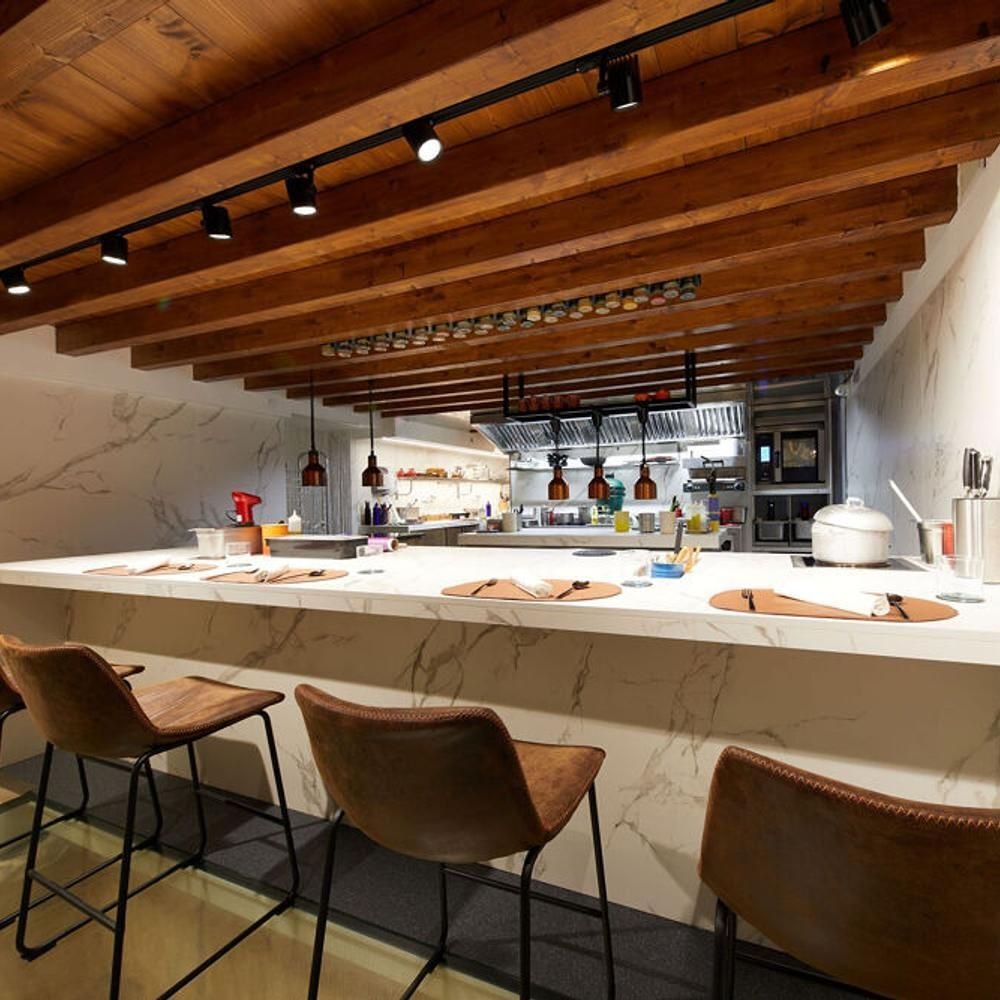
Food-focused travelers should treat the hotel as a base unless dining specifics are confirmed before booking. Plan Palma dining separately and verify any on-property dining directly. Pair the stay with Our full Palma restaurants guide if the trip is built around eating and exploring.
Value depends on what you can verify before booking
The booking logic is simple: do not infer room views, amenities, inclusions, dining quality, or service format from the hotel name alone. The information supports a design-aware Palma hotel short-list, but it does not confirm specific room categories, prices, spa details, family policies, or food and beverage strengths.
For most travelers, the decision should come down to whether Hospes Maricel fits the trip after current rates, room details, and booking conditions are checked directly. If you are comparing hotel options, consider Hospes Maricel alongside Hotel De Mar, Hotel de Mar Gran Meliá - The Leading Hotels of the World - Adults only, Nixe Palace, Portals Hills Boutique Hotel, and The Donna Portals, while confirming the practical differences that matter for your dates.
Planning details
- Location
- Ctra. Andratx, 11, 07181 Cas Català-Illetes, Illes Balears
- Website
- hospes.com/maricel-spa
- Phone
- +34 663 76 72 01
The take
The Take
The Vibe
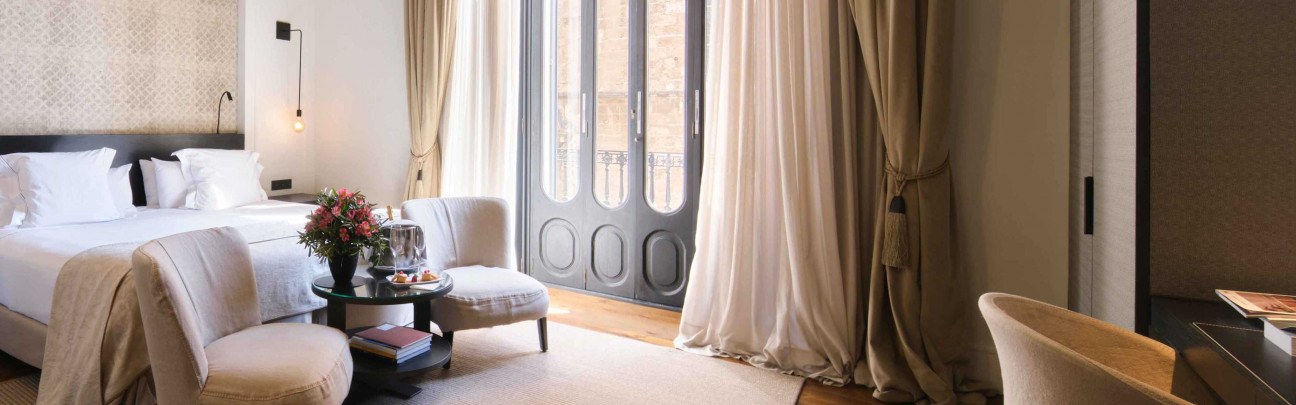
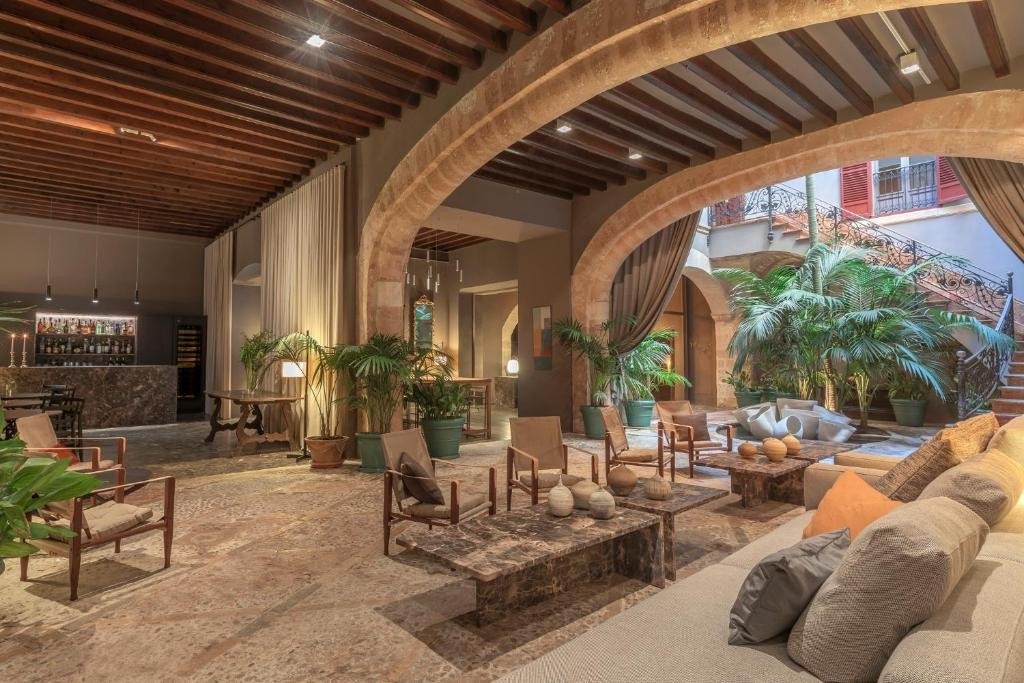
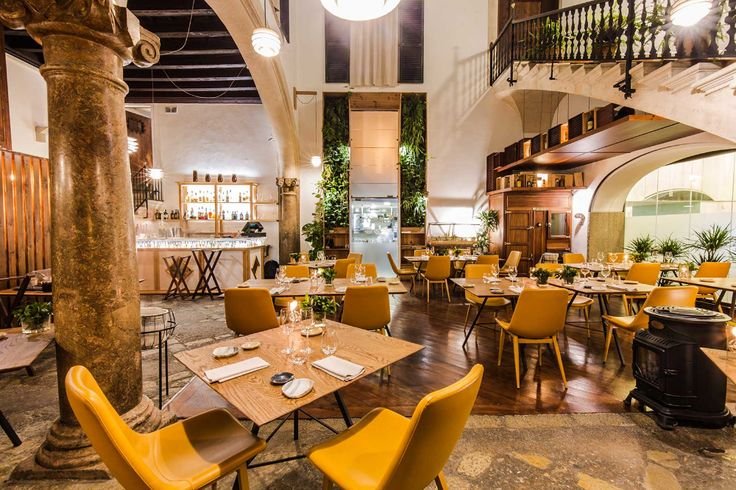
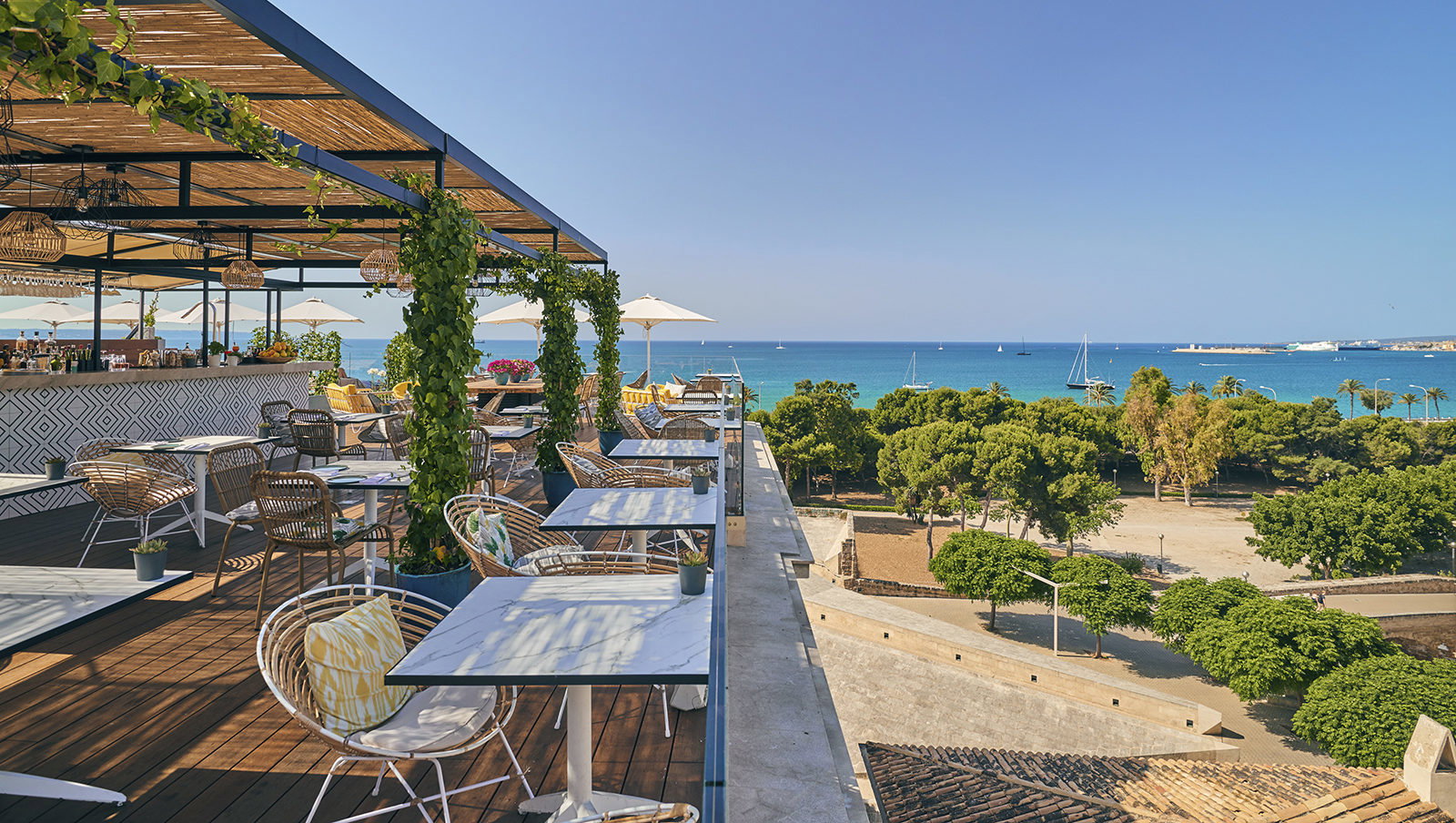
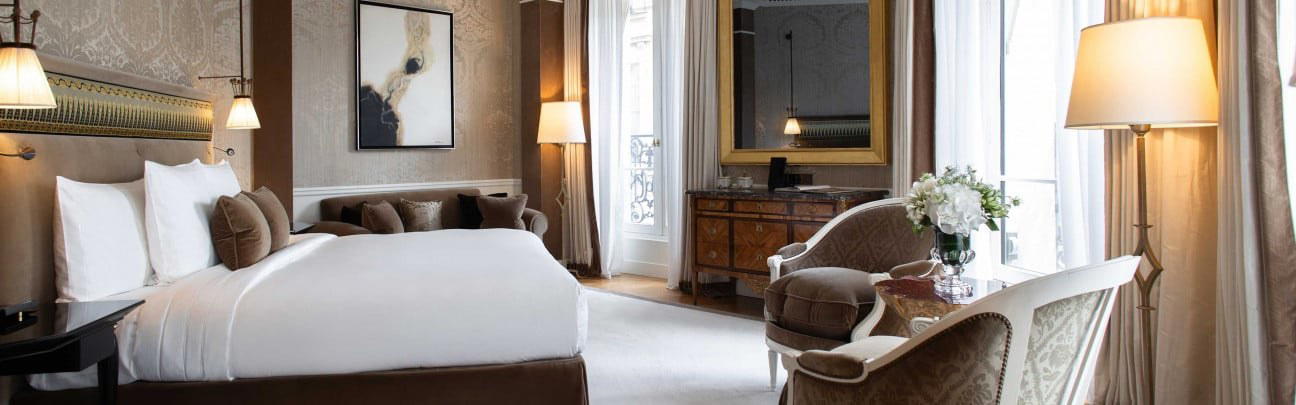
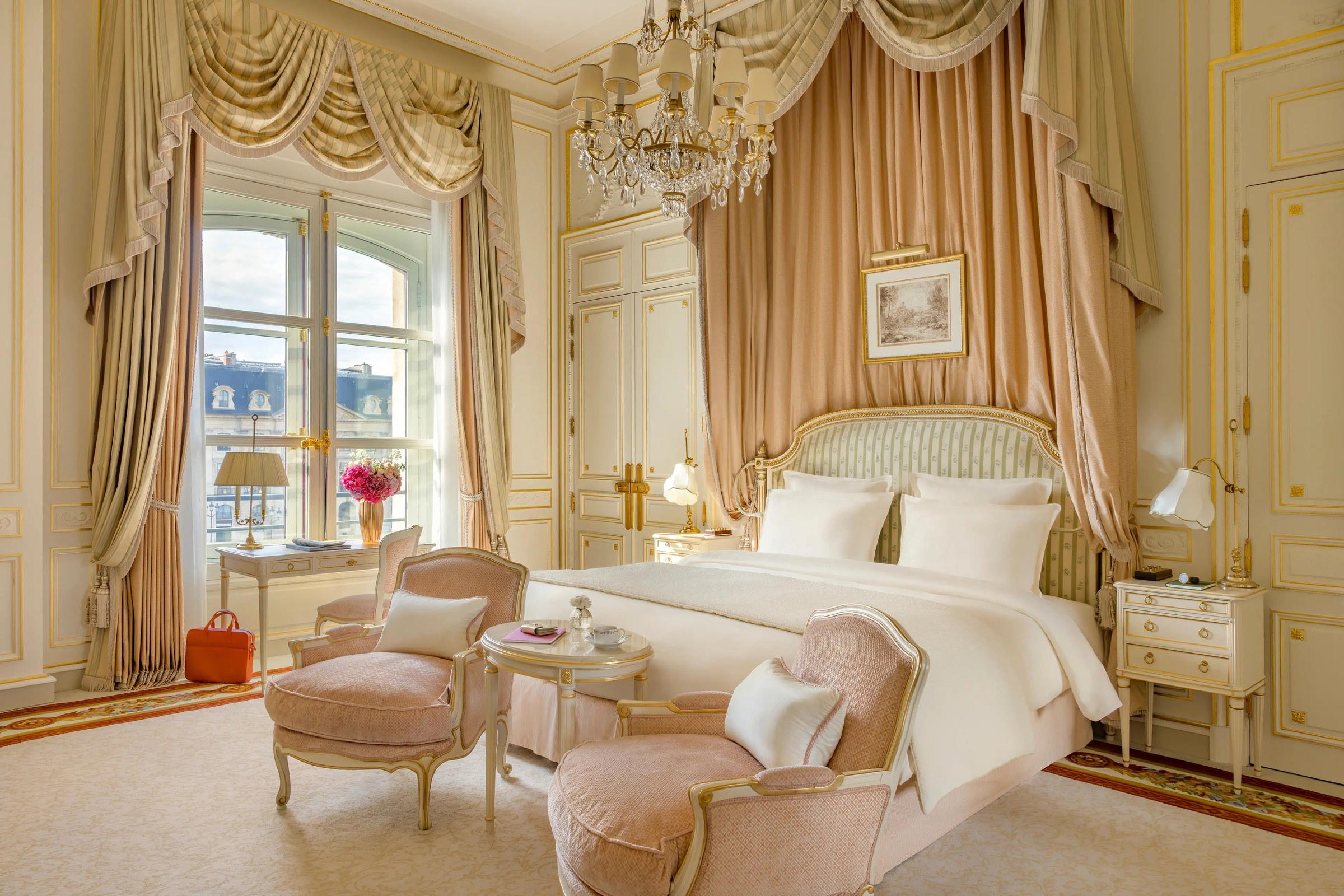
Hotel Hospes Maricel & SPA presents a calm, seaside refinement that leans into its Mediterranean setting. The property sits on the Carretera Andratx where the shoreline tightens and the coastline feels intentional, producing a quieter, more considered atmosphere. The tone is understated and classic rather than showy: guests expect polished service and a focus on quality over flash. Proximity to the water shapes much of the hotel’s character, so rooms and public spaces are oriented to the sea, reinforcing a serene, restorative mood that suits travelers seeking an elegant, low-key coastal retreat.
Best For
This hotel is best for couples and travelers who prize a peaceful, upscale seaside break. It suits honeymooners, anniversaries and romantic getaways that benefit from close-to-the-water rooms and an intimate, refined setting. The presence of a spa and the hotel’s inclusion in a curated Michelin selection also make it appropriate for wellness retreats and short weekend escapes where quality of experience matters more than sheer size or activity. Guests who want easy access to Palma while remaining removed from the city’s bustle will find Hospes Maricel a particularly apt base.
Stay Tips
When booking, ask specifically for a room oriented toward the sea — the description emphasizes the hotel’s deliberate orientation to the Mediterranean, so a water-facing room meaningfully shapes the stay. Take advantage of the on-site spa (it appears in the hotel’s name) by reserving treatments ahead of arrival. Plan any city visits as day trips: the hotel’s value is its location along the Carretera Andratx, offering a quieter coastal position while keeping Palma within easy reach. These small choices maximize the hotel’s calm, scenic strengths.
Venue details
Ambiance
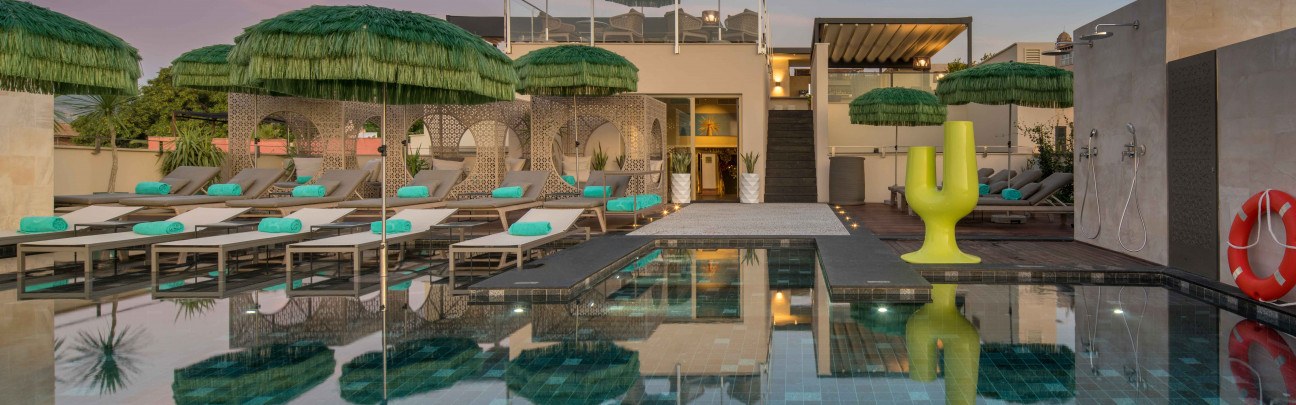
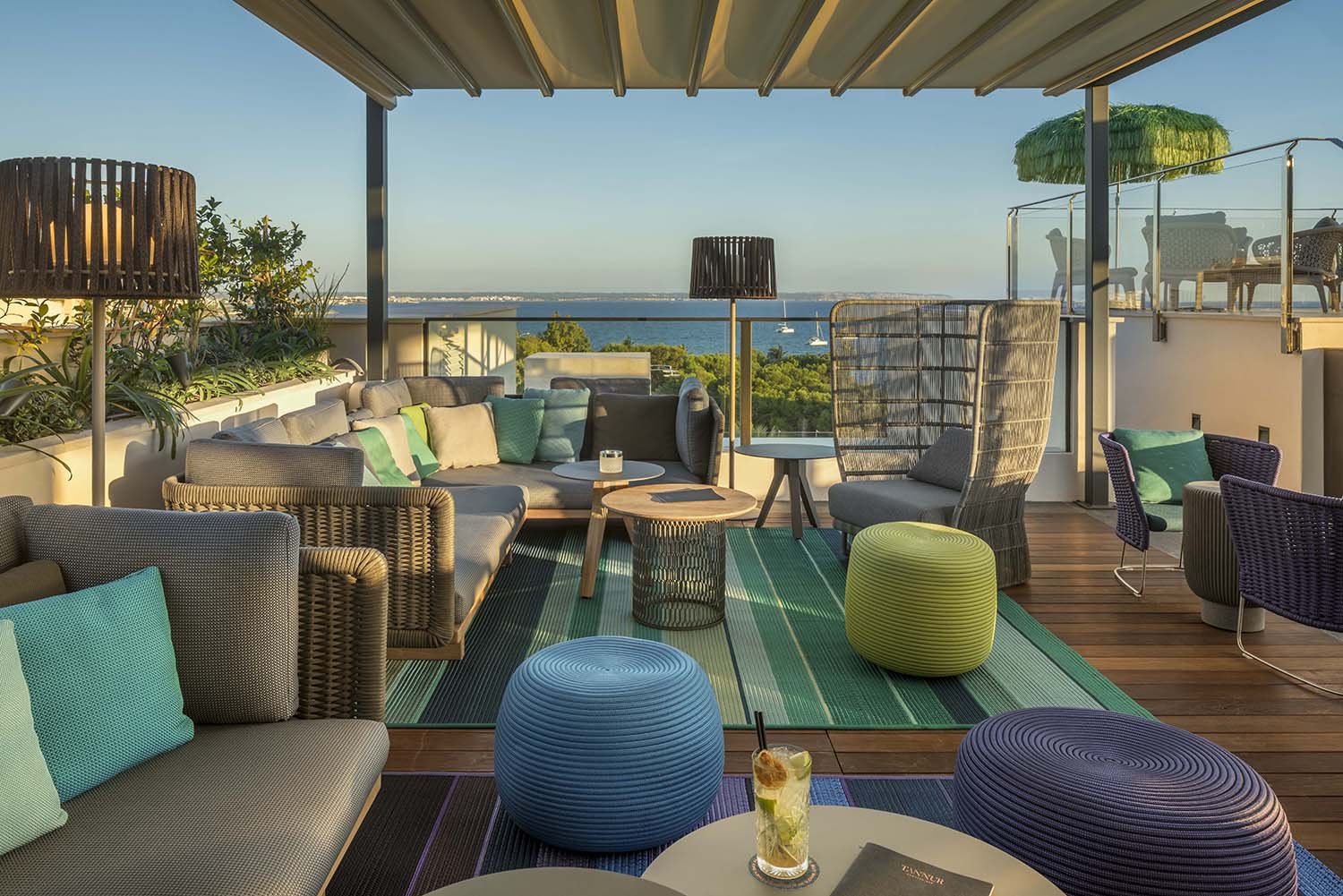
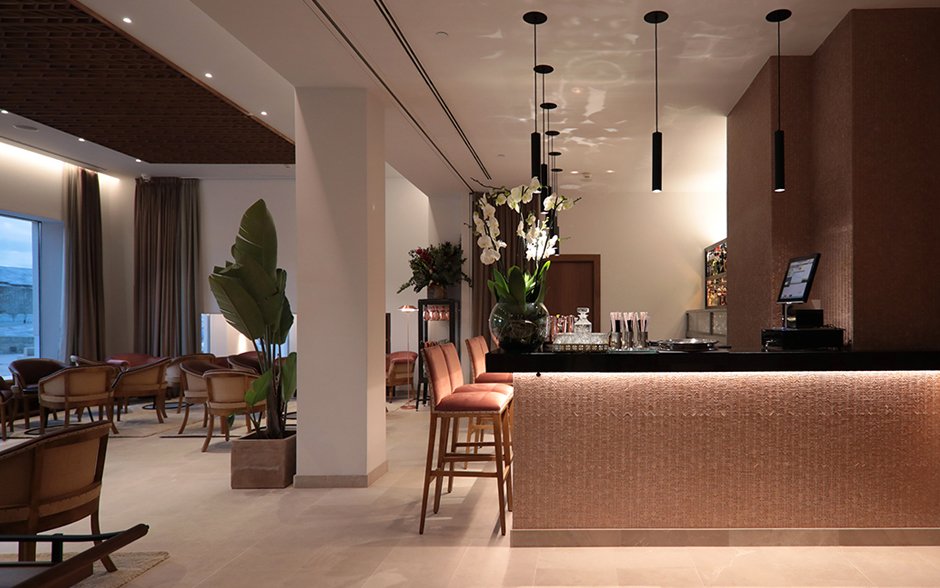
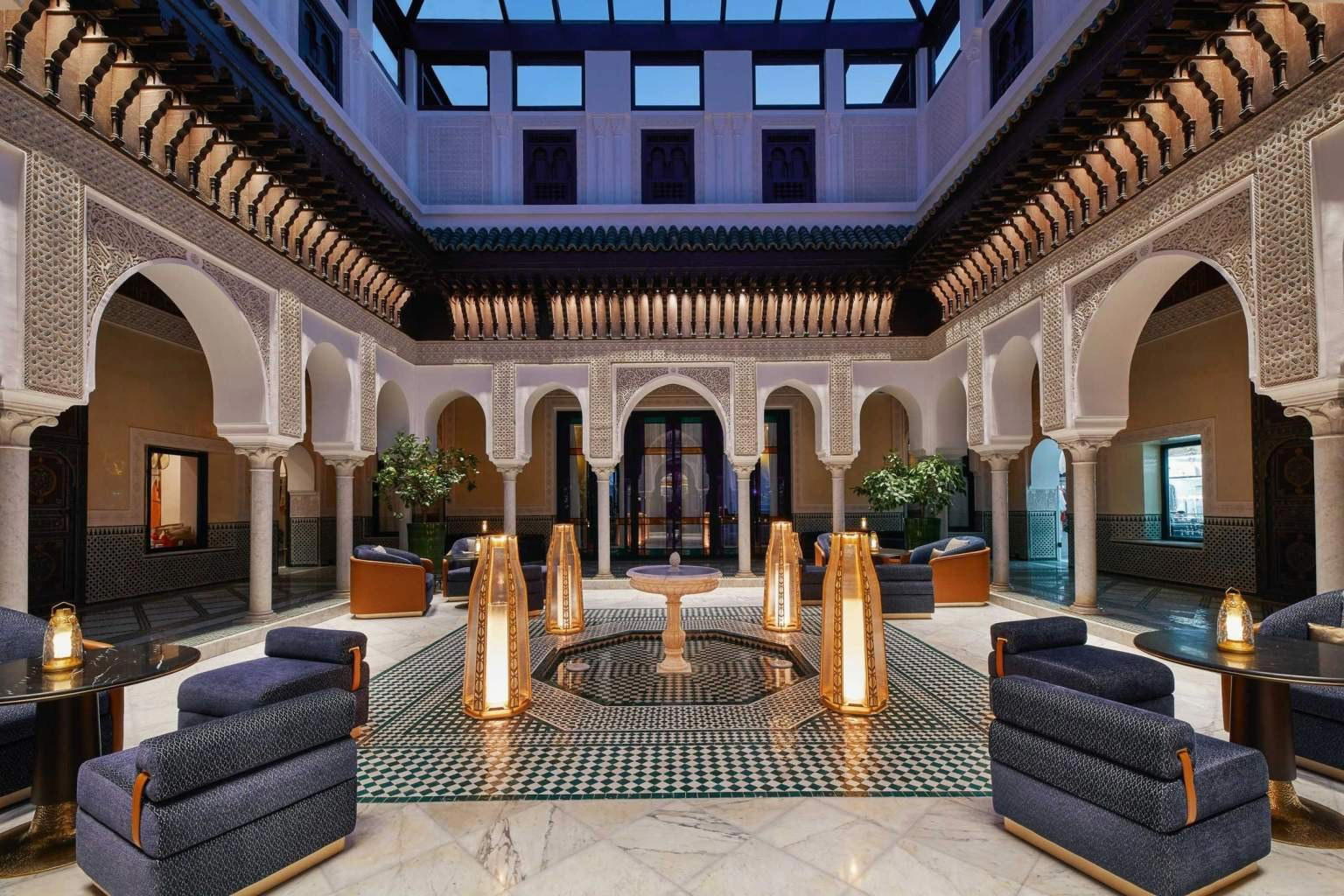
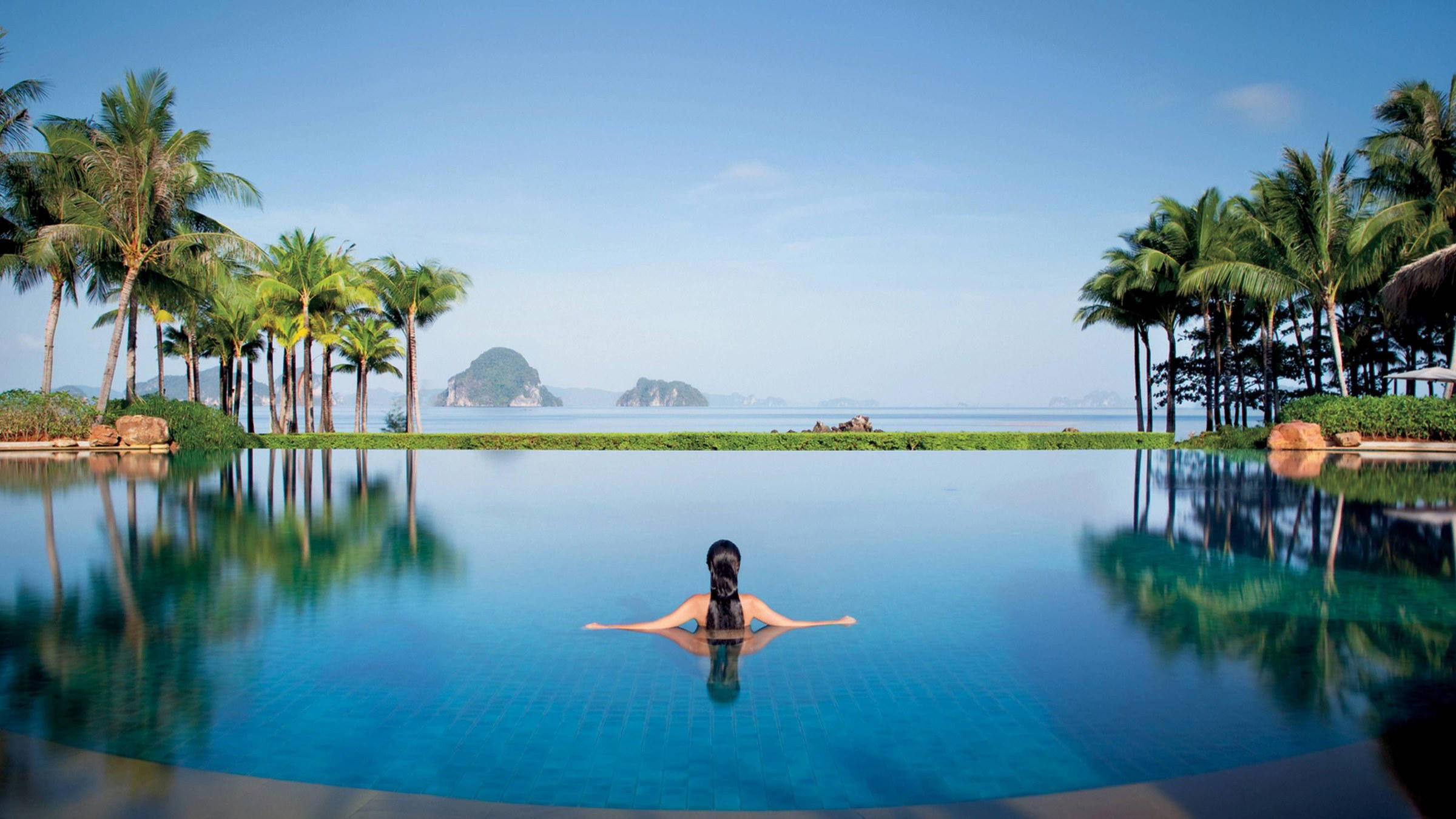
Serene and luxurious with sun-soaked solarium views of the sea, relaxing spa atmosphere, and elegant lighting in soundproofed rooms.
Tags
Vibe
Best For
Experience
Amenities
View
Accessibility
About the Stay
- Rooms
- 51
- Check-in
- 15:00
- Check-out
- 12:00
- Property Type
- Boutique hotel
- Property Style
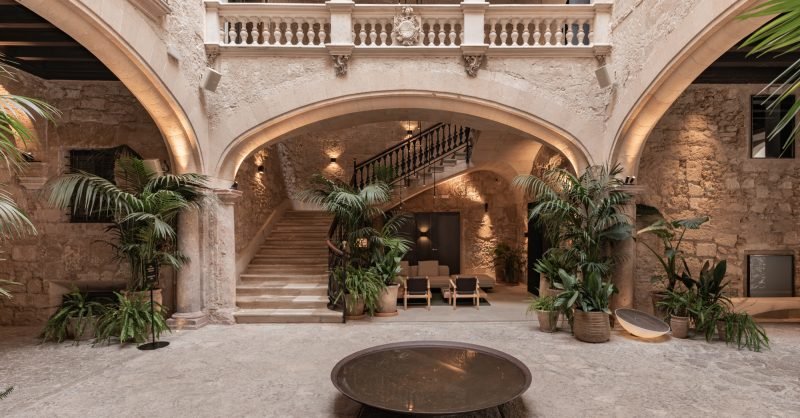
- Historic Mansion with Modern Annex
- Design Style
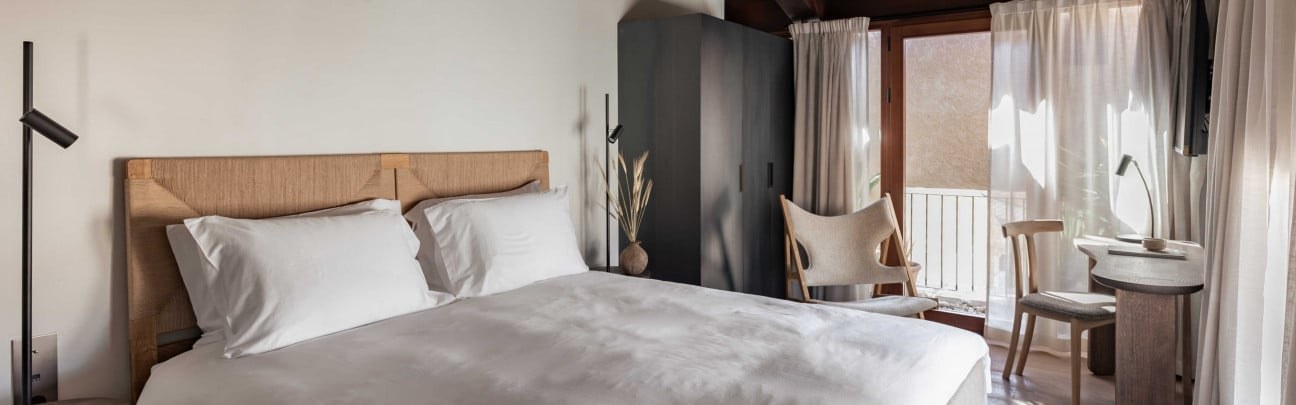
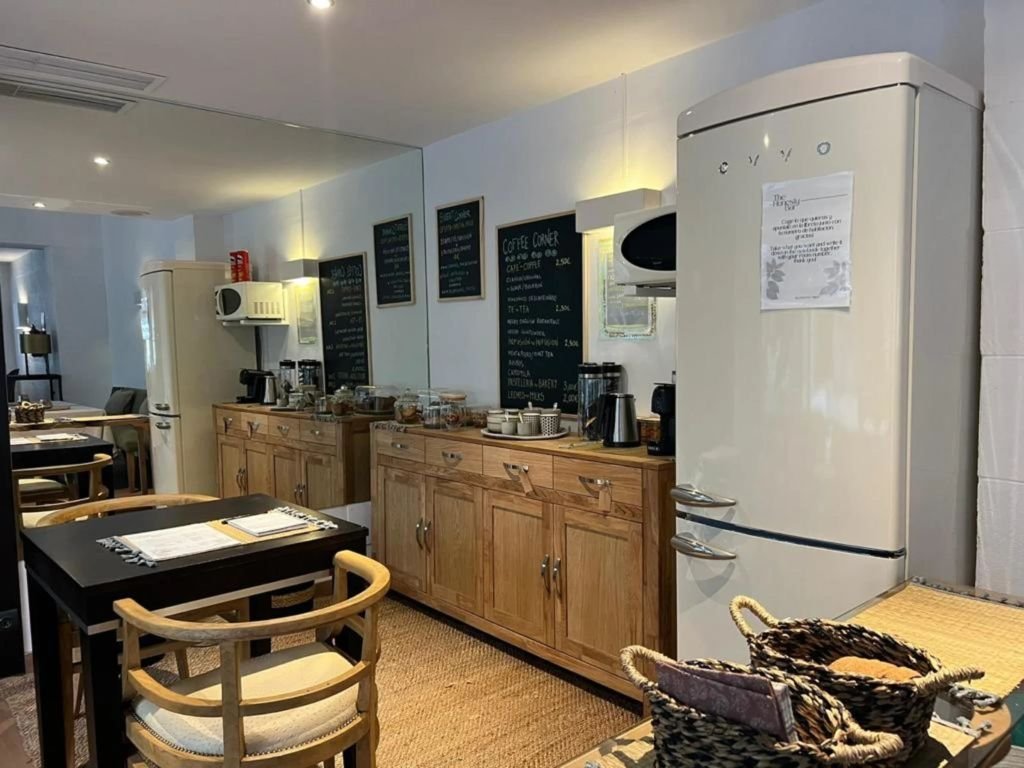
- Contemporary with Exposed Stone and Classic Elements
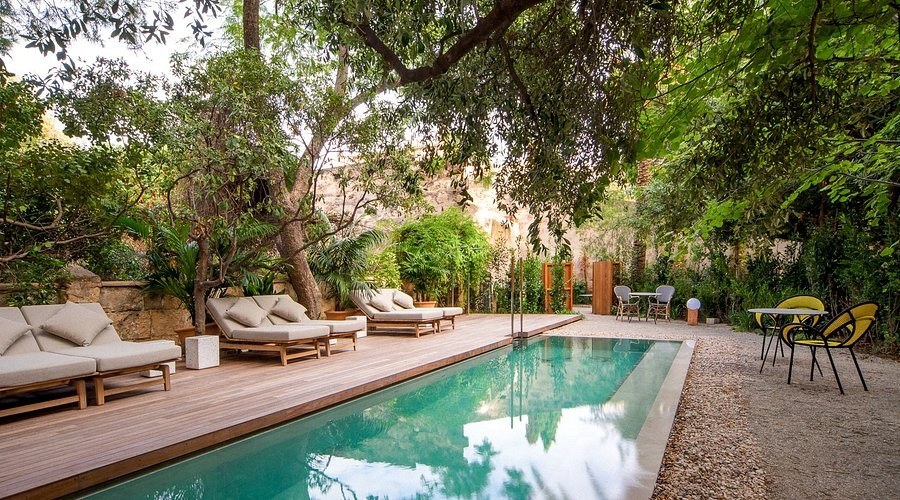
- Pool
- Yes
- Spa
- Yes
- Pets
- Allowed
- Cancellation
- Moderate
Know before you go
Know Before You Go
- Getting there
- Ctra. Andratx, 11, 07181 Cas Català-Illetes, Illes Balears
Planning details
Location
Ctra. Andratx, 11, 07181 Cas Català-Illetes, Illes Balears · Directions
Recognition and awards

Also consider
Also Consider
- Hotel De Mar, Notable alternative
- Hotel de Mar Gran Meliá - The Leading Hotels of the World - Adults only, Notable alternative
- Nixe Palace, Notable alternative
- Portals Hills Boutique Hotel, Notable alternative
- The Donna Portals, Notable alternative
Hotel context
How Hospes Maricel compares in the Palma coastal set
Choose Hospes Maricel if you want a design-led coastal stay with easier Palma access than a deeper resort escape. Nixe Palace is the more classic cross-shop for travelers who want a larger, more traditional hotel feel, while Portals Hills Boutique Hotel and The Donna Portals lean more toward the Portals scene.
For adults-only positioning, Hotel de Mar Gran Meliá - The Leading Hotels of the World - Adults only is the clearer fit if the trip is couple-focused and kid-free. Hotel De Mar is also worth checking when availability is easier or rates move more favorably, but compare the room category carefully before switching.
Booking difficulty is listed as easy here, so this is a practical option when Palma's city hotels or Portals properties price up. The main tradeoff is ambiance: Hospes Maricel makes the strongest case for travelers who want sea access and design credentials, while Nixe Palace, Portals Hills Boutique Hotel, and The Donna Portals each make more sense for guests who prioritize a more defined classic, social, or Portals-centered stay.
Explore Palma
Around this place
Discover more on Pearl
Unlock the full Hospes Maricel guide in Pearl, including awards, comparisons, FAQs, planning details, and nearby places.
Compare Hospes Maricel
| Venue | Location | Awards |
|---|---|---|
| Hospes Maricel | Palma | 2026 Design Hotels Collection2026 La Liste Top Hotels2025 Michelin Selected Hotels |
| Hotel De Mar | Mallorca | 2026 La Liste Top HotelsLeading Hotels of the World 2026 |
| Hotel de Mar Gran Meliá - The Leading Hotels of the World - Adults only | Ses Illetes | No published awards |
| Nixe Palace | Palma de Mallorca | Preferred Hotels Member 2025 |
| Portals Hills Boutique Hotel | Mallorca | No published awards |
| The Donna Portals | Portals Nous | No published awards |


How Hospes Maricel Palma compares with similar nearby venues.
FAQ
Frequently Asked Questions
How does Hospes Maricel compare to other hotels?
Choose Hospes Maricel if you want a Palma hotel with confirmed 2026 La Liste Top Hotels recognition and Design Hotels membership. Other hotel options to compare include Nixe Palace, Hotel De Mar, Hotel de Mar Gran Meliá - The Leading Hotels of the World - Adults only, Portals Hills Boutique Hotel, and The Donna Portals.
Do loyalty programs work at Hospes Maricel?
Do not assume loyalty benefits are the reason to book here. The key signals are the smart-casual dress code, La Liste Top Hotels recognition for 2026 with 91 points, and 2026 Design Hotels membership. Confirm any loyalty, rate, or benefit details directly before booking.
Is Hospes Maricel family-friendly?
How is the location of Hospes Maricel?
When is the best time to book Hospes Maricel?
Compare current rates and cancellation terms for your dates, and remember that the confirmed recognition includes La Liste Top Hotels (2026): 91pts.
Which room category is best at Hospes Maricel?
Review current room descriptions carefully and confirm any view, layout, or inclusion that matters before booking.