

Concepció by Nobis
Old Town / Santa Catalina, Palma
Hotel in Palma, Spain
 Book with Pearl
Why go
Concepció by Nobis is a sensible Palma pick for travelers who want a design-led city base rather than a resort-style stay. Book it for couples' weekends, business travel, and easy access to central Palma; cross-shop Can Bordoy Grand House & Garden for a more atmospheric garden-house feel or Can Alomar Urban Luxury Retreat for a luxury-retreat mood.
About Concepció by Nobis
Concepció by Nobis is a Palma property with two recognition signals for 2026: Design Hotels Member - Concepció by Nobis and the Mr & Mrs Smith Seal of Approval. Beyond those points, details such as exact facilities, room types, dining format, rates, and service inclusions should be confirmed directly before booking.
Book it for confirmed design recognition, with details checked before you commit
The strongest reason to keep Concepció by Nobis on a Palma shortlist is its 2026 Design Hotels Member recognition, supported by the Mr & Mrs Smith Seal of Approval. Those are useful signals for travelers who care about style and curation, but they do not indicate specific amenities, dining, wellness facilities, room categories, or pricing.
Set expectations around what is confirmed rather than assuming a particular property format. If the stay depends on a pool, spa, restaurant, bar, workspace, late checkout, or a specific room feature, confirm it through the booking channel or the venue before committing.
What to optimize before you commit
Compare Concepció by Nobis with other Palma options such as Can Bordoy Grand House & Garden, Can Alomar Urban Luxury Retreat, Palma Riad, Nobis Hotel Palma, and Convent de La Missió, Grand Luxury Boutique Hotel. Use live availability, current rates, cancellation terms, and the specific room or package inclusions to decide which one fits the trip.
Reservations: confirm availability and booking terms directly. Dress: smart casual is the confirmed dress code. Budget: compare live pricing against the exact category and terms. Use case: choose based on the confirmed recognition and current booking details rather than assumptions about facilities or service style.
Planning details
- Location
- Carrer de la Concepció 34, 07012 Palma, Spain, Palma 07012, Spain
- Website
- marriott.com/en-us/hotels/pmicn-concepcio-by-nobis-palma-a-member-by-design-hotels/overview
- Phone
- +34 971 91 50 25
The take
The Take
The Vibe
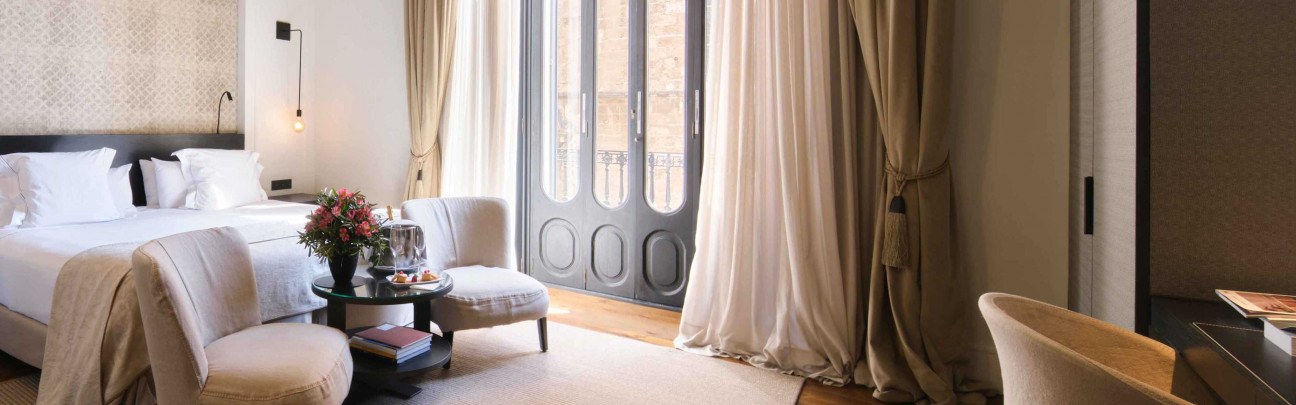
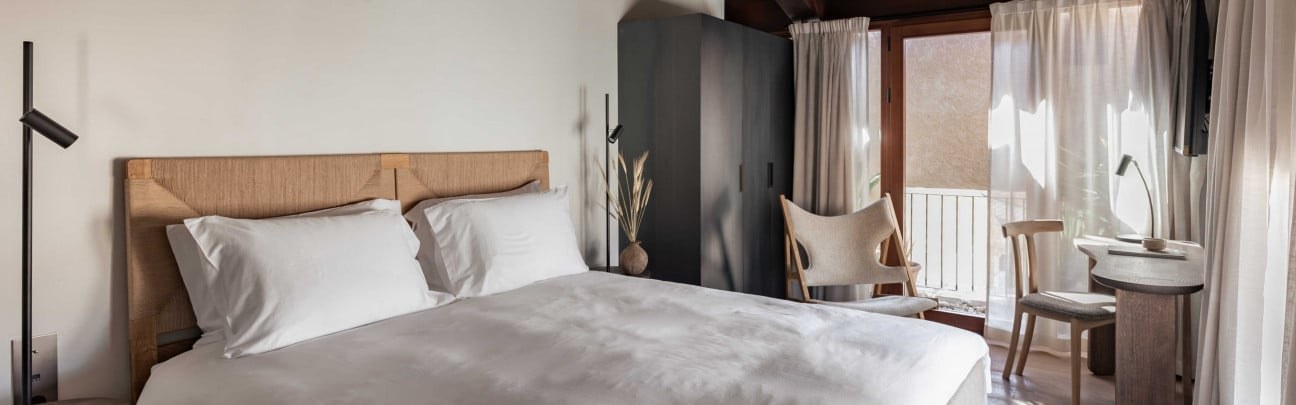
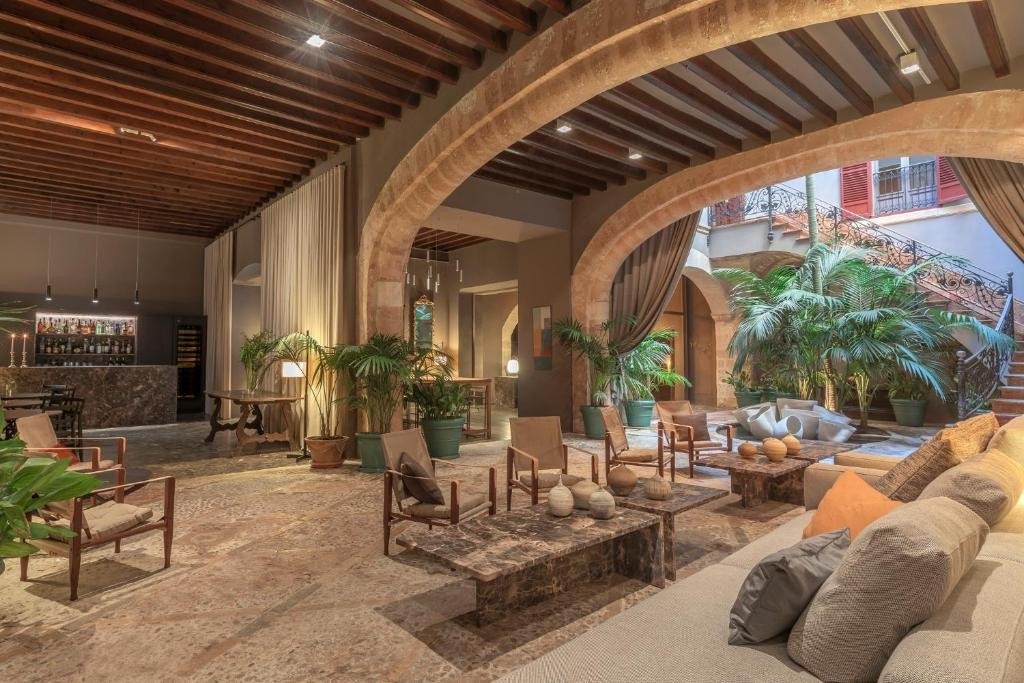
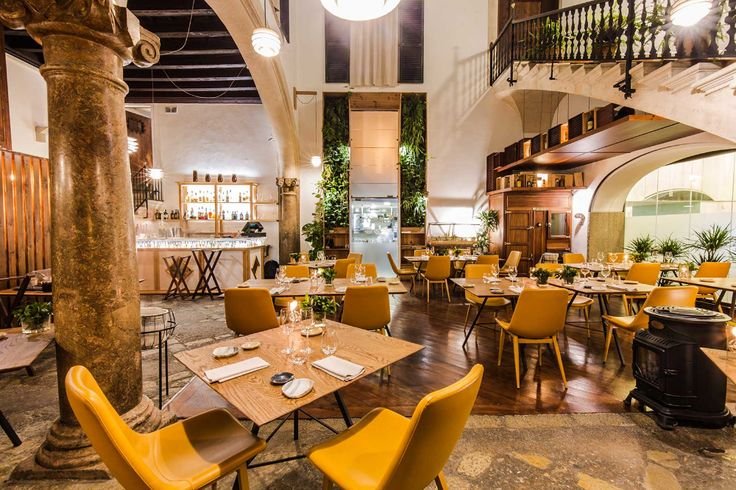
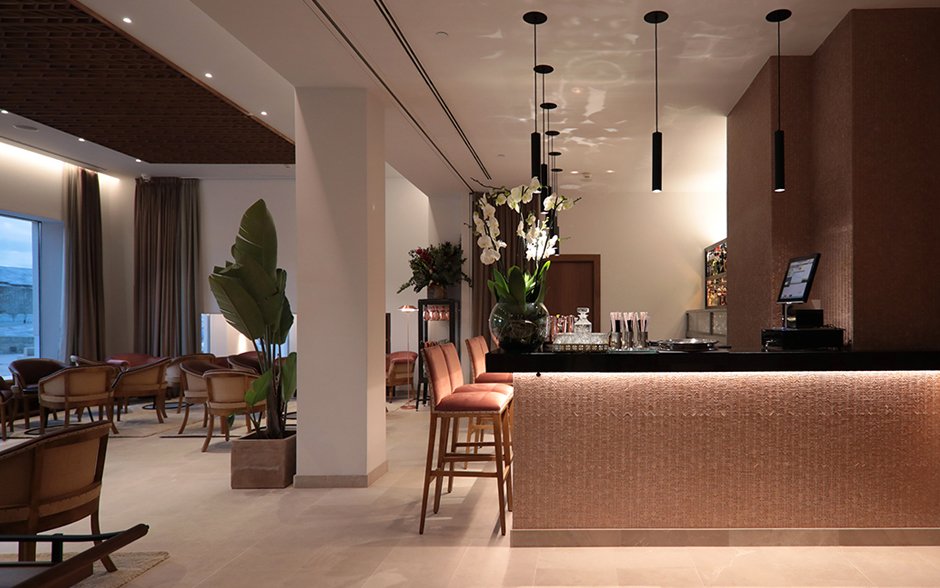
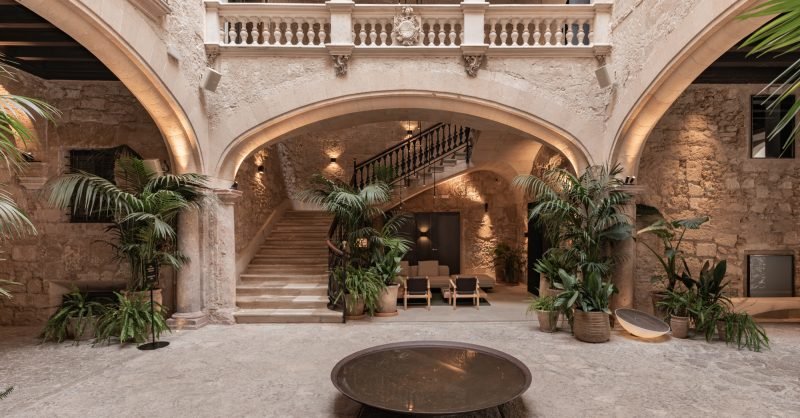
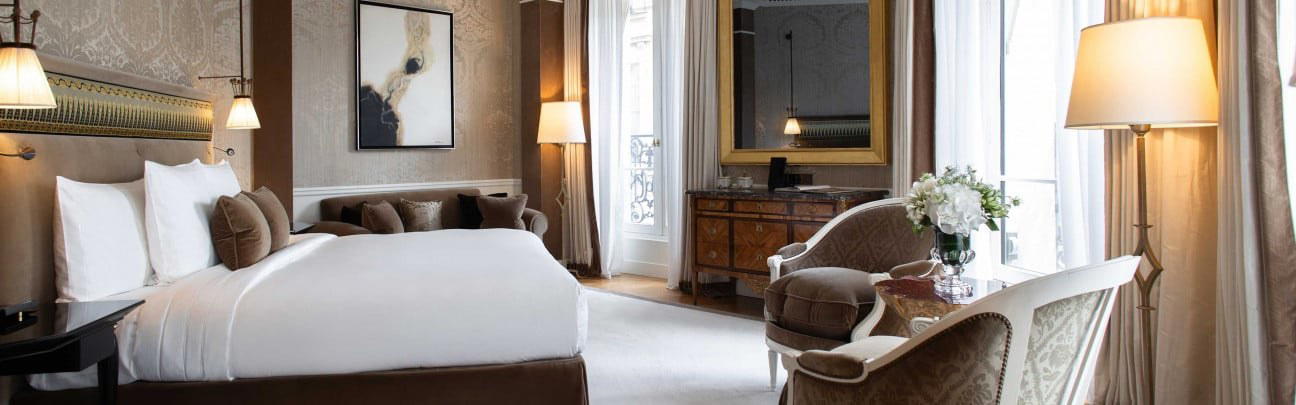
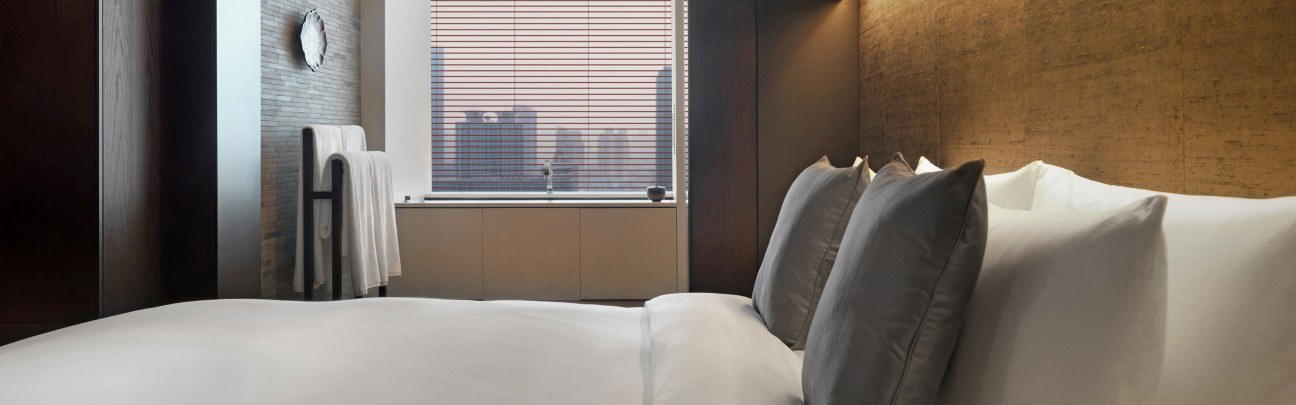
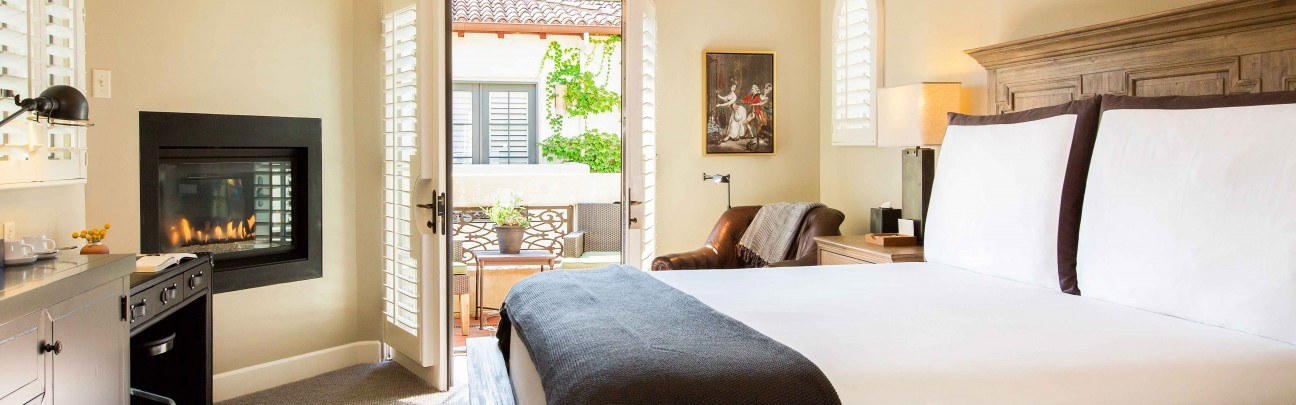
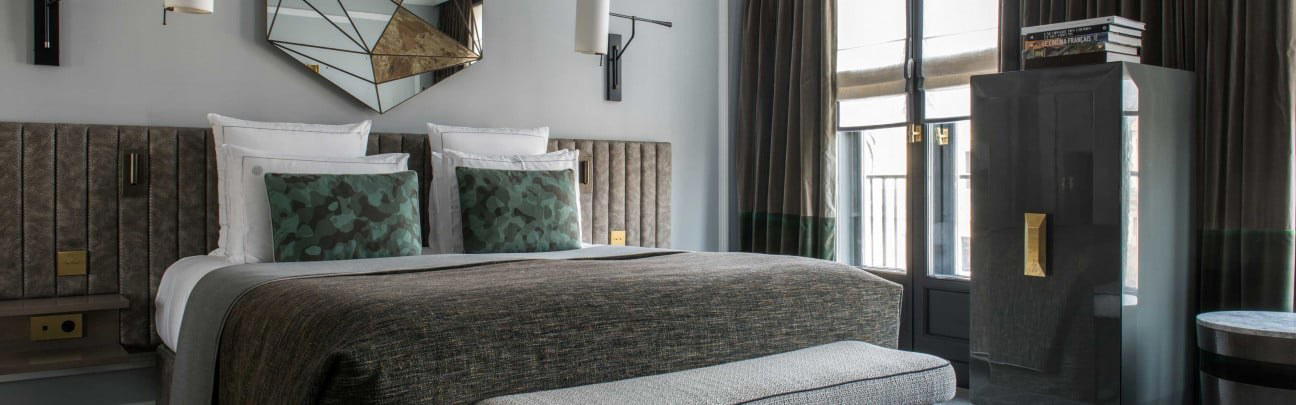
Concepció by Nobis reads as a study in restraint: Swedish architectural precision overlays Mallorcan materials to produce interiors that are composed yet tactile. Wingårdhs’ intervention keeps the 16th-century fabric legible while introducing brass fittings, warm wood paneling and hand-painted Huguet tiles. Those tiles, a local craft tradition, introduce an intentional irregularity that softens Scandinavian minimalism, giving rooms and public spaces a quietly curated warmth. The result is a boutique hotel that feels both contemporary and rooted in place — modern design language that still honors centuries of Palma’s architectural story.
Best For
This is a smart base for design-minded travelers who want to explore Palma’s Old Town on foot. Located within walking distance of the Gothic cathedral, the Arab Baths and a cluster of design-led restaurants and wine bars, the hotel suits informed visitors who prioritize location and thoughtful interiors. It works well for couples on a weekend escape or romantic getaway, and for anyone who values a calm, artful place to return to after daytime sight-seeing and evening dining in the neighbourhood.
Stay Tips
When booking, prioritize the property’s architectural character: the hotel’s appeal rests on its materials and detailing, so request a room where the Huguet tiles, warm wood panelling or original stonework are visible if that matters to you. Book early for weekend stays in Old Town, where walkable access to the cathedral and nearby restaurants is a key advantage. Pack comfortable shoes — the neighbourhood is best experienced on foot — and plan your itinerary around nearby design-focused dining and wine bars to make the most of the hotel’s central location.
Venue details
Ambiance
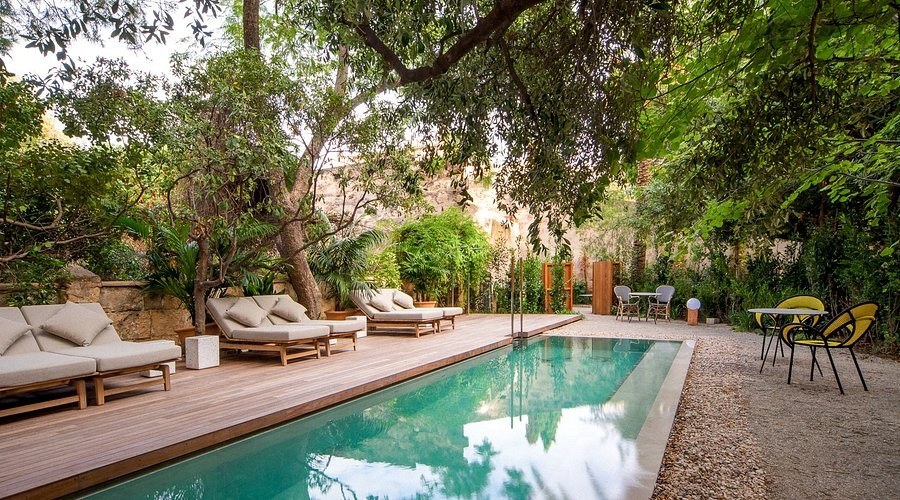
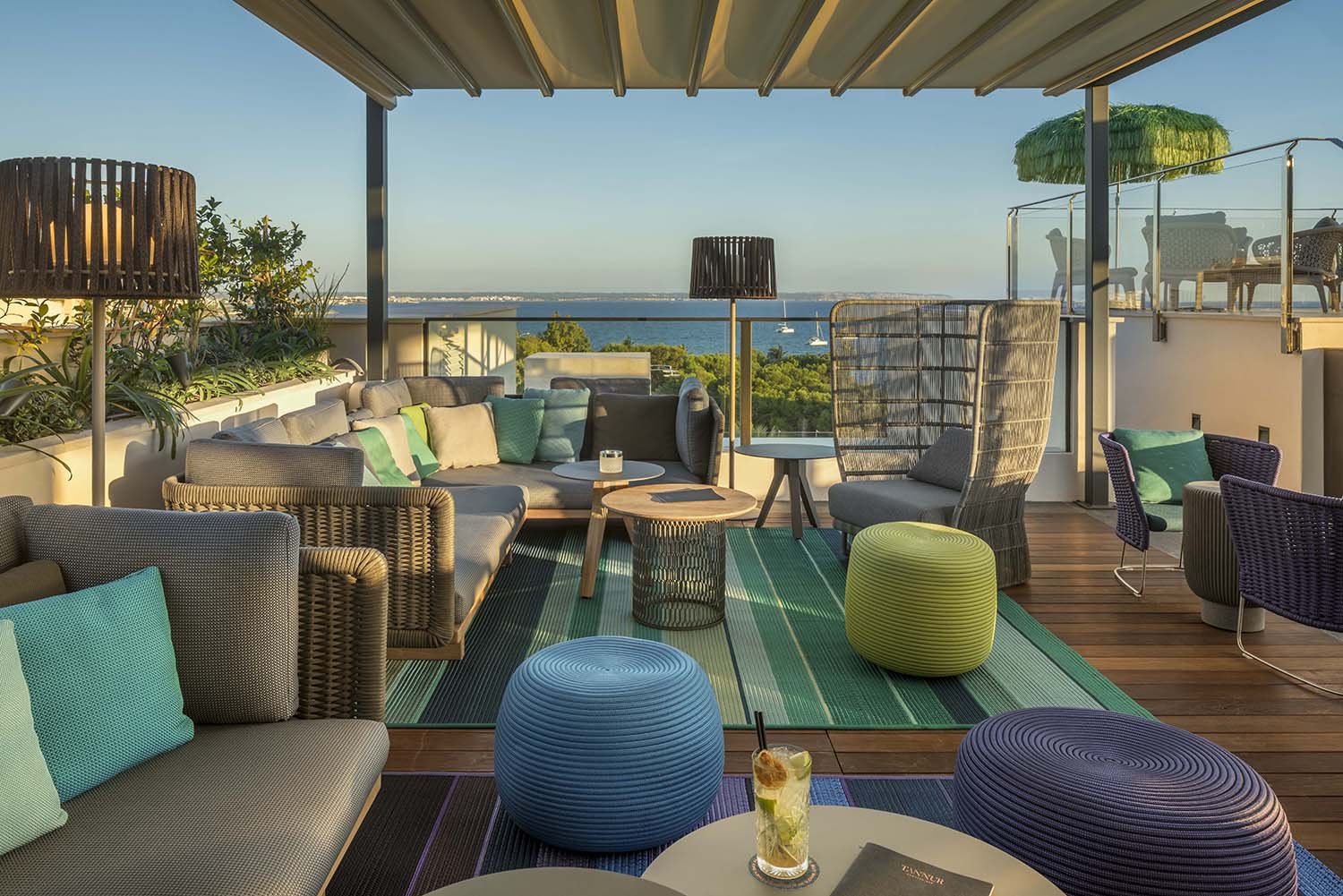
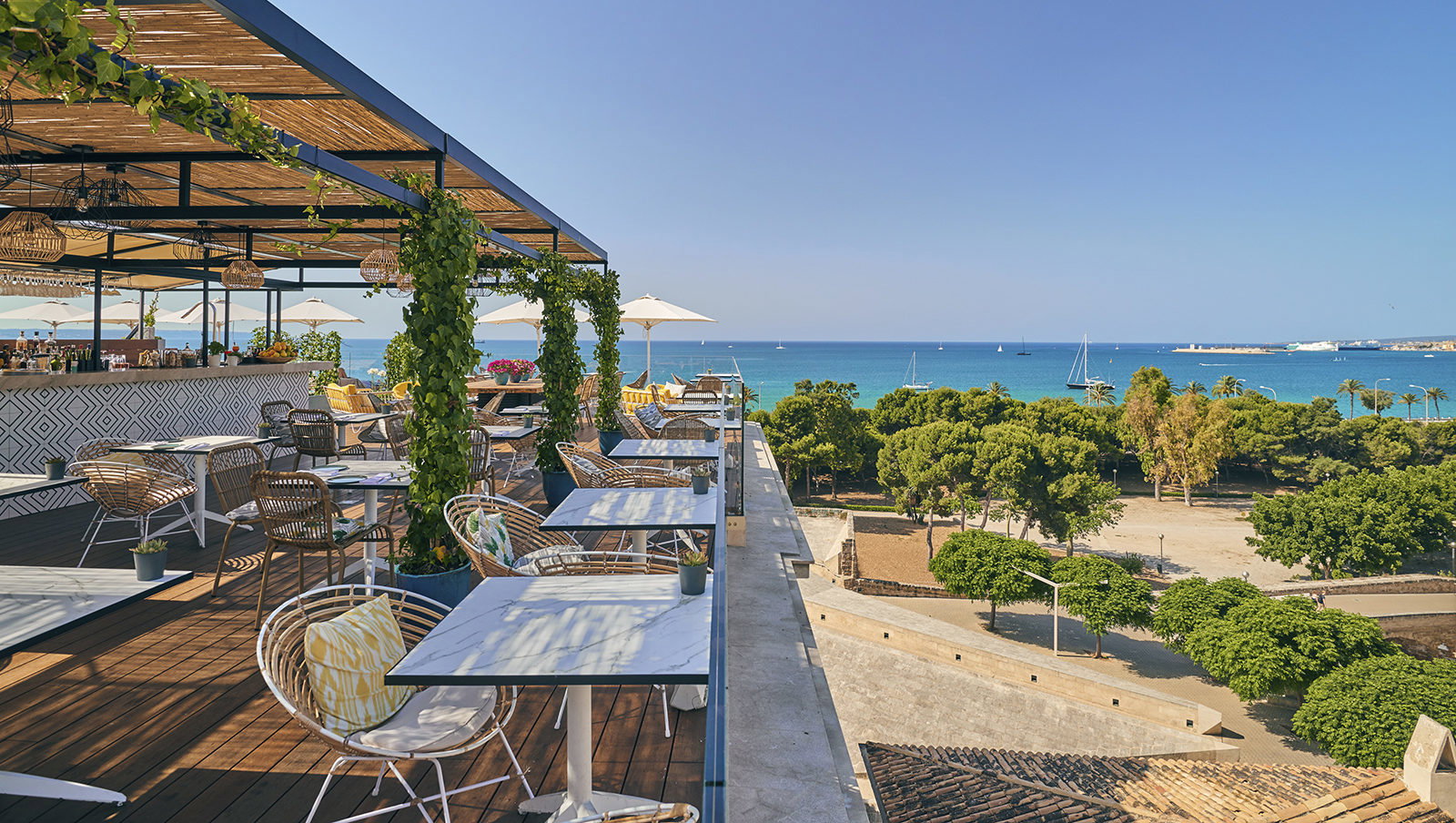
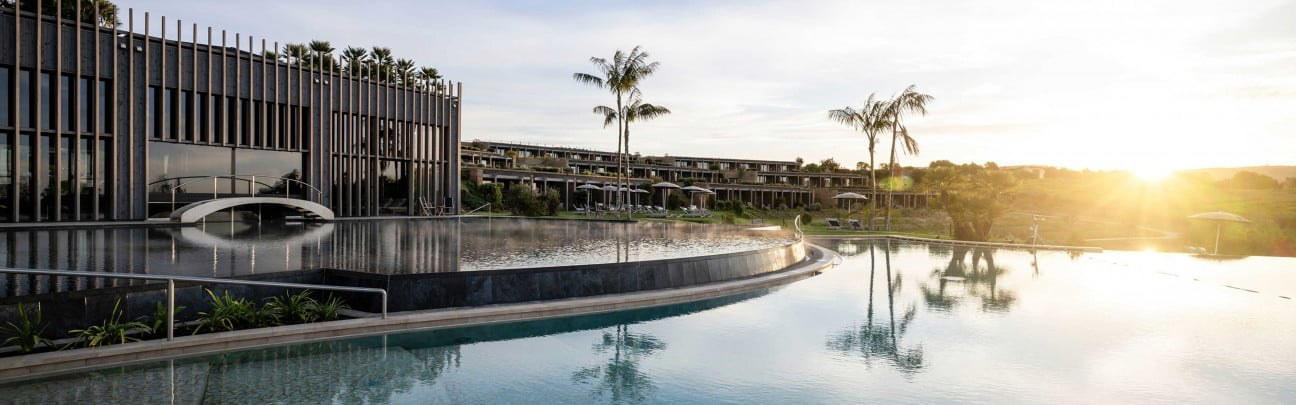
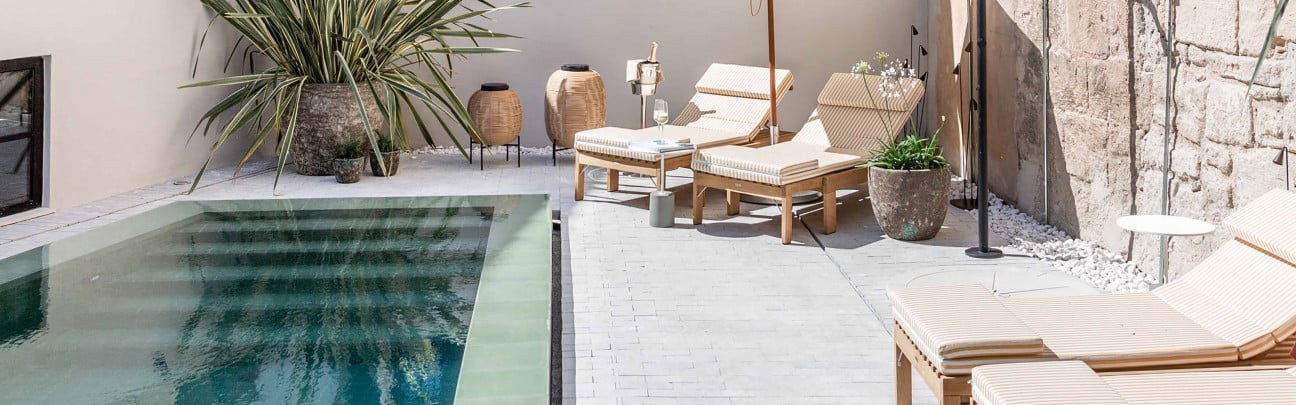
Serene and stylish oasis with warm lighting, cozy lounges, and a peaceful courtyard pool atmosphere praised for tranquility amid city buzz.
Tags
Vibe
Best For
Experience
Amenities
Accessibility
About the Stay
- Rooms
- 31
- Property Type
- Design hotel
- Property Style
- Boutique Design Hotel in Historic 16th Century Building Fusing Heritage and Modernity.
- Design Style
- Scandinavian Minimalist with Warm Brass, Dark Wood, Custom Tiles, and Bespoke Furniture.
- Breakfast
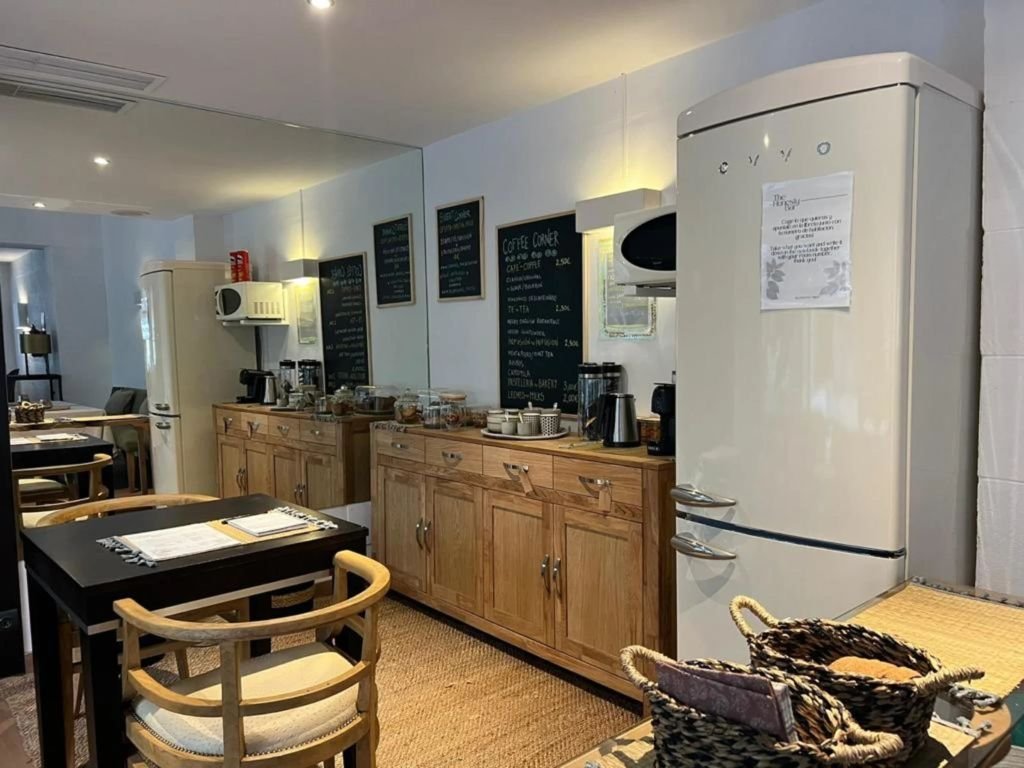
- Included
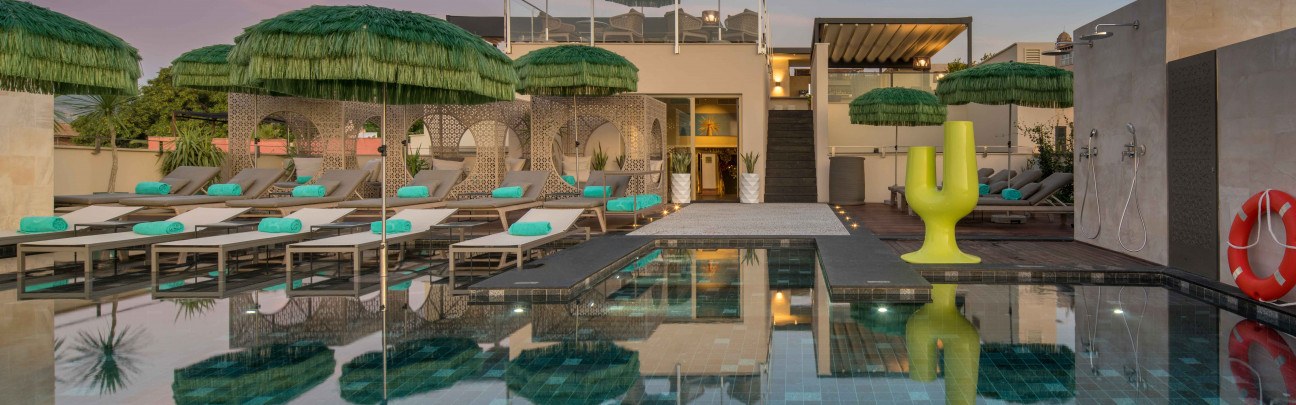
- Pool
- Yes
- Spa
- Yes
- Pets
- Allowed
Know before you go
Know Before You Go
- Getting there
- Carrer de la Concepció 34, 07012 Palma, Spain, Palma 07012, Spain
Planning details
Location
Carrer de la Concepció 34, 07012 Palma, Spain, Palma 07012, Spain · Directions
marriott.com/en-us/hotels/pmicn-concepcio-by-nobis-palma-a-member-by-design-hotels/overview
Recognition and awards
Also consider
Also Consider
- Palma Riad, Notable alternative
- Nobis Hotel Palma, Notable alternative
- Can Alomar Urban Luxury Retreat, Notable alternative
- Convent de La Missió, Grand Luxury Boutique Hotel, Notable alternative
- Can Bordoy Grand House & Garden, Notable alternative
Hotel context
How It Compares
Choose Concepció by Nobis if the priority is a polished Palma base with easy booking and a design-hotel signal. Palma Riad is the better fit for travelers who want a more theatrical, mood-heavy stay, while Nobis Hotel Palma is the closer comparison for guests who already like the Nobis style and want to compare room rates directly.
Can Alomar Urban Luxury Retreat is the stronger cross-shop for a luxury-retreat feel in Palma, especially for guests who want the hotel to carry more of the occasion. Can Bordoy Grand House & Garden is more compelling if ambiance and a sense of escape matter more than booking ease.
Convent de La Missió, Grand Luxury Boutique Hotel sits slightly outside the immediate Palma comparison set here, so it makes more sense for travelers who are prioritizing a quieter boutique-hotel mood over being in the densest city-hotel cluster. For value, compare live rates by room category rather than assuming the more atmospheric hotel is worth the premium.
Explore Palma
Around this place
Discover more on Pearl
Unlock the full Concepció by Nobis guide in Pearl, including awards, comparisons, FAQs, planning details, and nearby places.
Compare Concepció by Nobis
| Venue | Location | Awards |
|---|---|---|
| Concepció by Nobis | Palma | 2026 Design Hotels Collection2026 Mr & Mrs Smith Luxury Hotels2025 Michelin Selected Hotels |
| Palma Riad | Palma | Tablet Hotels Editors' Picks: Top 40 New Hotels — July 20262026 Mr & Mrs Smith Luxury Hotels2026 La Liste Top Hotels |
| Nobis Hotel Palma | Palma | 2026 Design Hotels Collection2026 Mr & Mrs Smith Luxury Hotels2026 Michelin 1 Key2025 Michelin 1 Key2024 Michelin 1 Key |
| Can Alomar Urban Luxury Retreat | Palma | 2026 La Liste Top Hotels |
| Convent de La Missió, Grand Luxury Boutique Hotel | Mallorca | 2026 Michelin 1 Key2025 Michelin 1 KeyPreferred Hotels L.V.X. Collection 2025 |
| Can Bordoy Grand House & Garden | Palma | 2026 La Liste Top Hotels2026 Michelin 1 Key2025 Michelin 1 KeyPreferred Hotels L.V.X. Collection 20252024 Michelin 1 Key |





How Concepció by Nobis Palma compares with similar nearby venues.
FAQ
Frequently Asked Questions
How is the location of Concepció by Nobis?
Concepció by Nobis is in Palma. Confirm the exact location through the venue or your booking channel before planning transfers or walking routes.
How is the dining at Concepció by Nobis?
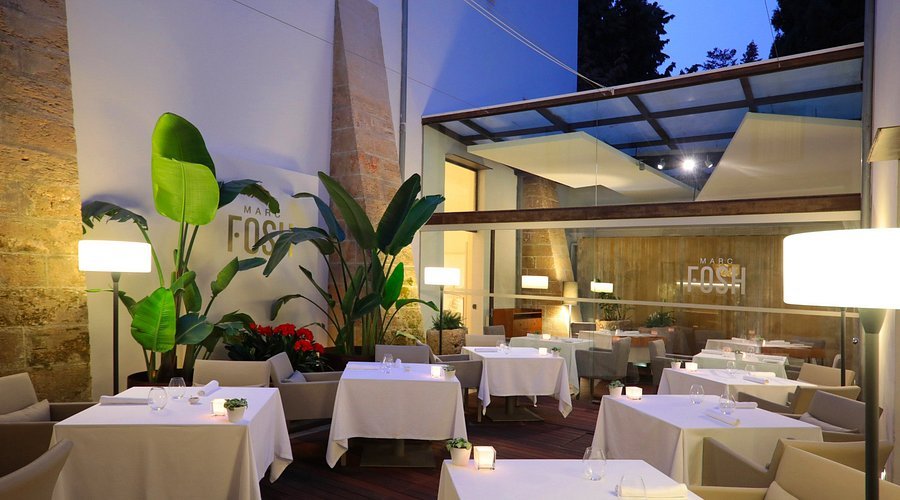
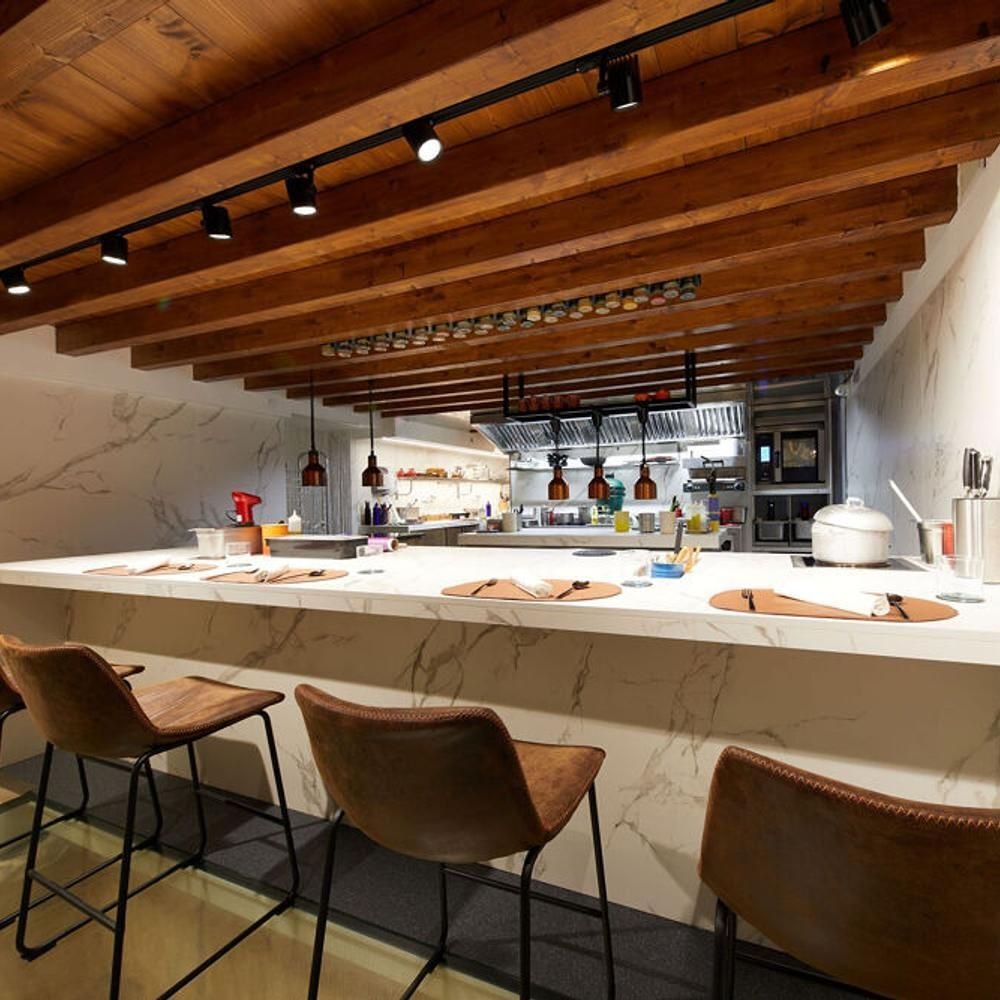
Specific dining details are not provided here. Do not assume a particular restaurant, bar, cuisine, menu format, or meal service without checking the venue's official channels for the latest details.
Is Concepció by Nobis good for business travel?
It may be worth considering for a Palma stay, especially if the confirmed 2026 Design Hotels Member recognition and Mr & Mrs Smith Seal of Approval match the style of trip you want. Business-specific amenities are not provided here, so confirm workspace, meeting, breakfast, transport, and cancellation needs before booking.
How is the pool and spa at Concepció by Nobis?
Pool and spa details are not provided here. If wellness facilities matter to the stay, confirm the current amenities directly with the venue or booking channel before you commit.
How does Concepció by Nobis compare to nearby properties?
Compare it with Palma options such as Nobis Hotel Palma, Palma Riad, Can Bordoy Grand House & Garden, Can Alomar Urban Luxury Retreat, and Convent de La Missió, Grand Luxury Boutique Hotel. For Concepció by Nobis, the confirmed signals are its 2026 Design Hotels Member recognition, Mr & Mrs Smith Seal of Approval, and smart-casual dress code; compare current rates and inclusions before choosing.
Do loyalty programs work at Concepció by Nobis?
Do not assume loyalty benefits until you check the booking channel. The record here confirms 2026 Design Hotels Member - Concepció by Nobis and the Mr & Mrs Smith Seal of Approval, but not any specific points, perks, or loyalty-program terms.