
Hotel Can Cera
Old Town (Casco Antiguo), Palma
Hotel in Palma, Spain
 Book with Pearl
The Read
Aristocratic Restraint
Why go
Book Hotel Can Cera if the priority is a quiet, historic-centre Palma base with Michelin 2 Keys recognition rather than resort scale. It is better suited to couples and design-minded city explorers than families or business travelers needing broad facilities, and room upgrades should be judged by usable space rather than prestige.
About Hotel Can Cera
Hotel Can Cera is a Palma hotel with Michelin 2 Keys recognition for 2024. Consider it when you want Hotel Can Cera specifically in Palma, and confirm any stay-specific needs directly before booking.
Book for a confirmed Palma hotel, not for unverified extras
The main decision is whether Hotel Can Cera fits the Palma trip you are planning. The hotel name, city, smart-casual dress code, and Michelin 2 Keys recognition in 2024 are confirmed; it should not be read as confirmation of particular facilities, room types, dining formats, parking, family amenities, or other operational details.
Use the accolade as a quality signal, then check the live booking page or contact the hotel for the details that will affect your stay. For a food-led itinerary, you can also pair the hotel search with Our full Palma restaurants guide while keeping hotel-specific assumptions separate from confirmed facts.
Room value: choose restraint unless the upgrade changes how you will use the stay
Without room-category detail here, the safer recommendation is to avoid reflexively upgrading. A higher category is only worth it if the live booking information shows a practical benefit you will actually use, such as a confirmed feature that matters for your trip.
For longer stays, room choice can matter more, but the decision should be based on confirmed descriptions and current rates rather than assumptions. If room choice is the deciding factor, compare Hotel Can Cera with other Palma options such as Hotel Antigua Palma, Hotel Cappuccino - Palma, Hotel Cort, and Sant Francesc Hotel Singular before locking in.
Who should skip it
Skip it if you need specific features that are not documented. If your trip depends on specific facilities, room configurations, accessibility details, parking, dining arrangements, or family amenities, verify those points directly before booking. Compare with other hotels in Palma and choose the property that documents what you need.
Planning details
- Location
- Carrer de Sant Francesc, 8, Centre, 07001 Palma, Illes Balears
- Website
- cancerahotel.com
- Phone
- +34 971 71 50 12
The take
The Take
The Vibe
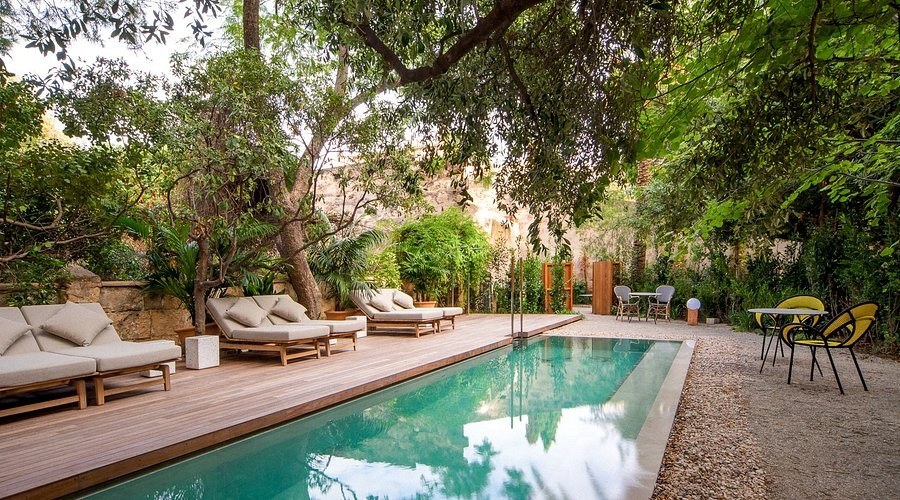
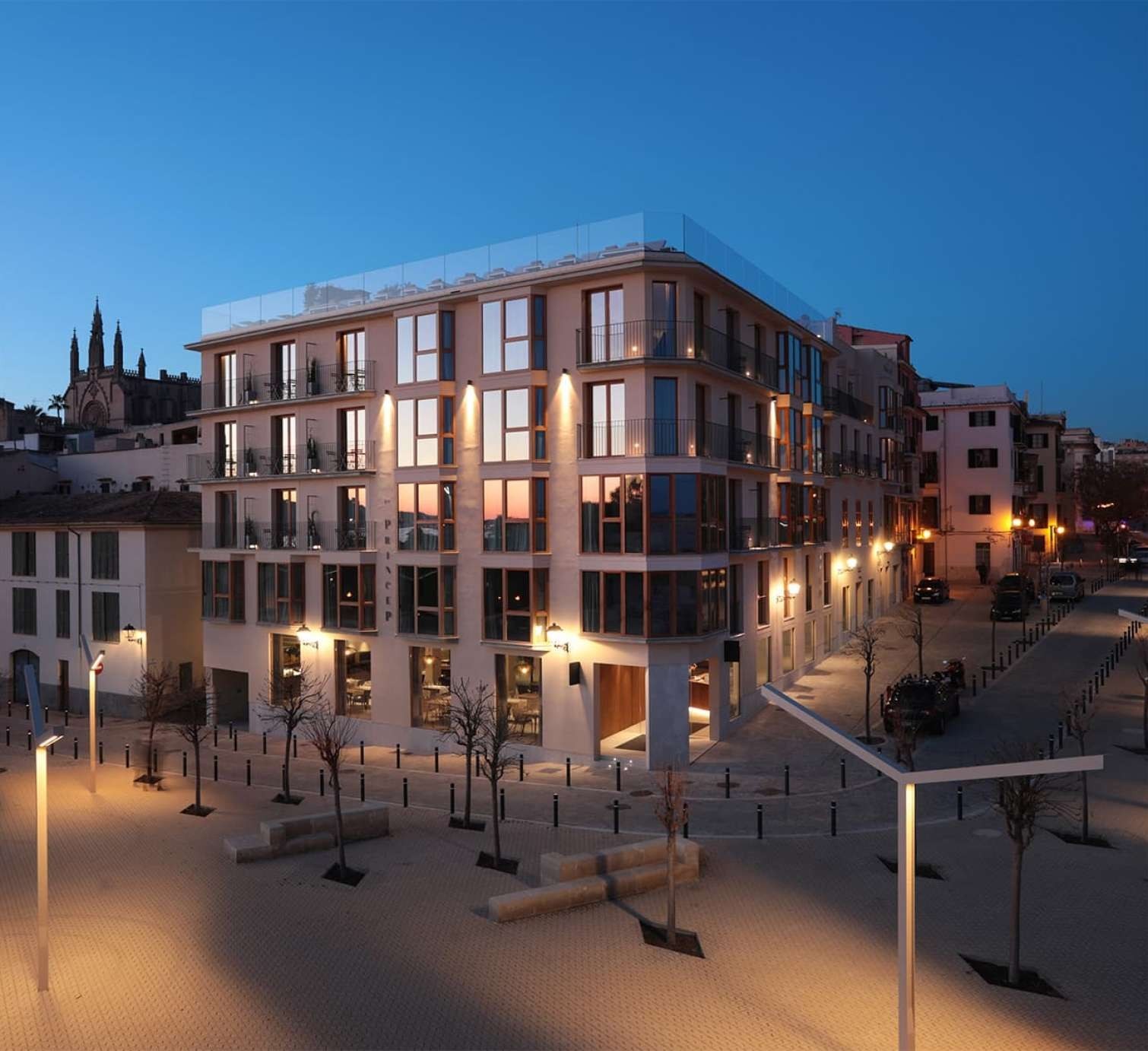
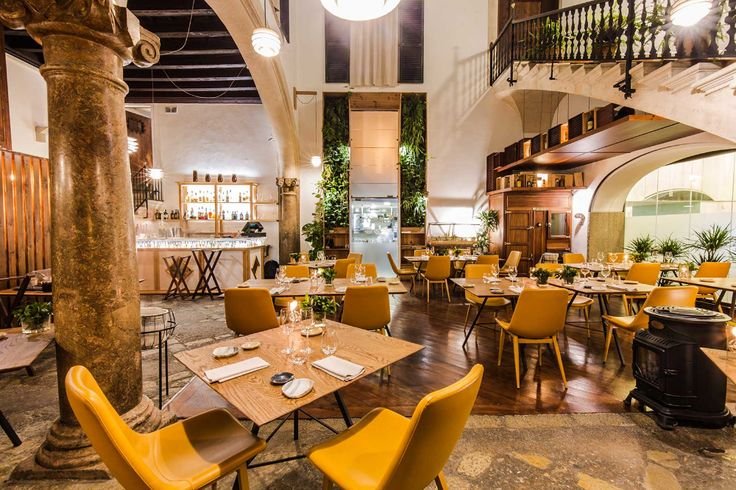
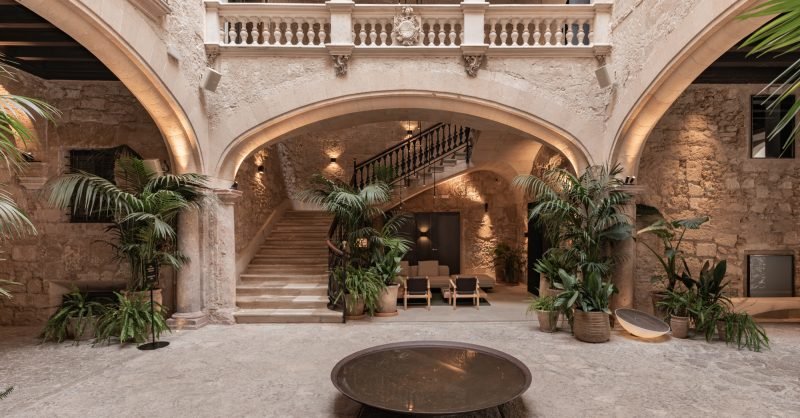
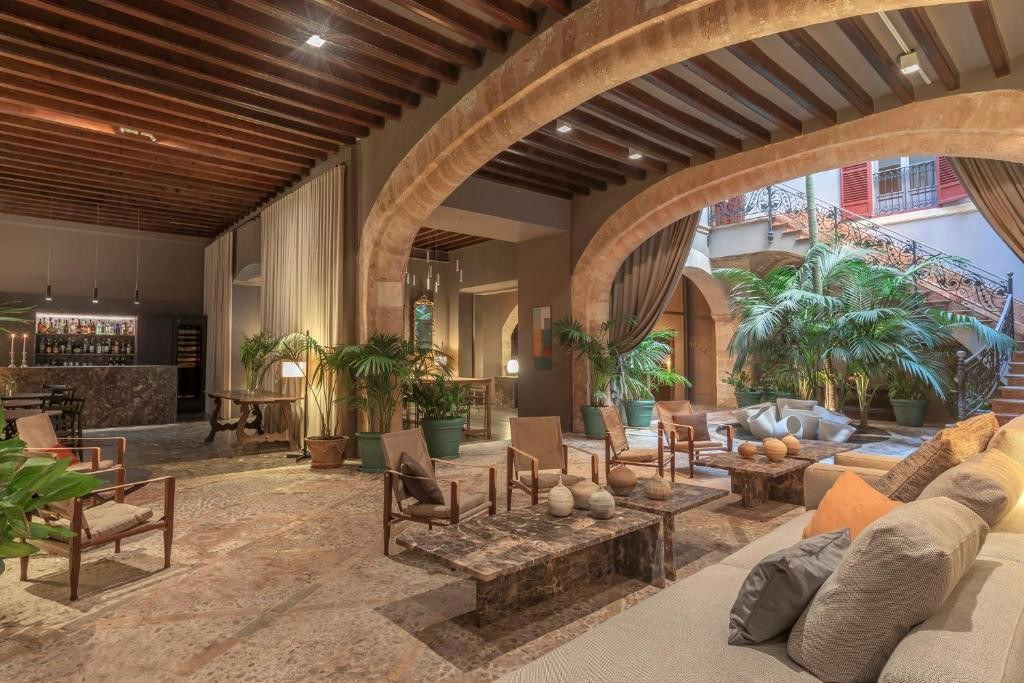
Can Cera reads like a quietly rewritten chapter of Palma’s Old City: a 13th‑century Mallorcan mansion whose layered architecture and 17th‑century salons create an immediately historic frame. Guests move through an unassuming stone archway into a leafy interior courtyard that feels intentionally secluded—potted plants and filtered light suggesting a small urban garden. The hotel operates with the hush of a private house rather than a busy property, and public rooms retain the relaxed salon character of a restored residence. Overall, the place feels serene and charming, a tucked‑away historic escape within Palma’s restored old quarter.
Best For
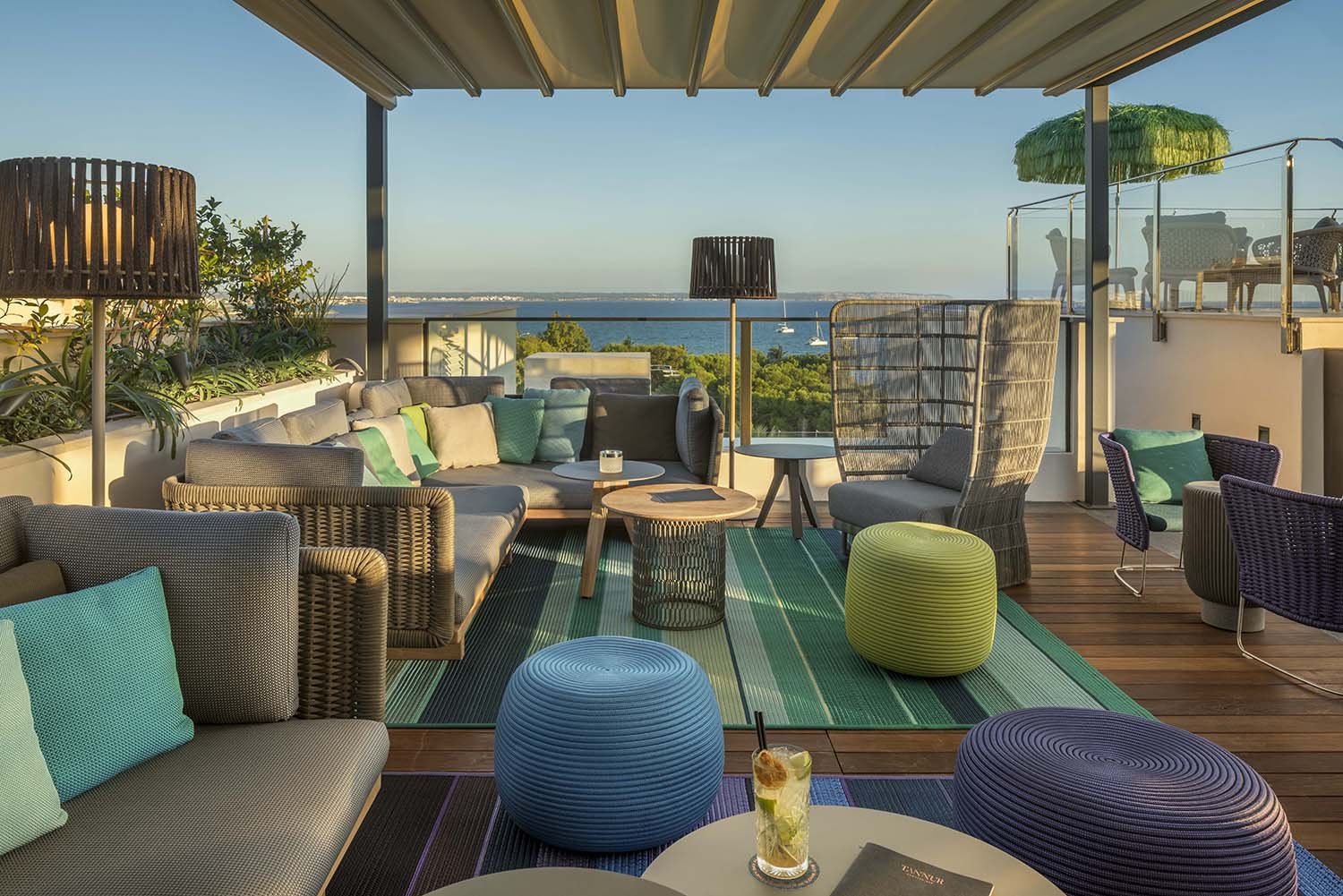
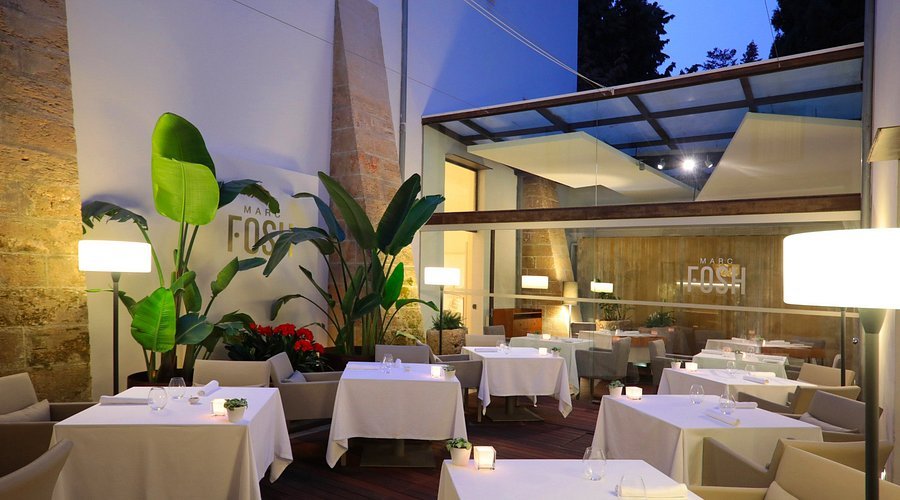
This is a hotel for travelers seeking calm and intimacy in Palma’s Old Town. The small scale—just a dozen rooms—paired with a spa and a ground‑floor gastro‑bar makes it well suited to wellness‑minded stays and romantic getaways where privacy and atmosphere matter. The quiet courtyard and salon‑style public rooms also make it a natural pick for couples celebrating an anniversary or anyone who prefers a low‑key, historic setting over the bustle of larger resorts. It’s less about nightlife and more about measured, restful time in the city center.
Stay Tips
Book well in advance: with only twelve rooms the property fills quickly, so reserve early to secure preferred dates. Request a room that faces the interior courtyard if you prioritize quiet and filtered light; the description highlights the courtyard as the hotel’s calm core. Plan to use the on‑site spa and sample the gastro‑bar that anchors the ground floor, both of which are specifically mentioned in the hotel’s recent renovation. Note the arrival is intentionally low‑key (no uniformed doorman called out), so allow for a relaxed, understated check‑in experience.
Venue details
Ambiance
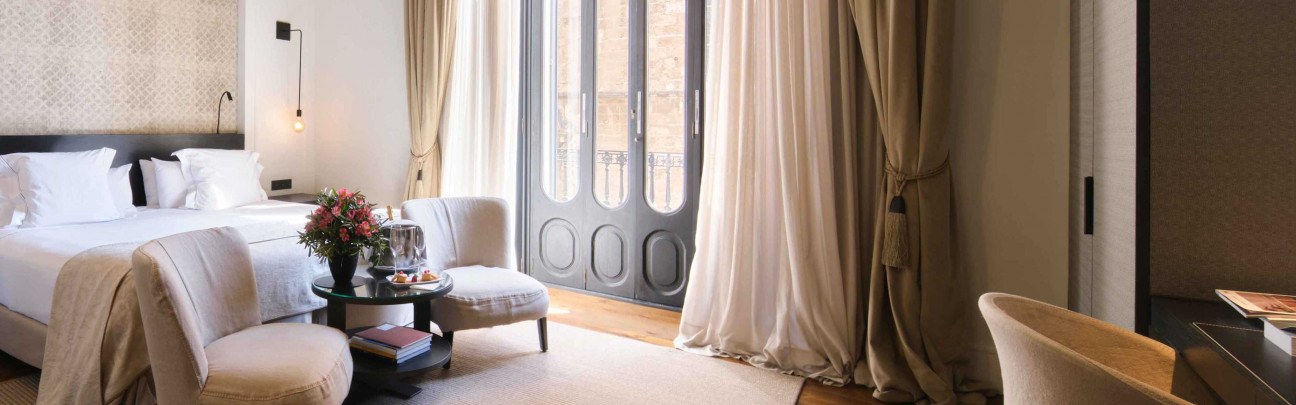
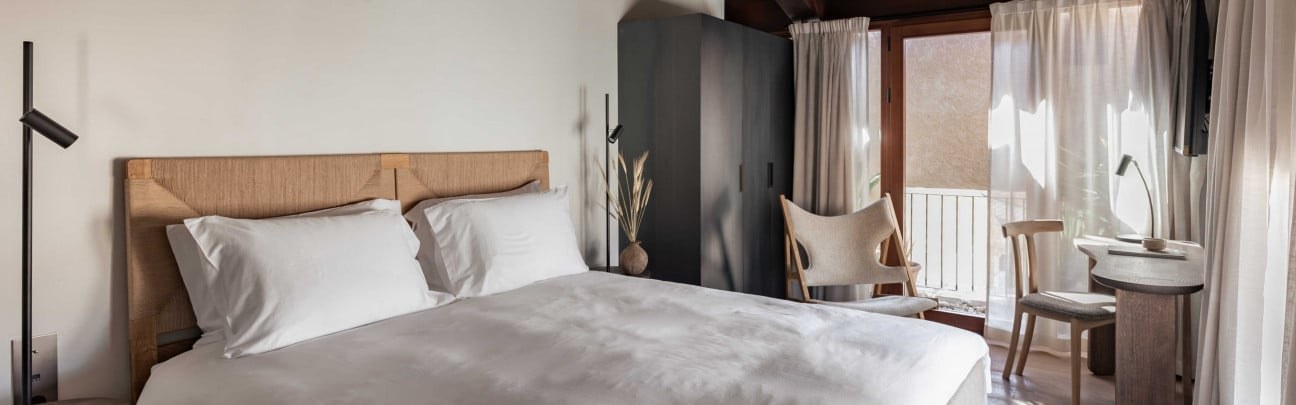
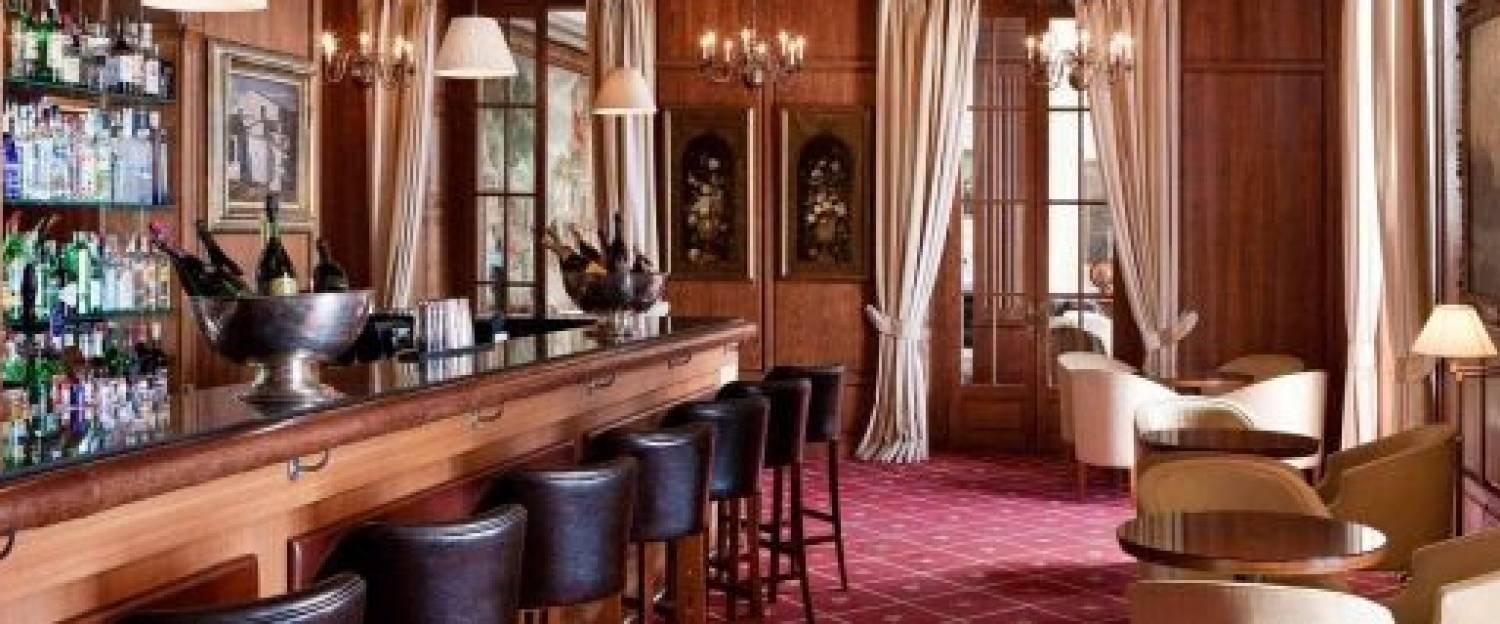
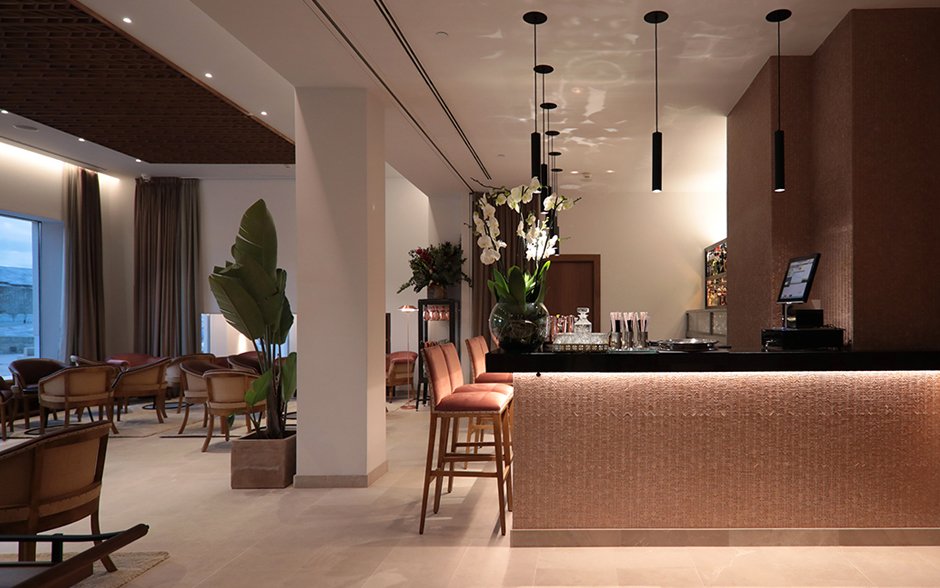
Intimate and theatrical with floor-length curtains, evocative lighting, and carefully selected period furniture and contemporary artwork creating an exclusive, design-focused atmosphere reminiscent of a luxury private mansion.
Tags
Vibe
Best For
Experience
Amenities
View
Accessibility
About the Stay
- Rooms
- 14
- Check-in
- 15:00
- Check-out
- 12:00
- Property Style
- Historic Luxury Boutique Hotel Positioned as an Exclusive Design Destination Blending 17th Century Mallorcan Architecture with Contemporary Art and Curated Antiques.
- Design Style
- Theatrical and Eclectic with Period Furniture, Contemporary Artwork, Dramatic Floor Length Curtains, and Sophisticated Modern Bathrooms Featuring Egyptian Cotton Linens and Designer Toiletries.
Know before you go
Know Before You Go
- Getting there
- Carrer de Sant Francesc, 8, Centre, 07001 Palma, Illes Balears
Planning details
Location
Carrer de Sant Francesc, 8, Centre, 07001 Palma, Illes Balears · Directions
Recognition and awards
Also consider
Also Consider
- Hotel Antigua Palma, Notable alternative
- Sant Francesc Hotel Singular, Notable alternative
- Sant Francesc Hotel Singular, Notable alternative
- Hotel Cappuccino - Palma, Notable alternative
- Hotel Cort, Notable alternative
Hotel context
How it compares in Palma
Hotel Antigua Palma is the more obvious cross-shop if the goal is another intimate historic stay, but Hotel Can Cera has the clearer trust signal thanks to Michelin 2 Keys (2024). Choose Can Cera when recognition and old-town calm matter; compare live rates carefully because the smarter value may be the lower room tier rather than an automatic upgrade.
Sant Francesc Hotel Singular is the peer to check if you want a more polished grand-boutique feel in Palma. Can Cera is the better fit for travelers who prefer a quieter, more residential-feeling base, while Sant Francesc is likely to suit guests who want a more visible hotel scene. For difficult dates, check both early rather than waiting for last-minute availability.
Hotel Cappuccino - Palma and Hotel Cort make more sense if the stay is built around a livelier central atmosphere. Pick Can Cera for calm and heritage mood; pick Cappuccino or Cort if being closer to visible street energy is more important than retreat-like quiet.
Explore Palma
Around this place
Discover more on Pearl
Unlock the full Hotel Can Cera guide in Pearl, including awards, comparisons, FAQs, planning details, and nearby places.
Compare Hotel Can Cera
| Venue | Location | Awards |
|---|---|---|
| Hotel Can Cera | Palma | Michelin 2 Keys 20252025 Michelin 2 Keys2024 Michelin 2 Keys |
| Hotel Antigua Palma | Mallorca | No published awards |
| Sant Francesc Hotel Singular | Palma | 2026 Virtuoso Luxury Hotel Collection2026 Mr & Mrs Smith Luxury Hotels2026 La Liste Top HotelsMichelin 1 Key 20252025 Michelin 1 KeySmall Luxury Hotels Member 20252024 Michelin 1 Key |
| Sant Francesc Hotel Singular | Mallorca | 2026 Virtuoso Luxury Hotel Collection2026 Mr & Mrs Smith Luxury Hotels2026 La Liste Top HotelsMichelin 1 Key 20252025 Michelin 1 KeySmall Luxury Hotels Member 20252024 Michelin 1 Key |
| Hotel Cappuccino - Palma | Palma de Mallorca | No published awards |
| Hotel Cort | Mallorca | No published awards |




How Hotel Can Cera Palma compares with similar nearby venues.
FAQ
Frequently Asked Questions
Is Hotel Can Cera family-friendly?
When is the best time to book Hotel Can Cera?
If your Palma dates are fixed, check live availability early and confirm the cancellation terms before committing.
How does Hotel Can Cera compare to nearby hotels?
Hotel Can Cera is a Palma hotel with Michelin 2 Keys recognition for 2024. For comparison, you may also look at Hotel Antigua Palma, Hotel Cappuccino - Palma, Hotel Cort, and Sant Francesc Hotel Singular, then decide based on current rates and the specific details each hotel confirms.
How is the location of Hotel Can Cera?
Which room category is best at Hotel Can Cera?
Choose based on the current room descriptions, rates, and any features confirmed by the hotel, rather than assuming one category is automatically the best value.
Do loyalty programs work at Hotel Can Cera?
Is Hotel Can Cera good for business travel?
Hotel Can Cera may be considered for a Palma stay, but confirm the operational details you need before booking.