
Villa Lena Agriturismo
Palaia
Hotel in Palaia, Italy
 Book with Pearl
Why go
Book Villa Lena Agriturismo if you want a quieter Tuscan countryside base in Palaia rather than a formal resort. Its MICHELIN Guide hotel selection gives the stay a useful trust signal, but travelers seeking full-service luxury should also compare Castelfalfi and Borgo Pignano before deciding.
About Villa Lena Agriturismo
Should you stay at Villa Lena Agriturismo in Palaia? Consider it if you are specifically looking at this Palaia property and want a stay with a casual dress code. Villa Lena Agriturismo is listed in the MICHELIN Guide Hotels Selected for 2025.
The safest way to evaluate the property is not by assuming a specific cuisine, service style, amenity set, or itinerary. Treat Palaia as the location, confirm practical details directly with the venue before booking, and compare it with other properties only on the basis of current official information.
A Palaia stay with a casual dress code and Michelin hotel recognition
The appeal is simple: Villa Lena Agriturismo is in Palaia, has a casual dress code, and is included in the MICHELIN Guide Hotels Selected for 2025. That recognition can be a useful confidence signal, but it should not be stretched into claims about specific facilities, dining formats, pricing, or services.
Travelers comparing options can also look at Castelfalfi or Borgo Pignano as separate reference points, while checking each property's current details directly. If the priority is Villa Lena Agriturismo itself, keep the decision anchored to the property's stated details rather than assumptions about a specific style of stay.
How to plan the stay without overbuilding the itinerary
Plan around the location: Palaia. For food-focused travelers, pair the stay with Our full Palaia restaurants guide; for broader planning, consult current local resources and the venue's own channels before making firm plans.
Book this only after confirming the practical details that matter to your trip, such as arrival logistics, services, and any on-property offerings. For additional comparisons, look at Borgo Pignano, Castelfalfi, Colle Alberti Country House, La Collegiata, and Villa Petriolo as separate reference points rather than assuming they offer the same experience.
Planning details
- Location
- Strada Comunale di Toiano, 25, 56036 Toiano PI, Italy
- Website
- villa-lena.it
- Phone
- +39 0587 083111
The take
The Take
The Vibe
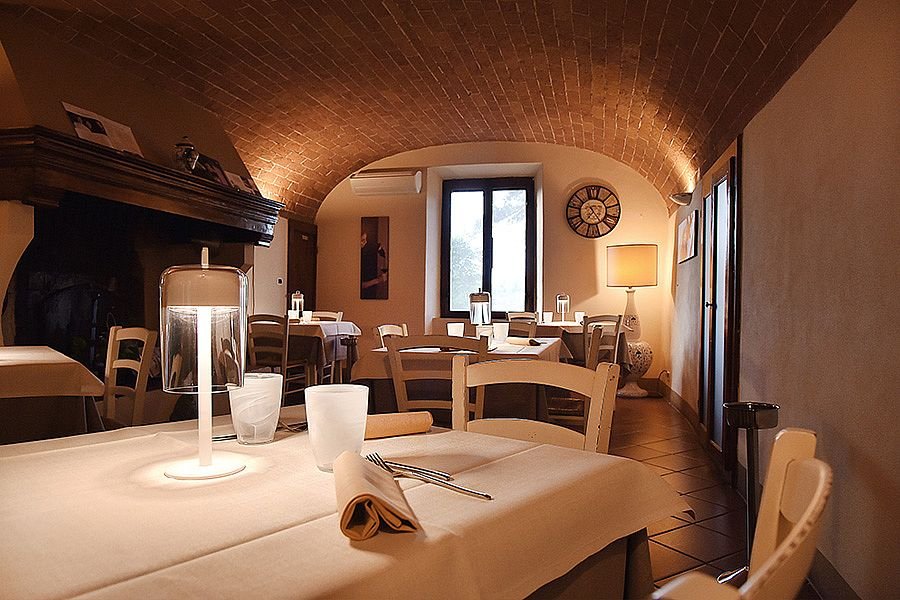
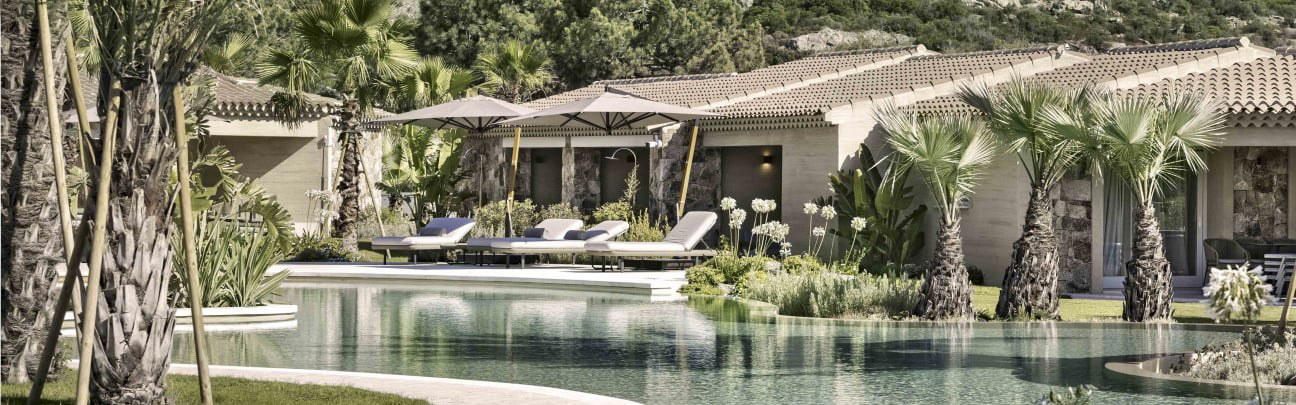
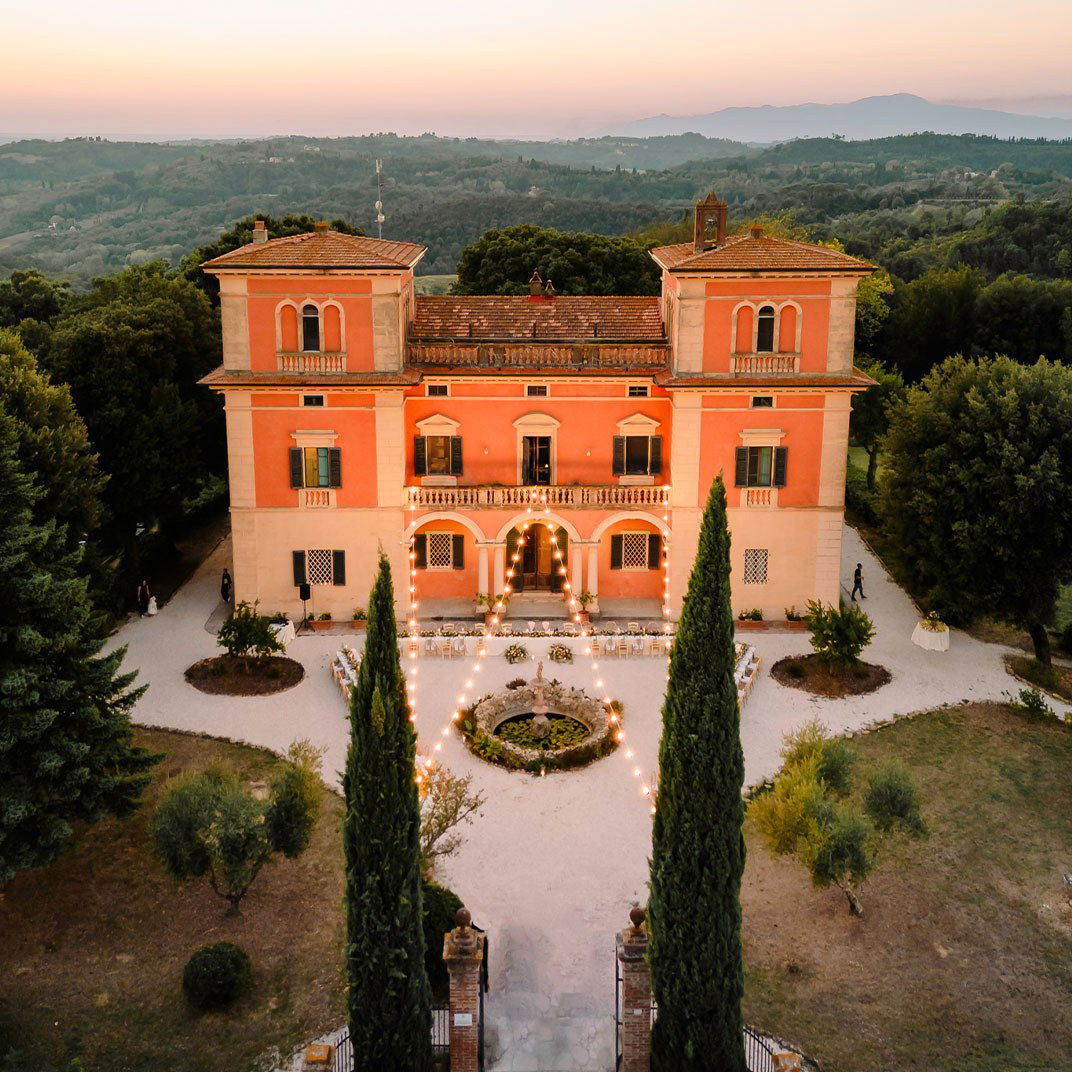
Villa Lena Agriturismo presents a quietly refined take on countryside stays, marrying restored medieval fabric with contemporary architectural interventions. The property sits amid the rolling agricultural hills between Volterra and Pisa, and silence and slow rhythms are part of the experience. Rather than a rustic, ad-hoc farmhouse, Villa Lena reads as a design project: stone and history are held deliberately alongside modern touches, giving the estate a sophisticated, serene character. The Michelin Selected designation underscores that this is a place for guests who value thoughtful restoration, considered aesthetics, and the rare calm of inland Tuscany.
Best For
Villa Lena is best for travelers seeking a restorative countryside escape where architecture and quiet matter as much as location. The estate is well suited to solo explorers and small groups who want to decelerate away from typical tourist circuits, and it naturally supports weekend escapes, wellness-minded stays, and romantic getaways that prize privacy and design. Guests who favor contemplative walks across estate grounds or who appreciate historically layered buildings with contemporary interventions will find the property particularly rewarding. It is less about nightlife and more about slow, design-focused downtime.
Stay Tips
Set expectations around the property's identity: Villa Lena is a design-led agriturismo, not a basic working farm, and the Michelin Selected status signals a curated hospitality approach. Book in advance—especially for weekend or holiday stays—since the estate occupies a quieter, off-the-beaten-track area of the Pisan hills. Pack for slow outdoor exploration of the grounds and nearby medieval settlements rather than urban sightseeing. If you care about specific room types or architectural details, check descriptions and photos closely before reserving, as the experience hinges on restoration and contemporary interventions rather than standard hotel amenities.
Venue details
Ambiance
Bright, airy, and serene with a lively creative energy; bohemian atmosphere enhanced by artist-in-residence programs, candlelit performances, and communal dining experiences.
Tags
Vibe
Best For
Experience
Amenities
View
About the Stay
- Rooms
- 23
- Check-in
- 14:30
- Check-out
- 11:30
- Property Type
- Boutique hotel
- Property Style
- Contemporary Classic with Rustic Earth Tones and Locally Sourced Custom Furniture; a Hybrid Creative Residence and Agritourism Hotel.
- Design Style
- Rustic Contemporary Blend Featuring Converted 19th Century Agricultural Buildings with Curated Artist Works and Sustainable Design Elements.
- Breakfast
- Included
- Pool
- Yes
- Families
- Welcome
Know before you go
Know Before You Go
- Getting there
- Strada Comunale di Toiano, 25, 56036 Toiano PI, Italy
Planning details
Location
Recognition and awards
Also consider
If you cannot get the dates
Cross-shop Castelfalfi if the trip needs a more resort-like setup, or Villa Petriolo if the goal is another countryside stay with a softer rural feel. For a more polished splurge, compare Borgo Pignano before settling on dates.
Hotel context
How it compares in the Palaia countryside set
Choose Castelfalfi or Borgo Pignano if the brief is a more resort-like Tuscan stay with a higher-service feel. Villa Lena Agriturismo is the more relaxed choice for guests who want the countryside to feel less formal and are not trying to maximize facilities.
Colle Alberti Country House and Villa Petriolo are the better cross-shops if value and a gentler rural mood matter more than a name-brand luxury signal. Villa Lena Agriturismo sits in the middle of that decision: more vetted than a basic country-house punt, less obviously resort-driven than the bigger countryside names.
Also compare La Collegiata if location and classic Tuscan atmosphere matter more than the agriturismo angle. For first-timers who want an easy countryside stay without overcommitting to a grand resort, Villa Lena Agriturismo is the cleaner pick.
Explore Palaia
Around this place
Discover more on Pearl
Unlock the full Villa Lena Agriturismo guide in Pearl, including awards, comparisons, FAQs, planning details, and nearby places.
Compare Villa Lena Agriturismo
| Venue | Location | Awards |
|---|---|---|
| Villa Lena Agriturismo | Palaia | 2025 Michelin Selected Hotels |
| Castelfalfi | Montaione | 2026 Virtuoso Luxury Hotel Collection2026 Forbes 5-Star2026 La Liste Top HotelsConde Nast Gold List 20262026 Michelin 2 Keys2025 Travel + Leisure 100 Favorite Hotels in the World · #172025 Michelin 2 Keys2025 Forbes 5-StarPreferred Hotels Member 2025 |
| Colle Alberti Country House | Cerreto Guidi | No published awards |
| Villa Petriolo | Cerreto Guidi | Tablet Hotels Editors' Picks: Top 40 New Hotels — July 20262026 Michelin Guide New Hotels2026 Michelin 1 Key2025 Michelin 1 KeySmall Luxury Hotels Member 2025 |
| La Collegiata | San Gimignano | No published awards |
| Borgo Pignano | Volterra | 2026 Virtuoso Luxury Hotel Collection2026 La Liste Top Hotels2025 Michelin Selected HotelsPreferred Hotels Member 2025 |











How Villa Lena Agriturismo Palaia compares with similar nearby venues.
FAQ
Frequently Asked Questions
What is check-in like at Villa Lena Agriturismo?
How is the pool and spa at Villa Lena Agriturismo?
How is the dining at Villa Lena Agriturismo?
How does Villa Lena Agriturismo compare to other properties?
Villa Lena Agriturismo is a Palaia option with MICHELIN Guide Hotels Selected (2025) recognition and a casual dress code. For comparison, check current official details for Borgo Pignano, Castelfalfi, Colle Alberti Country House, La Collegiata, and Villa Petriolo before deciding.