

Zentis Osaka
Kita, Osaka
Hotel in Osaka, Japan
 Book with Pearl
Why go
Zentis Osaka is worth considering for a design-led Kita base, especially when rates sit clearly below the city's luxury towers. It suits first-timers focused on Umeda, business travel, and central Osaka movement more than guests seeking a resort-style hotel with major facilities.
About Zentis Osaka
Is Zentis Osaka worth booking for an Osaka stay? It can be, especially for travelers who are specifically looking at Zentis Osaka as a Design Hotels member in Osaka rather than choosing solely by a broad hotel checklist. Zentis Osaka is recognized as a 2026 Design Hotels Member and is listed in the MICHELIN Guide, Hotels Selected for 2025.
Compare live rates against Conrad Osaka, Four Seasons Hotel Osaka, and The Ritz-Carlton, Osaka. If Zentis Osaka is meaningfully cheaper on your dates, it may be a sensible Osaka option. If the gap narrows, compare what each hotel includes before booking.
A design-hotel choice in Osaka
Zentis Osaka is best described here by its confirmed positioning: it is a Design Hotels member in Osaka. That matters because it gives travelers a clear starting point for comparison without inventing details about room count, facilities, dining, or service format.
For a first visit, the location decision should be handled simply: Zentis Osaka is in Osaka. If you are also considering other Osaka stays, compare it with named options such as Aloft Osaka Dojima, Candeo Hotels Osaka The Tower, Conrad Osaka, Four Seasons Hotel Osaka, and The Ritz-Carlton, Osaka, then choose according to your itinerary and live rates.
When the rate makes sense
The timing strategy is simple: price-check Zentis Osaka against other Osaka hotels before committing. Aloft Osaka Dojima is another option to compare, while Conrad Osaka, Four Seasons Hotel Osaka, and The Ritz-Carlton, Osaka are useful reference points for travelers considering different Osaka stays.
Without seasonal pricing, package details, or amenity information, avoid assuming a fixed value hierarchy. Check your actual dates, the cancellation terms, and confirm any must-have services directly with the hotel before booking.
Bottom line: Zentis Osaka is easiest to justify when you want an Osaka hotel with confirmed Design Hotels membership and MICHELIN Guide Hotels Selected recognition, and when the live rate fits your trip better than the alternatives you are considering.
Inside Zentis Osaka
Planning details
- Location
- 1-4-26 Dojimahama, Kita-ku, Osaka 530-0004, Japan
- Phone
- +81 6-4796-0111
The take
The Take
The Vibe
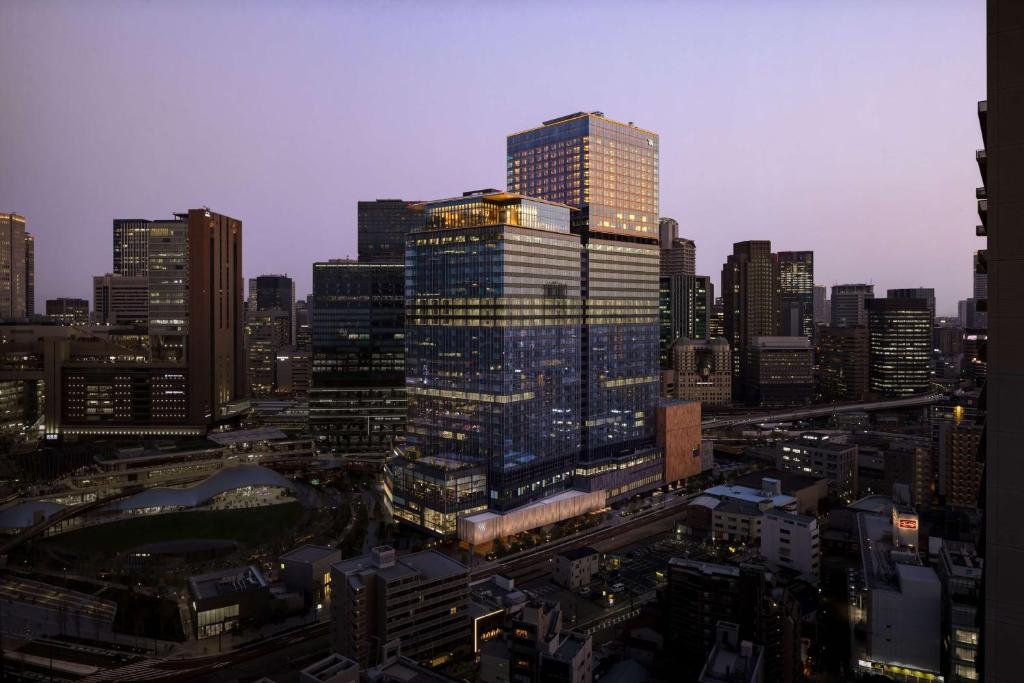
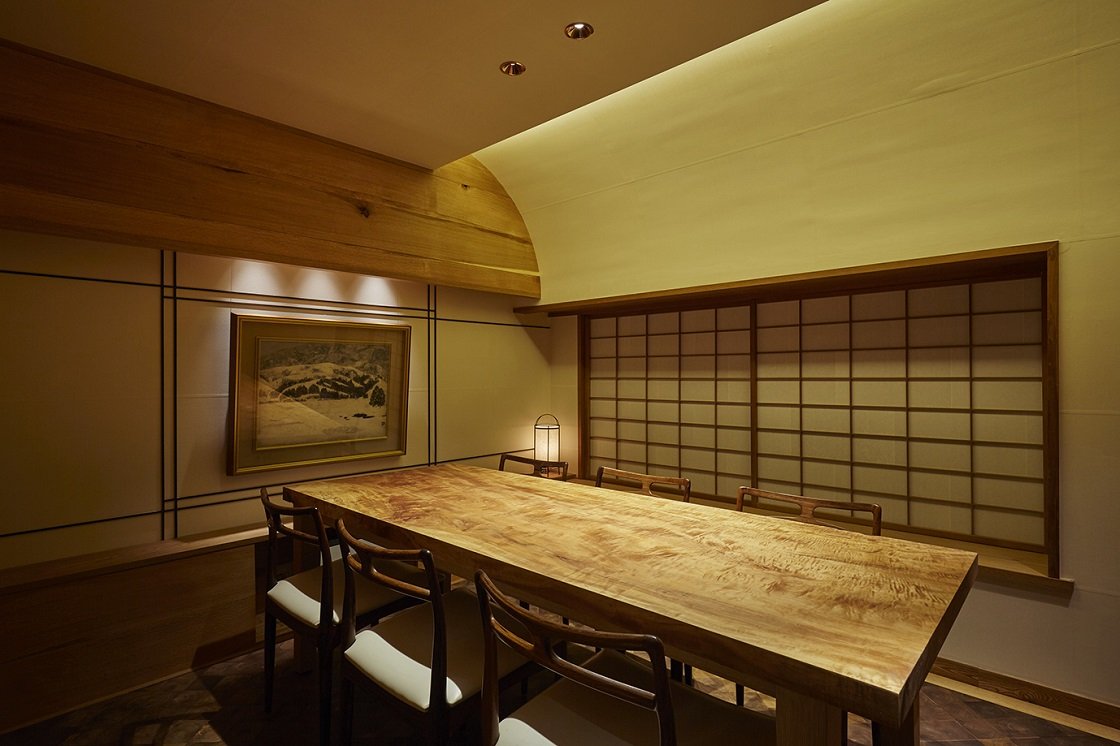
Zentis Osaka reads as a boutique, riverside alternative to the city’s large tower hotels. It sits along the Dojima River and cultivates a quieter, more intimate presence — tighter key counts and design gestures that reference local materials and craft traditions give the property a distinct, human scale. The hotel’s French–Japanese culinary stance is presented as a considered editorial statement rather than a novelty, reinforcing a restrained, scenic atmosphere. Guests find a refined, calm experience that emphasizes craft and context over spectacle, making the property feel quietly charming and deliberately small in a city of scale.
Best For
Zentis Osaka is built for travelers who prefer a boutique rhythm to the sprawling tower hotels nearby. It suits business travelers during the week — the neighborhood reads as business-facing — and shifts into a calm, residential feel on weekends, making it a good option for short urban weekend escapes. Food-minded guests also benefit: the hotel’s dining program is integrated into the stay, so those who prioritize culinary experiences will find the property rewarding. Overall, it’s ideal for guests seeking focused design, quiet riverside surroundings, and a food-forward boutique hotel stay.
Stay Tips
Treat the hotel’s dining program as part of the stay rather than an afterthought: plan to reserve time for an evening at the property’s French–Japanese restaurant, since the culinary approach is framed as a key element of the experience. Choose rooms facing the Dojima River if a quieter, scenic aspect matters to you, as the property’s setting along the river is a defining characteristic. For business travelers, plan weekday logistics around the hotel’s business-facing neighborhood, and for weekend stays expect a more residential calm and a relaxed pace in the surrounding streets.
Venue details
Ambiance
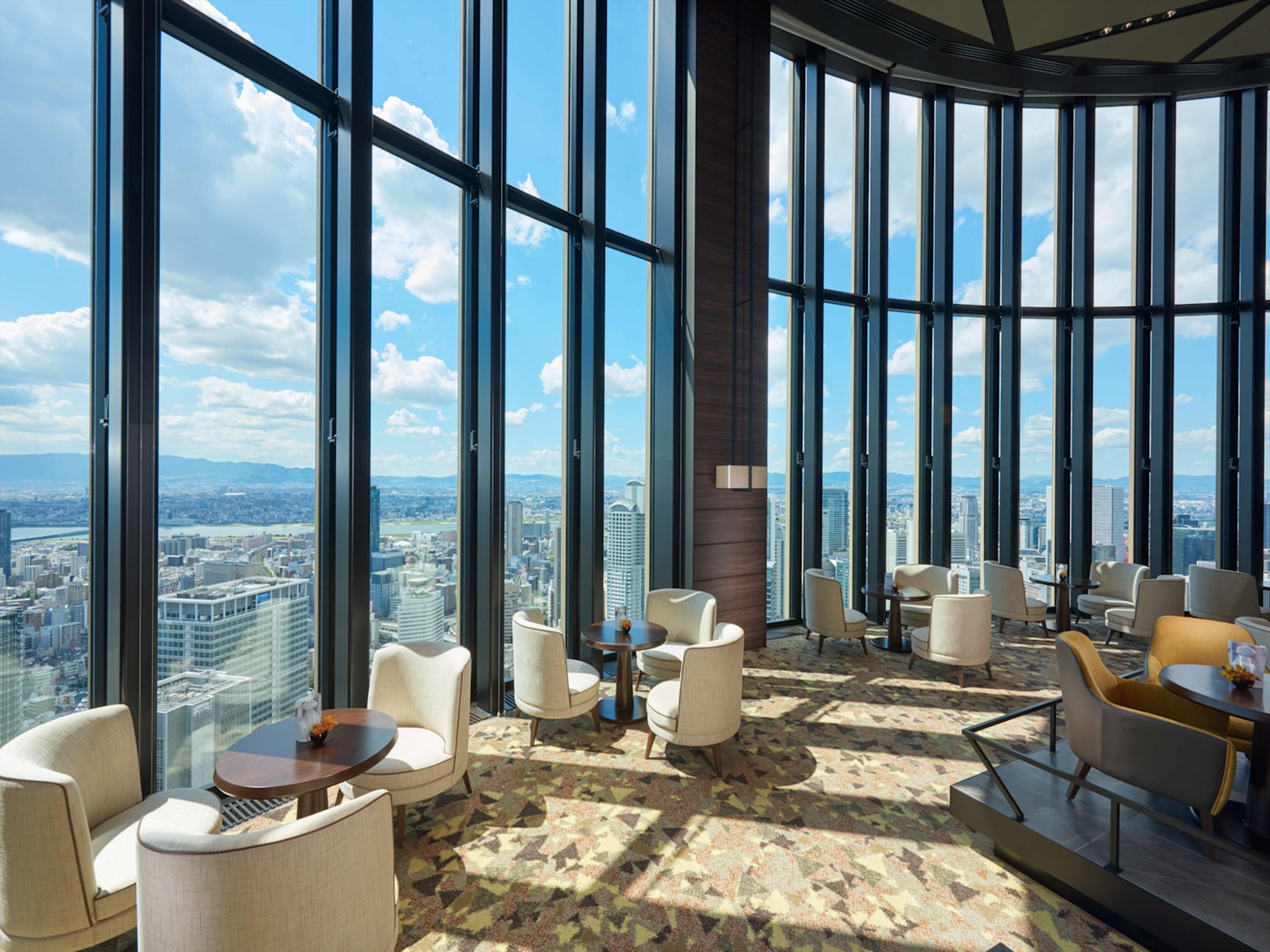
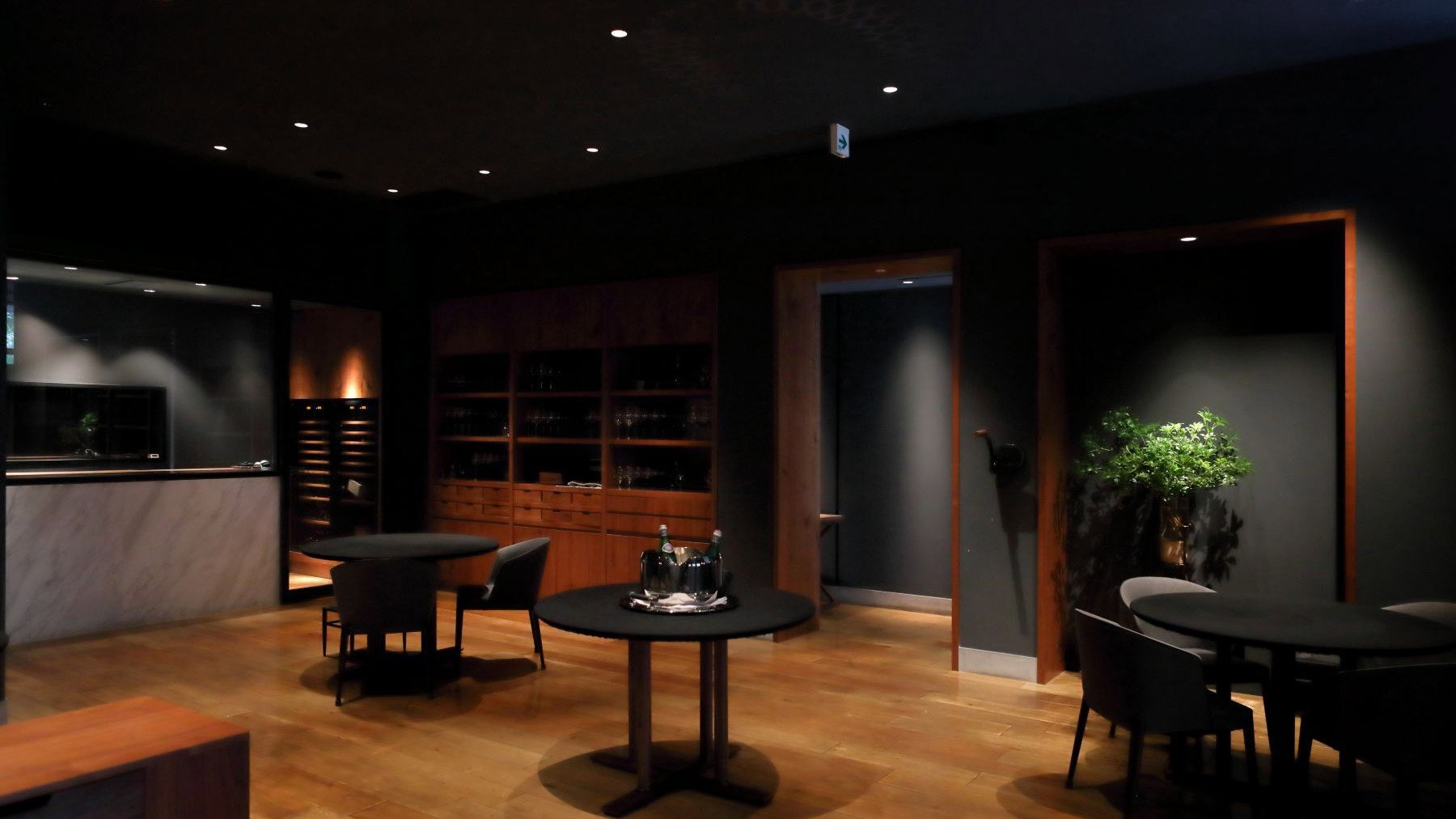
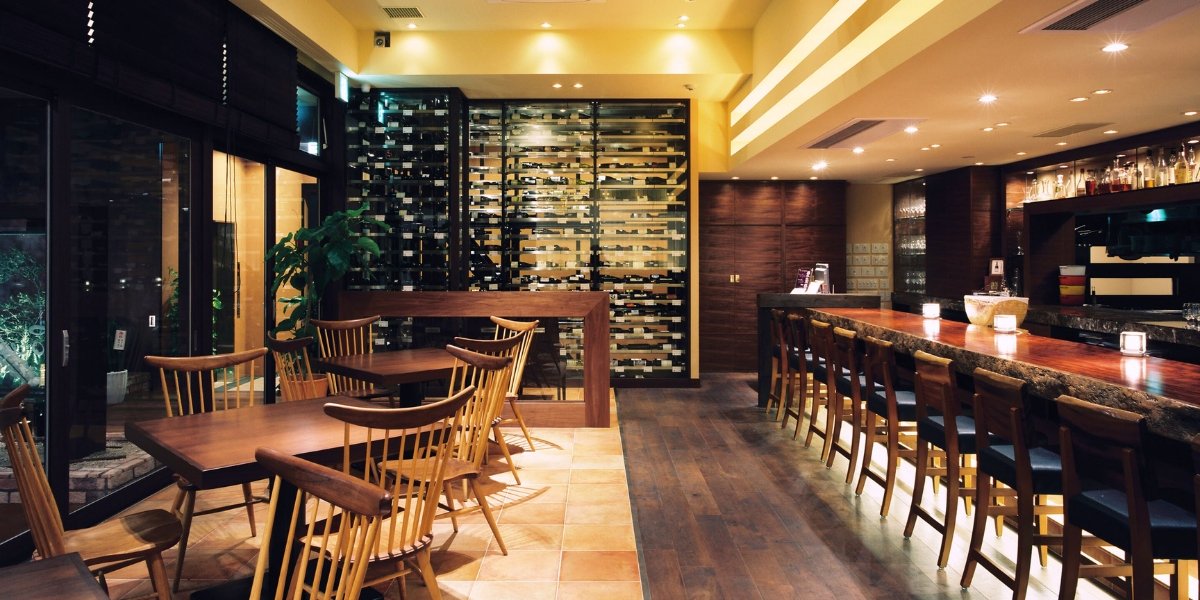
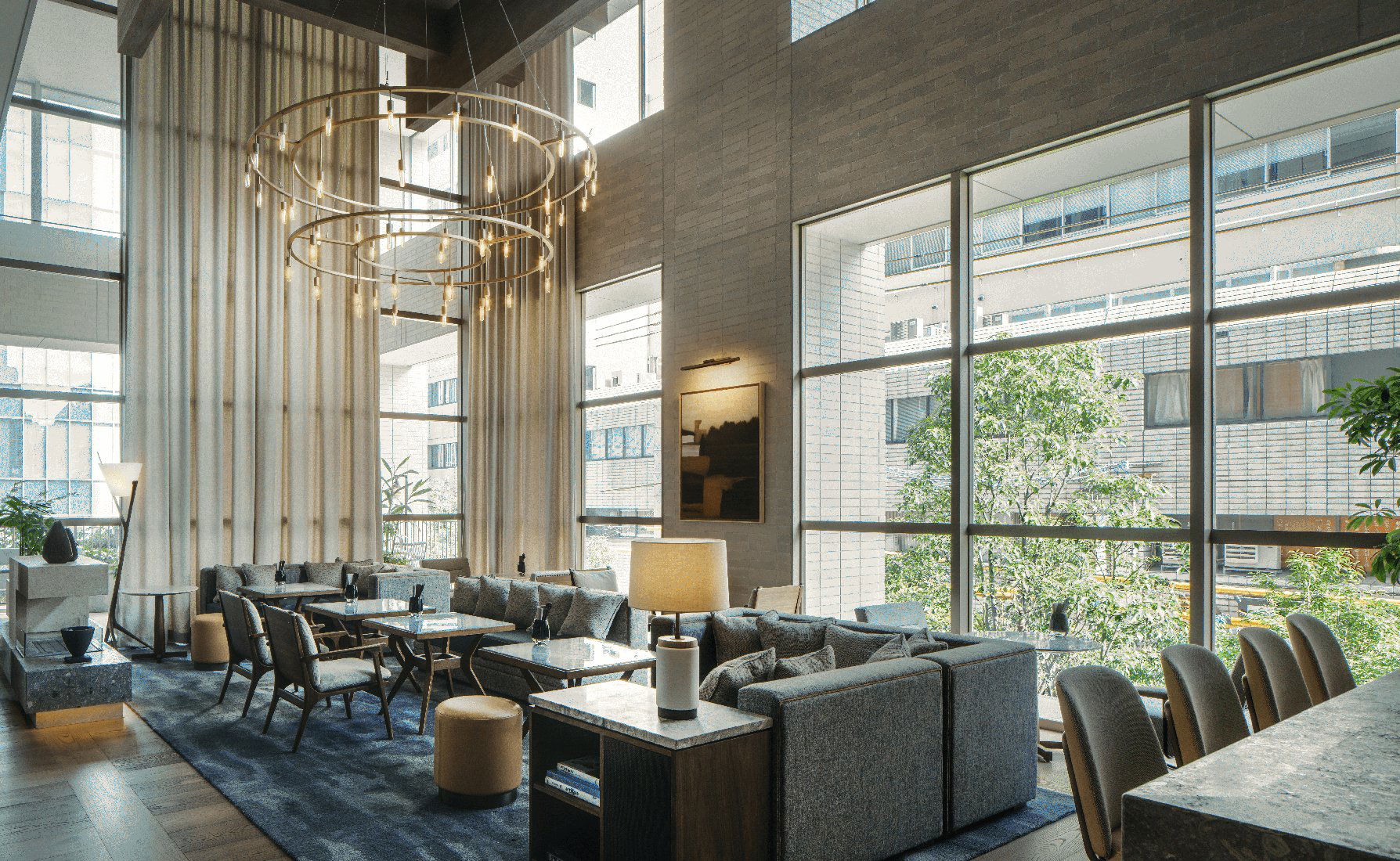
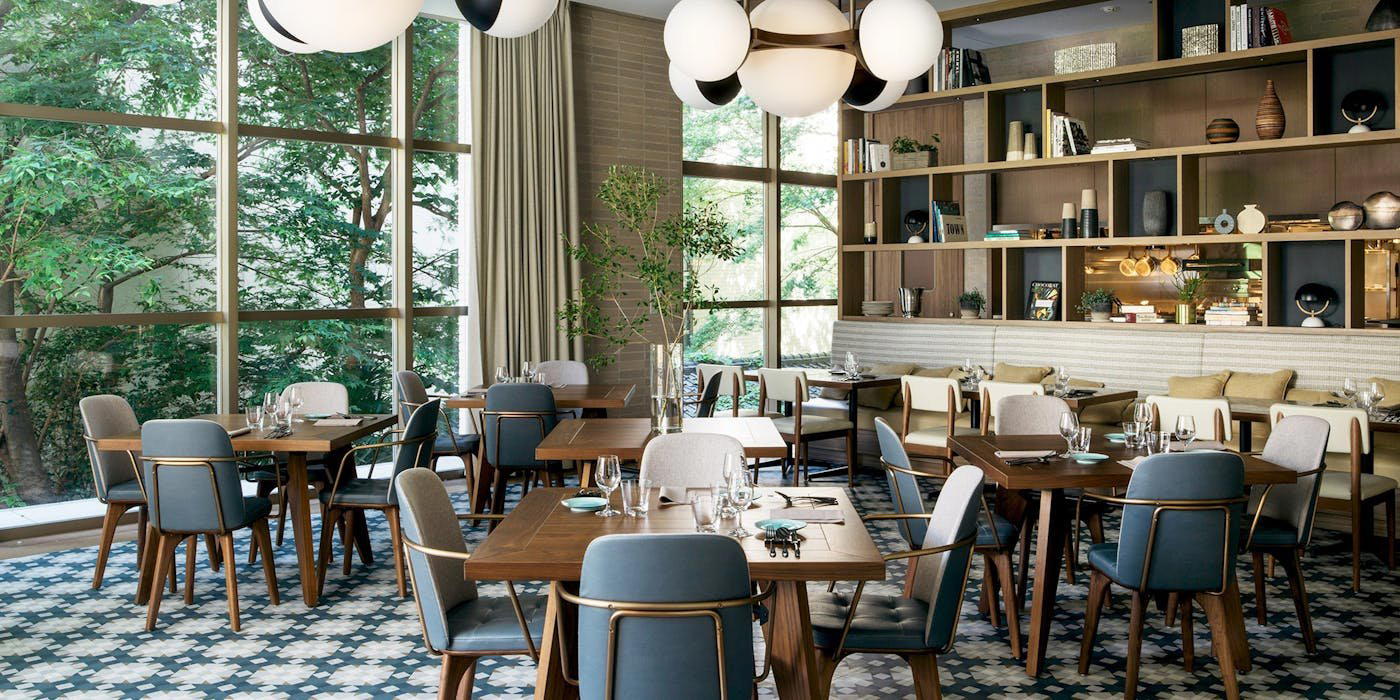
Cozy and relaxing with natural light-filled spaces, a double-sided fireplace, floor-to-ceiling garden views in the guest lounge, and soundproofed rooms praised for tranquility amid the city.
Tags
Vibe
Best For
Experience
Amenities
Accessibility
About the Stay
- Rooms
- 212
- Property Style
- Contemporary Urban Boutique with Modular Functional Spaces
- Design Style
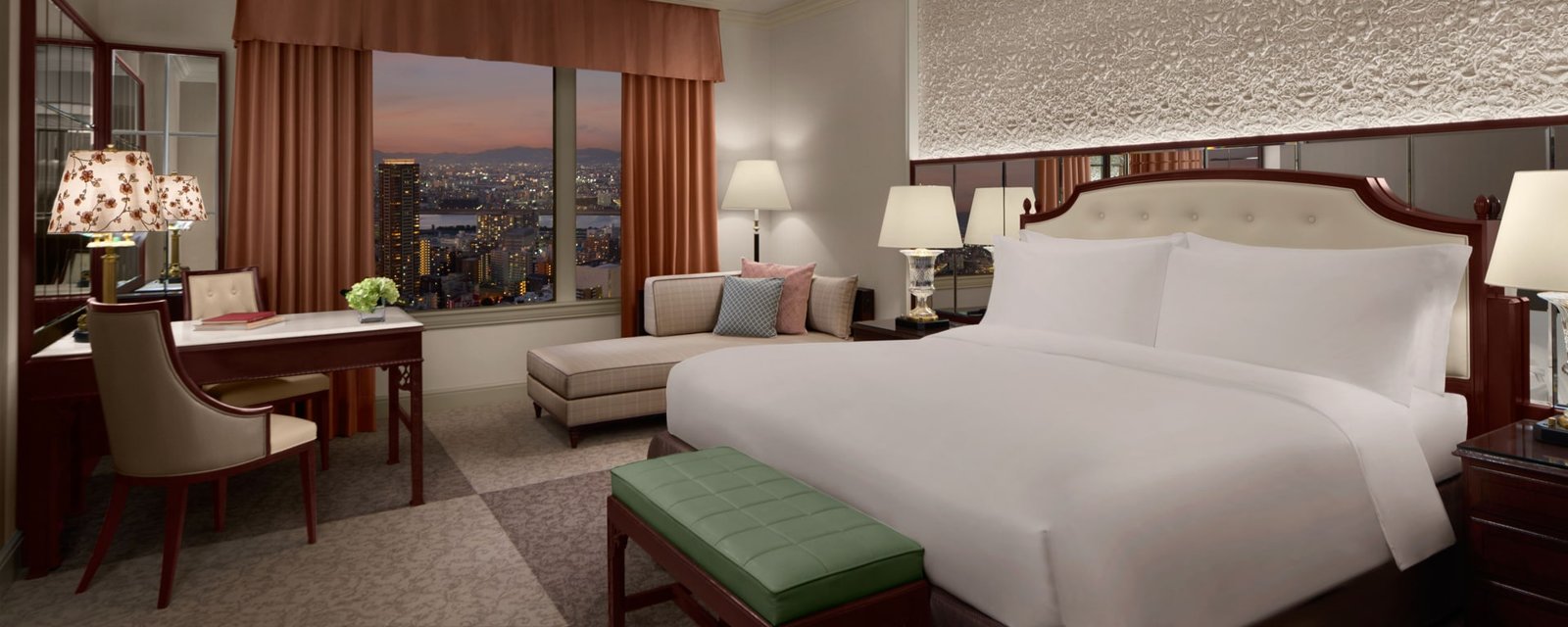
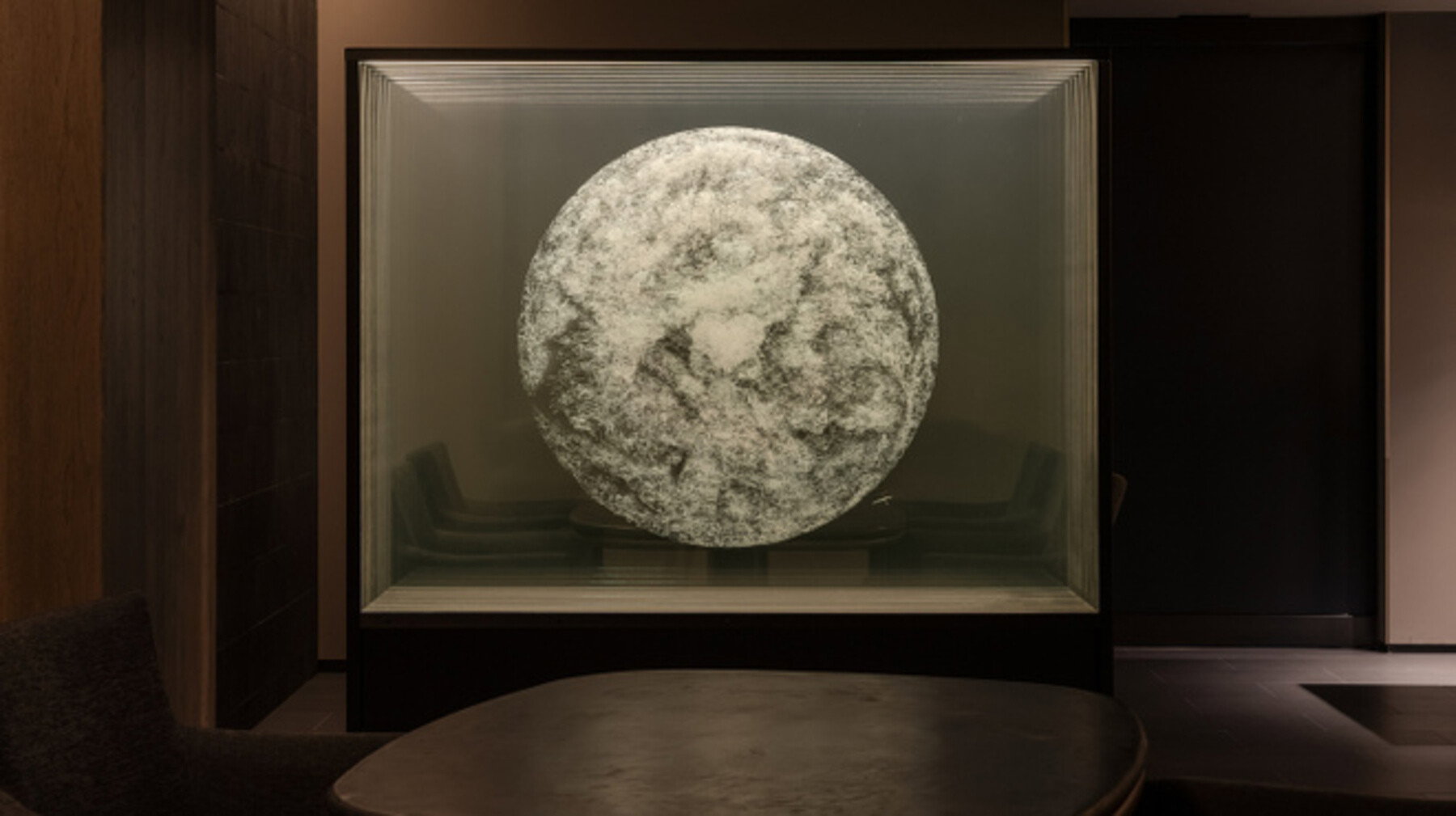
- Modern Minimalist with Bespoke Furnishings by Tara Bernerd & Partners and Local Artwork
Know before you go
Know Before You Go
- Getting there
- 1-4-26 Dojimahama, Kita-ku, Osaka 530-0004, Japan
Planning details
Location
1-4-26 Dojimahama, Kita-ku, Osaka 530-0004, Japan · Directions
Recognition and awards
Also consider
Where to look if Zentis Osaka is not the right fit
If the rate is too close to luxury territory, look at Conrad Osaka for a more complete high-end stay. If the goal is a casual nearby alternative, Aloft Osaka Dojima is the cleaner backup.
Hotel context
How Zentis Osaka compares with nearby Osaka hotels
Choose Zentis Osaka over Aloft Osaka Dojima if design tone matters more than a lighter lifestyle-chain feel. Aloft is the easier cross-shop for travelers who want a casual base in the same general city lane, while Zentis makes more sense when the hotel itself needs to feel more composed without moving into full luxury pricing.
Conrad Osaka, Four Seasons Hotel Osaka, and The Ritz-Carlton, Osaka are the stronger picks for travelers who want a larger luxury-hotel experience, more formal ambiance, and a deeper service setup. Zentis is the sharper value play only when the price gap is meaningful; if rates are close, those hotels offer more reasons to stay on property.
Candeo Hotels Osaka The Tower is the practical alternative for travelers prioritizing a bigger-feeling city hotel and a more facilities-led stay. Zentis is better for a quieter design-first mood; Candeo is the safer choice when amenities carry more weight than atmosphere.
Explore Osaka
Around this place
Discover more on Pearl
Unlock the full Zentis Osaka guide in Pearl, including awards, comparisons, FAQs, planning details, and nearby places.
Compare Zentis Osaka
| Venue | Location | Awards |
|---|---|---|
| Zentis Osaka | Osaka | 2026 Design Hotels Collection2025 Michelin Selected Hotels |
| Aloft Osaka Dojima | Osaka | No published awards |
| Conrad Osaka | Osaka | 2026 Virtuoso Luxury Hotel Collection2026 Forbes 4-Star2026 La Liste Top HotelsWorld Luxury Hotel Awards 20252025 Michelin 1 Key2025 Forbes 4-Star2024 Michelin 1 Key |
| Four Seasons Hotel Osaka | Osaka | No published awards |
| Candeo Hotels Osaka The Tower | Osaka | No published awards |
| The Ritz-Carlton, Osaka | Osaka | 2026 Forbes 5-Star2026 Virtuoso Luxury Hotel Collection2026 La Liste Top Hotels2025 Michelin 1 Key2024 Michelin 1 Key |






How Zentis Osaka Review: Design Hotels Member in Osaka compares with similar nearby venues.
FAQ
Frequently Asked Questions
Do loyalty programs work at Zentis Osaka?
Do not make loyalty benefits the primary reason to book. The confirmed signals are Zentis Osaka's Design Hotels membership and its MICHELIN Guide, Hotels Selected (2025) recognition.
How is the location of Zentis Osaka?
When is the best time to book Zentis Osaka?
Book once your Osaka dates are fixed and you have compared live rates. Aloft Osaka Dojima, Conrad Osaka, Four Seasons Hotel Osaka, The Ritz-Carlton, Osaka, and Candeo Hotels Osaka The Tower are useful comparison points depending on the style of stay you want.
How is the dining at Zentis Osaka?
Dining details are not included here. Confirm dining claims through the hotel's official channels before booking, especially if a specific restaurant, menu, dietary need, or service time matters to your trip.
Is Zentis Osaka family-friendly?
Family-specific details are not included here. If you are traveling with children, confirm room setup, bedding, and any family-related services directly with the hotel before booking.
How does Zentis Osaka compare to other hotels?
Zentis Osaka has confirmed Design Hotels membership and MICHELIN Guide, Hotels Selected (2025) recognition. Compare live rates and inclusions with Aloft Osaka Dojima, Candeo Hotels Osaka The Tower, Conrad Osaka, Four Seasons Hotel Osaka, and The Ritz-Carlton, Osaka before deciding.