

guntu
Onomichi
Hotel in Onomichi, Japan
 Book with Pearl
The Read
Price
$2,500+per night
Why go
guntu is the Onomichi choice for travelers treating the stay itself as the occasion, not just a place to sleep. Its Bella Vista Marina setting and 2025 MICHELIN Guide hotel selection make it strongest for design-led, waterfront-focused trips, while guests needing confirmed prices, room categories, or dining specifics should verify those before committing.
About guntu
guntu is a venue in Onomichi with a smart-casual dress code and recognition in the MICHELIN Guide as Hotels Selected in 2025.
A MICHELIN Guide hotel-selected option in Onomichi
guntu is an Onomichi option with MICHELIN Guide hotel-selection recognition. Travelers should confirm practical details directly, especially if location within Onomichi, arrival logistics, or specific facilities are central to the decision.
Cuisine type, room categories, prices, and spa details should be checked directly before booking. Compare available Onomichi accommodations based on current booking information, and confirm the details that matter most before committing.
Who should book it, and who should skip it
Book if the confirmed MICHELIN Guide Hotels Selected recognition and an Onomichi location are enough to make guntu worth further inquiry. The smart-casual dress code is also useful to know when planning what to pack.
Skip or pause if the decision depends on confirmed dining format, published prices, room-category strategy, or specific spa and pool expectations before committing. Those details should be checked at the point of booking rather than assumed. For food-led planning in the city, use current Onomichi dining information; for activities, rely on up-to-date local resources before building the route.
Know Before You Go
- Address: Onomichi.
- Recognition: MICHELIN Guide, Hotels Selected, 2025.
- Dress code: Smart casual.
- Booking difficulty: Confirm availability, room type, arrival timing, dining format, and facilities before finalizing plans.
- Decision note: Best assessed using confirmed booking details rather than assumptions about amenities or format.
Planning details
- Location
- Bella Vista Marina, Onomichi, Japan
- Phone
- +81-848-70-0023
The take
The Take
The Vibe
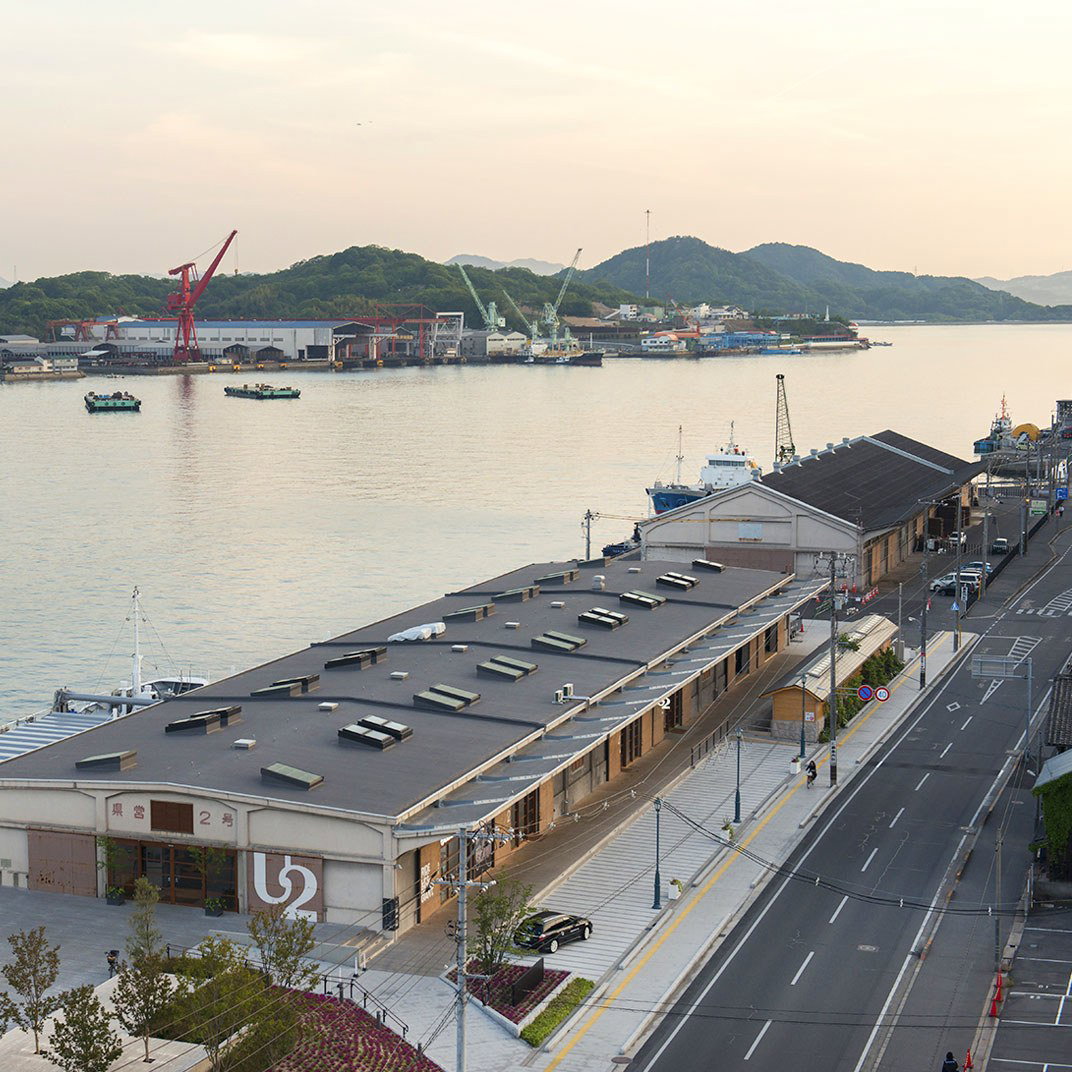
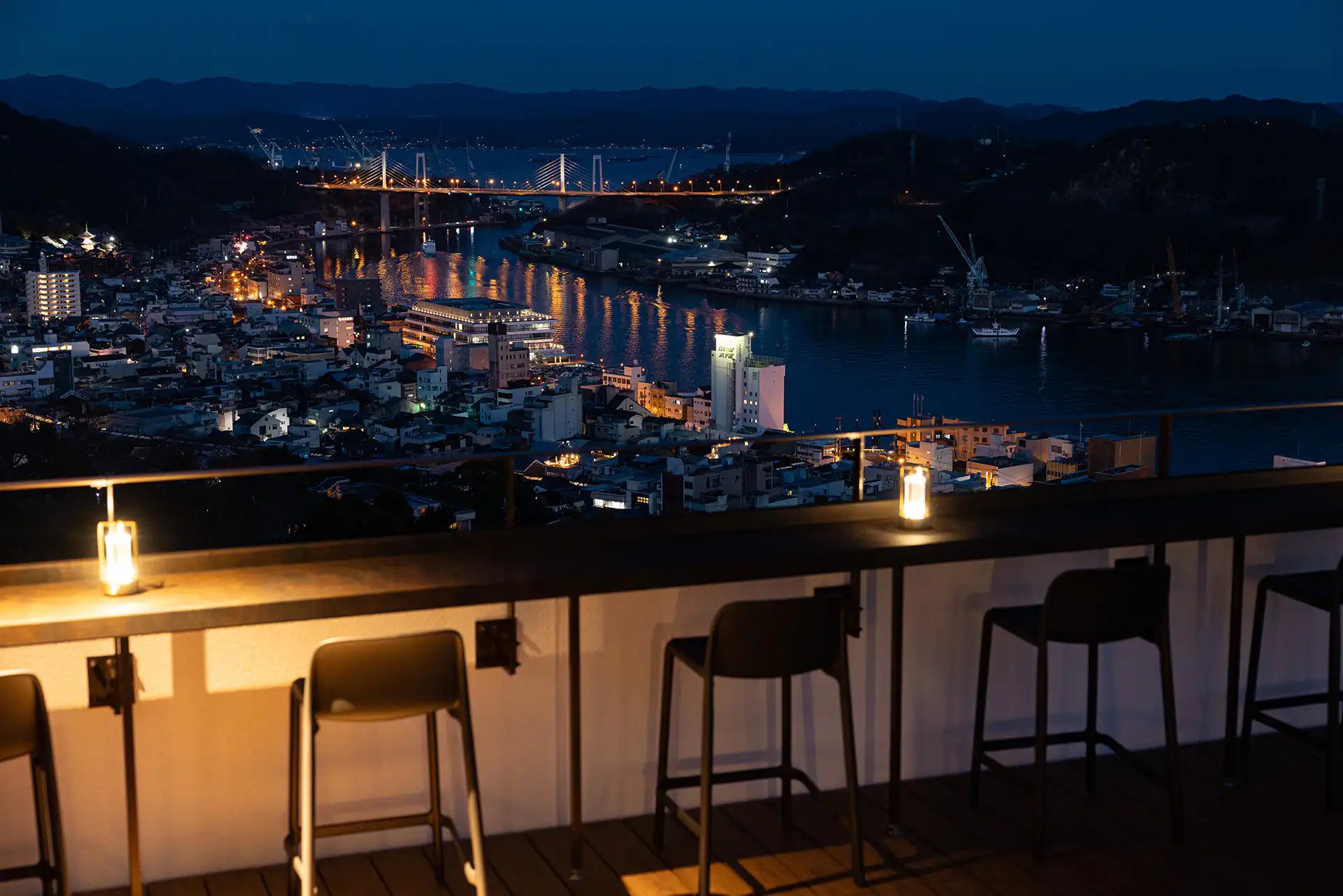
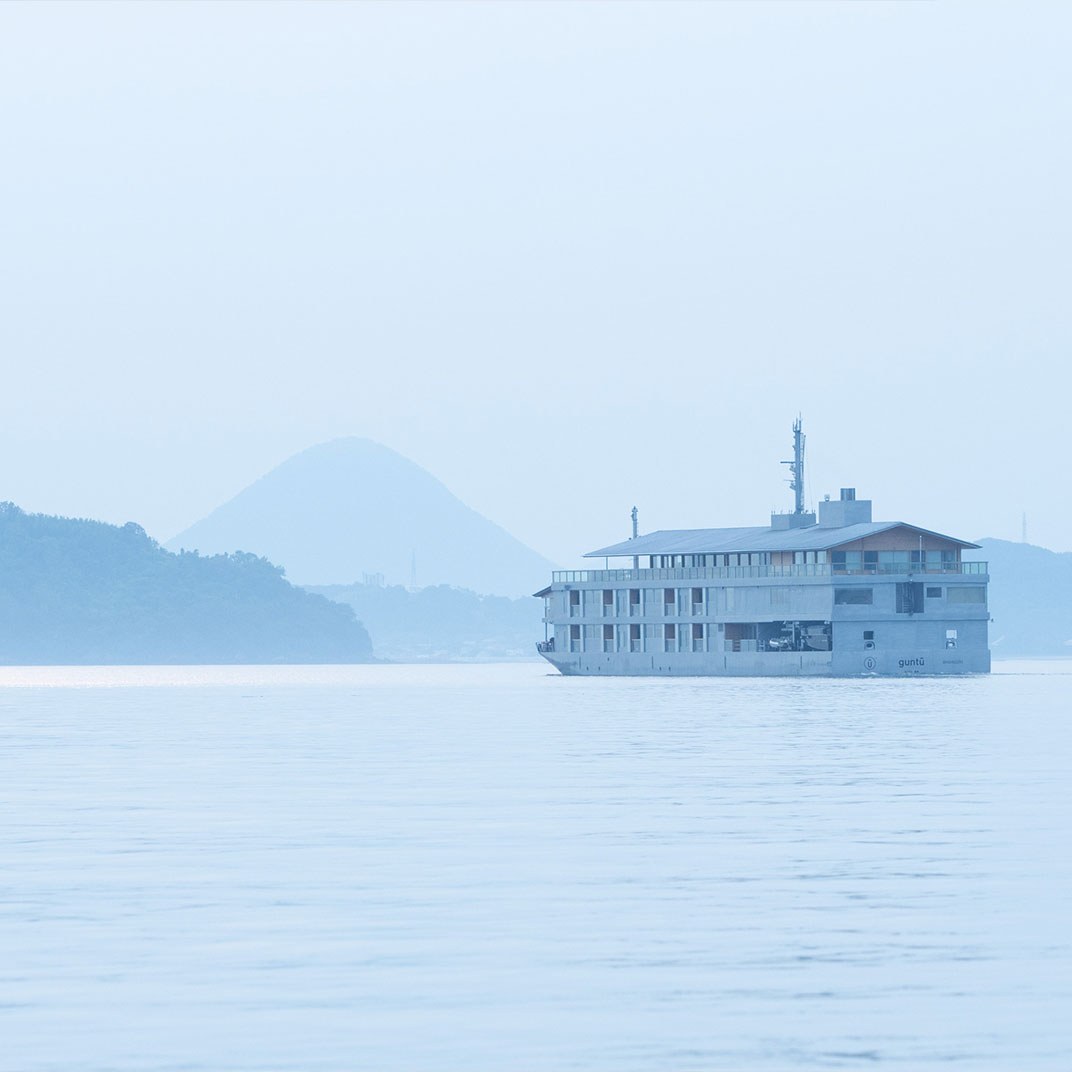
guntu treats a ship as architecture, dissolving the boundary between accommodation and seascape. The vessel is moored at Bella Vista Marina and is described as moving with tide and light so that islands and vistas continuously recompose themselves; that mobility becomes the design premise. Guest spaces read as the product of strict spatial constraints—hull geometry, load distribution and the acoustic presence of water—that the designers deliberately embrace. The property sits among other small-capacity, design-led Japanese retreats, and its Michelin Selected recognition underscores a thoughtful, high-design sensibility. The result is a quietly meticulous, immersive experience that foregrounds sea, light and craft.
Best For
This is a stay for travelers who value immersion over panorama: couples and design-minded guests seeking a quiet, intimate escape on the water. The vessel format and the property's placement in the Seto Inland Sea make it particularly well suited to honeymooners and romantic getaways, as well as anyone after a short weekend escape that prioritizes scenery and considered design. Its small-capacity, design-intensive approach appeals to guests who want a cultivated, contemplative experience rather than a conventional resort stay; Michelin recognition signals a level of polish that matches those expectations.
Venue details
Ambiance
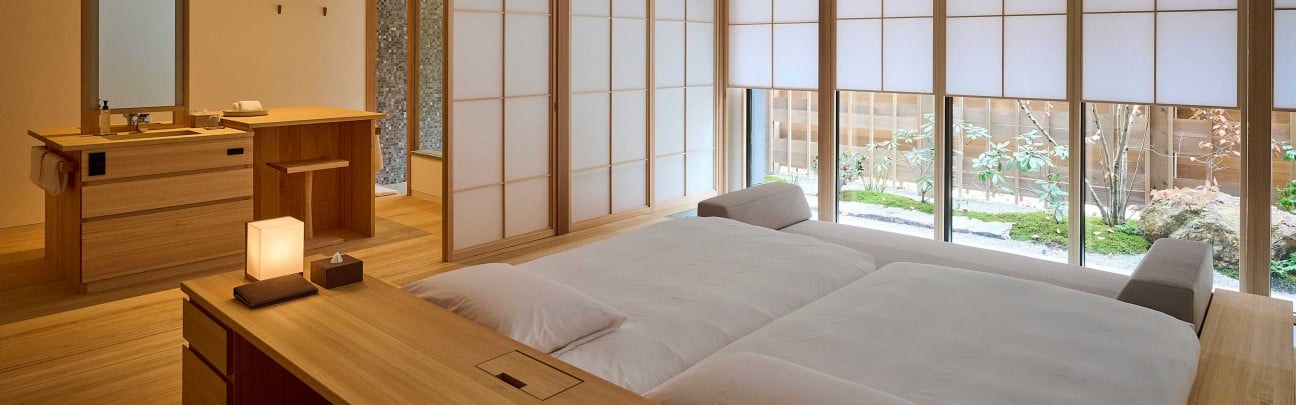
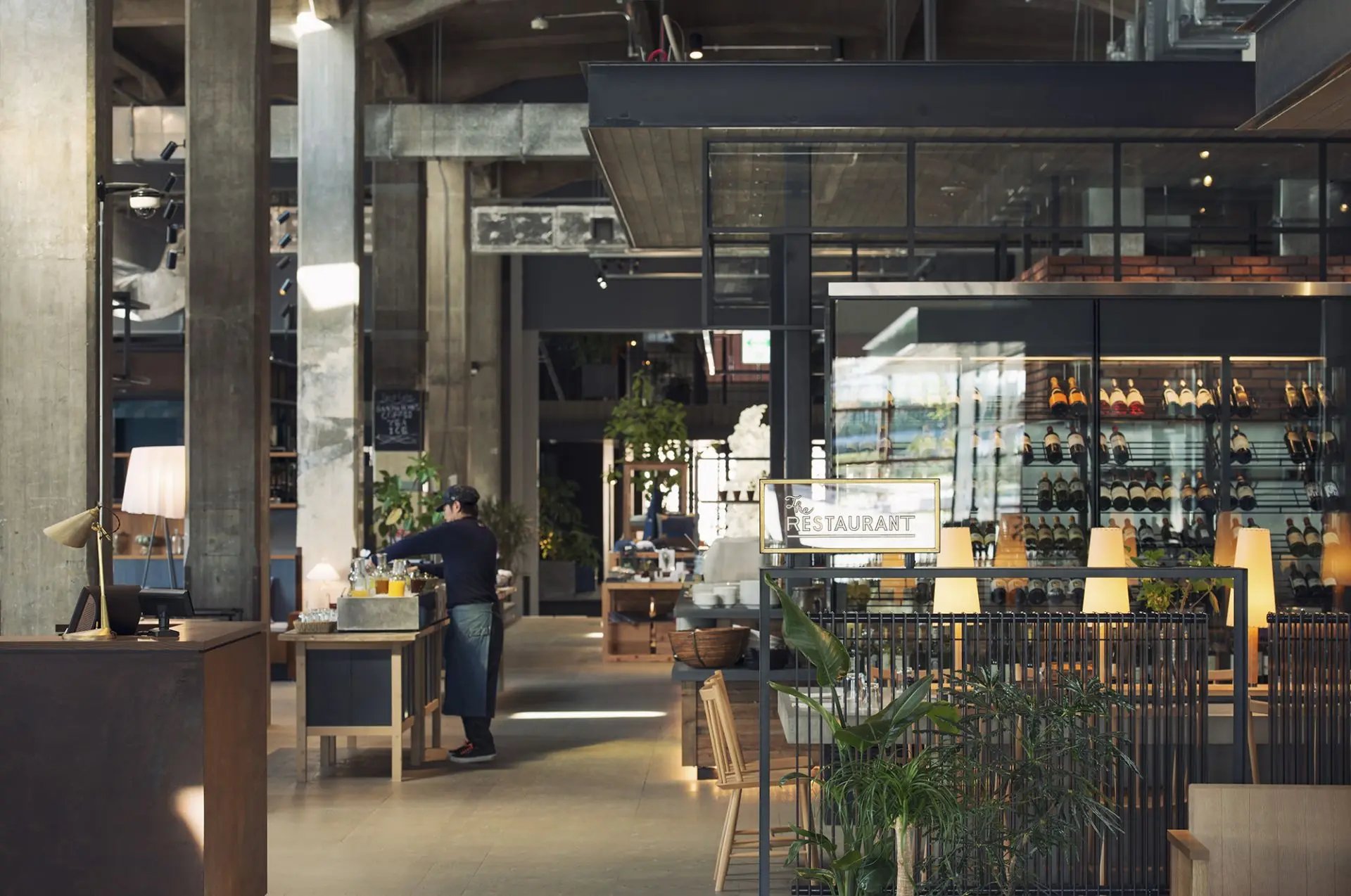
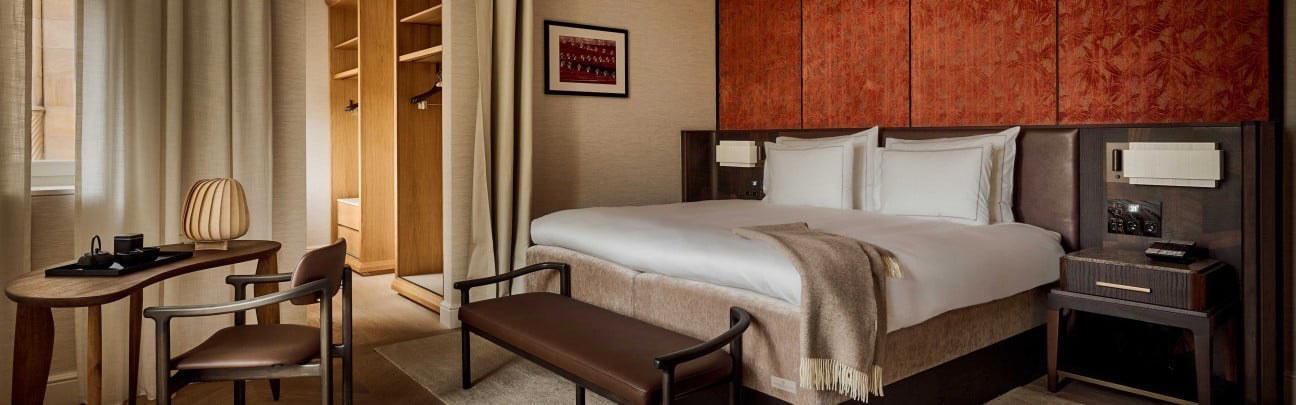
Minimalist wood-paneled interiors with cozy, tranquil atmosphere, large windows framing sea views, and relaxing spaces like lounges and baths.
Tags
Vibe
Best For
Experience
Amenities
View
About the Stay
- Rooms
- 19
- Property Type
- Boutique hotel
- Property Style
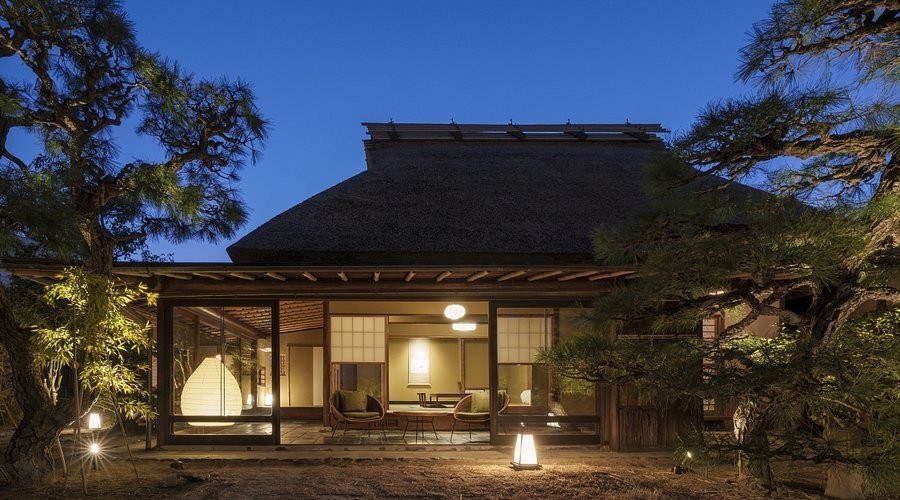
- Floating Luxury Ryokan Blending Traditional Japanese Inn with Modern Yacht Design
- Design Style
- Minimalist Wood Paneled Cabins with Large Ocean View Windows by Architect Yasushi Horibe
- Spa
- Yes
Know before you go
Know Before You Go
- Getting there
- Bella Vista Marina, Onomichi, Japan
Planning details
Location
Bella Vista Marina, Onomichi, Japan · Directions
Recognition and awards

Explore Onomichi
Around this place
Discover more on Pearl
Unlock the full guntu guide in Pearl, including awards, comparisons, FAQs, planning details, and nearby places.
FAQ
Frequently Asked Questions
Which room category is best at guntu?
How is the pool and spa at guntu?
How is the location of guntu?
What is check-in like at guntu?
How is the dining at guntu?
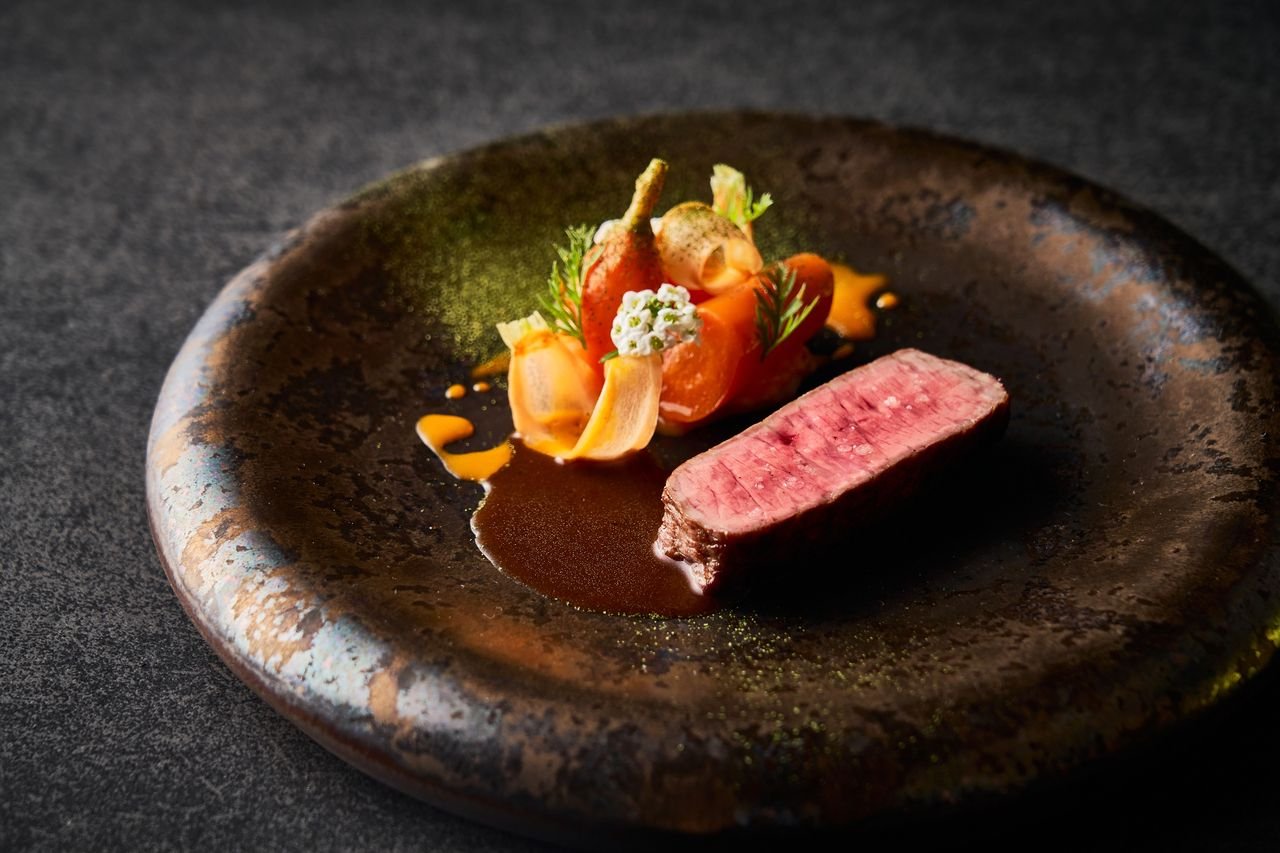
guntu is recognized by the MICHELIN Guide as Hotels Selected in 2025, but food-specific details should be checked directly before booking.
How does guntu compare to nearby hotels?
Compared with other Onomichi options, the confirmed points for guntu are its Onomichi location, smart-casual dress code, and MICHELIN Guide Hotels Selected recognition in 2025. For a practical comparison, check current rates, location details, facilities, and booking terms directly.