
Wine Relais Feudi Del Pisciotto
Niscemi
Hotel in Niscemi, Italy
 Book with Pearl
The Read
Agricultural Wine Estate Retreat
Why go
Book Wine Relais Feudi Del Pisciotto if the goal is a quiet, design-led countryside stay near Niscemi rather than a walkable city hotel. The Michelin 1 Key recognition in 2025 gives it a clear quality signal, but booking is marked hard, so compare early against Ragusa-area boutique hotels and nearby countryside relais options.
About Wine Relais Feudi Del Pisciotto
Wine Relais Feudi Del Pisciotto is a venue in Niscemi with Michelin 1 Key recognition for 2025. The dress code is smart casual.
Use this profile as a concise fit check rather than a full operational brief. If the Michelin 1 Key recognition is part of your reason for considering Wine Relais Feudi Del Pisciotto, it belongs on the shortlist for Niscemi. For practical details such as arrival timing, services, dining availability, and current policies, confirm directly with the venue before booking.
Book it for a Michelin-recognized stay in Niscemi
The clearest hook is the 2025 Michelin 1 Key recognition. That makes Wine Relais Feudi Del Pisciotto relevant for travelers comparing premium options, especially when they want a stay in Niscemi specifically.
The dress code is smart casual. For details on service style, restaurant format, beverage program, wellness offerings, transportation setup, or neighborhood specifics, use the venue's own channels as the source for current operational information.
Who should cross-shop before committing
Travelers comparing a broader set of venues may also look at A.D. 1768 Boutique Hotel, Locanda Don Serafino - Historic Boutique Hotel, Baglio Occhipinti, Eremo della Giubiliana, and Relais Chiaramonte. Those comparisons are useful when deciding whether Wine Relais Feudi Del Pisciotto is the right match for the trip.
If Niscemi is central to the itinerary, start with Wine Relais Feudi Del Pisciotto and then confirm the practical details that matter most for your stay. If flexibility matters more than the specific venue, compare Wine Relais Feudi Del Pisciotto with other options in the wider area, then check current local resources to confirm whether the surrounding plan supports the stay.
Planning details
- Location
- Contrada Pisciotto, Niscemi, Italy
- Website
- feudidelpisciotto.it
- Phone
- +3909331935186
The take
The Take
The Vibe
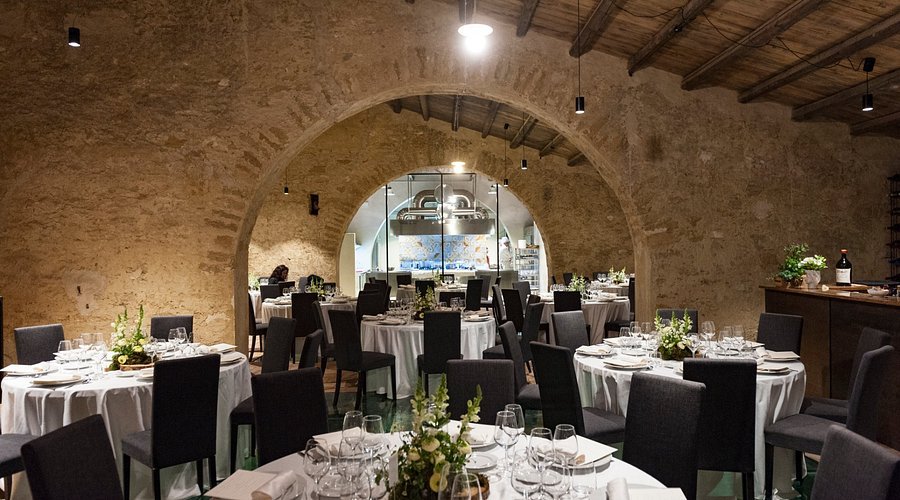
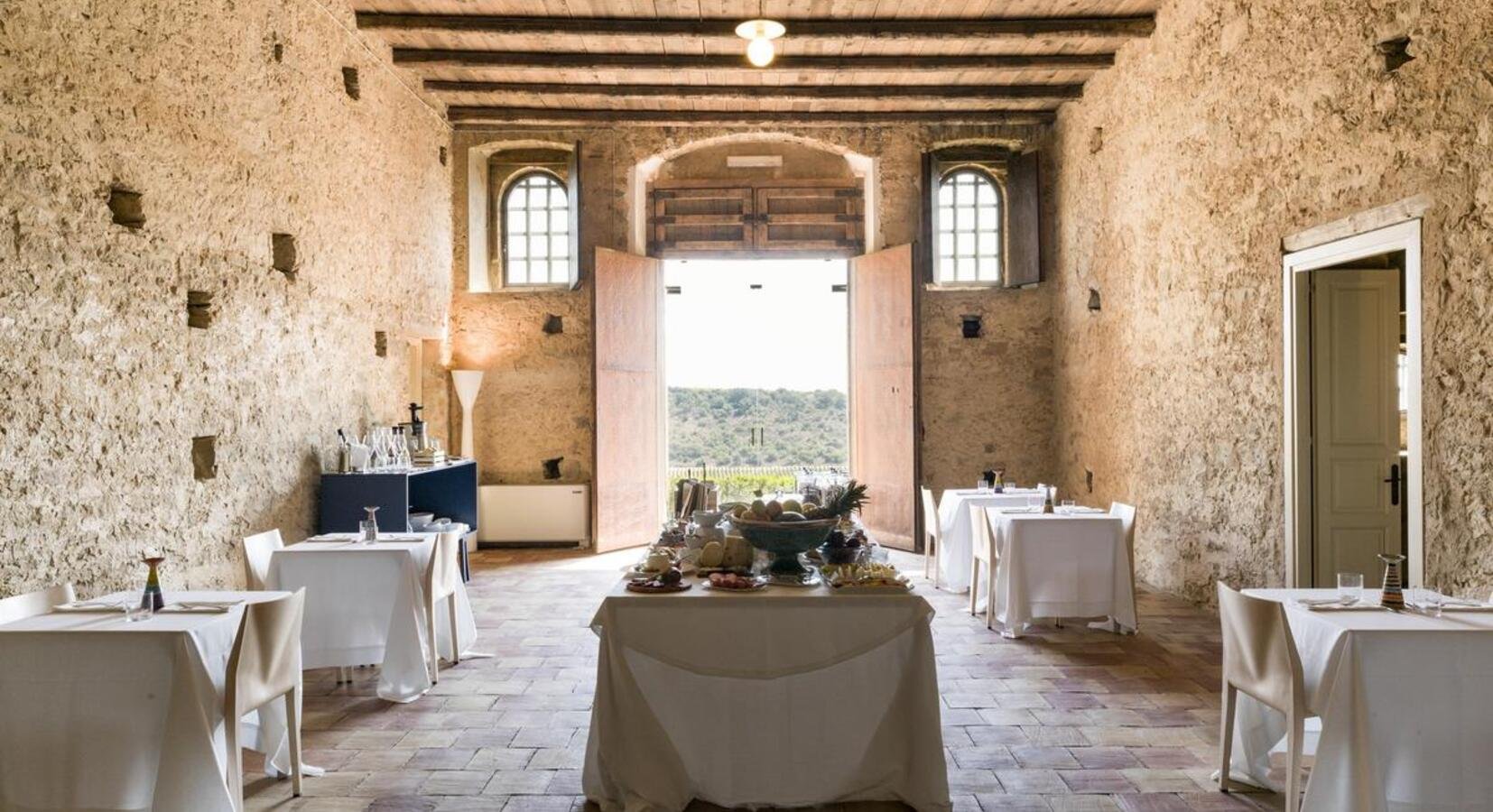
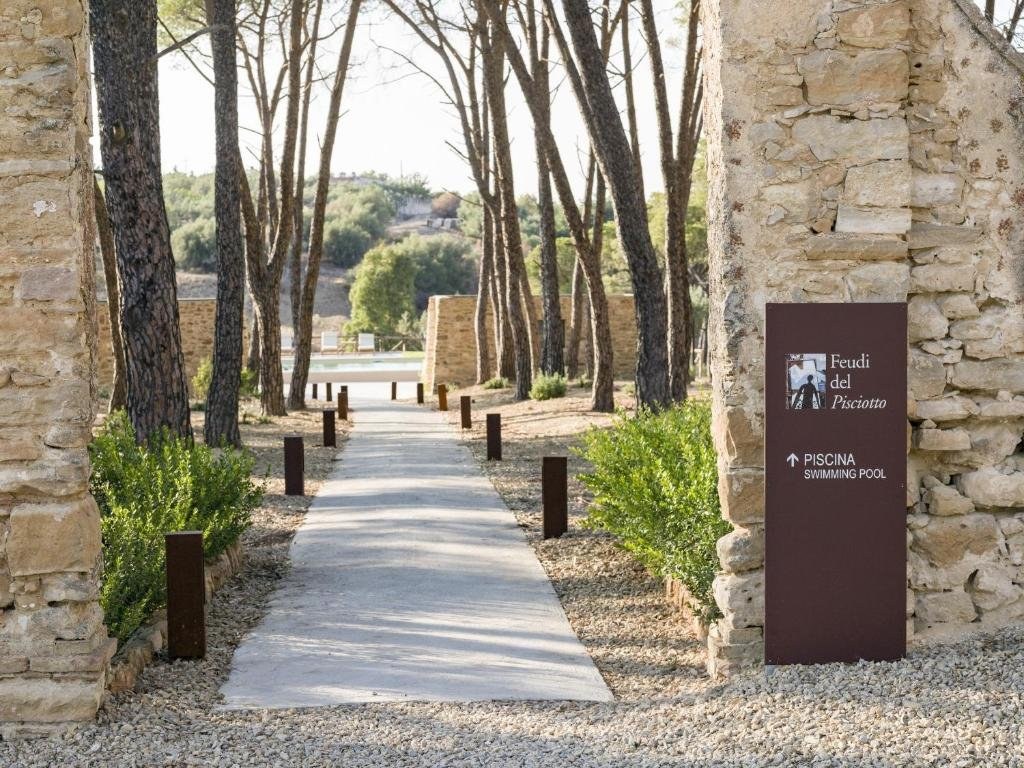
Feudi Del Pisciotto presents as an architecture-first country relais set in inland Sicily. The property occupies an 18th‑century shell and converted farm buildings, and its identity leans on the material story of stone, troughs and agricultural provenance rather than on large-scale branded amenities. The estate’s isolation — ten minutes from the nearest town and deliberately sited in a less-trafficked zone — creates a quietly historic, contemplative atmosphere. Guests encounter a small, carefully preserved fabric that rewards close attention: this is a place designed for appreciation of architecture, landscape and the lived-in footprints of Sicilian rural life.
Best For
This relais suits travelers who favor solitude, architecture and a rural wine-country setting over resort-style service. It works well for people looking to escape the crowded Sicilian coast — couples seeking a quieter romantic stay and solo travelers who want to engage with the property’s physical character will appreciate the scale and calm. With just ten rooms and a strong sense of place, Feudi Del Pisciotto is fine for short, restorative stays or as a base for exploring the agricultural interior, especially when travelers prioritize seclusion and authenticity over extensive hotel programming.
Stay Tips
Book early and set expectations: the property is intentionally small and architecturally driven, so availability can be limited. Plan logistics in advance — the estate sits in a remote agricultural zone, roughly ten minutes from Niscemi, so arriving by private transport is likely the most practical option. Travelers who prefer lively coastal scenes should consider off-peak timing if they seek more emptiness here; those who want to focus on the building, landscape and a quieter pace will find the isolation part of the appeal. Ask about room specifics if you want features that reflect the converted farm structures.
Venue details
Ambiance
Refined and tranquil atmosphere blending ancient stone architecture with modern design, warm lighting, and stunning vineyard views.
Tags
Vibe
Best For
Experience
Amenities
View
About the Stay
- Rooms
- 10
- Check-in
- 14:00
- Check-out
- 11:00
- Property Style
- 18th Century Restored Palmento Wine Estate
- Design Style
- Blend of Ancient Rustic Stone and Modern High Design
Know before you go
Know Before You Go
- Getting there
- Contrada Pisciotto, Niscemi, Italy
Planning details
Location
Recognition and awards
Also consider
Also Consider
- Baglio Occhipinti, Notable alternative
- Eremo della Giubiliana, Notable alternative
- Locanda Don Serafino - Historic Boutique Hotel, Notable alternative
- A.D. 1768 Boutique Hotel, Notable alternative
- Relais Chiaramonte, Notable alternative
Hotel context
How It Compares
Wine Relais Feudi Del Pisciotto is the stronger choice if the trip is built around a quiet estate atmosphere and a recent Michelin 1 Key signal matters in the decision. Baglio Occhipinti is the closest cross-shop for travelers who want a countryside stay with a softer rural rhythm, while Eremo della Giubiliana is better if the priority is a more historic-feeling Sicilian property rather than a wine-relais frame.
For travelers who want a town-based boutique hotel, Locanda Don Serafino - Historic Boutique Hotel and A.D. 1768 Boutique Hotel are safer choices. They make more sense when walkability, restaurants, and Ragusa-area atmosphere matter more than retreat-style quiet. Relais Chiaramonte is the practical countryside alternative if availability or value pushes the decision away from Wine Relais Feudi Del Pisciotto.
Because booking difficulty is hard here, the smart move is to treat this as the first hotel to lock if the estate setting is central to the trip. If the hotel is only a convenient base, cross-shop more aggressively: the Ragusa boutique options are better for movement, while the countryside peers are better for a slower itinerary.
Explore Niscemi
Around this place
Discover more on Pearl
Unlock the full Wine Relais Feudi Del Pisciotto guide in Pearl, including awards, comparisons, FAQs, planning details, and nearby places.
Compare Wine Relais Feudi Del Pisciotto
| Venue | Location | Awards |
|---|---|---|
| Wine Relais Feudi Del Pisciotto | Niscemi | 2026 Michelin Guide New HotelsMichelin 1 Key 20252025 Michelin 1 Key |
| Baglio Occhipinti | Vittoria | No published awards |
| Eremo della Giubiliana | Ragusa Ibla | No published awards |
| Locanda Don Serafino - Historic Boutique Hotel | Ragusa | No published awards |
| A.D. 1768 Boutique Hotel | Ragusa Ibla | No published awards |
| Relais Chiaramonte | Ragusa Ibla | No published awards |
How Wine Relais Feudi Del Pisciotto compares with similar nearby venues.
FAQ
Frequently Asked Questions
How is the location of Wine Relais Feudi Del Pisciotto?
Wine Relais Feudi Del Pisciotto is in Niscemi. Confirm the exact arrival logistics, including street address, transport setup, and walkability details, directly with the venue before traveling.
How does Wine Relais Feudi Del Pisciotto compare to other premium stays?
Wine Relais Feudi Del Pisciotto is a Niscemi venue with Michelin 1 Key recognition for 2025. Travelers may also compare it with A.D. 1768 Boutique Hotel, Locanda Don Serafino - Historic Boutique Hotel, Baglio Occhipinti, Eremo della Giubiliana, and Relais Chiaramonte, depending on the shape of the trip.
Do loyalty programs work at Wine Relais Feudi Del Pisciotto?
Do not plan around points, elite benefits, or program perks unless Wine Relais Feudi Del Pisciotto confirms them directly.