
Jiva Hoa Lu Retreat
Hoa Lu District, Ninh Binh
Hotel in Ninh Binh, Vietnam
 Book with Pearl
The Read
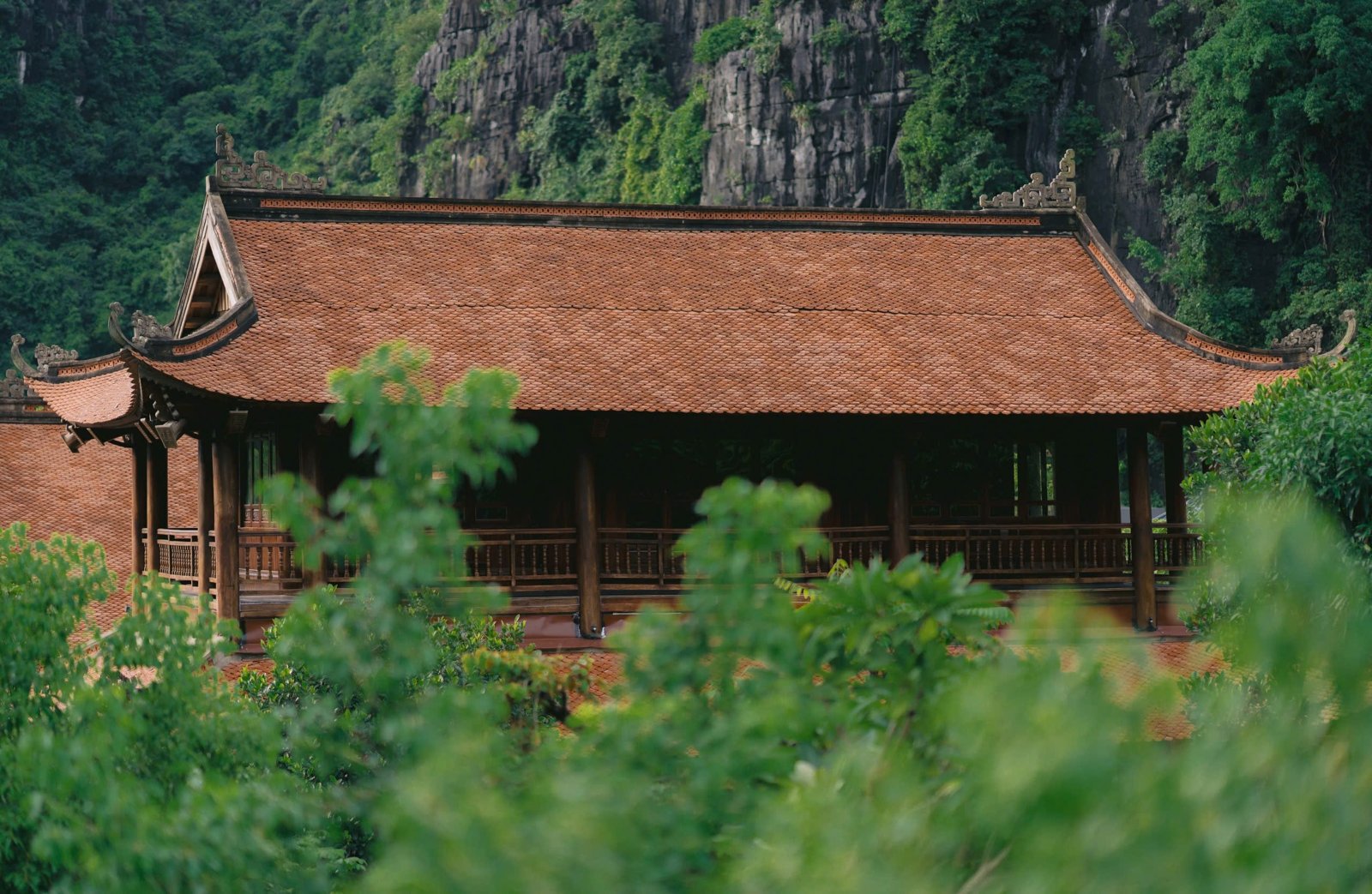
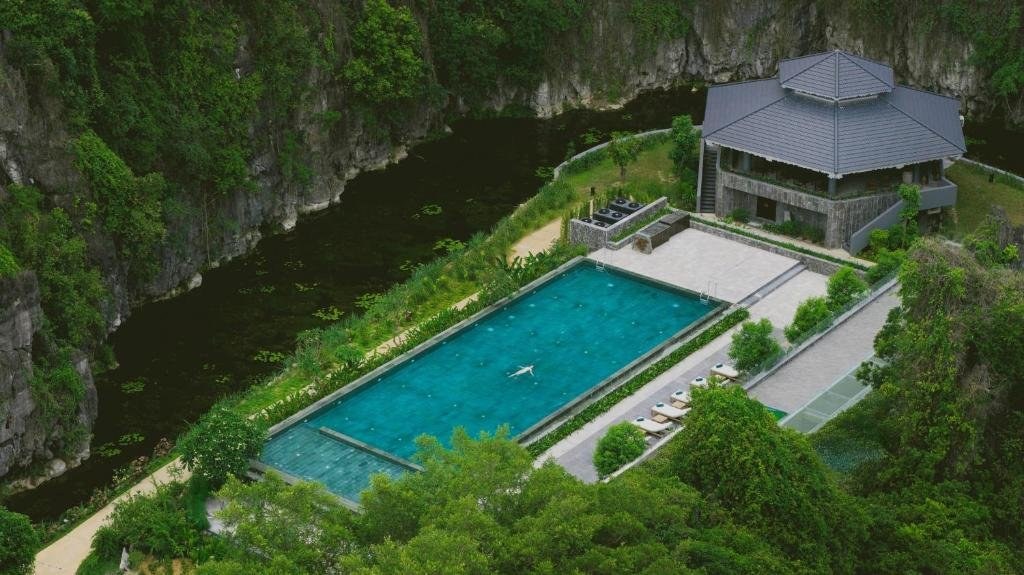
Karst-Submissive Architecture
Why go
Choose Jiva Hoa Lu Retreat if the trip is about a quieter Ninh Binh base rather than a Hanoi-style hotel stay. Its Small Luxury Hotels of the World membership gives it a useful quality signal for travelers planning a special occasion, but the strongest reason to choose it is the Hoa Lu setting and retreat pace.
About Jiva Hoa Lu Retreat
Jiva Hoa Lu Retreat is a venue in Ninh Binh. It’s best read as a concise planning note rather than a full service, dining, or facilities review.
It is a casual dress code venue and a Small Luxury Hotels of the World member for 2025. Details about cuisine, room count, facilities, pricing, service style, dining hours, or neighborhood-level location should be checked directly with the property before booking.
Choose it for fit, not assumptions
Jiva Hoa Lu Retreat may suit travelers specifically considering Ninh Binh, but detailed amenities, restaurant format, spa facilities, transport arrangements, and event services should be confirmed with the venue before making plans.
The casual dress code is the clearest practical note for guests. Beyond that, avoid assuming a particular level of formality, dining format, or resort-style service unless the property confirms it for your dates.
Who should choose a Ninh Binh retreat over Hanoi
Travelers deciding between Ninh Binh and Hanoi should treat this as a location choice first. Jiva Hoa Lu Retreat is in Ninh Binh, while Hilton Hanoi Opera, Hotel de l'Opera - MGallery Hanoi, and JW Marriott Hotel Hanoi are Hanoi options. Compare based on where you need to be, not on assumptions about services.
For other Ninh Binh options, compare EMERALDA RESORT TAM COC and EMERALDA RESORT NINH BINH. For broader planning, use Ninh Binh travel resources, then confirm any venue-specific details directly before booking.
Planning details
- Location
- Nam, Thung lũng Đền Thái Vi, Hoa Lư, Ninh Bình
- Website
- jivahoaluretreat.com
- Phone
- +84 933 006 886
The take
The Take
The Vibe
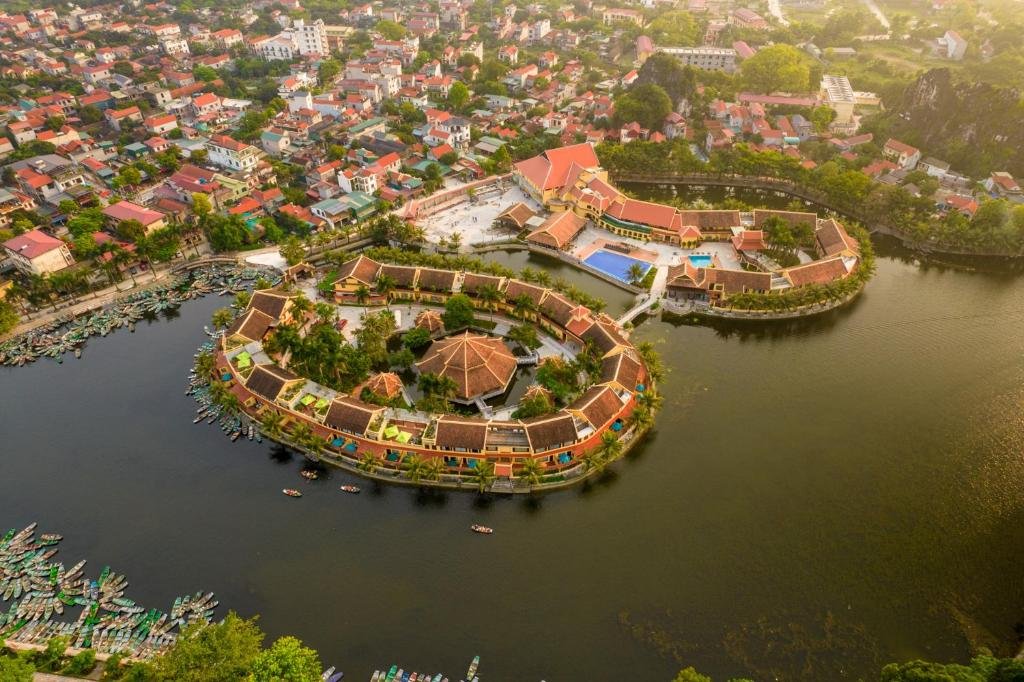
Jiva Hoa Lu Retreat reads as a site-first destination where the surrounding karst valley sets the tone. The UNESCO‑listed Trang An landscape is not mere backdrop but the organising force for light, pace and provisions, which makes the property feel quietly reserved and scenic rather than amply equipped. Guests encounter an elegant, understated sensibility — a small, contained tier of accommodation that prioritises proximity to heritage over resort-scale amenity. The result is a serene, relaxed hideaway with a romantic undertow: it rewards slow appreciation of landscape, local culture and regional cuisine.
Best For
The retreat suits travelers seeking restorative, place-based stays: wellness retreats and romantic getaways are obvious fits given the valley's measured pace and scenic seclusion. Families looking for a quieter, heritage‑focused alternative to larger resort complexes will find it appropriate, and couples marking anniversaries can treat the setting itself as the celebration. Practical proximity to Hanoi — 'close enough for a long weekend' — also makes Jiva Hoa Lu a reliable weekend escape for visitors who want a clear change of register without a long transit.
Stay Tips
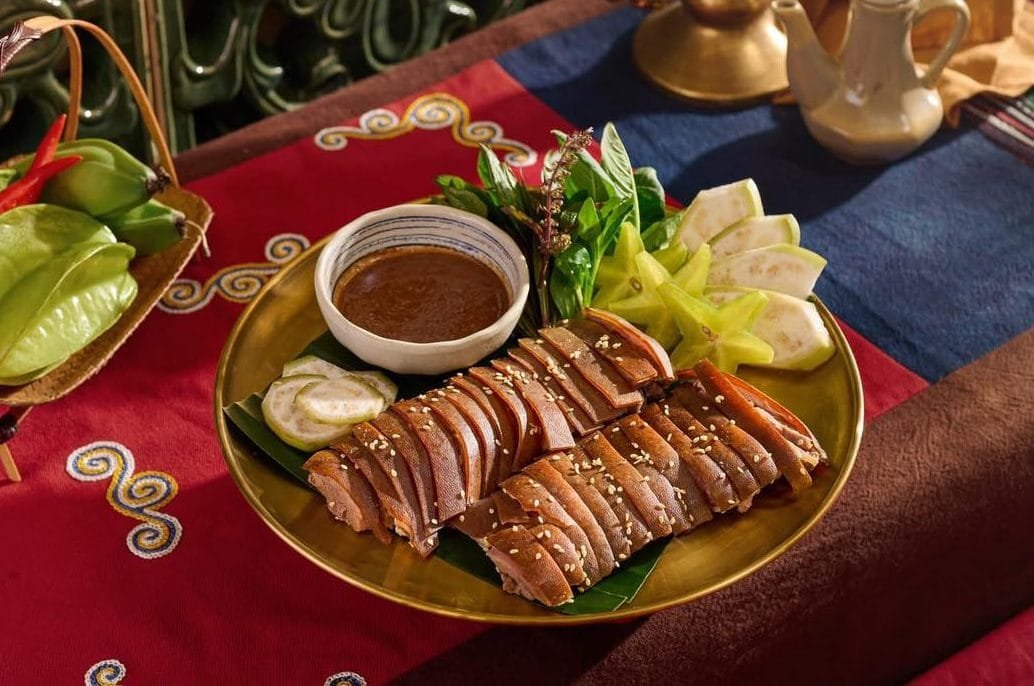
Dining at the retreat leans on the culinary identity of Ninh Binh province, so focus orders on local material rather than generic hotel fare. Ask for preparations that feature mountain goat, freshwater fish from karst river systems and regional fermented shrimp paste (mắm tép Gia Viễn), all called out in the property's culinary framing. If the kitchen is framing 'province on the plate,' request those regional specialties and speak with staff about sourcing — the description stresses local procurement, so the most distinctive plates will highlight ingredients gathered from the surrounding valley.
Venue details
Ambiance
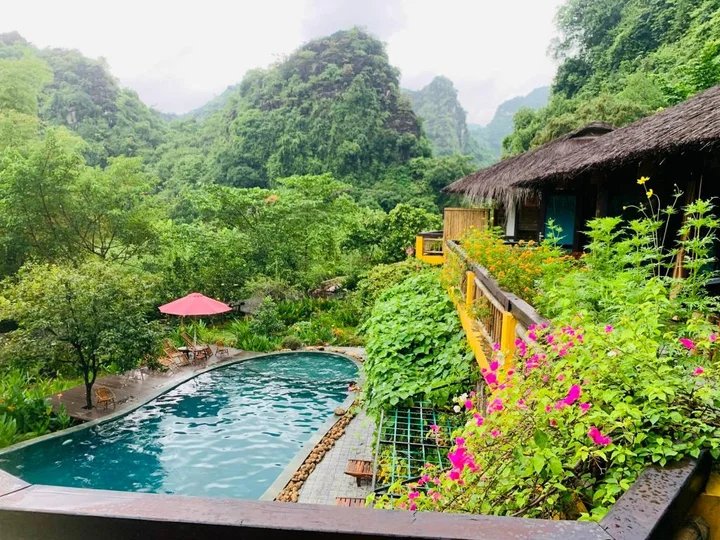
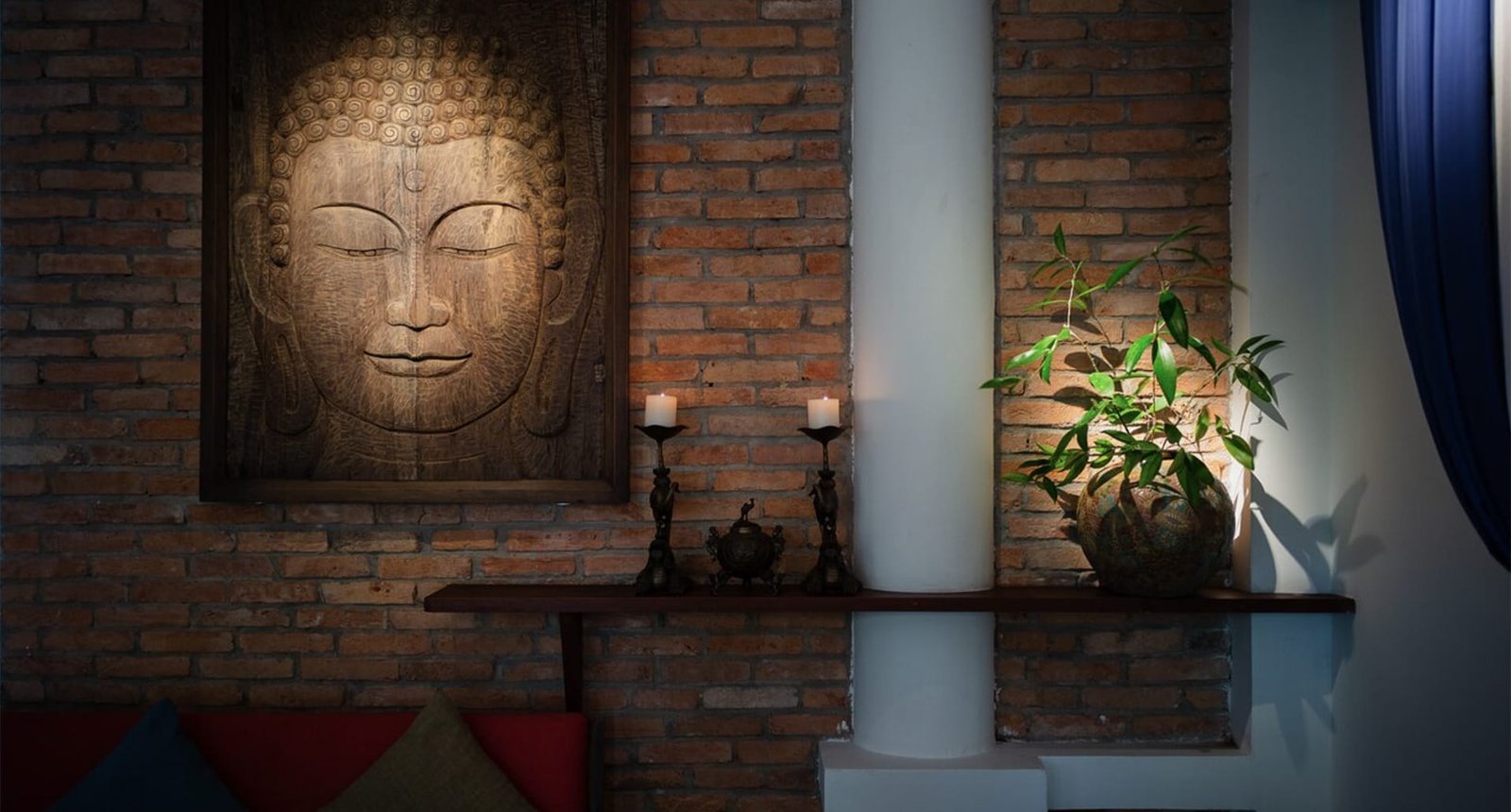
Peaceful and tranquil with soft natural lighting, open-air pavilions, and a design deeply connected to nature; guests describe it as a place to release stress and reconnect with oneself.
Tags
Vibe
Best For
Experience
Amenities
View
Accessibility
About the Stay
- Rooms
- 164
- Check-in
- 15:00
- Check-out
- 11:00
- Property Style
- Vietnamese Inspired Luxury Retreat with Handcrafted Details and Open Air Pavilions Designed to Harmonize with the Natural Landscape
- Design Style
- Contemporary Vietnamese with Natural Materials, Minimalist Furnishings, and Organic Integration with Surrounding Gardens and Limestone Peaks
Know before you go
Know Before You Go
- Getting there
- Nam, Thung lũng Đền Thái Vi, Hoa Lư, Ninh Bình
Planning details
Location
Recognition and awards

Also consider
Also Consider
- EMERALDA RESORT TAM COC, Notable alternative
- EMERALDA RESORT NINH BINH, Notable alternative
- JW Marriott Hotel Hanoi, Notable alternative
- Hilton Hanoi Opera, Notable alternative
- Hotel de l'Opera - MGallery Hanoi, Notable alternative
Hotel context
How it compares in Ninh Binh and Hanoi
Against EMERALDA RESORT TAM COC and EMERALDA RESORT NINH BINH, Jiva Hoa Lu Retreat is the more intimate pick for travelers who want the hotel to feel tied to Hoa Lu rather than simply provide a large resort base. Choose the Emeralda options if the priority is a more conventional resort setup in Ninh Binh; choose Jiva if the trip is a couple-focused retreat and atmosphere matters more than scale.
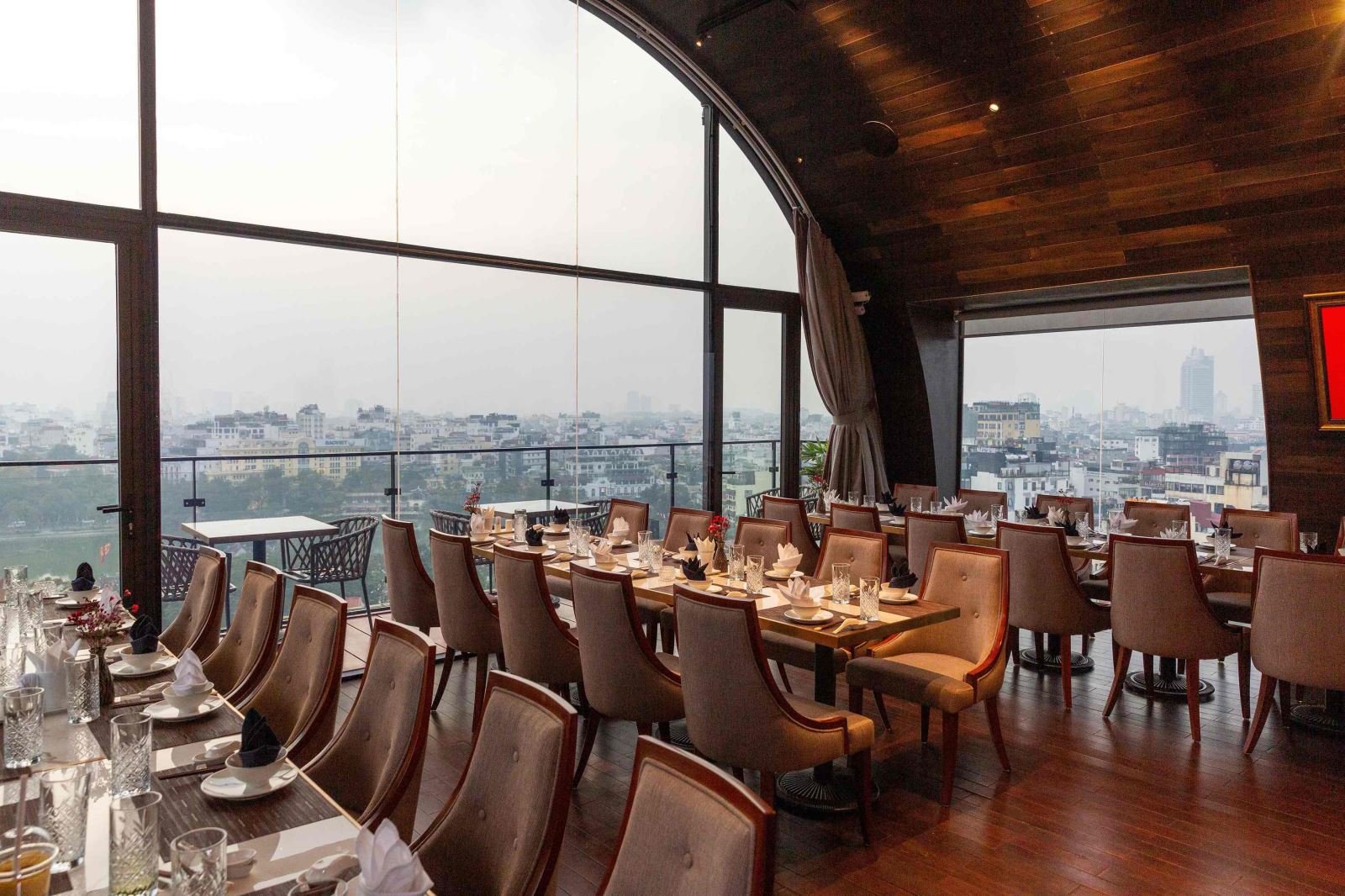
JW Marriott Hotel Hanoi, Hilton Hanoi Opera, and Hotel de l'Opera - MGallery Hanoi are better for travelers who need Hanoi access, city dining, and a capital-hotel service model. They make sense before or after Ninh Binh, but they are not substitutes for staying in the limestone-country setting itself.
For value, the decision is less about chasing a single lowest rate and more about matching the stay to the trip. If most days will be spent in Ninh Binh, paying for a local retreat is the smarter use of budget. If the itinerary is Hanoi-heavy with only a short excursion south, a Hanoi hotel is the cleaner base and avoids splitting the trip unnecessarily.
Explore Ninh Binh
Around this place
Discover more on Pearl
Unlock the full Jiva Hoa Lu Retreat guide in Pearl, including awards, comparisons, FAQs, planning details, and nearby places.
Compare Jiva Hoa Lu Retreat
| Venue | Location | Awards |
|---|---|---|
| Jiva Hoa Lu Retreat | Ninh Binh | 2026 Michelin Guide New Hotels2025 Michelin Selected HotelsSmall Luxury Hotels Member 2025 |
| EMERALDA RESORT TAM COC | Ninh Binh | No published awards |
| EMERALDA RESORT NINH BINH | Ninh Binh | No published awards |
| JW Marriott Hotel Hanoi | Hanoi | 2026 Forbes Recommended2025 Michelin Selected Hotels2025 Forbes Recommended |
| Hilton Hanoi Opera | Hanoi | No published awards |
| Hotel de l'Opera - MGallery Hanoi | Hanoi | No published awards |


How Jiva Hoa Lu Retreat Ninh Binh compares with similar nearby venues.
FAQ
Frequently Asked Questions
What is check-in like at Jiva Hoa Lu Retreat?
Do loyalty programs work at Jiva Hoa Lu Retreat?
Jiva Hoa Lu Retreat is a Small Luxury Hotels of the World Member for 2025. Any booking benefits, loyalty recognition, or program-specific terms should be confirmed through the booking channel or the property.
How does Jiva Hoa Lu Retreat compare to other hotels?
Jiva Hoa Lu Retreat is a Ninh Binh option. EMERALDA RESORT TAM COC and EMERALDA RESORT NINH BINH are also Ninh Binh options to compare, while JW Marriott Hotel Hanoi, Hilton Hanoi Opera, and Hotel de l'Opera - MGallery Hanoi are Hanoi hotels.