
Mia Resort Nha Trang
Bai Dai, Nha Trang
Hotel in Nha Trang, Vietnam
 Book with Pearl
Why go
Mia Resort Nha Trang is worth shortlisting if the trip calls for a quieter coastal resort base rather than a city-center hotel. Its Mr & Mrs Smith Seal of Approval and 2025 MICHELIN Guide Hotels selection give useful quality signals, but the real reason to book is the lower-key resort rhythm south of Nha Trang.
About Mia Resort Nha Trang
Mia Resort Nha Trang is a Nha Trang hotel with two external recognition signals: a Mr & Mrs Smith Seal of Approval for 2026 and MICHELIN Guide Hotels Selected recognition in 2025. Travelers comparing Nha Trang stays can use those third-party honors as a clear guide while confirming practical details directly before booking.
A Nha Trang resort call for travelers comparing hotel recognition
Book this if the priority is choosing a Nha Trang resort with clear third-party recognition rather than relying on general marketing claims about amenities or service details. The confirmed information supports a simple positioning: Mia Resort Nha Trang is a recognized hotel option in Nha Trang.
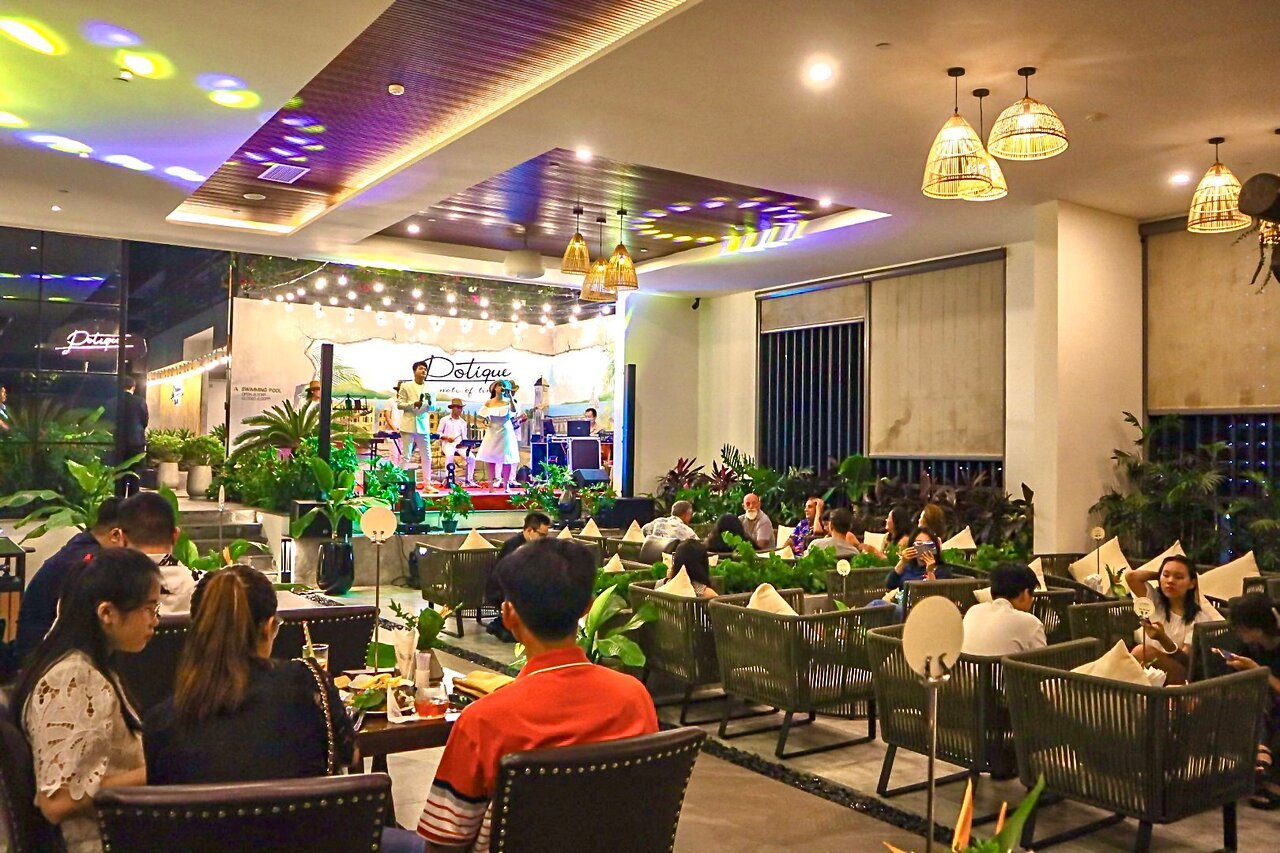
For travelers comparing hotel styles, Potique Hotel is another Nha Trang option to consider, while Nha Trang Marriott Resort & Spa, Hon Tre Island may suit a different kind of stay. If your decision depends on specific facilities, dining, family services, business amenities, or transfer logistics, verify those details with the property before committing.
Where it fits among Nha Trang resort choices
Among recognized hotel options connected to the broader Nha Trang area, Mia Resort Nha Trang stands out here for its Mr & Mrs Smith Seal of Approval 2026 and MICHELIN Guide Hotels Selected 2025 recognition. Other comparison points include Best Western Premier Marvella Nha Trang Hotel, Potique Hotel, Nha Trang Marriott Resort & Spa, Hon Tre Island, Melia Vinpearl Cam Ranh, and Radisson Blu Resort, Cam Ranh.
Planning details
- Location
- Bãi Dông, Cam Lam, Khanh Hoa 650000, Vietnam
- Website
- mianhatrang.com
- Phone
- +84 258 3989 666
The take
The Take
The Vibe
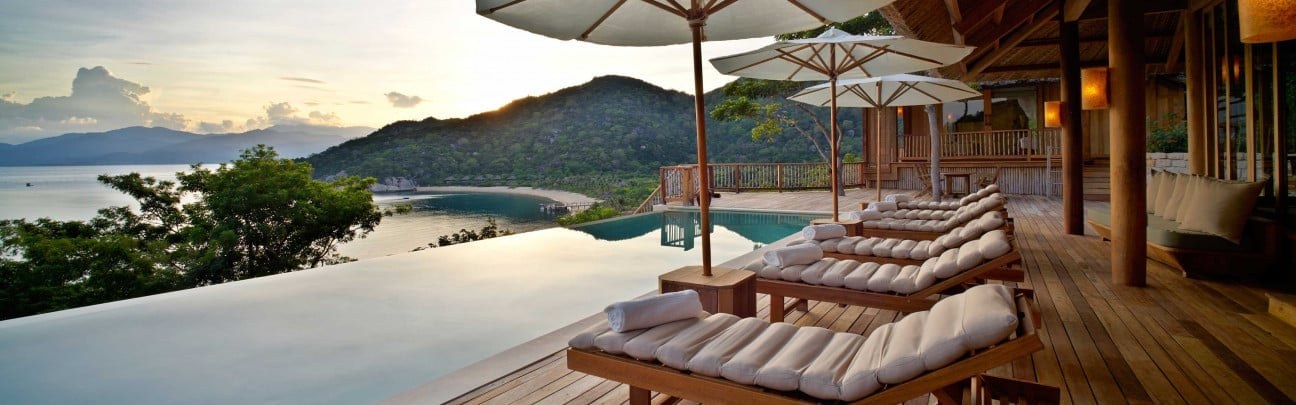
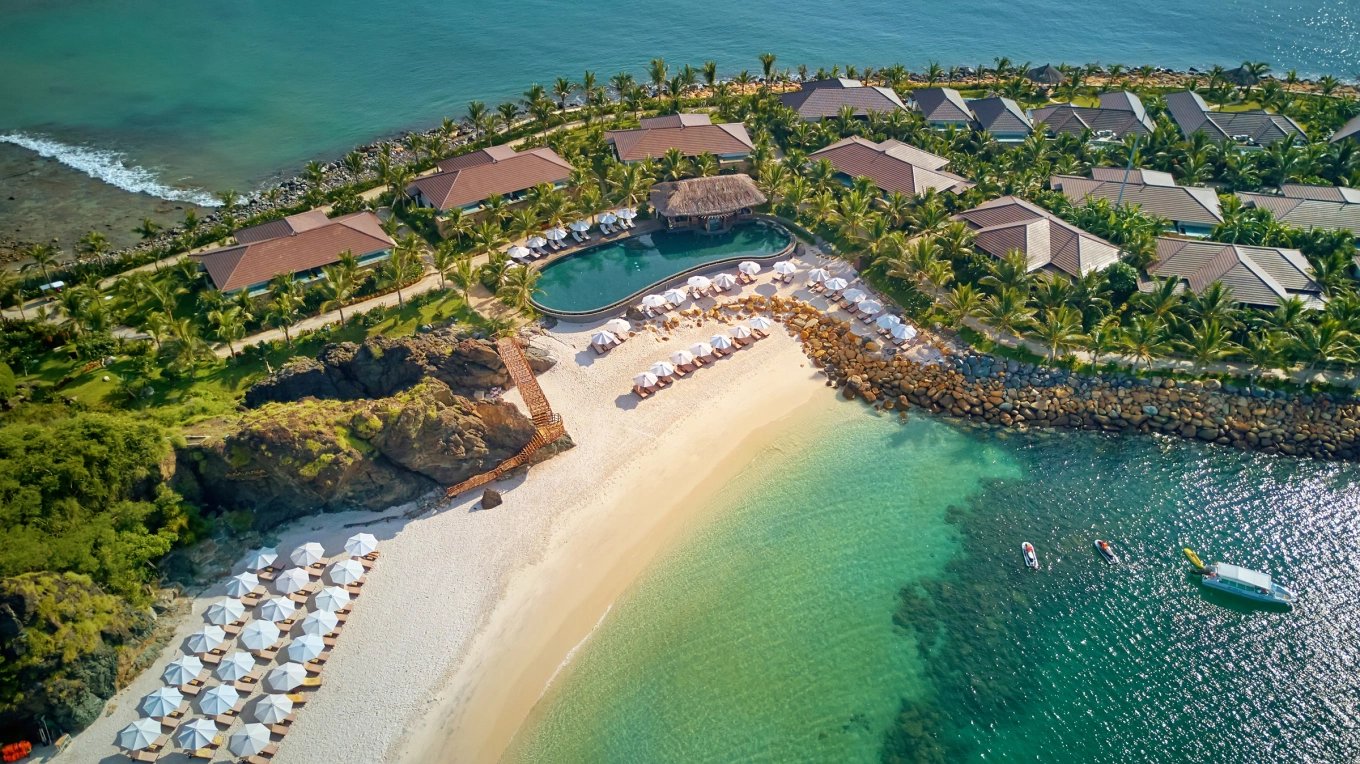
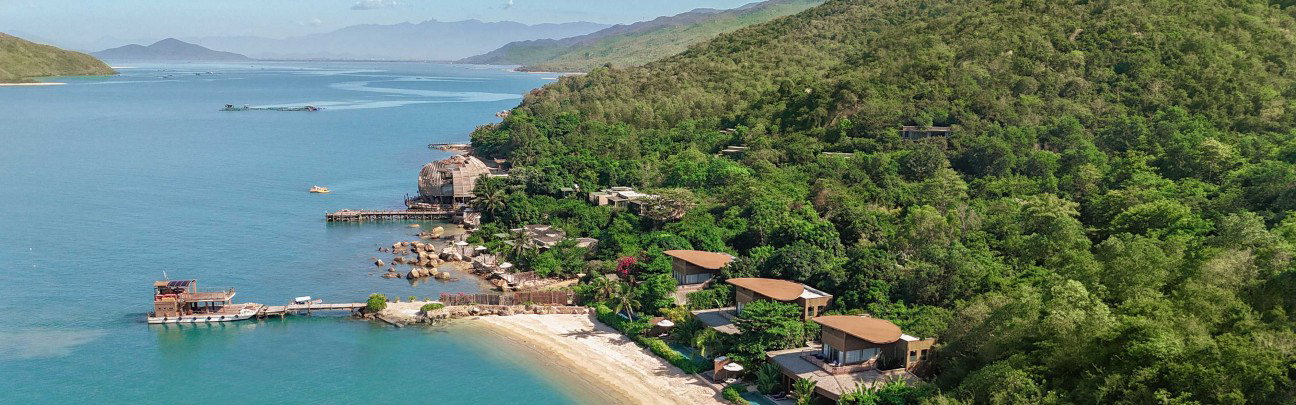
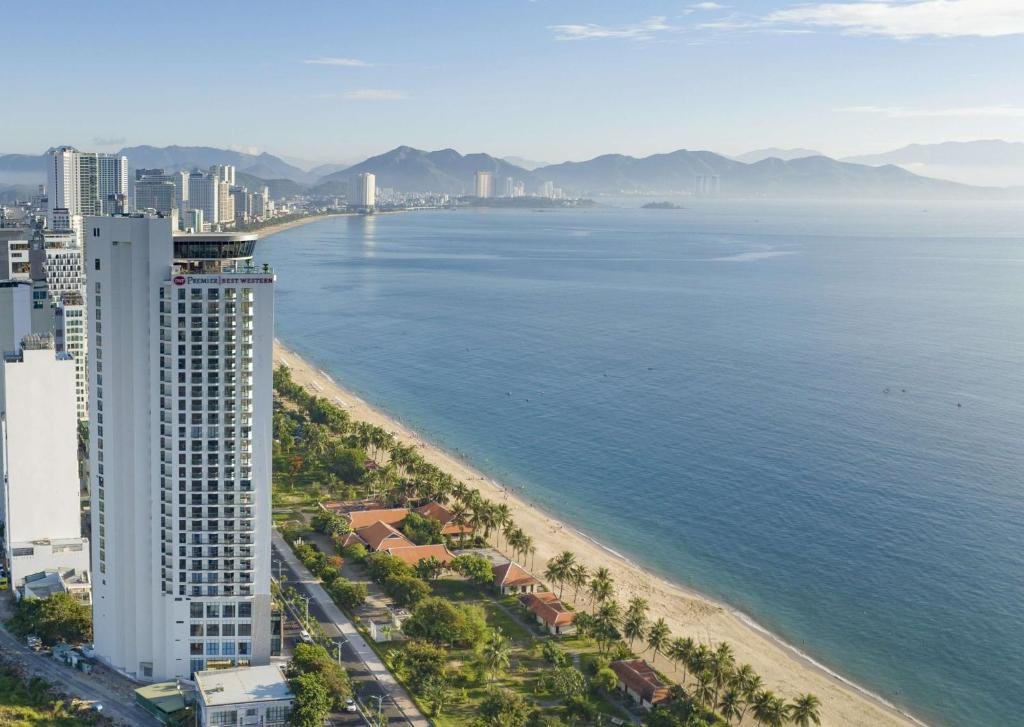
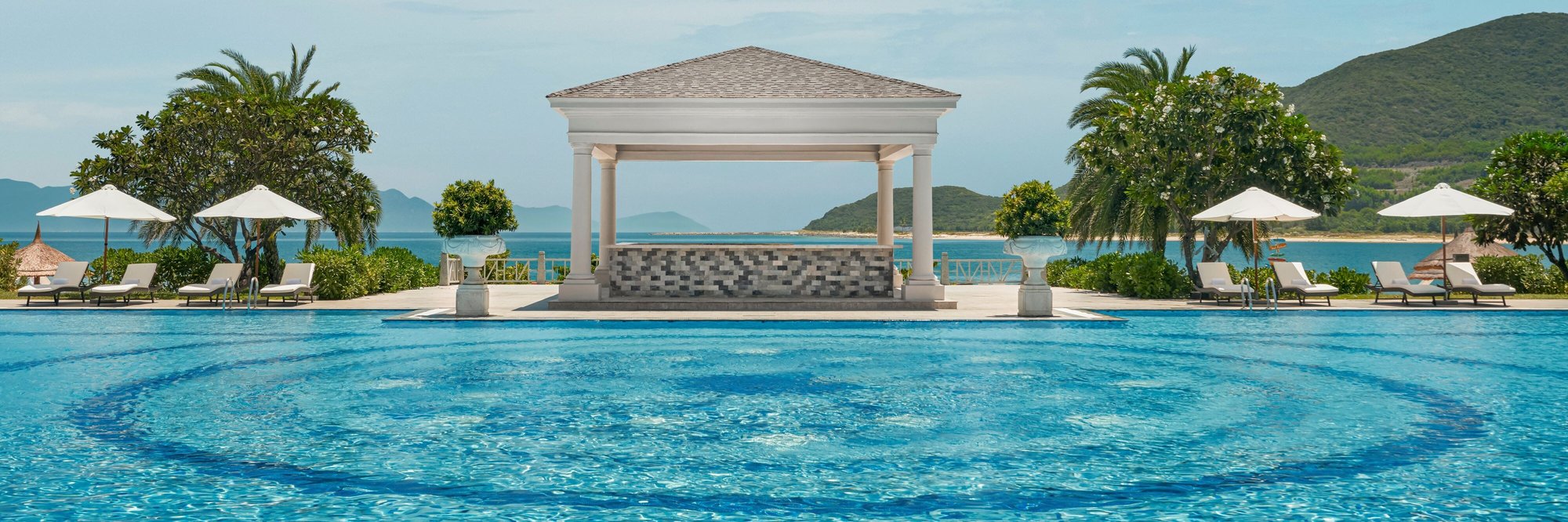
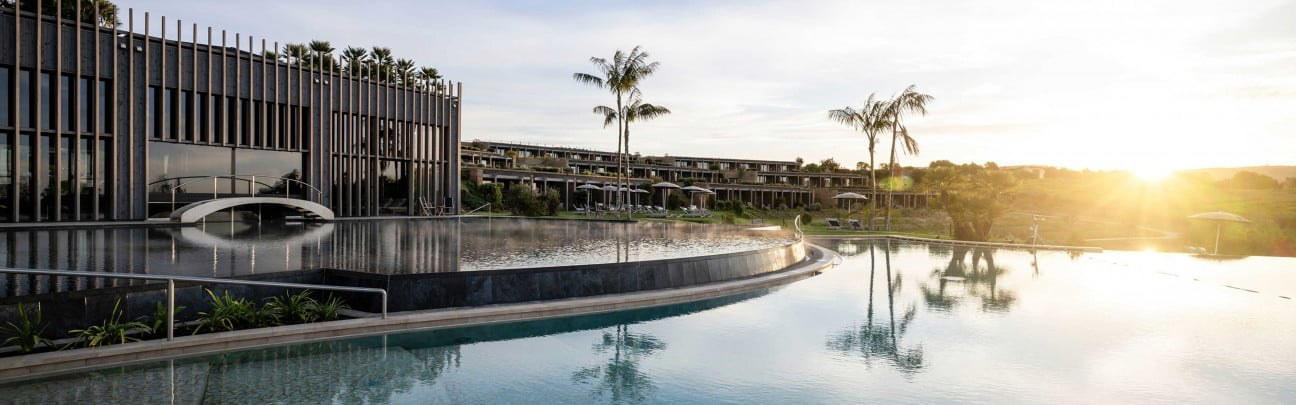
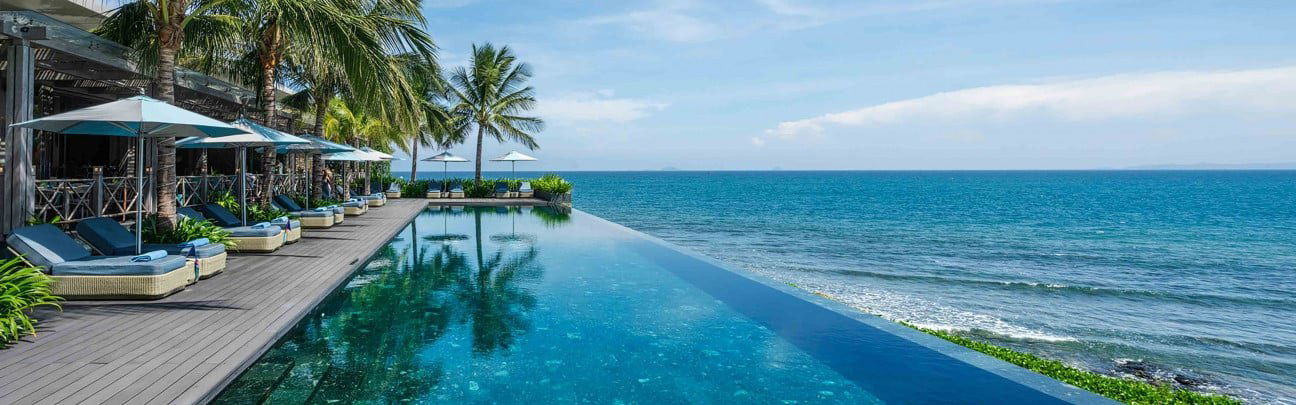
Mia Resort Nha Trang presents a quietly refined coastal retreat that favours horizontal spread over vertical impact. Low-rise bungalows and villas sit beneath the treeline and use thatch, timber and stone to echo local vernacular architecture. The layout and materials make the property feel integrated with the headland rather than imposed on it, and the sheltered Bai Dong crescent delivers a private, serene beach experience. The resort reads as a design-conscious, place-specific alternative to high-rise hotels along the coast — understated, calm and focused on connection to landscape.
Best For
This is a stay for guests who prize privacy, natural texture and a low-density seaside setting. Couples seeking a secluded romantic getaway or honeymoon find the sheltered bay and intimate villas appealing. Families can benefit from standalone bungalow and villa formats that spread across the headland, while travelers pursuing rest or wellness appreciate the quiet crescent and restrained footprint. In short, Mia suits anyone after a calm, design-forward beach retreat away from Nha Trang's high-rise strip.
Stay Tips
Approach Mia via Bai Dong rather than central Nha Trang to set expectations for a more secluded coast experience. Book early for beachfront-facing bungalows or villas if sea proximity and privacy are priorities, since the resort purposefully limits vertical density in favor of spread-out accommodation. Allow time to enjoy the sheltered beach and the property’s natural-material detailing; the emphasis here is on slow, place-specific relaxation rather than city-facing bustle.
Venue details
Ambiance
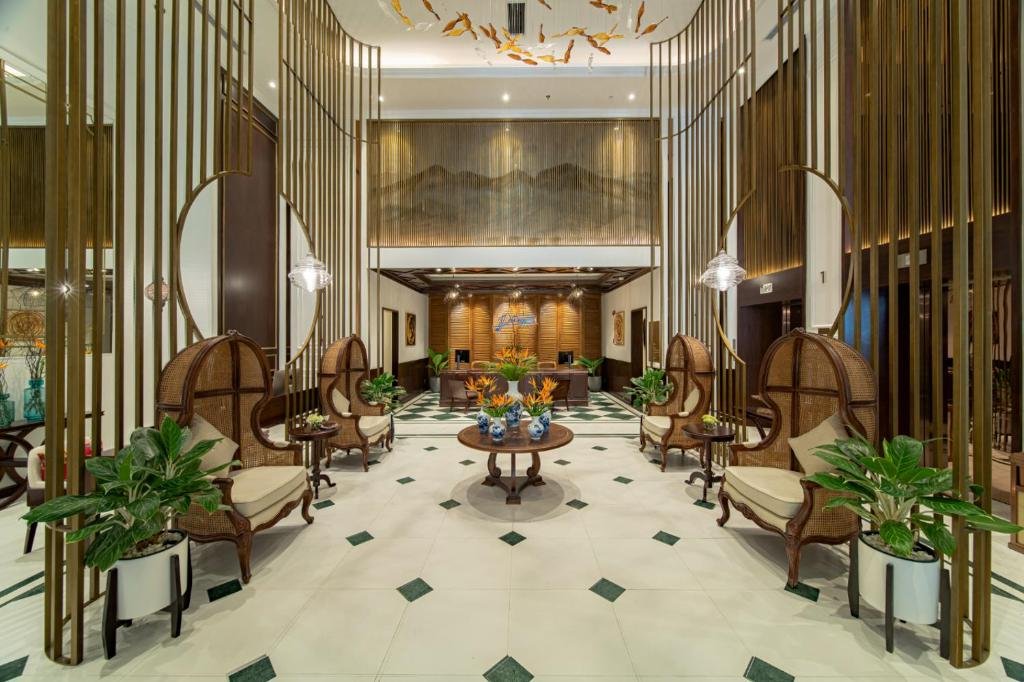
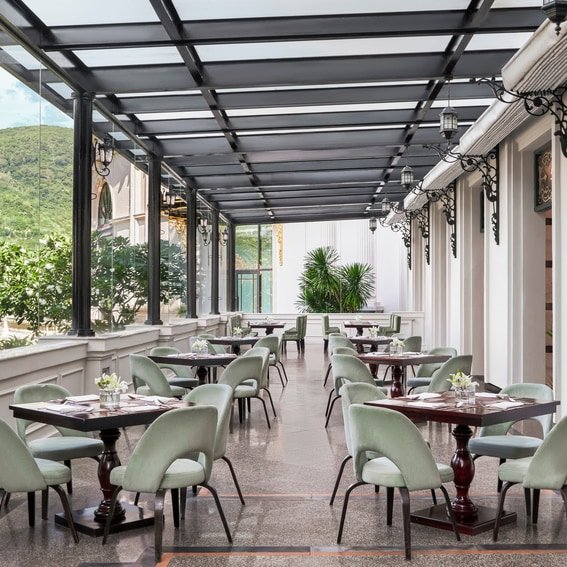
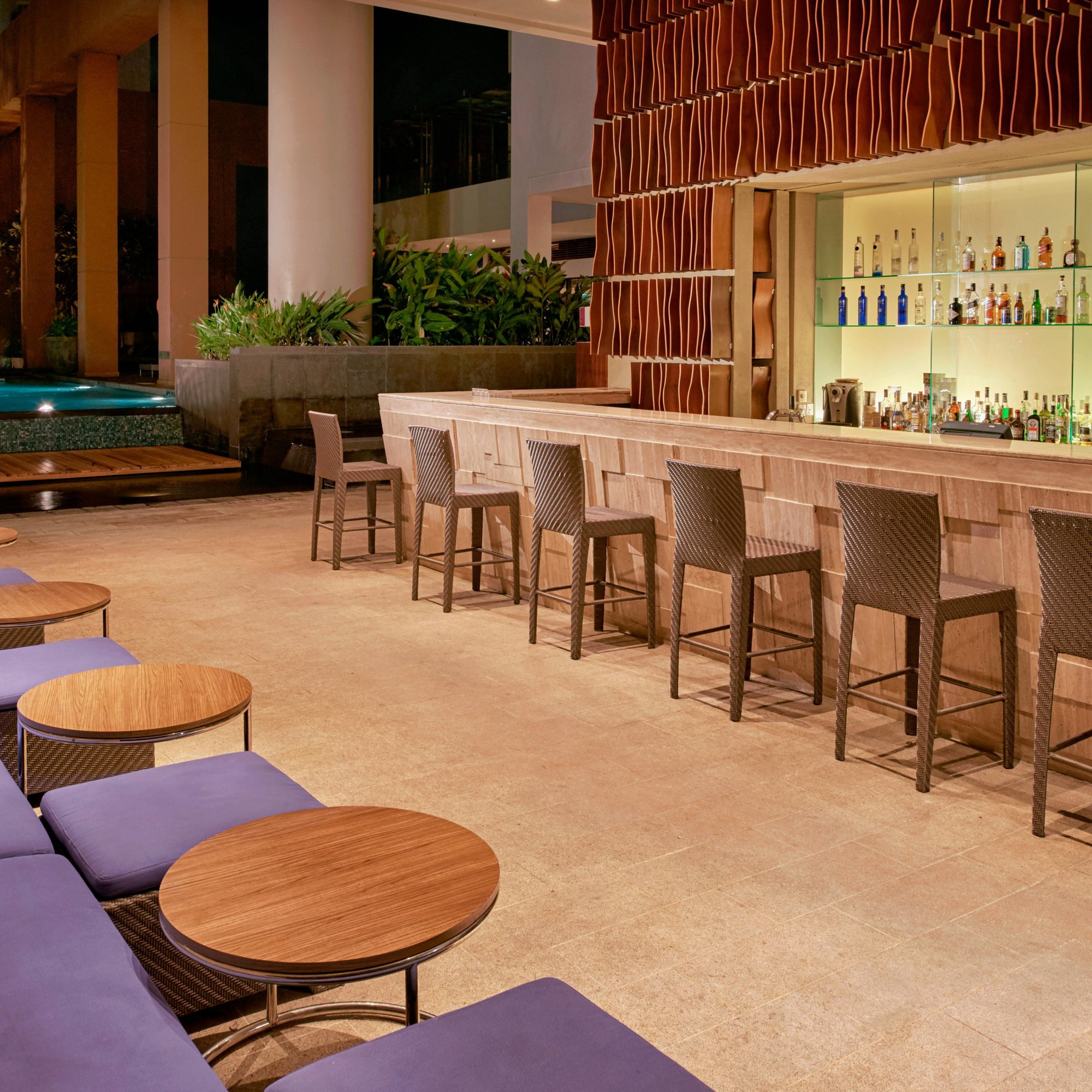
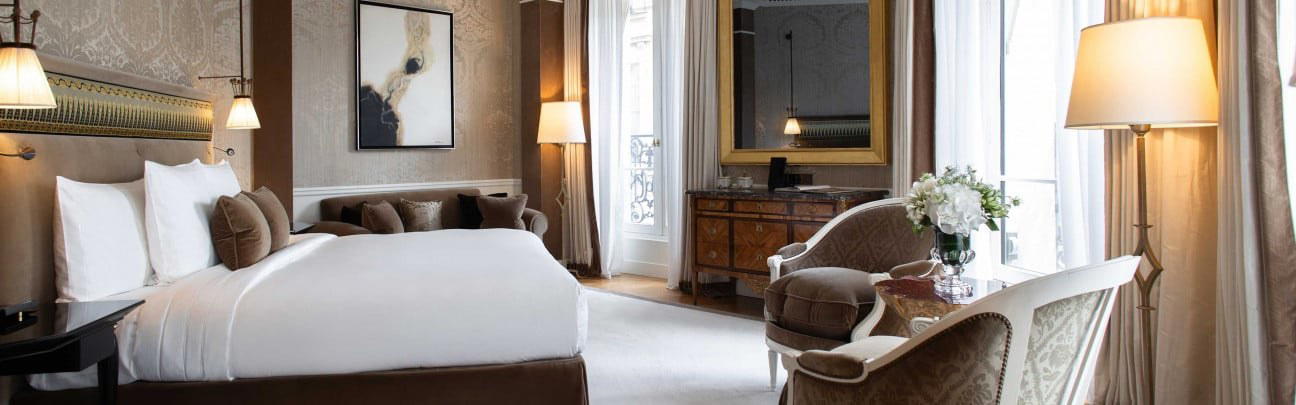
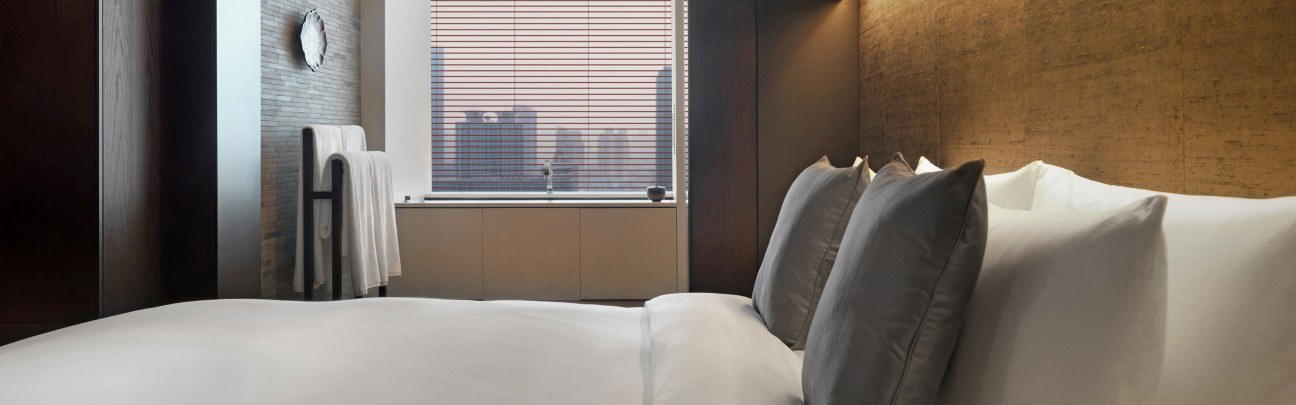
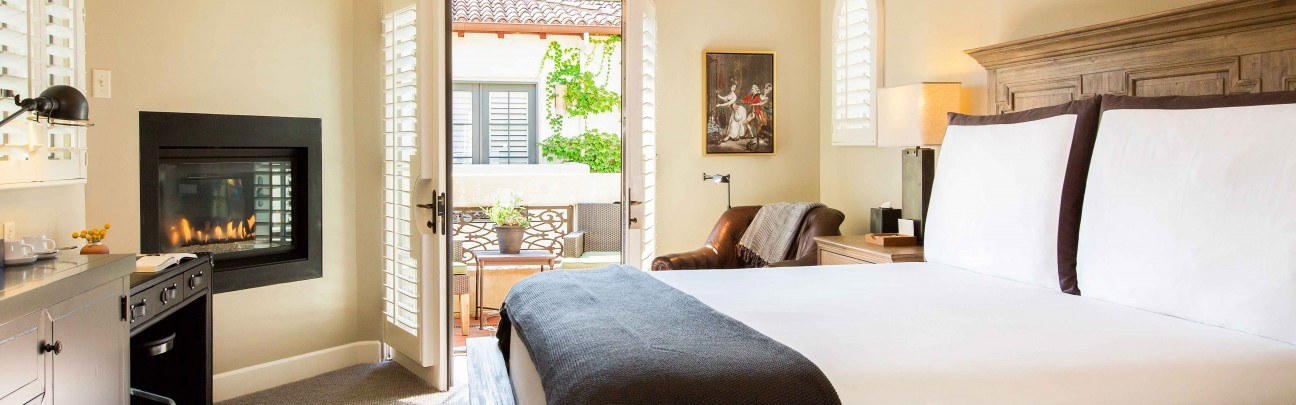
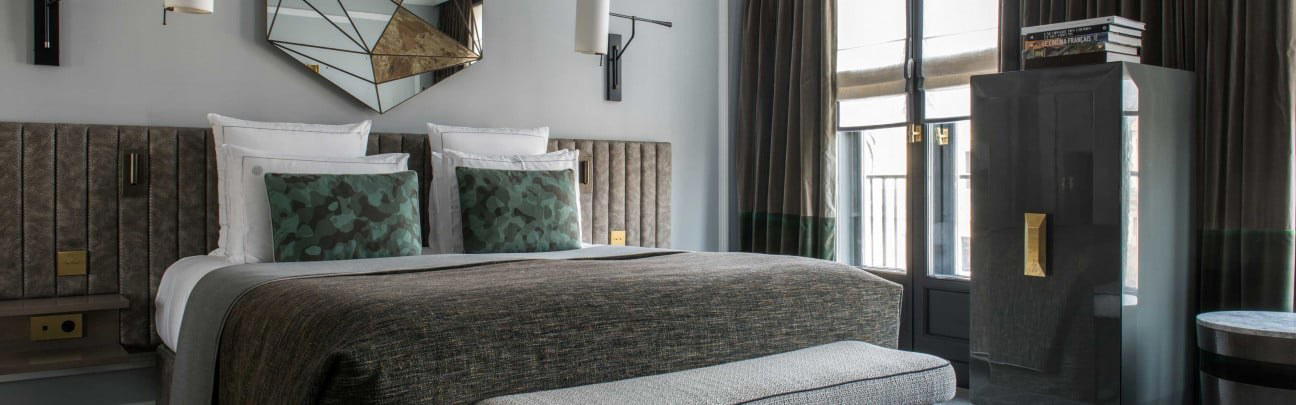
Light-flooded minimalist interiors with pale woods, exposed stone, natural light, and calming garden or ocean views creating a serene, chic atmosphere.
Tags
Vibe
Best For
Experience
Amenities
View
About the Stay
- Rooms
- 0
- Check-in
- 15:00
- Check-out
- 12:00
- Property Style
- Contemporary Cliffside Boutique Resort Blending Minimalist Architecture with Tropical Landscaping
- Design Style
- Minimalist Chic with Pale Woods, Exposed Stone, Custom Furniture, and Natural Materials
Know before you go
Know Before You Go
- Getting there
- Bãi Dông, Cam Lam, Khanh Hoa 650000, Vietnam
Planning details
Location
Recognition and awards
Also consider
Also Consider
- Melia Vinpearl Cam Ranh, Notable alternative
- Radisson Blu Resort, Cam Ranh, Notable alternative
- Best Western Premier Marvella Nha Trang Hotel, Notable alternative
- Nha Trang Marriott Resort & Spa, Hon Tre Island, Notable alternative
- Potique Hotel, Notable alternative
Hotel context
Mia Resort Nha Trang is the calmer resort-leaning option in this set, especially for travelers who want a coastal base without choosing an island stay. Nha Trang Marriott Resort & Spa, Hon Tre Island is the better fit if the trip is built around a larger resort environment and Hon Tre Island logistics are part of the appeal; Mia is easier to justify when quieter mainland access matters.
Against the Cam Ranh peers, Melia Vinpearl Cam Ranh and Radisson Blu Resort, Cam Ranh are more conventional resort comparisons for travelers focused on airport-side ease and larger-brand familiarity. Mia is the more personality-led call, helped by its Mr & Mrs Smith and MICHELIN Guide Hotels recognition, though travelers chasing the simplest brand-standard stay may prefer those alternatives.
For city access, Best Western Premier Marvella Nha Trang Hotel and Potique Hotel are stronger choices. Pick them if the trip is restaurant-heavy or schedule-driven. Pick Mia if the hotel itself is meant to carry more of the trip and the mood matters more than being in the middle of Nha Trang.
Explore Nha Trang
Around this place
Discover more on Pearl
Unlock the full Mia Resort Nha Trang guide in Pearl, including awards, comparisons, FAQs, planning details, and nearby places.
Compare Mia Resort Nha Trang
| Venue | Location | Awards |
|---|---|---|
| Mia Resort Nha Trang | Nha Trang | 2026 Mr & Mrs Smith Luxury Hotels2025 Michelin Selected Hotels |
| Melia Vinpearl Cam Ranh | Cam Ranh | No published awards |
| Radisson Blu Resort, Cam Ranh | Khanh Hoa Province | No published awards |
| Best Western Premier Marvella Nha Trang Hotel | Nha Trang | No published awards |
| Nha Trang Marriott Resort & Spa, Hon Tre Island | Nha Trang | No published awards |
| Potique Hotel | Nha Trang | No published awards |
How Mia Resort Nha Trang compares with similar nearby venues.
FAQ
Frequently Asked Questions
How is the dining at Mia Resort Nha Trang?
Specific dining details are best confirmed directly with the property before booking. Treat Mia Resort Nha Trang primarily as a recognized Nha Trang hotel option and ask about current restaurant, bar, dietary, and meal-service information.
Is Mia Resort Nha Trang family-friendly?
Family-specific services and amenities are best confirmed directly with the hotel. If you are booking for children or a multigenerational stay, ask about room setup, facilities, and any current family policies.
When is the best time to book Mia Resort Nha Trang?
If your dates are important, compare current availability and cancellation terms directly with the hotel or your booking channel.
Do loyalty programs work at Mia Resort Nha Trang?
Loyalty-program participation is best confirmed directly. Base your decision on confirmed hotel recognition, including MICHELIN Guide Hotels Selected 2025 and Mr & Mrs Smith Seal of Approval 2026, and check any benefits before booking.
Is Mia Resort Nha Trang good for business travel?
Business-travel facilities are best confirmed directly with the hotel. If you need meeting space, workspace, transport support, or other work-specific services, ask before booking.
Which room category is best at Mia Resort Nha Trang?
Choose based on the current room descriptions, rates, and cancellation terms shown by the hotel or booking channel, and confirm any must-have features before reserving.
What is check-in like at Mia Resort Nha Trang?
Contact Mia Resort Nha Trang or review your booking confirmation for the latest arrival time, identification requirements, deposit policy, and transfer instructions.