
The Moore
Chelsea-Hudson Yards, New York City
Hotel in New York City, United States
 Book with Pearl
Why go
This is a sensible Chelsea pick if location and design credibility matter more than heavy hotel infrastructure. The 2026 Design Hotels Member recognition helps its case, but value depends on the rate versus nearby Chelsea alternatives with stronger atmosphere, history, or scale.
About The Moore
Do not treat a New York City venue name as enough information on its own. The better question is whether The Moore matches the kind of trip you are planning. The Moore is worth shortlisting if you want a New York City stay with a confirmed design credential, but it should be evaluated carefully if you need detailed information on rooms, dining, amenities, or service before booking.
The useful trust signal is specific: The Moore is a 2026 Design Hotels Member. That points toward a design-conscious identity, but it does not answer every practical question. Without information on price band, room hierarchy, dining program, or service format, the smart move is to judge it against the needs of your particular New York City trip and confirm current details directly before committing.
New York City makes the case when time matters more than extras
The Moore is best approached as a New York City option where the confirmed hook is design recognition rather than a long list of facilities. That makes it more useful for travelers who want a direct stay decision than for guests who need the venue itself to provide a fully documented resort-style experience.
That value equation depends on the rate and the details available at the time you book. If the price is close to other options with broader services, compare carefully. If the rate feels competitive for a design-recognized New York City stay, The Moore has a clearer argument. For broader context across the city, use Our full New York City hotels guide; if the stay needs dining and bar planning around it, pair that with Our full New York City restaurants guide and Our full New York City bars guide.
Who should choose it, and who should cross-shop
Choose The Moore if the priority is a New York City stay with a confirmed Design Hotels credential and a smart casual dress code. It is a better fit for travelers who are comfortable confirming practical details directly than for guests who need a fully documented list of facilities, room types, dining options, or services before making a decision.
Cross-shop if the stay is meant to be the main event or if you need more information before booking. The Moore has a cleaner argument as a design-recognized New York City base than as a fully specified luxury splurge. For comparison, consider The Hotel Chelsea, Faena, Chelsea Savoy Hotel, The Maritime Hotel, and The High Line Hotel, or review hotels more generally. Keep other city-planning guides secondary unless they match the specific needs of your trip.
Planning details
- Location
- 300 West 22 Street, New York City 10011, USA
- Website
- marriott.com/en-us/hotels/nycmr-the-moore-a-member-of-design-hotels/overview
The take
The Take
The Vibe
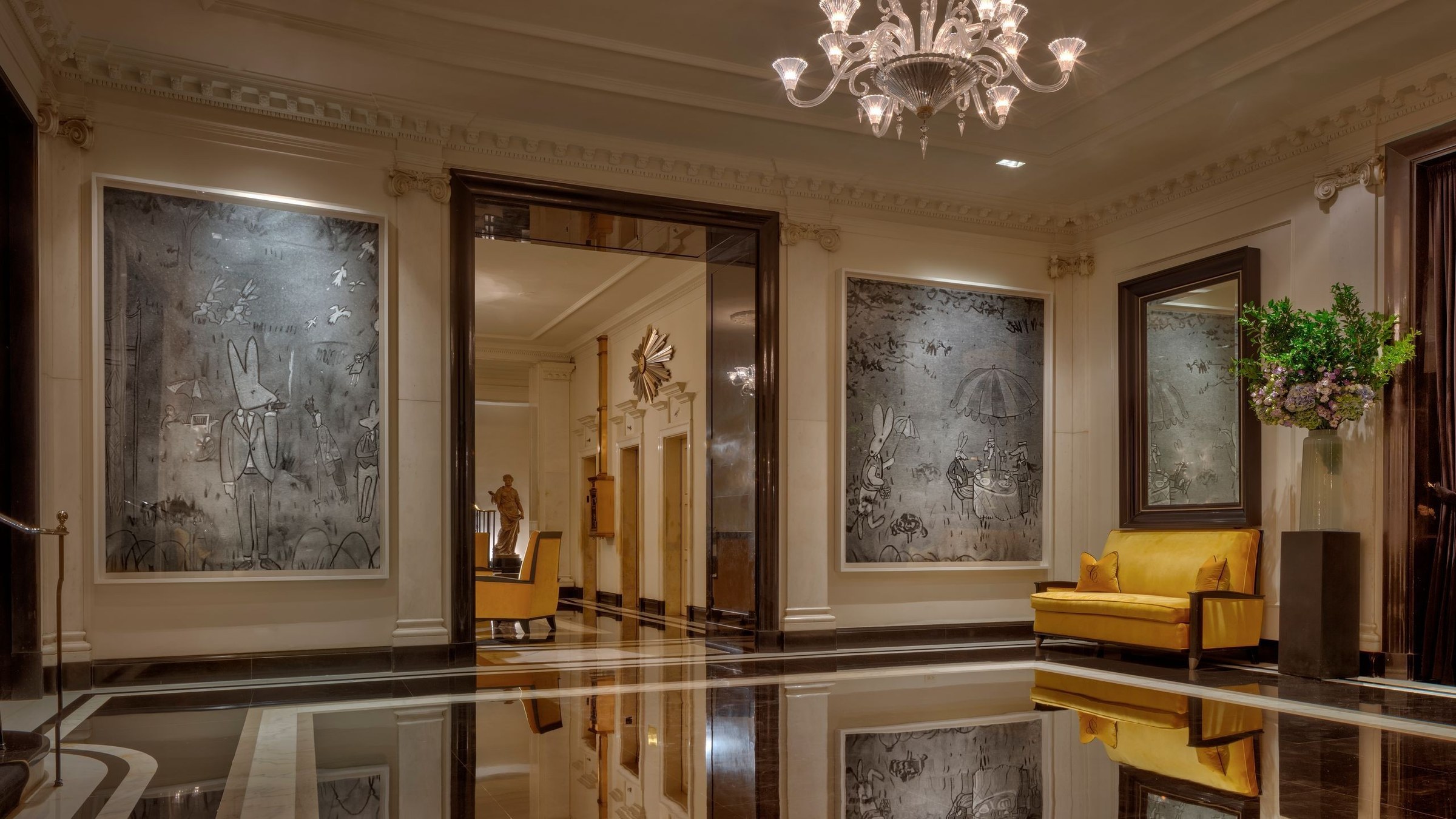
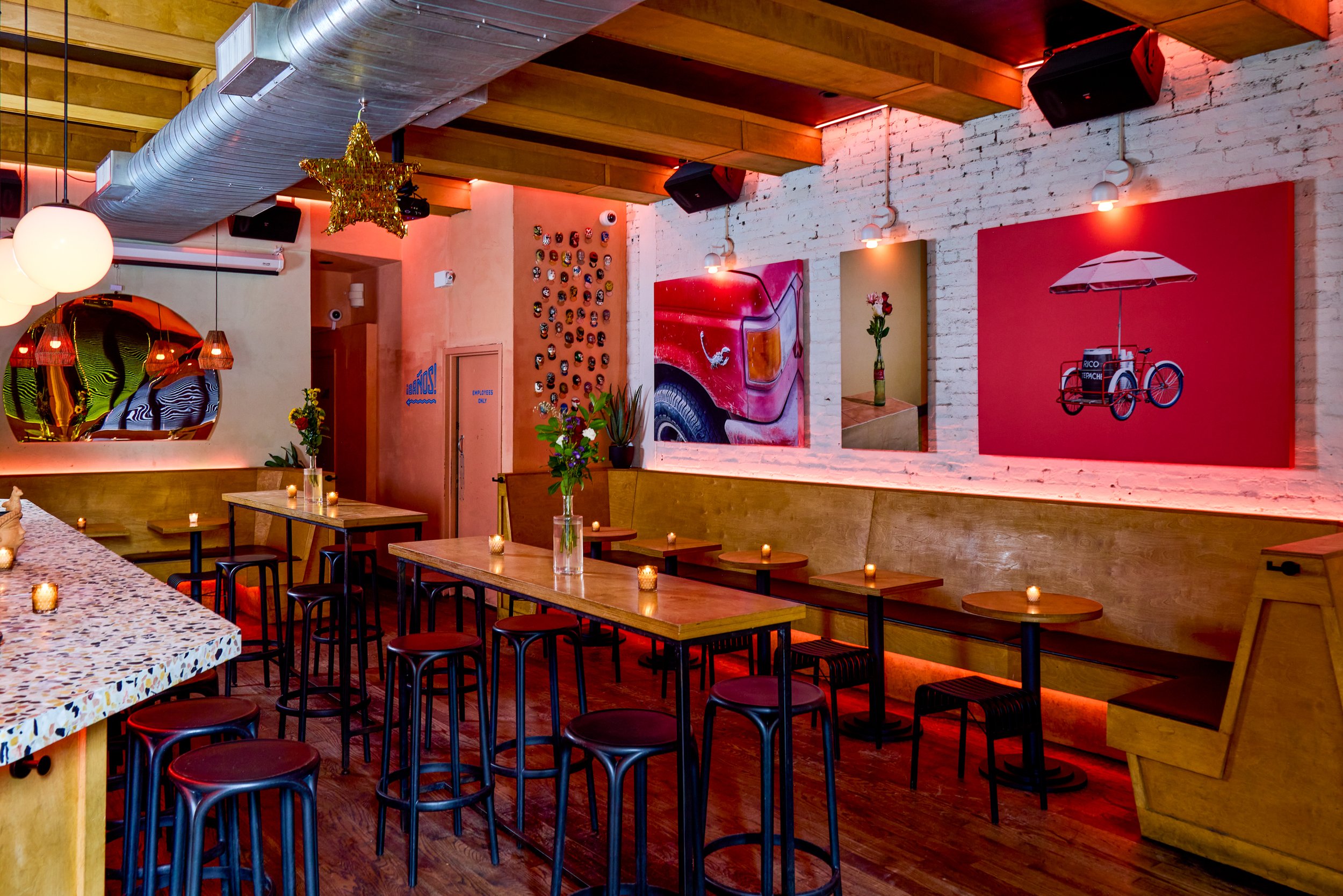
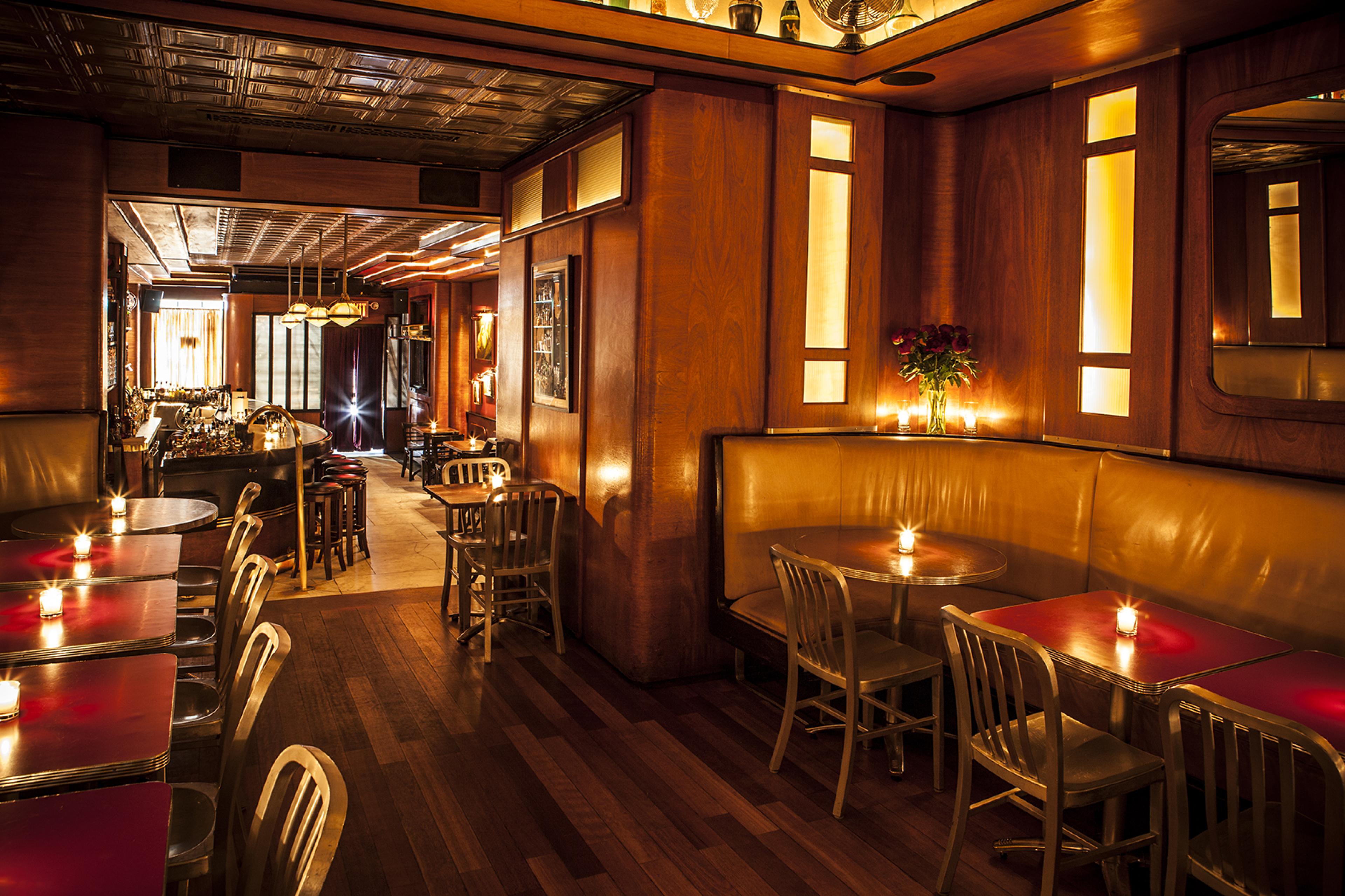
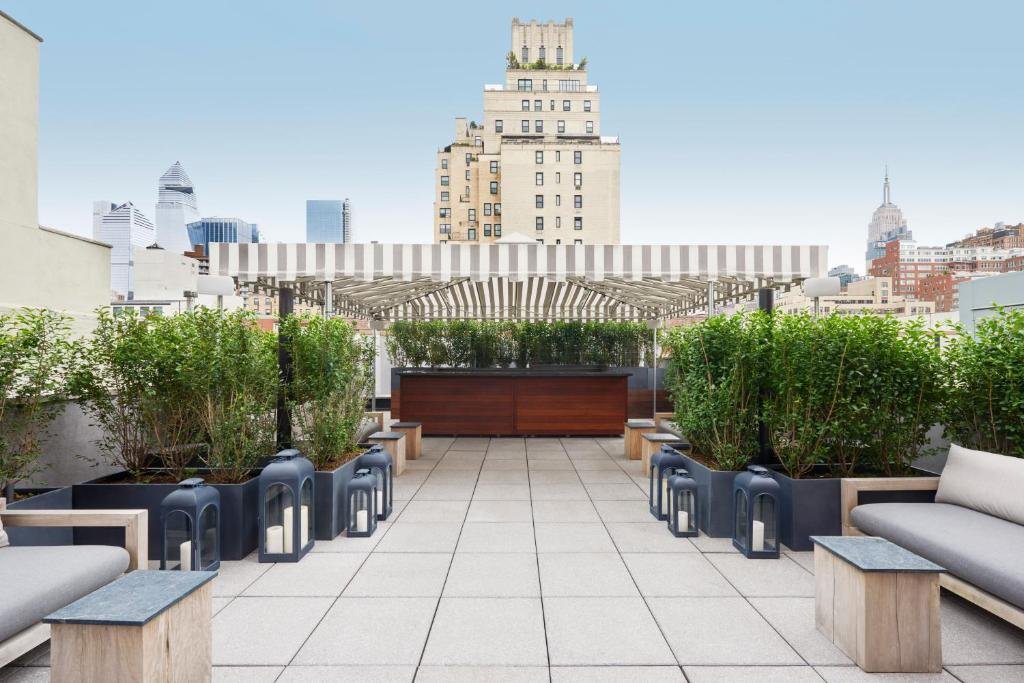
The Moore presents itself as a quietly confident Chelsea address that prefers residential ease to theatrical gesture. Rather than announcing itself with blown-up design flourishes, the hotel absorbs into West 22nd Street’s rhythm — brownstones, cast-iron faces and gallery storefronts — and leans on that context to define the stay. Guests feel the neighborhood as much as the interior: low-rise streets that keep the sky present, a restrained sense of scale, and an overall calm that reads as deliberately understated. It’s a hotel that reads like a local residence, built for people who value place and atmosphere over spectacle.
Best For
The Moore suits travelers who want immersion in Chelsea’s cultural life and a low-key, lived-in hotel experience. It’s an appealing base for gallery visits, strolls along the High Line and afternoons spent exploring nearby streets, because the property prioritizes neighborhood access and a residential feel. Urban explorers and solo visitors who prefer thoughtful calm to destination drama will appreciate the understated scaling and quiet atmosphere. The hotel favors those who prize location and subtlety — people seeking a neighbourhood stay rather than a hotel that doubles as a city attraction.
Venue details
Ambiance
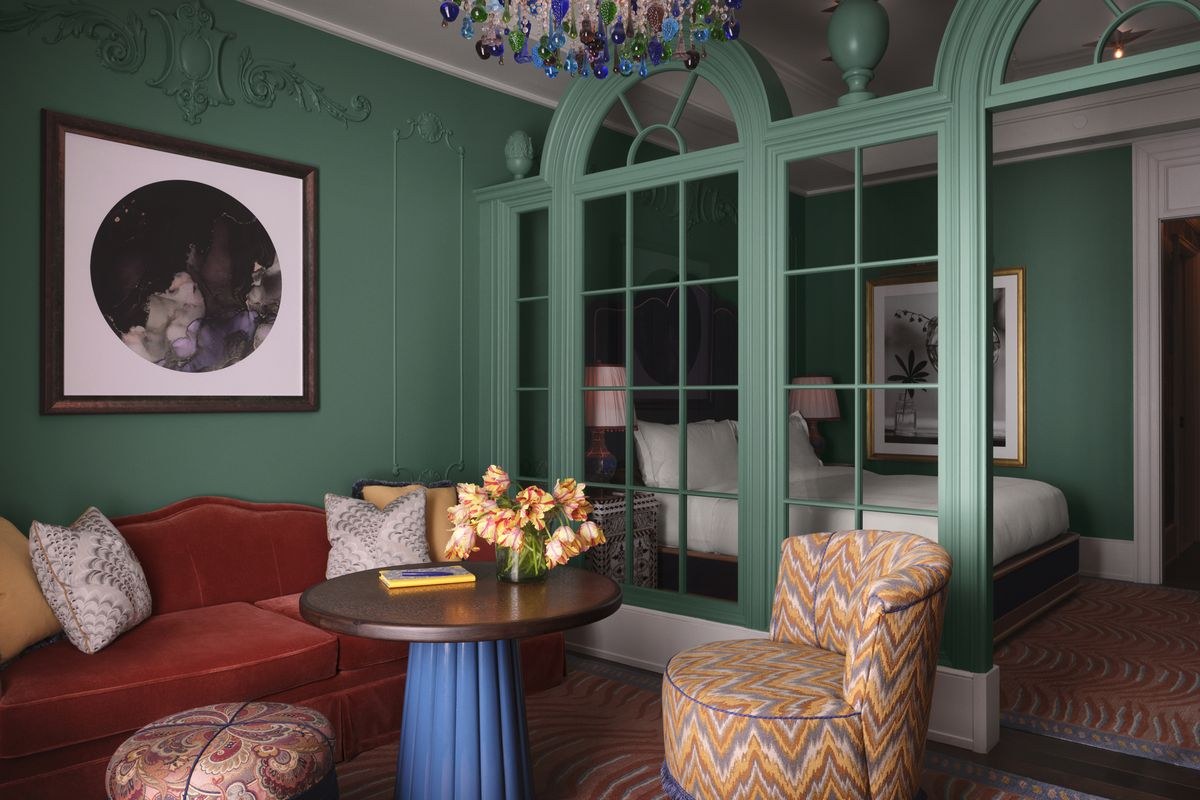
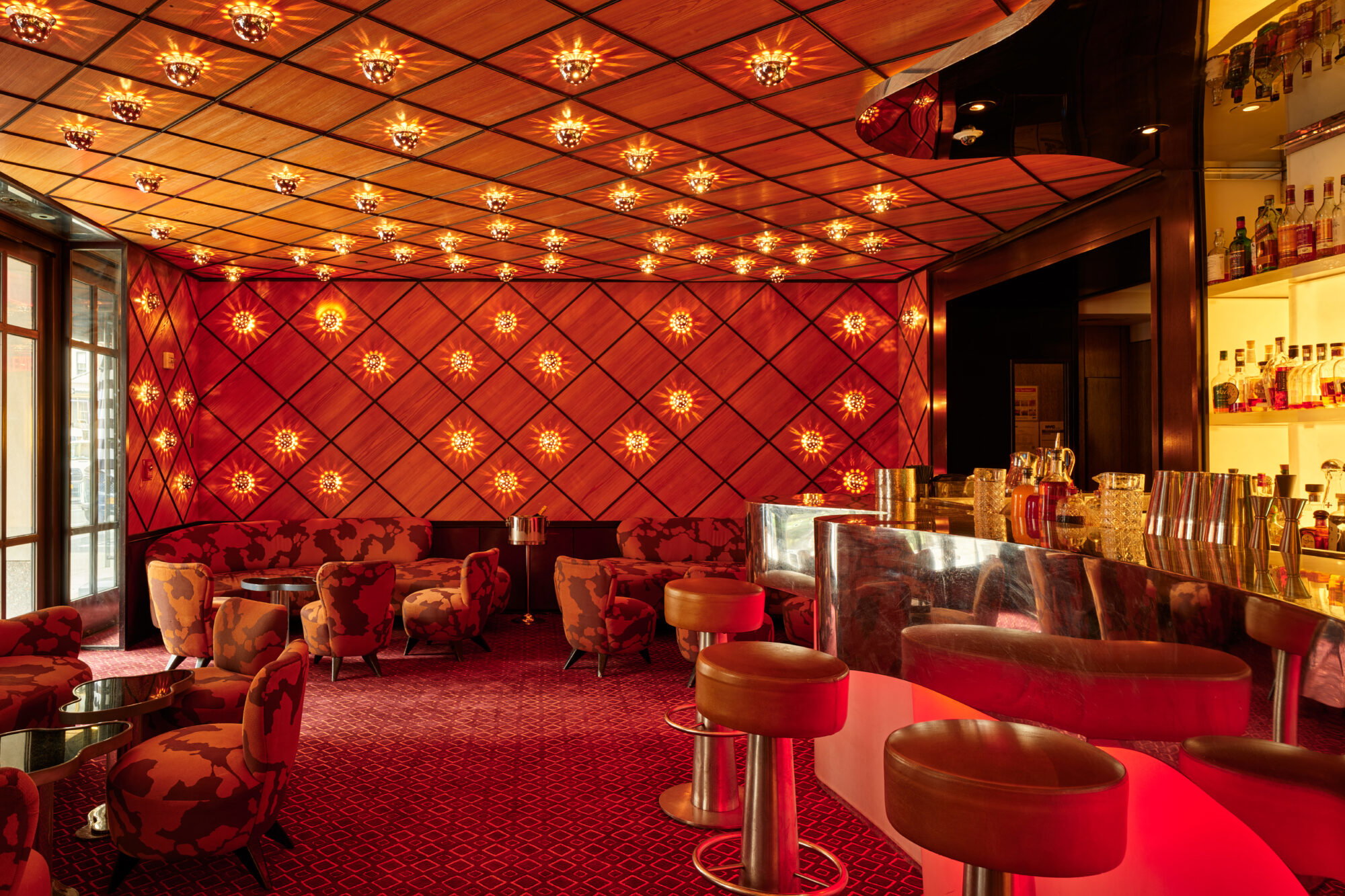
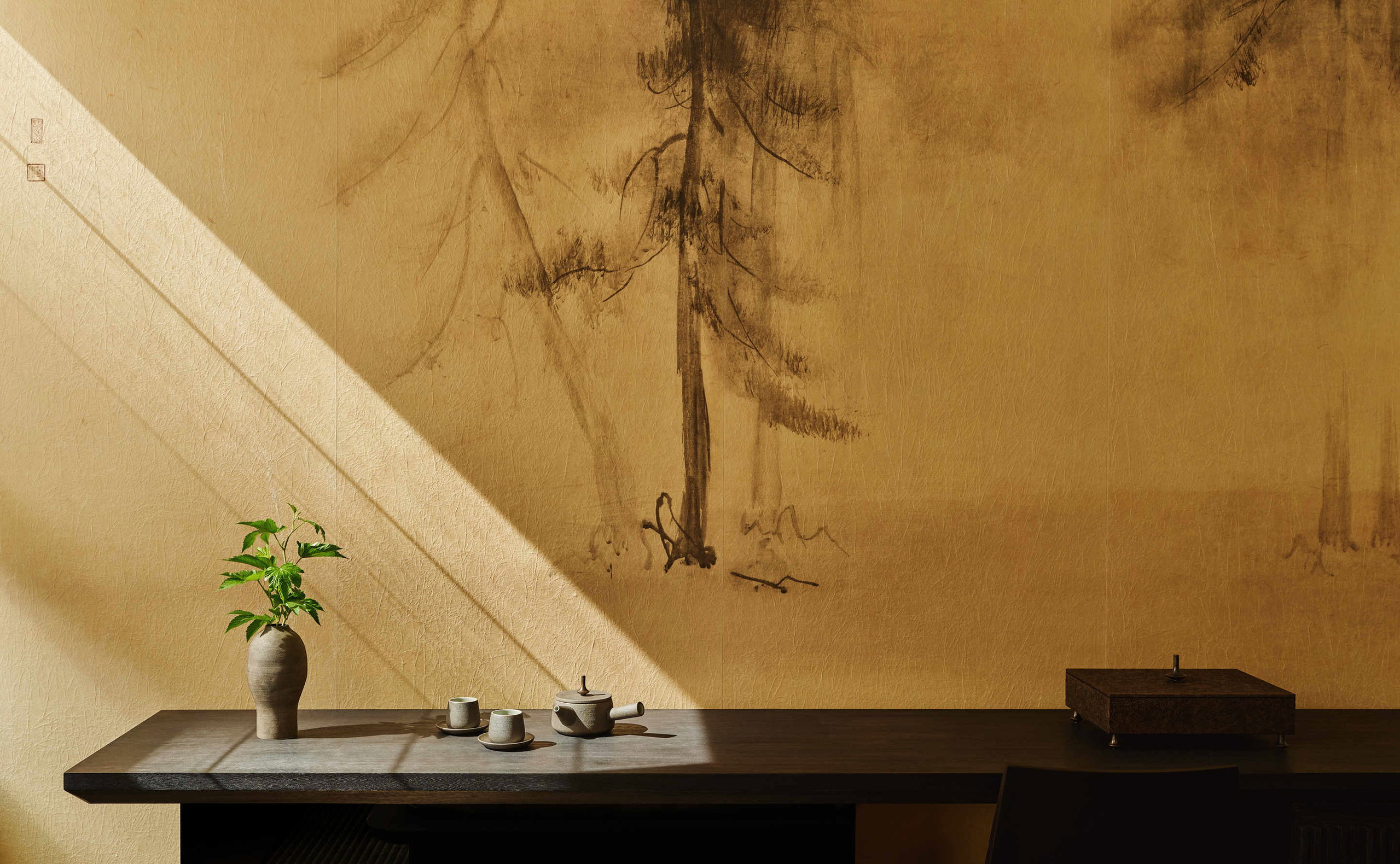
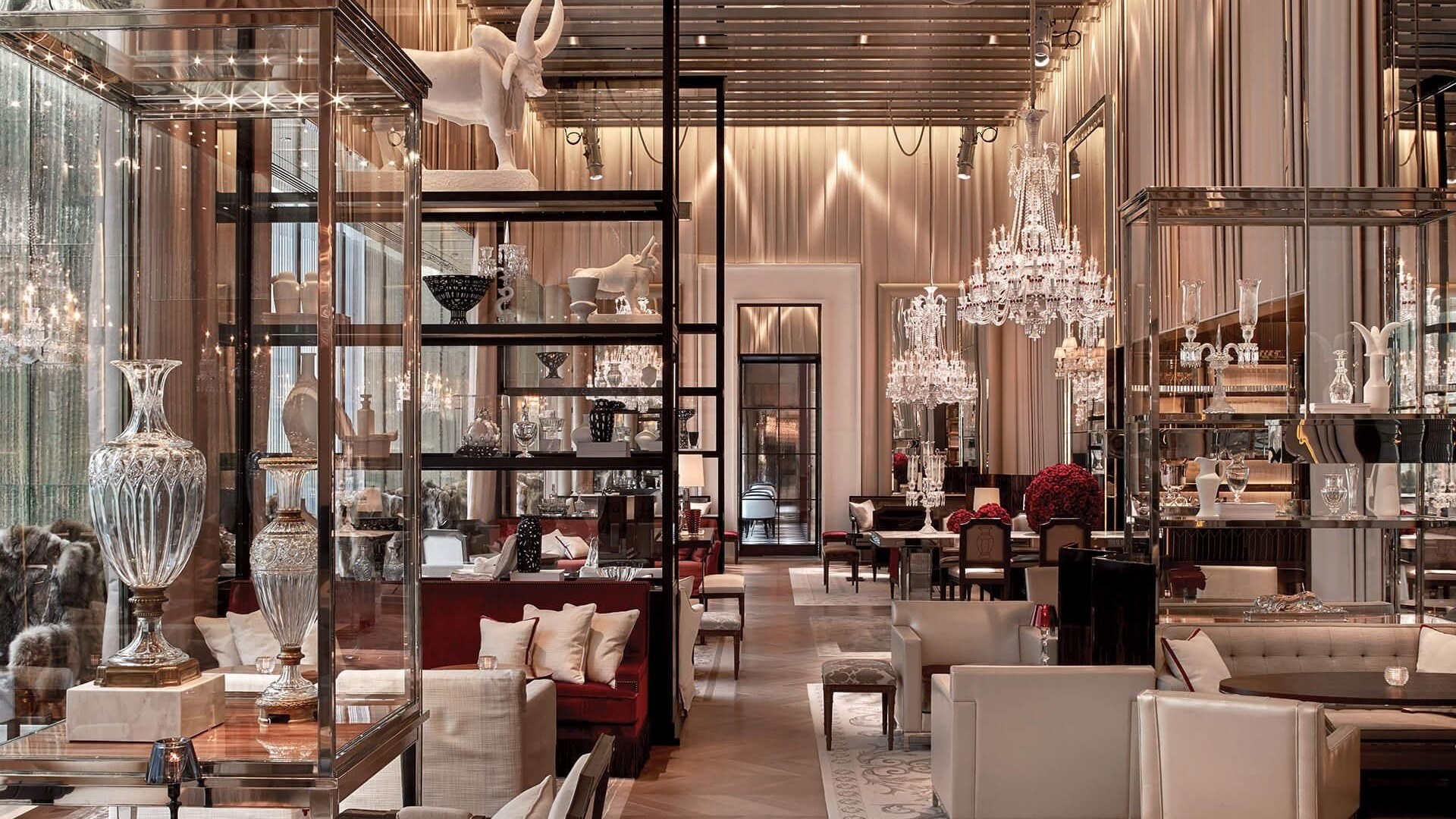
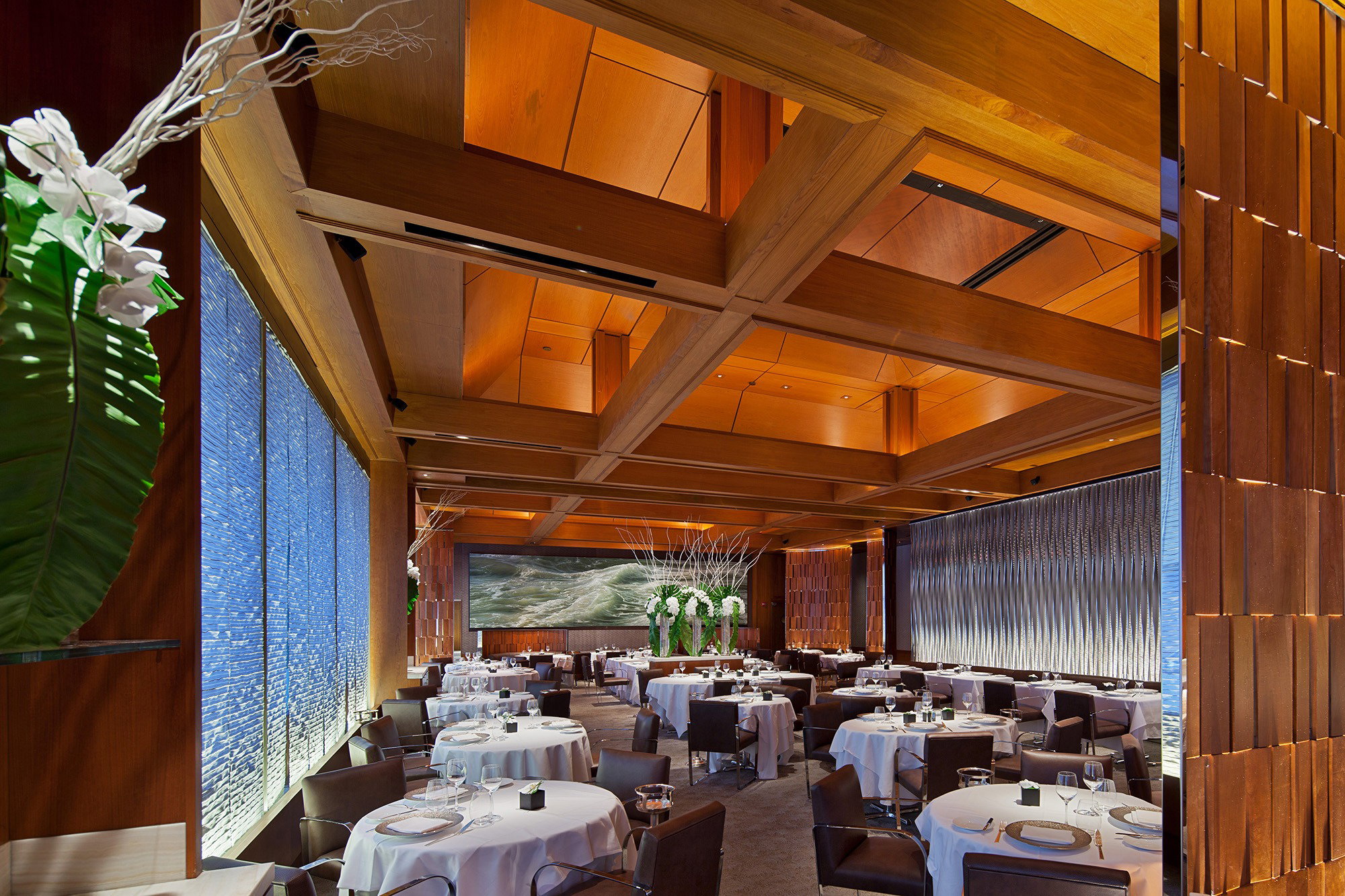
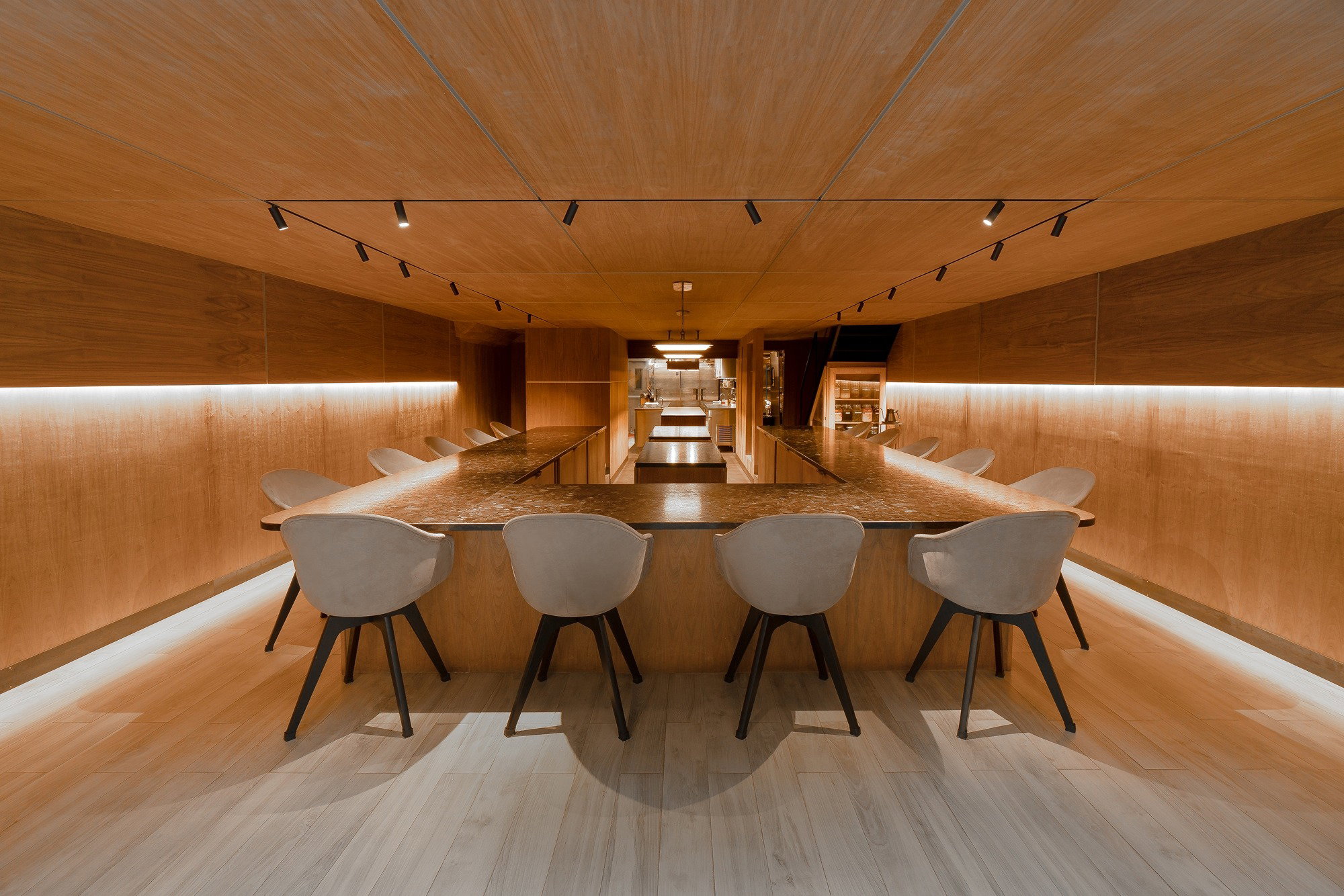
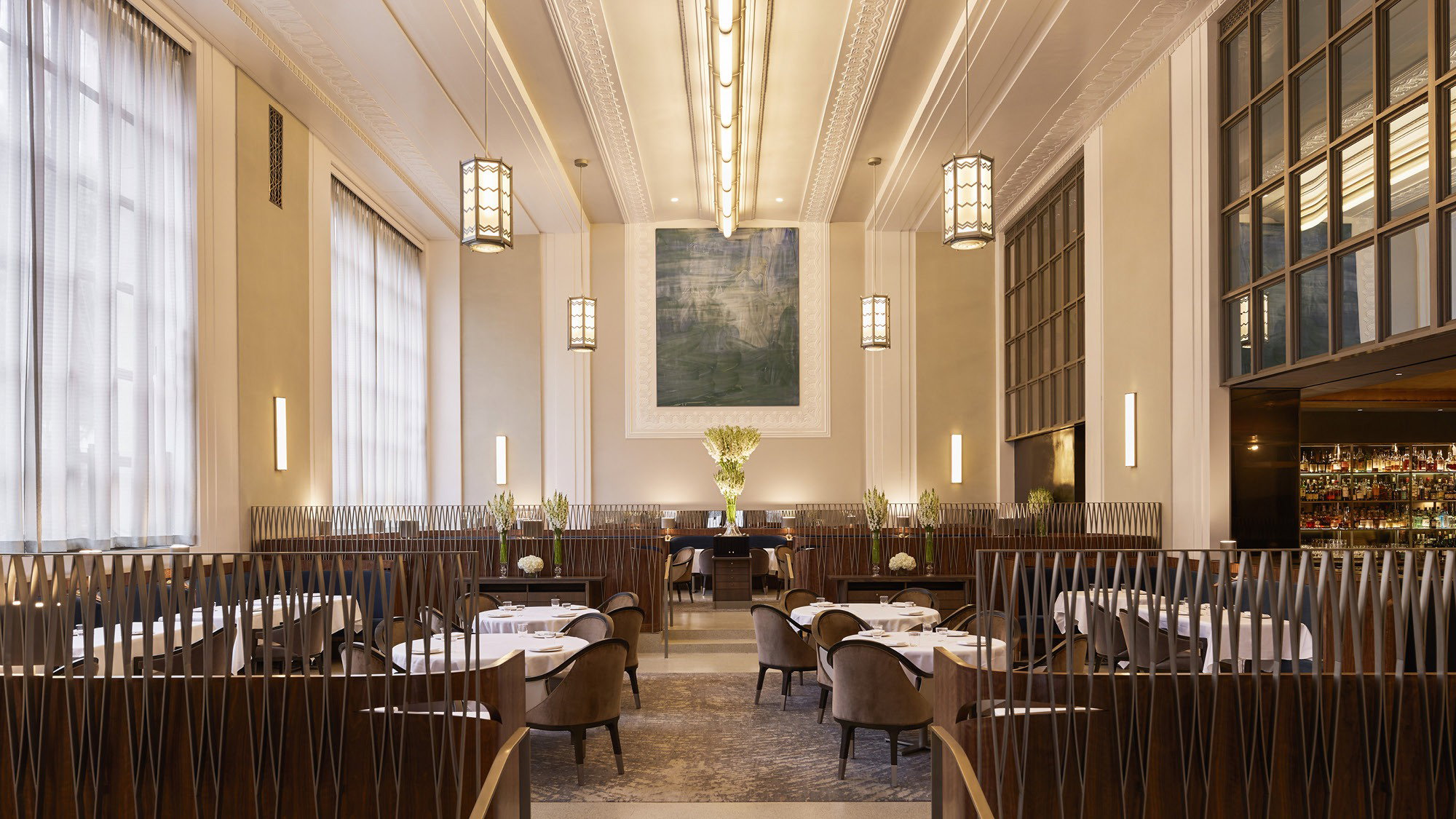
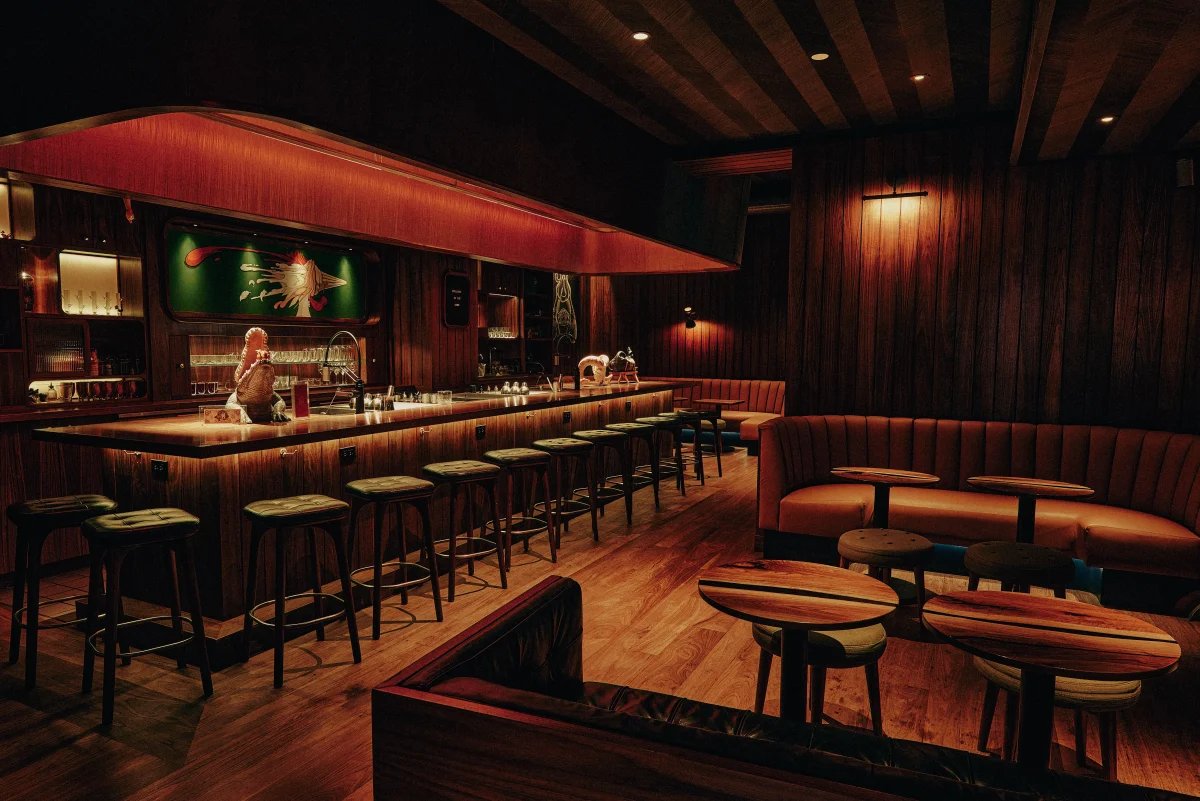
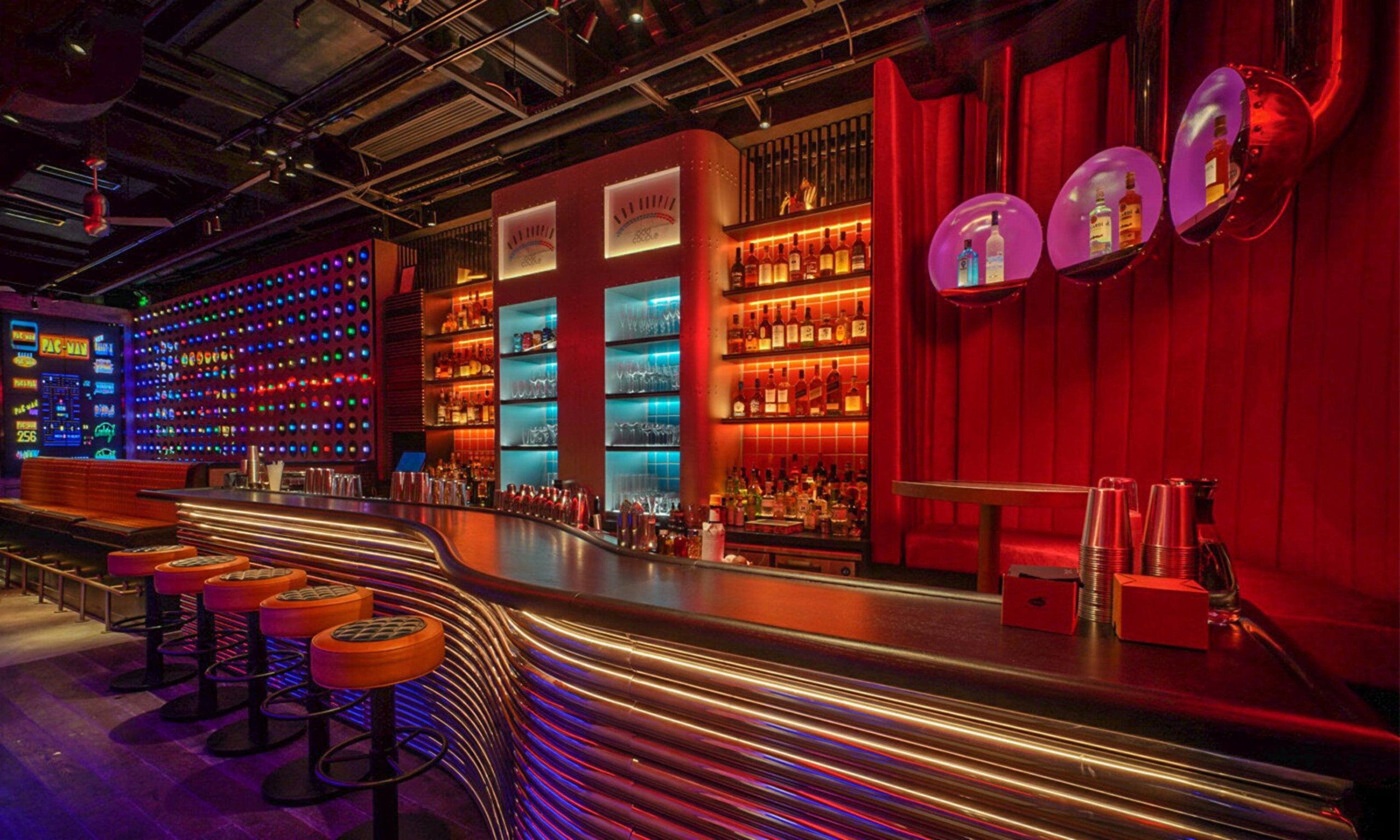
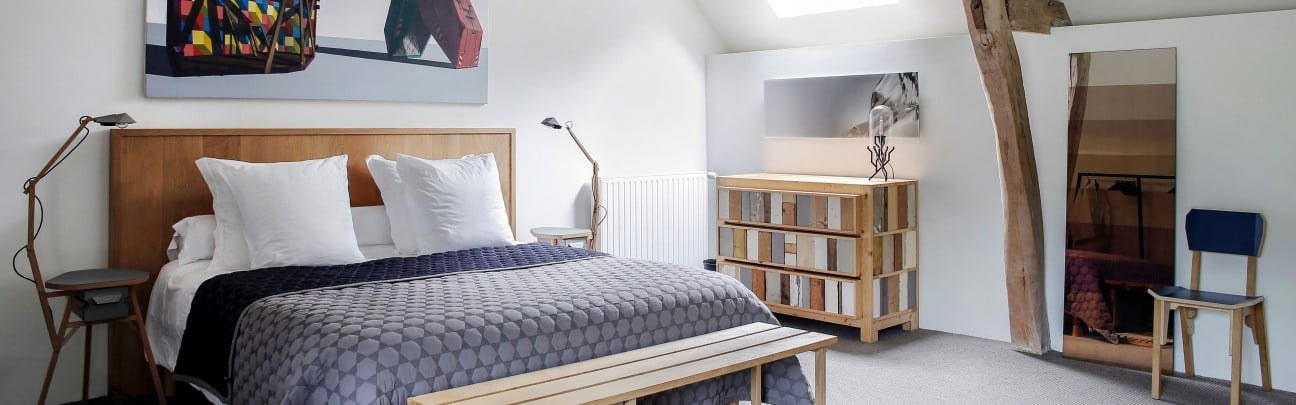
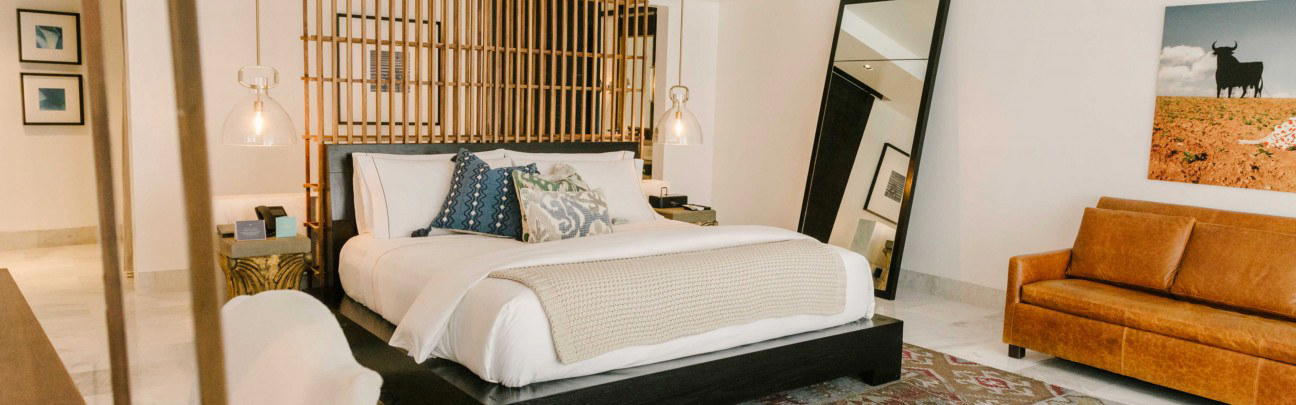
Chic and serene with warm wood tones, rich colors, soft architectural lighting, and a cozy residential lobby atmosphere.
Tags
Vibe
Best For
Experience
Amenities
View
Accessibility
About the Stay
- Rooms
- 81
- Check-in
- 15:00
- Check-out
- 12:00
- Property Type
- Boutique hotel
- Property Style
- Residential Urban Retreat
- Design Style
- Modern Minimalist with Wood Tones and Rich Colors
- Pets
- Allowed
- Cancellation
- Moderate
Know before you go
Know Before You Go
- Getting there
- 300 West 22 Street, New York City 10011, USA
Planning details
Location
300 West 22 Street, New York City 10011, USA · Directions
marriott.com/en-us/hotels/nycmr-the-moore-a-member-of-design-hotels/overview
Recognition and awards
Also consider
Also Consider
- The Hotel Chelsea, Notable alternative
- Chelsea Savoy Hotel, Notable alternative
- The Maritime Hotel, Notable alternative
- The High Line Hotel, Notable alternative
- Faena, Notable alternative
Hotel context
How The Moore compares in Chelsea
Against The Hotel Chelsea, The Moore is the quieter, more practical choice for travelers who want Chelsea access without making the hotel's history the point of the stay. The Hotel Chelsea is the stronger pick for atmosphere and a more storied New York feel; The Moore is the cleaner fit for a design-conscious base when booking ease and location efficiency matter.
Chelsea Savoy Hotel is the value cross-shop if price discipline beats design credentials. The Maritime Hotel and The High Line Hotel make more sense for guests who want a stronger sense of place near the west side; The Moore is better when the brief is lower-friction Chelsea lodging with a contemporary design signal.
Faena belongs in the splurge comparison: choose it if the trip calls for a higher-drama hotel experience, not just a smart base. For most value-seekers, The Moore is the safer call when the room is a launchpad for New York rather than the headline of the trip.
Explore New York City
Around this place
Discover more on Pearl
Unlock the full The Moore guide in Pearl, including awards, comparisons, FAQs, planning details, and nearby places.
Compare The Moore
| Venue | Location | Awards |
|---|---|---|
| The Moore | New York City | 2026 Design Hotels Collection |
| The Hotel Chelsea | New York City | Leading Hotels of the World 20262026 Michelin 1 Key2025 Michelin 1 Key2024 Michelin 1 Key |
| Chelsea Savoy Hotel | New York City | No published awards |
| The Maritime Hotel | New York City | 2025 Michelin Selected HotelsPreferred Hotels Member 2025 |
| The High Line Hotel | New York City | No published awards |
| Faena | New York City | No published awards |





How The Moore New York City compares with similar nearby venues.
FAQ
Frequently Asked Questions
How does The Moore compare to other hotels?
Pick The Moore if you want a New York City stay with a confirmed 2026 Design Hotels Member credential. If you are still comparing styles or price points, also look at The Hotel Chelsea, Faena, Chelsea Savoy Hotel, The Maritime Hotel, and The High Line Hotel before choosing.
Is The Moore good for business travel?
The Moore may work for business travel if you want a New York City base and are comfortable confirming practical details directly before booking. It features a design credential and smart casual dress code, but details on meeting facilities, work amenities, or a business-specific service setup are not available.
How is the location of The Moore?
Location information is limited to New York City. If neighborhood, transit, or walking-distance details matter to your trip, confirm the exact location through the venue or your booking channel before reserving.