

 Book with Pearl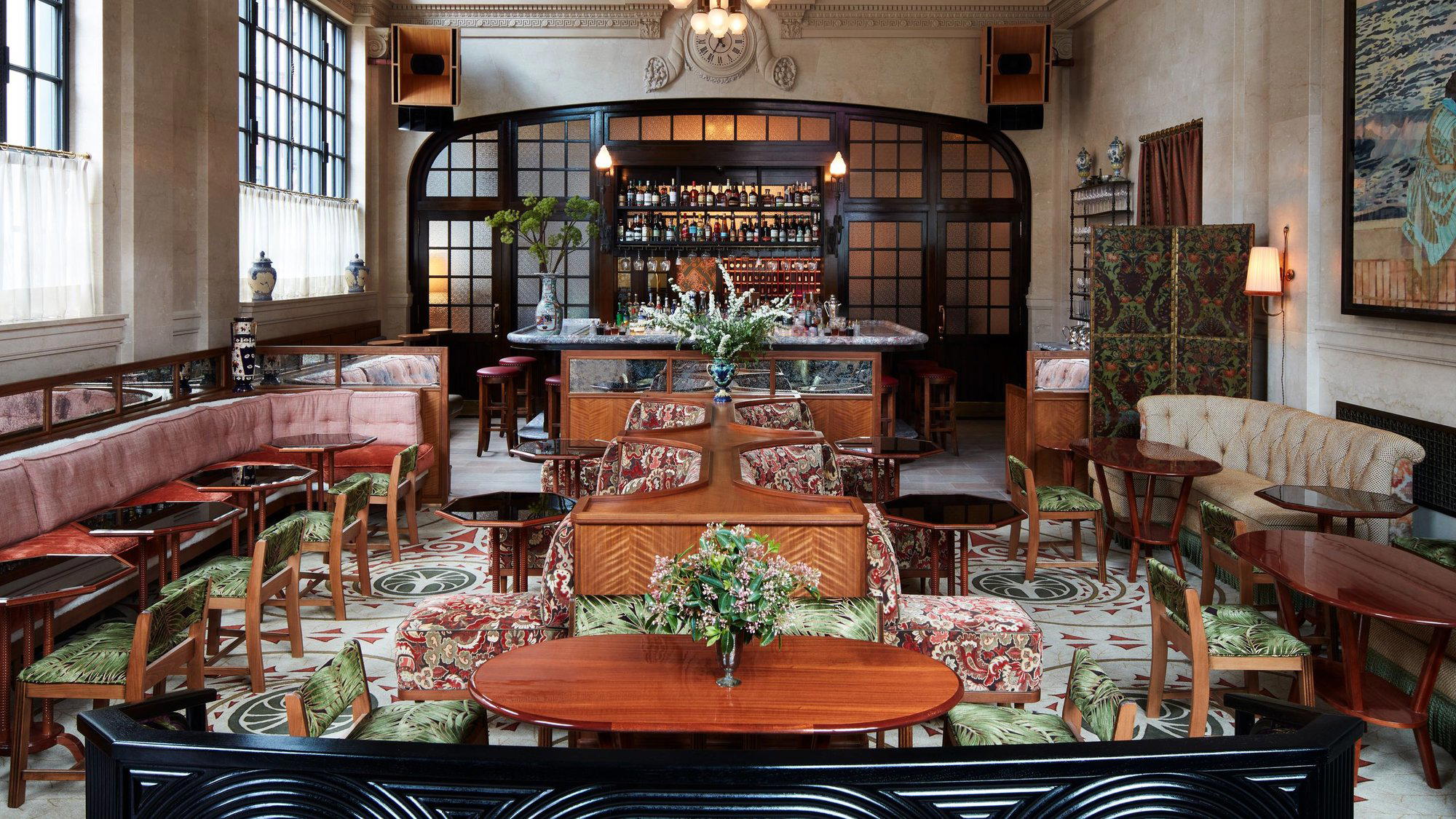


New York City$125
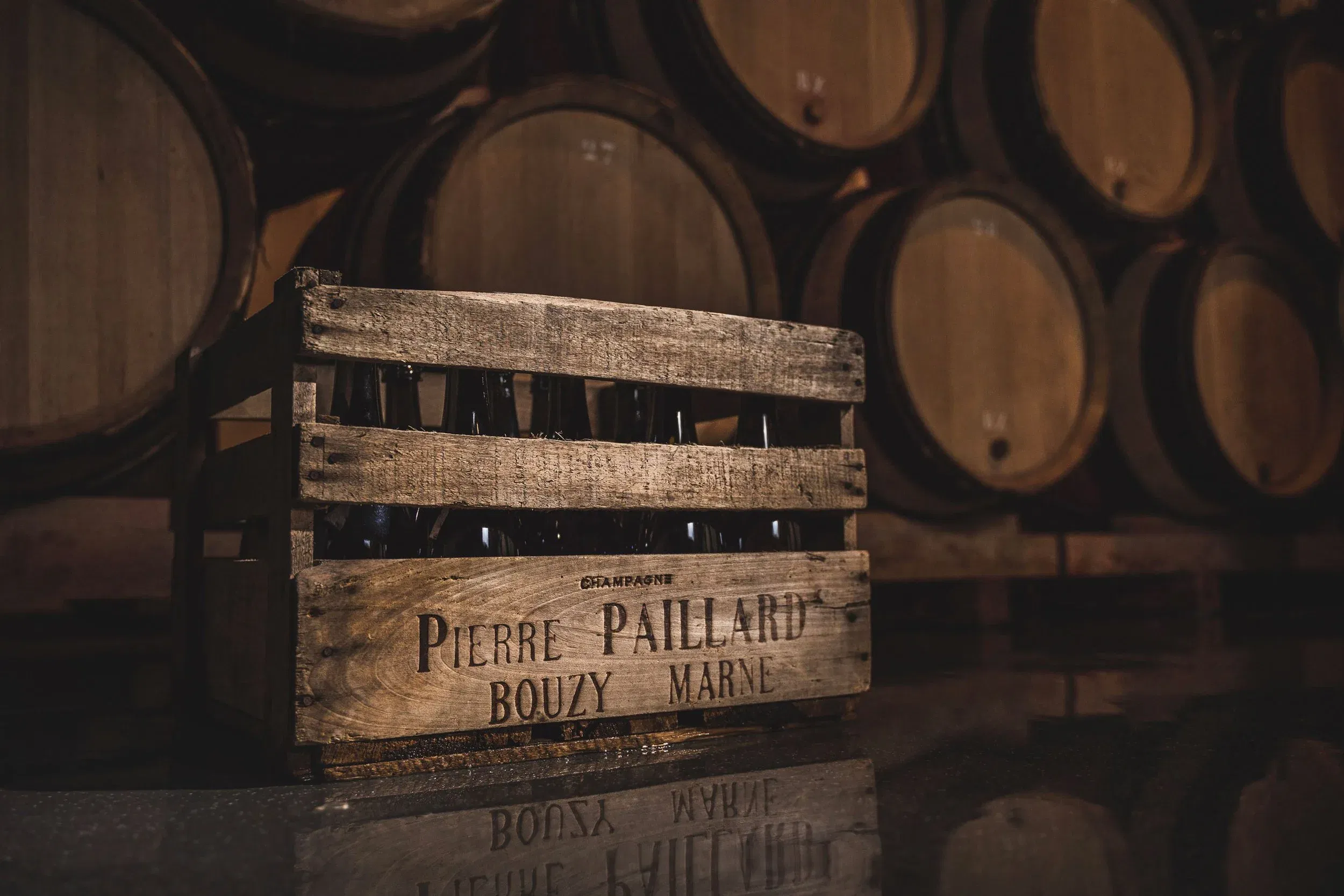
Champagne Pierre Paillard Rare Cellar Releases in NYC
A La Fête du Champagne educational tasting seminar in New York City featuring rare Champagne Pierre Paillard wines from Bouzy.
Full La Fête du Champagne program →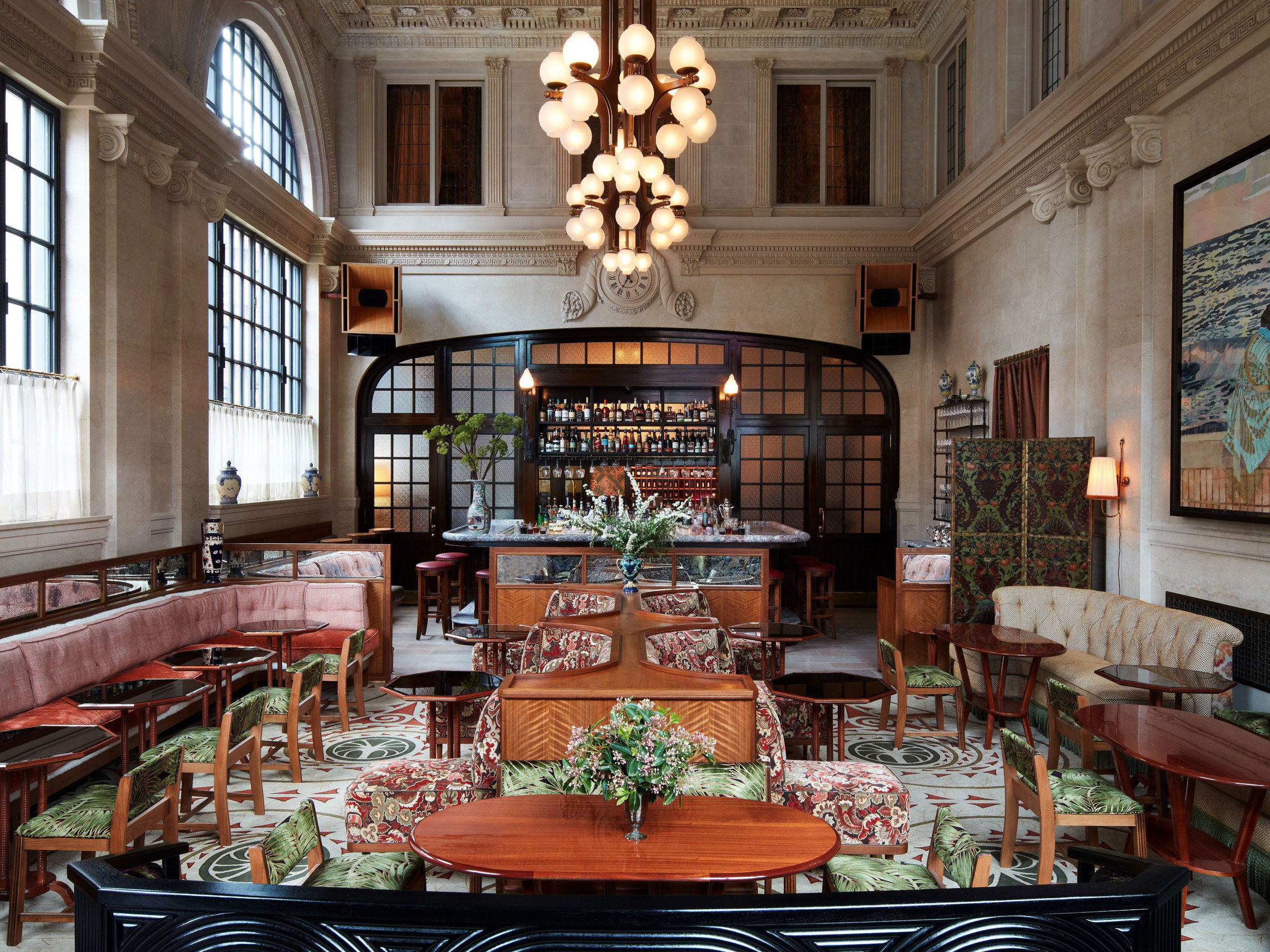



Chinatown-Two Bridges, New York City
Hotel in New York City, United States
Restored Bank Hotel
Price
$500–750per night
Why go
Nine Orchard is a Lower East Side hotel in the restored 1912 Jarmulowsky Bank. Corner Bar works for an all-day meal; Swan Room is the choice for cocktails and small plates in the former bank teller room.
Nine Orchard occupies the restored 1912 Jarmulowsky Bank on the Lower East Side. Stay for the landmark building, or visit its first-floor dining rooms: Corner Bar for a meal and Swan Room for a drink in the former teller room.
Corner Bar is an all-day, tavern-inspired restaurant serving bistro dishes. It suits breakfast as well as dinner, with a 40-seat bar for a more casual stop. Swan Room is a living room by day and a cocktail lounge by night, with small plates, vaulted ceilings and pink Tennessee marble walls. The two rooms offer different moods under the same roof.
Nine Orchard has 113 guest rooms and offers room service for guests staying upstairs. The hotel also has three event spaces. For a visit without an overnight stay, choose Corner Bar when food is the priority and Swan Room when the setting and drinks are the draw. Check the hotel’s current reservation options for the specific room you want.
Nine Orchard lives in its building: the Jarmulowsky Bank's early-twentieth-century facade and civic-scale detailing give the hotel a resolutely historic presence on the Lower East Side. Inside, public rooms preserve that architectural grandeur while guest rooms pull back into a quieter, more minimalist register—muted palettes, carefully chosen furnishings and custom-programmed sound systems create a considered, modern calm that resists excess. The result is a boutique, design-forward hotel that feels anchored in neighborhood history and downtown energy, pairing civic gravitas outside with serene, pared-back comfort within.
This hotel suits travelers who prize architecture and a thoughtfully curated stay over brand-standard predictability. It's a good fit for culture-minded visitors exploring the Lower East Side and neighboring Chinatown, and for guests who want quiet, design-driven rooms after busy days in the city. Business travelers who value a calm room and attention to detail will find it practical, while anyone looking for a weekend escape grounded in neighborhood character and historical surroundings will appreciate the address and its intentional restraint.
When booking, prioritize room descriptions that highlight the guest-room design and any mentions of in-room technologies—the property emphasizes custom-designed and custom-programmed sound systems, which are part of the experience. Give yourself time to approach the hotel on foot to take in the Jarmulowsky facade and the surrounding streetscape; the neighborhood is part of the appeal. Reserve early for weekends, and plan to explore nearby galleries and restaurants to get the most out of the property's downtown location.
Opulent old-world elegance with vaulted ceilings, luxurious booths, natural light from large windows, and a quiet retreat atmosphere praised in guest reviews.
Unlock the full Nine Orchard guide in Pearl, including awards, comparisons, FAQs, planning details, and nearby places.
Corner Bar serves bistro-style dishes throughout the day. Swan Room is a lounge for cocktails and small plates, and hotel guests can order room service.
The hotel occupies the restored 1912 Jarmulowsky Bank on the Lower East Side. Corner Bar and Swan Room are on its first floor.
Pearl events
Public events currently associated with this Pearl venue.
A La Fête du Champagne educational tasting seminar in New York City featuring rare Champagne Pierre Paillard wines from Bouzy.
Full La Fête du Champagne program →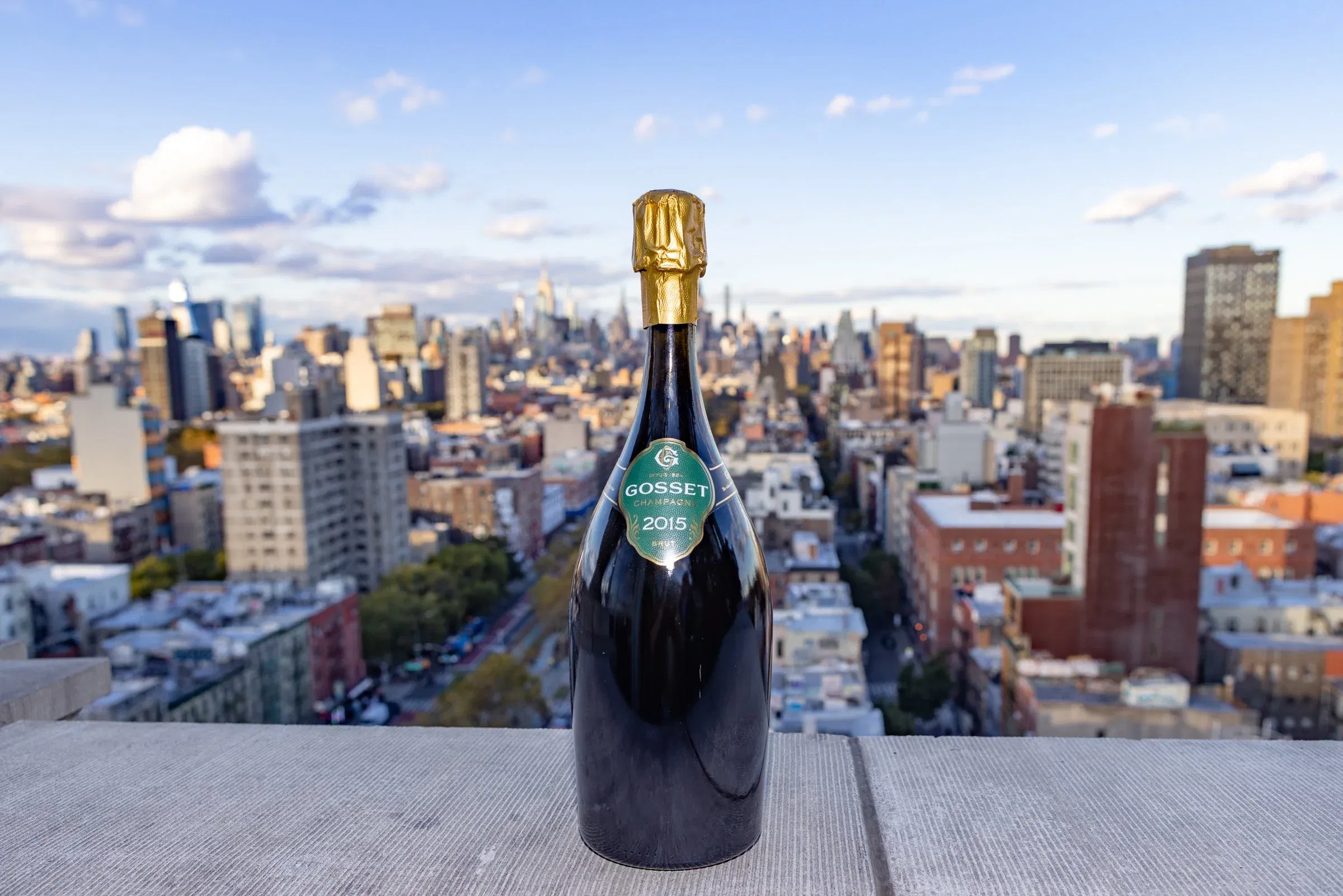
La Fête du Champagne opens its New York City weekend with a walk-around Champagne party at Nine Orchard.
Full La Fête du Champagne program →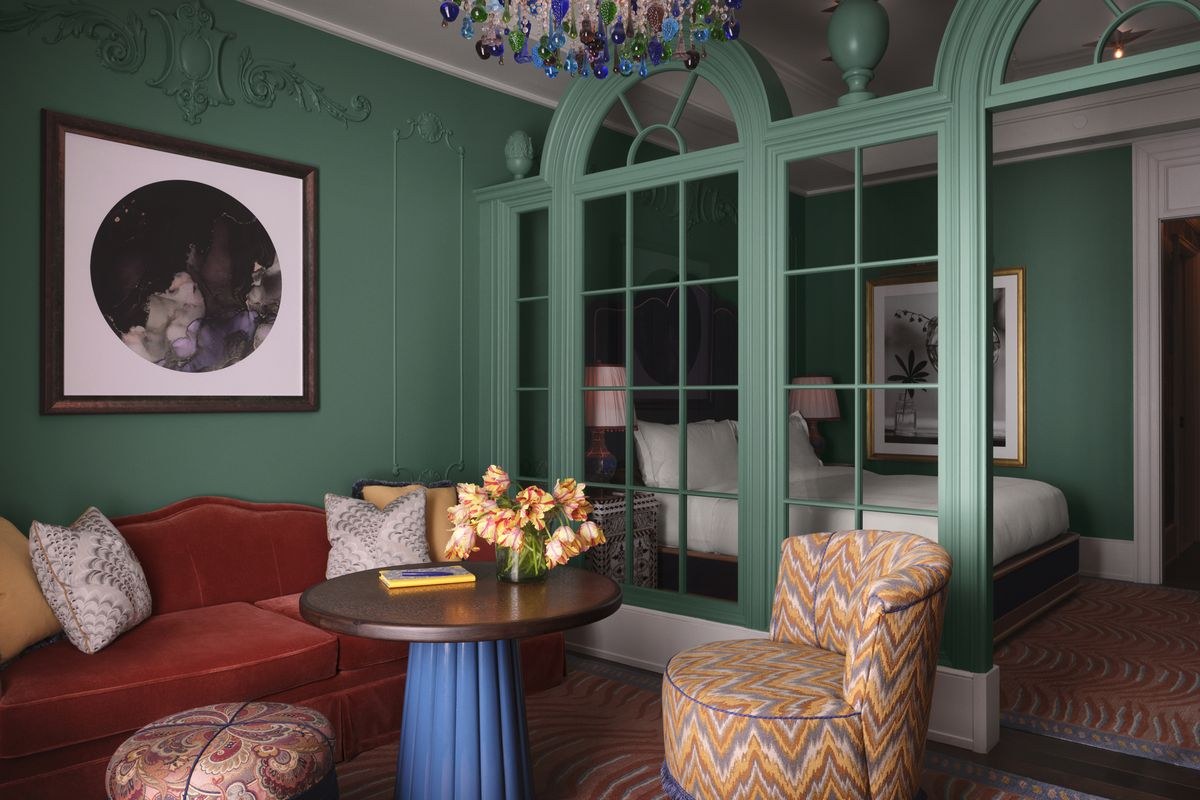 The Fifth Avenue HotelNew York CityThe Fifth Avenue Hotel is a hotel in Manhattan's NoMad neighborhood.
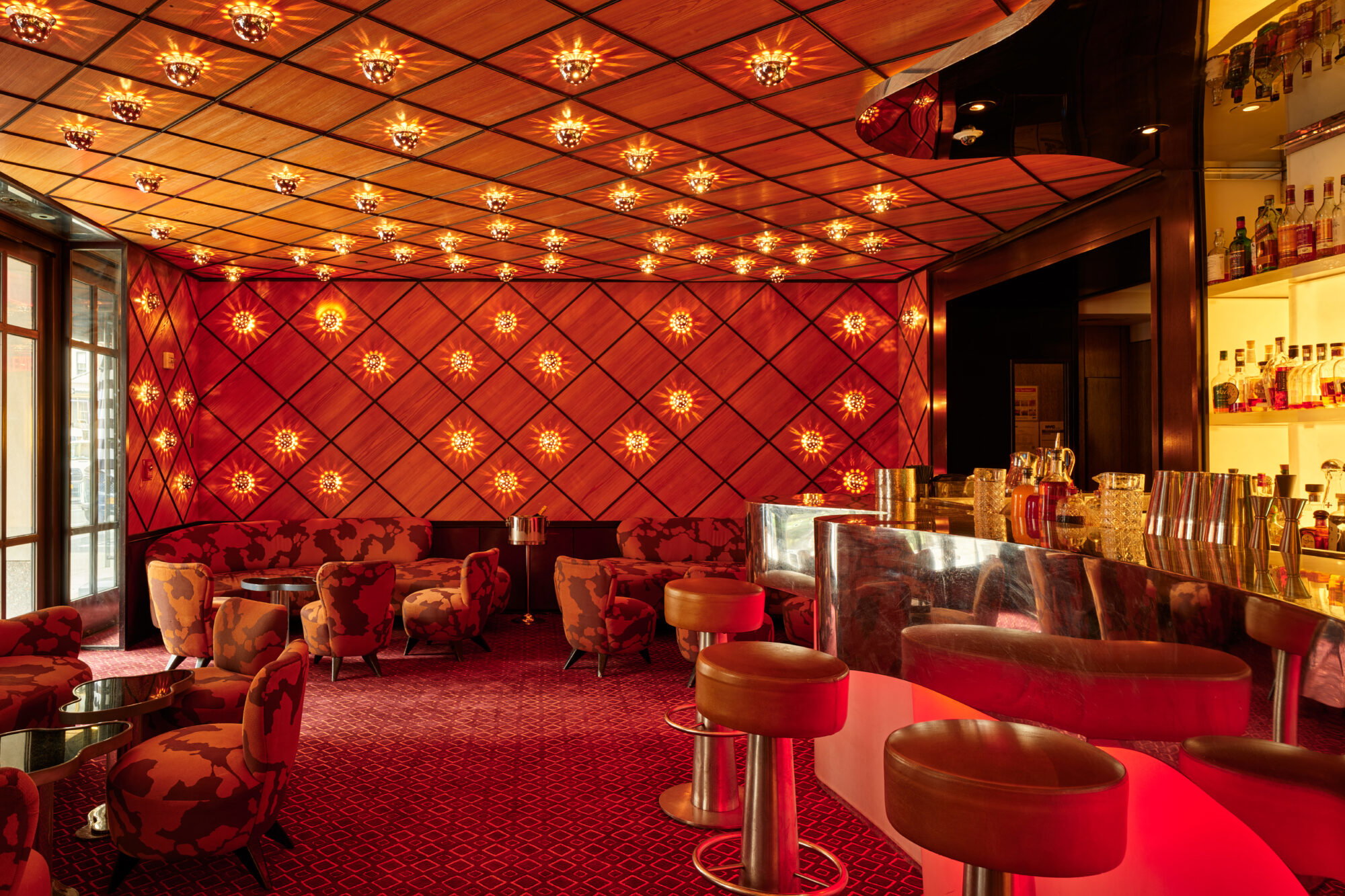 The MarkNew York CityThe Mark is a hotel on East 77th Street on Manhattan's Upper East Side.
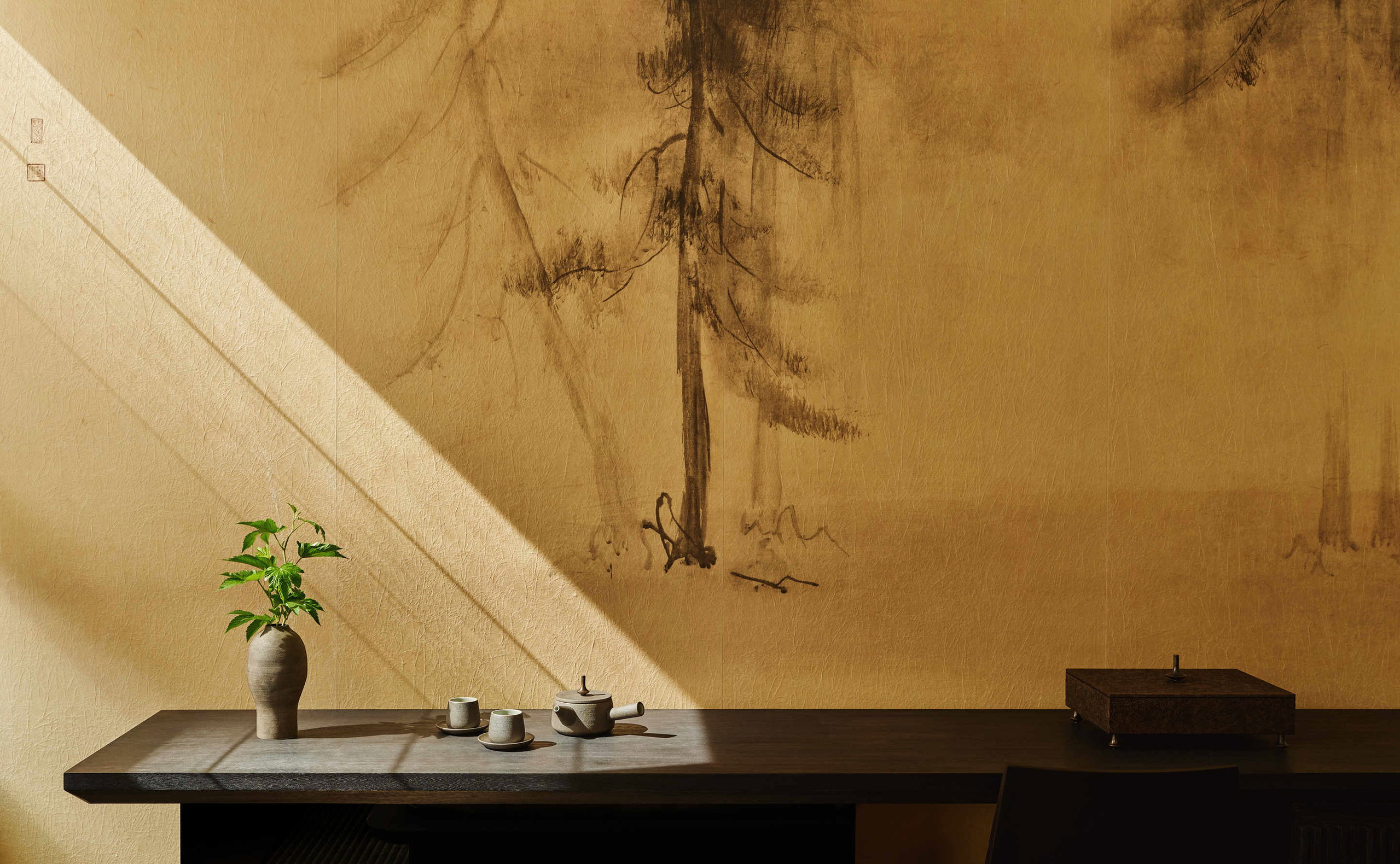 Aman New YorkNew York CityAman New York is a hotel on Fifth Avenue in New York City.
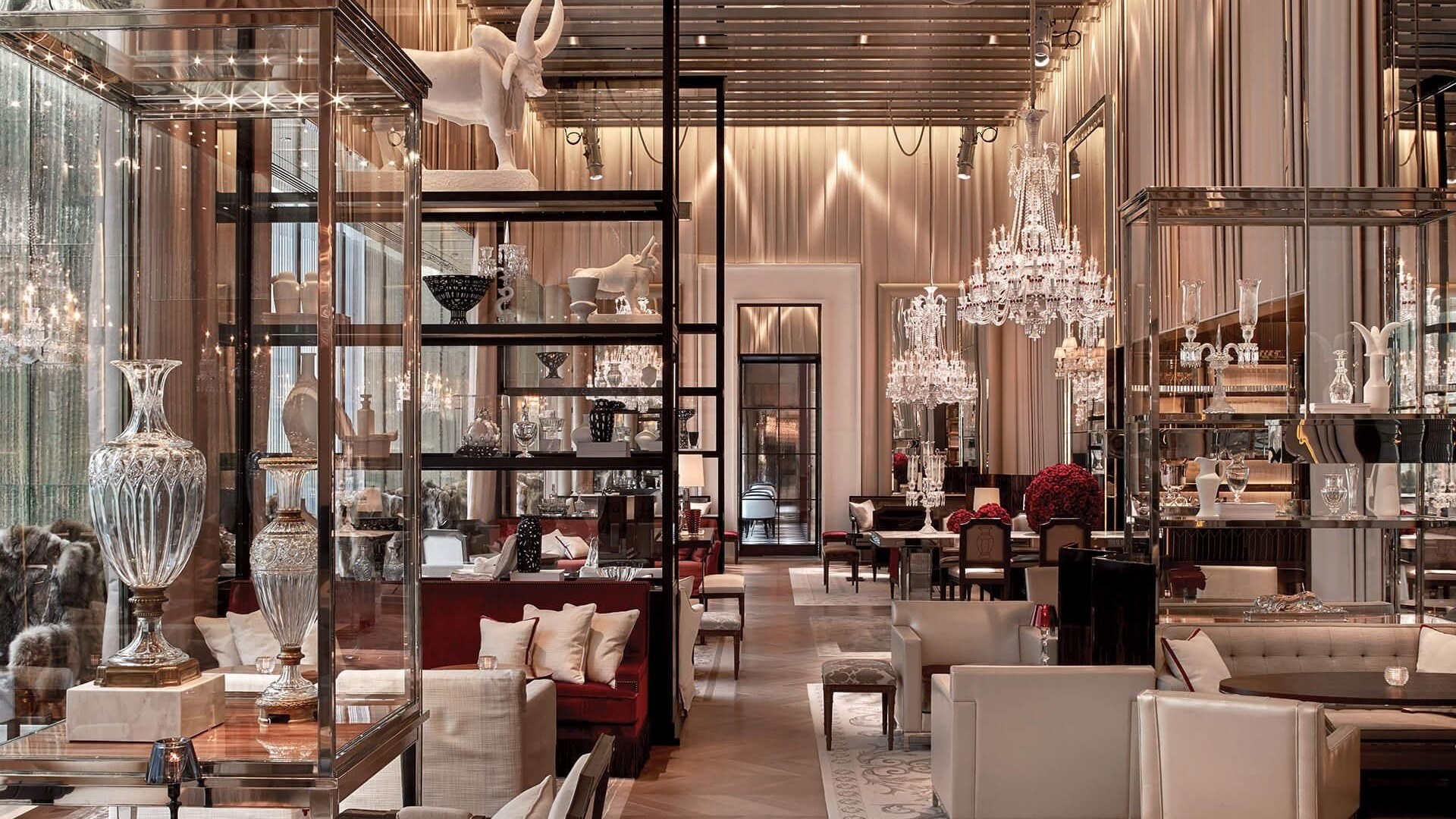 Baccarat Hotel New YorkNew York CityBaccarat Hotel New York is a hotel on West 53rd Street in Midtown Manhattan.
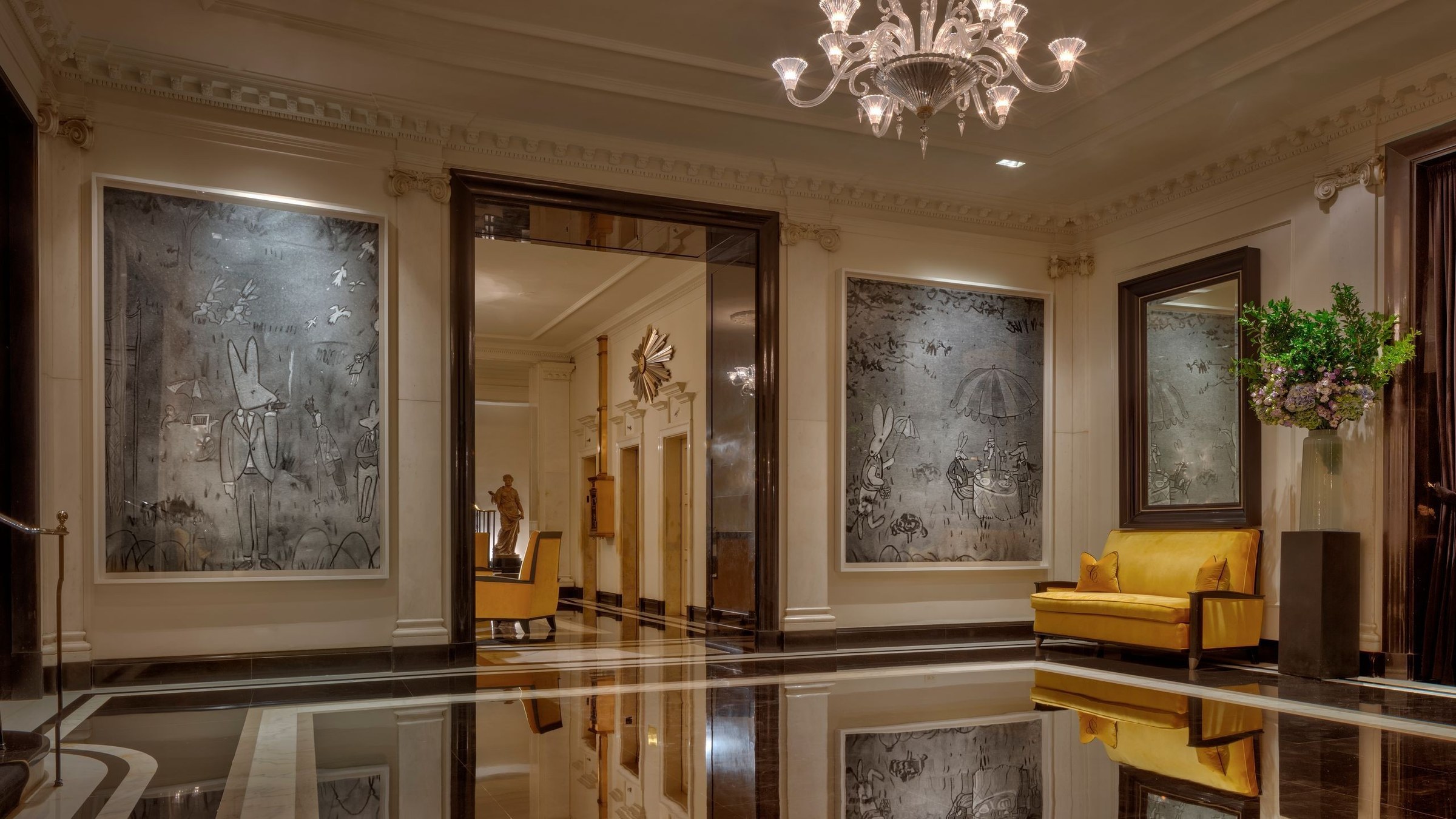 The Carlyle, A Rosewood HotelNew York CityThe Carlyle, A Rosewood Hotel is a hotel on East 76th Street in New York City.
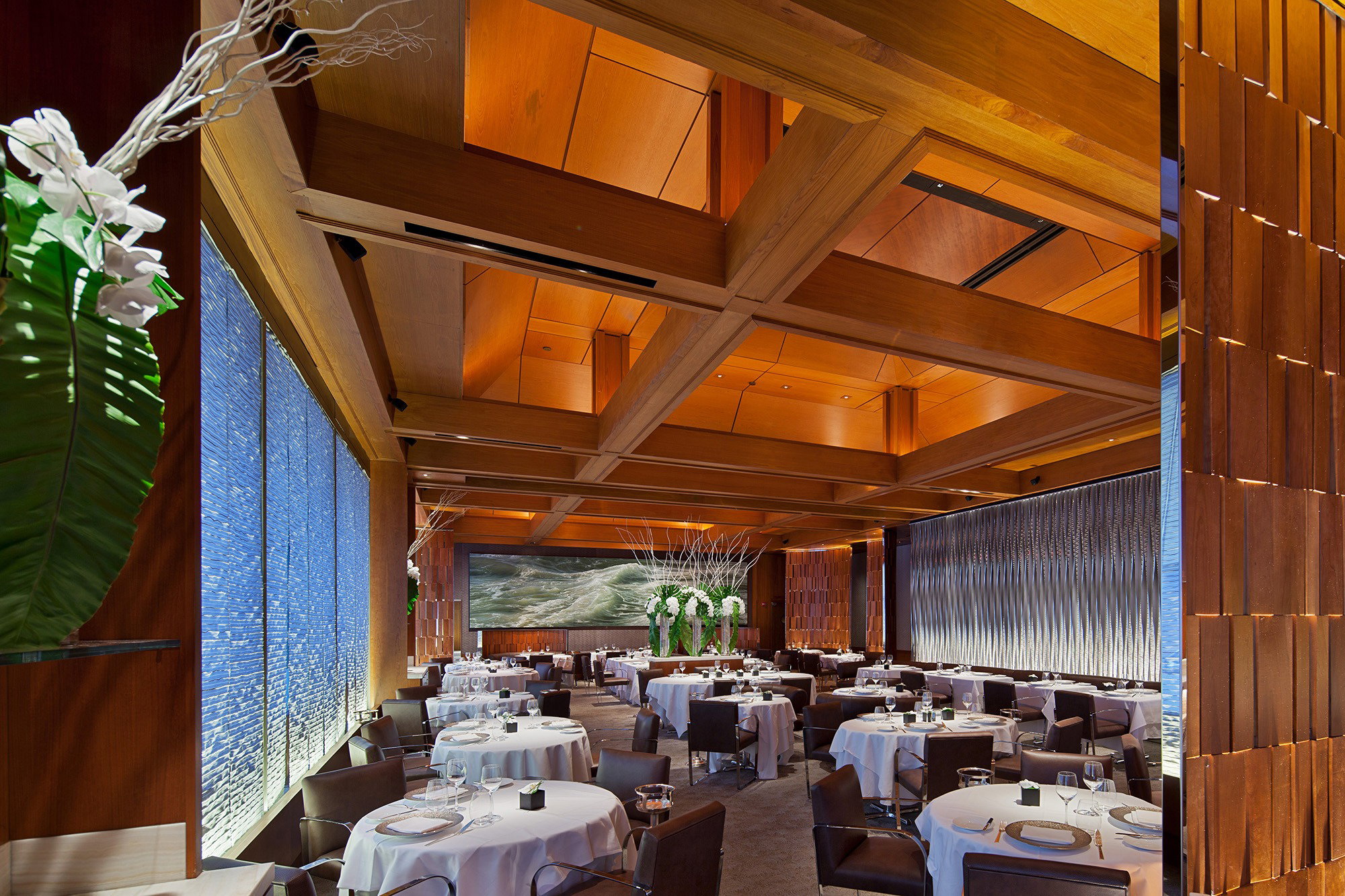 Le BernardinNew York CityLe Bernardin is a seafood restaurant in Midtown Manhattan.
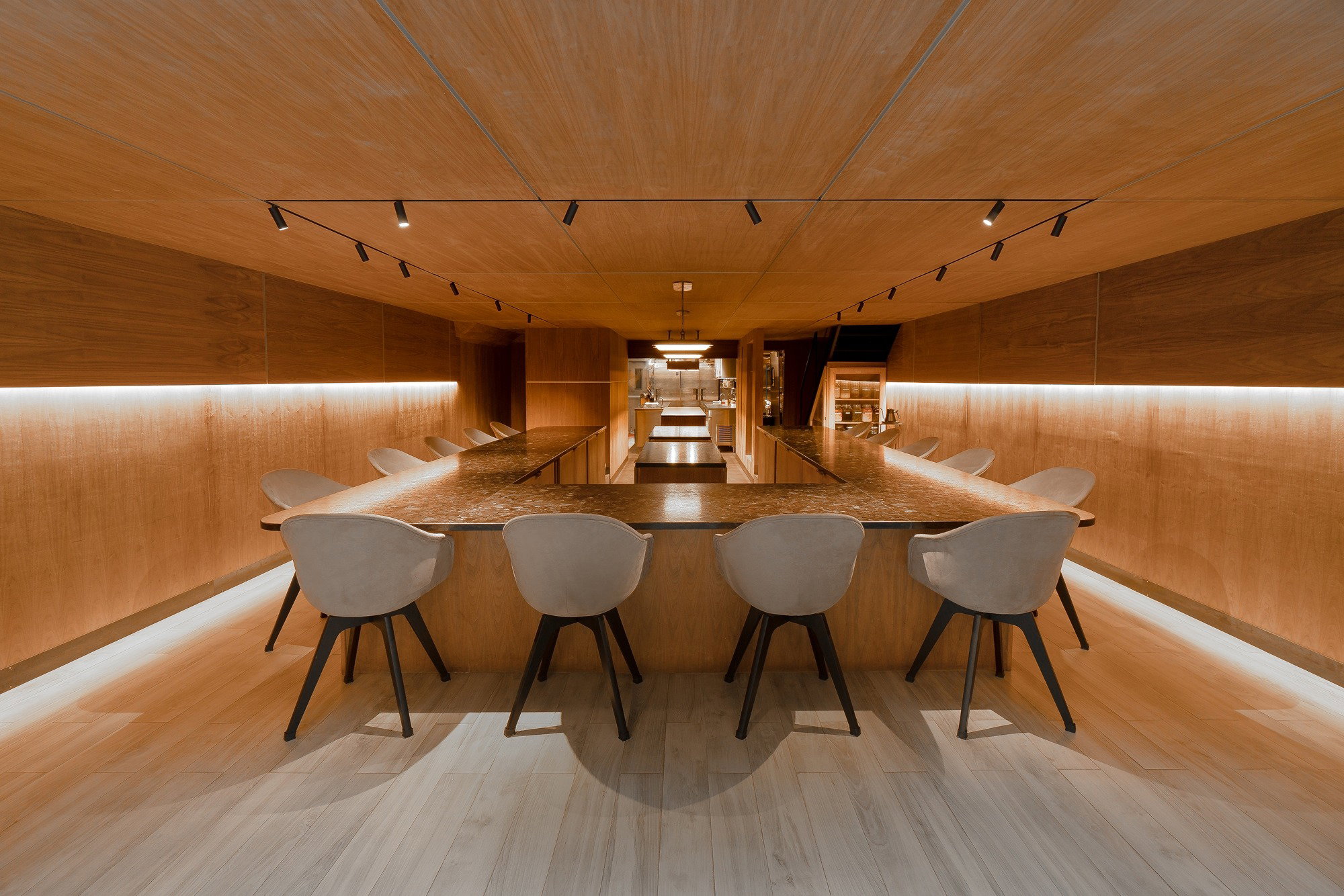 AtomixNew York CityAtomix is a Korean tasting-menu restaurant in New York City.
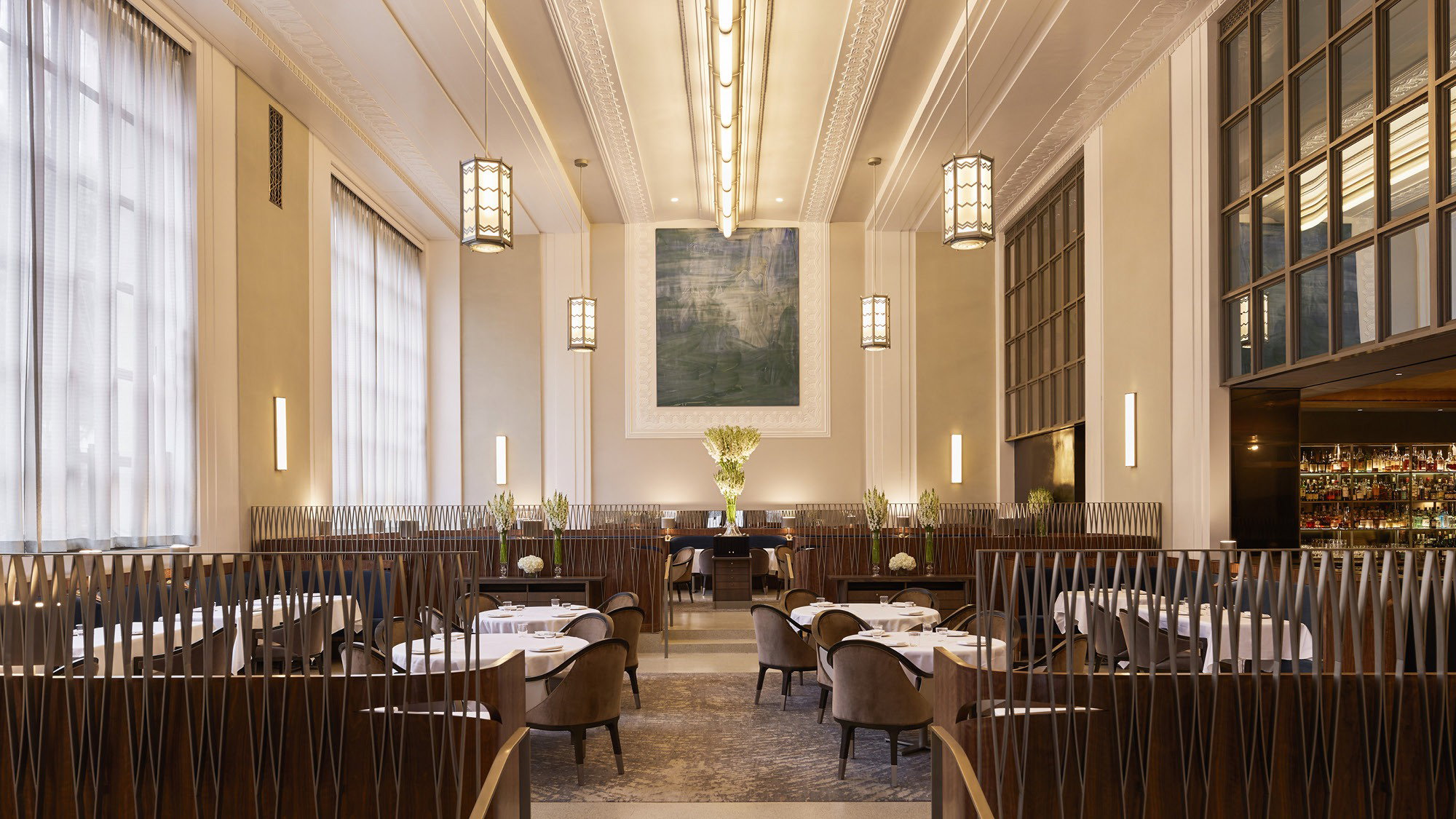 Eleven Madison ParkNew York CityEleven Madison Park is a fine-dining restaurant overlooking Madison Square Park in New York City.
 Jungsik New YorkNew York CityJungsik New York is a restaurant on Harrison Street in New York City.
 KabawaNew York CityKabawa is Paul Carmichael and Momofuku's Caribbean restaurant in New York City.
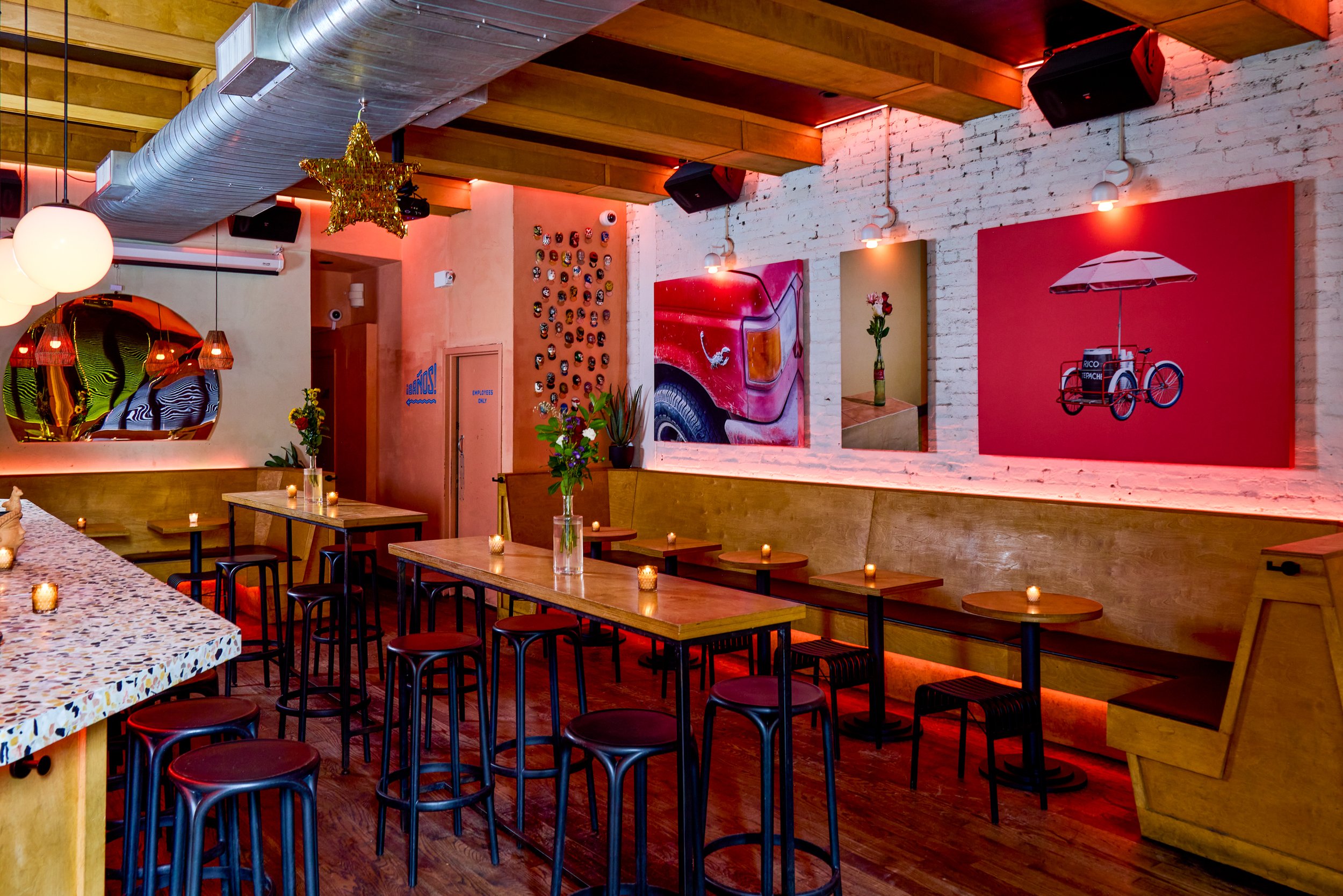 SuperbuenoNew York CitySuperbueno is a cocktail bar on First Avenue in New York City.
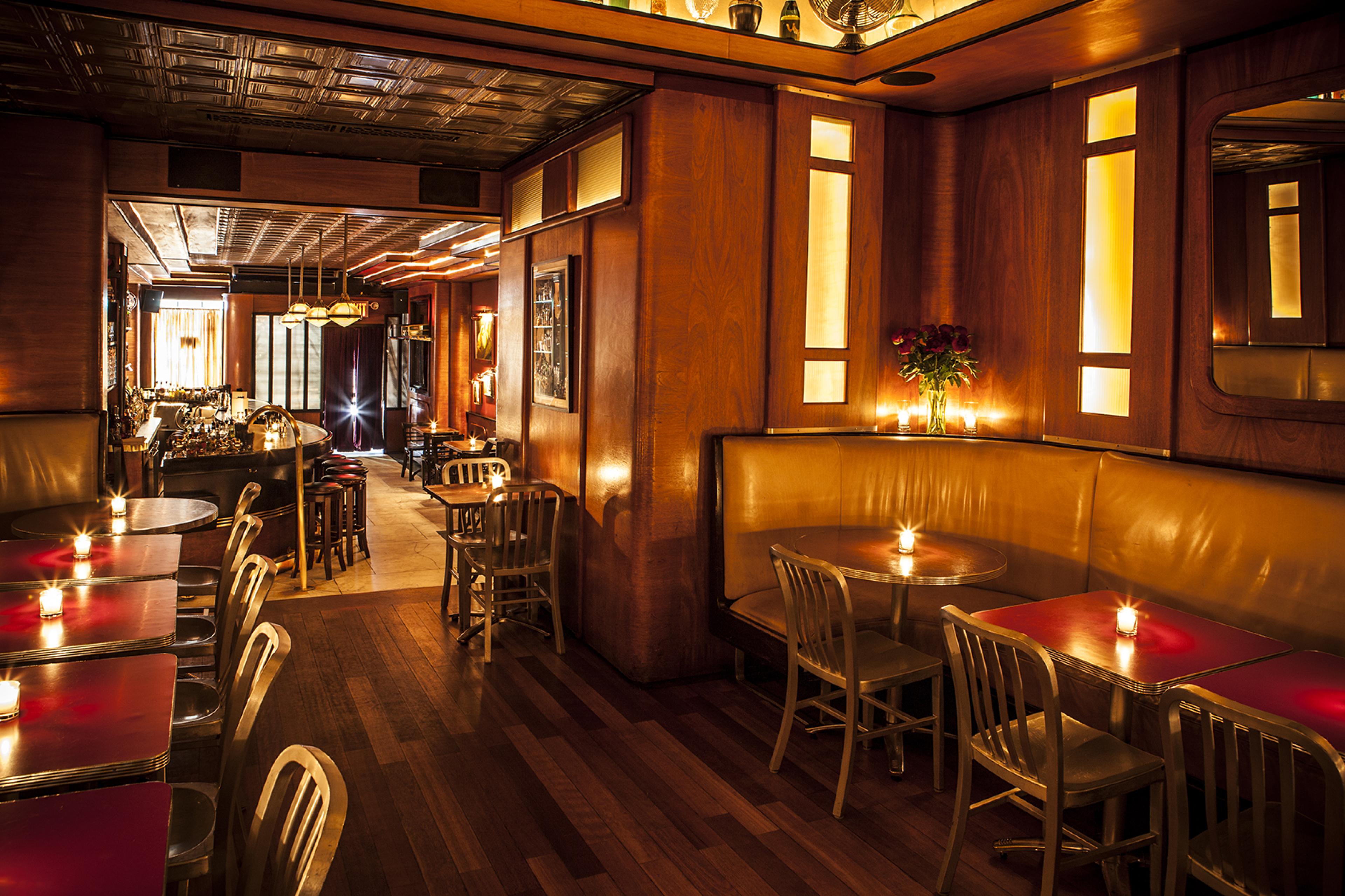 Employees Only NYCNew York CityEmployees Only NYC is a cocktail bar on Hudson Street in New York City's West Village.
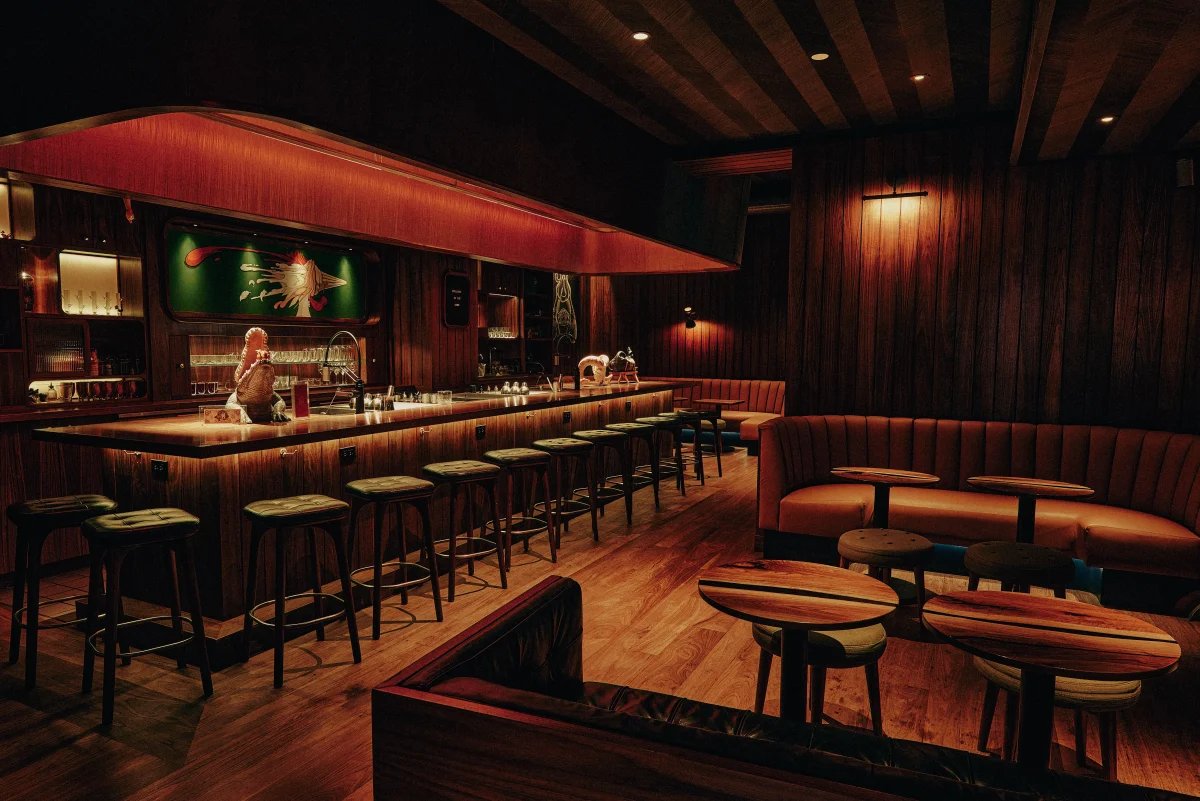 Double Chicken PleaseNew York CityDouble Chicken Please is a cocktail bar on Allen Street in New York City's Lower East Side.
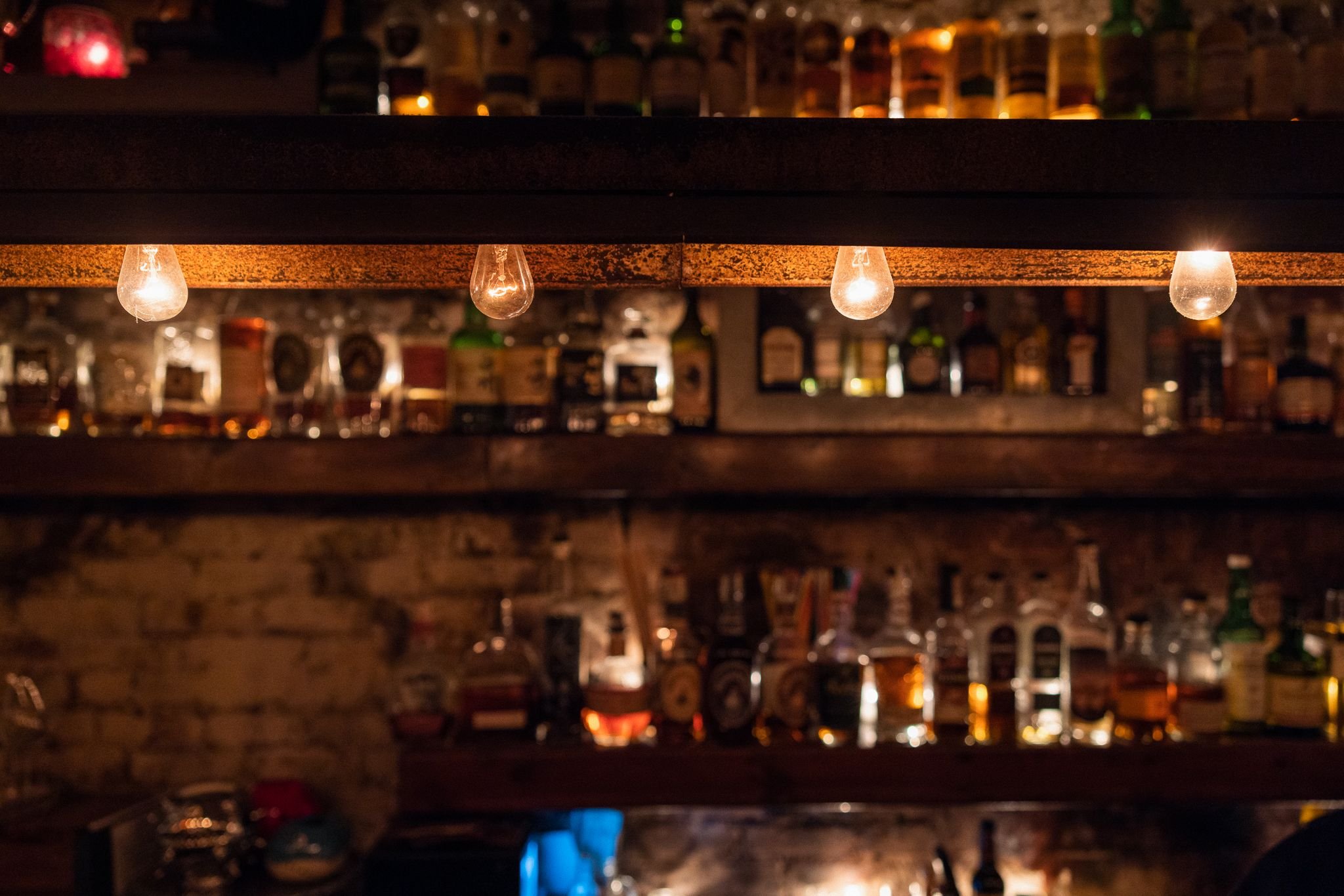 AttaboyNew York CityAttaboy NYC is a cocktail bar on Eldridge Street in New York City.
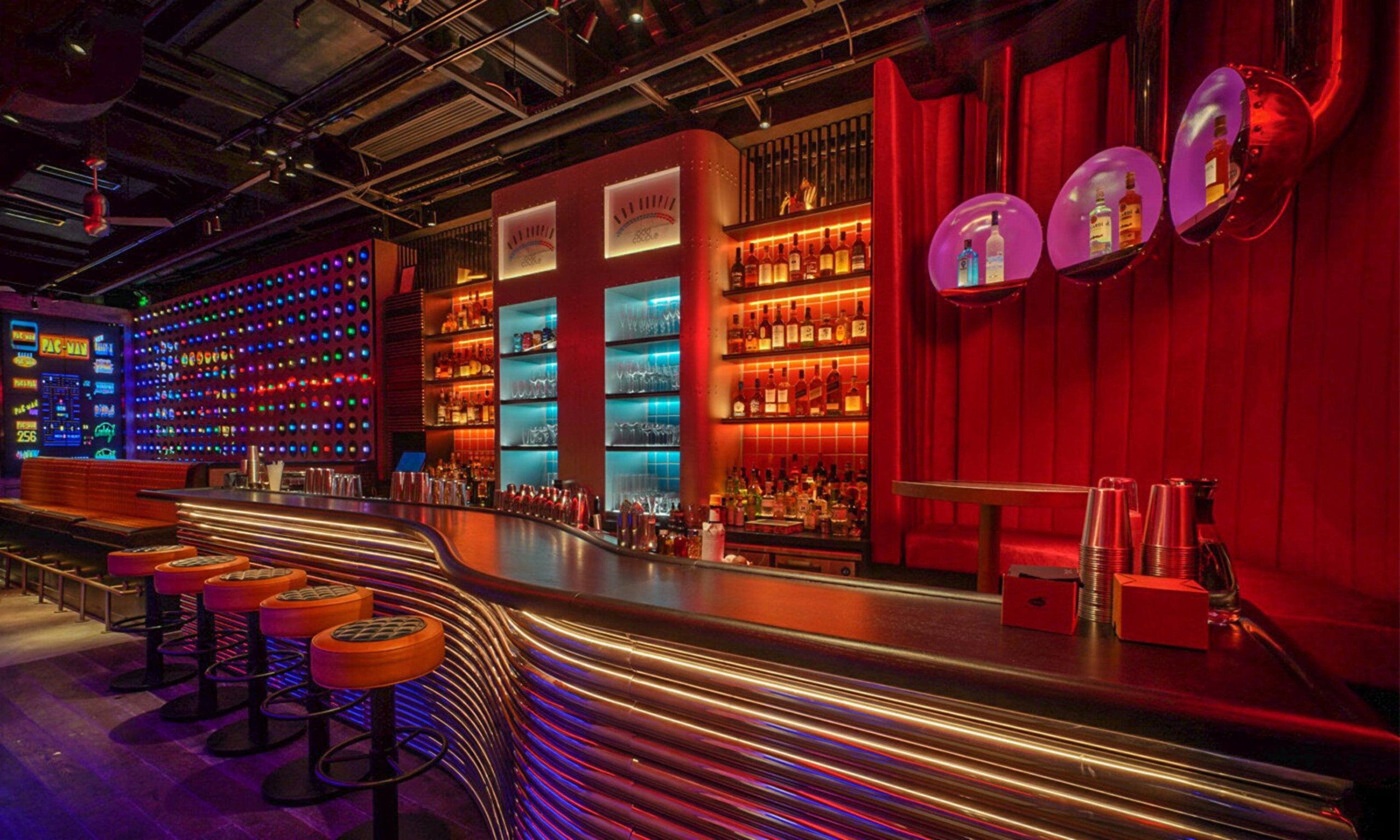 Sip & GuzzleNew York CityA high-commitment West Village cocktail booking that makes sense for dates and small celebrations, not loose group…
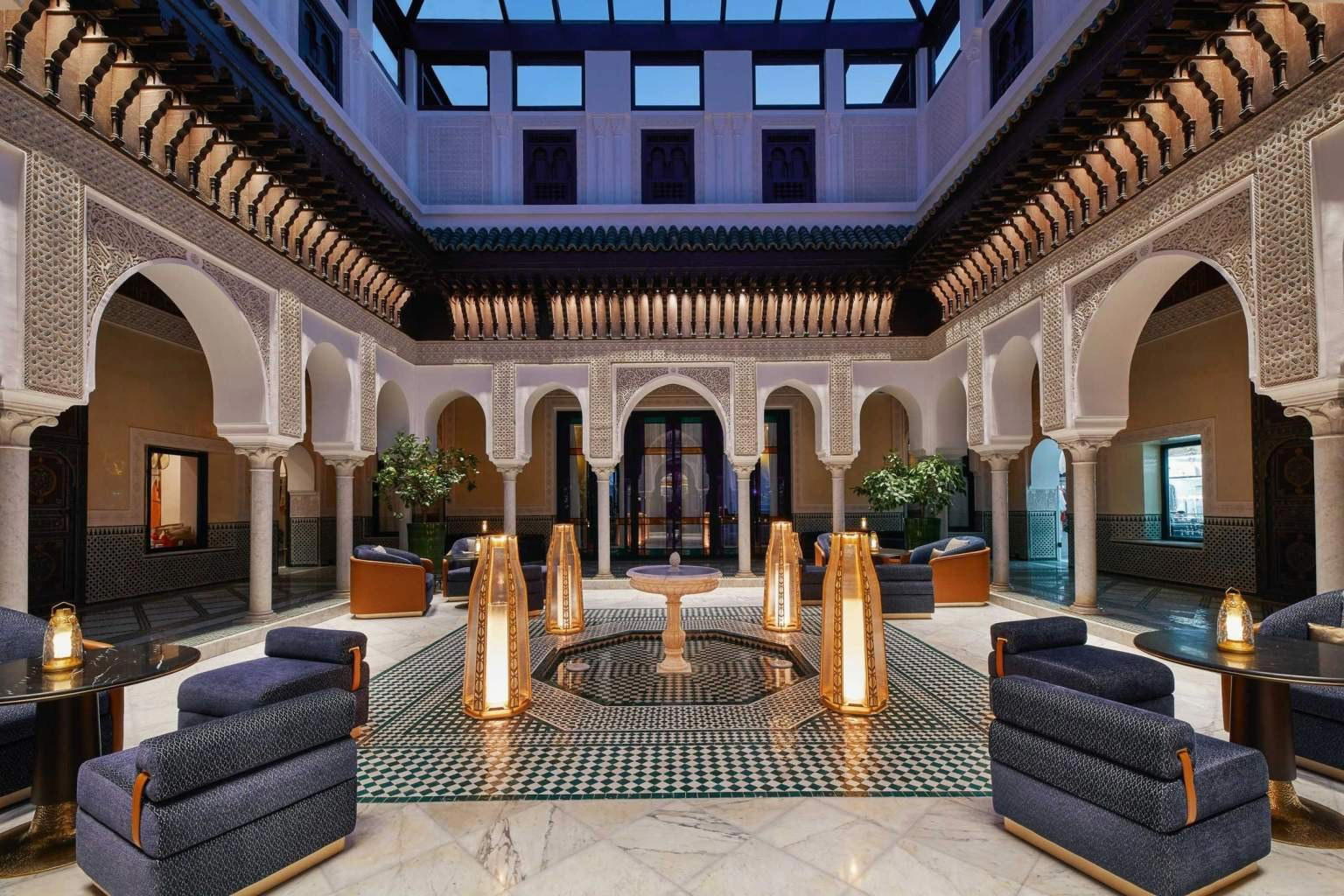 La MamouniaMarrakechLa Mamounia is a hotel and spa in Marrakech with rooms, suites, riads, restaurants, and bars.
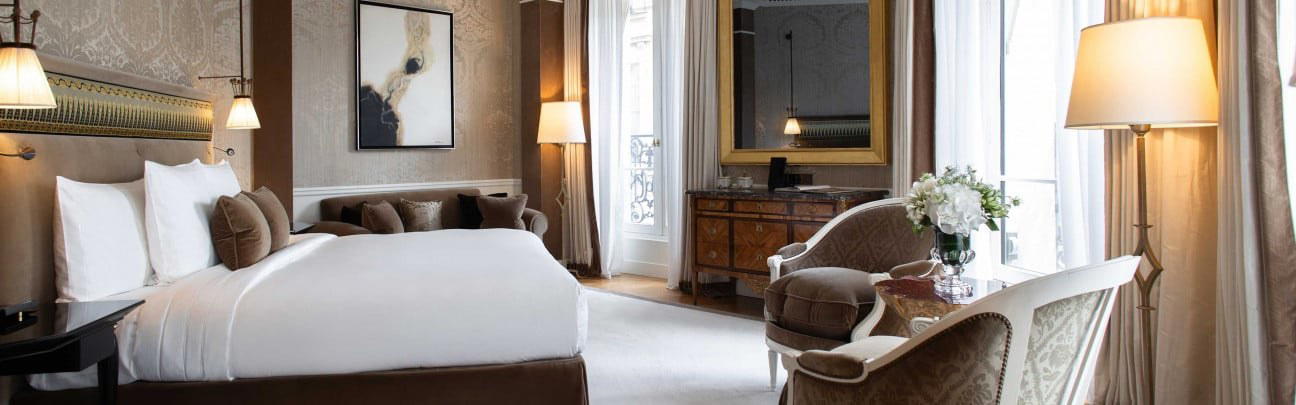 La Réserve ParisParisLa Réserve Paris is a hotel and spa near the Champs-Élysées in Paris.
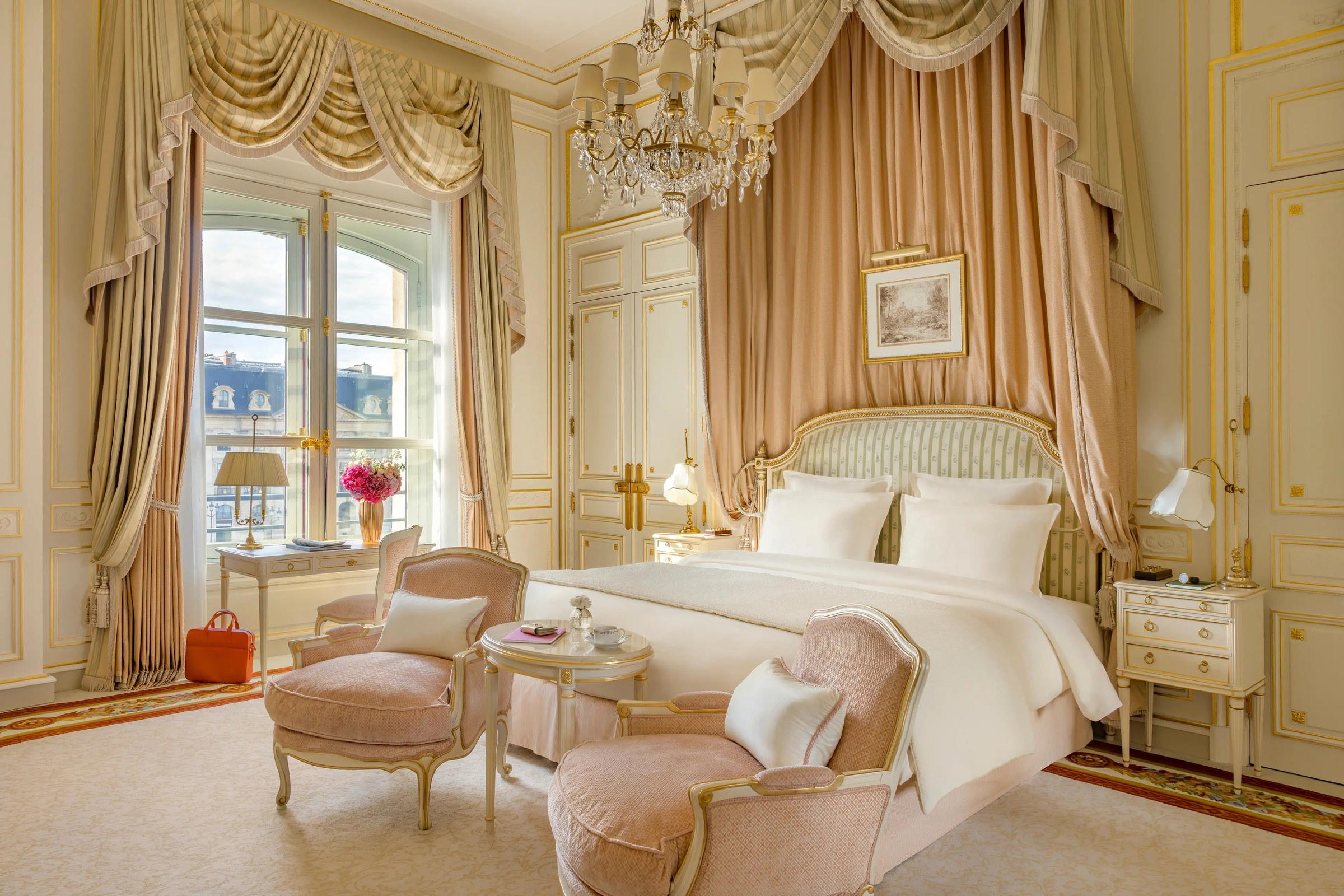 Ritz ParisParisRitz Paris is a hotel on Place Vendôme in Paris.
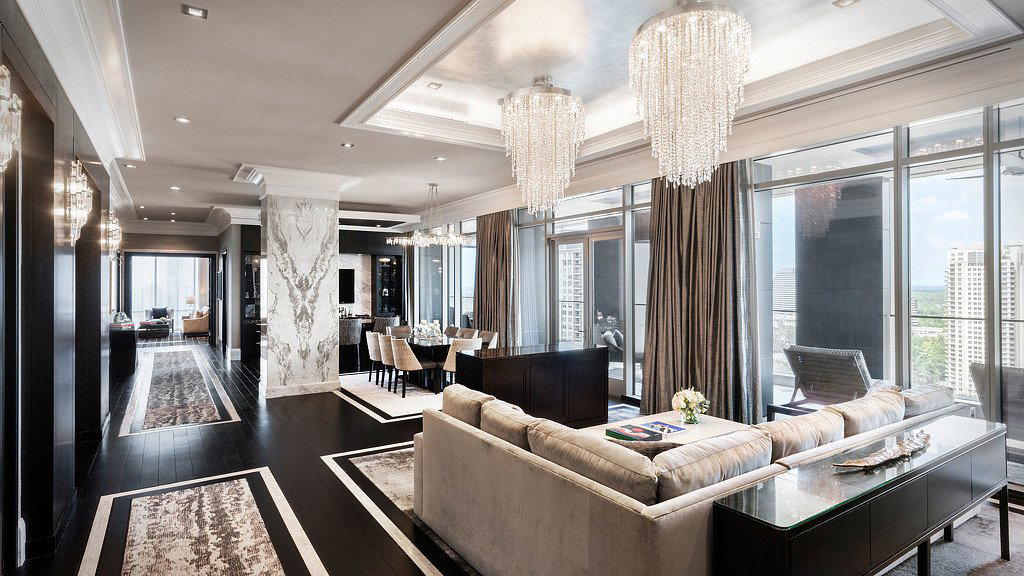 The Post Oak Hotel at Uptown HoustonHoustonThe Post Oak Hotel at Uptown Houston is a hotel on West Loop South in Houston.
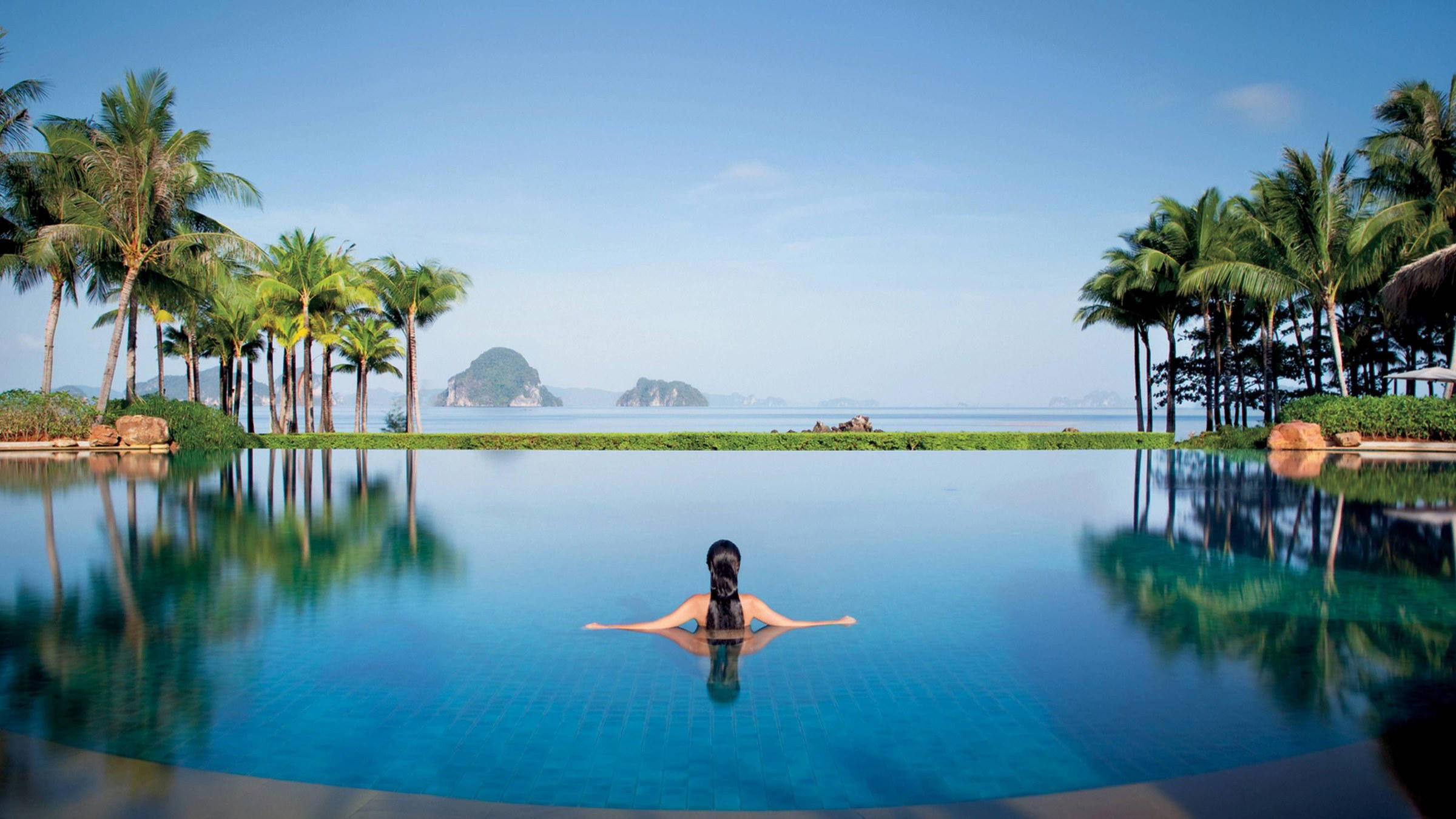 Phulay Bay, A Ritz-Carlton ReserveKrabiBook Phulay Bay, A Ritz-Carlton Reserve when the resort is the trip: quiet Krabi pacing, strong luxury recognition, and a stay better suited to couples or milestone travel than nonstop sightseeing. It is easiest to justify when rates sit close to Banyan Tree Krabi or Rayavadee; if the gap is wide, save it for a clearer occasion.