





Mandarin Oriental, New York
Upper West Side-Lincoln Square, New York City
Hotel in New York City, United States
 Book with Pearl
The Read
Altitude-Anchored Luxury
Why go
Book Mandarin Oriental, New York if Columbus Circle convenience and luxury-hotel recognition matter more than chasing a lower rate. It is a strong first-timer choice for Central Park, Midtown, and Upper West Side access, but points-focused travelers should compare Park Hyatt New York or JW Marriott Essex House before committing.
About Mandarin Oriental, New York
Mandarin Oriental, New York is a hotel in New York City with a smart casual dress code and a strong recognition profile. Accolades include La Liste Top Hotels 2026 with 97 points, Forbes 5-Star 2025, AAA 5 Diamond 2025, Gault & Millau Exceptional Hotel 2025 with 5 points, Condé Nast Gold List 2025, and MICHELIN Guide Hotels Selected 2025. Consider it a recognized New York City stay to compare against other premium hotels.
Compare Mandarin Oriental, New York with other premium hotels
The strongest reason to consider Mandarin Oriental, New York is its hotel recognition in New York City. Its accolades support a premium positioning. Before committing, compare the recognition, the smart casual dress code, and the total booking terms shown by the hotel or booking channel.
If the decision is between recognized hotels in New York City, Park Hyatt New York or JW Marriott Essex House may also be worth comparing. The better choice will depend on the details available at booking, including rate, cancellation terms, room type, and any inclusions. For Mandarin Oriental, New York, the clearest case is its awards profile rather than assumptions about points strategy, upgrades, or specific neighborhood advantages.
The right fit is a polished New York City hotel stay
Mandarin Oriental, New York is best framed as a polished New York City hotel with notable recognition. Check guest fit, amenity set, restaurant program, spa or pool details, view category, and service format directly before booking. The hotel carries multiple 2025 hotel accolades and appears in La Liste Top Hotels 2026 with 97 points.
For a broader New York City planning pass, use New York City hotels guide, then cross-check dining with New York City restaurants guide and drinks with New York City bars guide. For this stay specifically, book Mandarin Oriental, New York when the recognition, smart casual dress code, and overall positioning match the trip better than another New York City option.
Part of
Mandarin Oriental116 locations on PearlPlanning details
- Location
- 80 Columbus Cir, New York, NY 10023
- Website
- mandarinoriental.com/en/new-york/manhattan?src=loc.yext.monyc.ggl
- Phone
- +1 212-805-8800
The take
The Take
The Vibe
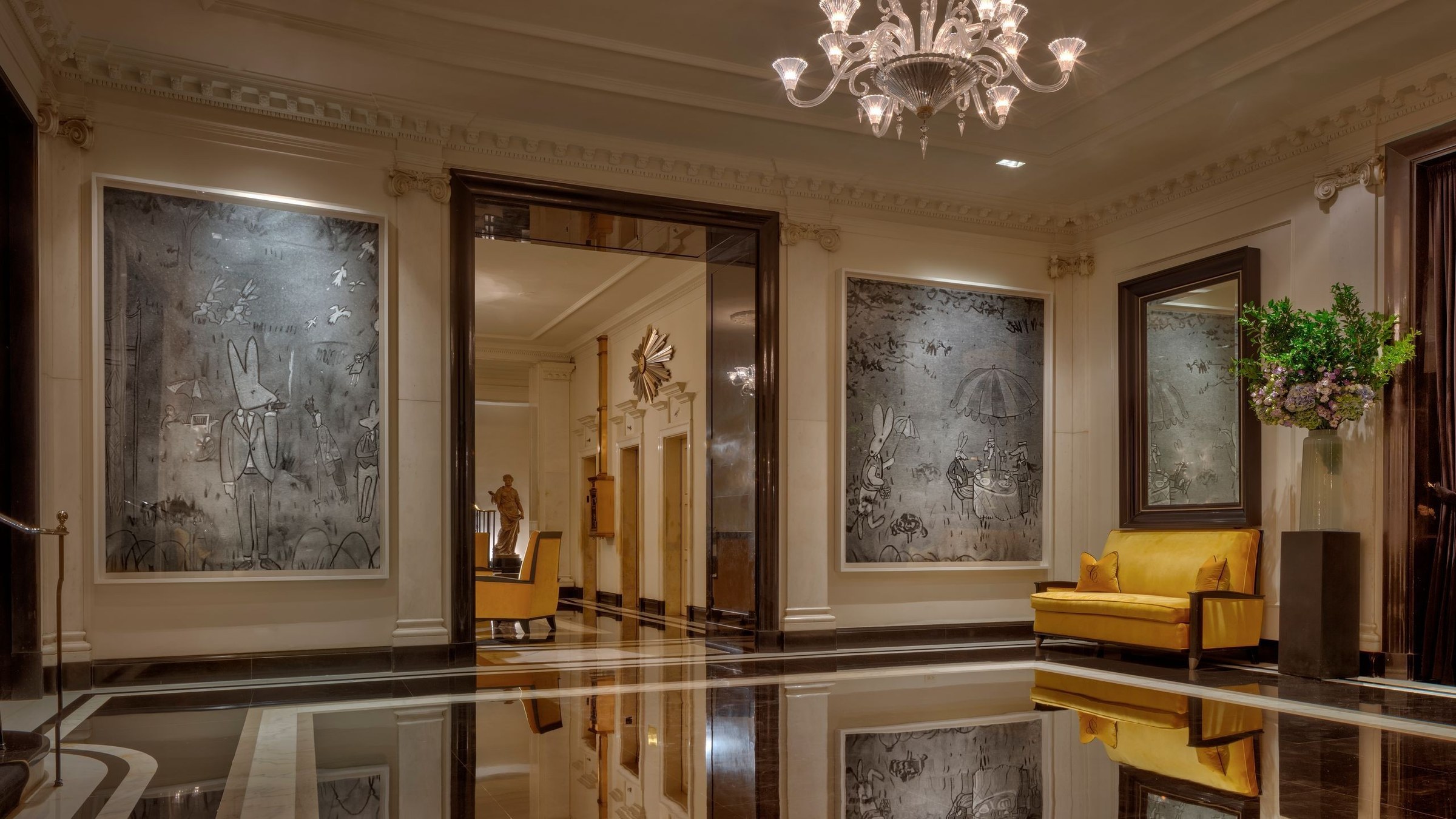
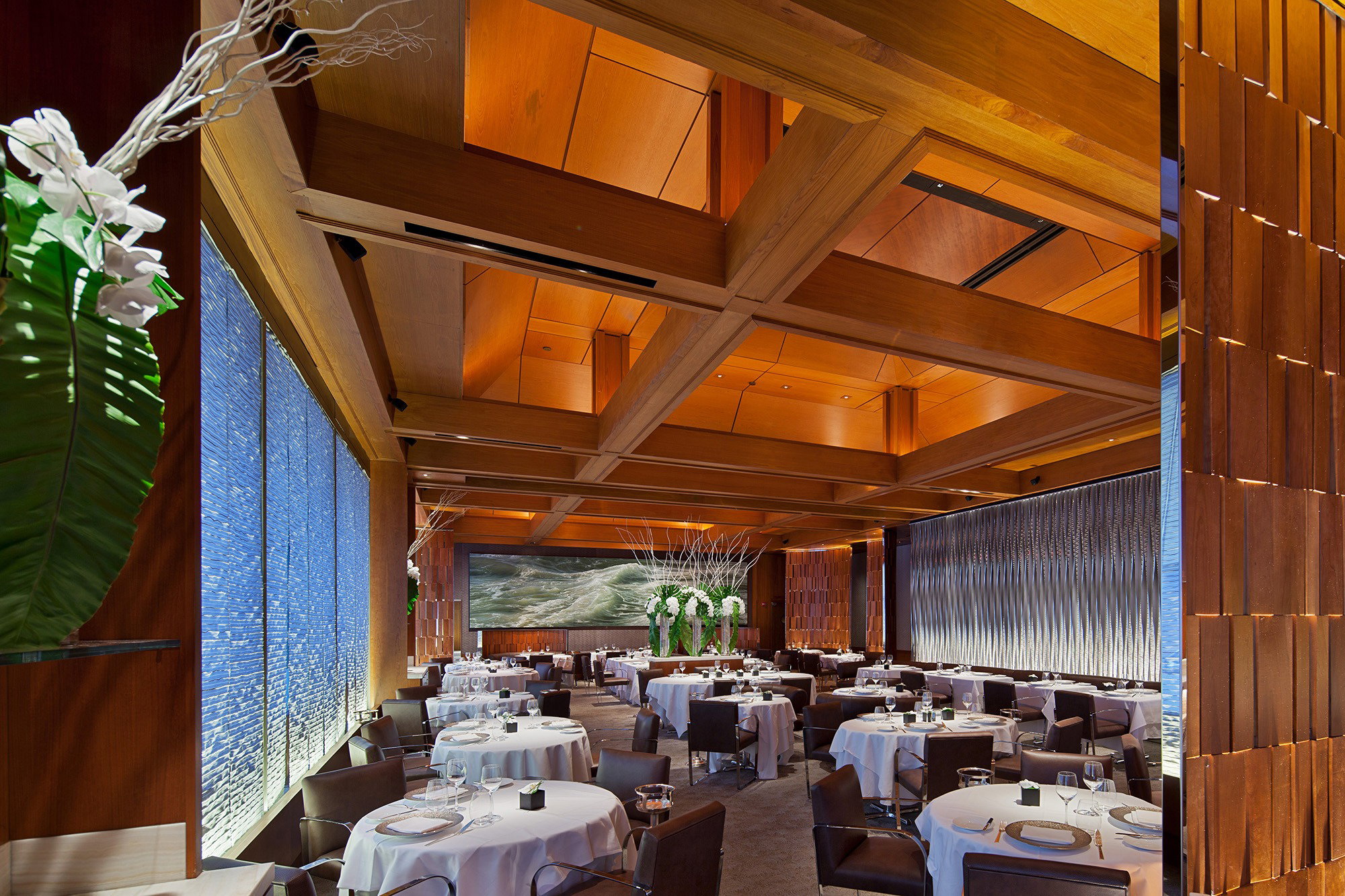
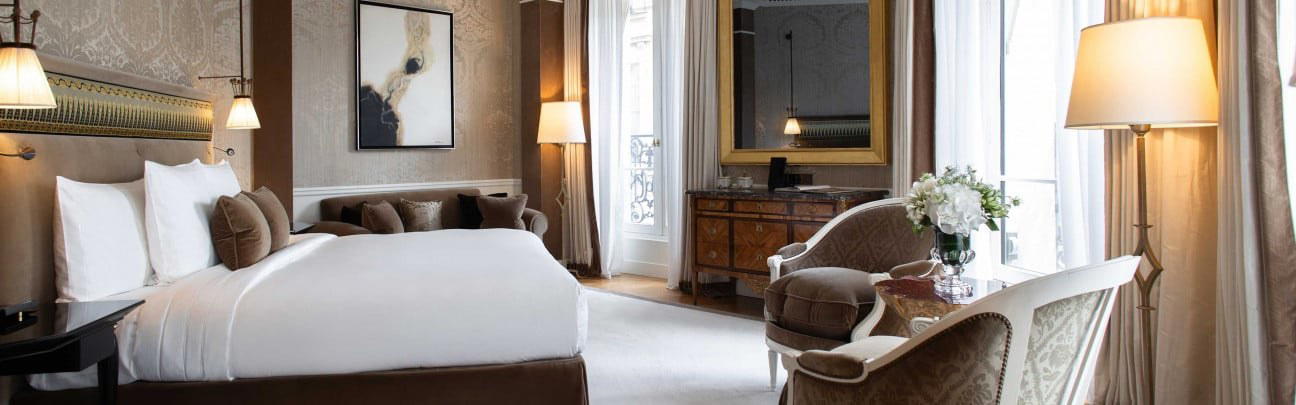
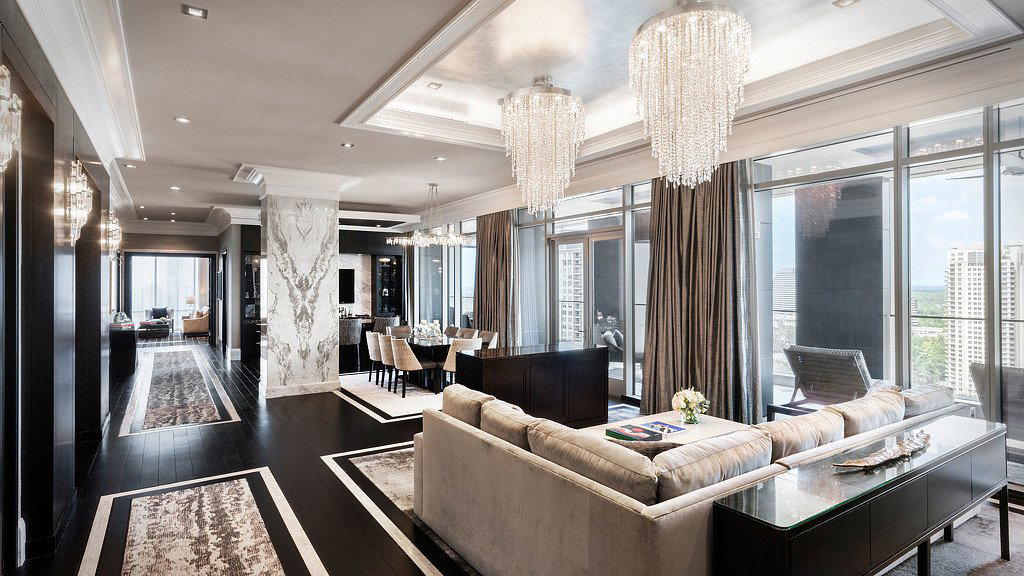
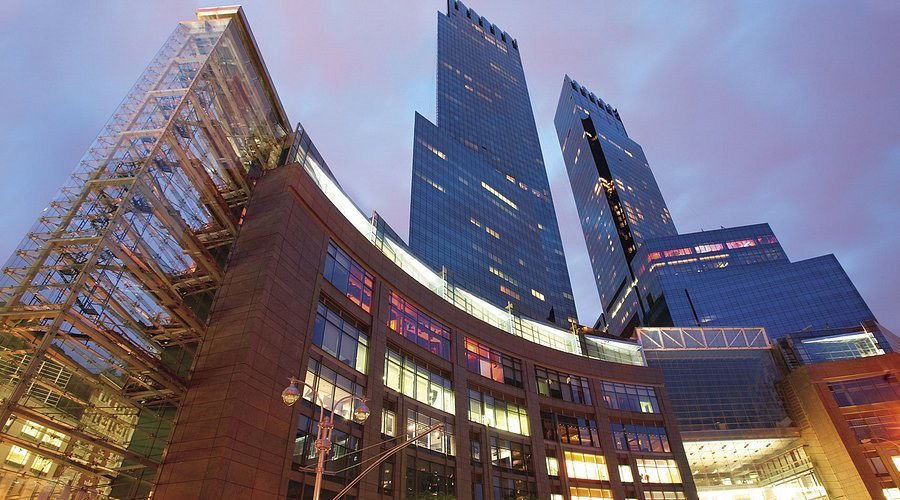
Perched high above Columbus Circle, the Mandarin Oriental emphasizes sweeping, cinematic perspectives more than flashy theatrics. The property trades on altitude: a low-lit lobby frames long sightlines, and corner suites articulate simultaneous views of Central Park, the Midtown skyline and the Hudson. The aesthetic reads contemporary and deliberately restrained, so the overall mood lands as scenic and serene rather than exuberant; it feels like a calm, modern perch in the city where views and spatial composure are the primary luxuries on offer.
Best For
This hotel suits travelers whose itineraries mix culture, green space and Midtown business. Its west-side placement makes it convenient for visits to Lincoln Center, easy access at Columbus Circle, and direct sightlines over Central Park for guests prioritizing view-driven rooms. The property is a natural pick for those seeking a contemplative, high-floor stay—ideal for pre-theater trips to nearby performing arts venues, city breaks that value a park outlook, or business travelers who want an elevated base with straightforward transit connections.
Stay Tips
Request a high-floor corner suite if securing the signature panoramas is a priority: the description highlights corner rooms that capture park and skyline sightlines simultaneously. Ask for a north- and west-facing room to maximize views of Central Park and the Hudson. Note that arrival is at street level in Deutsche Bank Center, so plan logistics around that shared complex entrance. Because the hotel emphasizes altitude and view as a central asset, prioritize room category and floor over peripheral amenities when booking.
Venue details
Ambiance
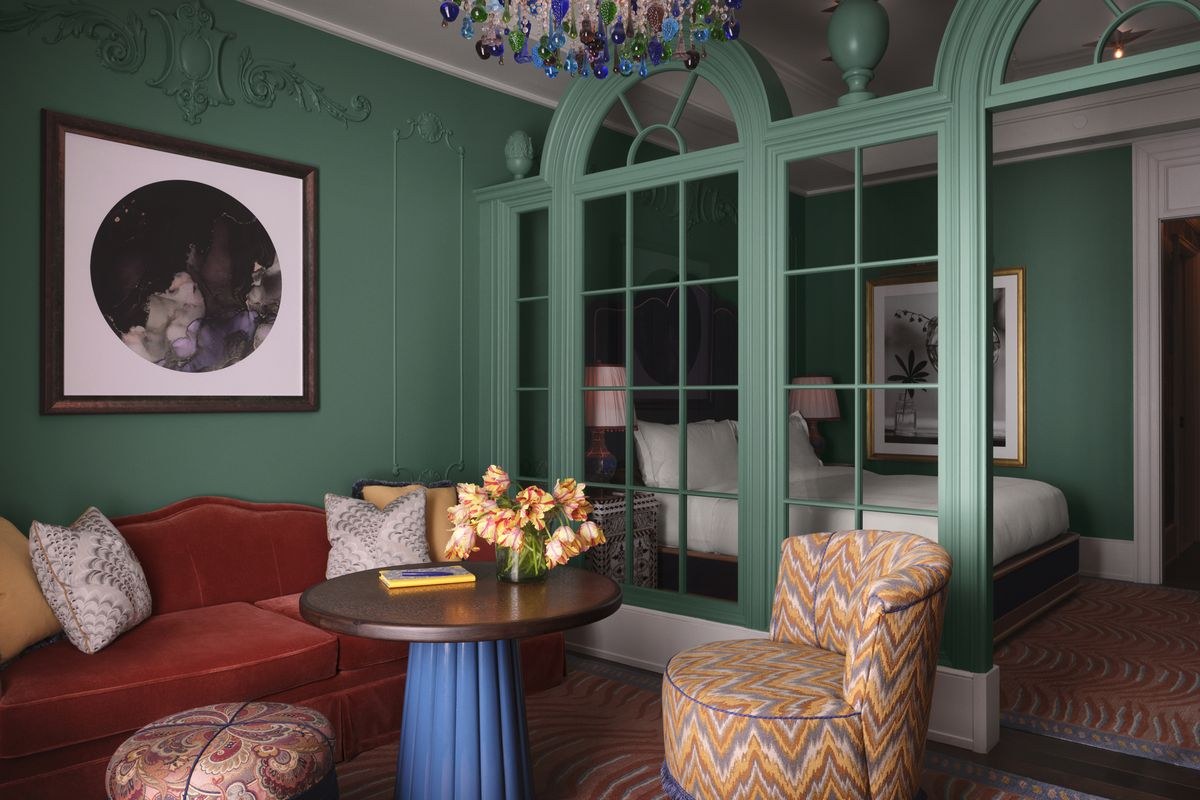
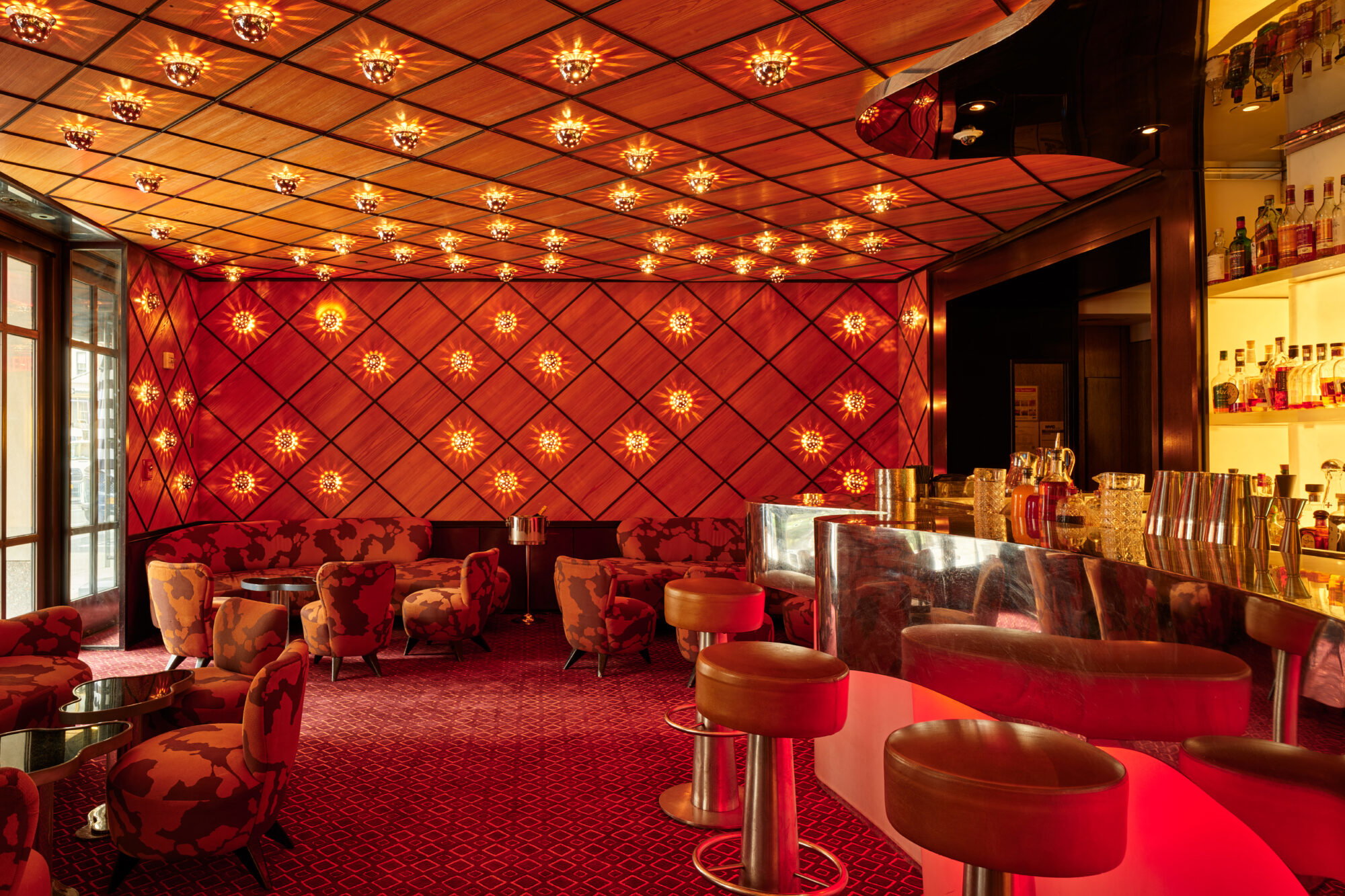
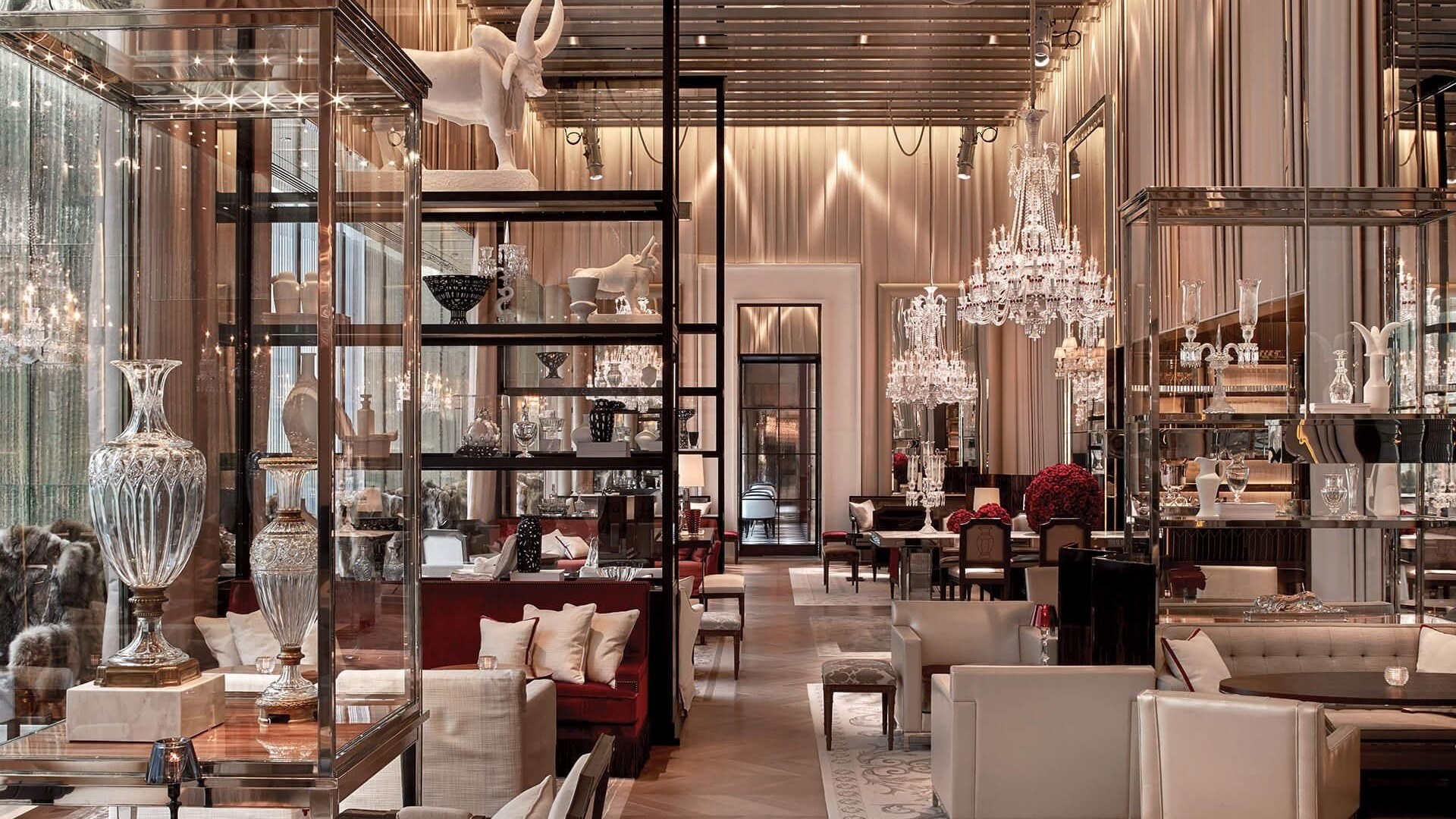
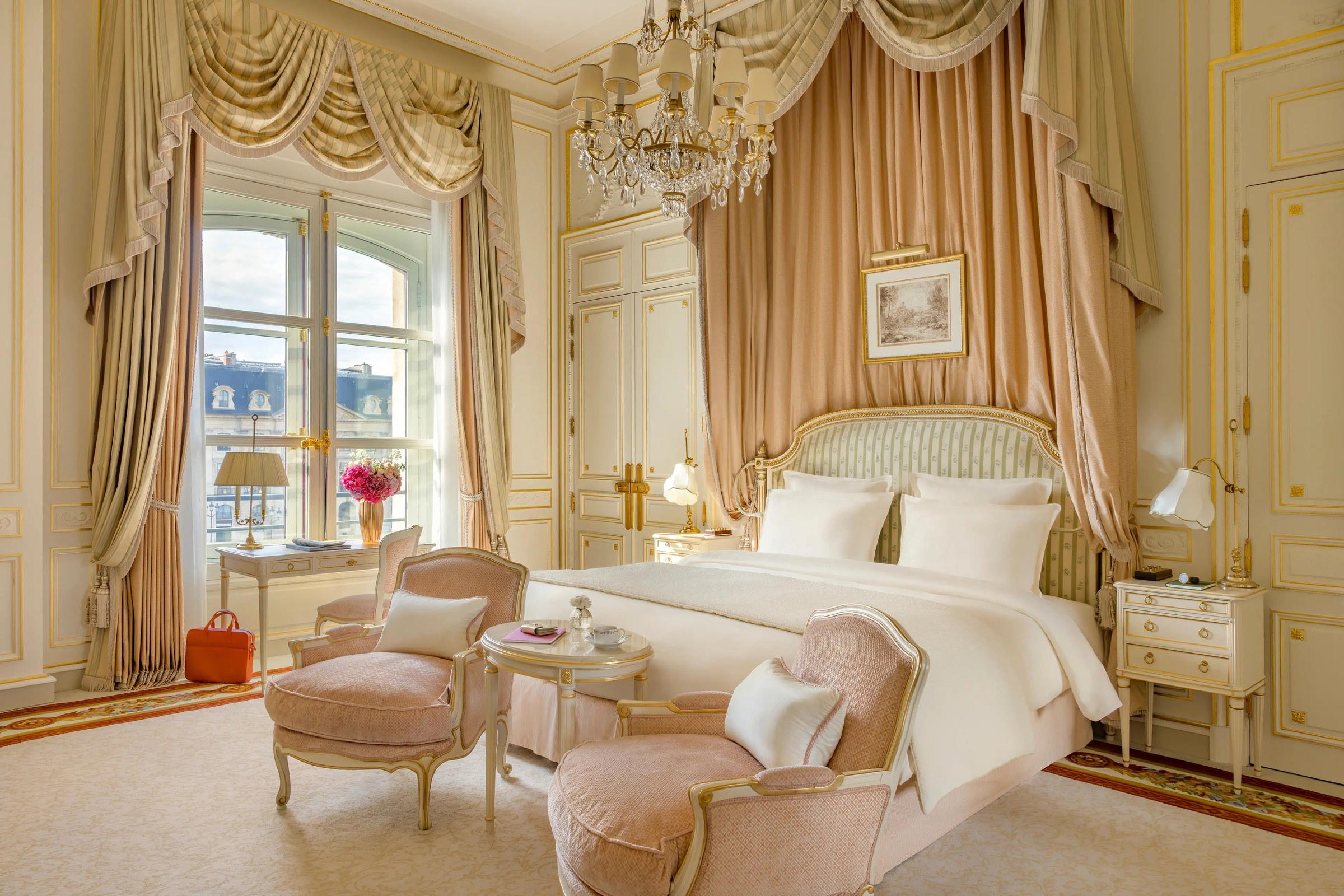
Elegant and serene with sophisticated lighting, spacious rooms featuring floor-to-ceiling windows offering stunning city views.
Tags
Vibe
Best For
Experience
Amenities
View
Accessibility
About the Stay
- Rooms
- 244
- Property Type
- Design hotel
- Property Style
- Luxury Urban Tower Hotel with Asian Inspired Serenity Amid Manhattan Energy
- Design Style
- Modern Luxury with Asian Influences, Marble Bathrooms, and Floor to Ceiling Windows
- Airport Transfer
- Available
- Pool
- Yes
- Spa
- Yes
- Pets
- Allowed
Know before you go
Know Before You Go
- Getting there
- 80 Columbus Cir, New York, NY 10023
Planning details
Location
80 Columbus Cir, New York, NY 10023 · Directions
mandarinoriental.com/en/new-york/manhattan?src=loc.yext.monyc.ggl
Recognition and awards



Also consider
Also Consider
- Trump International Hotel & Tower New York, Notable alternative
- JW Marriott Essex House, Notable alternative
- WestHouse Hotel New York, Notable alternative
- Park Hyatt New York, Notable alternative
- Thompson Central Park, Notable alternative
Hotel context
How Mandarin Oriental, New York compares nearby
Choose Mandarin Oriental, New York over JW Marriott Essex House if the Columbus Circle position and Mandarin Oriental service identity are the reason for the trip. JW Marriott Essex House is the more natural cross-shop for Marriott loyalists and travelers who want Central Park South with chain-program utility. Mandarin Oriental is the stronger call when the stay is less about points and more about a polished luxury base with major hotel-award recognition, including Forbes 5-Star, AAA 5 Diamond, Condé Nast Gold List, and MICHELIN Guide hotel selection.
Against Park Hyatt New York, the decision is mostly loyalty and mood. Park Hyatt New York will make more sense for Hyatt members and travelers who prefer a quieter luxury-hotel profile near Midtown arts and shopping. Mandarin Oriental, New York is better for guests who want the Columbus Circle anchor and a hotel that feels built for a first New York stay. Both can be hard to book on peak dates, so compare availability early rather than assuming one will price clearly below the other.
Trump International Hotel & Tower New York is the closest location comparison, so cross-shop it if Central Park access is the only non-negotiable. Thompson Central Park is a better fit for travelers who want a livelier, more lifestyle-hotel feel, while WestHouse Hotel New York is the practical alternative when the rate matters more than full luxury-hotel depth. If Mandarin Oriental is unavailable, start with Park Hyatt for luxury consistency, then JW Marriott Essex House for loyalty-driven value.
Explore New York City
Around this place
Discover more on Pearl
Unlock the full Mandarin Oriental, New York guide in Pearl, including awards, comparisons, FAQs, planning details, and nearby places.
Compare Mandarin Oriental, New York
| Venue | Location | Awards |
|---|---|---|
| Mandarin Oriental, New York | New York City | 2026 La Liste Top Hotels2025 Michelin Selected Hotels2025 Conde Nast Hotels Gold List2025 Forbes 5-Star2025 AAA 5 Diamond Hotel2025 Gault & Millau Exceptional Hotel |
| Trump International Hotel & Tower New York | New York City | 2025 Forbes 5-Star |
| JW Marriott Essex House | New York City | No published awards |
| WestHouse Hotel New York | New York City | Small Luxury Hotels Member 2025 |
| Park Hyatt New York | New York City | AHEAD Americas Awards 2026 Shortlist - Spa & Wellness2026 La Liste Top Hotels2025 Michelin Selected Hotels2025 Forbes 5-Star2025 AAA 5 Diamond HotelPearl Recommended Hotels |
| Thompson Central Park | New York City | No published awards |



How Mandarin Oriental, New York compares with similar nearby venues.
FAQ
Frequently Asked Questions
How does Mandarin Oriental, New York compare to other New York City hotels?
Mandarin Oriental, New York stands out for recognition: Forbes 5-Star 2025, AAA 5 Diamond 2025, La Liste Top Hotels 2026 with 97 points, Gault & Millau Exceptional Hotel 2025 with 5 points, Condé Nast Gold List 2025, and MICHELIN Guide Hotels Selected 2025. If you are comparing it with Thompson Central Park, Park Hyatt New York, or JW Marriott Essex House, check the live rate, room type, cancellation terms, and included benefits before booking.
Do loyalty programs work at Mandarin Oriental, New York?
If loyalty value matters, review earning, redemption, upgrade, and elite-benefit terms directly and compare them with other New York City hotels such as Thompson Central Park or Park Hyatt New York. The clearest reason to consider Mandarin Oriental, New York is its awards profile.
What is check-in like at Mandarin Oriental, New York?
For check-in, confirm arrival timing, arrival sequence, and service details directly with the hotel before travel. Mandarin Oriental, New York has a smart casual dress code and multiple hotel recognitions, including Forbes 5-Star 2025 and AAA 5 Diamond 2025.
How are the amenities at Mandarin Oriental, New York?
For amenities, wellness facilities, dining venues, room features, and service formats, check details directly before booking and compare with other New York City options such as Trump International Hotel & Tower New York or WestHouse Hotel New York based on current offerings.
Where is Mandarin Oriental, New York located?
Mandarin Oriental, New York is in New York City. For planning, confirm the street address, neighborhood, landmarks, and district details directly before building an itinerary around them. For alternatives in New York City, JW Marriott Essex House and Park Hyatt New York are natural comparison points.