

11 Howard
SoHo-Little Italy-Hudson Square, New York City
Hotel in New York City, United States
 Book with Pearl
Why go
11 Howard is a strong Lower Manhattan pick if the stay needs design polish, downtown access, and a calmer mood than louder boutique hotels nearby. It is better for business trips and date weekends than for travelers who want a full-service luxury hotel to be the main event.
About 11 Howard
11 Howard is a hotel in New York City with a smart casual dress code and notable recognition signals: MICHELIN Guide, Hotels Selected (2025), Design Hotels Member - 11 Howard (2026), and the Mr & Mrs Smith Seal of Approval (2026). Those recognitions make it reasonable to consider for travelers who want a recognized New York City stay, while any decision about room type, rates, services, or amenities should be confirmed directly with the hotel before booking.
Choose it for recognition, then confirm the stay details
The strongest reasons to consider 11 Howard are its recognition profile. It is listed as a MICHELIN Guide hotel selection for 2025, a Design Hotels member for 2026, and a Mr & Mrs Smith Seal of Approval property for 2026. Before booking, check room layouts, service style, amenities, food and beverage, and pricing directly with the hotel.
For planning, treat 11 Howard as a New York City hotel to evaluate on current availability and the details shown through the hotel's official booking channels. If the trip has specific needs, such as work setup, accessibility, quiet room preference, or arrival logistics, confirm those directly rather than relying on assumptions.
Who should choose it over other hotels
Choose 11 Howard if its recognition and New York City location match the kind of stay you want. It can be considered alongside The Roxy Hotel New York, 50 Bowery, Crosby Street Hotel, Soho Grand Hotel, and ModernHaus SoHo, with the final choice depending on current rates, room availability, and the hotel details each traveler needs to confirm. For broader New York planning, use Our full New York City hotels guide.
The safest booking approach is to compare the current room categories and terms directly. Do not assume a price band, room count, amenities list, or service format without checking current hotel information. Use the recognition as a trust signal, then confirm the practical details with the hotel before reserving.
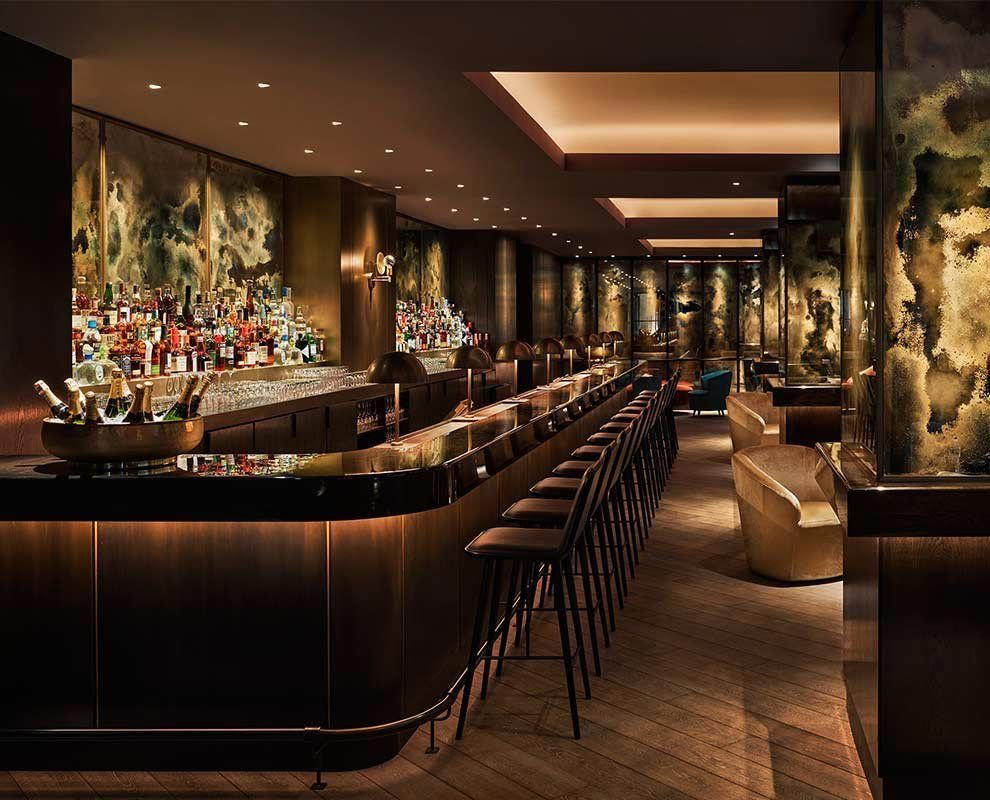
Inside 11 Howard
Planning details
- Location
- 11 Howard Street, New York City 10013, USA
- Website
- marriott.com/hotels/travel/NYCHW
- Phone
- +1 212 235 1111
The take
The Take
The Vibe
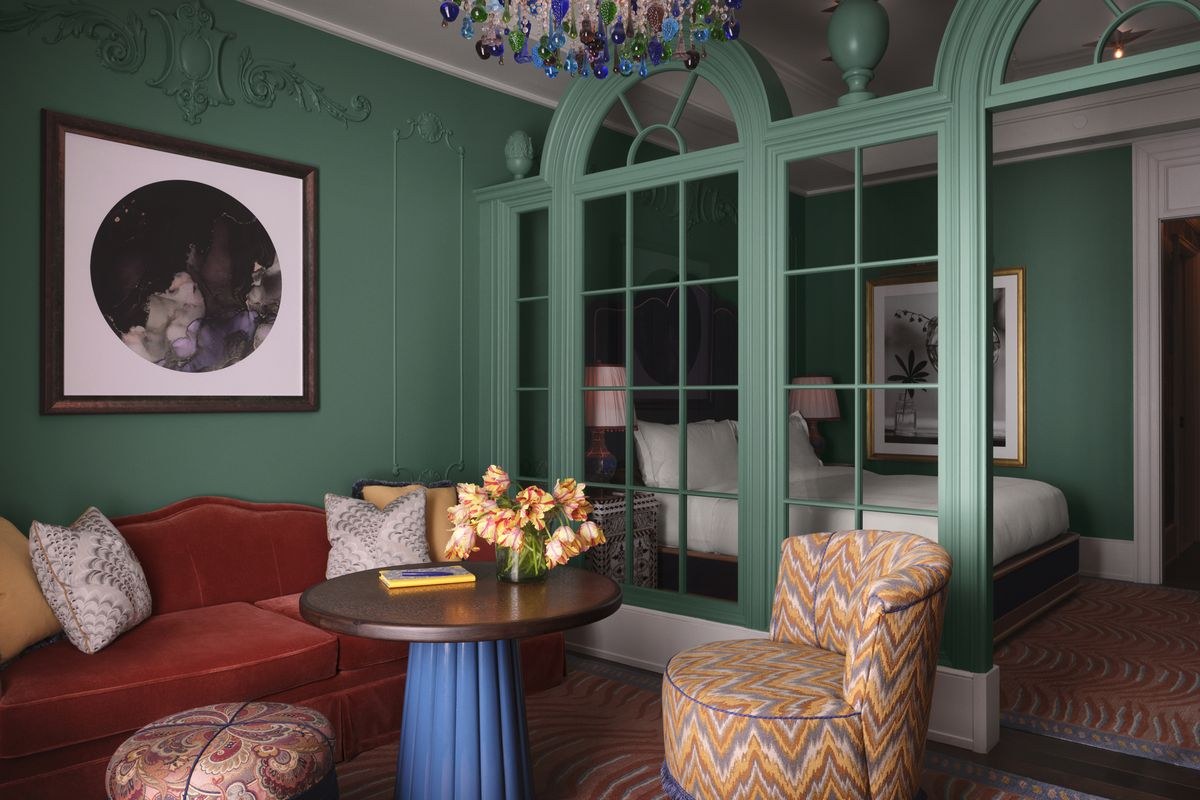
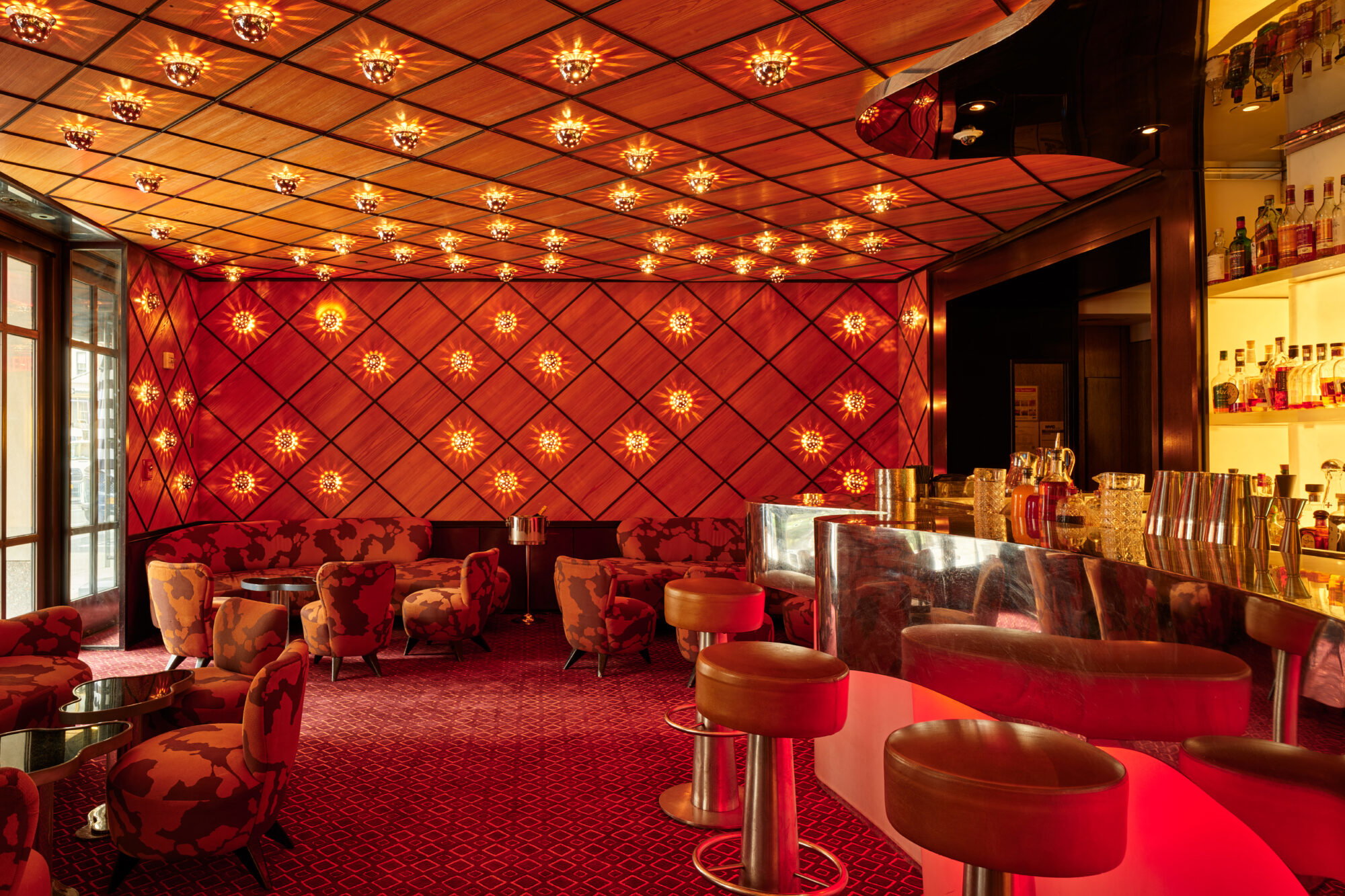
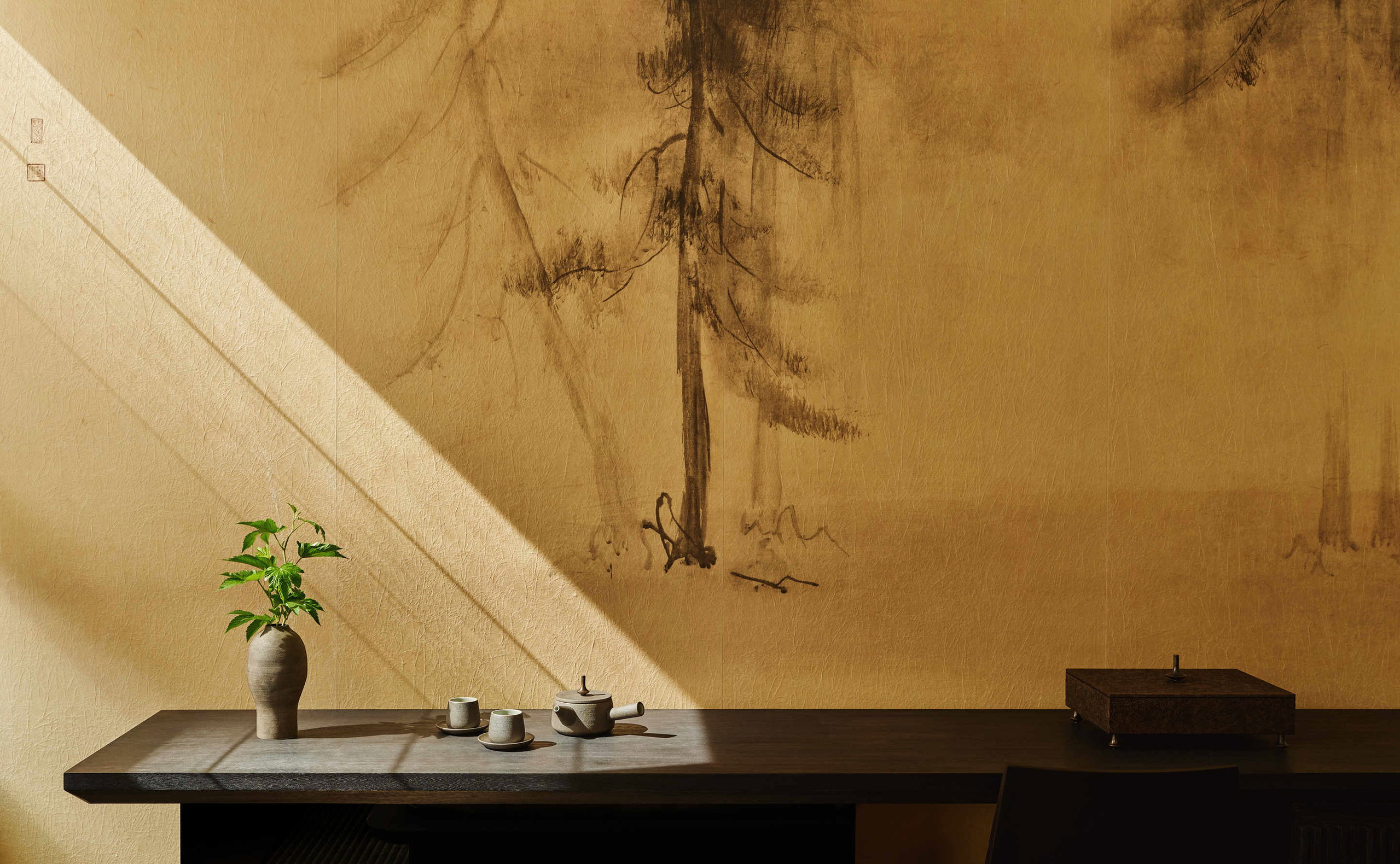
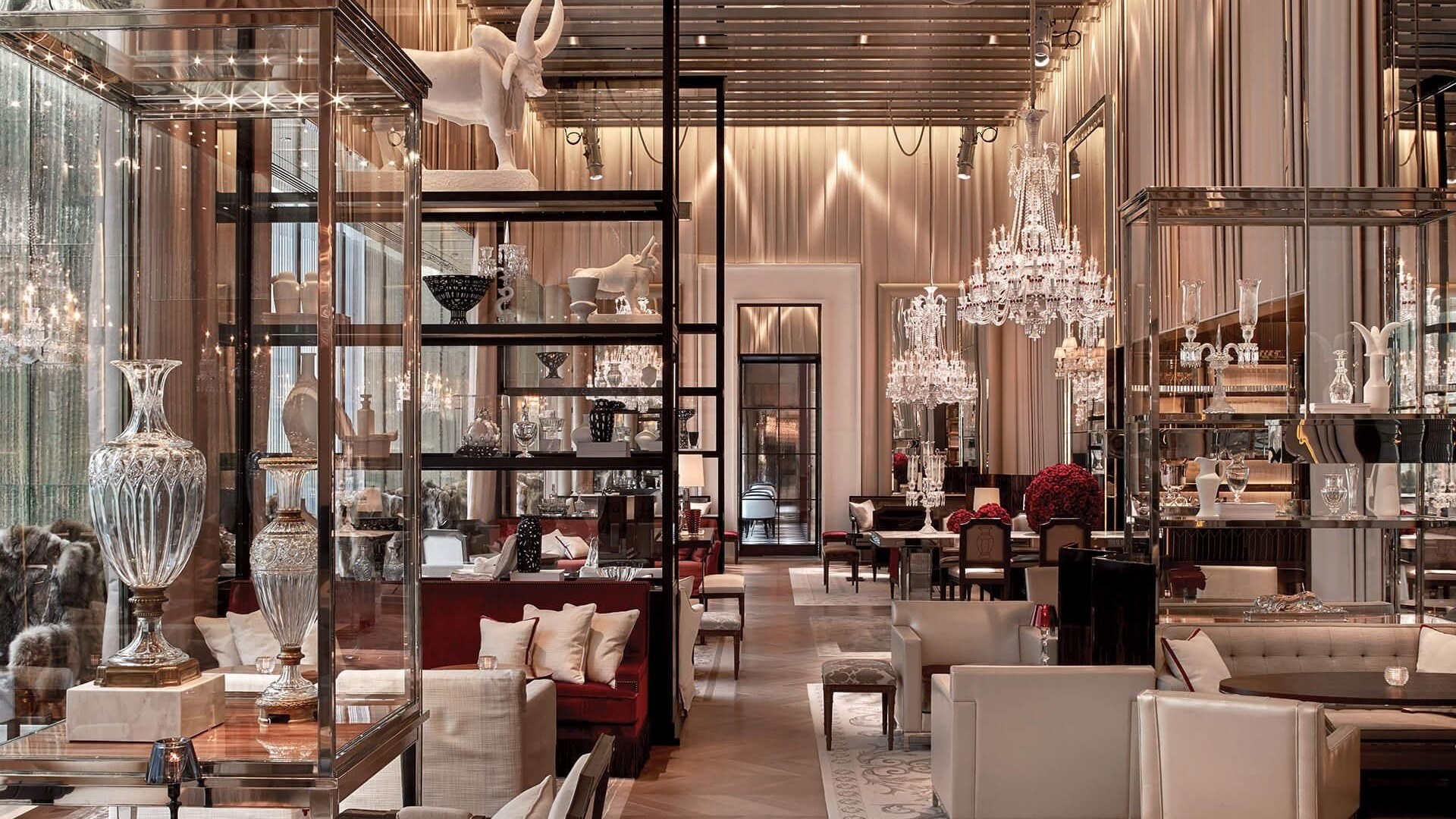
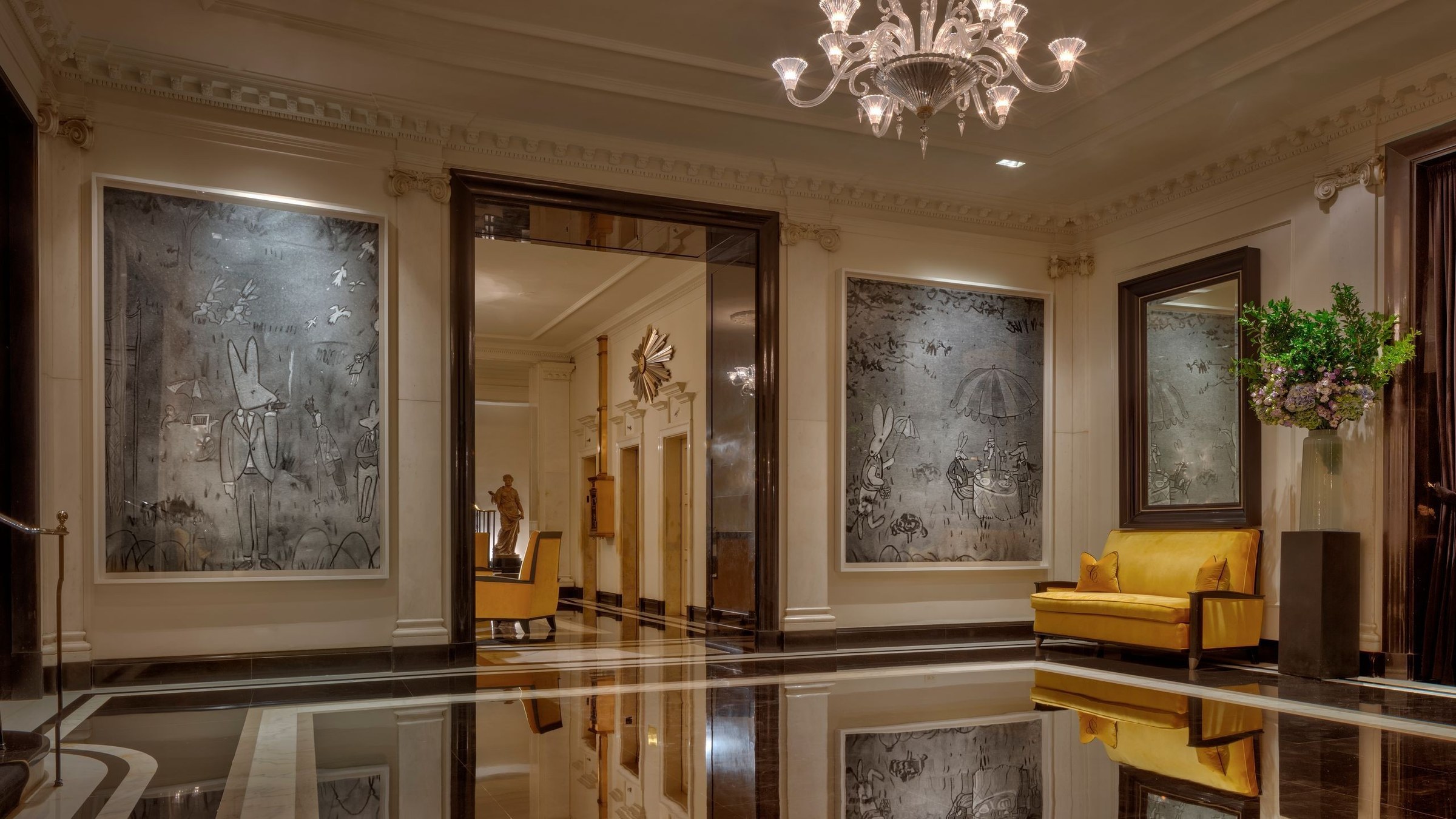
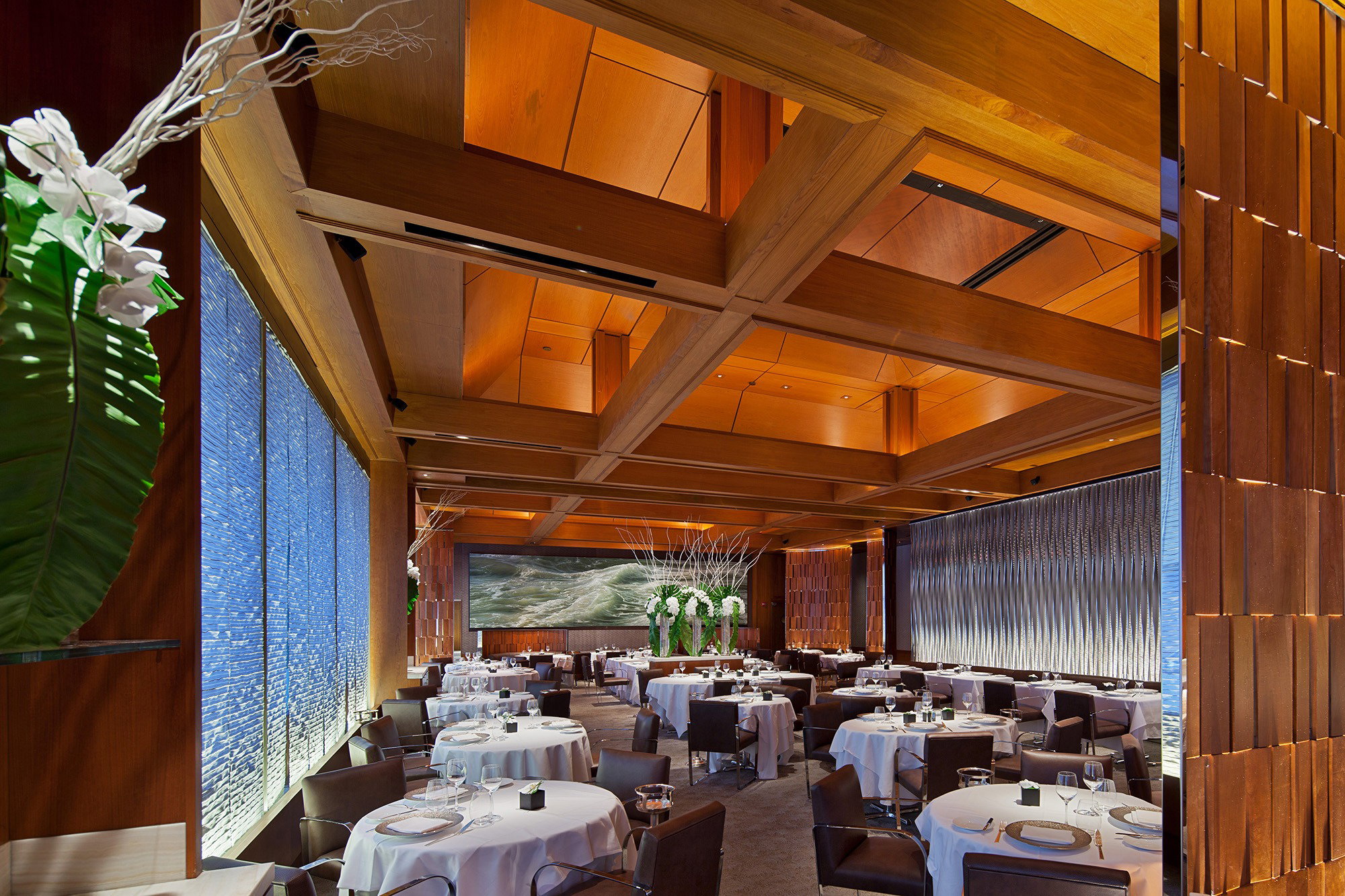
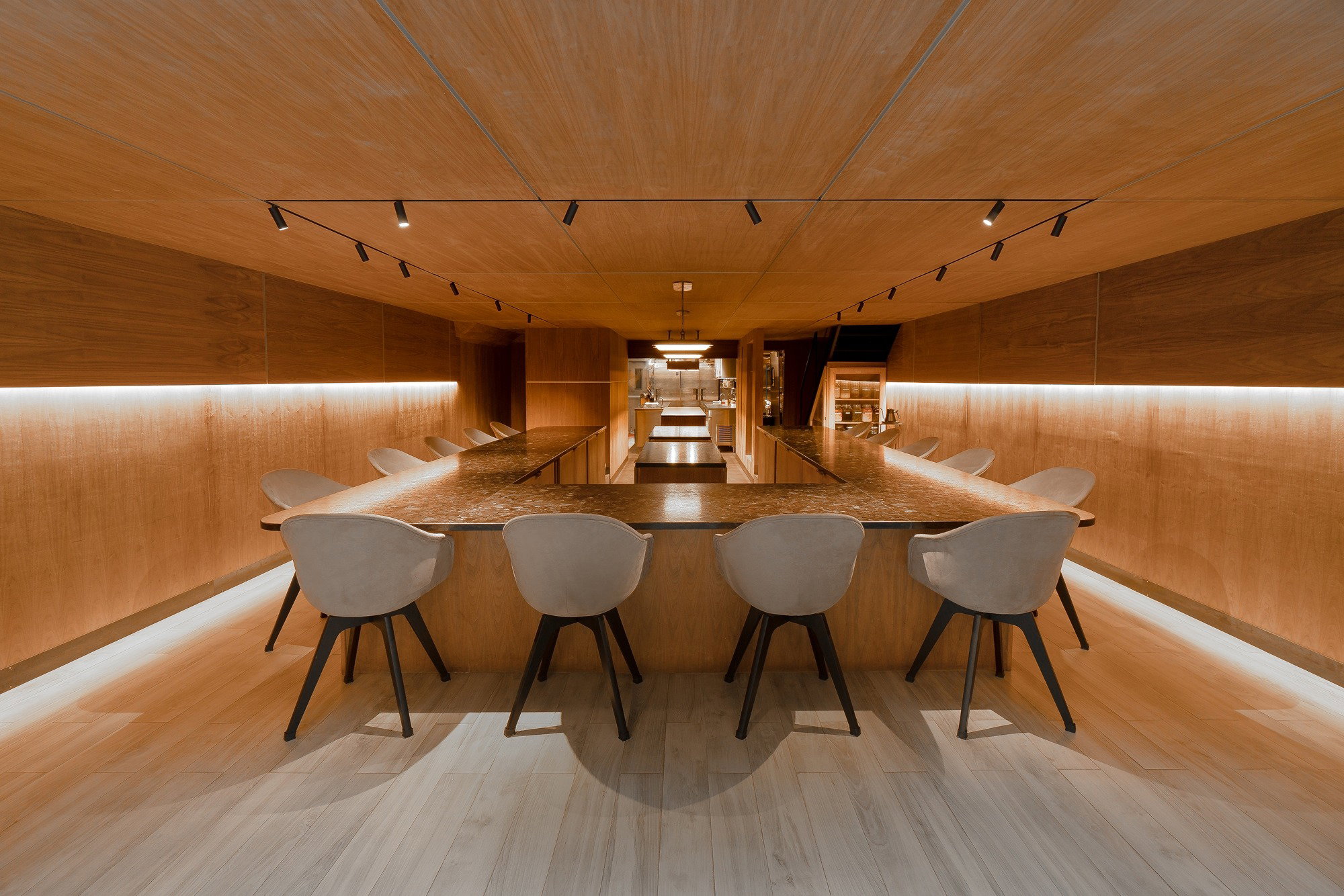
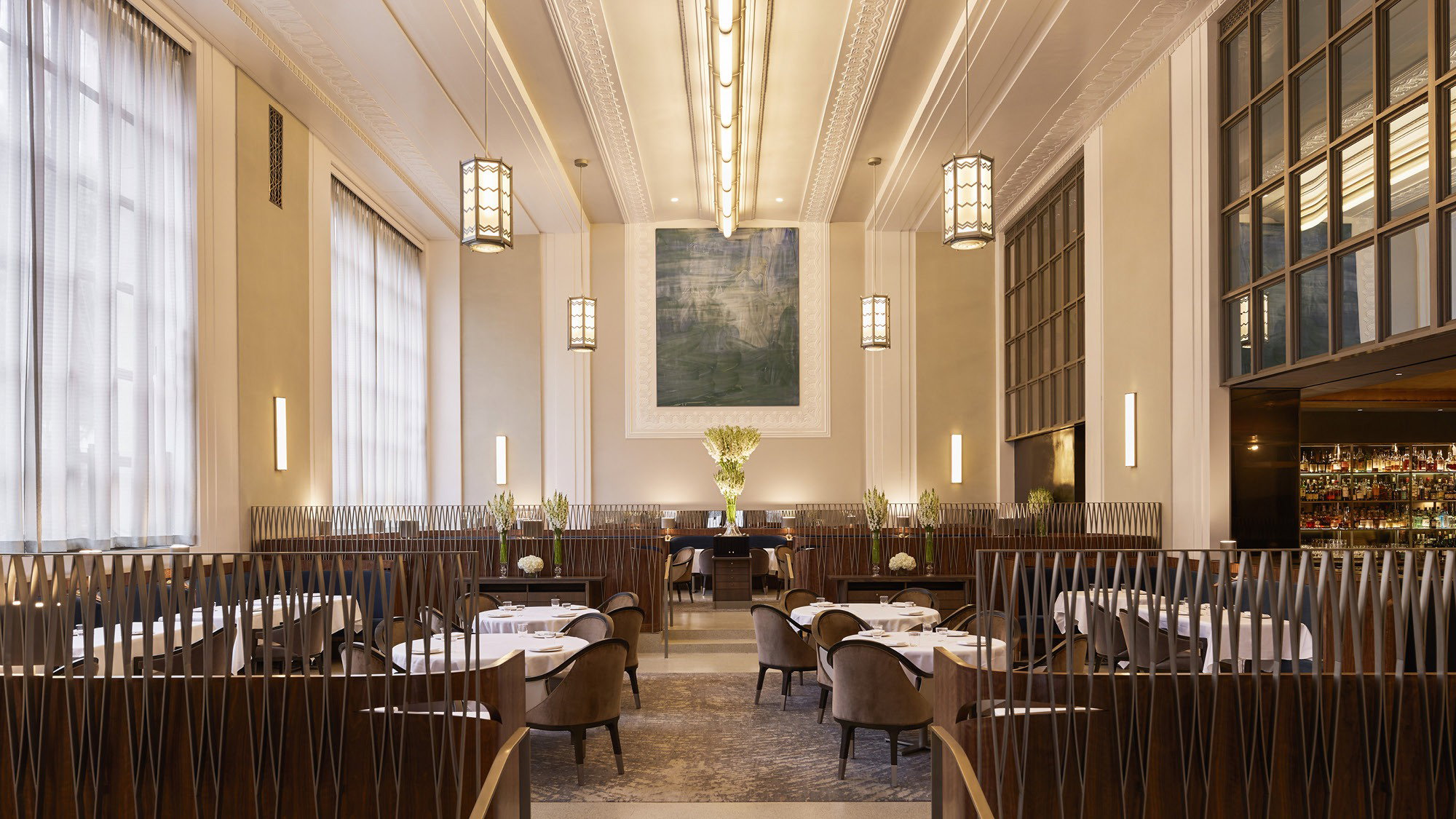
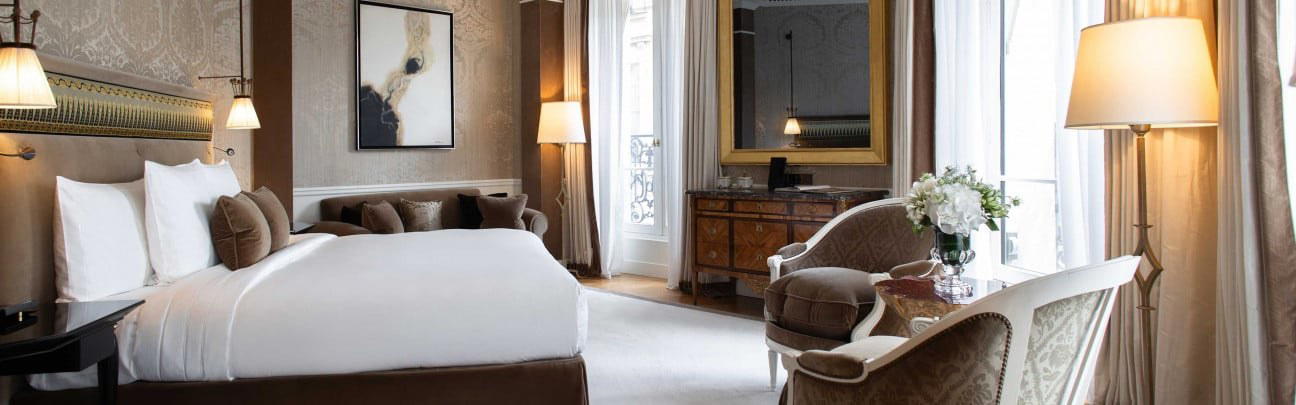
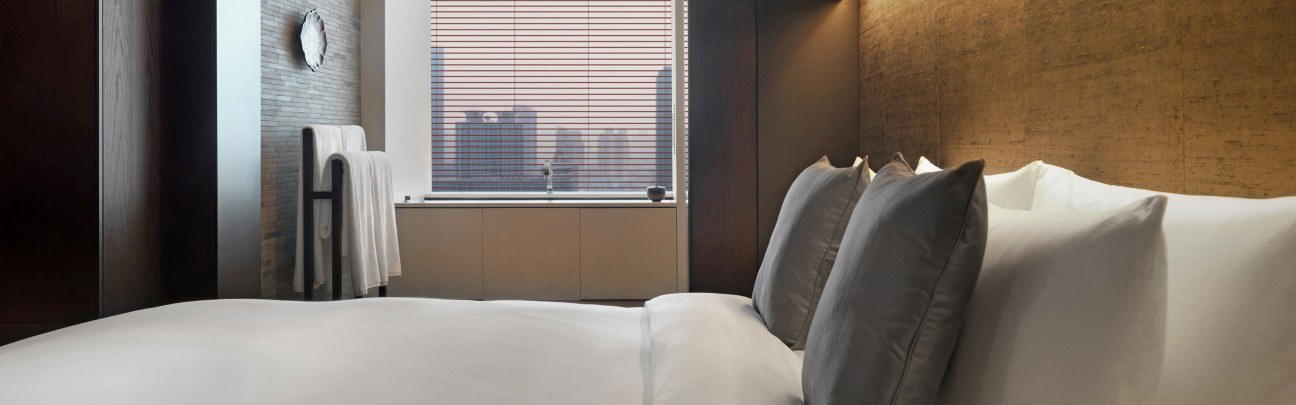
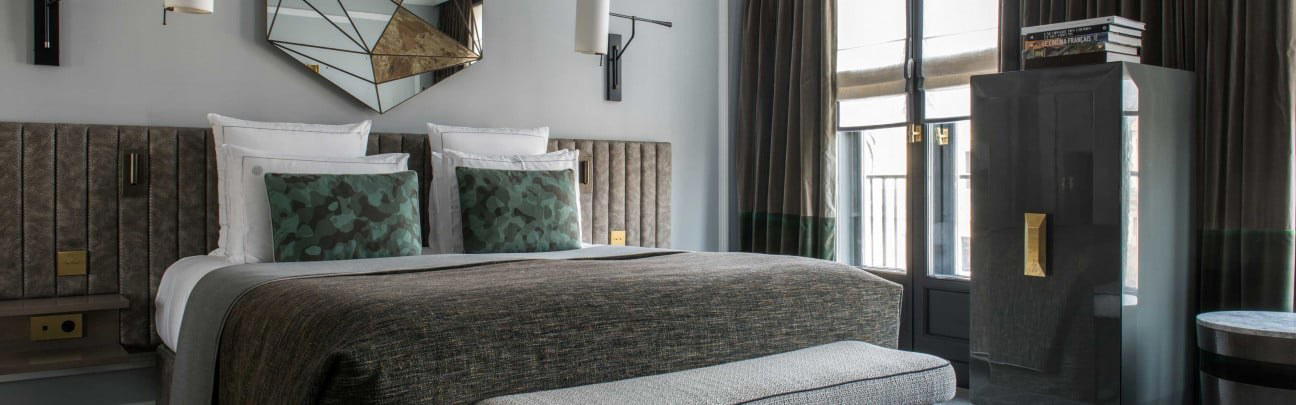
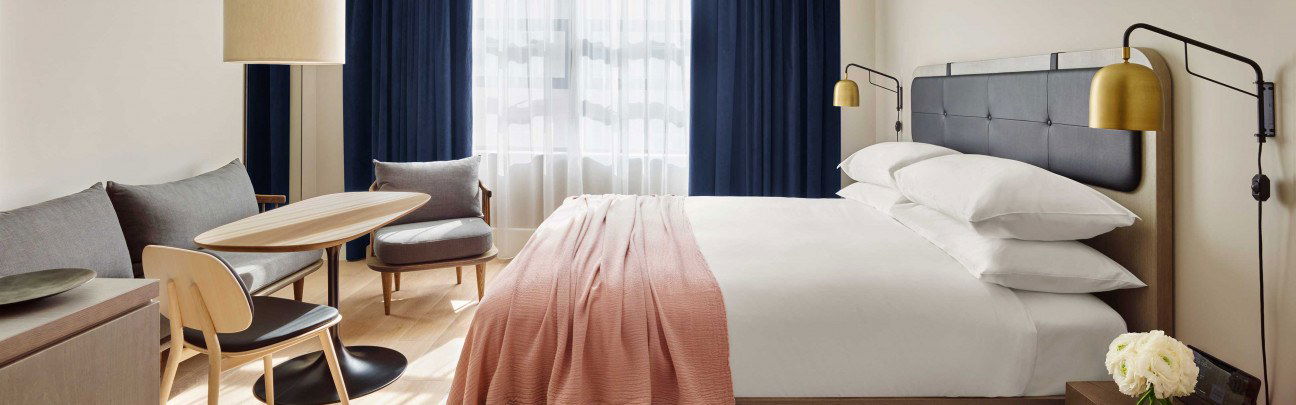
11 Howard presents a restrained, design-forward personality grounded in Scandinavian rigor. Interiors favor natural materials, restrained palettes and spatial honesty, so the hotel reads as deliberate and quietly curated rather than decorative. Its independent, design-led stance positions each room and public space as an architectural statement—clean lines, thoughtful proportions and an emphasis on material quality dominate the guest experience. The result is a calm, composed atmosphere that privileges visual clarity and craft, appealing to travelers who value discipline in design and an environment that lets structure and texture do the talking.
Best For
11 Howard is best for design-minded travelers and anyone visiting SoHo for galleries, showrooms or the neighborhood’s creative trade scene. The hotel’s Scandinavian framing and emphasis on design credibility make it a natural choice for guests who prioritize aesthetics and considered interiors over branded luxury gestures. It suits independent travelers and couples who appreciate quiet, well-scaled spaces and contemporary restraint, as well as business visitors tied to nearby design trade activity. Its location on Howard Street also places guests within easy reach of SoHo’s galleries and the design trade showrooms of NoHo.
Venue details
Ambiance
Bright and spacious rooms with thoughtful dimmable lighting, minimalist design, and a cozy library space; some rooms may experience street noise but overall quiet hallways.
Tags
Vibe
Best For
Experience
Amenities
View
Accessibility
About the Stay
- Rooms
- 207
- Property Type
- Boutique hotel
- Property Style
- Scandinavian Inspired Boutique with Custom Handcrafted Furnishings and High Ceilings.
- Design Style
- Minimalist with Light Oak Floors, Natural Bamboo Rugs, Danish Inspired Furniture, and Custom Ceramic Sculptures.
- Pets
- Allowed
Know before you go
Know Before You Go
- Getting there
- 11 Howard Street, New York City 10013, USA
Planning details
Location
11 Howard Street, New York City 10013, USA · Directions
Recognition and awards
Also consider
Also Consider
- The Roxy Hotel New York, Notable alternative
- 50 Bowery, Notable alternative
- Crosby Street Hotel, Notable alternative
- Soho Grand Hotel, Notable alternative
- ModernHaus SoHo, Notable alternative
Hotel context
How It Compares
Choose 11 Howard over The Roxy Hotel New York if the goal is a quieter, more design-led downtown stay. The Roxy is the stronger choice for guests who want a more social hotel mood; 11 Howard is the better fit when the room needs to support work, recovery, or a low-key celebration.
50 Bowery is the more Chinatown-adjacent call, while 11 Howard works better for guests splitting time between SoHo, Nolita, and Tribeca. Crosby Street Hotel is the more polished splurge if budget matters less and a more residential-feeling luxury stay is the goal.
Against Soho Grand Hotel and ModernHaus SoHo, 11 Howard is the practical choice for travelers who want downtown style without making nightlife energy or scene factor the whole point. Booking difficulty is easier here, so it is also a sensible backup when the higher-demand SoHo options are tight.
Explore New York City
Around this place
Discover more on Pearl
Unlock the full 11 Howard guide in Pearl, including awards, comparisons, FAQs, planning details, and nearby places.
Compare 11 Howard
| Venue | Location | Awards |
|---|---|---|
| 11 Howard | New York City | 2026 Design Hotels Collection2026 Mr & Mrs Smith Luxury Hotels2025 Michelin Selected Hotels |
| The Roxy Hotel New York | New York City | No published awards |
| 50 Bowery | New York City | No published awards |
| Crosby Street Hotel | New York City | 2026 Mr & Mrs Smith Luxury Hotels2026 La Liste Top Hotels2026 Michelin 3 Keys2025 Michelin 3 Keys2025 Forbes 4-Star2024 Michelin 3 Keys |
| Soho Grand Hotel | New York City | No published awards |
| ModernHaus SoHo | New York City | 2025 Michelin Selected HotelsPreferred Hotels Member 2025 |





How 11 Howard New York City compares with similar nearby venues.
FAQ
Frequently Asked Questions
Is 11 Howard good for business travel?
11 Howard may suit a New York City trip if its location and current room options fit your plans. The MICHELIN Guide, Hotels Selected (2025) listing is a useful trust signal. If business-travel amenities are important, confirm the relevant details directly with the hotel and compare current options with 50 Bowery.
Do loyalty programs work at 11 Howard?
Do not count on a loyalty-program angle as the main reason to stay here unless the hotel's official channels confirm it for your booking. Its public recognition includes Design Hotels Member - 11 Howard (2026), MICHELIN Guide, Hotels Selected (2025), and the Mr & Mrs Smith Seal of Approval (2026). If earning or redeeming points matters most, compare current booking terms with another New York City option such as ModernHaus SoHo.
What is check-in like at 11 Howard?
Confirm arrival time, identification requirements, deposit policies, and luggage storage directly with 11 Howard before travel. If the arrival experience is a major part of the decision, compare the latest official information with Crosby Street Hotel.
What is 11 Howard known for?
11 Howard is a New York City hotel with recognition from the MICHELIN Guide, Design Hotels, and Mr & Mrs Smith. Its dress code is smart casual.