

The Claridges New Delhi
Lutyens Delhi, New Delhi
Hotel in New Delhi, India
 Book with Pearl
The Read
Lutyens' Zone Restraint
Why go
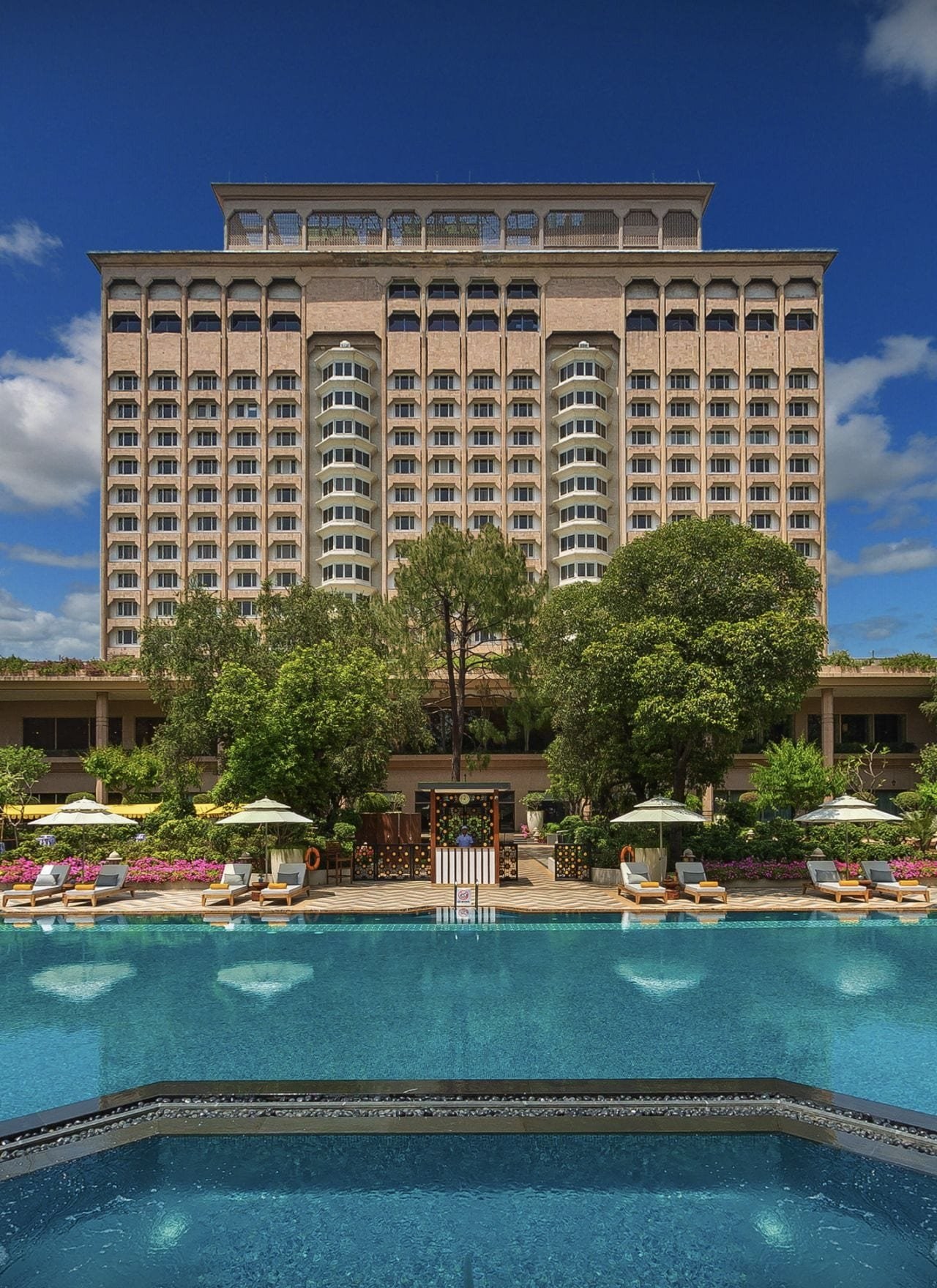
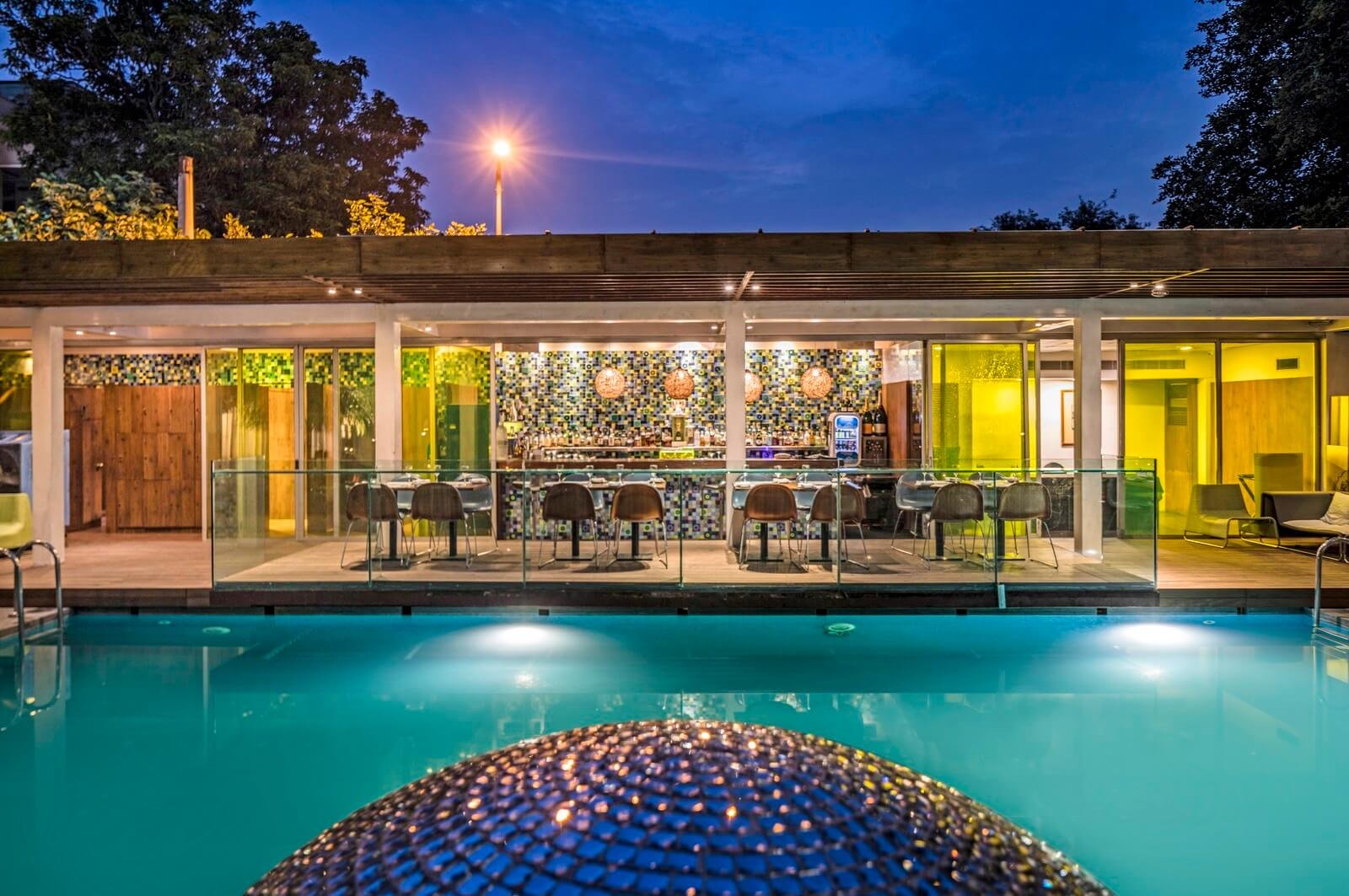
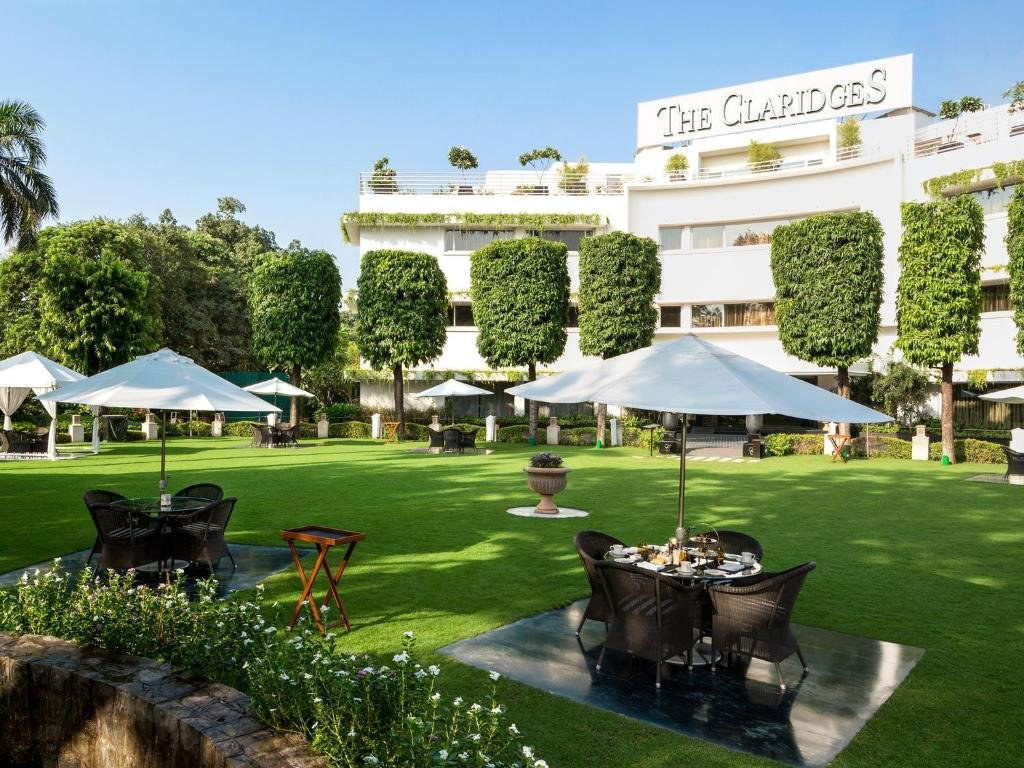
Book The Claridges New Delhi if you want a heritage Lutyens’ Delhi stay with garden space, strong on-property dining, and a calmer low-rise feel than many city luxury hotels. The $$$$ rate makes the most sense for travelers who will use the pool, restaurants, and central location rather than treating the room as a place to sleep only.
About The Claridges New Delhi
The Claridges New Delhi is a premium hotel in New Delhi with a verified $$$$ price level and a smart-casual dress code. It is also listed in the Preferred Hotels L.V.X. Collection (2025) and in the MICHELIN Guide, Hotels Selected (2025).
New Delhi is the reason to choose it
Book The Claridges New Delhi if you want a high-end New Delhi hotel with a premium positioning rather than a budget or mid-range stay. The verified $$$$ price level means it should be considered as a luxury-leaning choice, and the smart-casual dress code suggests a polished but not highly formal setting.
For broader planning, see Our full New Delhi hotels guide, plus Our full New Delhi restaurants guide, Our full New Delhi bars guide, Our full New Delhi wineries guide, and Our full New Delhi experiences guide.
Recognition supports the premium positioning
The clearest signals are The Claridges New Delhi’s inclusion in the Preferred Hotels L.V.X. Collection (2025) and its MICHELIN Guide, Hotels Selected (2025) listing. Those recognitions support its place in the premium New Delhi hotel set without needing to rely on claims about specific amenities, restaurants, rooms, or service formats.
Expect a smart-casual feel. For planning, treat it as a $$$$ New Delhi hotel and confirm any trip-critical details directly before booking, especially if you need specific facilities, accessibility features, dining availability, or timing-dependent services.
Book for a premium New Delhi stay
The Claridges New Delhi makes the most sense for travelers who want a recognized, premium hotel in New Delhi and are comfortable with a $$$$ price level.
For cross-shopping, compare The Claridges New Delhi with other dining and hotel options in New Delhi generically, using confirmed price, location in New Delhi, dress expectations, and current availability as the main decision points.
Planning details
- Location
- 12, Dr APJ Abdul Kalam Rd, Tees January Road Area, Motilal Nehru Marg Area, New Delhi, Delhi 110011
- Website
- claridges.com/new-delhi
- Phone
- +91 11 3955 5000
The take
The Take
The Vibe
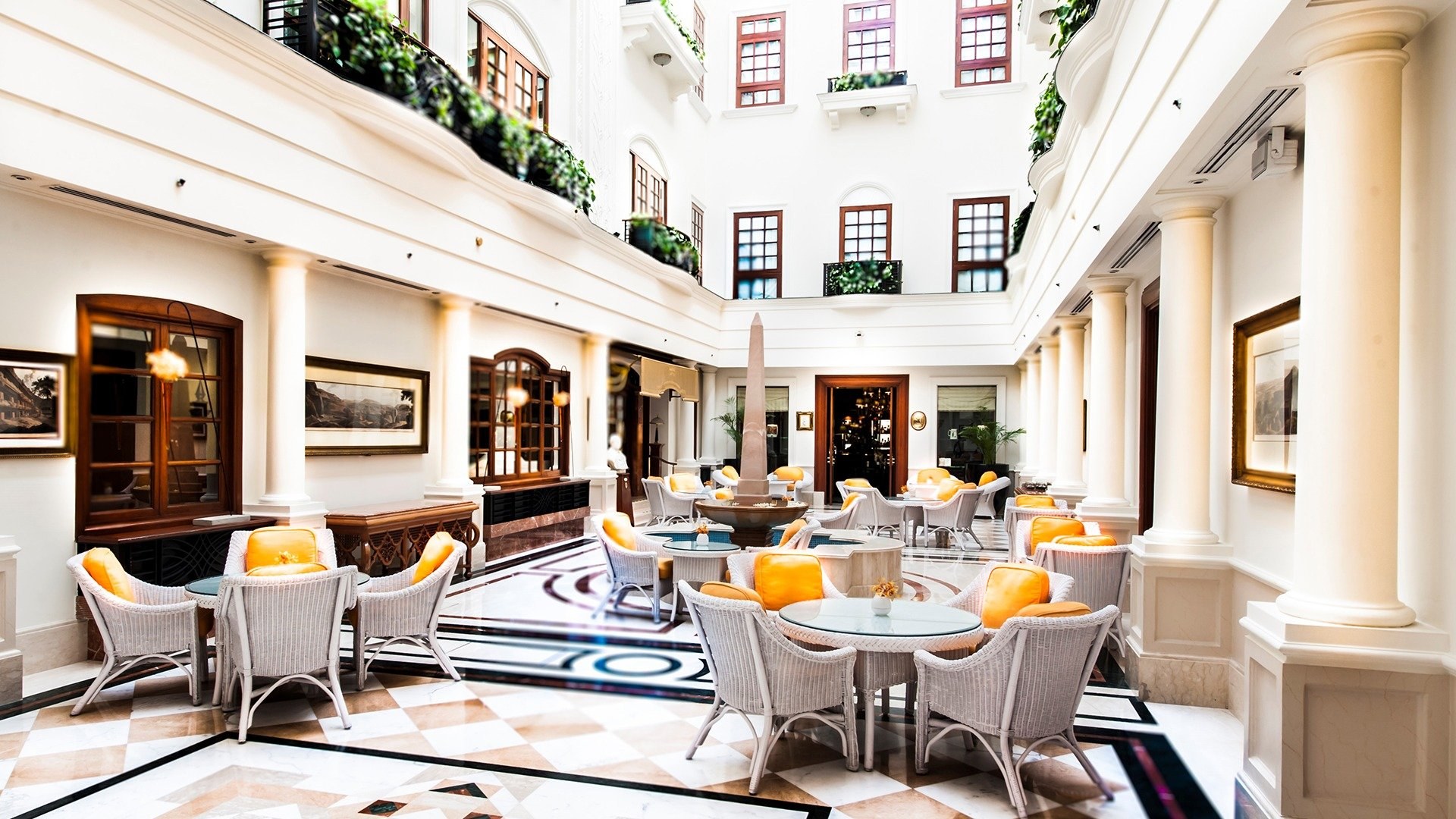
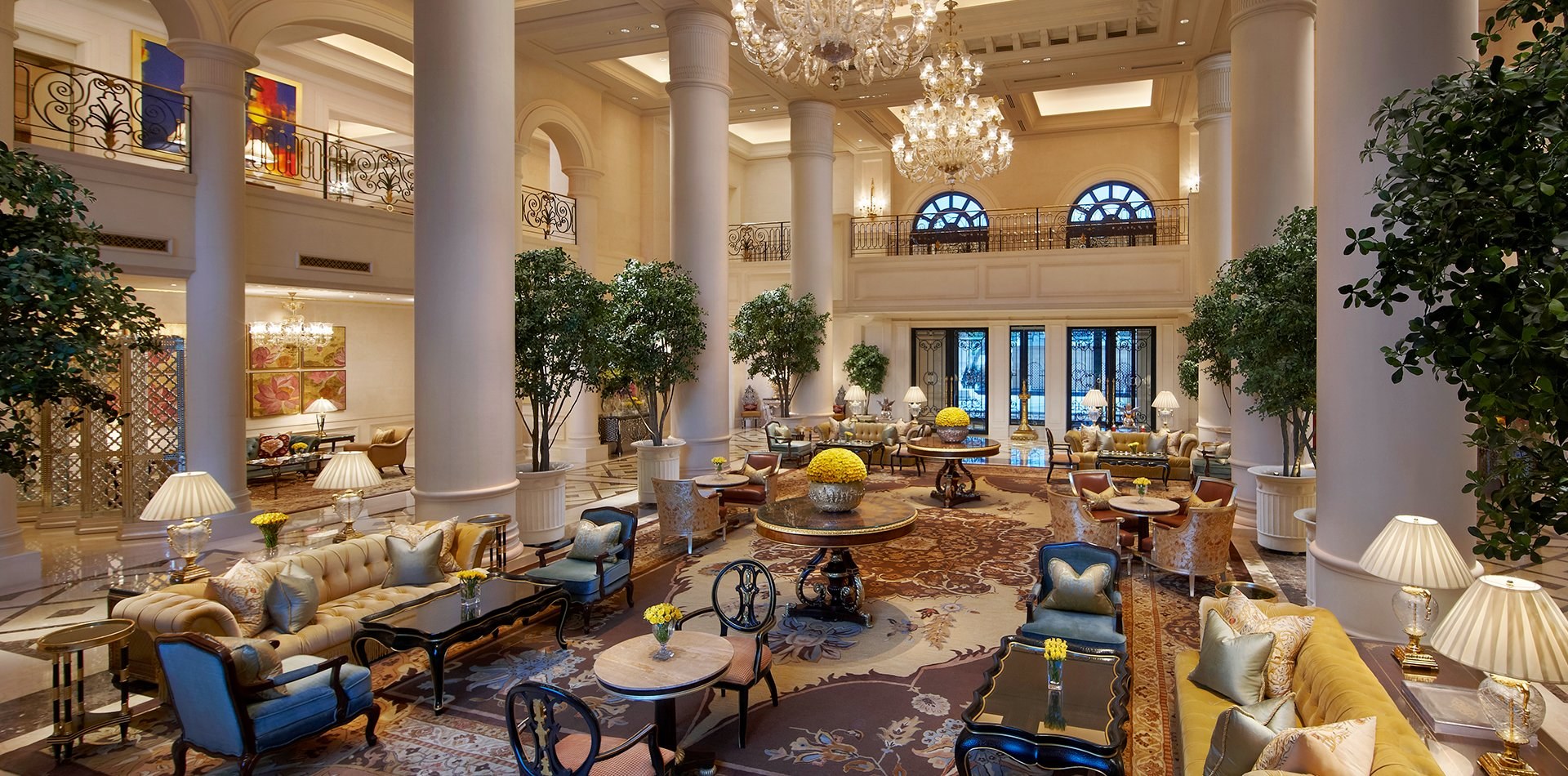
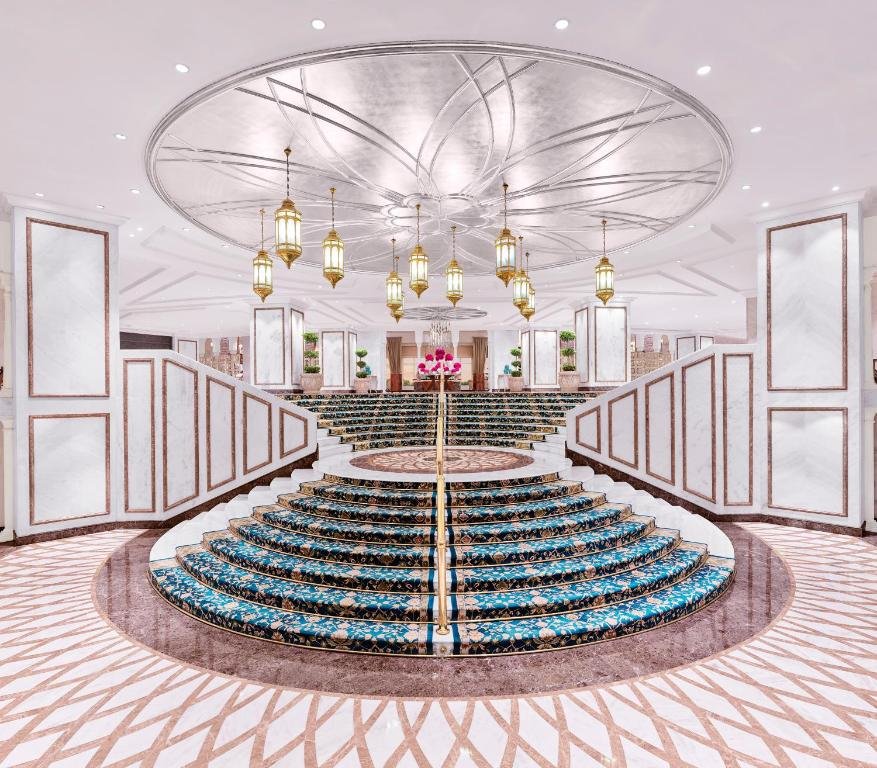
The Claridges registers as a restrained, historic refuge in Lutyens’ Delhi. Its pre‑independence architecture and heritage adjacency steer the hotel toward understatement rather than spectacle: muted public spaces, carefully preserved detailing and a slower pace replace grand lobby theatrics. Intimacy arrives through scale — 132 rooms and a high staff‑to‑guest ratio create quiet corridors and attentive, almost domestic service. The overall impression is calm and composed; this is a place for guests who prefer heritage, discretion and an unhurried rhythm over flashy modernism or buzzing social scenes.
Best For
This hotel suits travelers who want a measured, discreet stay in the heart of New Delhi's administrative quarter. Diplomats, officials and business visitors who value proximity to embassies and ministerial offices will find the location convenient, while couples seeking a quieter romantic escape appreciate the restrained public areas and attentive service. The Claridges is also a good pick for guests who prioritize personalized staff attention and historic character rather than being in the tourist or high‑energy business districts.
Venue details
Ambiance
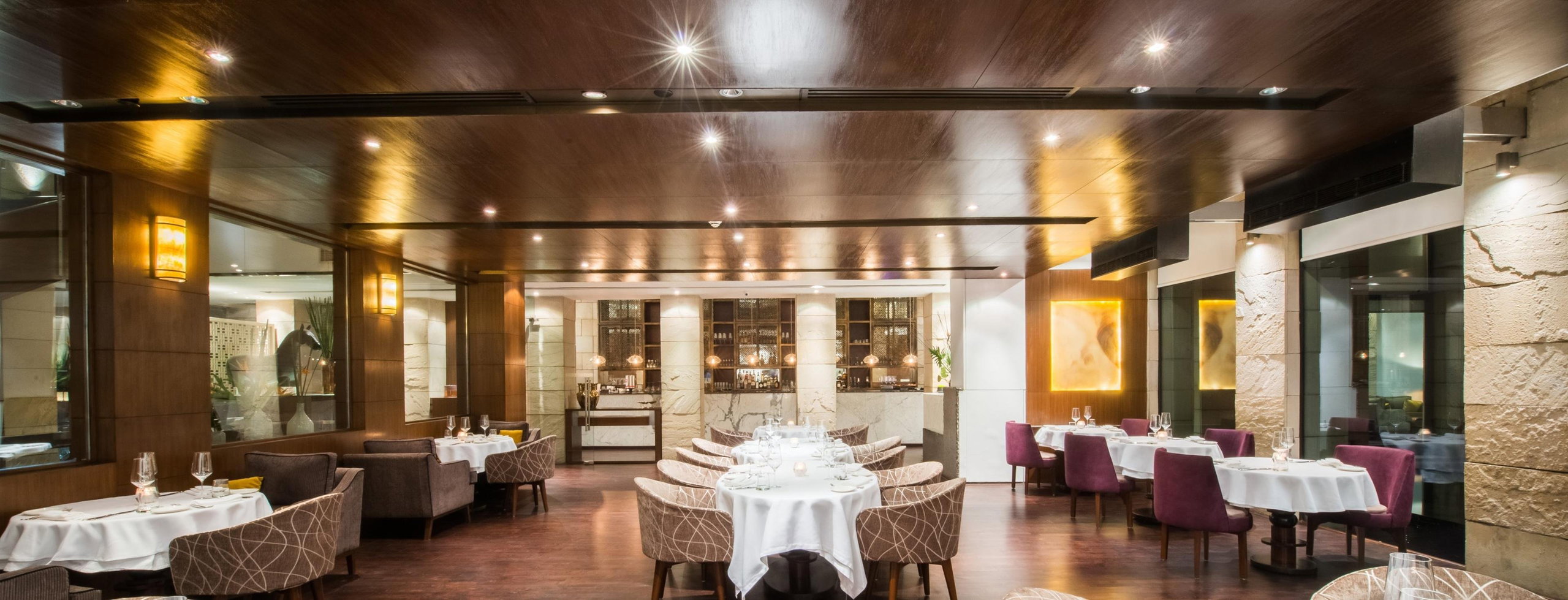
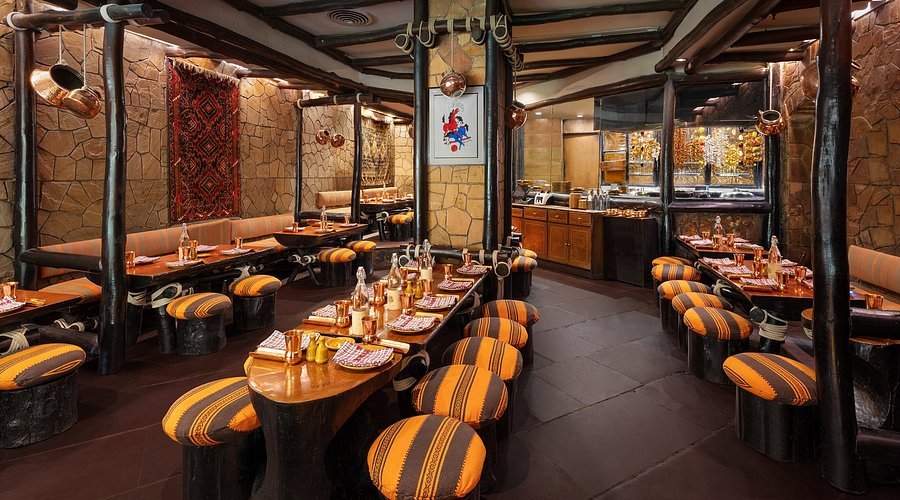
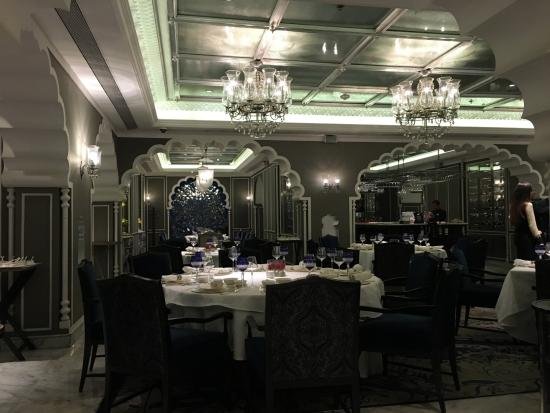
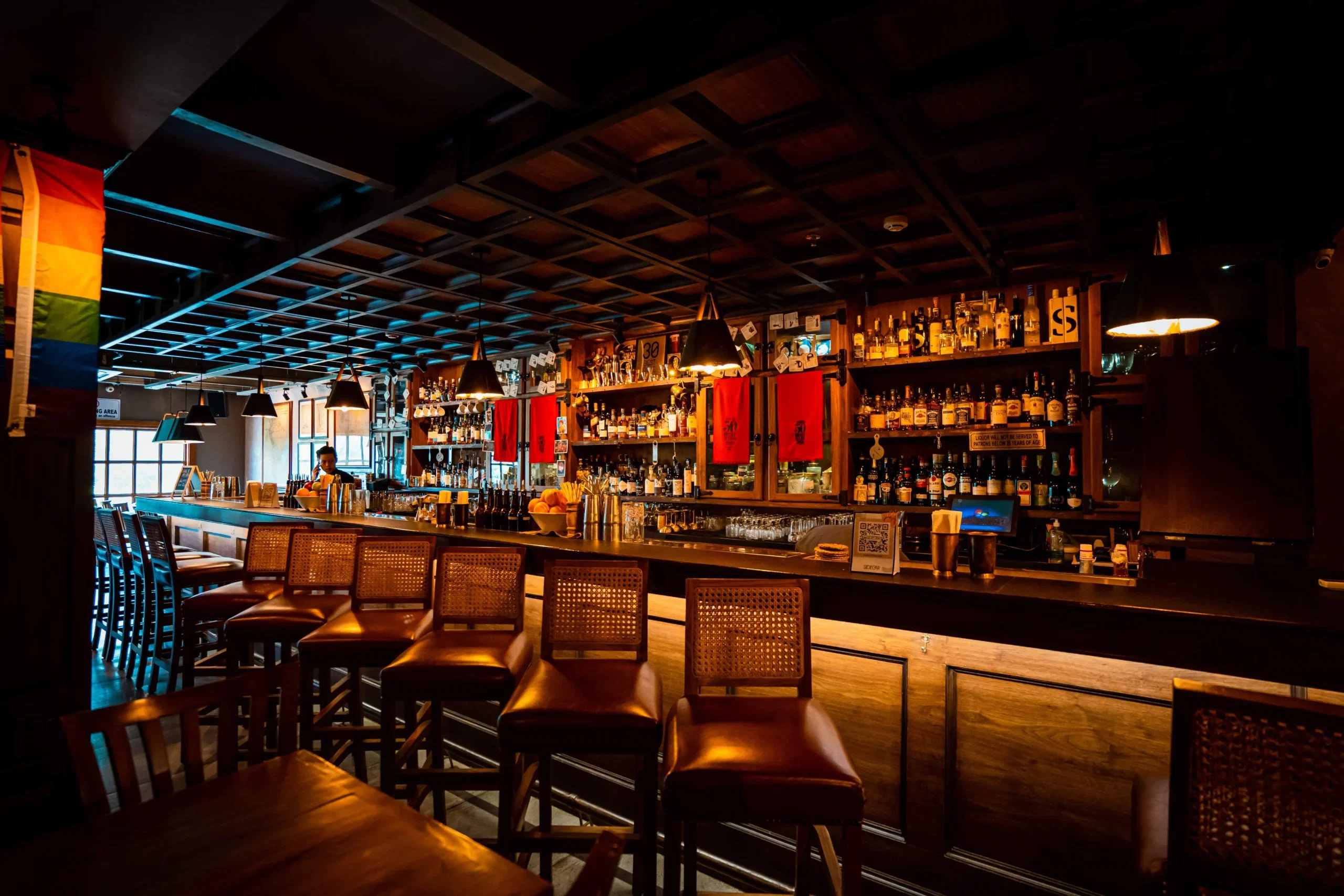
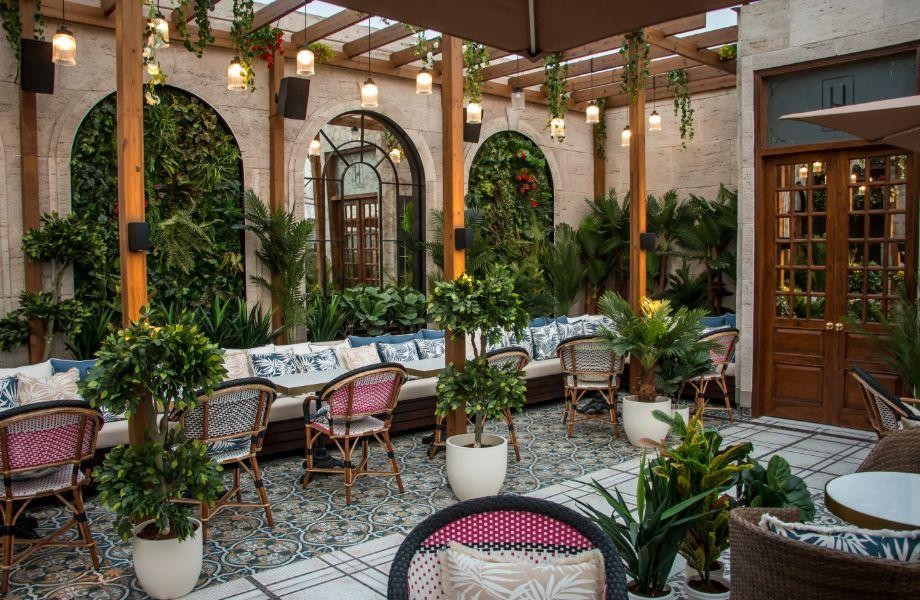
Classic and elegant atmosphere with gleaming parquet floors, marble bathrooms, four-poster beds, and candlelit open-air dining overlooking immaculate gardens.
Tags
Vibe
Best For
Experience
Amenities
View
Accessibility
About the Stay
- Rooms
- 132
- Property Style
- Classic British Style Elegance with Colonial Inspired Suites and Vintage Charm.
- Design Style
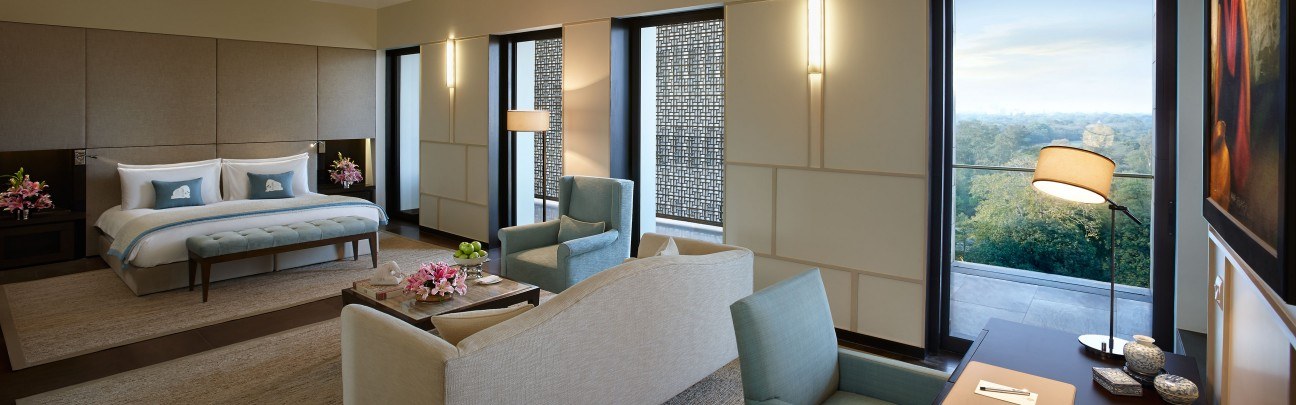
- Individually Decorated Rooms Blending Classic and Contemporary Styles with Parquet Floors, Marble Bathrooms, and Four Poster Beds.
Know before you go
Know Before You Go
- Getting there
- 12, Dr APJ Abdul Kalam Rd, Tees January Road Area, Motilal Nehru Marg Area, New Delhi, Delhi 110011
Planning details
Location
12, Dr APJ Abdul Kalam Rd, Tees January Road Area, Motilal Nehru Marg Area, New Delhi, Delhi 110011 · Directions
Recognition and awards
Explore New Delhi
Around this place
Discover more on Pearl
Unlock the full The Claridges New Delhi guide in Pearl, including awards, comparisons, FAQs, planning details, and nearby places.
FAQ
Frequently Asked Questions
How does The Claridges New Delhi compare to nearby hotels?
Choose The Claridges New Delhi if you want a $$$$ hotel in New Delhi with recognition from Preferred Hotels L.V.X. Collection (2025) and the MICHELIN Guide, Hotels Selected (2025). For details such as room style, facilities, or dining availability, confirm directly before booking.
Is The Claridges New Delhi family-friendly?
Families considering the hotel should treat it as a premium New Delhi option and confirm room configurations, child policies, and any needed services directly with the hotel.
When is the best time to book The Claridges New Delhi?
Is The Claridges New Delhi good for business travel?
Is The Claridges New Delhi worth the room rate?
It is most defensible if you value a premium New Delhi hotel with recognition from Preferred Hotels L.V.X. Collection (2025) and the MICHELIN Guide, Hotels Selected (2025). The price level is $$$$, so travelers who only need a simple place to sleep may want to compare other New Delhi options.
Is it worth upgrading rooms at The Claridges New Delhi?
Upgrade only after confirming what the higher category actually adds for your dates.