
Gasthof Zufriedenheit
city center, Naumburg
Hotel in Naumburg, Germany
 Book with Pearl
The Read
Historic Bones, Considered Renovation
Why go
Book Gasthof Zufriedenheit if the trip is centred on Naumburg and you want a smaller, locally rooted hotel rather than a larger regional base. The Michelin 1 Key recognition is the trust signal here, but upgrade decisions should be practical: pay for extra room only if you will use the space during the day.
About Gasthof Zufriedenheit
Gasthof Zufriedenheit is a Naumburg property with Michelin 1 Key recognition for 2025. For travellers comparing stays in the region, the grounded reasons to keep it on the shortlist are simple: the property is in Naumburg, it carries that Michelin distinction, and the dress code is smart casual.
Choose it for a confirmed Naumburg stay
The recommendation is clearest when Naumburg itself is the point of the trip. Gasthof Zufriedenheit has a Michelin 1 Key distinction in 2025, which is a meaningful quality signal.
The dress code is smart casual. That is useful to know when packing, especially if the stay includes time at the property.
How to think about the stay
Use Gasthof Zufriedenheit as a Naumburg anchor, then compare it with regional alternatives according to your itinerary. If you are also considering stays outside Naumburg, relevant comparison properties include Hotel Elephant Weimar, Hotel Fürstenhof Leipzig, Spa & Golf Hotel Weimarer Land, Steigenberger Icon Grandhotel Handelshof, and Vienna Townhouse Bach Leipzig.
For local planning, pair the search with up-to-date Naumburg resources and check current details directly with the property. Key points to plan around: Gasthof Zufriedenheit is in Naumburg, has Michelin 1 Key recognition in 2025, and lists a smart casual dress code.
Planning details
- Location
- Steinweg 26, 06618 Naumburg (Saale)
- Website
- gasthof-zufriedenheit.de
- Phone
- +49 3445 7912051
The take
The Take
The Vibe
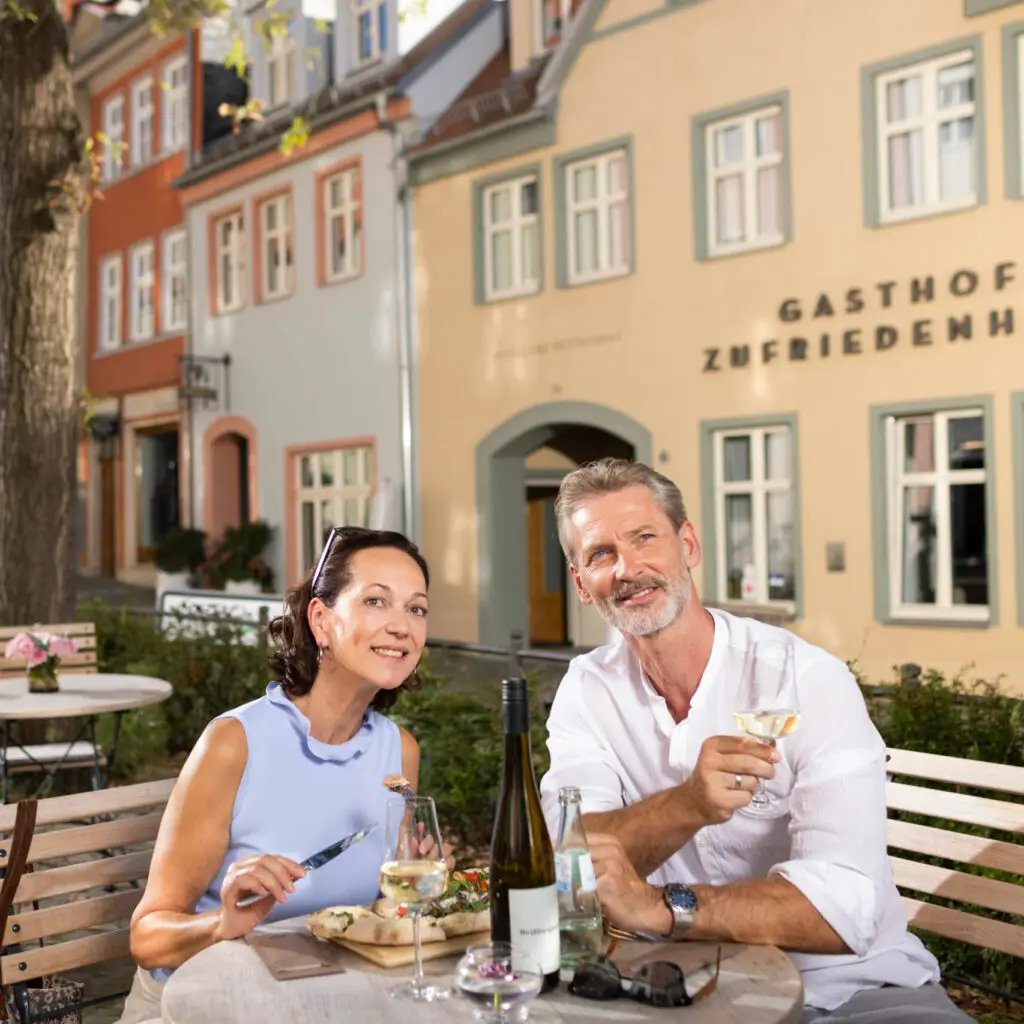
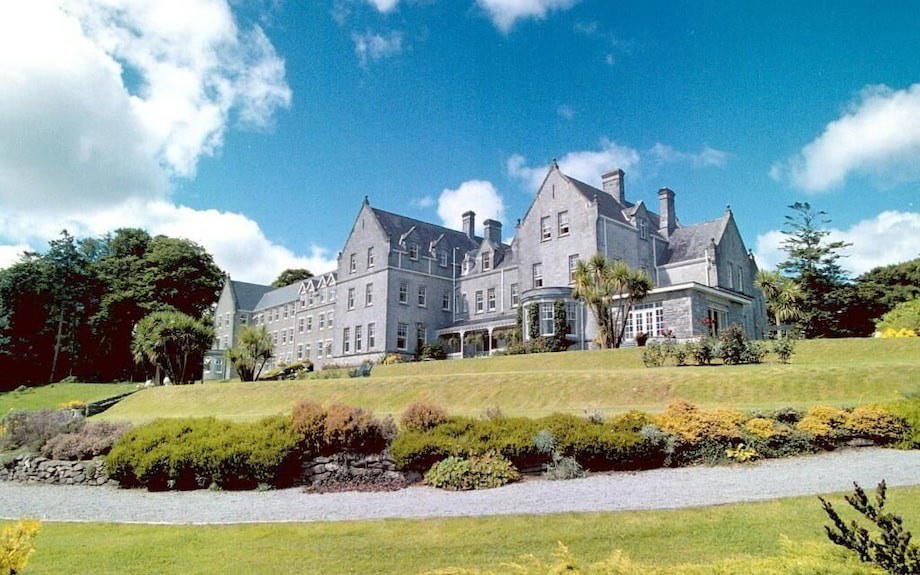
Gasthof Zufriedenheit leans into its context: a 19th-century structure in a town defined by medieval masonry, renovated with restraint so that contemporary details feel measured rather than showy. The hotel reads as a thoughtful intervention—materials and proportions respect the street, while interiors register as quietly refined. That balance creates a sophisticated, historically attuned atmosphere: not a museum of the past, but a place where modern comforts sit comfortably inside an authentic, time-tested shell. Guests encounter a calm, deliberate hospitality that complements Naumburg’s unassuming civic architecture rather than competing with it.
Best For
This is a hotel for travelers who prioritize place and provenance. It suits couples on romantic getaways and travelers seeking a weekend escape who want to be close to Naumburg’s cathedral and the town’s compact historic core. The property’s measured modernity and coherent scale make it a good pick for visitors who prefer quiet, culturally focused stays over urban bustle. It also appeals to anyone looking to use the hotel as a base for exploring the town’s medieval streets and UNESCO-listed architecture without sacrificing contemporary comfort.
Venue details
Ambiance
Peaceful and welcoming with cozy garden spaces, stylish modern interiors using natural materials, and a relaxed yet dignified atmosphere praised for its tranquility and refinement.
Tags
Vibe
Best For
Experience
Amenities
View
Accessibility
About the Stay
- Rooms
- 17
- Check-in
- 15:00
- Check-out
- 11:00
- Property Style
- Distinctive Boutique Hotel in Historic 1853 Building with Modern Updates
- Design Style
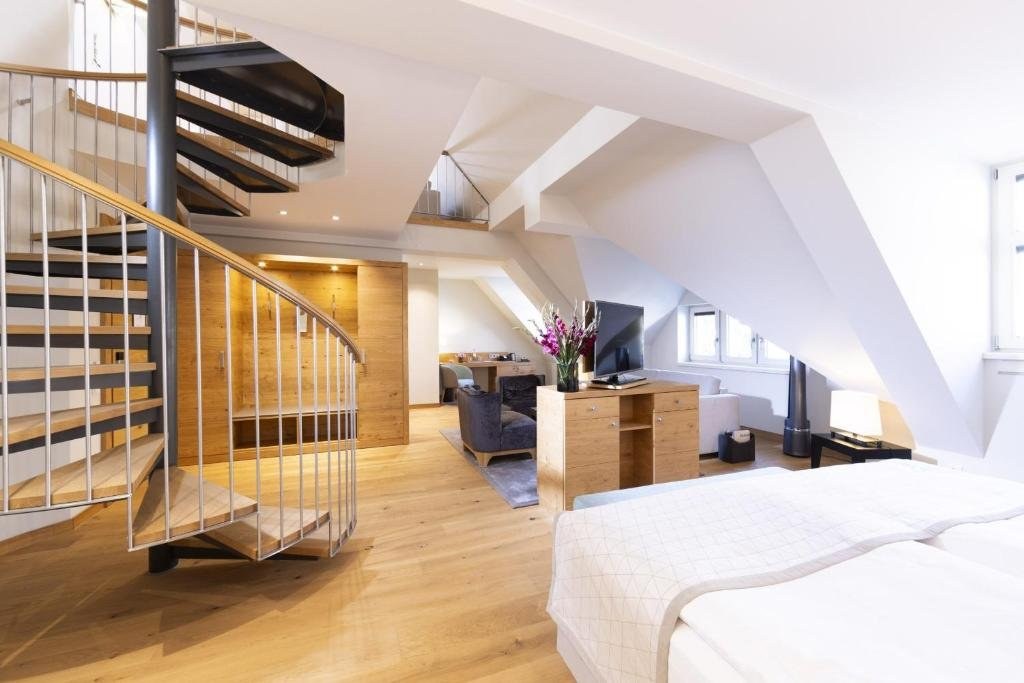
- Modern with Natural Materials, Stylish and Tasteful Blending Contemporary and Historical Elements
Know before you go
Know Before You Go
- Getting there
- Steinweg 26, 06618 Naumburg (Saale)
Planning details
Location
Recognition and awards
Also consider
Also Consider
- Hotel Elephant Weimar, Notable alternative
- Vienna Townhouse Bach Leipzig, Notable alternative
- Hotel Fürstenhof Leipzig, Notable alternative
- Spa & Golf Hotel Weimarer Land, Notable alternative
- Steigenberger Icon Grandhotel Handelshof, Notable alternative
Hotel context
How It Compares
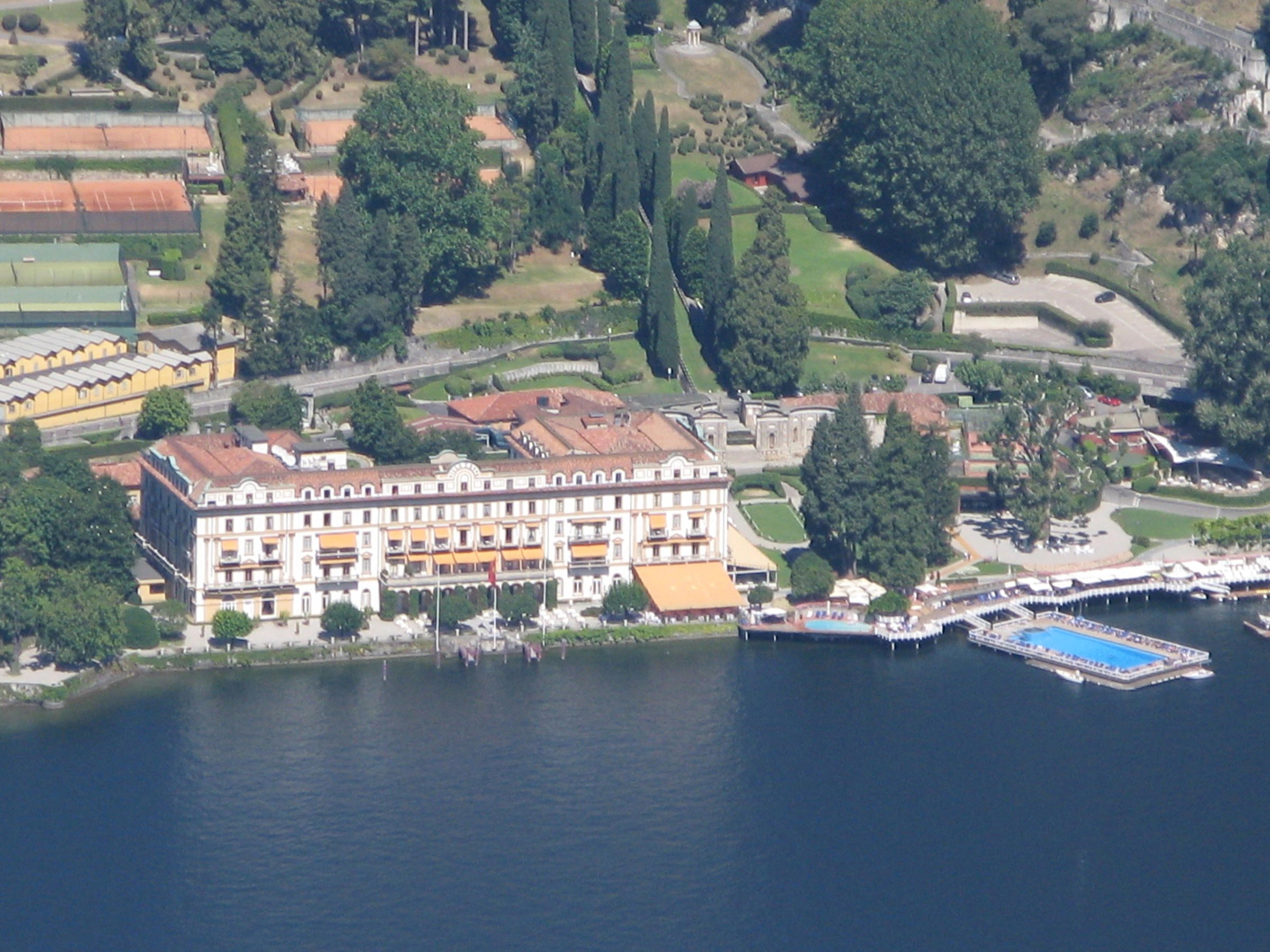
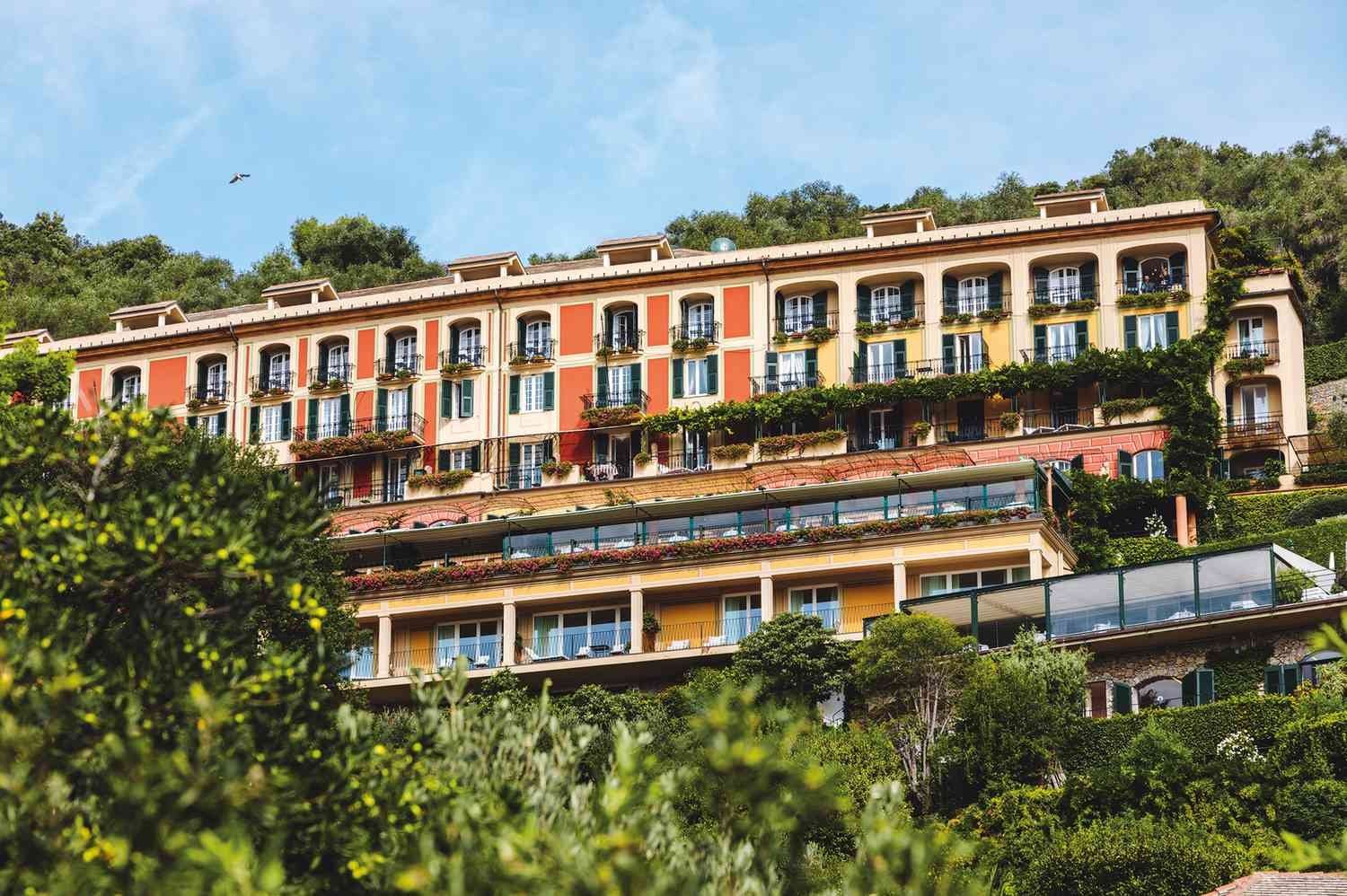
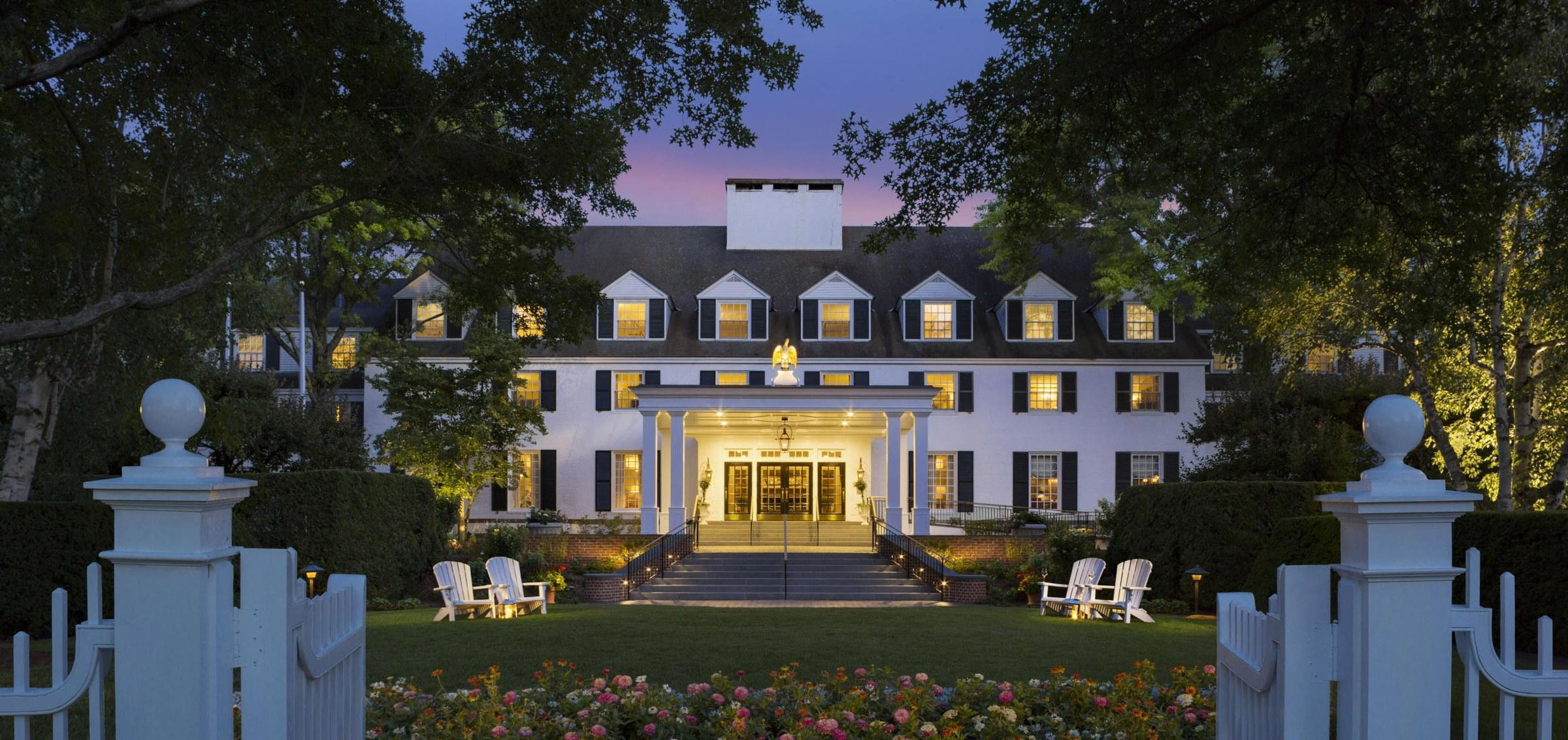
Gasthof Zufriedenheit is the Naumburg-first choice: it makes sense when location inside the town matters more than large-hotel infrastructure. Hotel Elephant Weimar is the better cross-shop for travellers who want a more established city-hotel feel in Weimar, while Vienna Townhouse Bach Leipzig suits a Leipzig-based stay with apartment-style practicality.
For a higher-service, larger-property decision, compare against Hotel Fürstenhof Leipzig and Steigenberger Icon Grandhotel Handelshof. Those make more sense if the itinerary is Leipzig-heavy or if business travel needs a bigger operational setup. Gasthof Zufriedenheit is the better call when the value is being in Naumburg itself.
If spa time is the main reason for the trip, Spa & Golf Hotel Weimarer Land is the cleaner fit. Choose Gasthof Zufriedenheit for old-town access and a smaller-scale stay; choose the Weimarer Land option when facilities drive the booking.
Explore Naumburg
Around this place
Discover more on Pearl
Unlock the full Gasthof Zufriedenheit guide in Pearl, including awards, comparisons, FAQs, planning details, and nearby places.
Compare Gasthof Zufriedenheit
| Venue | Location | Awards |
|---|---|---|
| Gasthof Zufriedenheit | Naumburg | Michelin 1 Key 20252025 Michelin 1 Key |
| Hotel Elephant Weimar | Weimar | No published awards |
| Vienna Townhouse Bach Leipzig | Leipzig | No published awards |
| Hotel Fürstenhof Leipzig | Leipzig | 2026 La Liste Top Hotels |
| Spa & Golf Hotel Weimarer Land | Blankenhain | Star Wine Lists 20262025 Michelin 2 Keys2024 Michelin 2 Keys |
| Steigenberger Icon Grandhotel Handelshof | Leipzig | 2026 La Liste Top Hotels |



How Gasthof Zufriedenheit Naumburg compares with similar nearby venues.
FAQ
Frequently Asked Questions
Is Gasthof Zufriedenheit good for business travel?
It can be worth considering if your business trip is centered on Naumburg and you want a property with Michelin 1 Key recognition in 2025. Ask the property directly about any work-related needs.
How is the pool and spa at Gasthof Zufriedenheit?
When is the best time to book Gasthof Zufriedenheit?
Book when your Naumburg dates are firm and check current availability directly with the property. Gasthof Zufriedenheit is in Naumburg and has Michelin 1 Key recognition for 2025.
How is the dining at Gasthof Zufriedenheit?
Which room category is best at Gasthof Zufriedenheit?
Choose based on the current room descriptions from the property, and compare with regional alternatives such as Hotel Elephant Weimar if you are weighing different styles of stay.
Do loyalty programs work at Gasthof Zufriedenheit?
What is check-in like at Gasthof Zufriedenheit?
Contact Gasthof Zufriedenheit directly for arrival details, especially if you have a late arrival or other timing constraints.