
The Dawn Luxury Hotel
Nanzhao Town
Hotel in Nanzhao Town, China
 Book with Pearl
The Read
Courtyard-Structured Heritage
Price
$200–300per night
Why go
The Dawn Luxury Hotel is worth considering if Nanzhao Town is the right base and an easier booking matters more than a central Chengdu address. Its Small Luxury Hotels of the World membership is the main trust signal; choose a room category for added space or work comfort, not for an assumed view or amenity package.
About The Dawn Luxury Hotel
Book The Dawn Luxury Hotel if the trip is built around a Nanzhao Town stay and you want a hotel with a clear luxury signal: it is listed as a Small Luxury Hotels of the World member for 2025. Beyond that recognition and a smart-casual dress code, the safest booking approach is to judge it on whether Nanzhao Town fits the trip rather than on assumptions about facilities, dining, or room categories.
Choose the room for practical fit, not for a label
The room-category play here should be simple: avoid paying up for a label unless the booking channel clearly shows what the category adds. When the category differences, views, dining format, or facility access are not clear, value is more likely to come from practical needs than from chasing a premium name.
This is also the kind of hotel where the broader location decision matters. The appeal should be Nanzhao Town itself and whether that base works for the itinerary. If the trip would be better served by a different city-hotel profile, compare it with options such as The Ritz-Carlton, Chengdu, The St. Regis Chengdu, Dorsett Chengdu, Wanda Reign Chengdu, or Guanyin Yiyuntai Hotel instead of assuming The Dawn Luxury Hotel will suit every style of stay.
Better for location-led stays than assumption-led planning
The case for booking is strongest when Nanzhao Town is the right base and the Small Luxury Hotels of the World membership matters to you. If the priority is a different luxury-hotel setting, The Ritz-Carlton, Chengdu or The St. Regis Chengdu may be worth comparing. If the priority is simply to stay in Nanzhao Town, The Dawn Luxury Hotel deserves consideration on that basis.
Do not build the booking around assumptions about dining, spa facilities, pool access, room tiers, prices, or service style. That does not make the hotel a poor choice; it means the decision should be anchored in location fit, the 2025 Small Luxury Hotels of the World membership, and the smart-casual dress code rather than a specific amenity promise.
For planning around town, start with Our full Nanzhao Town hotels guide. If the trip needs food, drinks, or activities nearby, use Our full Nanzhao Town restaurants guide, Our full Nanzhao Town bars guide, Our full Nanzhao Town wineries guide, and Our full Nanzhao Town experiences guide before committing to this base.
Planning details
- Location
- SichuanPidu Pi Du Qu, Unit 3, Building 14, Wanda Plaza, No. 125 East Wang Cong Road 邮政编码: 610000
The take
The Take
The Vibe
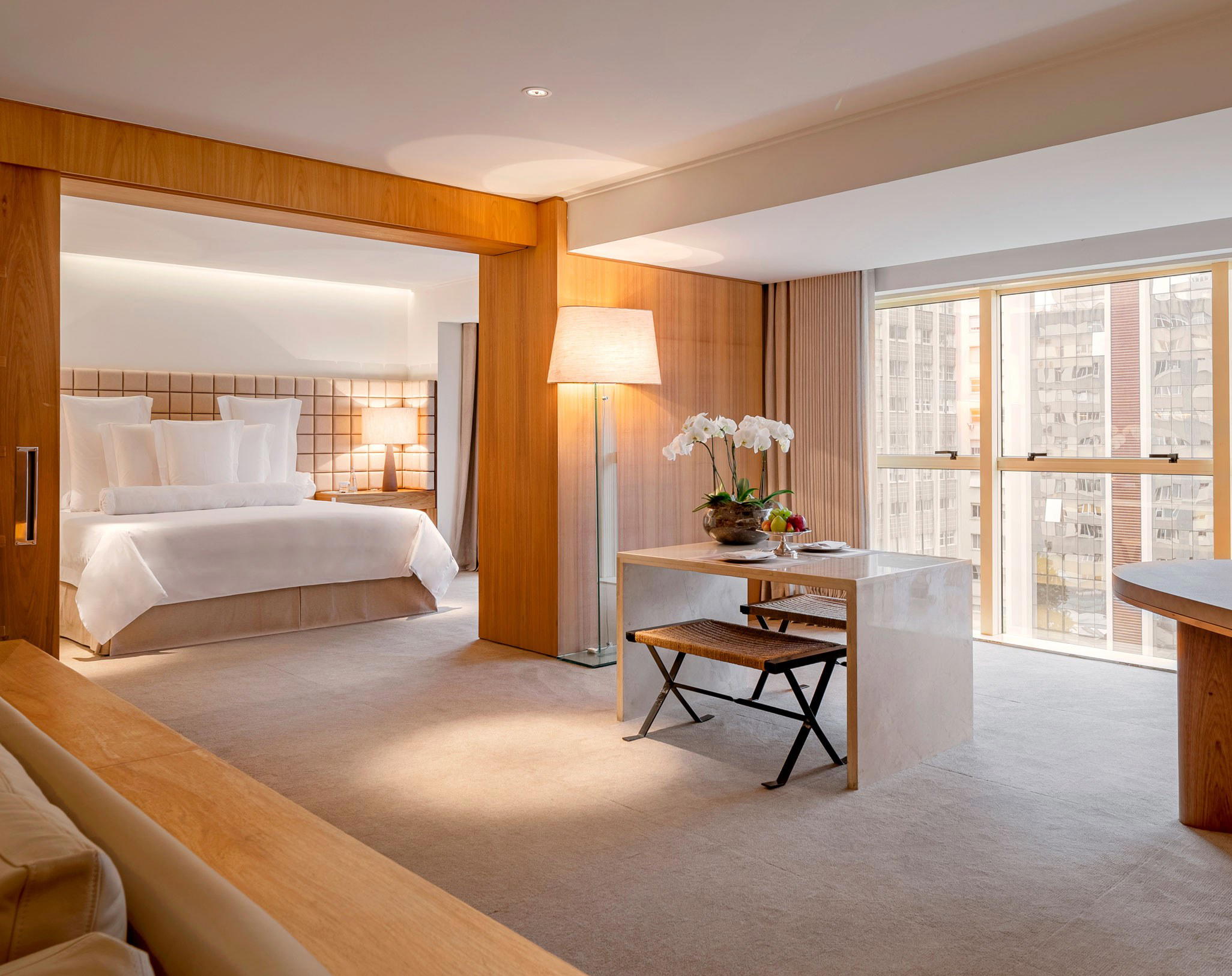
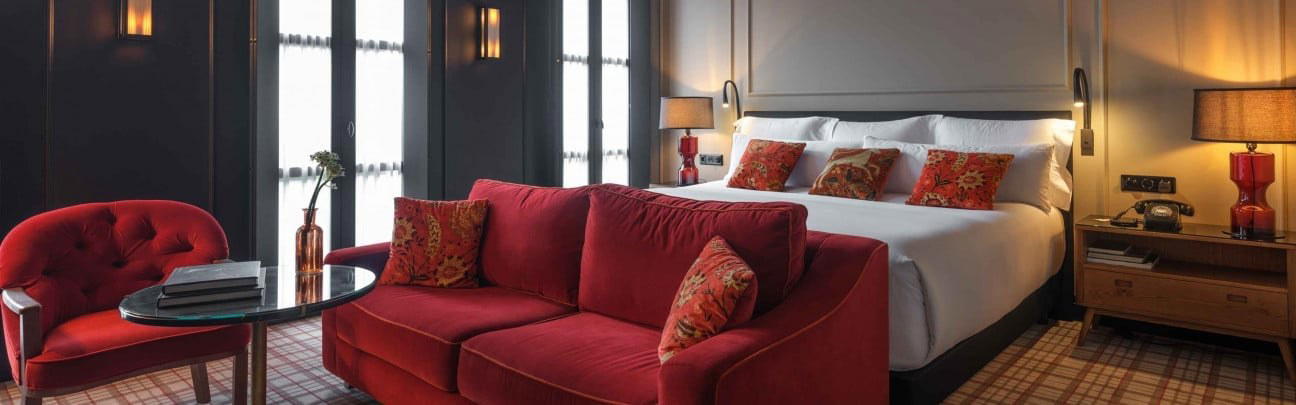
The Dawn Luxury Hotel anchors its luxury in place rather than in an inventory of amenities, presenting a quietly confident take on contemporary Chinese design. The property is organized around four courtyards that function as the building’s spatial and seasonal heart, producing a measured, serene atmosphere. Restoration and adaptive reuse of historically resonant fabric give the hotel a palpable sense of time: walls and timber frames read like a physical archive. The overall effect is refined and restrained — a classic, design-minded stay for travelers who prize heritage, calm, and architectural intent over theatrical spectacle.
Best For
This hotel suits travelers seeking a restful, design-forward escape rooted in local history. Its courtyard layout and emphasis on measured seasonal change make it well matched to romantic getaways, wellness retreats, and quiet weekend escapes. Guests who appreciate architectural conservation, thoughtful restoration and a contemplative pace will find the setting especially rewarding. The Dawn reads as an intentional retreat from urban bustle, favoring privacy and a slow rhythm that highlights place and provenance rather than nightlife or high-energy programming.
Venue details
Ambiance
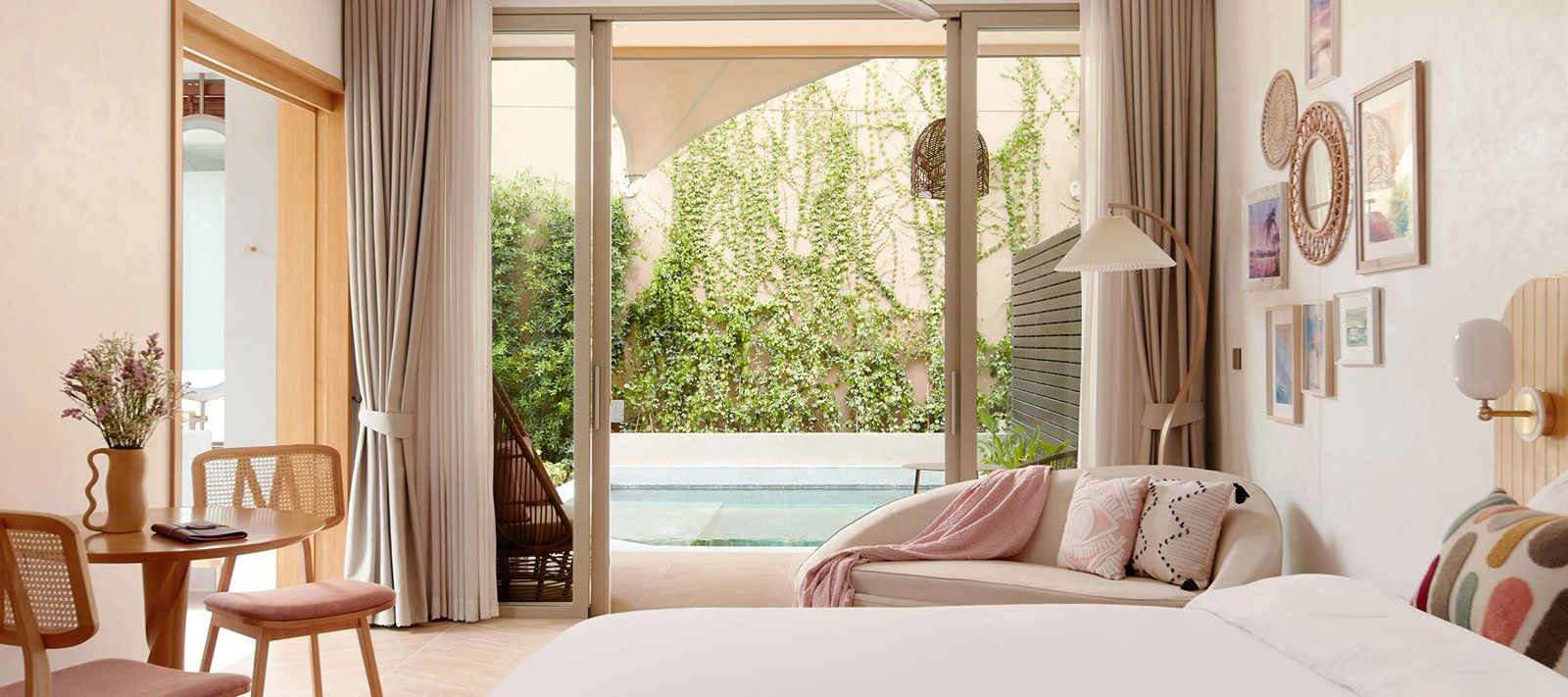
Calm and tactile with floor-to-ceiling wood, cool stone floors, natural fabrics, warm lighting, and curated plantings evoking a quiet local residence.
Tags
Vibe
Best For
Experience
Amenities
View
About the Stay
- Rooms
- 15
- Check-in
- 14:00
- Check-out
- 12:00
- Property Type
- Boutique hotel
- Property Style
- Cultural Immersion in Ancient City Architecture with Modern Interiors
- Design Style
- Honey Coloured Wood Panels, Natural Stone, Lofty Ceilings, and Courtyard Garden Views
- Airport Transfer
- Available
- Spa
- Yes
- Cancellation
- Moderate
Know before you go
Know Before You Go
- Getting there
- SichuanPidu Pi Du Qu, Unit 3, Building 14, Wanda Plaza, No. 125 East Wang Cong Road 邮政编码: 610000
Planning details
Location
SichuanPidu Pi Du Qu, Unit 3, Building 14, Wanda Plaza, No. 125 East Wang Cong Road 邮政编码: 610000 · Directions
Recognition and awards

Also consider
Also Consider
- Dorsett Chengdu, Notable alternative
- The Ritz-Carlton, Chengdu, Notable alternative
- Guanyin Yiyuntai Hotel, Notable alternative
- The St. Regis Chengdu, Notable alternative
- Wanda Reign Chengdu, Notable alternative
Hotel context
How It Compares
The Ritz-Carlton, Chengdu and The St. Regis Chengdu are the safer choices if the trip needs a central Chengdu luxury base, deeper service infrastructure, and a more established city-hotel rhythm. The Dawn Luxury Hotel is the more practical pick when Pidu District works better geographically and easier availability matters.
Dorsett Chengdu is the value cross-shop for travelers who care more about access and price discipline than luxury signals. The Dawn Luxury Hotel has the stronger recognition cue through Small Luxury Hotels of the World membership, while Dorsett Chengdu is likely the cleaner choice for a tighter budget or a simpler city stay.
Wanda Reign Chengdu and Guanyin Yiyuntai Hotel are better comparisons for travelers deciding between polished comfort and a more distinctive local-feeling stay. Choose The Dawn Luxury Hotel for a lower-friction Nanzhao Town base; choose Wanda Reign Chengdu for a bigger-city luxury posture, and Guanyin Yiyuntai Hotel if atmosphere matters more than brand familiarity.
Explore Nanzhao Town
Around this place
Discover more on Pearl
Unlock the full The Dawn Luxury Hotel guide in Pearl, including awards, comparisons, FAQs, planning details, and nearby places.
Compare The Dawn Luxury Hotel
| Venue | Location | Awards |
|---|---|---|
| The Dawn Luxury Hotel | Nanzhao Town | Small Luxury Hotels Member 2025 |
| Dorsett Chengdu | Chengdu | No published awards |
| The Ritz-Carlton, Chengdu | Chengdu | 2026 Forbes 5-Star2026 La Liste Top Hotels2025 Forbes 5-Star |
| Guanyin Yiyuntai Hotel | Chengdu | Leading Hotels of the World 2026 |
| The St. Regis Chengdu | Chengdu | 2026 Forbes 4-Star2026 La Liste Top Hotels2025 Michelin Selected Hotels2025 Forbes 4-Star |
| Wanda Reign Chengdu | Chengdu | No published awards |





How The Dawn Luxury Hotel Nanzhao Town compares with similar nearby venues.
FAQ
Frequently Asked Questions
How does The Dawn Luxury Hotel compare to other hotels?
Choose it if you want a Nanzhao Town stay with a Small Luxury Hotels of the World membership in 2025. For a different luxury-hotel profile, compare it with The Ritz-Carlton, Chengdu, The St. Regis Chengdu, Wanda Reign Chengdu, Dorsett Chengdu, or Guanyin Yiyuntai Hotel, depending on where you need to be.
How is the location of The Dawn Luxury Hotel?
The hotel is in Nanzhao Town. Book it if Nanzhao Town works for your plans and compare other hotels if another base would be more practical.
How is the pool and spa at The Dawn Luxury Hotel?
Treat pool and spa access as check-before-booking items. If wellness facilities are a priority, confirm directly before reserving or compare with another hotel whose facilities are clearly listed.
How is the dining at The Dawn Luxury Hotel?
If dining is important, confirm current restaurant and menu details before booking. Plan around the hotel's Nanzhao Town location and luxury affiliation first, and treat dining as a detail to check before reserving.
Which room category is best at The Dawn Luxury Hotel?
Pick the room that best matches your practical needs based on the booking information available at the time. Avoid paying extra for a label unless the added details are clear.
Is The Dawn Luxury Hotel good for business travel?
It can make sense for business travel if Nanzhao Town is the right base. The Small Luxury Hotels of the World membership is a useful trust signal, but meeting rooms, workspace details, transport convenience, and other business-specific features should be confirmed before booking.